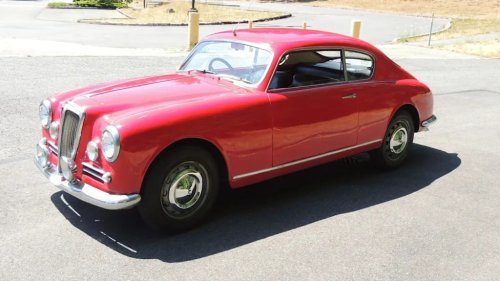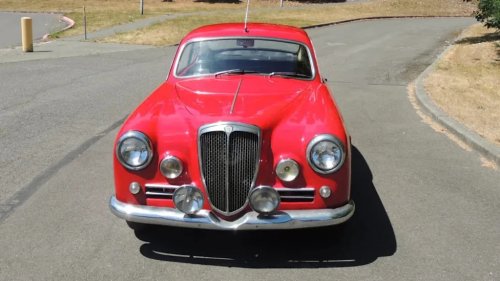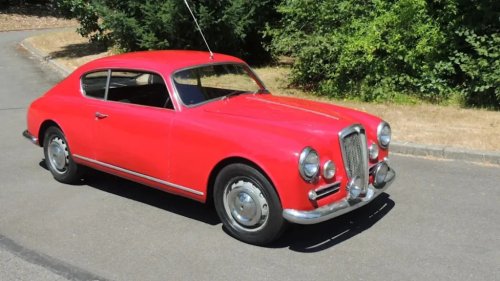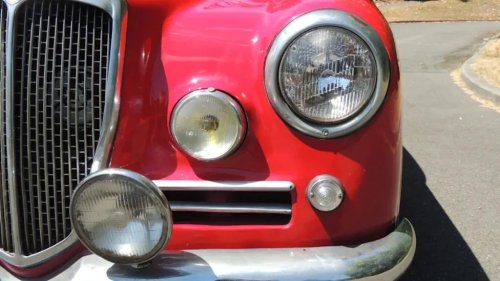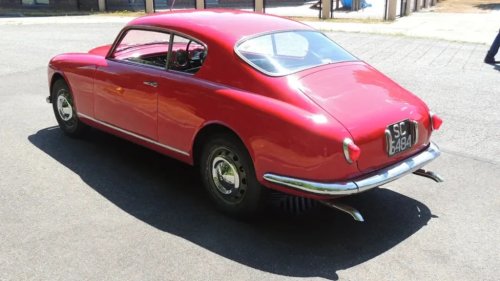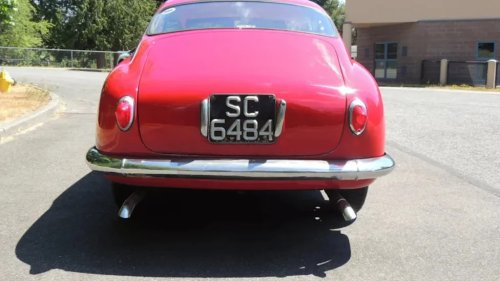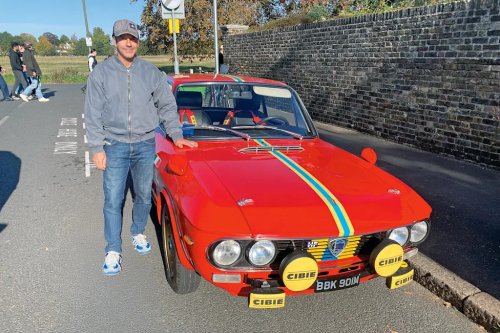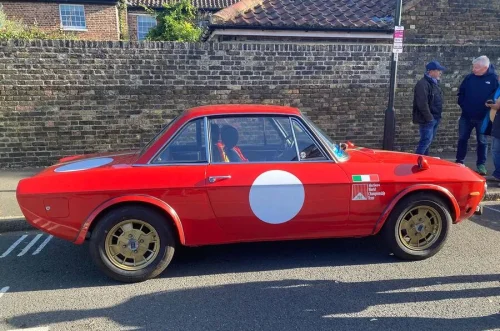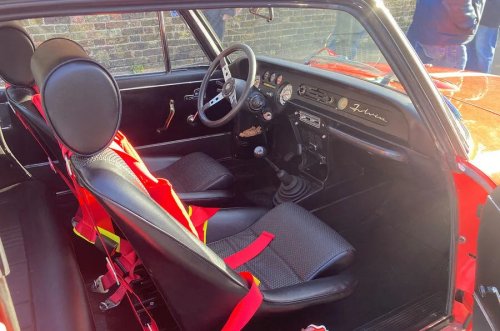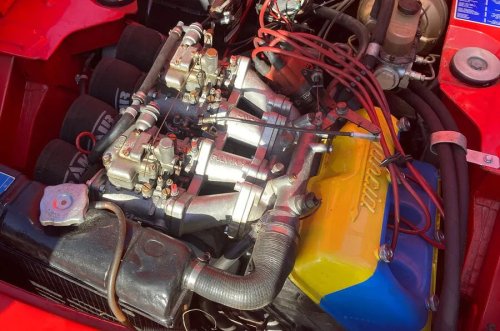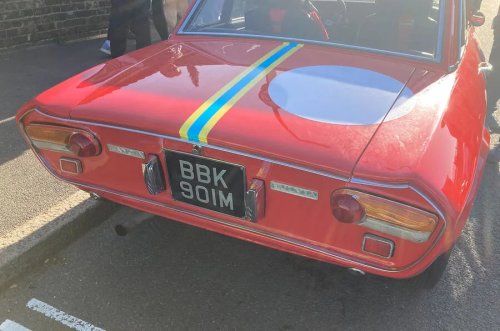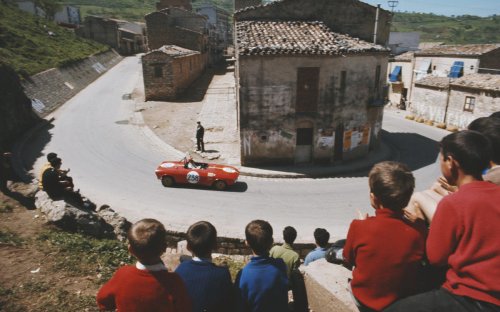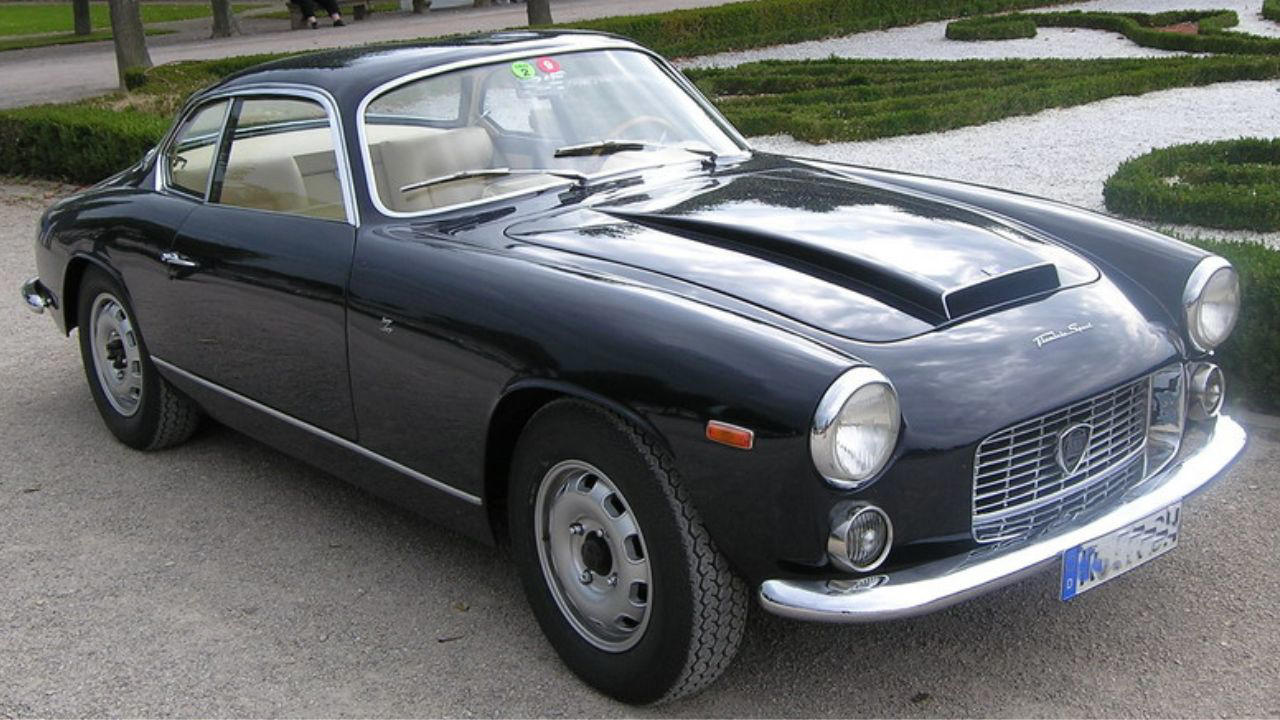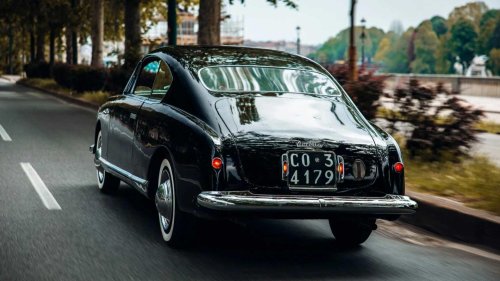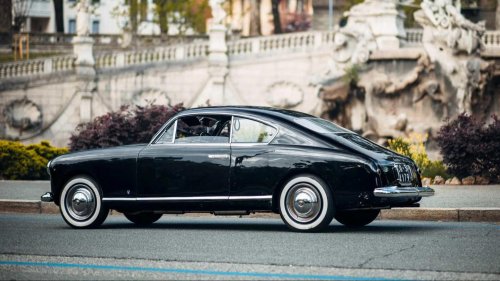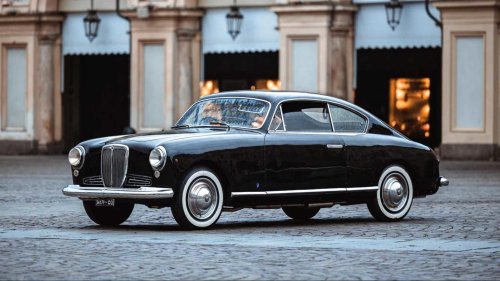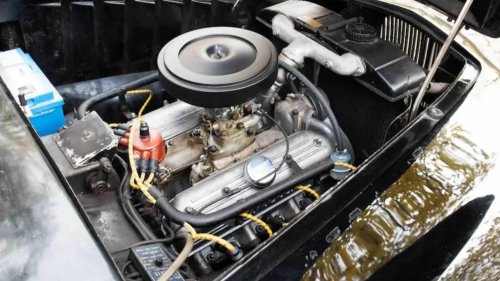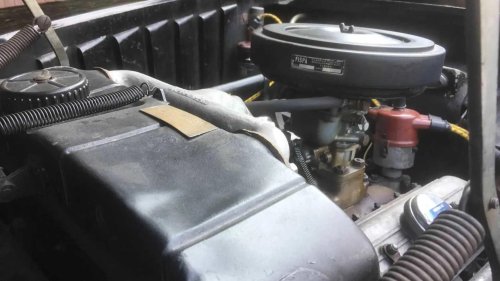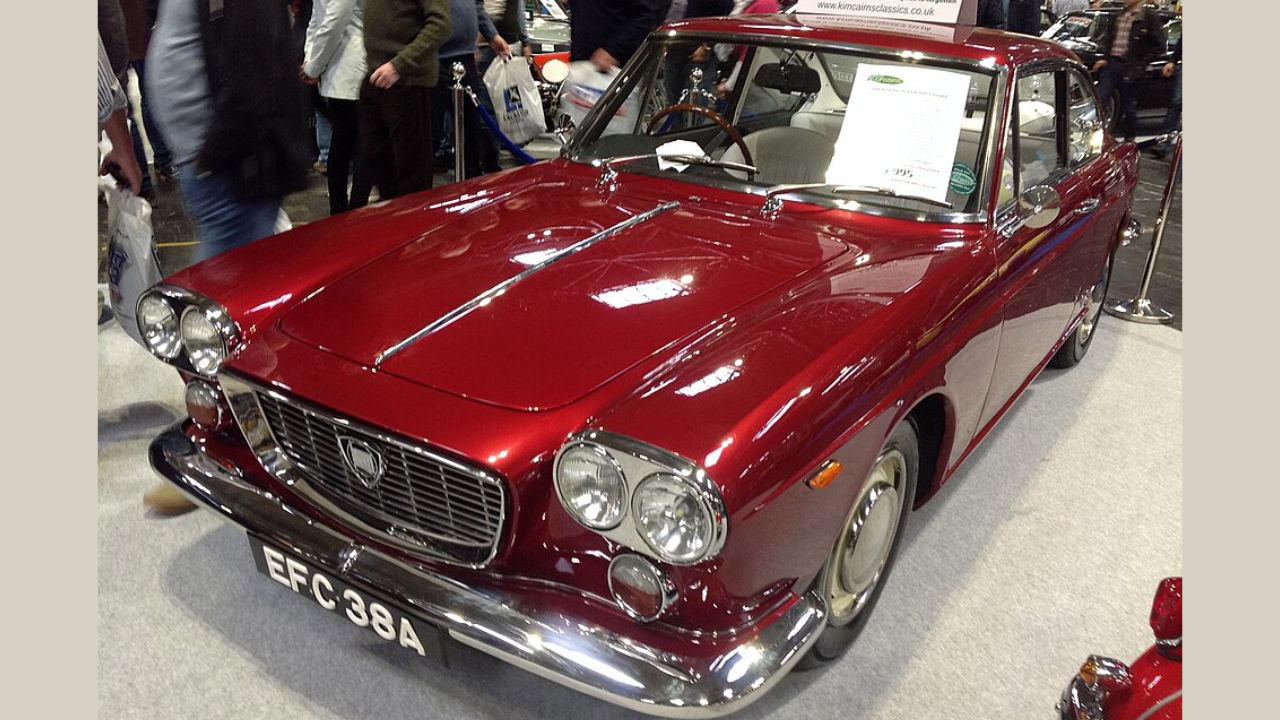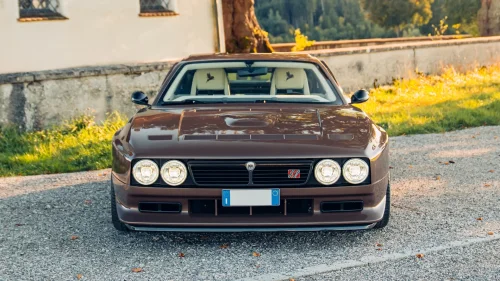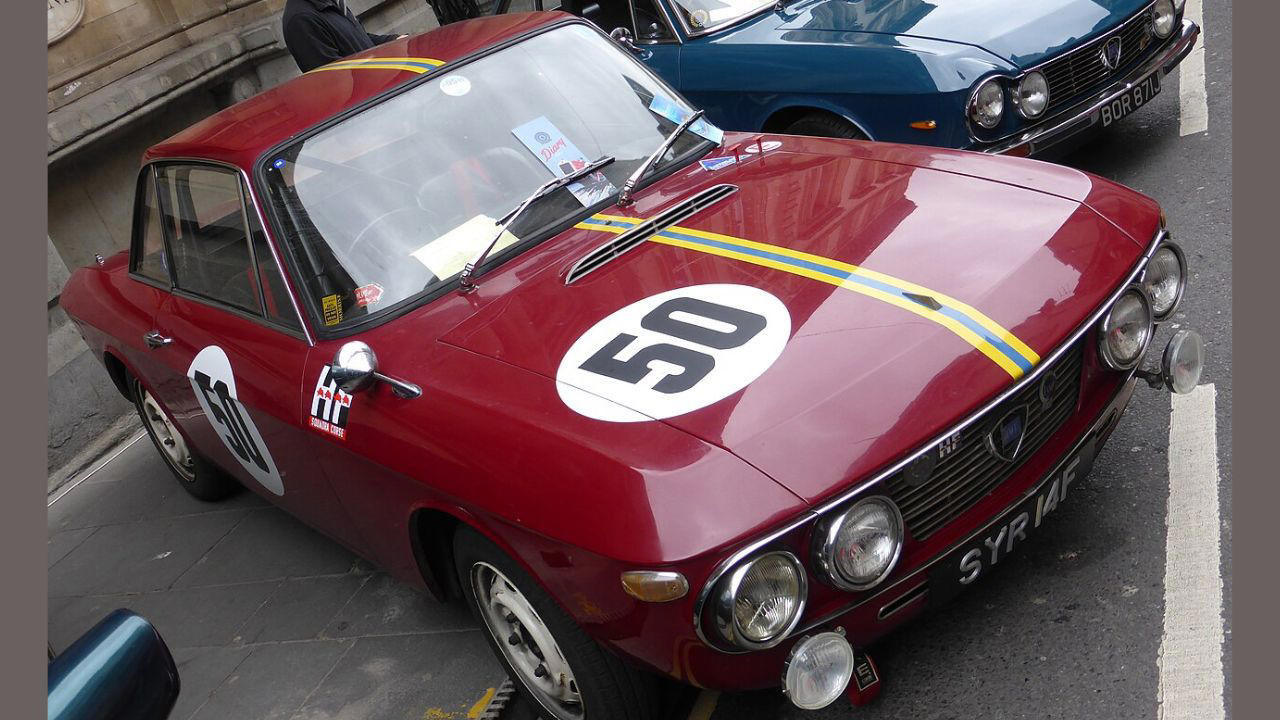


















Few people talk about the 1965 Lancia Fulvia but it had a purposeThe 1965 Lancia Fulvia rarely dominates classic car conversations, yet it was engineered with a clear mission. Conceived as a refined family saloon that could double as a competition weapon, it helped shift Lancia’s focus toward rallying and quietly laid the groundwork for the brand’s later legends. To understand why it mattered, it helps to see how this compact Italian coupe blended everyday usefulness with a surprisingly serious sense of purpose. From sober saloon to motorsport laboratory The Lancia Fulvia did not start life as a glamorous coupe. It arrived first as a tidy four door saloon, built to continue Lancia’s tradition of sophisticated engineering in a practical package. The early car used a narrow angle V4 engine mounted ahead of the front axle and drove the front wheels, a layout that put Lancia well outside mainstream thinking at the time. As one detailed guide to the Lancia Fulvia explains, the company had already spent the 1950s experimenting with advanced chassis and powertrain ideas and saw the new model as a chance to refine them. Front wheel drive was not new to the industry, but Lancia applied it with unusual thoroughness. The Fulvia’s front suspension and steering were designed for precision rather than cheap packaging, and its compact V4 allowed a short nose and a surprisingly roomy cabin for such a small footprint. The result was a car that looked modest on paper yet felt unusually composed on rough European roads, a trait that would later prove vital once rallying entered the picture. The real transformation came when Lancia shortened the wheelbase and created the Fulvia Coupe. Arriving in the mid 1960s, it kept the saloon’s technical base but wrapped it in a low, crisp body with four round headlamps and a clean beltline. Contemporary descriptions of the 1965 to 1976 Fulvia Coupe highlight how both sedan and coupe shared that quad headlamp face, yet the two door version immediately looked more purposeful and hinted at the competition role Lancia had in mind. The strange and clever V4 that defined its character If the styling was understated, the engine was anything but. The Fulvia’s narrow angle V4 remains one of the more unusual production engines of its era. Instead of a conventional inline four, Lancia used a very tight V configuration with the cylinder banks so close that they could share a single cylinder head. This arrangement, described in detail in technical discussions of the Lancia V4 engine, allowed a very short block, reduced overall length, and helped the company place the powerplant far forward without excessive overhang. The payoff was packaging efficiency and a distinctive feel. The little V4 revved freely and produced its power in a smooth, eager way that suited both town driving and fast cross country work. In early form the engine displaced just over 1.0 liter, then grew through a series of 1.2, 1.3, and 1.6 liter versions as Lancia chased more performance. Each step kept the same basic architecture, which meant that even the hotter rally units felt like close relatives of the engine in the family saloon. That continuity was deliberate. Lancia wanted a car that could be sold in useful numbers to private buyers yet still form the basis for serious competition programs. By designing the V4 as a flexible platform, engineers could homologate new displacements and tuning levels without abandoning the core design. The Fulvia therefore became a rolling test bench for the company’s approach to compact, high revving engines and front wheel drive dynamics. Rallying as the real purpose The real reason the 1965 Fulvia matters lies in the forests and mountain passes of European rallying. After Lancia withdrew from Formula One in 1955, the company’s motorsport focus shifted decisively to long distance events on public roads. That shift is described in histories of Lancia and rallying, which note that the Fulvia became the main tool for this new strategy. The coupe version entered events first as a prototype. Records of the Lancia Fulvia show that the car competed in rallying before it even received formal FIA homologation, which only arrived in August 1969. During that period the works cars served as development mules, allowing Lancia to refine suspension geometry, gearing, and engine output under real competition stress. Once the FIA paperwork was in place, the Fulvia’s results confirmed that the concept worked. With the exception of 1970, Fulvias won the Italian Rally Championship every year from the late 1960s into the early 1970s, according to those same competition records. The car also scored major international victories, including success on rough gravel and snow where outright power mattered less than traction, reliability, and driver confidence. Those traits were baked into the road car. The narrow angle V4 sat low, the front wheel drive layout pulled the car out of tight corners, and the relatively modest power output meant drivers could use full throttle on poor surfaces without instantly overwhelming the tires. As one period analysis of the 1965 to 1976 Fulvia Coupe notes, rallying often rewards balance over brute force, which suited Lancia’s engineering led approach. A family car that drove like a sports car For all its competition success, the Fulvia still had to justify itself as a showroom product. Lancia pitched it as a compact, high quality car for buyers who valued precision over size. Since its introduction at the Geneva Motorshow in 1963, the Fulvia had appealed to drivers who liked their cars light, nimble, and beautifully built, a point underlined in period coverage of Lancia Fulvia models. The interior reflected that brief. Thin pillars and large glass areas created a bright cabin, while the driving position placed the steering wheel close and the pedals neatly aligned. The dashboard mixed clear instruments with wood trim and simple switchgear. It was not a luxury car in the sense of thick carpets and chrome overload, but it felt carefully assembled and distinctly more upmarket than many rivals in its size class. On the road, the car’s character matched its rally reputation. Contemporary and modern commentators alike describe the steering as light but accurate, the ride as firm yet supple, and the handling as predictable even near the limit. A modern video review in which Jack and his co presenters drive a Fulvia and call it “the last real Lancia” captures how this balance still impresses today; that sentiment comes through in the way Jack and his team talk about the car’s feedback and build quality. Power outputs were modest by modern standards, yet the Fulvia made the most of what it had. A feature on Fulvia Origins and Basics notes that the car began with humble specifications before evolving into the world famous rally machine enthusiasts remember. That evolution did not turn it into a temperamental specialist. Even in hotter HF form, the Fulvia remained tractable in traffic and comfortable on long drives, reinforcing its dual role as family transport and weekend competition tool. Engineering firsts and the Lancia mindset The Fulvia also fits into a longer story about Lancia as a company that prized engineering innovation even when it did not make immediate commercial sense. A detailed retrospective on The Lancia Fulvia urges readers to “Take note of the number of significant firsts this company achieved as well as their considerable motorsport success.” That reminder places the car among earlier breakthroughs such as independent suspension systems and pioneering V6 engines in other Lancia models. Within that context, the Fulvia’s narrow angle V4, front wheel drive layout, and finely tuned suspension look less like isolated quirks and more like a continuation of a house style. Lancia engineers were willing to pursue complex solutions if they believed the dynamic benefits justified the effort. The Fulvia’s compact engine and precise steering are clear examples of that philosophy, and they helped the car punch above its weight in competition. That engineering bias also shaped the way the car aged. Owners and restorers often comment that the Fulvia rewards careful maintenance and expert setup. A walkaround of a 1968 Lancia Fulvia project car, for instance, highlights details like the intricate front suspension, the delicate body seams, and the need to treat corrosion and alignment issues properly. These are not signs of fragility so much as reminders that Lancia built the car to tight tolerances, which can be both a blessing and a challenge decades later. Why the 1965 Fulvia stays underrated Given this mix of innovation, motorsport success, and everyday usability, it might seem strange that the Fulvia is not as widely celebrated as some contemporaries. Several factors help explain that relative obscurity. The car’s power outputs never reached the headline grabbing figures of later rally icons, so casual fans often skip straight from the big rear wheel drive sedans of the early 1960s to the turbocharged monsters of the 1980s. The Fulvia sits in between, quietly effective rather than obviously outrageous. Brand history also plays a role. Lancia’s later financial struggles and shifting ownership blurred public memory of its earlier achievements. Many enthusiasts associate the name primarily with the Delta Integrale and a handful of dramatic concept cars, overlooking the steady work that models like the Fulvia performed in building the company’s competition reputation. That amnesia is part of why some modern commentators describe the Fulvia as underrated when they encounter it in person. Yet among those who know it, the car inspires strong loyalty. A recent video from a channel called Down at the Barnes, filmed at a place the presenter refers to as Lello at the farm shop, shows the host meeting an owner named Tony and describing the Fulvia as a discovery that explains why the model is “so underrated.” In that clip, which can be found under the title down at the Barnes, the conversation focuses on the way the car feels alive at normal speeds and seems to shrink around the driver, traits that rarely come through in spec sheets. Specialist marketplaces echo that sentiment. A detailed buyer’s guide to the 1965 to 1976 Lancia Fulvia Coupe notes that the cars have long been favorites among enthusiasts who value handling and character over straight line speed. It also points out that the four round headlamps and crisp coupe profile give the car a timeless elegance that photographs do not always convey. The quiet legacy of a purposeful car Looking back at the 1965 Fulvia, its purpose comes into sharp focus. Lancia needed a car that could serve as a practical family machine, showcase the company’s engineering priorities, and compete effectively in the new era of professional rallying. The Fulvia delivered on all three fronts. It carried children to school during the week, attacked Alpine passes on weekends, and collected national rally titles once FIA homologation opened the door to full factory campaigns. That versatility explains why the model still resonates with a certain kind of enthusiast. A retrospective on The Fulvia describes how the car’s humble beginnings as a modest saloon did not prevent it from becoming a world famous rally contender. That arc from ordinary to exceptional mirrors the experience of many owners, who buy the car for its looks or rarity and then discover how capable it feels on real roads. More from Fast Lane Only Unboxing the WWII Jeep in a Crate 15 rare Chevys collectors are quietly buying 10 underrated V8s still worth hunting down Police notice this before you even roll window down