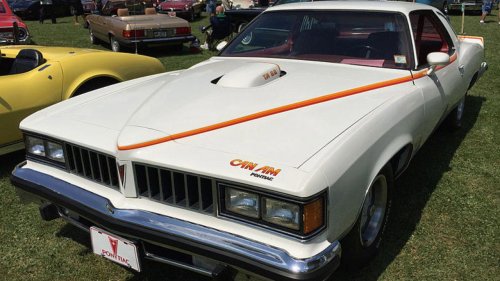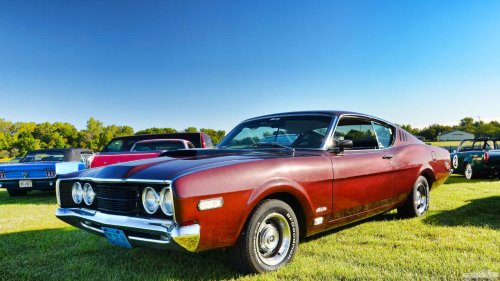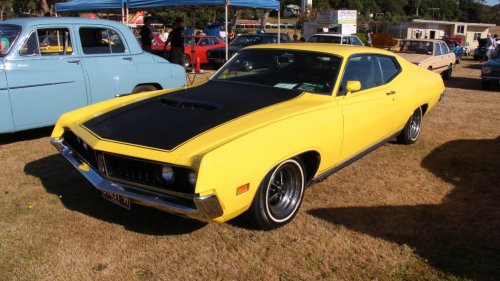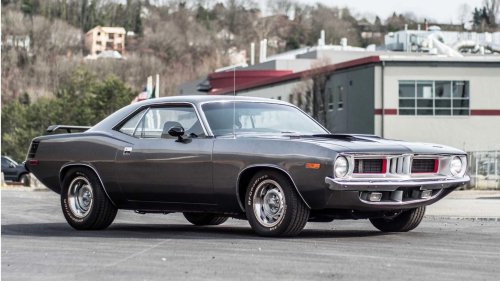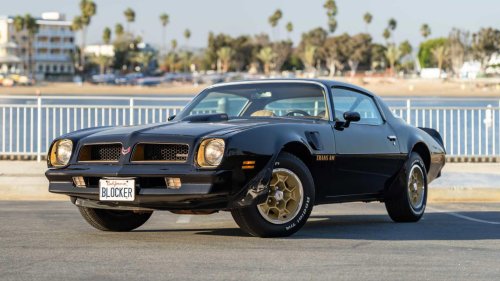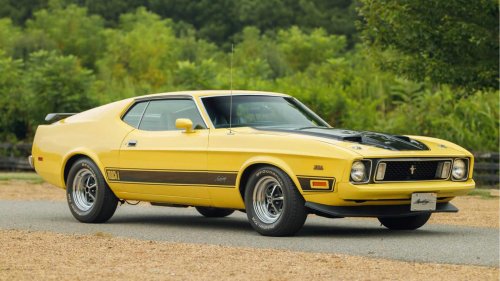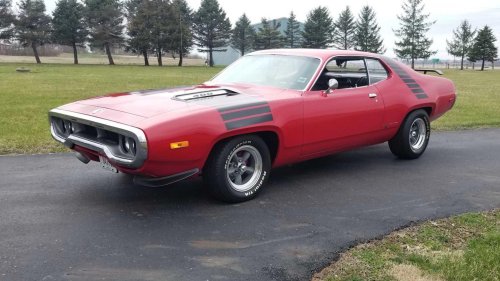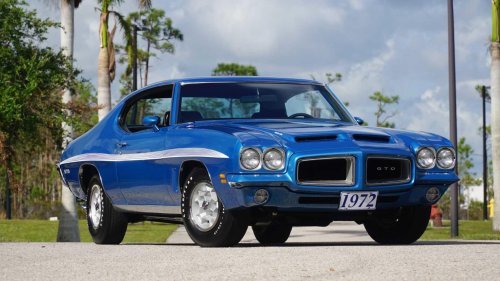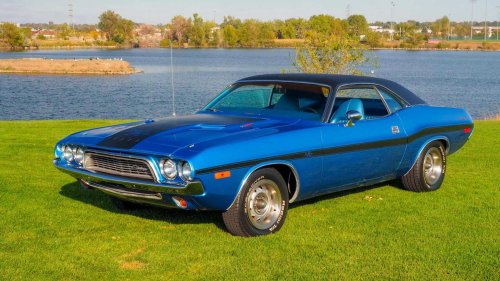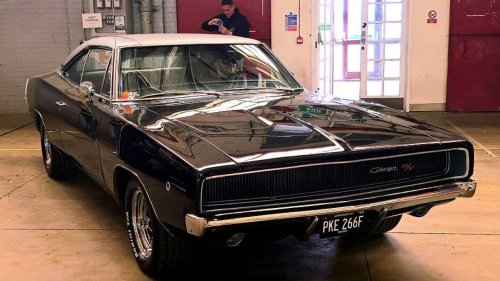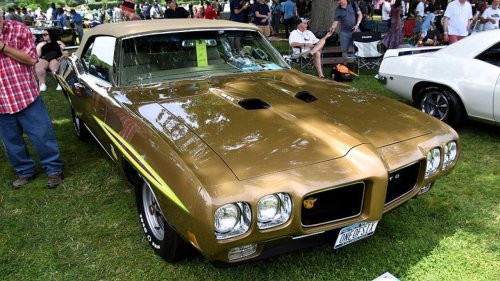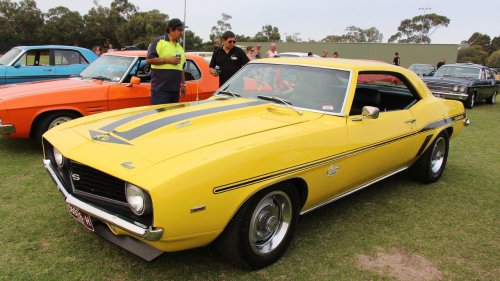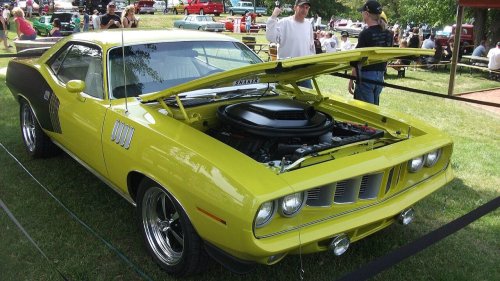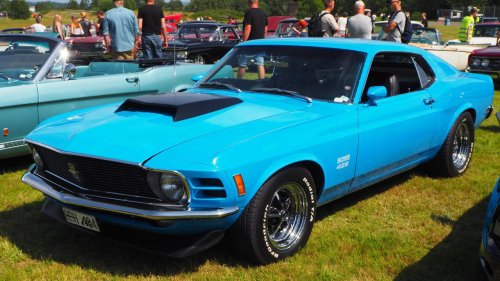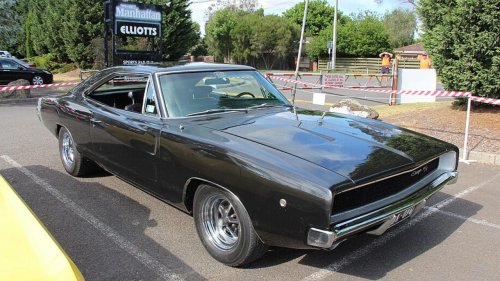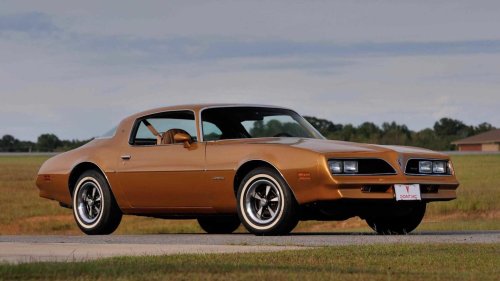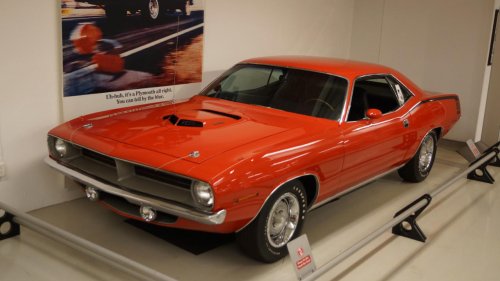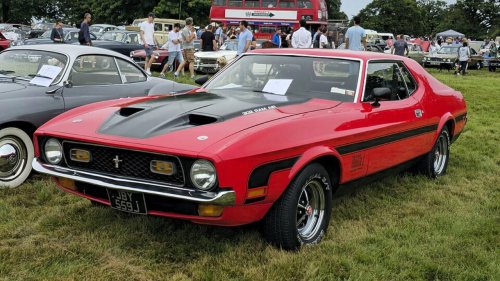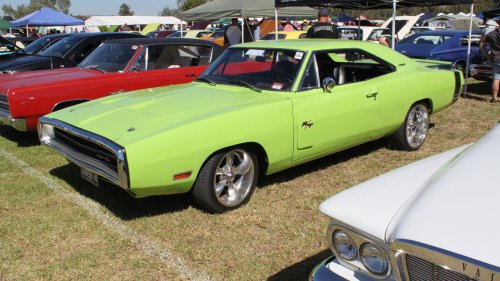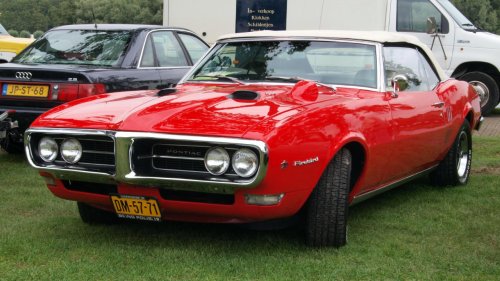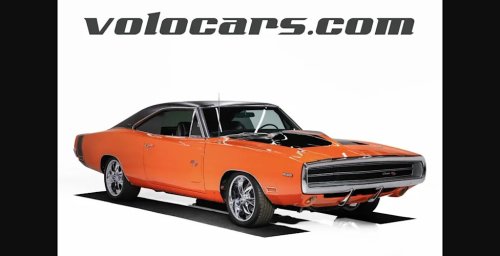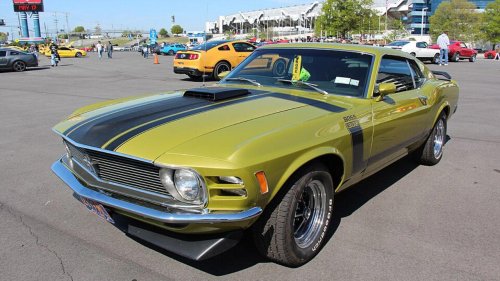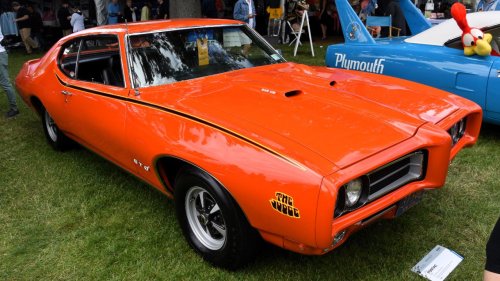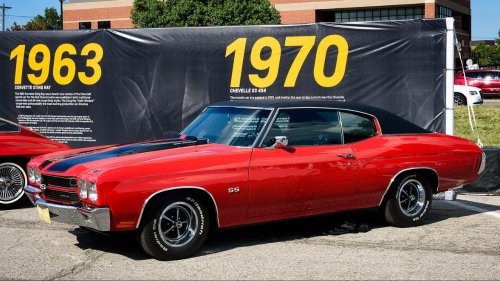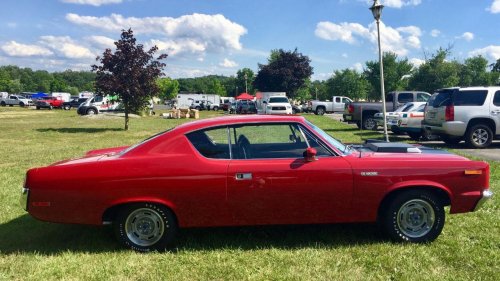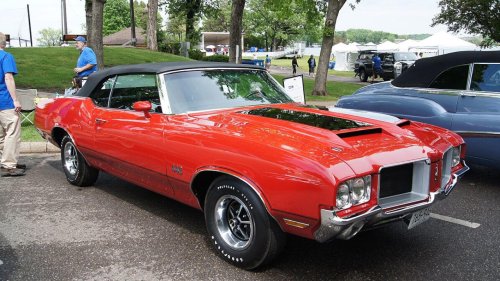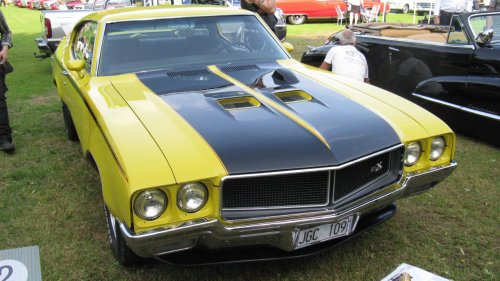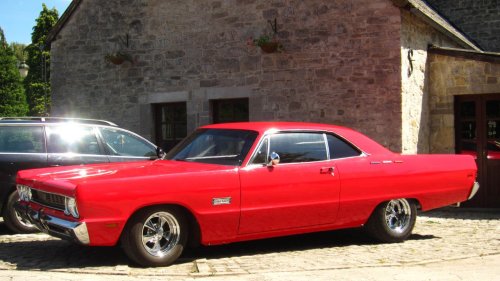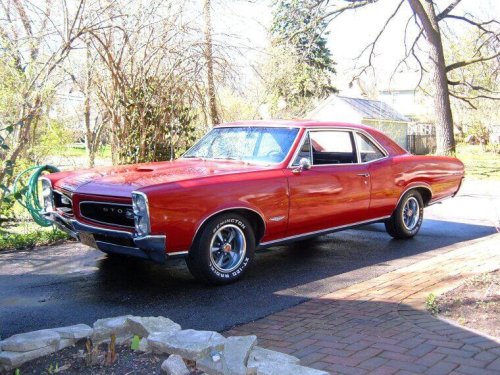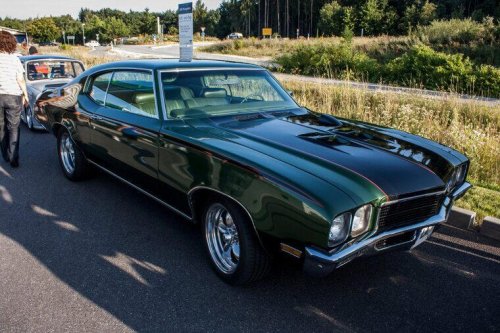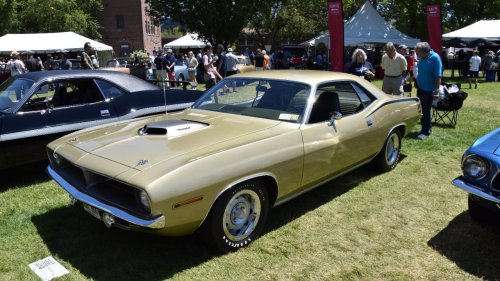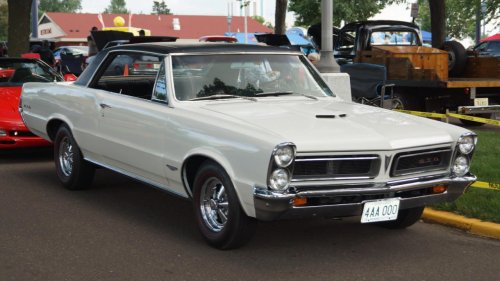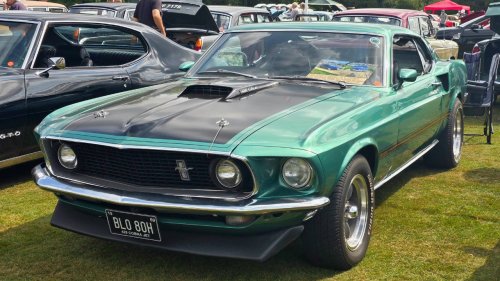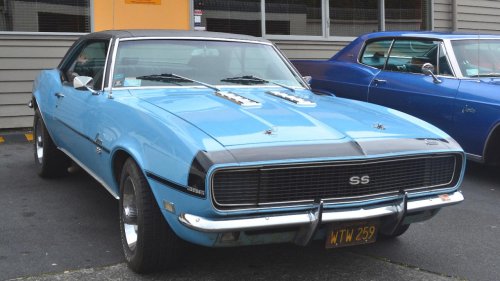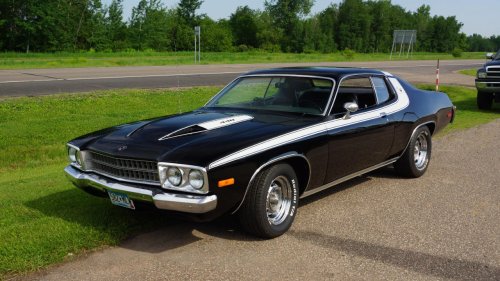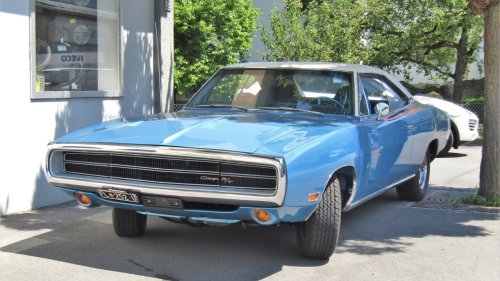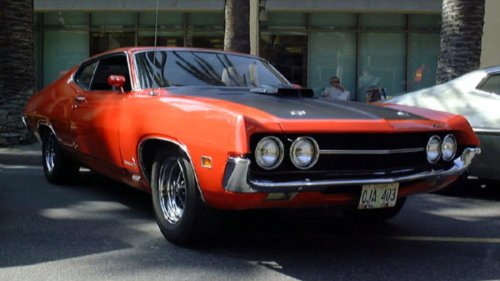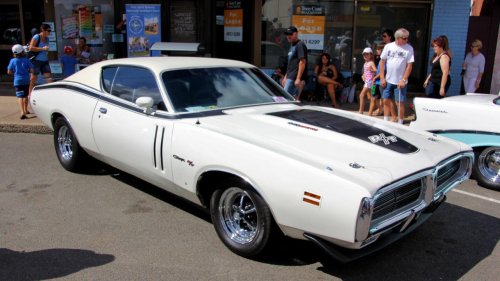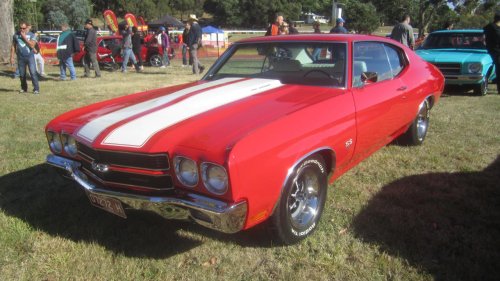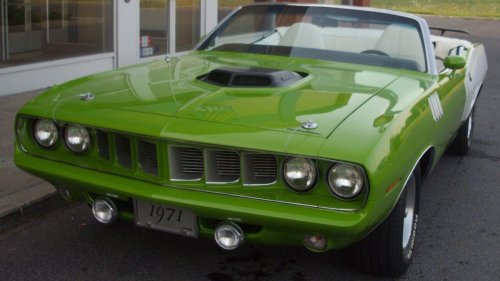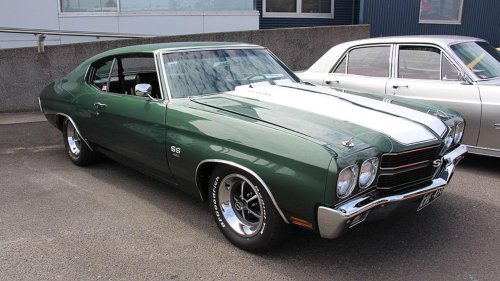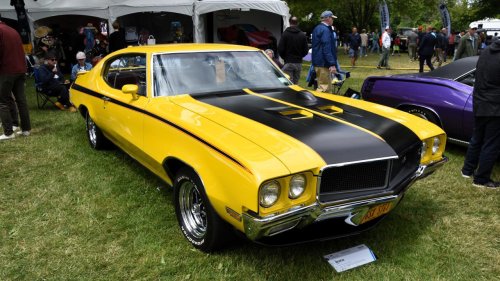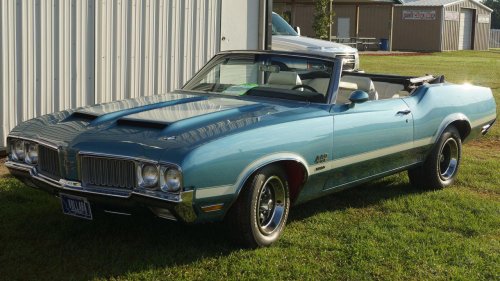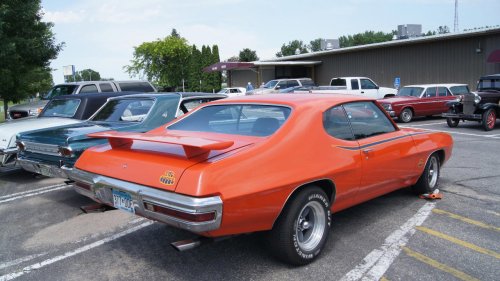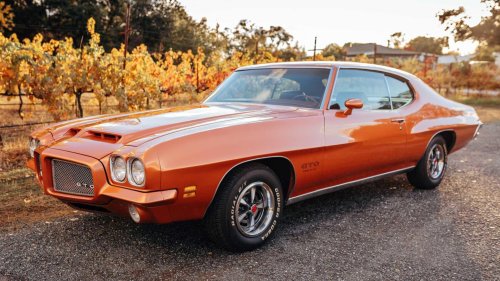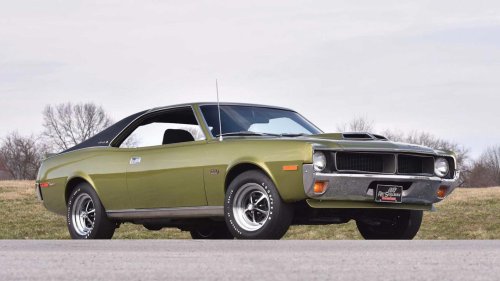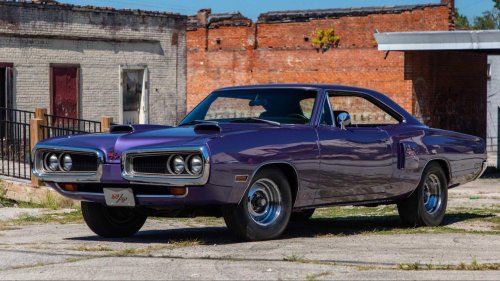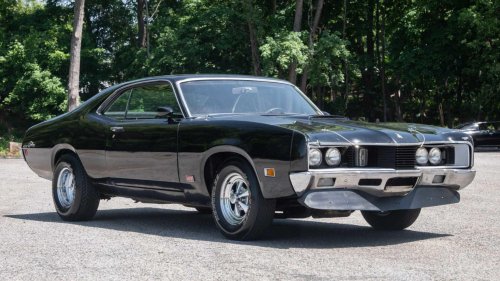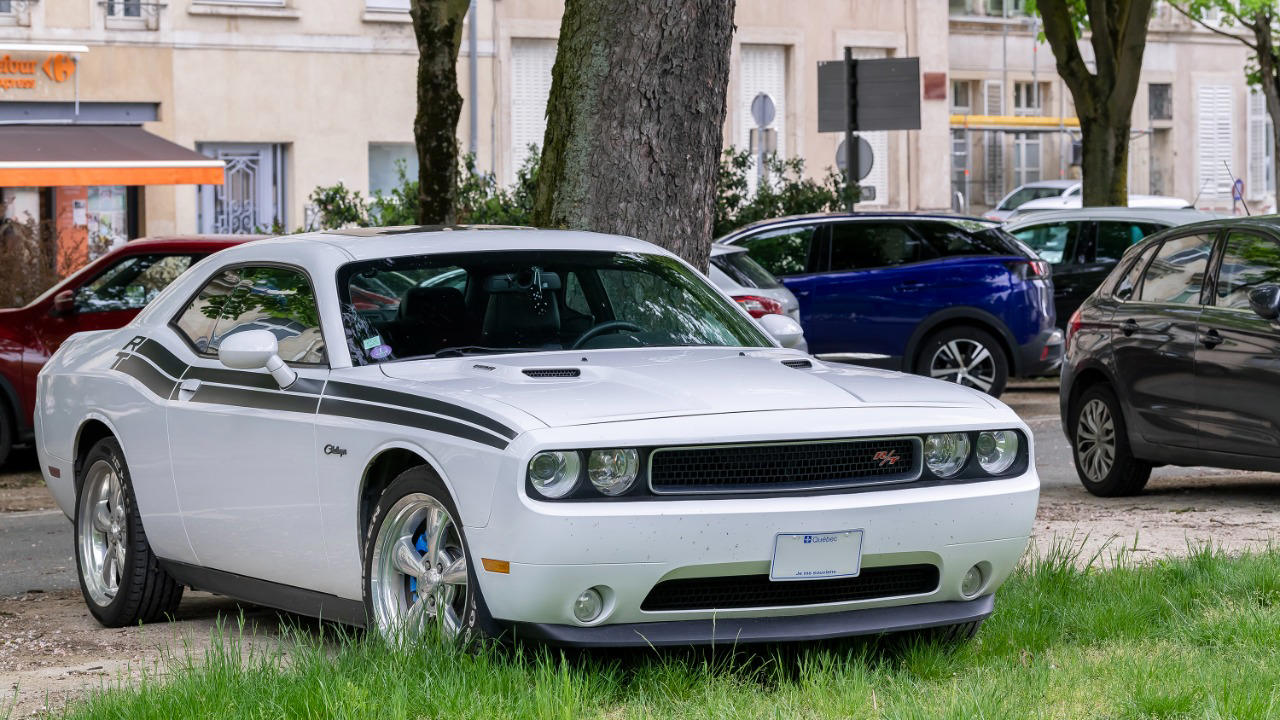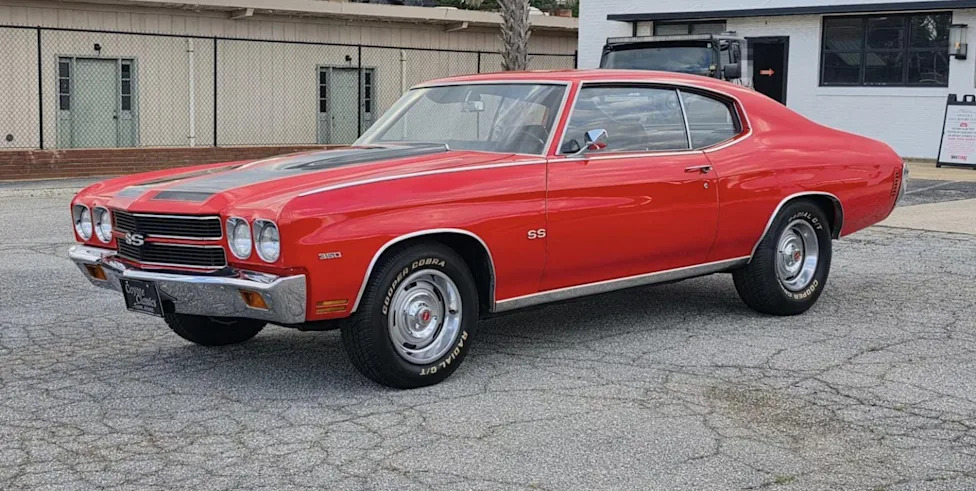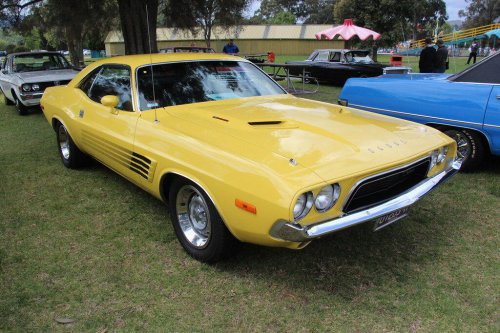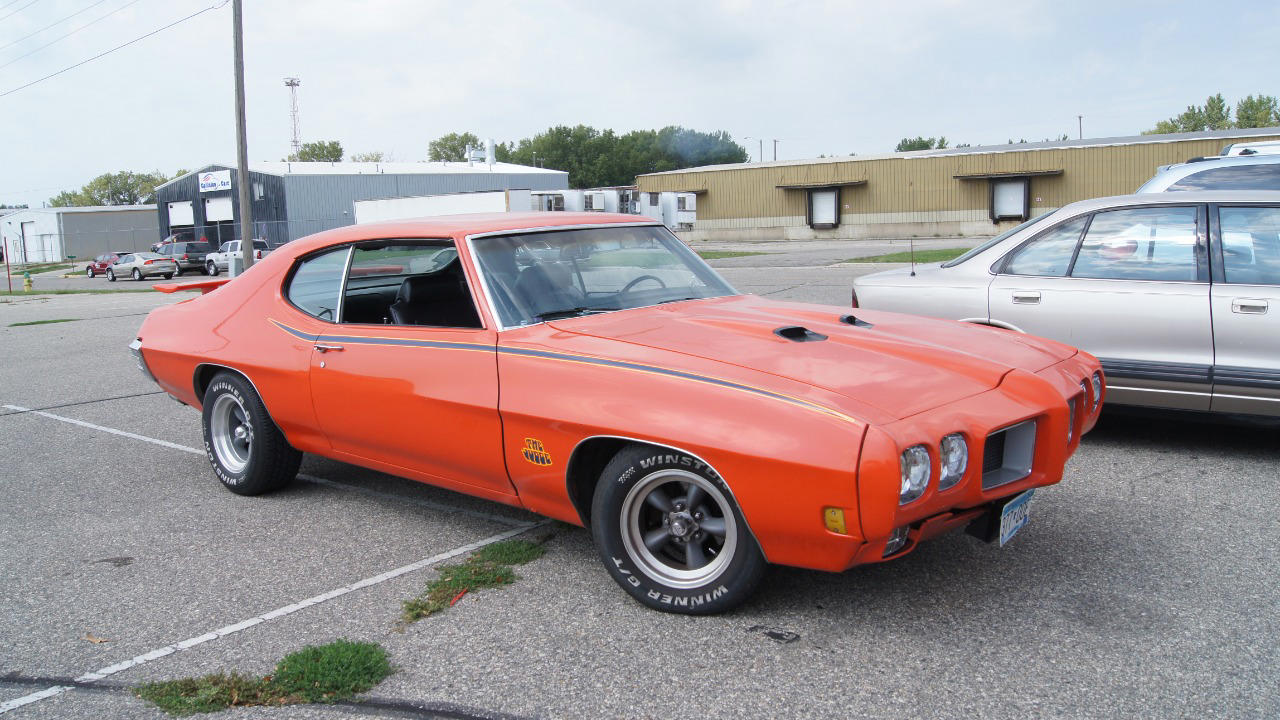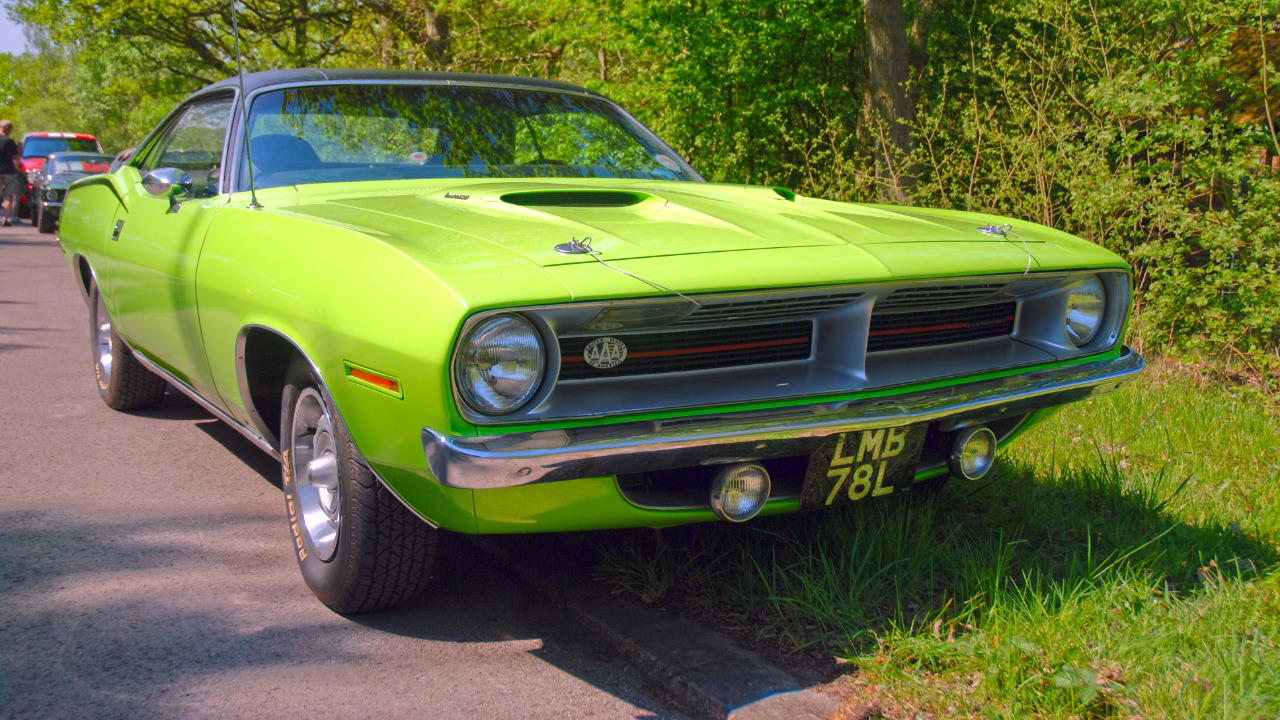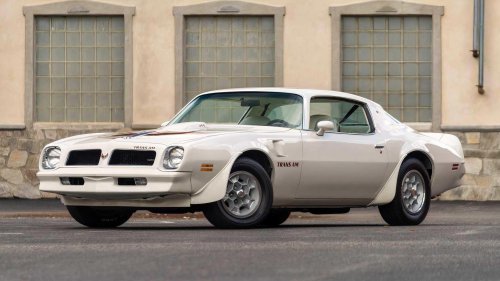
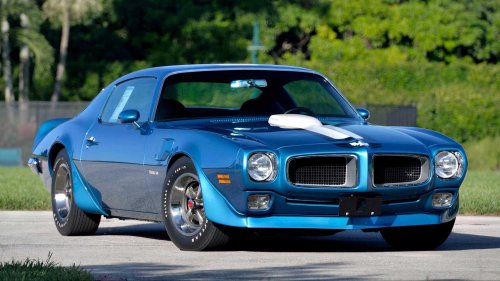
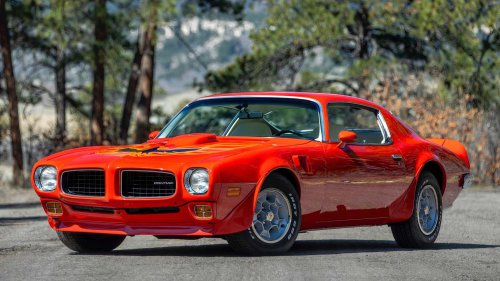
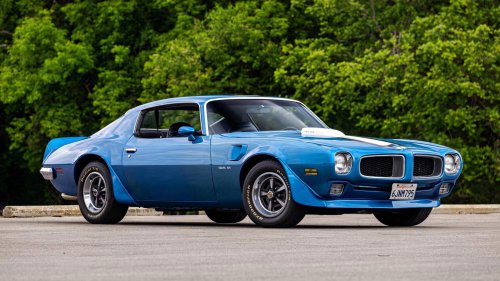
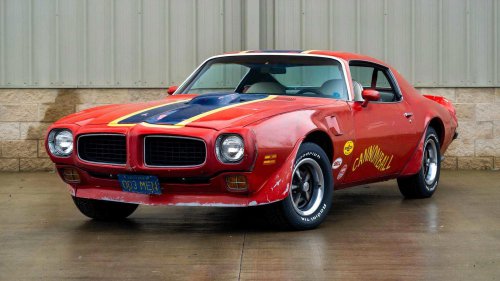
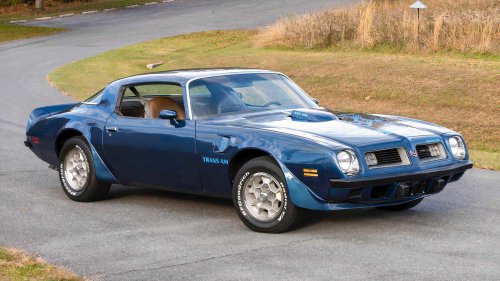
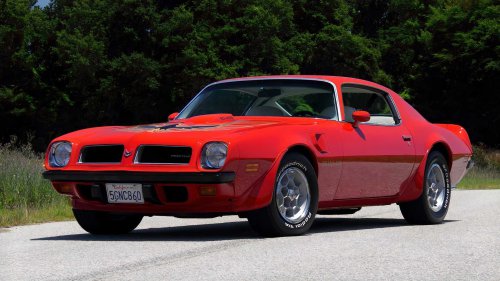
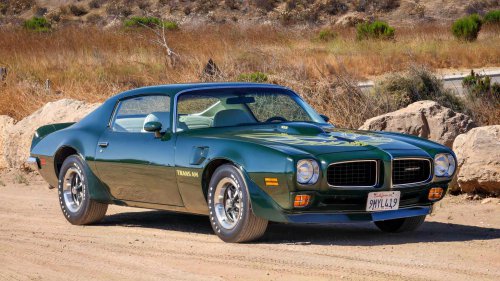
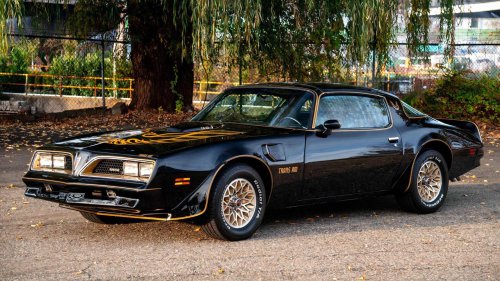



















There was a lot of stuff going on in the early 1970s that ultimately spelled doom for the American muscle car. First, government emissions mandates and fuel efficiency standards had the Big Three trying to figure out how to get their fearsome big-blocks to pass muster, and the only solution they came up with was to detune them, pulling all the brutality out. Then, there were consumers who were demanding something a little more pump-friendly than a Plymouth Hemi 'Cuda or Chevelle SS 454, and the auto industry is all about giving the customers what they want.Everyone knew 1971 was going to be the last great year for American muscle as, after that, all the American manufacturers either detuned their most potent V-8s or ditched them altogether. There was, however, one car that didn't get the memo that the Golden Age of American Muscle was ending, and that's the Pontiac Trans Am 455. When all others were muscle-cars-in-name-only (McInos?), the Trans Am equipped with the 455ci V-8 was still bringing the thunder. By the time most other nameplates had either been discontinued or adopted small-blocks, the Trans Am was still packing the massive 455 V8. The Pontiac Trans Am 455 That Refused To Die MecumGM mercifully ended its pointless big engine "ban" in 1970, and by 1971, Pontiac decided it was time for the Trans Am to go all in on displacement and made the 455ci HO V-8 available for the top-performance Firebird trim. 335 horsepower and 480 lb-ft of torque were the official outputs, but that was a criminal underrating as this was a 13-second car, indicating 400+ horsepower. In 1972, when all other muscle car engines were sad parodies of their former selves, the Trans Am 455 was still running strong. This was the year in which they switched from gross to net horsepower ratings, so the 455 was seemingly down to 300 ponies and 425 pound-feet, but was still basically the same engine.To put that into perspective, 335 gross horsepower is equivalent to 305 net horsepower. Also, the '72 Trans Am 455 was still a 13-second ride, so there was no noticeable drop-off in performance. The 1973 Trans Am 455 Super Duty got a slight 10-pony bump and gained a half a tick in quarter-mile acceleration, while the '74 was mildly detuned and just a step slower, but still the King of the Streets that year. In both 1975 and 1976, the Trans Am 455 took a performance hit, dropping to 200 horsepower and 330 pound-feet of torque, but it was still better than any other muscle car and could give the Corvette a run for its money. At a time when its contemporaries had given up for years, the die-hard Trans Am 455 finally retired in 1976, going out as the greatest muscle car of the decade. Outlived The 426 Street Hemi And 429 Super Cobra Jet Mecum Mopar utterly dominated the classic era, but after 1971 started to fall off the map with the discontinuation of the 426 Street Hemi, 440 Six-Pack/6BBL, and 383 Magnum V-8s. 1971 was also the first year for the Trans Am 455, and in a lot of ways, Mopar passed the baton to Pontiac, which ruled the streets from 1972 and beyond. The Ford 429ci V-8 never really lived up to its potential, but in Super Cobra Jet form, it was sufficiently kick-ass with 375 horsepower and 390 pound-feet of torque. In 1972, the 429 was basically neutered with a drop to 208 horsepower, which led to its demise in 1973. While everyone was pulling the plug on their big-blocks, Pontiac kept rolling with the 455. Outclassed The Other GM Big-Blocks Mecum GM had its inexplicable policy of limiting engines to 400 cubic inches of displacement in intermediate cars in 1963, right on the cusp of the muscle car explosion. This hindered GM muscle cars against the mighty Mopars, but in 1970, this silly edict was lifted, and everyone went big-block crazy. The best of the bunch were the '70 Chevy Chevelle SS 454 LS6 and the same year's Buick GS 455 Stage 1, both of which could finally compete against the Hemi-powered Dodge and Plymouth rides. The GTO Judge got the optional 455 V8 in 1970, rated at a relatively modest 360 hp, but the Trans Am would have to wait another year. In 1971, many of the GM big-blocks had already started the detuning process, but by 1972, they were weak sauce compared to the Trans Am 455, which was still going strong. Trans Am 455 SD Staves Off Malaise Mecum As we've already discussed, 1971 was the final year of the classic muscle car era, as 1972 brought in the malaise of the Dead Horsepower Era that would plague American performance until the late 1980s. The one exception was the 1972-1974 Trans Am 455, which could still rip a quarter mile in 13.8-13.9 seconds. By comparison, a '72 Ford Gran Torino Sport 429 was a 17-second car, a 1973 Chevy Chevelle SS ran a quarter-mile in 15.7 seconds, and a 1974 Dodge Charger SE 440 had a 15.4-second ET. All the once-mighty muscle nameplates were relegated to family rides and grocery-getters, while the Trans Am 455 still represented the Golden Age spirit and ethos of kicking ass and taking pink slips. 1974 Trans Am 455 Super Duty Superstar Mecum In 1974, the Pontiac Trans Am Super Duty with a 455 was the brand's muscle car left standing, and two years later, it would become a cinematic superstar. The 1976 cult classic Cannonball is an earlier entry of the Burt Reynolds comedy Cannonball Run, which fictionalizes an underground, real-life coast-to-coast race. That car pictured above was used in the production of Cannonball and was personally owned by star David Carradine for many years. Some may notice that the front end doesn't look too 1974-ish, and that's because the production swapped it out for the '73 front fascia. The car sold at Mecum Kissimmee 2025 for almost $100,000, which, as you will soon see, is a bargain for the last great classic American muscle car. GM’s Last True Classic Muscle Car Mecum Pontiac authored the muscle story with the 1964 GTO and closed the book on the Golden Age with the Trans Am 455 in 1976, adding a few more chapters than the other characters. The definition of a muscle car is an American-made, affordable mid-size two-door with a powerful V-8, and while the Chevelle, Gran Sport, 442, Camaro, as well as the GTO hit those parameters initially, after 1971, they dropped out of the club. Looking cool but accelerating like a family sedan does not a muscle car make, and that's where most of GM's former performance rides were at in the early 1970s. The Trans Am 455, however, was just as lethal as it ever was for years after the official end of the classic era. Obviously, the Trans Am rolled on after 1976, but with diminished performance, so the discontinuation of the 455 really marked the last of the classic GM muscle cars. The Trans Am 455 Kills It At Auctions Too MecumJust like on the streets, the 1972-1974 Pontiac Trans Am 455 blows away the competition at the auction block, too. There are rumors that a '72 sold for $100,000+, which can't be substantiated, but for sure, Bring a Trailer sold a 455 HO for $97,500 in 2024. The '73 Super Duty is the money Trans Am with several six-figure sales, including another one on BaT that brought the virtual gavel down at an astounding $200,000. In early 2026, RM Sotheby's auctioned off a 1974 Trans Am SD-455 for $140,000, but the top sale was at the 2023 Hagerty-owned Broad Arrow Auction for $173,600. The '75 Trans Ams aren't nearly as valuable as the previous years, but a 1976 455 blew up Mecum Kissimmee 2024 for $145,750, making nearly every year an Auction King. The Only Muscle Car Worth Owning After ’71 Bring a TrailerPost-1971 muscle cars aren't worth very much, with a '72 Challenger Rallye selling for around $25,000 and a '73 GS 455 going for under $15,000 according to J.D. Power, but Trans Am 455s are big-money collectibles. Hagerty puts the Concours condition values on '72-'74 Trans Am 455s between $97,200 and $187,000. By comparison, the Firebird Trans Am's cousin car of this period, the Chevy Camaro Z/28, has high retail values between $38,400 and $56,100. Even something seemingly collectible like a '72 Mustang Mach 1 in immaculate condition sells for under $60,000, which isn't chicken feed, but not close to the insane value of the Trans Am 455 HO and Super Duty. Trans Am 455 Muscle Car Hero Bring a Trailer When the memo came down that 1971 was the final year of the Golden Age of American Muscle, Pontiac reminded everyone that they invented the muscle car, and they would decide when it was over. Carrying on five years longer than any other muscle car, the Pontiac Trans Am 455 was a performance champion, fighting for our right to look cool and kick ass. Like all good things, it had to come to an end eventually, and that was in 1977 with the Trans Am SE 6.6-Liter, which was so supremely cool that it helped take away the sting of losing a legend. Sure, it would have been awesome if Burt Reynolds was driving a 455-equipped Screaming Chicken in Smokey and the Bandit, but let's be honest, that movie is great no matter what, and the car is one of the most memorable rides in cinematic history.Sources: Bring a Trailer, Hagerty, J.D. Power, and Mecum.