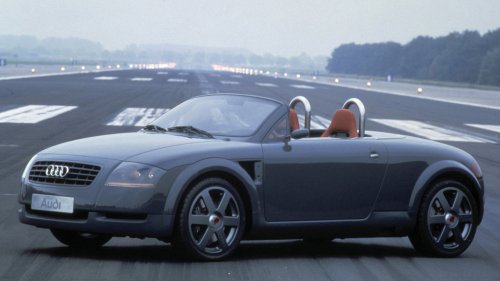
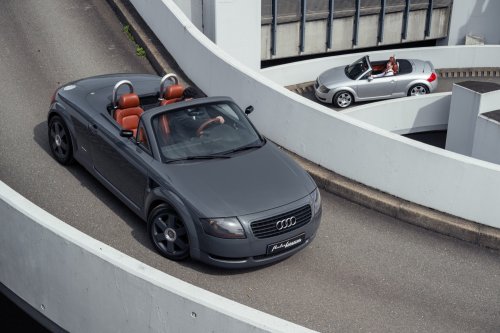
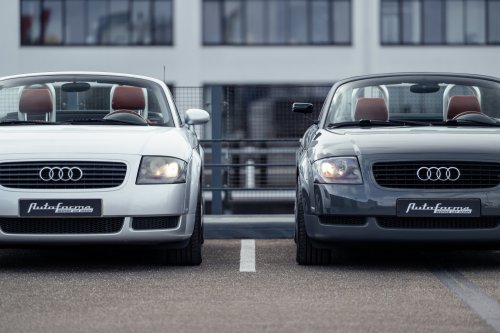
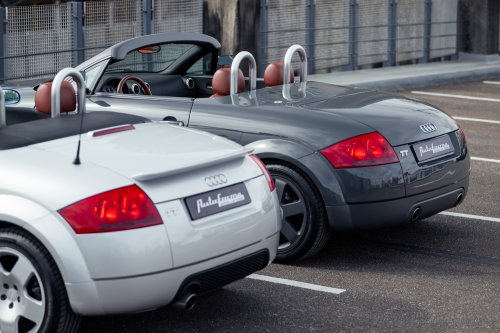
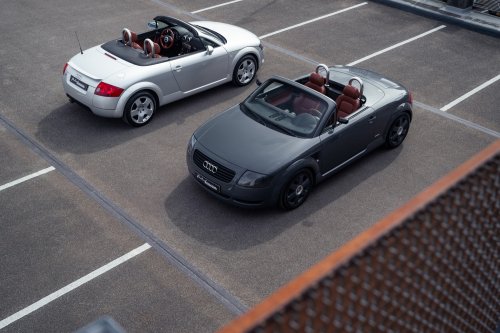
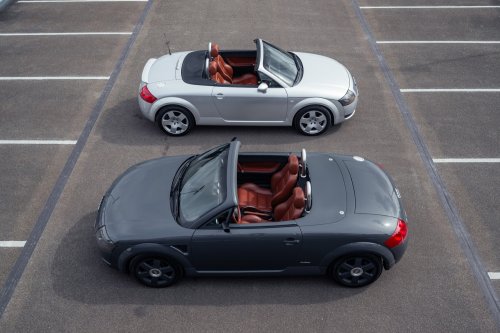

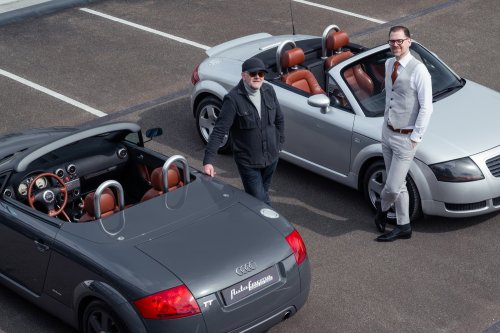
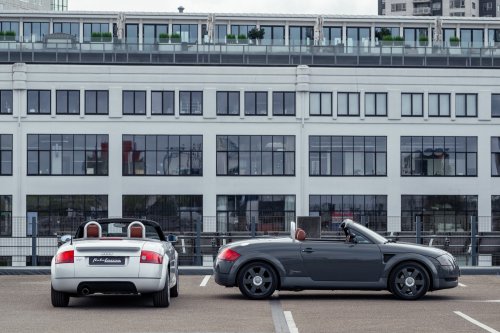
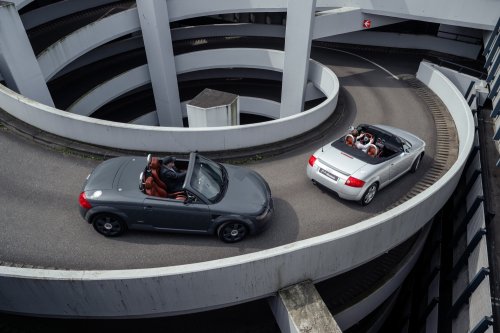
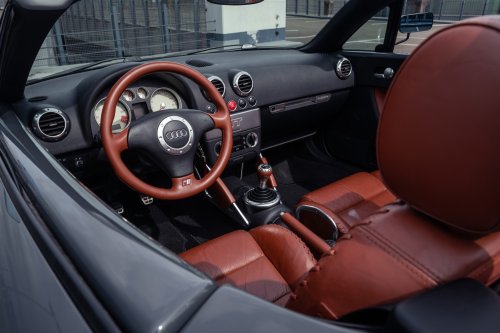
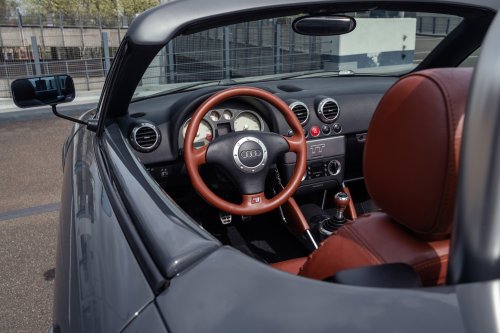
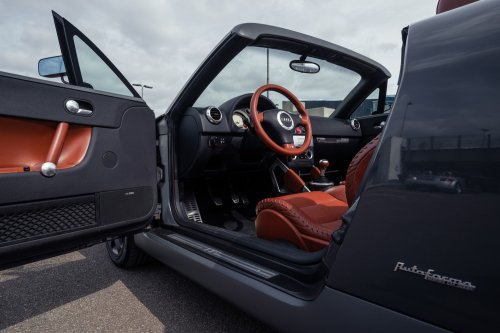
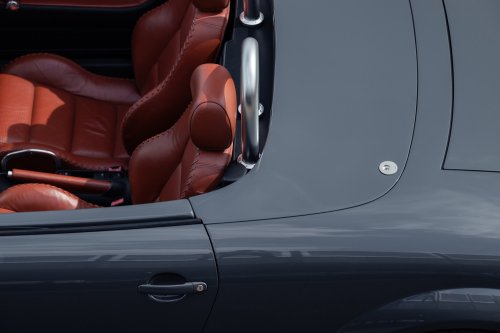
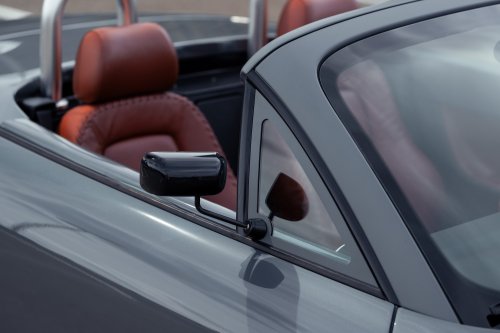

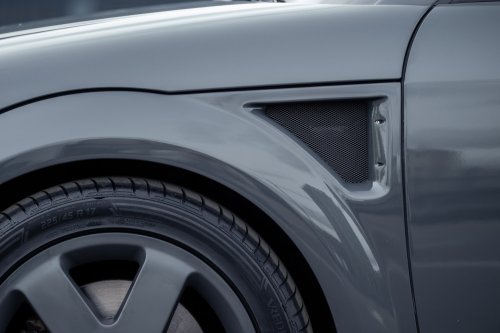
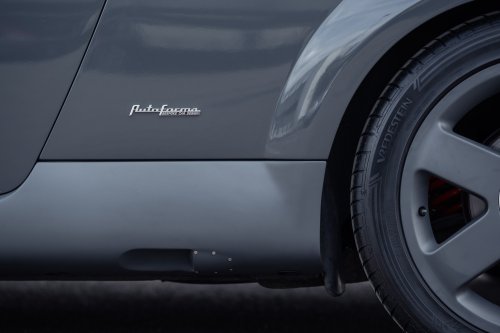
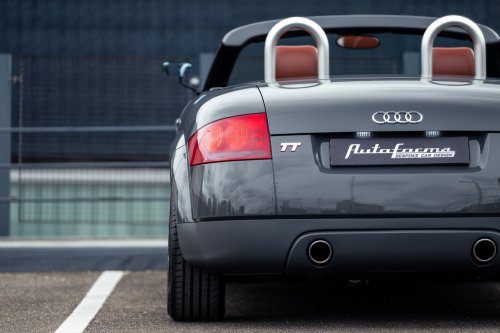
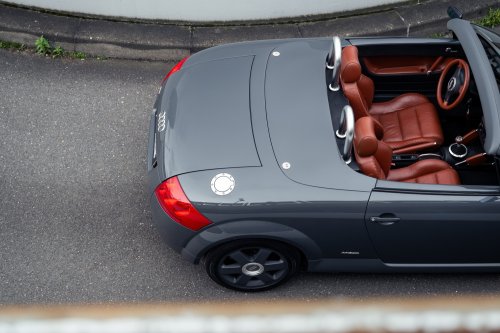
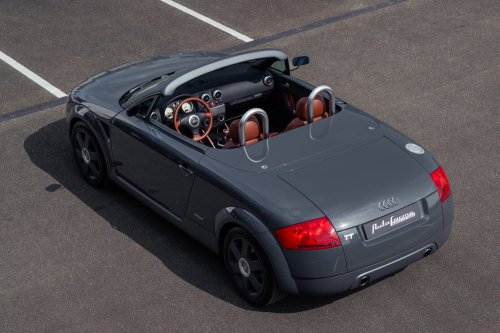
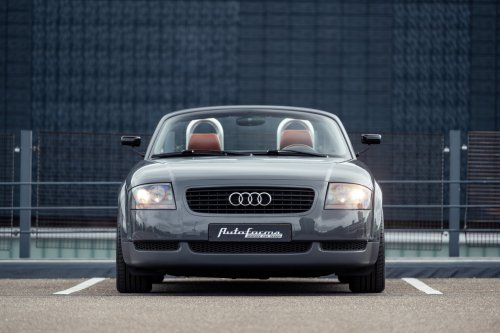
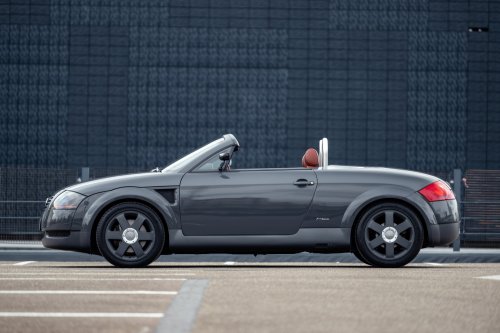
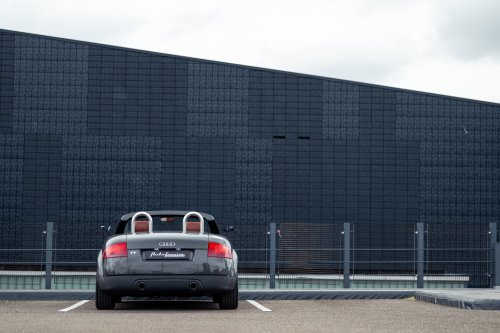
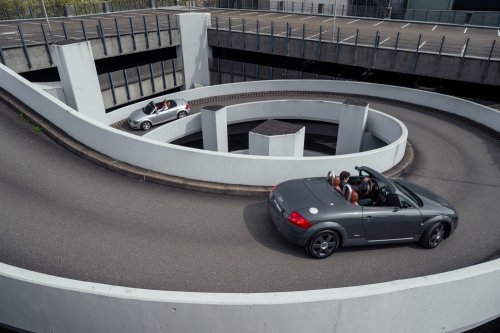
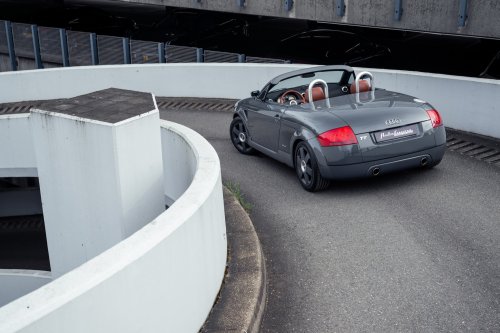
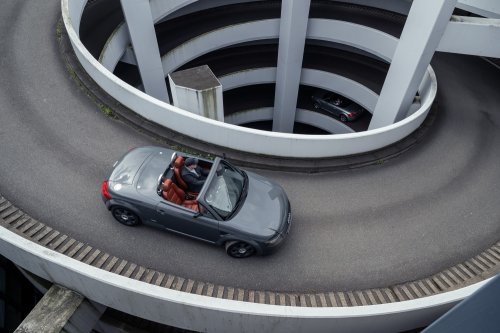


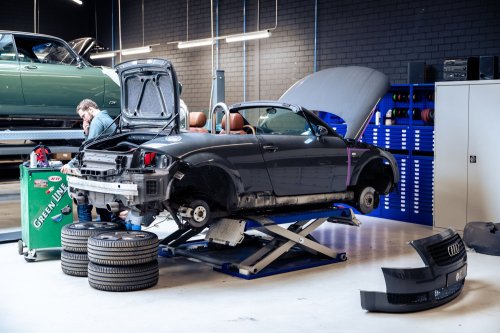

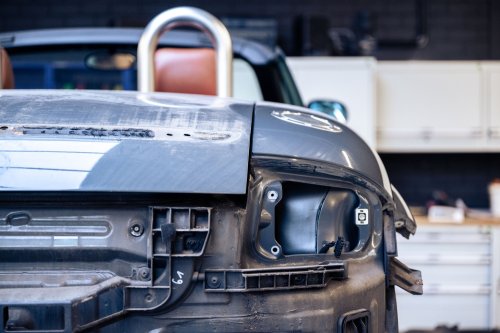






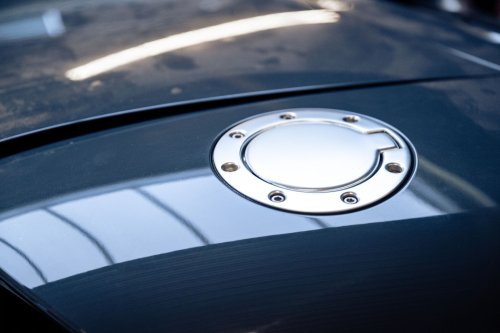
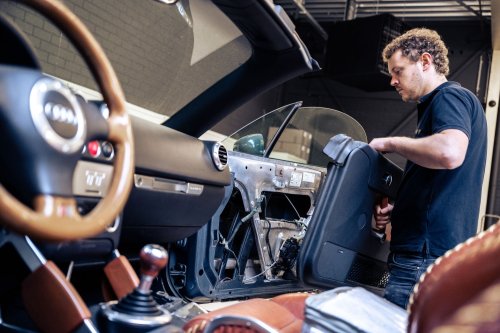
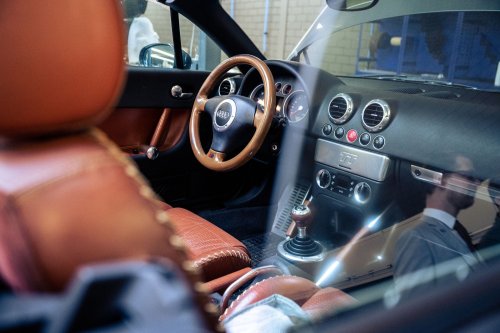

























Niels Van Roj’s Autoforma has reimagined the first-gen Audi TT Roadster. The custom bumpers and rear deck are inspired by the original concept. One-off was commissioned by Dutch architect and designer Joss Baijens. The first-generation Audi TT is one of the defining designs of the 1990s, a Bauhaus exercise in circles and arcs draped over otherwise pedestrian Golf underpinnings. Dutch architect and designer Joss Baijens is enough of a believer that he commissioned a one-off restomod inspired by the original concept. The project was carried out by Autoforma, the bespoke coachbuilding studio run by Dutch designer Niels van Roij, whose résumé includes one-off Rolls-Royces and Bentleys for clients with very specific tastes. The donor is a 1999 first-generation TT Roadster, but the finished car ditches the production roadster’s most utilitarian elements in pursuit of the concept’s purity. More: Volvo’s Prettiest Wagon Returns, But Only A Lucky Few Will Own One The most striking change is the removal of the retractable fabric roof, replaced by a custom body-colored cover that reads as an extension of the rear deck. This is paired with the deletion of the rear spoiler, antenna, and third brake light, resulting in a much cleaner design. The roadster also receives custom lower bumpers and side skirts made of carbon fiber. These bring slimmer front bumper intakes, a subtle side vent, and a minimalist rear diffuser. Other highlights include significantly smaller mirrors mounted on the glass and bespoke front fenders with integrated side gills. The latter required relocating the windscreen washer fluid reservoir to the boot. More: Audi Kills Its Two Cheapest Cars, Then Confirms Sports Car Production The original 1995 Audi TTS Concept The one-off TTS Roadster is finished in a two-tone livery, with gloss Nimbus Gray Pearl Effect for the upper body and a matte gray for the lower section, the six-spoke alloy wheels, and the windshield surround. This is paired with brown leather upholstery for the two-seater cabin, which is now permanently exposed. Under the skin, the TT benefits from a lowered suspension along with wider tracks, giving it a more planted stance. The company did not mention any performance upgrades, which suggests the roadster retains a turbocharged 1.8-liter engine. In quattro form, this produces 222 hp (225 PS), paired with a six-speed manual gearbox. The naturally-aspirated 3.2-liter VR6 option, with 247 hp (184 kW / 250 PS), did not arrive until 2003. More: Audi’s Concept C Previews A Porsche-Linked Sports Car Coming Sooner Than You Think Autoforma has not disclosed the cost of the upgrades, but confirmed that the TTS Roadster will remain a one-off. The car belongs to Dutch designer Jos Baijens, known for his eyewear creations and interior architecture studio, who was closely involved throughout the process. The final Audi TT rolled off the production line in Gyor, Hungary in November 2023, marking an end to a 25-year-long career across three generations with 662,762 sales. The nameplate may return in 2027 in the form of a fully electric sports car, previewed by the Concept C.