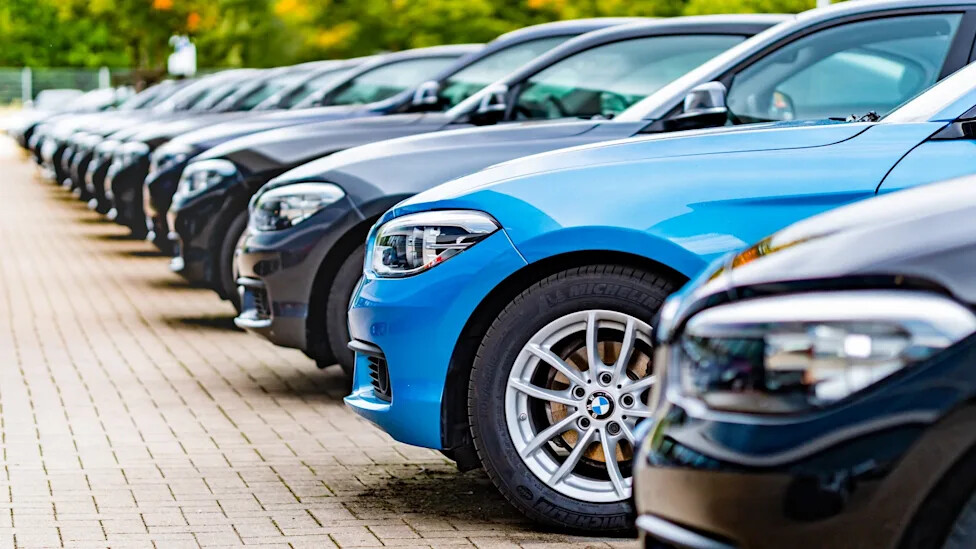
Lucas Côté · 5 months ago@lucascote5120,000 Used Cars Had Their Mileage Rolled Back Last Year, Digital Odometers Made It Easier Liked by+35 othersPost commentRelated PostsThe 10 Coolest Cars For Sale On Motorious Right Now Under $20,000 71 · Liam Campbell · 1 months agoTop 20 car brands in April 2026 – Perodua back to over 32k, Proton 18k; Mitsu on form, Jetour outsold Chery 31 · Matthew Scott · 5 months agoYou could retire right now if you bought this used Dodge muscle car back in 1985Logan Girard · 16 days agoWhat Was The Last Oldsmobile Ever Made And What Happened To It? 36 · Camille Smith · 2 months agoOne-Off Rolls-Royce Phantom Hummingbird Is The First To Use Abalone Shells 90 · Justin Labelle · 1 months agoUsed 2021 Tesla Model Y needs a second battery replacement in 2 years, owner fears $16,000 billGabriel Moreau · 25 days agoAt $20,000, Does This 1986 Johnson Phantom Stand A Ghost Of A Chance? 14 · Hannah Gagnon · 1 months agoFailed EV Startup Bollinger Is Auctioning Its Last 20 Trucks As Michigan Wants Its Money Back 30 · Oliver Young · 6 months agoFord Jumps Back Into WRC, Says Your Next Car Will Be Better For ItKaitlyn Lewis · 25 days agoWhy The Slate Truck Made A Last Minute Change To Its Battery Tech 18 · Matthew Lewis · 2 months agoVin Diesel’s Custom $2 Million Movie Trailer Used to Roll Just for Him—Now You Can Rent It for $400 a Night 32 · Morgan Harris · 2 months ago21 Popular Used Cars That Became More Expensive Over the Last 7 Years 17 · Lucas Lavoie · 28 days agoGuy Spends $20,000 Building a 770-Pound Steel RC Tank With a Cannon That Actually Fires 30 · Hannah Côté · 1 months agoBaidu-Backed Apollo Go Hits 20 Million Rides, Expands Robotaxi Footprint to South Korea 45 · Madeleine Roy · 6 months agoSubaru’s New Heritage Sports Cars Throw It Back to the Beginning 38 · Justin Harris · 28 days agoHeroic Final Flight Of The Skydweller Drone Lasted Eight Days Through A Storm And Still Nearly Made It Home 76 · Claire Pelletier · 3 months agoGenesis GV90 Flagship SUV to Debut in August, Exec Says, Will Use Rolls Royce-Style Coach Doors 12 · Gabriel Martin · 2 months ago10 Used Cars With the Largest Price Increases Over the Last 7 Years — 8 Are Luxury Rides 49 · Parker Labelle · 1 months agoBest EV Deals in September 2026: Save Up to $20,000 on Audi, Kia, and Tesla EVs 68 · Parker Côté · 1 months agoThe Racetrack Is Gone. The Cars Still Come Back To The Hamptons 81 · Claire Girard · 1 months ago




 +35 others