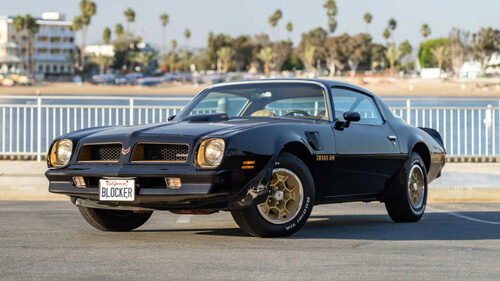
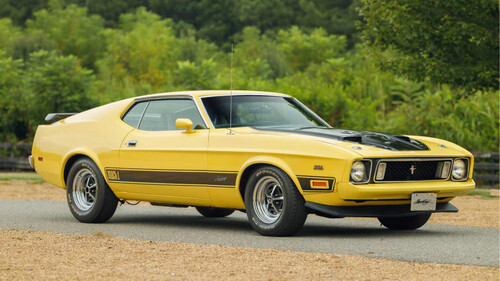
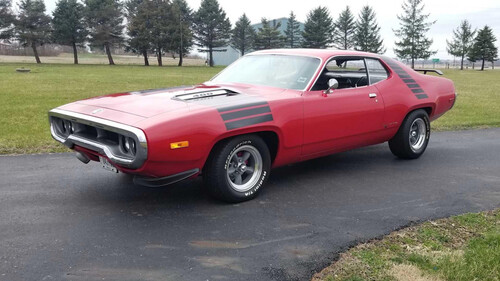
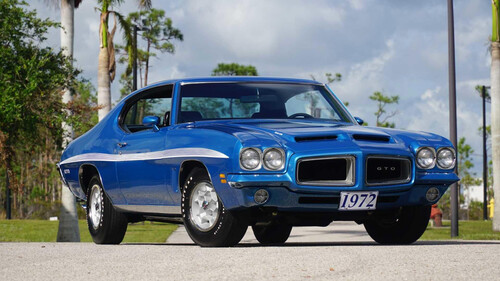
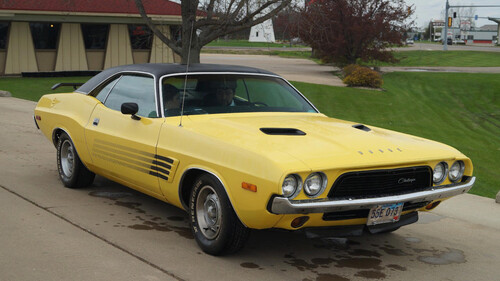
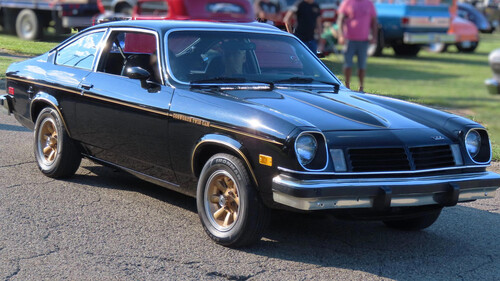
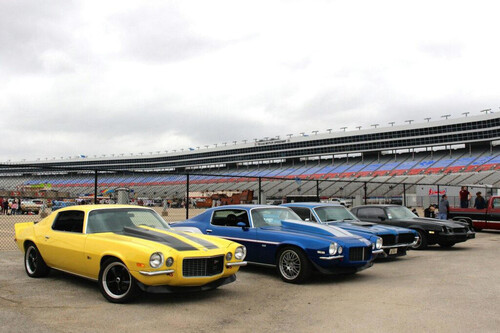
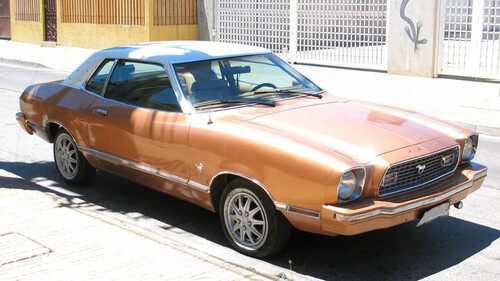
Muscle cars that looked mean but secretly had zero gruntMuscle cars built their reputations on quarter-mile bravado, but not every flared fender and hood decal came with the firepower to match. Across the 1970s and 1980s in particular, aggressive styling often hid engines strangled by emissions rules, rising insurance costs, and cost cutting. The result was a generation of cars that looked ready to dominate the drag strip yet delivered performance that barely troubled family sedans. These underachievers are fascinating precisely because they expose the gap between image and reality. Their spoilers, stripes, and scoops promised old-school muscle, while the spec sheets told a quieter story of compromise. From neutered pony cars to badge-engineered “specials,” they show how easily visual drama can disguise a lack of genuine grunt. The era that tamed the muscle car By the mid 1970s, the classic muscle formula was under siege. The oil crisis and a wave of emissions and safety regulations forced manufacturers to prioritize economy and compliance over raw output, and the result was a sharp drop in horsepower even as styling remained aggressive. A period described as “Decline The” for muscle machines saw compression ratios fall, carburetors choked by smog equipment, and formerly fearsome nameplates reduced to shadows of their late 1960s selves. Insurance companies and regulators did not care how wide a car’s tires were or how menacing its graphics looked, only what came out of the tailpipe and how much fuel it burned. That disconnect encouraged designers to lean harder on visual theater, even as engineers were ordered to dial back performance. Contemporary retrospectives on Decline The period underline how quickly output fell, leading to a showroom full of cars that looked ready for a new golden age but drove like reluctant compromises. Ford Mustang II King Cobra: all cobra, little bite Few cars embody the gap between menace and muscle as clearly as the Ford Mustang II King Cobra. With its bold graphics, deep front air dam, and rear spoiler, the King Cobra edition of the Mustang projected track-ready intent, especially in the black and gold schemes that later pop culture would romanticize. Period imagery, including the Ford Mustang II King Cobra Black Gold Front Angled View Ford and Ford Mustang II King Cobra Black Gold Side View Ford, shows a car that visually dialed the aggression up to eleven. Beneath the stripes and snake logos, however, the hardware told a different story. Analyses of Aggressive machines that turned out to be “Looking Cars That Are Hilariously Slow” point out that The King Cobra relied heavily on cosmetic add-ons rather than substantial power upgrades. Later breakdowns of cars that “look fast but are embarrassingly slow” reinforce that the King Cobra’s performance figures, including a 0 to 60 mph time quoted at 8.3 seconds, were modest even by the standards of the day, leaving owners with a car that looked like a street brawler but accelerated more like a warmed-over compact. AMC Spirit AMX: a legendary badge on a timid hatchback The AMX name once stood for serious performance, but by the time it appeared on the 1979 AMC Spirit AMX, the badge was doing most of the heavy lifting. The Spirit AMX wore bold striping, flared wheel arches, and a stance that tried to evoke the brand’s earlier muscle heroes. On paper and in photos it looked every bit the part of a small, scrappy street fighter, a final attempt by AMC to stay relevant in a changing market. Underneath, though, the Spirit AMX was far closer to an economy hatchback than a true muscle car. Reporting on AMC notes that the Spirit AMX was “Progressively” losing any respect the AMX name once commanded, becoming a good looking but poor performing hatchback. The original AMX had been a unique, short wheelbase performance car, while the Spirit AMX relied on a conventional body and “some flashy flair” to suggest speed it could not deliver, turning a once feared badge into a styling package. Chevrolet’s soft-spoken “muscle”: Monte Carlo SS, El Camino, and Camaro General Motors was no stranger to this visual-versus-virtual horsepower problem, and several Chevrolet models from the 1980s illustrate how far the image could drift from the reality. The 1983 Chevrolet Monte Carlo SS, for instance, wore NASCAR-inspired bodywork, bold decals, and a stance that screamed oval-track refugee. Similarly, the 1986 Chevrolet El, sold in performance-themed trims, used stripes and spoilers to suggest that the classic car-truck hybrid had rediscovered its muscle roots. Closer inspection of period performance figures and later assessments of Really Slow Muscle Cars We Don “Want To Be Associated With” shows that both the Chevrolet Monte Carlo SS and Chevrolet El variants were more about appearance than acceleration. Modest small block outputs and automatic transmissions tuned for comfort meant that, despite their aggressive marketing and styling, these Chevrolets struggled to back up their visual swagger. Even the third generation Chevrolet Camaro, which arrived with sharp, aerodynamic lines and Z28 badging, was initially regarded as a runt rather than a true successor to earlier muscle icons. Later commentary on low mileage examples notes that when the third generation debuted in the early 1980s, When it arrived many enthusiasts questioned whether the Chevrolet Camaro still deserved its performance reputation, especially given quality and electrical problems that distracted from its modest power gains. Detuned legends and the illusion of displacement Even when manufacturers kept big displacement engines on the order sheet, the numbers did not always translate into real-world muscle. The Dodge Challenger, for example, could still be had with a 318 cubic inch V8 in the mid 1970s, and the car’s long hood, bold graphics, and muscular proportions suggested it was every bit the heir to the original tire shredders. Yet by 1974, as one analysis of “8 COOLEST 1970s Muscle Cars But Too SLOW!” notes, the Challenger 318 was operating in an era where the muscle car concept was “gasping for breath” under the weight of emissions regulations and fuel concerns. That context meant that a badge reading 318 on the fender no longer guaranteed the kind of performance buyers associated with earlier big block machines. The same pattern appears across lists of classic muscle cars that turned out to be slower than they looked, where once formidable nameplates were saddled with low compression, restrictive exhausts, and conservative gearing. The result was a generation of cars that still looked like predators but, when measured against their own heritage, had been thoroughly domesticated. More from Fast Lane Only Unboxing the WWII Jeep in a Crate 15 rare Chevys collectors are quietly buying 10 underrated V8s still worth hunting down Police notice this before you even roll window down