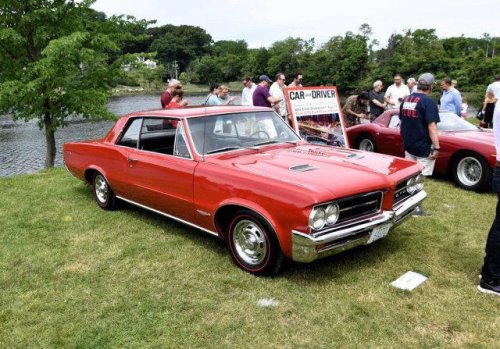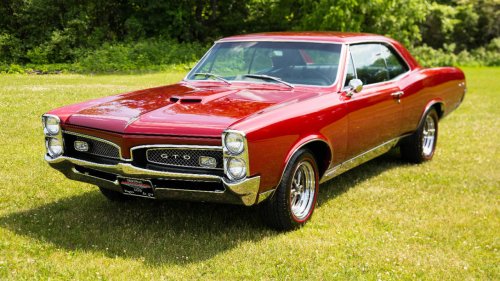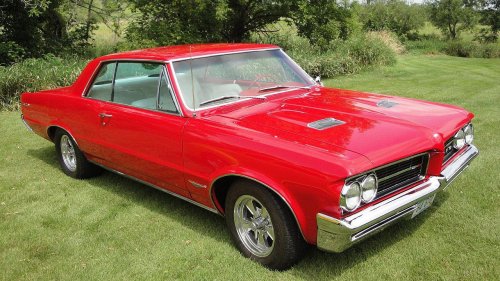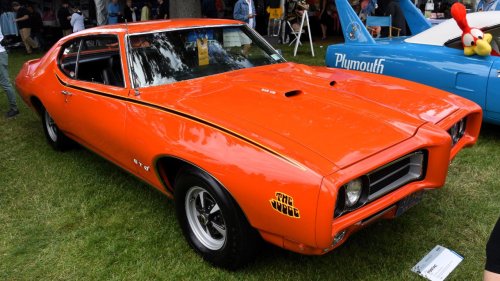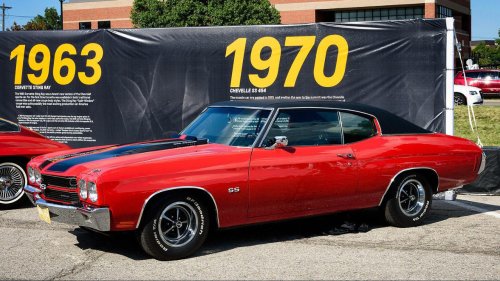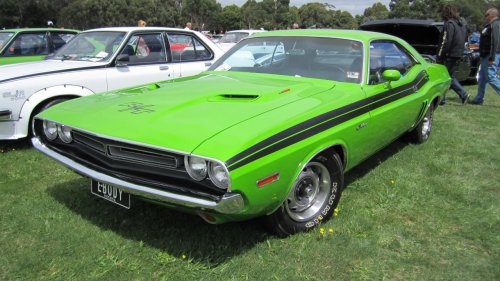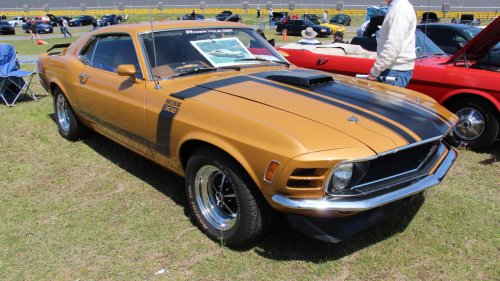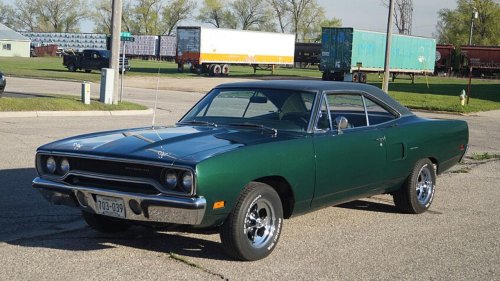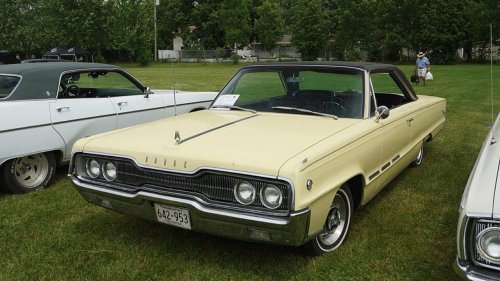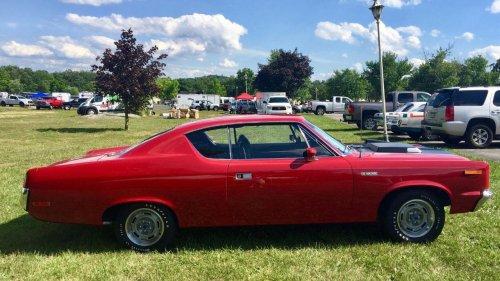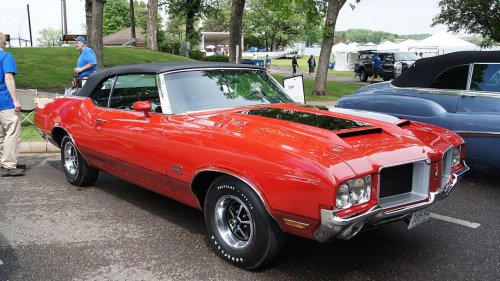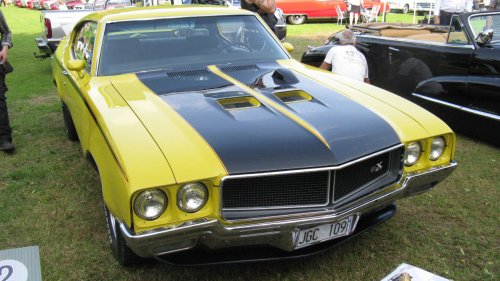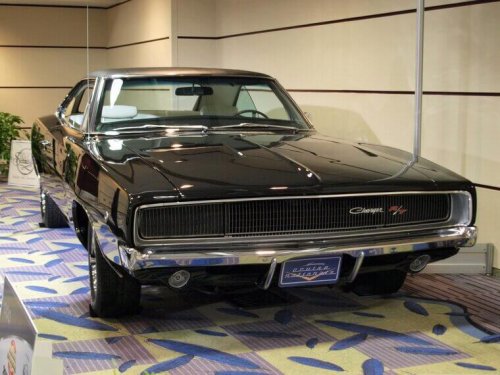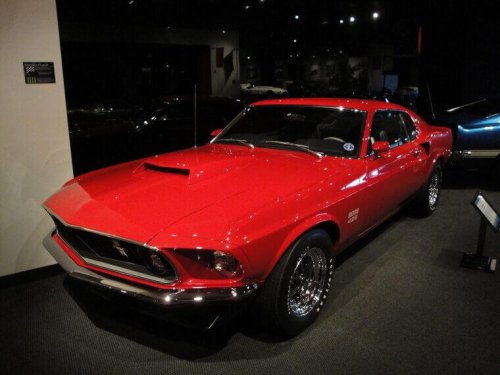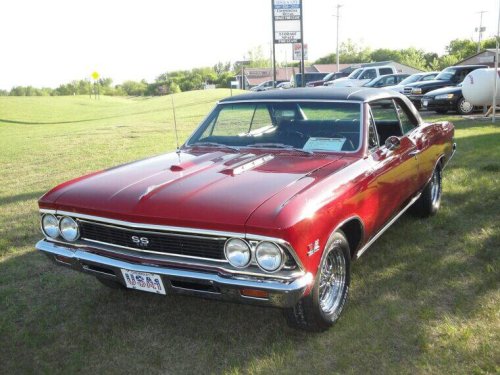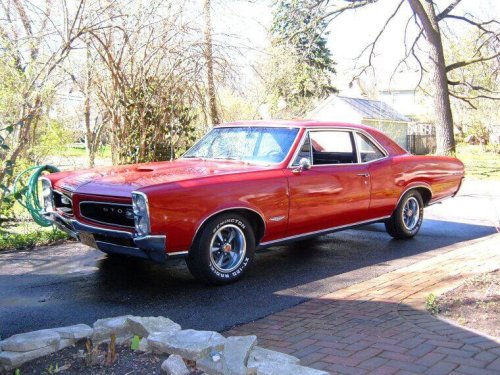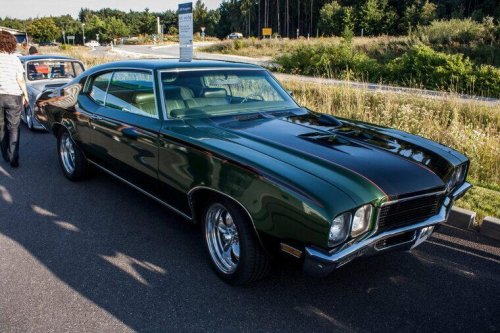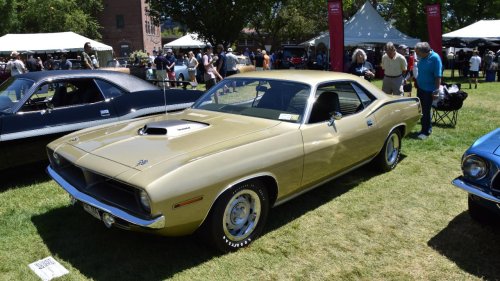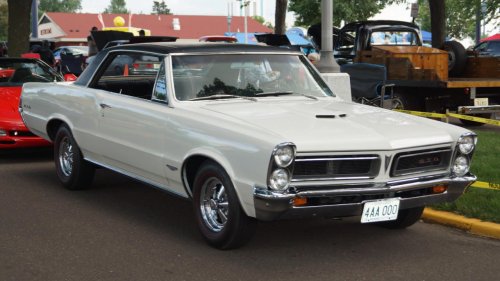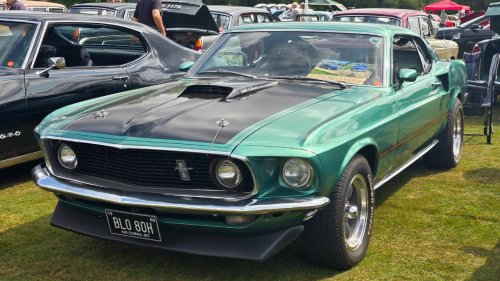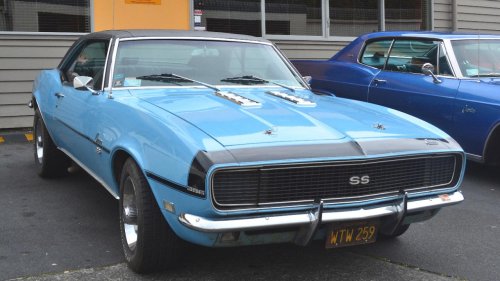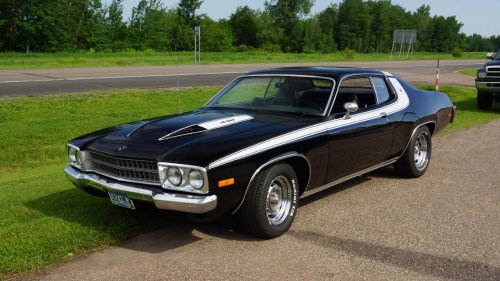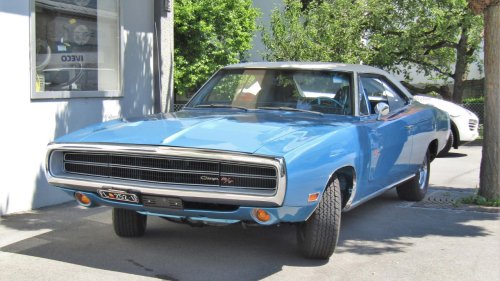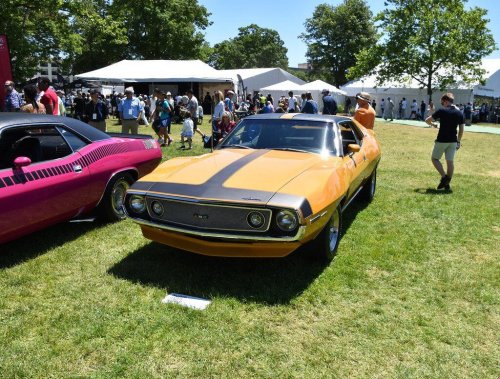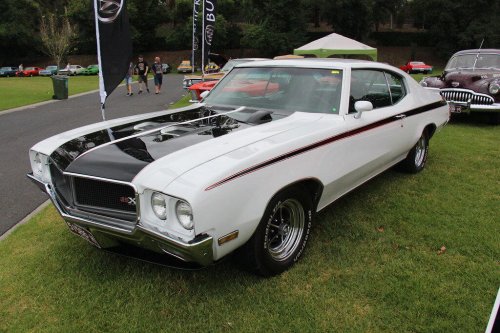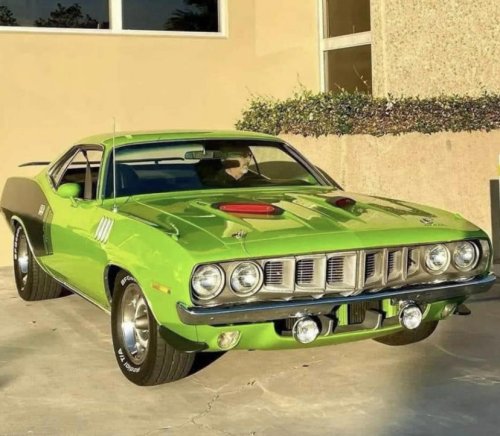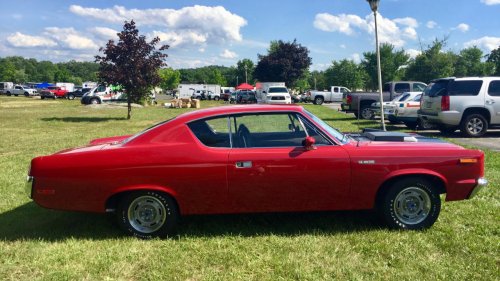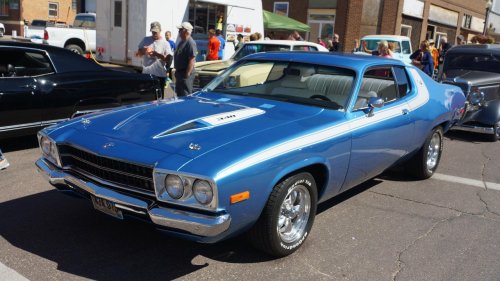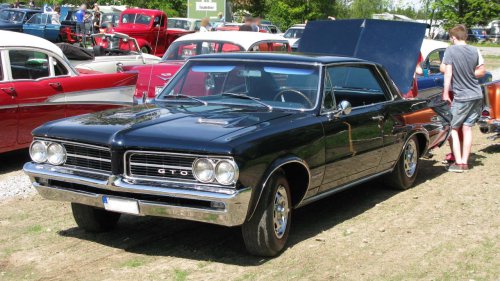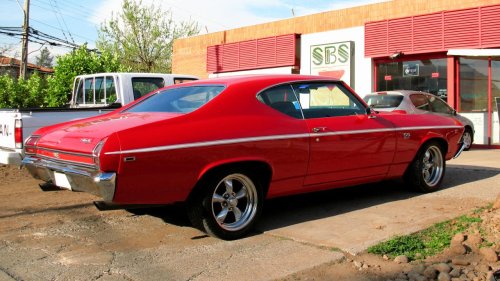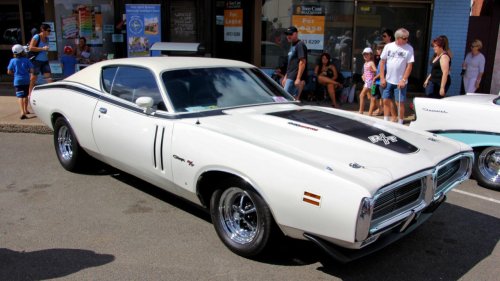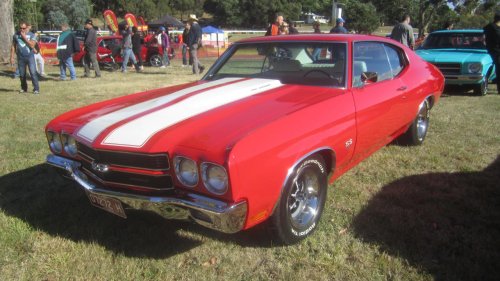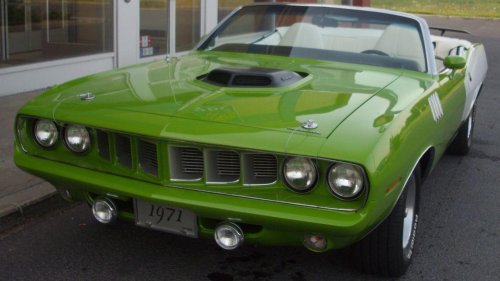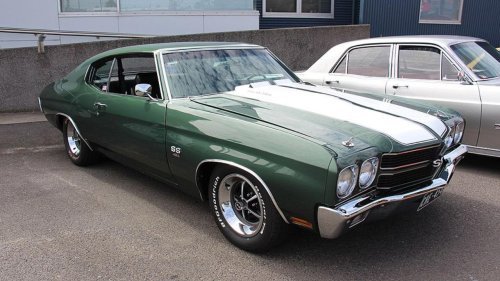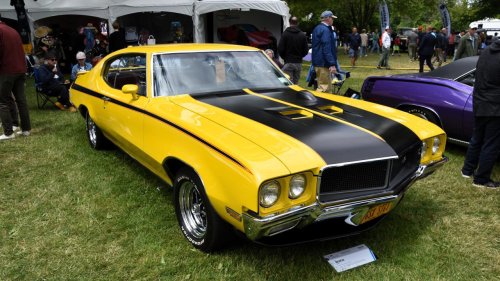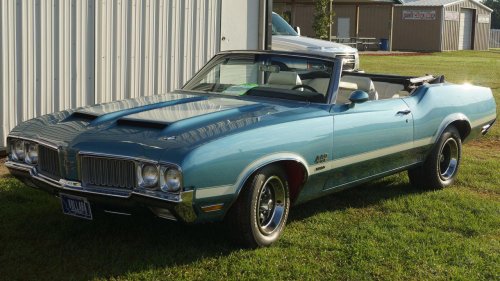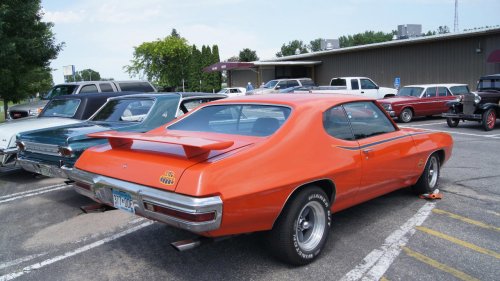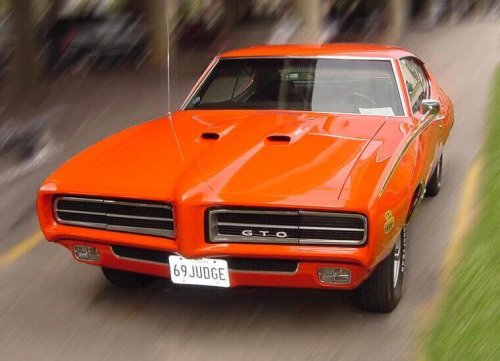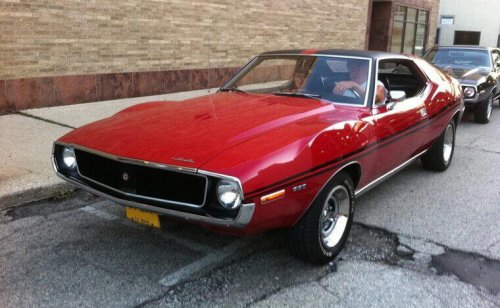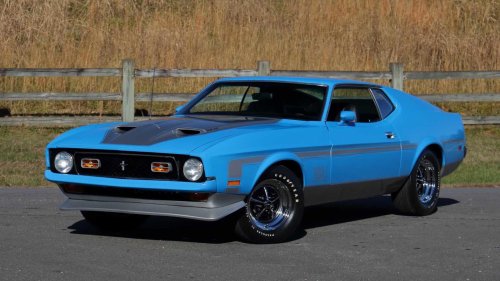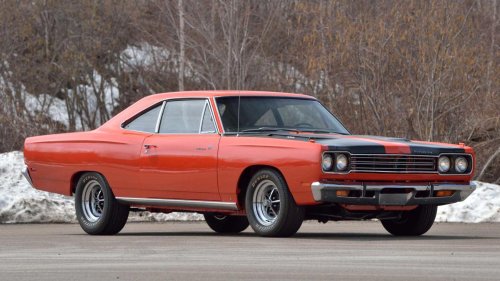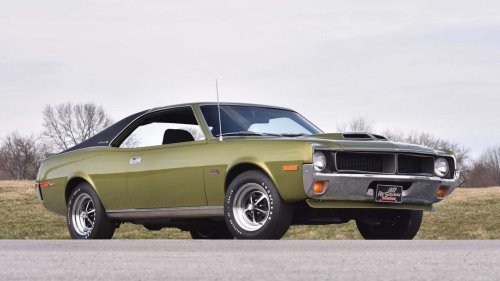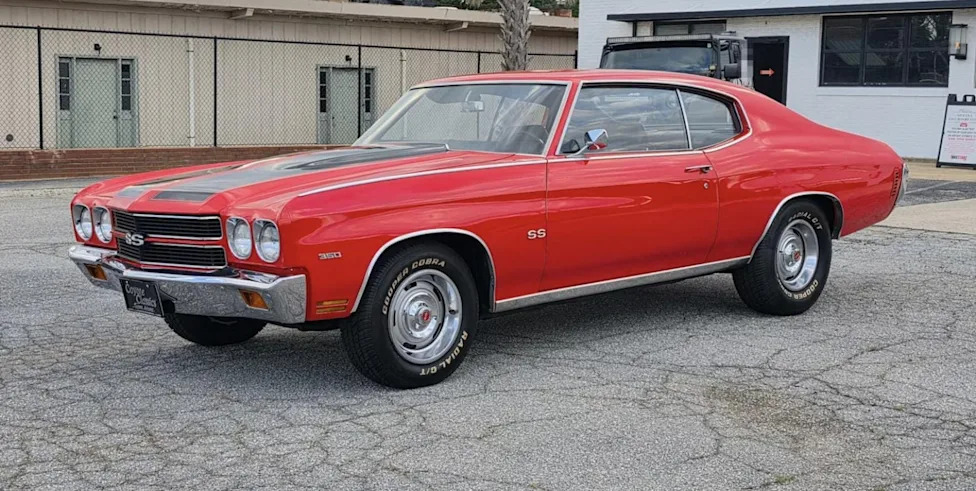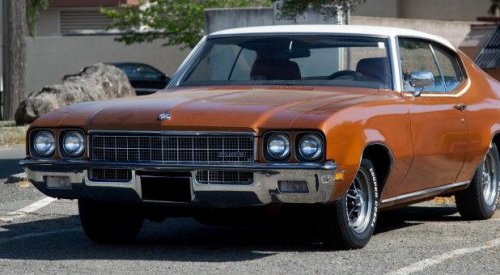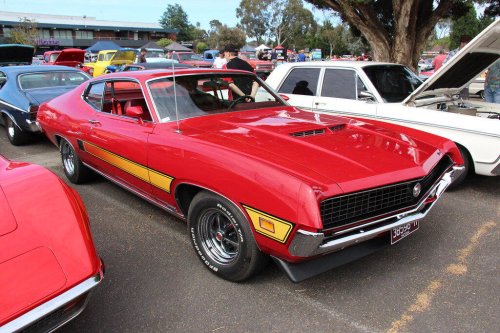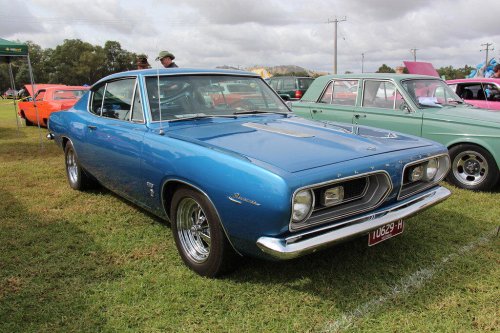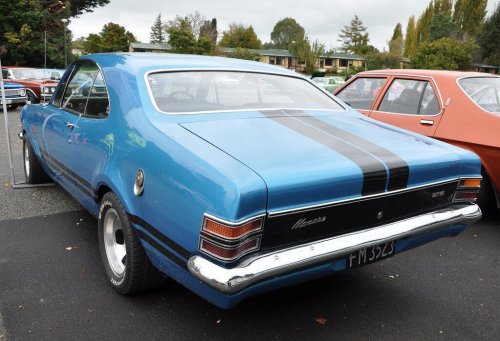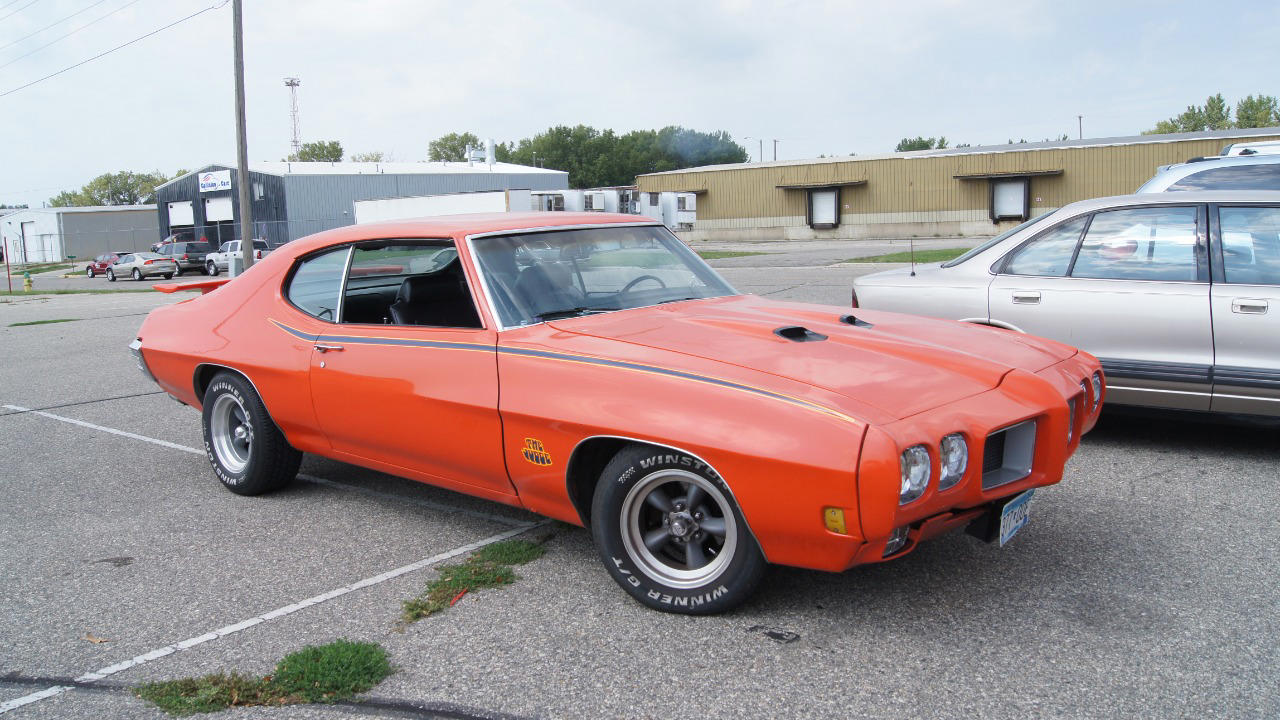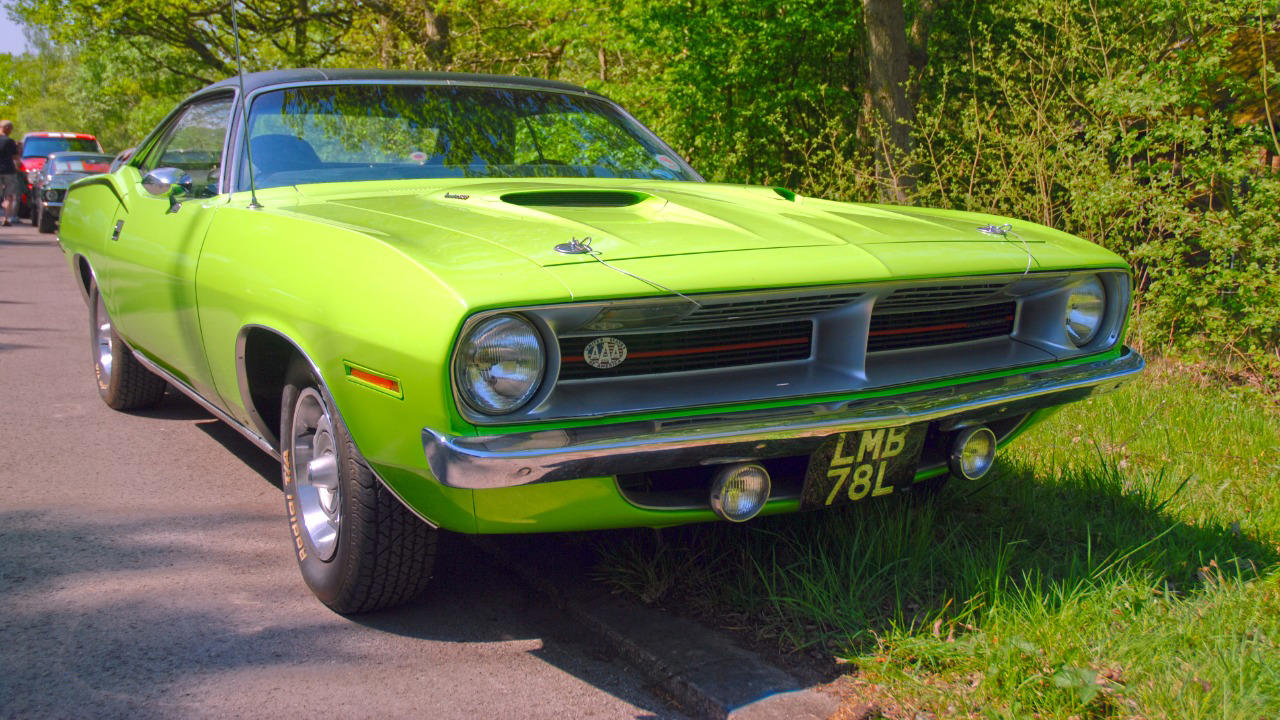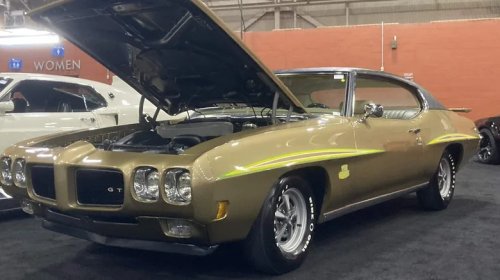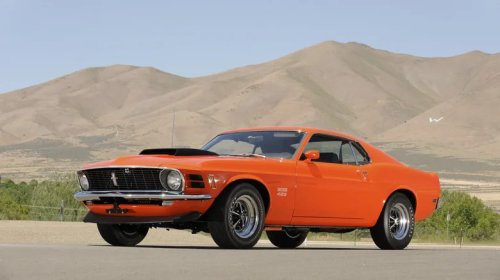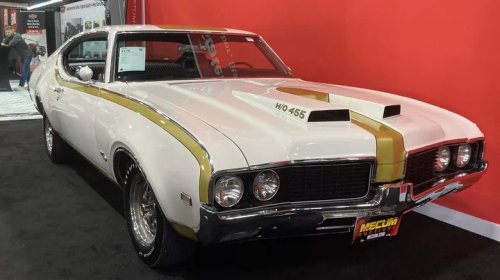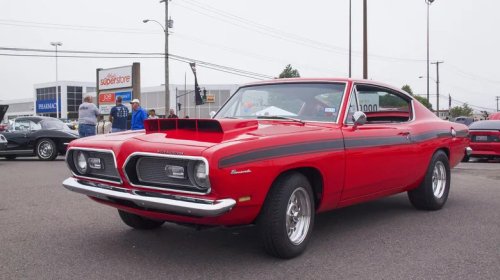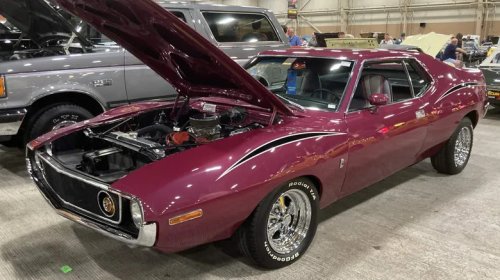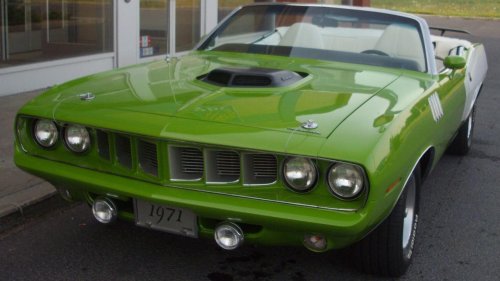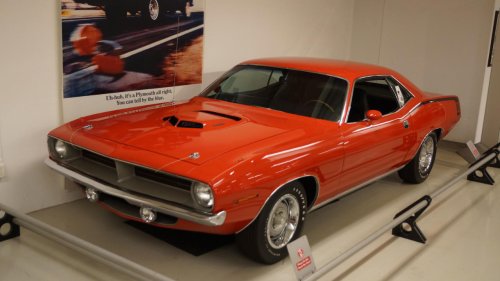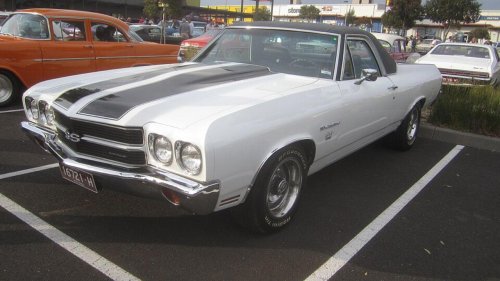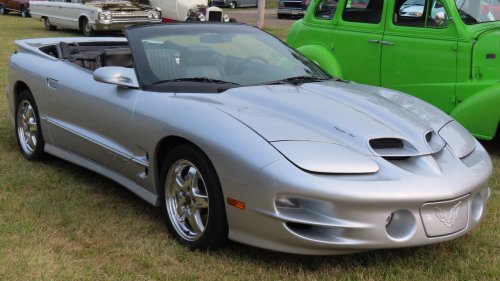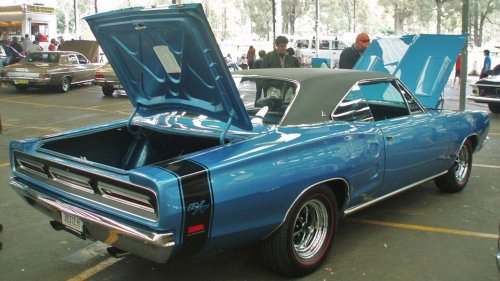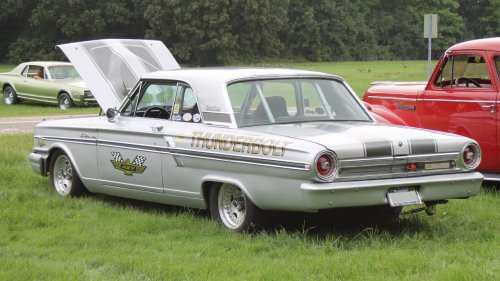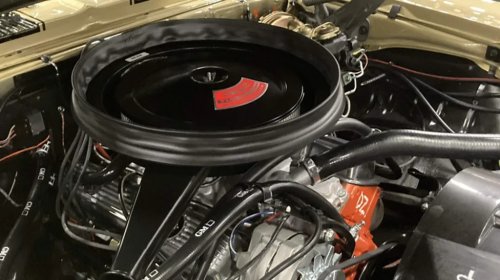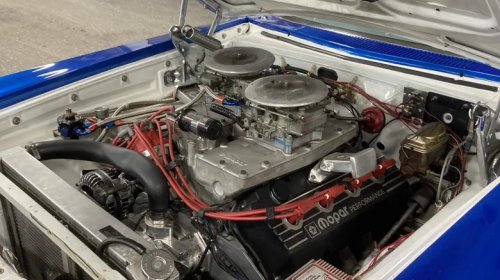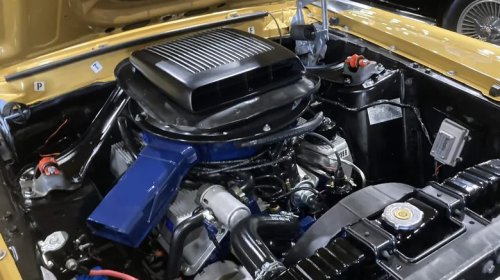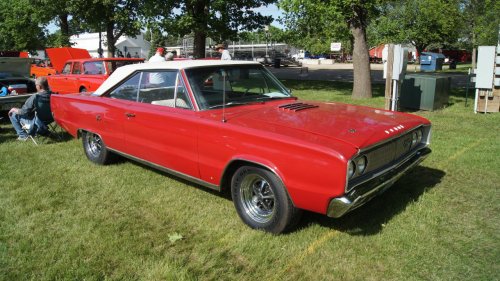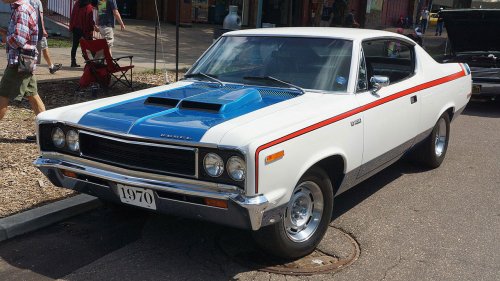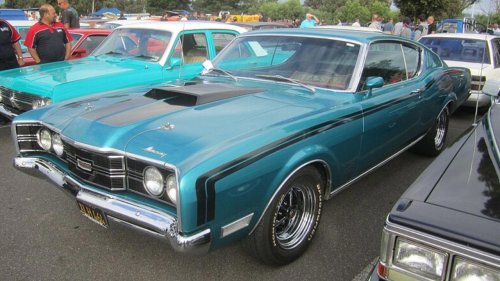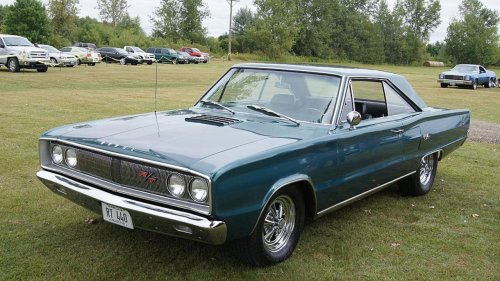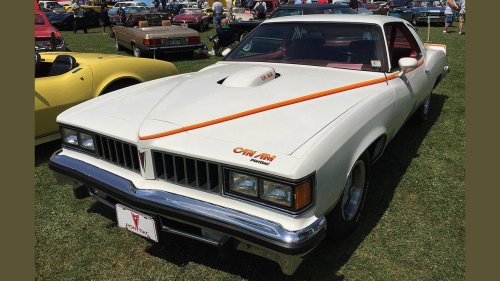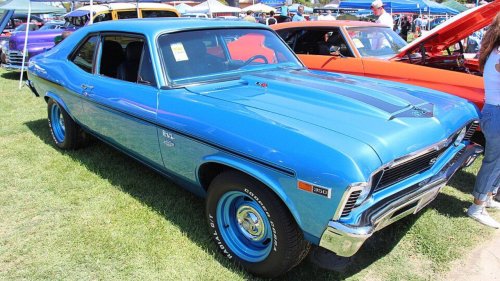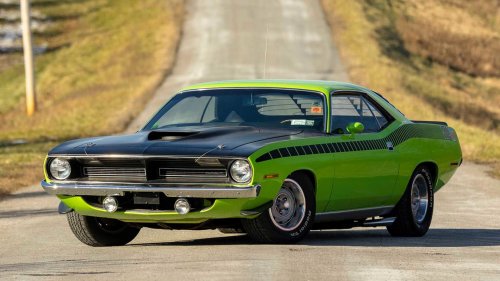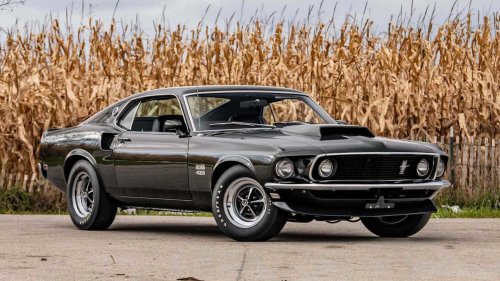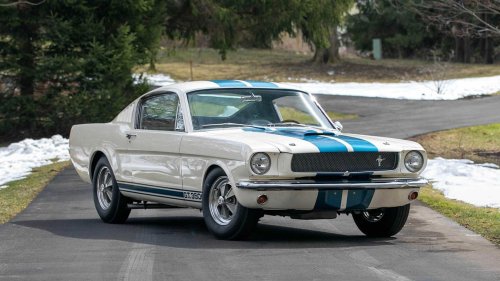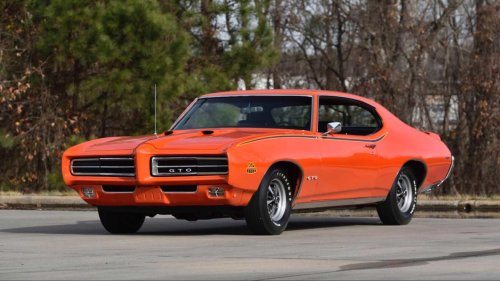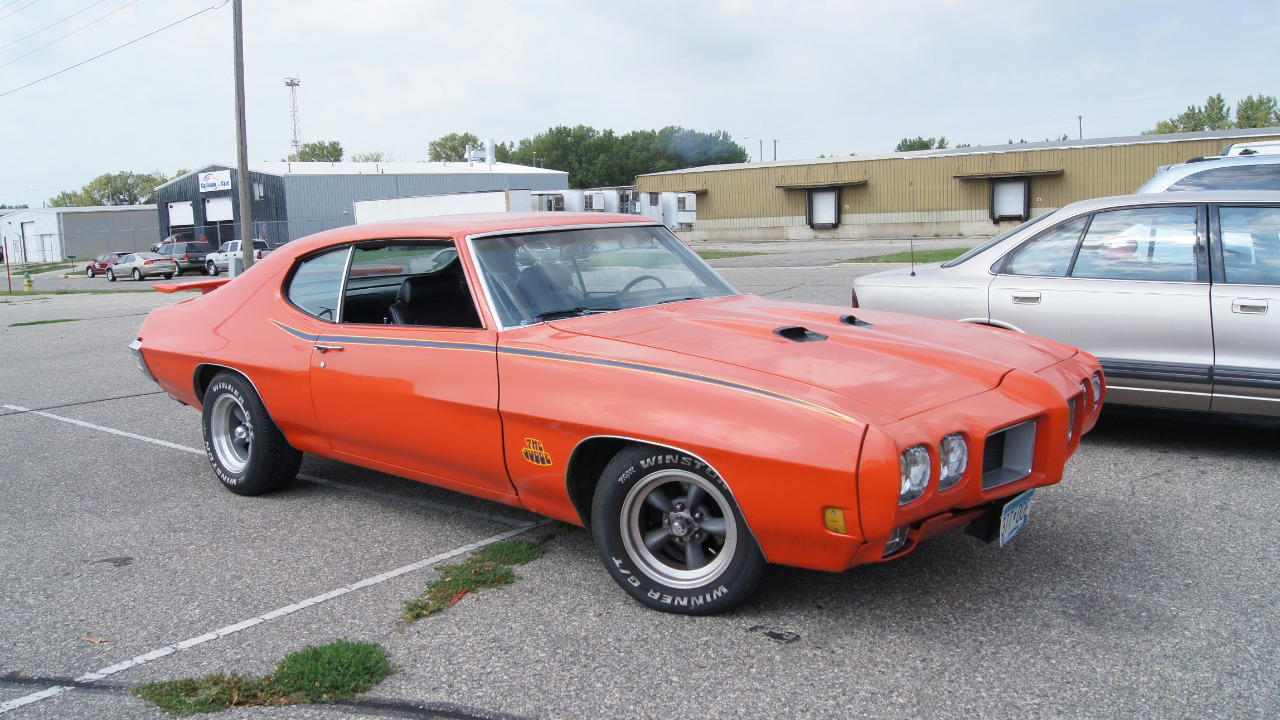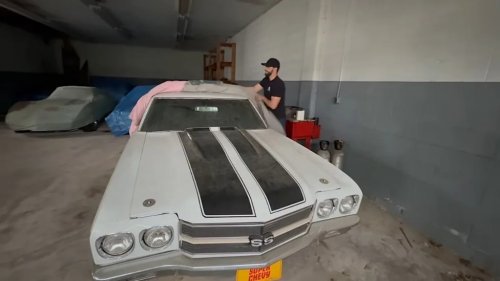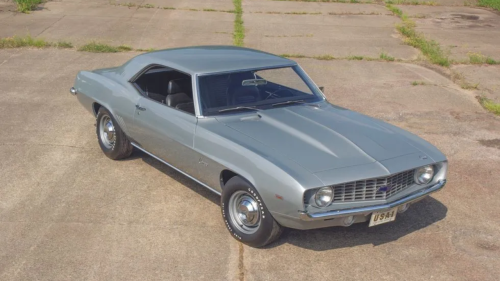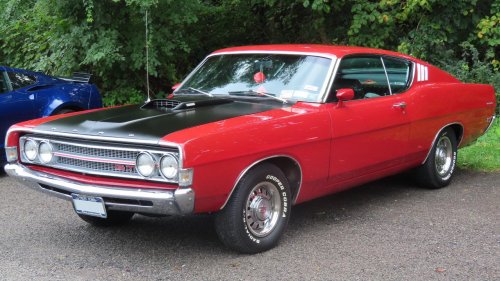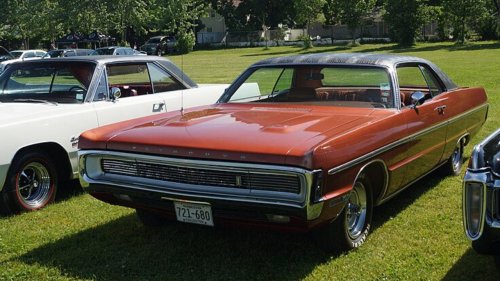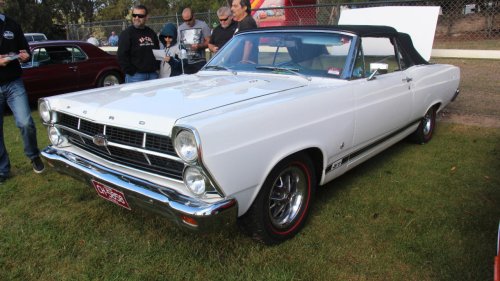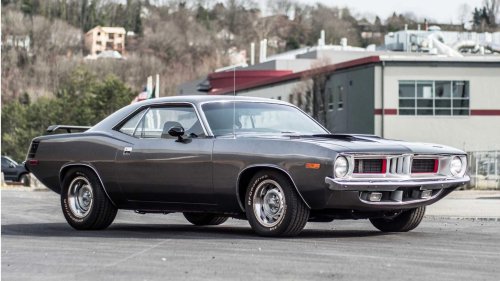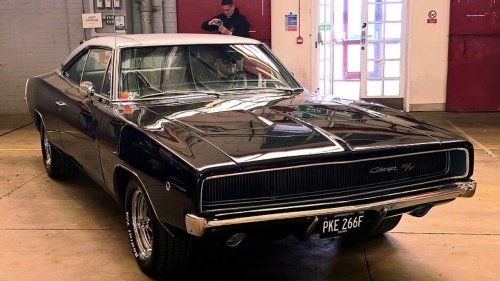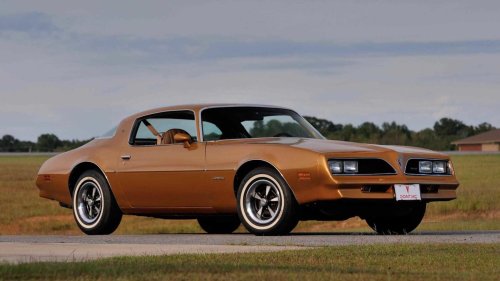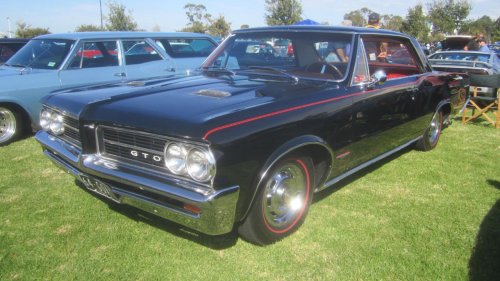
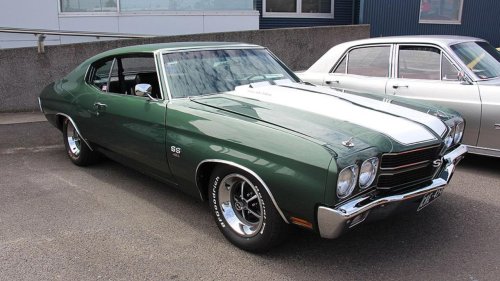
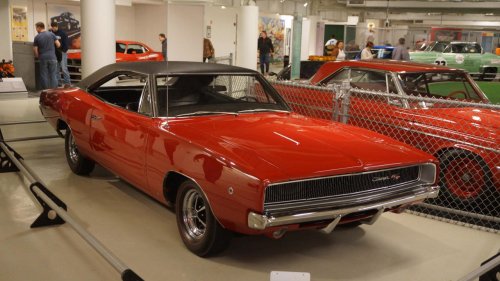
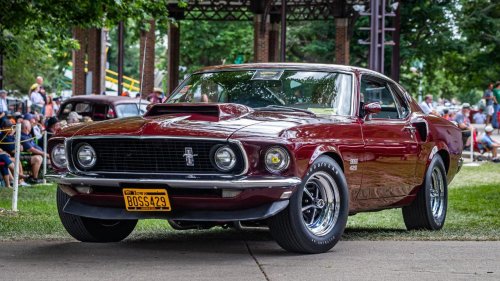
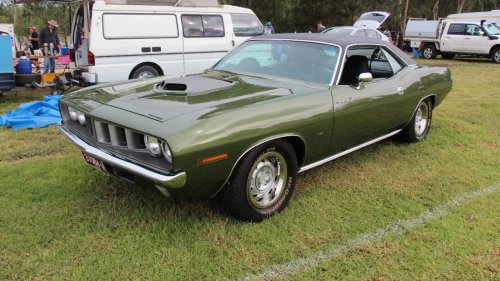
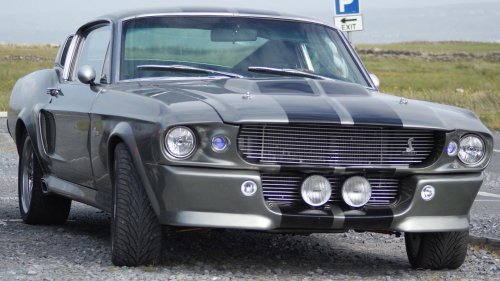
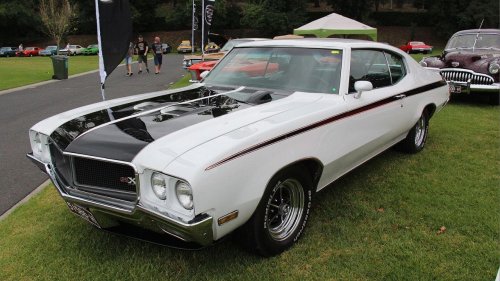
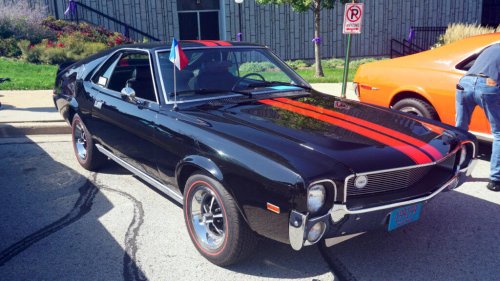
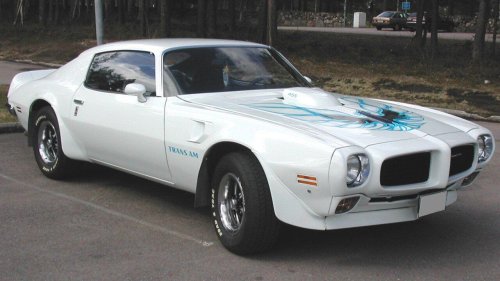



















Muscle cars have always been synonymous with raw power and straight-line speed, capturing the hearts of car enthusiasts worldwide. These vintage machines not only defined an era but also continue to inspire modern designs. Let’s take a trip down memory lane and explore some of the most iconic muscle cars that were built to burn rubber and dominate the drag strip. 1964 Pontiac GTO Image Credit: Sicnag – CC BY 2.0/Wiki Commons The 1964 Pontiac GTO is often credited with kicking off the muscle car craze. Dubbed the “Goat” by enthusiasts, this car packed a serious punch with its 389 cubic inch V8 engine, capable of producing 325 horsepower. The GTO was initially offered as an option package for the Pontiac Tempest but quickly gained a reputation for its performance. With its sleek design and impressive acceleration, the GTO became a favorite among gearheads. It could sprint from 0 to 60 mph in just about 6.6 seconds, which was quite a feat for its time. The GTO’s success paved the way for a new generation of high-performance vehicles that prioritized speed and style. 1970 Chevrolet Chevelle SS 454 Image Credit: Sicnag – 1970 Chevrolet Chevelle SS454, via Wikimedia Commons, CC BY 2.0 The 1970 Chevrolet Chevelle SS 454 remains one of the most revered muscle cars ever built. Under the hood, the LS6 version boasted a 454 cubic inch V8 engine that generated a staggering 450 horsepower. This powerhouse was designed to deliver jaw-dropping speed and acceleration, making it a legend on the streets and drag strips. Its aggressive styling, complete with dual racing stripes and a menacing front grille, made the Chevelle SS 454 an instant head-turner. Capable of going from 0 to 60 mph in just 5.4 seconds, this car was all about performance and speed, solidifying its place in muscle car history. 1968 Dodge Charger R/T Image Credit: Greg Gjerdingen from Willmar, USA – CC BY 2.0/Wiki Commons The 1968 Dodge Charger R/T is an iconic muscle car that gained fame not only for its performance but also for its starring role in popular films. Equipped with a 440 cubic inch Magnum V8 engine, the Charger R/T produced 375 horsepower, making it a formidable contender on the drag strip. Its distinctive coke-bottle styling and hidden headlights set it apart from the competition. The Charger R/T could go from 0 to 60 mph in about 6.5 seconds, offering a thrilling ride for those lucky enough to get behind the wheel. The Charger’s legacy continues to inspire modern iterations of this classic nameplate. 1969 Ford Mustang Boss 429 Image Credit: Gestalt Imagery / Shutterstock.com When it comes to straight-line speed, the 1969 Ford Mustang Boss 429 is a name that stands out. Built as a homologation special to qualify Ford’s new engine for NASCAR, the Boss 429 featured a massive 429 cubic inch V8 engine producing 375 horsepower. Its unique design included a wider front end to accommodate the big block engine, giving it an aggressive look that matched its performance. Despite its size, the Boss 429 could hit 60 mph from a standstill in just over 5 seconds, making it one of the fastest Mustangs of its time. 1971 Plymouth Hemi ‘Cuda Image Credit: Sicnag – CC BY 2.0/Wiki Commons The 1971 Plymouth Hemi ‘Cuda is a muscle car that commands respect. Under the hood, it housed the legendary 426 Hemi engine, which churned out 425 horsepower. This car was all about raw power and speed, earning its reputation as a street and strip warrior. With its bold styling and shaker hood scoop, the Hemi ‘Cuda turned heads wherever it went. It was capable of accelerating from 0 to 60 mph in just 5.8 seconds, showcasing its ability to deliver an exhilarating driving experience. The Hemi ‘Cuda remains a coveted collector’s item today. 1967 Shelby GT500 Image Credit: Tadekptaku, via Wikimedia Commons, CC BY-SA 4.0 The 1967 Shelby GT500 took the Ford Mustang to new heights, combining style with performance. Powered by a 428 cubic inch Police Interceptor V8 engine, the GT500 produced 355 horsepower and was built for straight-line speed. Its distinctive design included dual racing stripes and a unique front grille, setting it apart from the standard Mustang. The GT500 could reach 60 mph from a standstill in about 6.5 seconds, making it one of the fastest cars of its era. This classic muscle car continues to be a symbol of American automotive ingenuity. 1970 Buick GSX Stage 1 Photo by Cars Down Under / Flickr / CC BY 2.0 The 1970 Buick GSX Stage 1 might not be the first car that comes to mind when thinking of muscle cars, but it was a force to be reckoned with. Its 455 cubic inch V8 engine delivered 360 horsepower and an impressive 510 lb-ft of torque, making it one of the most powerful muscle cars of its time. With its bold styling and eye-catching color options, including the iconic Apollo White and Saturn Yellow, the GSX Stage 1 made a statement both in terms of design and performance. It could sprint from 0 to 60 mph in just over 5.5 seconds, proving that Buick could compete with the best. 1969 AMC AMX Image Credit: Michael Barera, CC BY-SA 4.0, Wikimedia Commons. The 1969 AMC AMX was a unique entry in the muscle car world, offering a blend of performance and style in a compact package. Powered by a 390 cubic inch V8 engine, the AMX produced 315 horsepower, allowing it to hold its own against bigger rivals. Its short wheelbase and lightweight design contributed to its impressive acceleration, reaching 60 mph in approximately 6.6 seconds. The AMX’s distinct two-seater configuration and sporty aesthetics made it a standout in the muscle car crowd, earning a dedicated following among enthusiasts. 1973 Pontiac Firebird Trans Am Super Duty Image Credit: François Martinez – Own work, CC BY-SA 3.0, via Wikimedia Commons The 1973 Pontiac Firebird Trans Am Super Duty was a muscle car that defied the odds during a time of tightening emissions regulations. Its 455 cubic inch Super Duty V8 engine produced an underrated 290 horsepower, but its real strength lay in its torque and durability. With its aggressive styling, including the iconic “screaming chicken” hood decal, the Super Duty Trans Am was a sight to behold. It could accelerate from 0 to 60 mph in just over 5.5 seconds, proving that Pontiac could still deliver serious performance even in the face of industry challenges. More from Fast Lane Only Unboxing the WWII Jeep in a Crate 15 rare Chevys collectors are quietly buying 10 underrated V8s still worth hunting down Police notice this before you even roll window down