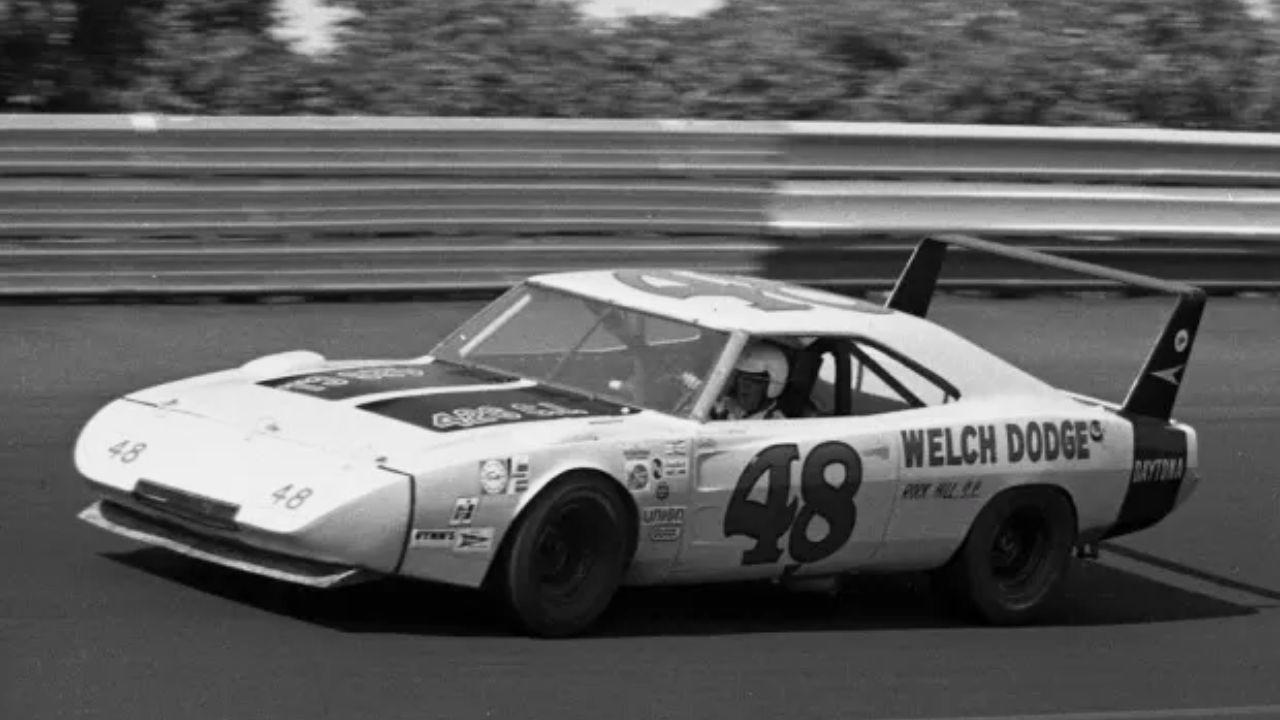
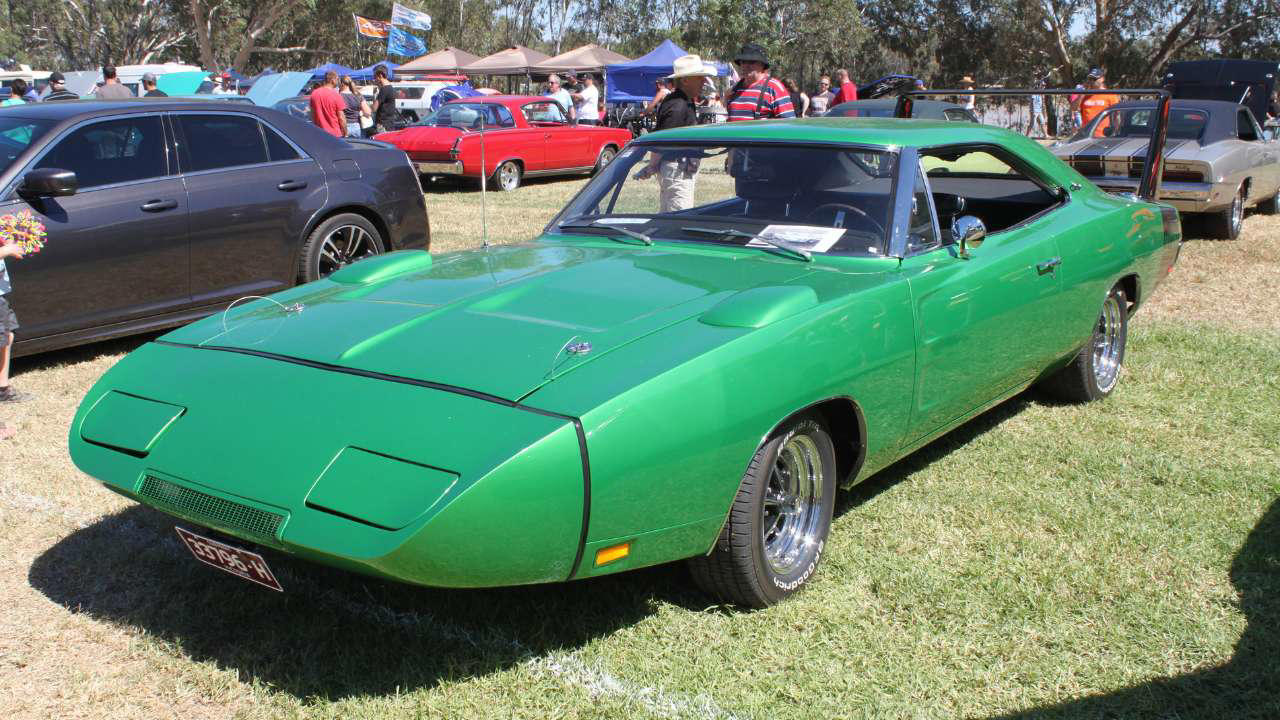
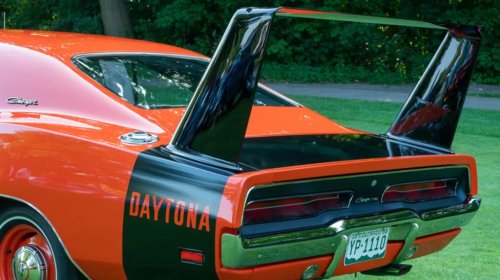
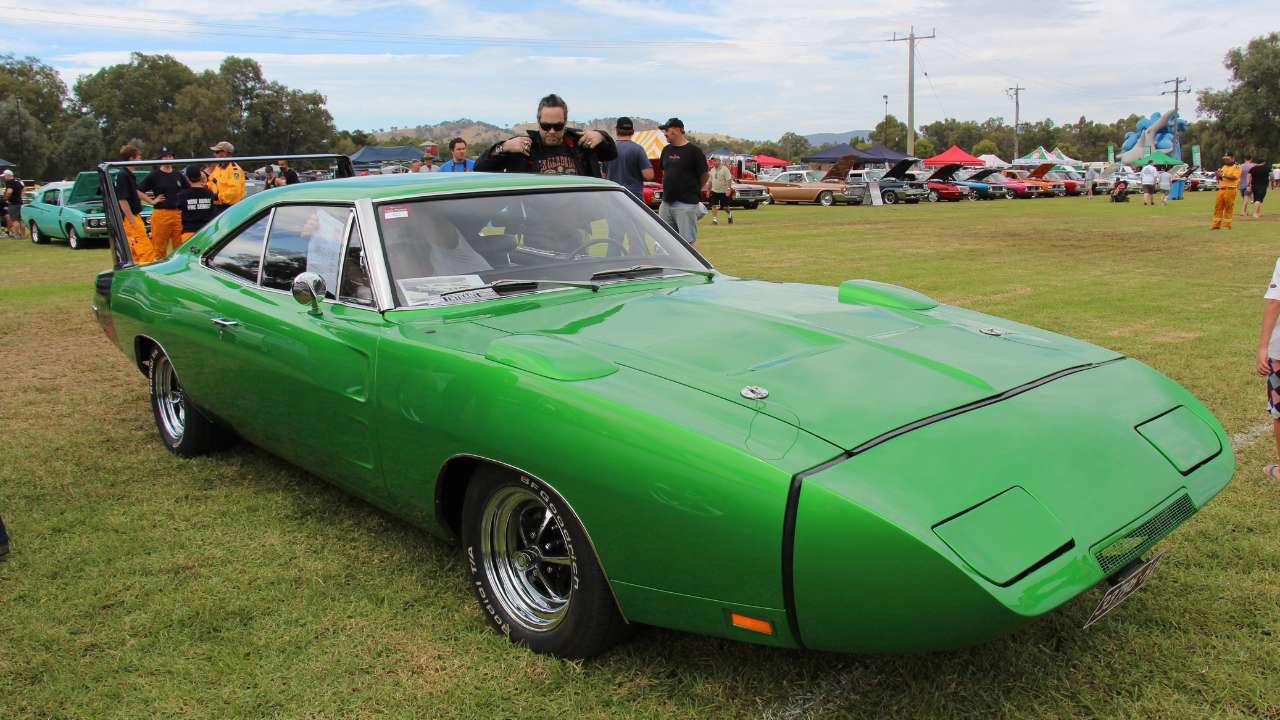
Mechanics warn the 1969 Charger Daytona’s design made it impractical off the trackThe 1969 Charger Daytona was built to win races, not grocery runs. Its towering wing and wind-cheating nose turned a boulevard cruiser into a 200-mile-per-hour weapon, but mechanics who have lived with the car for decades say that same aero-first thinking made it a headache anywhere that was not a banked oval. The legend is intact, yet the day-to-day reality often came down to overheating, scraped fiberglass, and a front end that fought every routine repair. From the pits, the Daytona is a triumph of engineering around a mighty Hemi V8 with hemispherical combustion chambers and massive valves sized at 2.25 inches on the intake side and 1.94 inches on the exhaust. From a shop bay, it can look like a streetcar that sacrificed basic serviceability for those last few miles per hour. The tension between those two identities still shapes how mechanics talk about the car today. Born from racing rules, not street needs The Charger Daytona did not start as a consumer product. It emerged after racing regulators forced manufacturers to base their competition cars on production bodies, which pushed Dodge to treat the showroom as a loophole instead of a priority. Company engineers were told to take a big, comfortable street machine and make it hit a target of 200 m on the track, a goal that demanded extreme changes to the bodywork and cooling package that made far less sense in traffic or on a rough back road. That mission explains the Daytona’s most famous features. The elongated nose, the tall rear wing and the reshaped rear window were all created to slice through the air and keep the car stable at racing speeds. Dodge did not set out to make parallel parking easier or to simplify oil changes. As one retrospective on the program explains, the starting point was a boulevard cruiser, then engineers were told to make it go 200 m, and everything else followed that single brief. Even the engine was optimized around that world. The Hemi’s hemispherical chambers allowed for the huge 2.25 intake and 1.94 exhaust valves that helped the big V8 breathe at high rpm, a solution that made sense when the car was flat-out for long stretches and supported by race teams with spares. In a street context, those same components added cost, complexity and heat that owners had to manage without a pit crew. The aero nose that fought daily driving Mechanics tend to start their complaints at the very front of the car. The Daytona’s signature nose cone is a beautiful piece of race-bred design, but in a shop, it can feel like a barricade between a technician and the components that usually sit in easy reach. One builder who documented a modern restoration described getting ready to assemble the nose cone and admitted feeling excited and nervous at the same time because he had never handled the full structure of the nose for the Daytona before. That mix of awe and apprehension is familiar to anyone who has tried to align fiberglass panels that were never meant to be removed weekly. Owners who actually drive their cars report similar friction. In a discussion about removing the Daytona nose at home, one restorer described a simple problem that turned into a packaging nightmare. A large storage box in front of the car blocked the path of the nose, or, depending on the angle, the nose blocked the box. That mundane anecdote underlines a broader truth: the Daytona’s front end is long, low and fragile enough that basic garage tasks like lifting the car, pulling it onto a trailer or even rearranging storage can demand more planning than with a standard Charger. On the road, that extended nose sits low and far ahead of the front wheels. Mechanics say customers complained about scraping the underside on driveway aprons and parking curbs, especially once the original springs sagged with age. The aero gain that kept the car planted in high-speed banking translated into a front overhang that constantly threatened paint and fiberglass in urban use. Heat, cooling and the reality of a big Hemi Under that long nose, the Hemi itself created another set of off-track compromises. The same combustion chamber design that allowed those 2.25 and 1.94 valves to move so much air also generated a lot of heat. In race trim, teams could tailor radiators, fans and ducting for specific tracks. Street cars had to survive stop-and-go traffic, long idles and owners who might not check coolant levels until a problem appeared. Modern mechanics who specialize in classic muscle say overheating is one of the most common complaints they see on big-block cars from this era. One popular explainer on cooling fixes for older V8s opens with the observation that classic engines are notorious for running hot, then walks through how small changes in fan shrouds, radiators and coolant routing can transform reliability. The Daytona, with its powerful Hemi and tight engine bay, sits squarely in that risk zone if the cooling system is not perfect. In practice, that meant owners often had to upgrade radiators, add auxiliary fans or tweak pulleys to keep temperatures in check during normal use. Mechanics who worked on these cars in the period recall that a car that behaved on the highway could still creep toward the red at long red lights, especially in summer. The aerodynamic nose that helped at speed did not magically solve low-speed airflow, and the tall wing at the back did nothing for underhood heat. Serviceability sacrificed for speed Beyond heat, the Daytona’s very layout complicated routine maintenance. The nose cone, headlight buckets, and supporting structure sit ahead of the radiator support, which means jobs that would be straightforward on a standard Charger can require extra disassembly. Some restoration guides show how even basic tasks like accessing the front of the engine can push owners toward partial nose removal if they want room to work safely. One detailed video walk-through of the nose assembly makes that tradeoff clear. The builder spends significant time aligning brackets, fiberglass and hardware to get the nose for the Daytona straight and secure. That precision is essential for high-speed stability and panel fit, but it also means that repeated removal and reinstallation for service is slow and carries a risk of misalignment or stress cracks. On the mechanical side, the big Hemi with its specialized valvetrain and large valves is itself less forgiving than the small-block engines that powered many ordinary Chargers. Valve jobs, timing work, and carburetor tuning all demand more experience and time. For a race team, that was a given. For a neighborhood garage in the early 1970s, it could turn a routine visit into a long stay, especially if parts were scarce. Track dominance, street frustration The payoff for those compromises was real. Contemporary accounts and later analyses describe how the Daytona’s aero package gave Dodge a serious weapon against rivals like Ford on the big ovals. Even when some reports suggest the car could still be slightly slower than Ford’s best efforts in certain races, the margin was measured in about 1 mph, the kind of gap that could decide a finish by the length of a football field. That context matters when weighing the car’s practicality. The Daytona was conceived as a response to a specific racing environment, and it delivered enough performance that sanctioning bodies eventually rewrote rules to rein in similar designs. Some modern social media posts exaggerate that history and claim the car was banned simply for being too fast, while others push back and point out that the real story involves a more complex mix of rule changes and competitive parity. What is clear is that the car’s shape and speed were controversial in competition, not its parking manners. On the street, however, those racing victories did not help when an owner tried to back into a tight spot and found the rear wing blocking rearward visibility or when the long nose made it hard to judge distance in city traffic. Mechanics say that more than one customer came in with cracked fiberglass or bent brackets from misjudged curbs, the kind of damage that rarely happened on the shorter standard Charger front end. Homologation numbers and the myth of mass appeal The Daytona’s production numbers were driven by homologation rules rather than market demand. Dodge had to build a certain number of cars to qualify the body for racing, which meant a limited run of highly specialized vehicles was pushed into showrooms that usually sold more conventional muscle. Social media posts that celebrate the car’s rarity often highlight how extensively surviving examples have been restored, with some noting that the real hero cars have been rebuilt so many times that few original parts remain. Collectors today prize that scarcity, but mechanics who dealt with the cars when they were merely used vehicles recall a different mood. Replacement parts for the unique nose, wing, and rear window treatment were harder to source and more expensive than standard Charger panels. Insurance adjusters sometimes preferred to declare a damaged Daytona a total loss rather than pay for specialized repairs, which further thinned the herd and made the survivors more valuable. That dynamic also meant that owners who did keep driving their Daytonas often tried to avoid daily use. The car’s impracticalities off the track were not just theoretical. Every mile risked damage to rare components that would be difficult or costly to replace, and every minor accident put stress on fiberglass and brackets that were never designed for decades of street duty. Modern mechanics, modern workarounds Today, the Charger Daytona sits in a different ecosystem. Specialist shops, online communities, and detailed video guides have turned what used to be arcane knowledge into shared practice. Enthusiasts can watch a builder talk through the assembly of the nose for the Daytona, learn from a cooling expert explaining the best overheating fix for classic cars, or follow a step-by-step discussion of how to remove the nose without damaging paint or nearby storage. One forum thread about DIY nose removal, for example, captures the blend of reverence and frustration that defines modern ownership. The poster describes the problem of a simple storage box blocking the path of the nose and then works through how to rearrange the garage and support the fiberglass safely. It is a small story, but it shows how the Daytona still forces owners to think like race mechanics, planning every move around the car’s unusual proportions. Video creators who focus on the Hemi platform also give detailed advice on managing the engine’s heat and power on the street. They emphasize that the large 2.25 and 1.94 valves and high-flow heads that made the Hemi so effective at speed can live happily in traffic if the cooling system is updated and the tune is conservative. That kind of guidance helps turn a once-temperamental race-bred engine into a more manageable weekend cruiser. More from Fast Lane Only Unboxing the WWII Jeep in a Crate 15 rare Chevys collectors are quietly buying 10 underrated V8s still worth hunting down Police notice this before you even roll window down The post Mechanics warn the 1969 Charger Daytona’s design made it impractical off the track appeared first on FAST LANE ONLY.



















 +26 others