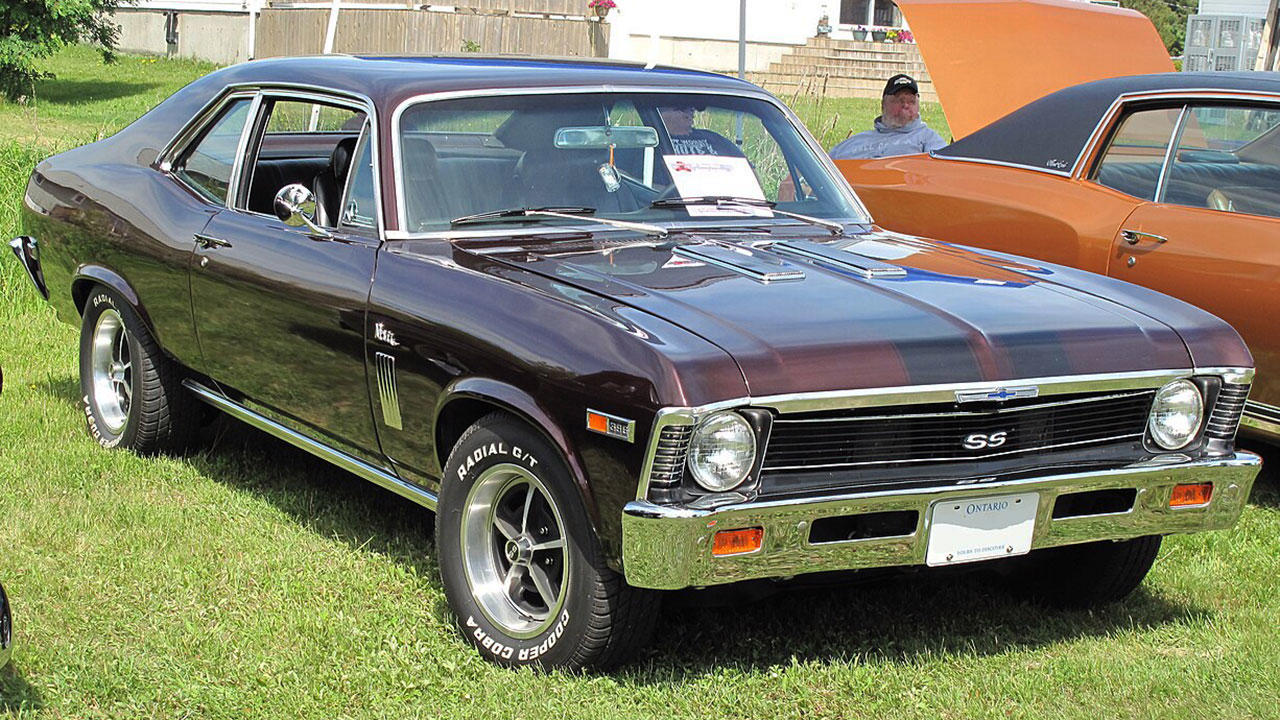
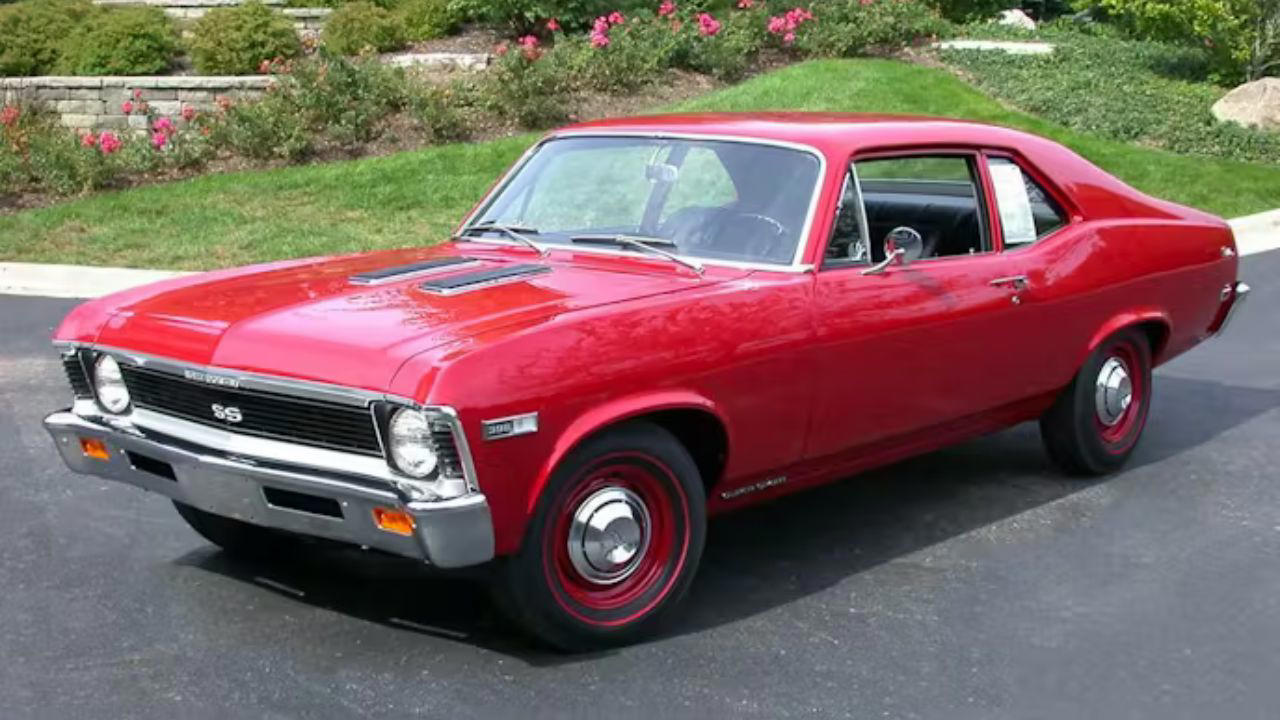
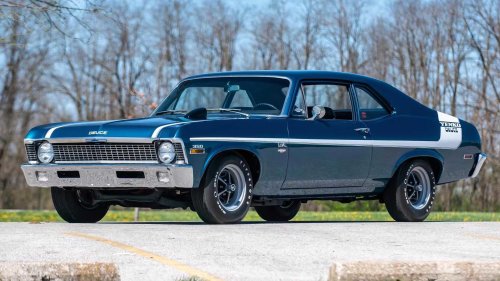
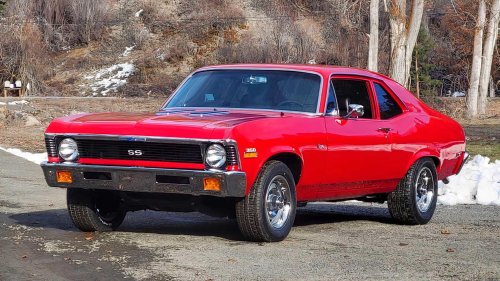
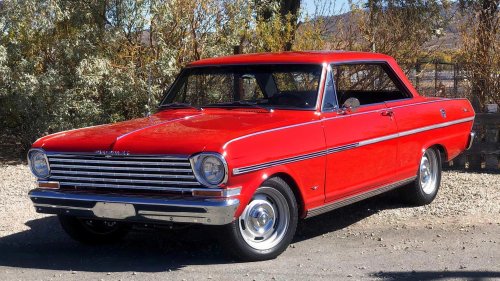
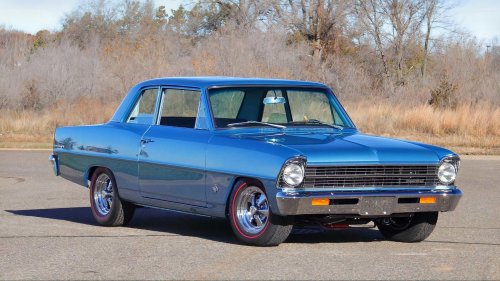
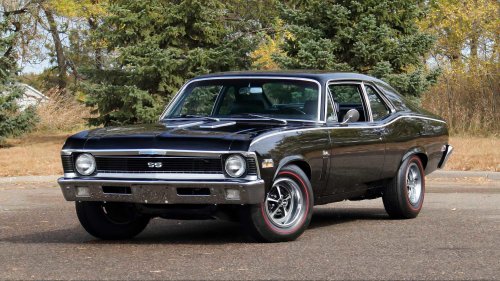
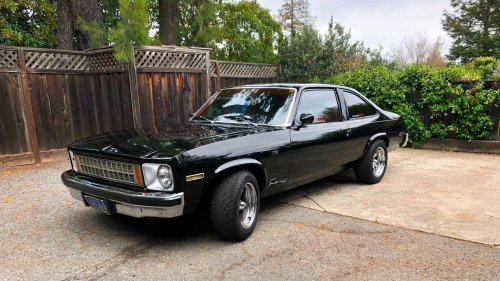
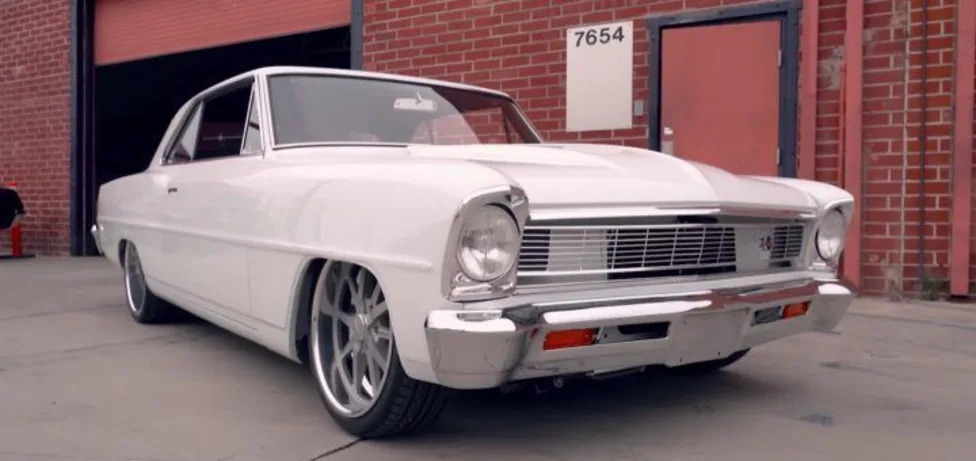
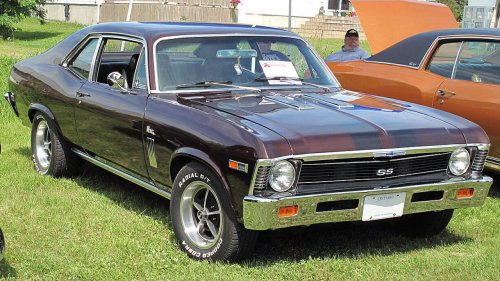
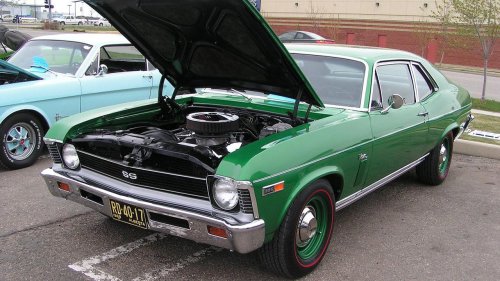
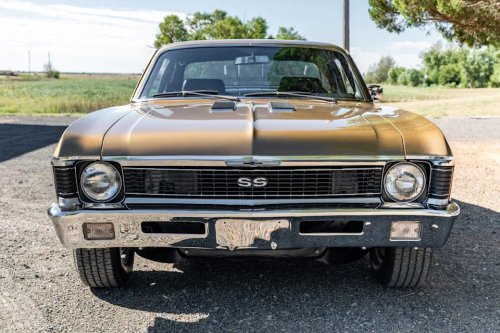
Mechanics warn the 1969 Nova SS could become unstable under aggressive drivingThe 1969 Nova SS has long been celebrated as a light, brutally quick muscle car, but that same formula can turn on its driver when the car is pushed hard. Mechanics who work on these cars warn that the combination of a short wheelbase, big torque and vintage suspension hardware can let the Nova step out suddenly, hop its rear axle or wander at speed if it is not set up carefully. The result is a car that can feel deceptively calm at a cruise, then abruptly unstable the moment the throttle is buried or the road surface turns rough. Those warnings are not theoretical. Builders, racers, and owners keep documenting how quickly a modified 1969 Nova SS can go from tire-squealing fun to genuine loss of control, especially once modern power levels and sticky tires are added to a chassis that was designed in a different era. A big motor in a little car Even by muscle car standards, the Nova SS was an exercise in stuffing serious power into a compact shell. One video of a 1969 L78 Nova SS captures a driver named Jan lighting up the rear tires, framed around the idea that the whole muscle car era was about putting a big motor into a little car and that this particular example pushed that idea to an extreme. The short, violent bursts of acceleration in that clip show how quickly the car can overwhelm its rear suspension and tires when Jan leans on the throttle, especially as the tires start squealing and the rear end begins to skate. A separate on-road video of a similar car, shared through a Nova SS drive, shows the same basic traits. The car surges forward with a twitch of the right foot, the nose lifts, and the rear axle fights for grip. The driver works the steering wheel to keep the car straight even on seemingly smooth pavement, a reminder that a short-wheelbase chassis with a heavy big-block up front and leaf springs in the rear will not behave like a modern performance car. Enthusiasts often romanticize that rawness, but mechanics who see these cars on lifts describe a predictable pattern. The stock geometry, soft bushings and simple dampers were never intended to cope with the kind of torque that modern builds are making, especially when combined with sticky radial tires. Factory layout, modern expectations The Nova platform used a straightforward recipe: coil springs and control arms up front, leaf springs and a solid axle at the rear. In period, that layout worked well enough on skinny bias-ply tires. With today’s wide radials and more aggressive driving, the limitations show quickly. One detailed feature on a 1969 Chevrolet Nova SS396 L78 describes how any L78 Nova is a rarity, and how a specific Dana L78 Nova was one of perhaps 10 such cars that Brian believes were sold. That same story notes how the lightweight body and big power created a light heavyweight combination that could embarrass heavier muscle cars in a straight line. The same characteristics that let that Chevrolet Nova SS396 punch above its weight also left it with a narrow margin for error when traction broke. Owners who drive these cars at highway speeds describe the effect in blunt terms. A 1972 Chevy Nova 2dr owner seeking help for Fixing High Speed Sway and Handling Issues reported Unstable behavior over 60 mph and unpredictable sway during high-speed lane changes. Although that case involved a slightly later Chevy Nova, the basic architecture is similar, and mechanics responding to the complaint pointed to worn suspension parts, alignment settings and the inherent sensitivity of the platform to crosswinds and road imperfections. In the front, some builders recommend modest geometry changes to tame that nervousness. One 69 Nova performance cruiser front suspension rebuild thread includes a suggestion to install 0.9 taller Pro Forged upper ball joints to improve camber gain and keep the tire contact patch more stable in corners. That kind of targeted change can help the front end feel more planted, but it does not address the rear axle behavior that most often triggers instability under aggressive driving. Wheel hop and axle wrap Ask any mechanic what makes a powerful leaf spring car feel sketchy and the answer usually starts with wheel hop. Under hard acceleration, the axle tries to rotate against the leaf springs. If the springs and bushings are soft, the axle winds up, then snaps back, causing a violent hop. That not only destroys traction, it can yank the car sideways. One short clip of a 1969 L78 Nova SS shows Jan standing on the throttle and the rear tires squealing as the car surges forward. The short bursts of traction and spin in that L78 Nova SS clip are a textbook example of how quickly wheel hop and axle wrap can appear when a big motor shocks an old rear suspension. Suspension specialists who focus on classic muscle cars describe several paths to control that movement. A detailed explainer on CPP Street Trac Traction Bars for Nova and Camaro Builds walks through how Classic Performance Products designed its Street Trac system to clamp the axle more securely to the leaf springs and limit wrap. The company highlights how the system is aimed at Nova and Camaro owners who want to harness their car’s power more effectively, and even calls out a part number with 378 as part of its description. By turning the leaf spring into a more effective locating arm and adding a traction bar that resists axle rotation, the Street Trac upgrade helps keep the tires in consistent contact with the pavement. Mechanics also point to simpler add-ons. A widely shared social media post about Bad wheel hop on non-parallel leaf spring suspensions suggests that a set of Air Lift air bags can work well, with a couple of pounds of air in the driver side bag and between 15 and 30 pounds in the passenger side to control squat and hop. The same discussion mentions how owners have achieved strong improvements in straight-line traction with those Air Lift adjustments, particularly on dragstrip launches. Technical videos on how to prevent wheel hop in leaf spring cars reinforce the same message. One tutorial focused on rear suspension, aimed at fans of Mop platforms, explains how worn bushings, soft springs and incorrect pinion angle all feed into hop and instability. The host of that Aug segment walks through how stiffer bushings, properly set pinion angle and traction aids can transform the way a leaf spring car leaves the line, turning a hopping, sideways launch into a clean, predictable one. From squeal to sideways in a heartbeat Modern owners often discover these limits the hard way. A BMW enthusiast described getting crazy wheel hop after upgrading turbo, injectors, exhaust and a remap, and then asked if Will’s rear coilovers fix this or if diff bushings were also needed. Although that case involved a different platform, the pattern is familiar to any mechanic who works on classic Novas: power upgrades outpace the stock suspension, and the car responds with hop, shudder and sudden loss of grip. On a 1969 Nova SS, that transition can be even more abrupt. The car is shorter and lighter than many contemporaries, and the torque of an L78-spec 396 or a modern stroker build can overwhelm the rear instantly. One enthusiast description of the 1969 Chevy Nova calls it a deceptively simple machine, with clean lines, compact size and no-frills styling, but also notes that under the skin it packed serious performance potential. When that Chevy Nova is fitted with sticky tires and a hot engine, the rear axle can break loose so quickly that an inexperienced driver has little time to react. Mechanics describe seeing bent spring perches, torn bushings and twisted driveshaft yokes on cars that have been repeatedly launched hard without traction aids. Each damaged component adds more play and more unpredictability, which in turn makes the next aggressive run even riskier. Steering, shocks, and the front end Instability in a 1969 Nova SS is not limited to the rear. Owners seeking help for 1969 Chevy Nova suspension issues often report that the front end feels bouncy or that the car wanders. One mechanic responding to a 1969 Chevy Nova suspension help request asked Is the front bouncing or the back, and noted that If the back is bouncing, air shocks in the rear could be part of the problem. That exchange highlights how mismatched shocks and springs can upset the car’s balance, especially if air shocks are used to jack up the rear for tire clearance. New owners of 69 Chevy Nova models who post in classic car forums often receive basic explanations of how Hydraulic shock absorbers work. One such response patiently describes how a piston moves inside the shock body and forces fluid through small holes to dampen motion, and how worn shocks lose that control. Mechanics who see these cars in the shop say that tired hydraulic shocks are one of the most common causes of floaty, delayed reactions in the front end, which can make the car feel like it is lagging behind steering inputs. On the alignment side, experienced builders recommend more modern settings than the factory provided. Additional caster, slightly more negative camber and a touch of toe-in can help the car track straighter and respond more predictably. Combined with firmer bushings and quality shocks, these changes can significantly reduce the feeling that the Nova is about to dart across the lane at highway speeds. Real-world sway and high-speed nerves The owner who asked about Fixing High Speed Sway and Handling Issues on a 1972 Chevy Nova 2dr described Unstable behavior that appeared only above a certain speed. Mechanics responding to that case pointed to worn steering components, incorrect ride height, and old tires as likely contributors. On a 1969 Nova SS, the same variables can combine with more power to create a car that feels fine at 50 mph but begins to float and wander as the speedometer climbs. Some drivers compare the sensation to piloting a boat. The body leans into crosswinds, the steering requires constant correction, and any mid-corner bump can send the car drifting toward the edge of the lane. On a car with manual steering or a loose steering box, that can quickly cross from unnerving to dangerous. Mechanics emphasize that these traits are not inevitable. They are usually the result of decades of wear layered on top of a design that was never optimized for modern speeds and traffic. Replacing worn tie rods, idler arms, and steering boxes, along with a careful alignment, can dramatically calm the car’s behavior. More from Fast Lane Only Unboxing the WWII Jeep in a Crate 15 rare Chevys collectors are quietly buying 10 underrated V8s still worth hunting down Police notice this before you even roll window down