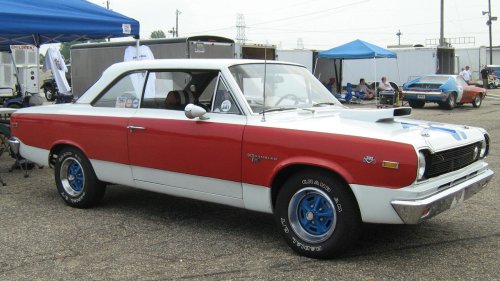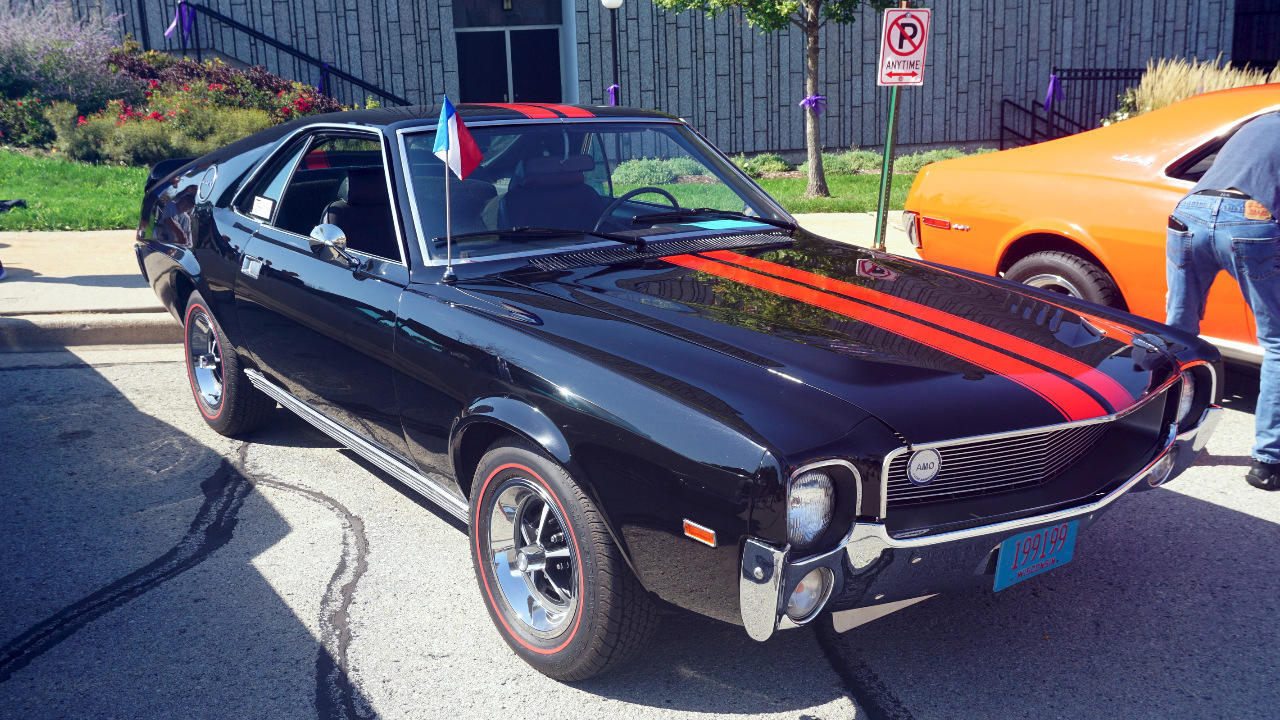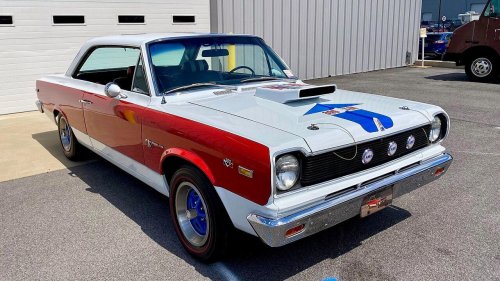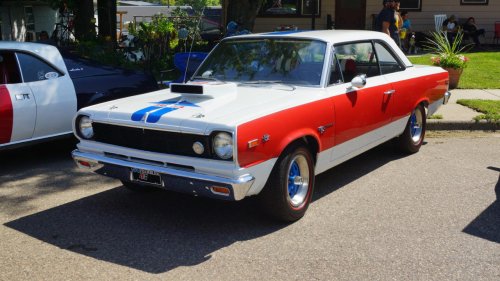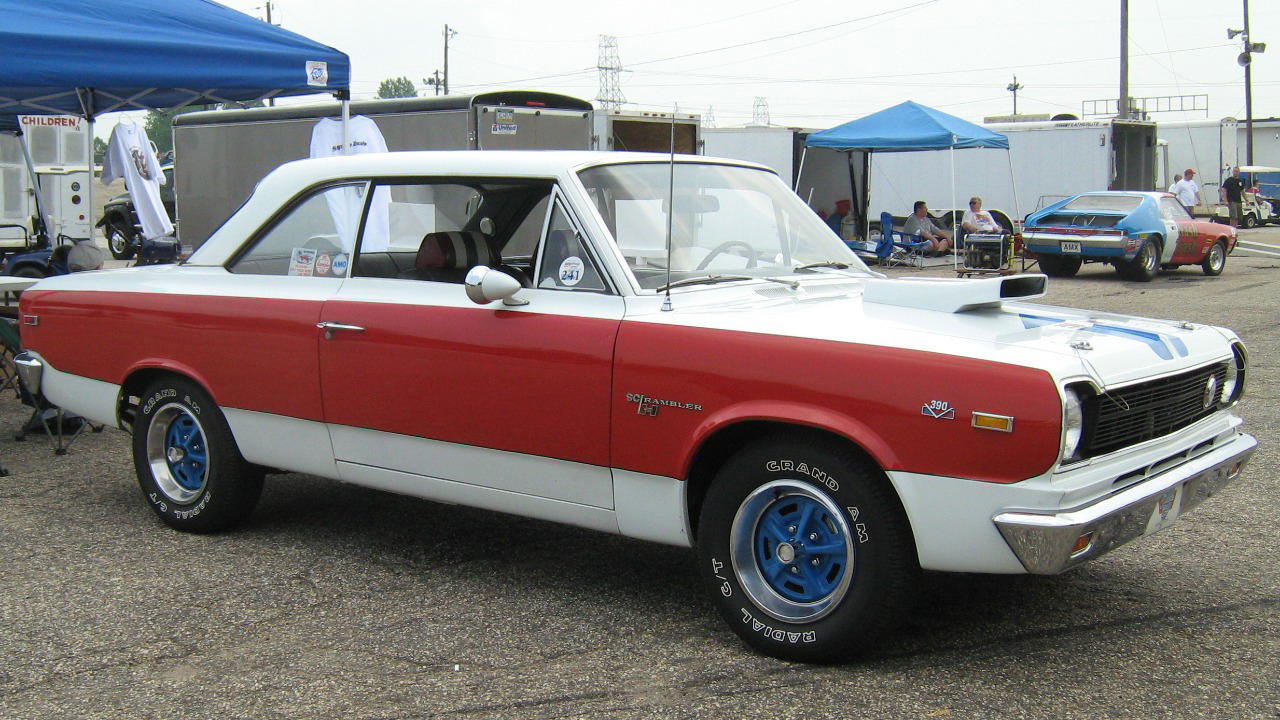



















How the 1969 AMC SC/Rambler broke expectationsThe 1969 AMC Hurst SC/Rambler arrived as a compact economy car that behaved like a dragstrip brawler, an unlikely combination in a market dominated by big-budget muscle. Built in limited numbers and featuring unapologetically loud graphics, it demonstrated how far AMC could push a modest platform. In a single model year, the SC/Rambler overturned expectations about what a Rambler could be and carved out a lasting reputation as one of the era’s sharpest underdogs. From grocery getter to quarter-mile threat The SC/Rambler began life as the Rambler American, a straightforward compact that American Motors Corporation positioned as practical transportation rather than a performance statement. Across its generations, the Rambler American served as a sensible, budget-conscious alternative to Detroit’s full-size offerings, which made it an unlikely foundation for a factory hot rod. Inside AMC, leadership had already invested heavily in modern performance hardware, with Abernethy channeling roughly $100 million into a new V8 family that would power cars like the Javelin. That spending created a powerful 390 cubic inch engine and a corporate desire to showcase it, even in segments where rivals did not expect serious competition from AMC. From that context came the idea to stuff the 390 into the compact Rambler, pair it with a close-ratio four-speed, and let the smallest AMC become its loudest statement. Engineering a “penny rocket” Mechanically, the SC/Rambler was far more than a tape-stripe package. The car borrowed AMC’s 390 V8, rated at 315 horsepower, an output that instantly transformed the lightweight Rambler shell. Contemporary testing credited the combination with quarter-mile runs in the low 14 second range, with one report citing 14.3 seconds, a figure that placed the car among the serious street machines of its day. Additional detail from later technical coverage notes that AMC squeezed 315 of torque from the 390, then routed it through a close-ratio BorgWarner four-speed manual to the rear axle. Chassis changes backed up the power, with reports describing front disc brakes, a heavy-duty sway bar, and strengthened suspension components to keep the short-wheelbase Rambler controllable. Inside, the car remained largely utilitarian, with descriptions of a factory-standard Rambler dashboard set off by a column-mounted Sun Tach that signaled the car’s intent more clearly than any woodgrain or luxury trim could. The result was a compact that behaved like a stripped, purpose-built drag car, yet still carried the badge of a thrifty Rambler. Styling that refused to be ignored If the mechanicals surprised enthusiasts, the appearance of the SC/Rambler shocked everyone else. Most cars left the factory in a vivid red, white, and blue pattern that contemporary observers have described as an attention-grabbing design that ensured AMC made sure no one would miss it on the street. Accounts of the paint program describe the dominant layout as an A-scheme that used broad patriotic stripes over the hood and body. Optional B-scheme cars wore more restrained graphics, with sources describing subtler styling and fewer bold panels of color for buyers who wanted the performance without quite as much spectacle. Period enthusiasts recall hood scoops, side stripes, and even humorous “390 CU IN” lettering that announced the engine size in large red characters. Inside and out, the SC/Rambler embraced the persona of what some later writers have called the ultimate underdog, a car that looked like a rolling protest against subtlety. Limited production, lasting influence The SC/Rambler was never intended as a volume product. Factory figures and later research converge on a single-year run of 1,512 units, which has helped turn surviving examples into prized collectibles. Further breakdowns suggest that AMC experts attribute the milder B-scheme to a minority of the run, with one account stating that 500 of the SC/Ramblers carried the subtler graphics from the factory. Some AMC detectives have gone even further, estimating that only about 46 B-scheme cars remain, a figure that underscores just how rarely the more conservative paint combination appears today. Those tiny production numbers, combined with the car’s competition image, have made the SC/Rambler a favorite subject for restorers who seek to preserve both the mechanical specification and the polarizing graphics. Recent coverage of revived cars has highlighted how carefully builders recreate details such as the hood scoop lettering and the interior tachometer placement to maintain authenticity. The SC/Rambler’s short run also reflects AMC’s broader strategy at the end of the muscle era, when the company experimented with attention-grabbing specials rather than chasing sheer volume. Why the SC/Rambler still matters Viewed from a modern perspective, the SC/Rambler embodies several themes that continue to resonate with enthusiasts. It represents a classic example of a manufacturer turning a budget platform into a performance standout, a pattern that other compacts would follow in later decades. It also shows how marketing, engineering, and motorsport ambitions could converge in a single, highly focused model. Period accounts describe how AMC wanted a car that could compete in showroom stock drag racing while also drawing attention on the street, and the SC/Rambler delivered on both fronts. More broadly, it captures a moment when a relatively small company used bold design and a limited run to punch above its weight against better funded rivals. Writers who have revisited the car often group it with other AMC performance efforts, noting how the same corporate V8 that powered the Javelin and later the Rebel Machine also found a home in this compact. Enthusiast retrospectives sometimes refer to the SC/Rambler as Other Muscle Car, emphasizing how it stood apart from the better known big-block intermediates of the period. That outsider status has only increased its appeal, especially as collectors look beyond the usual nameplates for cars with authentic period character. Today, images of surviving SC/Ramblers circulate widely, from auction photography credited as Photo courtesy of Jackson to enthusiast snapshots that document original paint and dealer stickers. Additional galleries, such as those hosted on Flickr collections, show restored and unrestored cars in detail, underscoring how carefully owners preserve even the most polarizing graphics. Clubs and online communities continue to trade information about correct parts, factory anomalies, and the best way to verify whether a tired Rambler shell is a real SC example or a later clone. Video walkarounds, including roadside features like the one with Yuny crawling around a Rambler Scrambler in rural Massachusetts, keep the car visible for new audiences who may never have seen one in person. Behind the nostalgia and the bright paint lies a serious engineering story, anchored in the investment that Abernethy and AMC made in that $100 m engine program and in the decision to showcase the result in such an unpretentious shell. For all those reasons, the 1969 AMC Hurst SC/Rambler did more than add another name to the muscle car roster. It proved that a company known for frugality could build a car that embarrassed bigger rivals at the drag strip, all while wearing the badge of a compact grocery getter, and in doing so it broke expectations that still color how enthusiasts view AMC today. More from Fast Lane Only Unboxing the WWII Jeep in a Crate 15 rare Chevys collectors are quietly buying 10 underrated V8s still worth hunting down Police notice this before you even roll window down