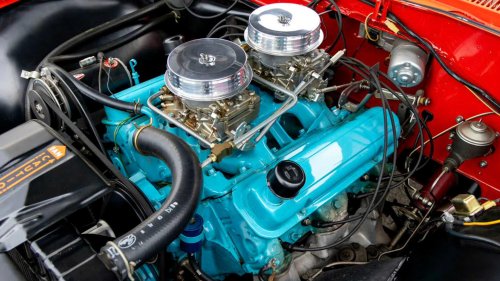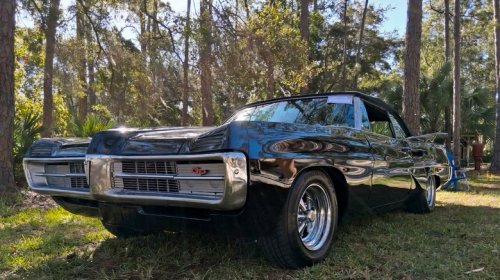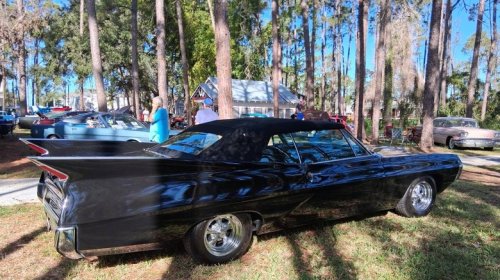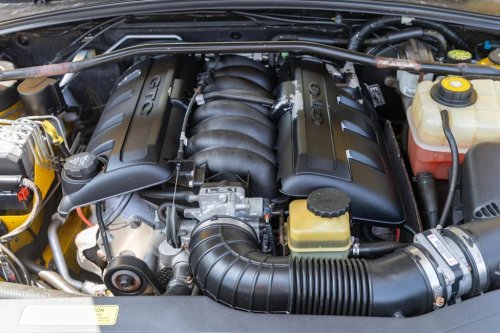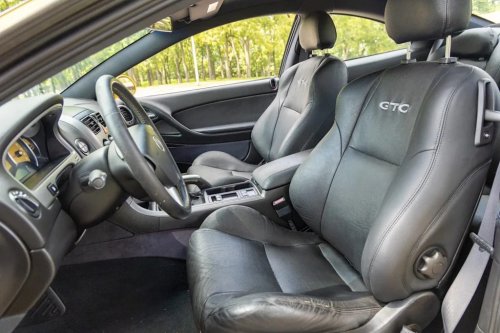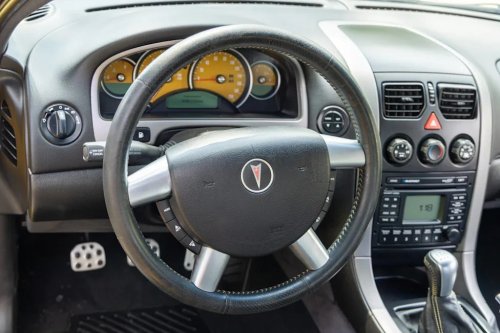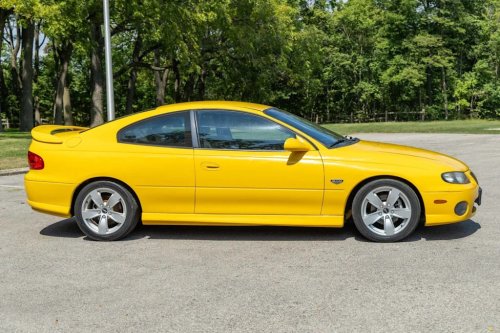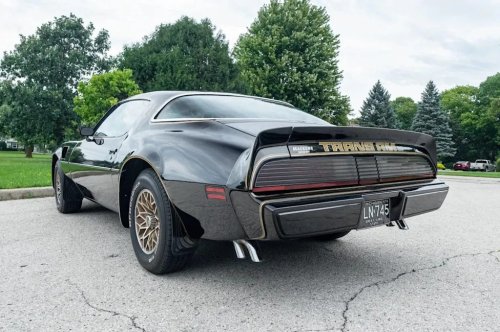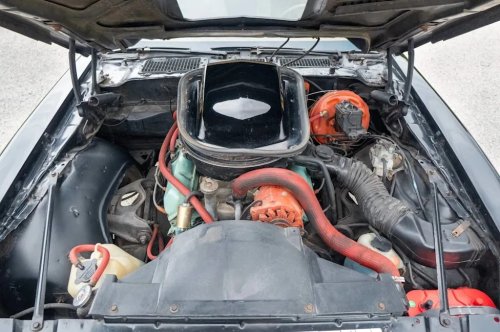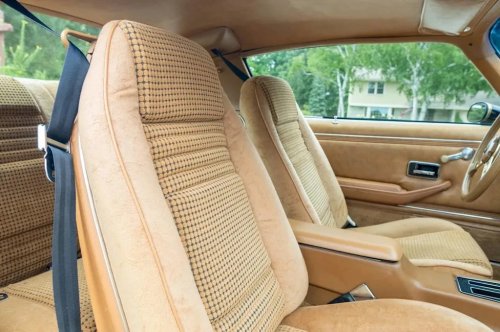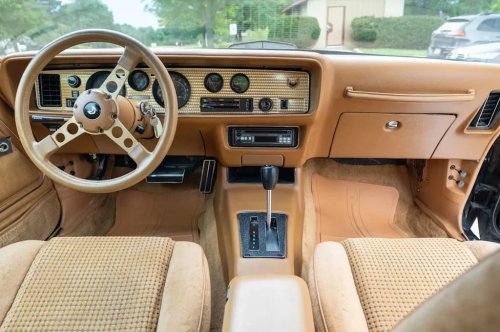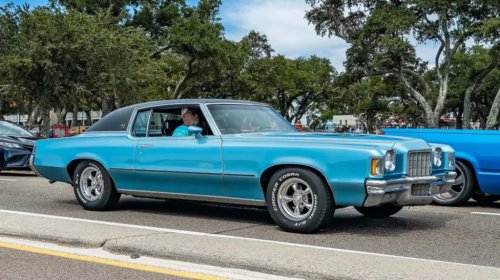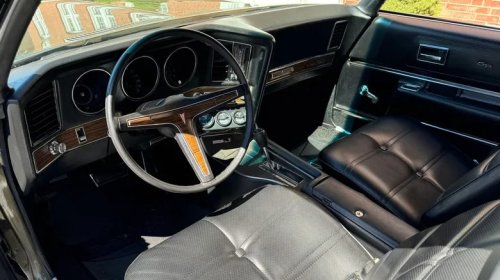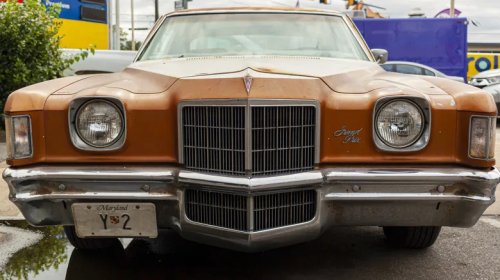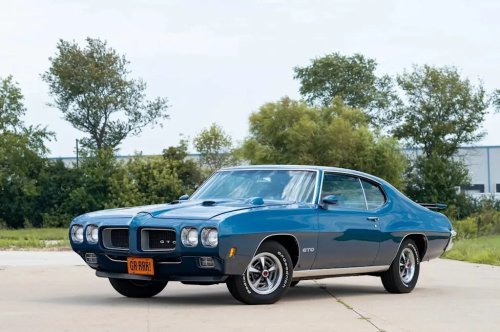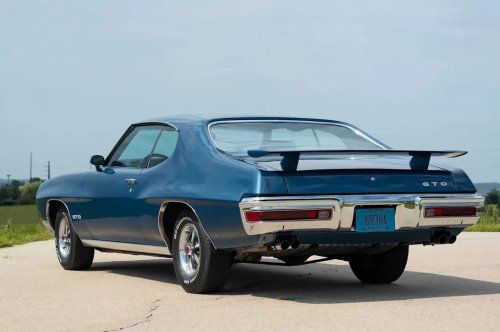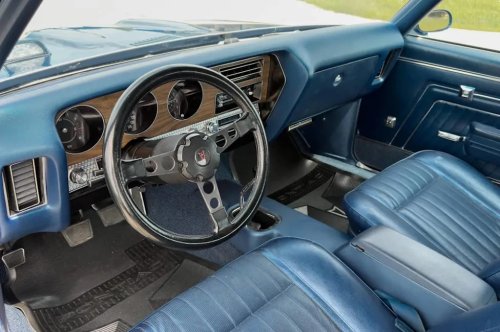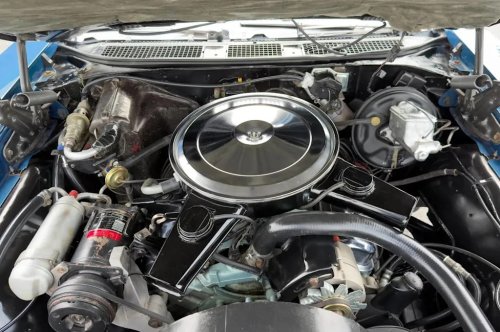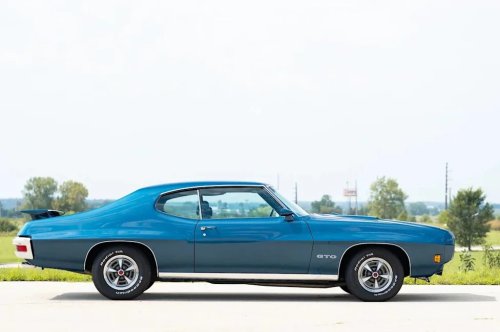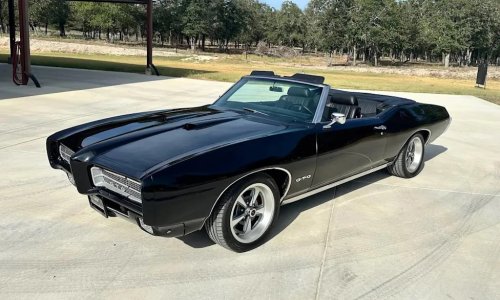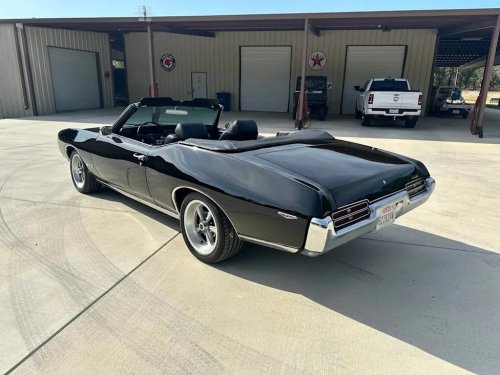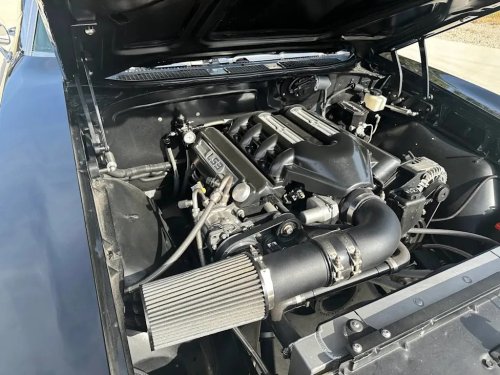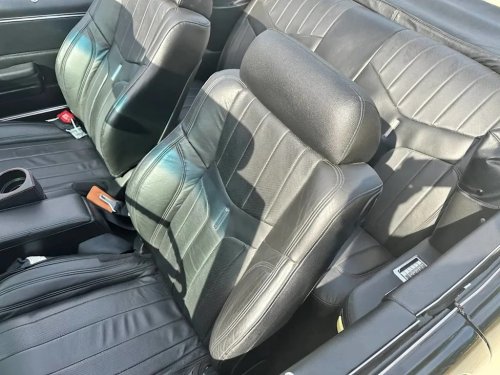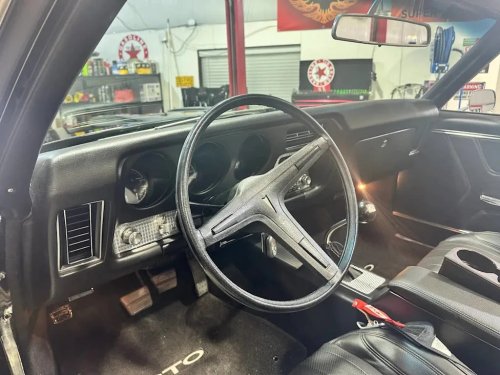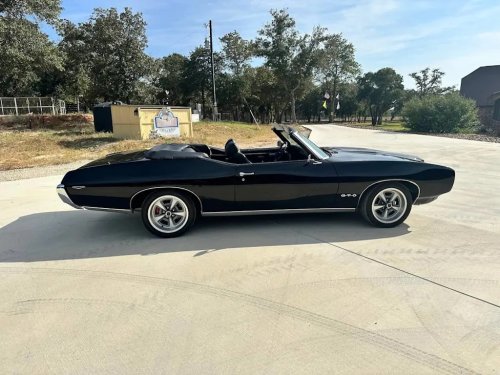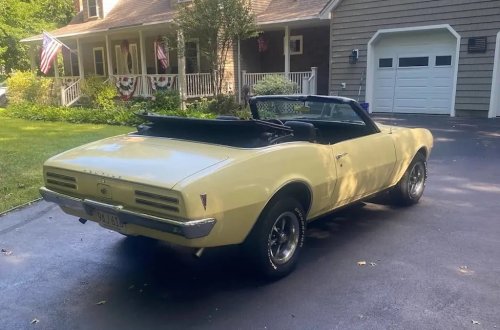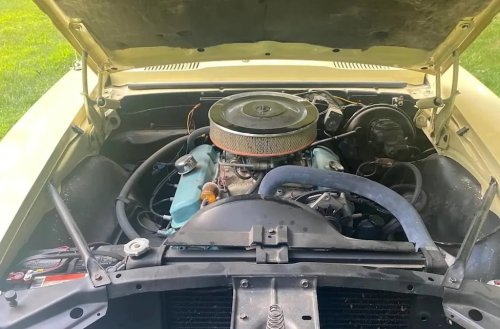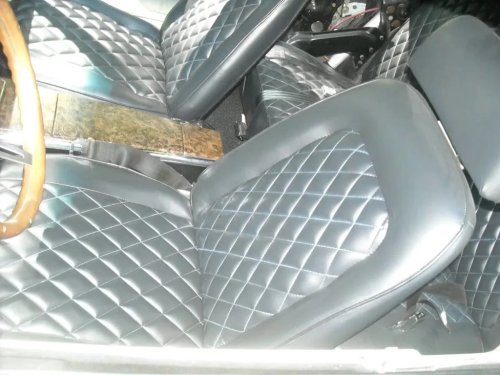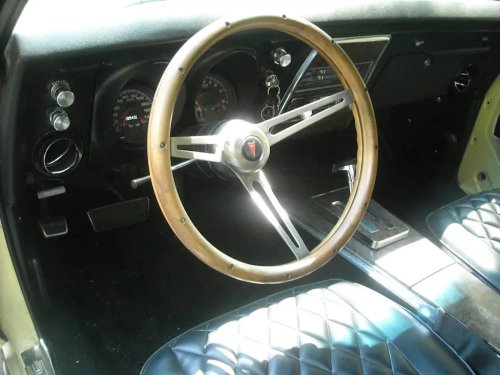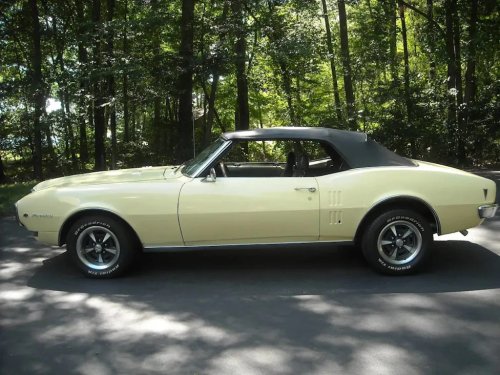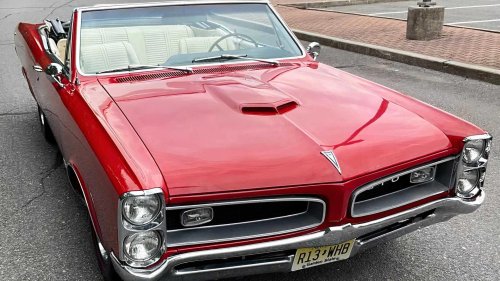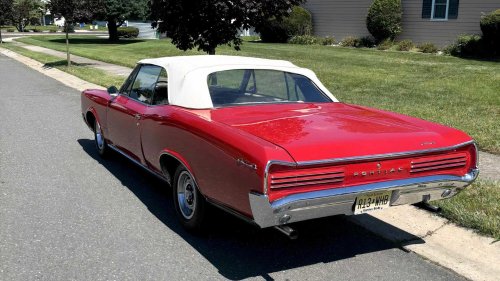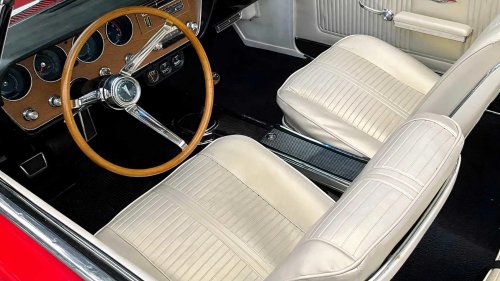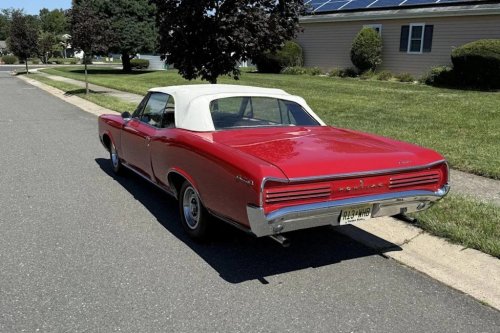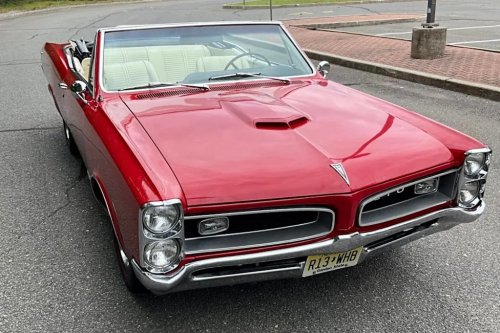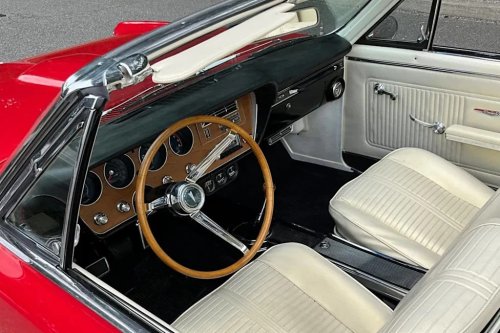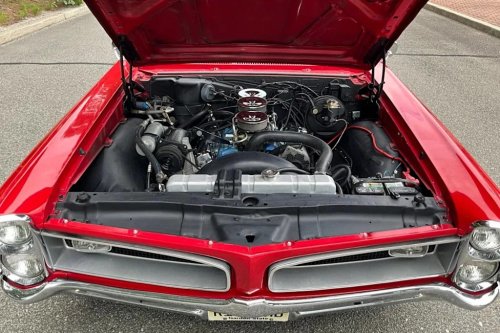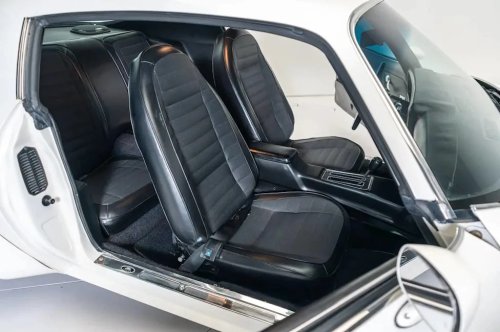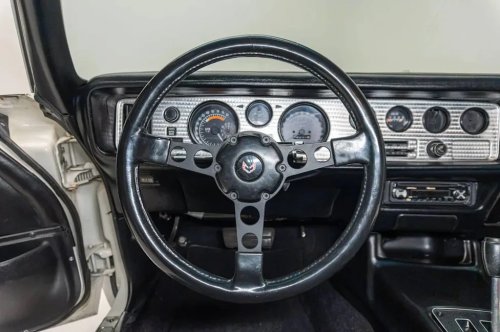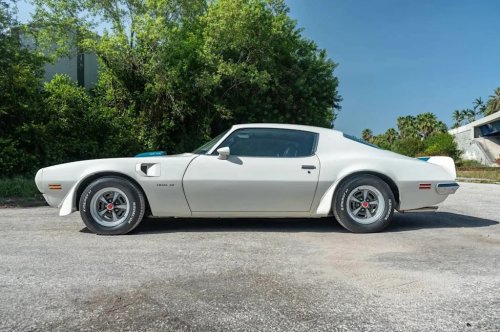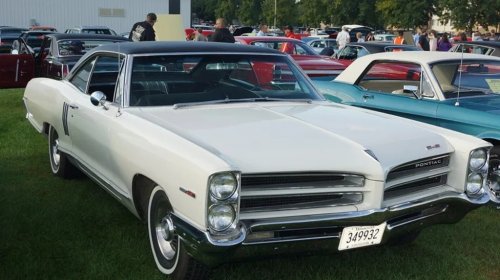



















The 1969 Pontiac Catalina looks solid but long-term upkeep can add upThe 1969 Pontiac Catalina has the kind of low, wide stance and clean sheetmetal that still turns heads, especially when the body looks straight and the chrome is mostly intact. For buyers tempted by a seemingly solid example, the appeal is obvious: big-car presence, classic Pontiac V8 power and a cabin that feels like a rolling living room. Yet keeping a nearly six-decade-old full-size sedan running reliably is a long game, and the real costs tend to reveal themselves only after the first year of ownership. Looked at realistically, a tidy 1969 Catalina can be a smart entry into classic ownership, but only for someone prepared for ongoing maintenance, periodic parts hunts and the occasional major repair. The car itself may look strong, but long-term upkeep can quietly add up to far more than the purchase price. Why a “solid” Catalina is so tempting Shoppers often encounter listings that describe a 1969 Catalina in reassuring language. One seller, for instance, highlighted that the car Runs well, starts right up and drives great as is, with only occasional rust and a thick folder of receipts. Descriptions like that capture what many buyers hope to find: a car that feels usable from day one, not a shell destined for a frame-off restoration. The Catalina’s basic formula helps the case. Under the long hood, Pontiac offered big-cube V8s such as the 400 and 428, engines that enthusiasts still regard as durable and straightforward to service. Period owners have praised these cars as tough and long lived, with one review of a 1970 Pontiac Catalina 400 V8 from North America describing it as a “tough car with no end in sight” even as the odometer climbed. In that same account, the owner’s list of Faults focused on wear items like the Transmission that was “shot at 1…” rather than catastrophic engine failures, which fits the Catalina’s reputation as a sturdy workhorse. When a car presents with straight panels, decent paint and an interior that has avoided sun rot, it is tempting to assume the hard work is done. The reality is more complicated. What “solid condition” really means for a 1969 body On a big, body-on-frame car like the 1969 Catalina, the phrase “overall condition seems solid” usually refers to visible sheetmetal and basic drivability. Surface rust around wheel arches or on the lower quarters is common, and some sellers even argue that “only occasional rust makes the car more attractive,” as long as the structure feels sound. The real concern is what cannot be seen without a lift and a flashlight. Owners on classic-car forums often warn that cars which sat for decades can hide deep corrosion in the frame rails, trunk floor and body mounts. One commenter, reacting to a car that had been parked for 40 years in a field, said they would be amazed if it was not rusted beyond reasonable salvage, a view shared in a thread where the user Huge Record raised the question of how far to go on a rescue. That kind of skepticism is healthy for any Catalina buyer, even when a car looks tidy on top. For a 1969 model, the structural checklist should include the rear frame kick-ups over the axle, the front subframe attachment points and the inner rockers. Rust in these areas can turn a seemingly fair-price car into a long-term welding project. A Catalina that passes this inspection, however, can be an excellent candidate for what many owners now prefer: a sympathetic preservation rather than a full cosmetic rebuild. Routine maintenance costs compared with modern cars Once the car is in the driveway, the question becomes how much it costs to keep a Catalina in regular use. Modern data on Pontiac running costs suggests that, in stock form, these cars are not wildly expensive to maintain. One detailed guide notes that “Generally, Pontiacs should be on par with older GM vehicles” and that Average maintenance costs should be roughly $500 to $1,000 per year for routine service on surviving examples. That range, $500 to $1,000 per year, aligns with anecdotal reports from classic owners who say that in most years, the priciest line items are fuel and registration rather than repairs. Those figures assume a car that is already sorted, with no looming engine or transmission overhaul. Oil changes, tune-ups, belts, hoses and occasional brake work are all manageable for a mechanically simple car like the Catalina. Some owners even report that, aside from a radiator and alternator, “Other than the rad and the alternator there has not been anything that broke on the car,” in the words of one Feb review that filed its thoughts under General Comments and praised how little had failed on a low-mile example. Costs spike when deferred maintenance catches up. A neglected cooling system can lead to overheating, especially on a 428-powered Catalina that is already working hard to stay cool in traffic. On one enthusiast forum, a user named Last Indian advised that You should run a 7 blade fan on a clutch to keep a Catalina 1969 with 428 Engine in a safe temperature range, and that kind of upgrade is typical of the incremental spending that comes with daily use. Parts availability: easier than many classics, but not free One advantage for Catalina owners is that many service parts remain available off the shelf. A search for 1969 Pontiac Catalina brake components brings up a Brake Master Cylinder that is Compatible with 1967 to 1970 cars and labeled as New with front drum brakes and with a Bendix Master Cylinder. Rear hardware is similarly supported, with listings for a 1966 to 1969 Pontiac Catalina Brake, described as Pontiac Catalina Drum Brakes and AC Delco Brake Drum, complete with a Delco Drum Brakes SKU reference. Wheel cylinders are also still produced, with one catalog describing a 1969 Pontiac Catalina Brake Wheel Cylinder that carries a LIFETIME WARRANTY and is USA MANUFACTURED with a GUARANTEED FIT. The presence of these parts means a full brake refresh is more a question of labor and planning than of hunting rare components. Cosmetic and trim pieces are more mixed. On a major marketplace, shoppers can scroll through Brand New listings that specify they are for a 1969 Pontiac Catalina, including a front parking light housing priced at $109.90 with a strikethrough that reads Was $149.90, and references to PONTIAC BONNEVILLE and CATALINA compatibility. These prices illustrate how even small exterior parts can add up if a car needs multiple lenses, bezels and trim strips. Engine internals are also within reach. Companies like Kanter Auto pitch full overhaul kits, with one Master Engine Overhaul package marketed to Revitalize a Pontiac Bonneville, Catalina, Executive or Grand Prix. A separate listing on Kanter’s own site promotes an engine rebuild kit for a 428, the kind of bundle that can turn a tired powerplant into a fresh long block for an owner willing to invest in machine work and assembly. The existence of a dedicated engine rebuild kit for a Pontiac 428 shows that support for big-car drivetrains remains surprisingly strong. When a “tough” drivetrain still needs major work Even with good parts support, age eventually forces big decisions. The same 400 and 428 engines that can run for decades on regular oil changes will, at some point, show low compression, oil consumption or bearing noise. An owner who wants to keep the original block may opt for a full rebuild using a kit that includes pistons, rings, bearings and gaskets, then pay a machine shop for boring, decking and valve work. Labor alone can rival the cost of the kit. Real-world stories reflect both durability and failure. Enthusiasts have shared examples of a 400 powered Pontiac Catalina that had been off the road for almost a decade, then had its original carb rebuilt so it starts up and runs like a top, with the transmission shifting like it should and the brakes refreshed. At the same time, the earlier survey of a 1970 Pontiac Catalina 400 V8 from North America recorded that the Transmission was shot at 1…, a reminder that even a tough car can suffer a major drivetrain failure without warning. Transmission rebuilds on these cars are often less expensive than a modern dual-clutch unit, but they still represent a four-figure hit once removal, rebuild and reinstall are factored in. Owners who rely on specialist shops rather than doing the work themselves will feel that cost more acutely. Hidden costs beyond the mechanicals Classic-car maintenance is not just about parts and labor. A breakdown of the real cost to maintain a classic car stresses that expenses vary widely based on condition, usage and whether an owner does their own work. That analysis, framed around the question “How much does classic car maintenance cost?” in Nov, notes that sporadic high-dollar repairs can distort what looks like a modest annual average. A Catalina that needs only fluids and a tune-up one year may demand a full suspension refresh the next. Owners on Reddit’s Comments Section about yearly costs echo that pattern. Some report that, in light-use years, fuel and registration dominate the budget, especially for cars that only see weekend duty. Others admit that a single surprise repair can wipe out several quiet years of minimal spending. For a 1969 Catalina, that surprise might be a leaking heater core that requires dash disassembly or a cracked exhaust manifold that forces a hunt for a good used replacement. Insurance adds another layer. Classic policies are often cheaper than standard coverage for a modern daily driver, but they come with mileage limits and storage requirements. A buyer who plans to use a Catalina as a semi-regular commuter may end up in a gray area between classic and standard insurance, which can raise premiums. Restoration versus preservation Faced with these variables, many Catalina owners wrestle with how far to go on restoration. In a discussion about the restoration cost of a 1969 car with factory paint, one enthusiast named Don cautioned against building one of the “pathetic over restored trailer queens” that They feel have taken over some show circuits. The argument is that such cars are not really driven and that a factory-style finish with honest wear is both more authentic and more enjoyable. For a 1969 Catalina that already presents well, the preservation approach makes financial sense. Instead of stripping a straight body for a color-change repaint, an owner might correct only localized rust, blend paint where needed and focus the budget on mechanical reliability. Interior refreshes can follow the same philosophy: repair seat seams and replace brittle plastics rather than chasing a concours-perfect cabin. That strategy aligns with the way many owners actually use these cars. A Catalina that can be driven to work on a sunny Friday, then taken on a 200 mile weekend trip, delivers more value than one that lives under a cover and rides to shows on a trailer. The key is to accept some patina and channel funds into safety and drivability. More from Fast Lane Only Unboxing the WWII Jeep in a Crate 15 rare Chevys collectors are quietly buying 10 underrated V8s still worth hunting down Police notice this before you even roll window down