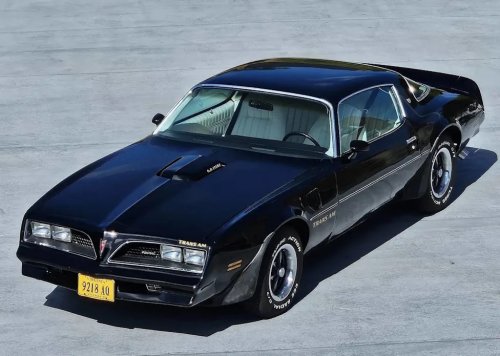
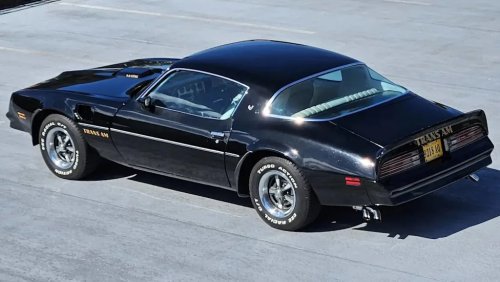
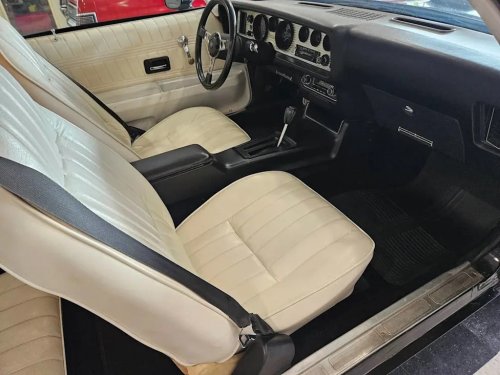
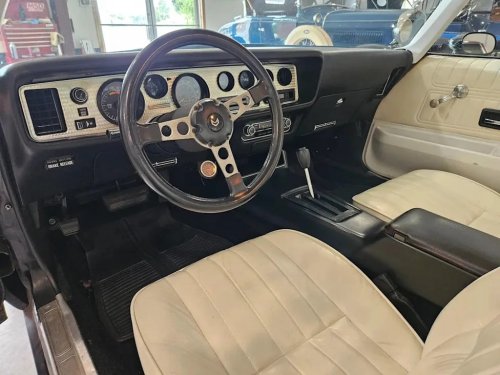
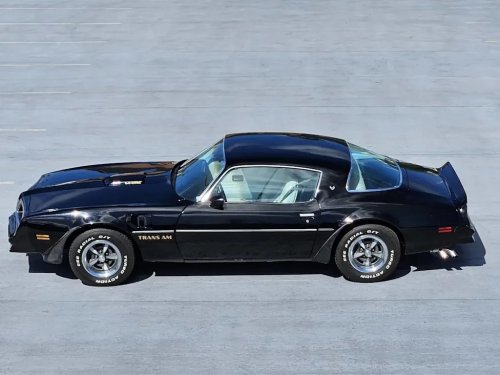
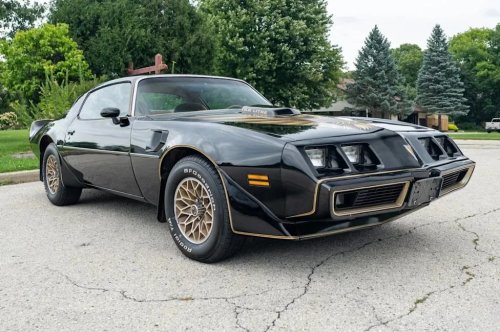
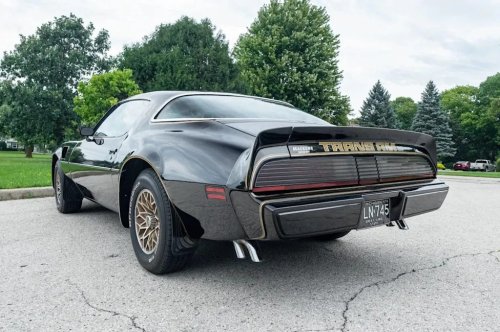
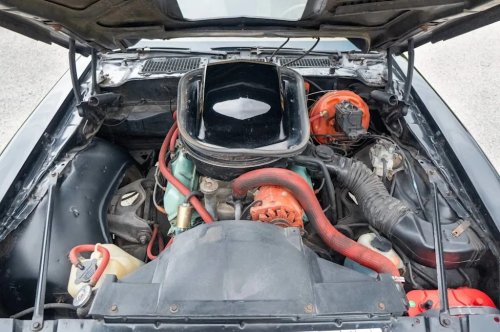
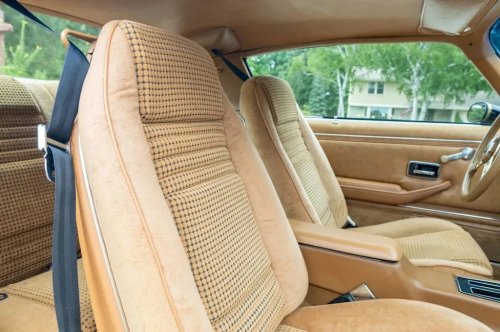
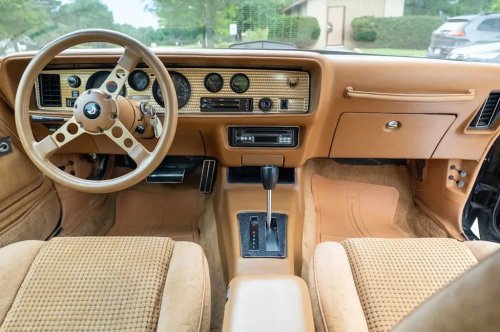
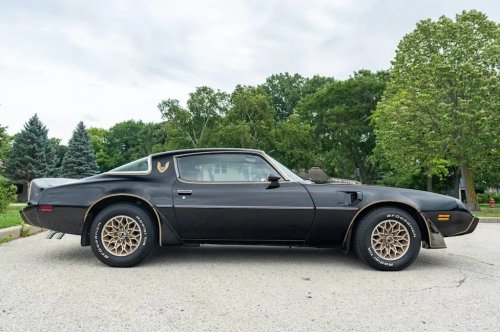
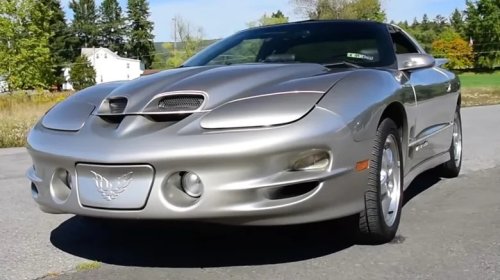
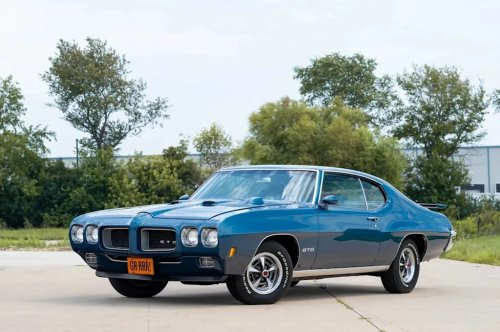
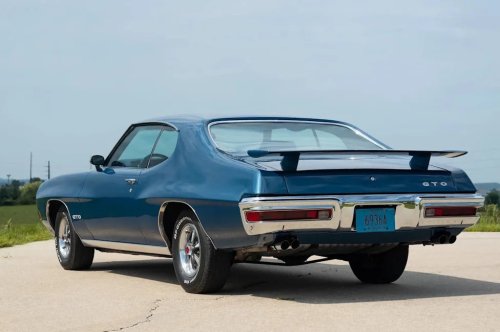
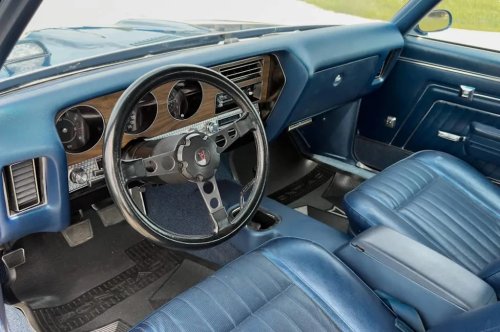
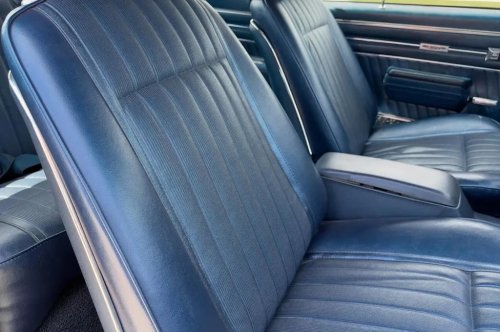
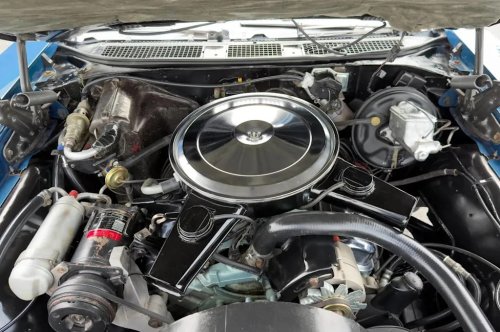
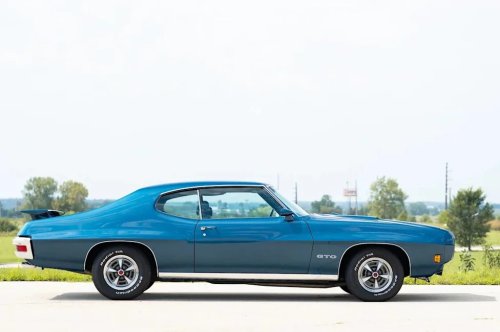
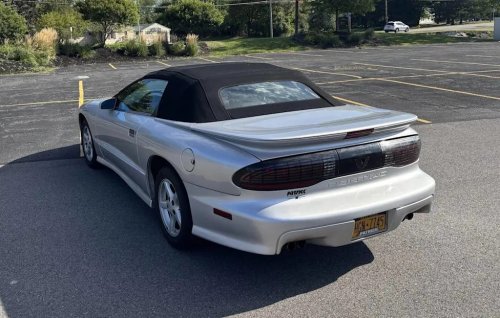
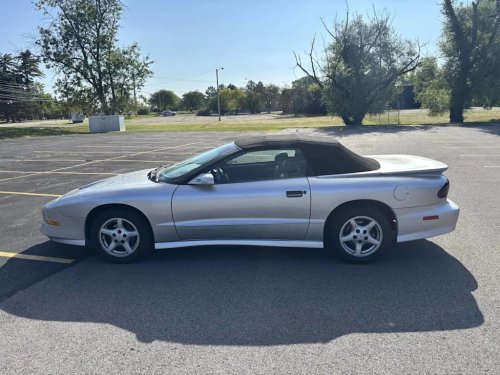
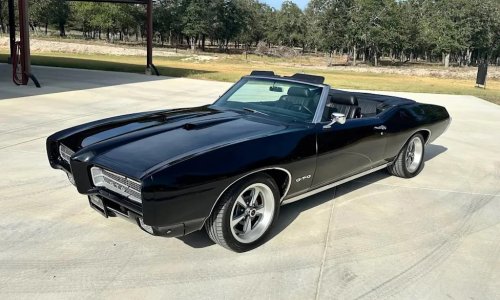
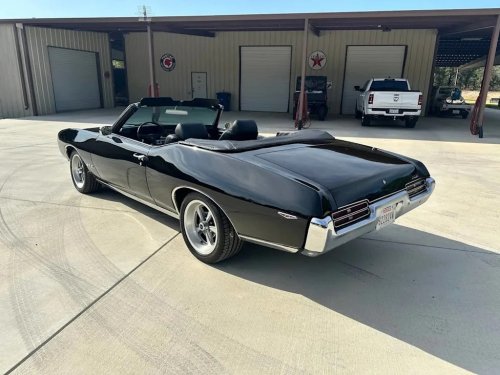
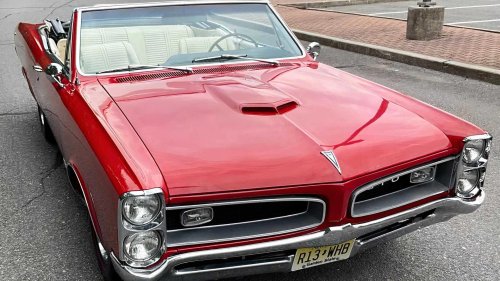
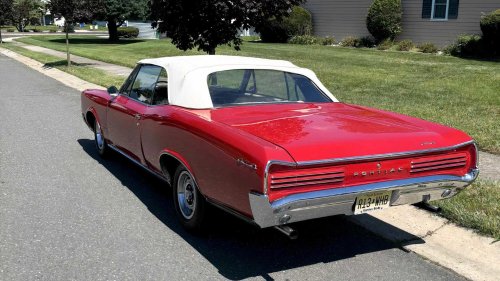
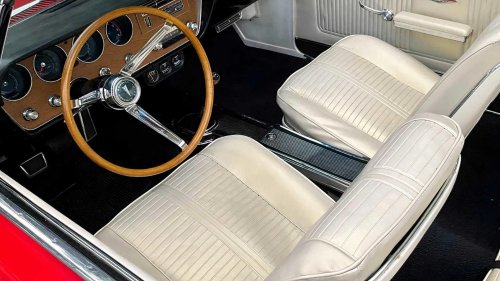
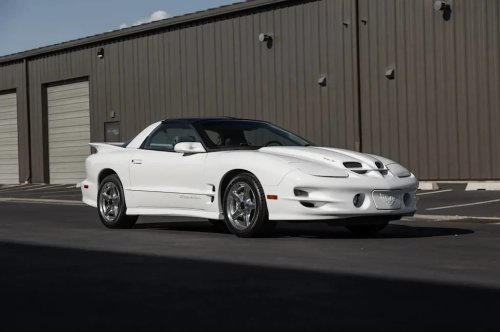
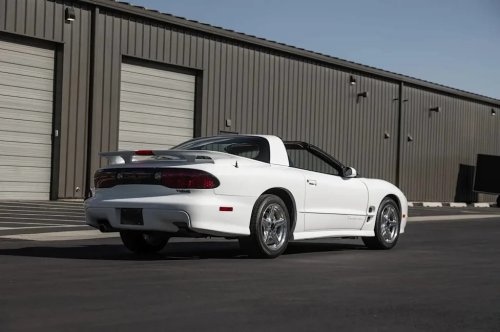
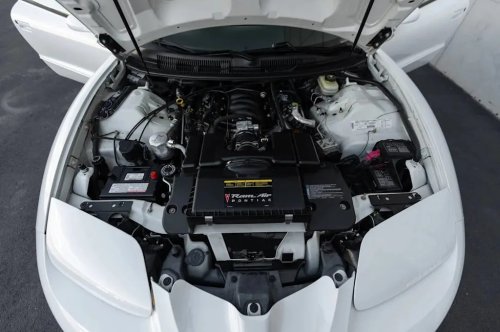
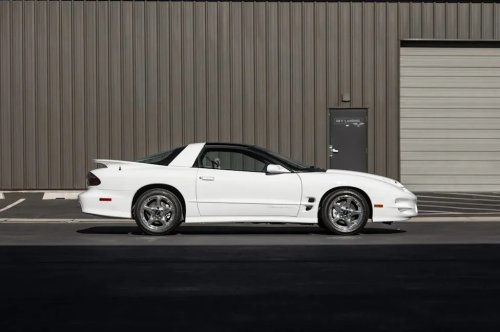
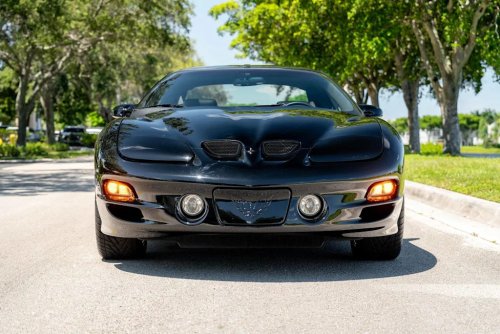
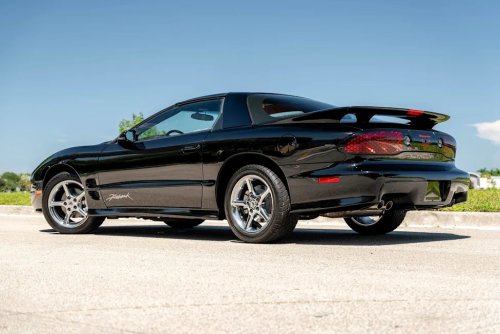
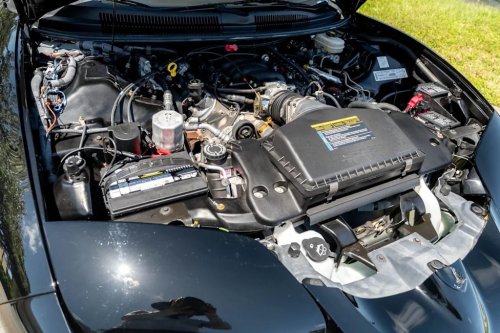
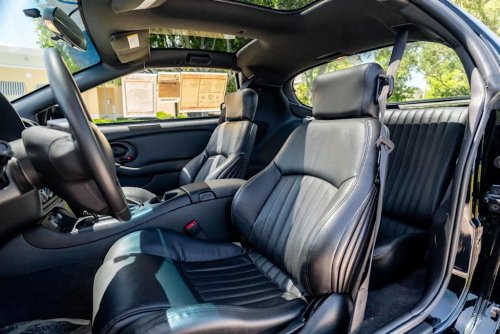
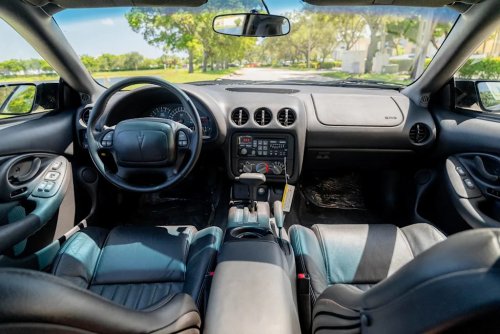
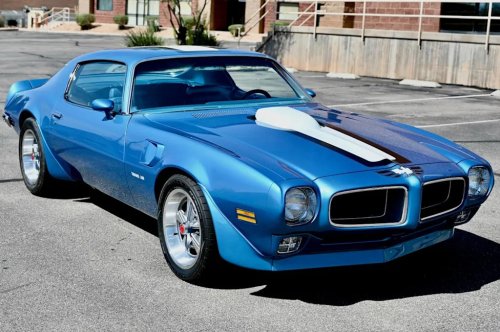
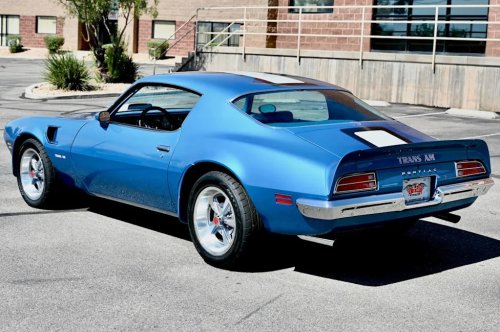
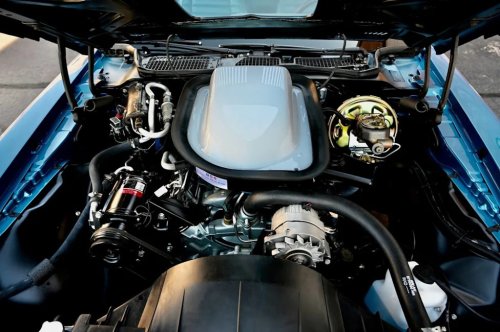
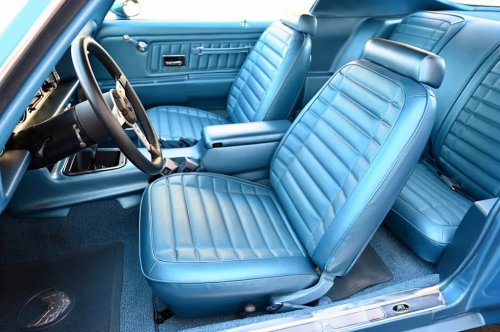
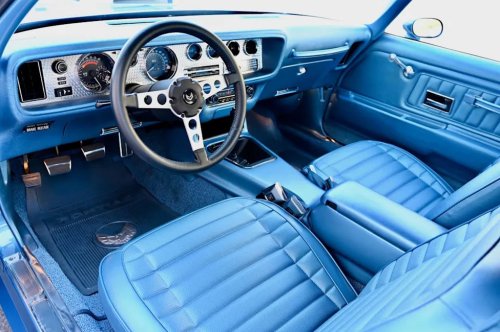
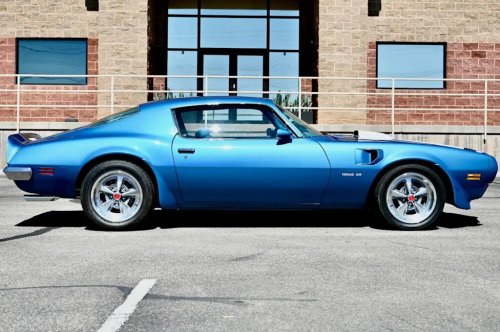
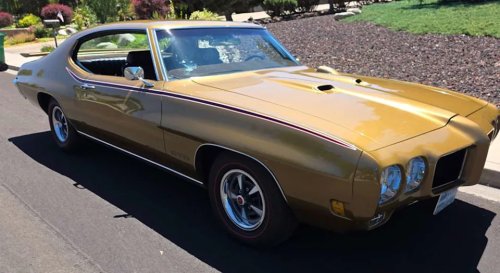
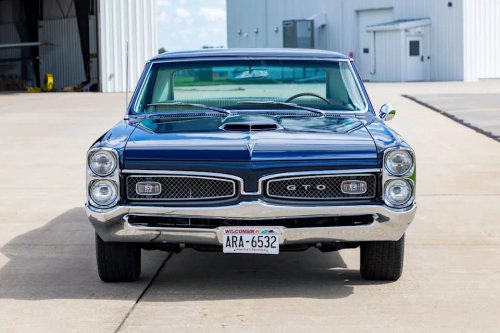
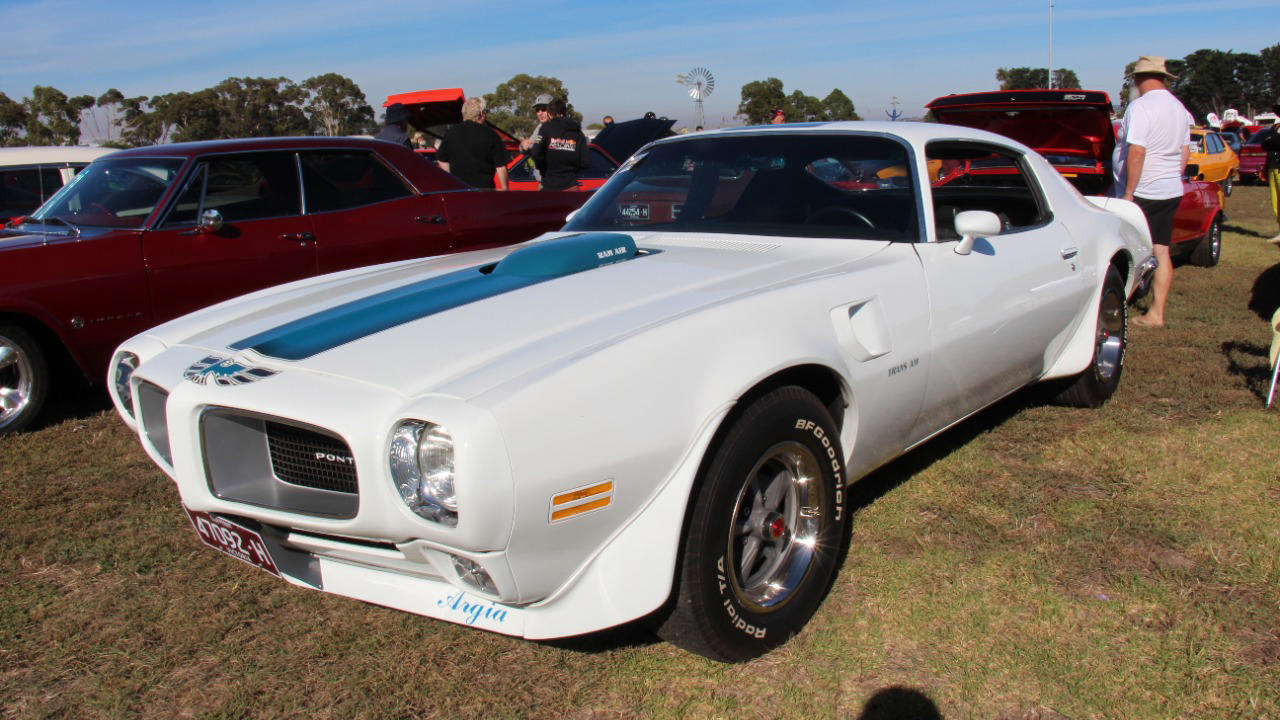
Why the 1970 Pontiac Firebird Trans Am marked a major redesignThe 1970 Pontiac Firebird Trans Am did far more than usher in a new model year. It arrived as a complete rethink of Pontiac’s pony car, with fresh sheet metal, a transformed chassis, and a sharper performance identity that set the tone for the decade. For enthusiasts, that second-generation debut marked the moment the Trans Am stepped out of the Camaro’s shadow and became a distinct American performance icon. Viewed from today’s distance, the 1970 redesign shows how a single model year can pivot a nameplate from derivative to definitive. Styling, engineering, and marketing all shifted at once, turning the Trans Am into a focused driver’s car that anticipated the tightening emissions era yet still delivered serious speed and character. What happened The original Firebird, launched for 1967, shared its basic F-body platform with the Chevrolet Camaro and wore conservative, upright lines that fit the late‑sixties pony car mold. By the end of that decade, Pontiac engineers had a more ambitious vision. Their work produced the 1970 Firebird, a second-generation car that sat lower and wider, with a semi-fastback profile and a long, pointed nose that made the outgoing model look dated almost overnight. While the first Firebird had a traditional notchback silhouette, the 1970 version adopted a sweeping roofline that flowed into a short rear deck. The new body improved aerodynamics and gave the Trans Am a more planted stance. Integrated front and rear spoilers, functional fender vents, and a shaker hood scoop turned the car into a rolling statement of performance. The look was not just aggressive, it was cohesive, with the Trans Am’s graphics and aero pieces designed as part of the body rather than bolt-on afterthoughts. Underneath, Pontiac reworked the chassis to match the visual promise. The second-generation F-body used a stiffer structure and revised suspension geometry that improved handling compared with the 1967 to 1969 cars. Engineers tuned spring rates, sway bars, and steering for sharper response, especially on the Trans Am, which sat at the top of the Firebird range. A lower center of gravity helped stability at speed and in corners, and the optional performance axle ratios turned the Trans Am into a serious track-capable machine rather than just a straight-line brute. Powertrain choices also signaled a new level of intent. The 1970 Trans Am launched with high-compression 400 cubic-inch V8 engines that delivered strong horsepower and torque figures, backed by close-ratio manual gearboxes or heavy-duty automatics. These engines were tuned specifically for the Trans Am rather than shared wholesale with more sedate Pontiac models. The combination of big-displacement power and improved chassis tuning moved the car into the same conversation as contemporary road-racing specials. Pontiac’s strategy unfolded just as muscle cars began to face headwinds. Insurance costs were rising, safety and emissions rules were tightening, and some rivals were already detuning their engines. According to analysis of how the Camaro and Firebird navigated their toughest years, Pontiac treated the 1970 redesign as a foundation that could carry the Firebird through the regulatory squeeze that followed, with the Trans Am positioned as the enthusiast flagship within that plan. That long-view approach helped the Firebird and its Chevrolet sibling, the Camaro, survive what one account describes as their darkest days in the mid‑seventies. Why it matters The 1970 overhaul matters because it transformed the Trans Am from a visually warmed-over Camaro cousin into a distinct performance brand. The styling alone created an identity that enthusiasts still recognize instantly. The deep front air dam, twin hood scoops, and bold side vents gave the Trans Am a motorsport flavor that few showroom cars could match. In an era when many muscle cars leaned on stripes and badges, Pontiac built an exterior that looked like it had been shaped in a wind tunnel, even if the process was still largely analog. That visual distinction helped the Trans Am carve out its own fan base. Buyers were not just choosing a Firebird over a Camaro, they were choosing a car that looked and felt tailored for drivers who valued handling as much as straight-line speed. The 1970 chassis improvements, along with the Trans Am’s standard heavy-duty suspension, disc brakes, and performance tires, made it one of the more balanced American performance cars of its time. Contemporary testers often remarked on its cornering grip and steering feedback, traits that would become even more prized as raw horsepower numbers declined later in the decade. The redesign also set a template for how a performance nameplate could adapt to changing regulations without losing its core appeal. Pontiac started with a strong structural and suspension package in 1970, then adjusted engines and tuning as emissions rules tightened. While output figures dipped in the mid‑seventies, the underlying car remained capable, which allowed Pontiac to restore performance later without starting from scratch. That continuity is one reason the second-generation Trans Am stayed in production for more than a decade, far longer than many muscle car contemporaries. From a design history standpoint, the 1970 Trans Am helped shift American performance cars toward a more integrated, European-influenced look. The semi-fastback roof, cohesive aero add-ons, and driver-focused cockpit foreshadowed the way later sports coupes would blend style and function. The car’s influence can be seen in subsequent F-body generations and in rival models that adopted similar proportions and visual cues in the years that followed. For collectors, the 1970 model year has become a benchmark. Early second-generation Trans Ams, especially those with original high-compression engines and rare option combinations, command significant premiums. That market value reflects more than nostalgia. It recognizes that the 1970 redesign represents a turning point, the moment when Pontiac’s pony car evolved into a mature performance platform rather than a simple answer to the Mustang and Camaro. The cultural impact is just as significant. The second-generation Trans Am would later become a pop culture fixture, but that visibility rests on the credibility built by the 1970 car. The combination of muscular styling, serious hardware, and a focused mission gave the Trans Am an authenticity that resonated with drivers and filmmakers alike. Without that engineering and design reset, the nameplate might not have had the staying power that carried it through the 1970s and into the 1980s. What to watch next The legacy of the 1970 Trans Am continues to shape how enthusiasts and manufacturers think about performance coupes. Restomod builders often start with second-generation Firebirds, updating suspension, brakes, and powertrains while preserving the distinctive 1970 body lines. That trend reflects a broader belief that Pontiac got the fundamentals right with the redesign, creating a platform that still responds well to modern hardware. On the preservation side, early second-generation Trans Ams are seeing increased attention from restorers who aim to return cars to factory specification. Original paint schemes, such as the bright white and blue combinations that defined early Trans Ams, are being replicated with care. Period-correct suspension components, interior trim, and drivetrain parts are also in demand, as owners try to capture the driving feel that made the 1970 car stand out when new. For historians and designers, the 1970 Trans Am offers a case study in how to reposition a model line without losing its roots. The car still shared a platform with the Camaro, yet Pontiac used styling, tuning, and marketing to create a separate identity. As modern automakers increasingly rely on shared architectures across brands, the Firebird’s second-generation story provides a template for differentiation through character rather than hardware alone. There is also a growing interest in how cars like the 1970 Trans Am navigated the transition from the high-compression muscle era into the emissions-controlled years that followed. Researchers and enthusiasts are examining engineering documents, period test data, and surviving cars to understand how Pontiac balanced performance with new constraints. That work sheds light on decisions that kept the Firebird relevant even as the broader muscle car segment contracted. More From Fast Lane Only: Unboxing the WWII Jeep in a Crate 15 rare Chevys collectors are quietly buying 10 underrated V8s still worth hunting down Police notice this before you even roll window down



















 +42 others