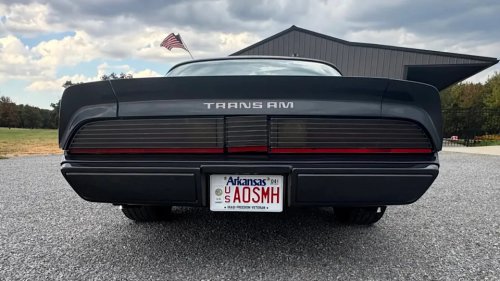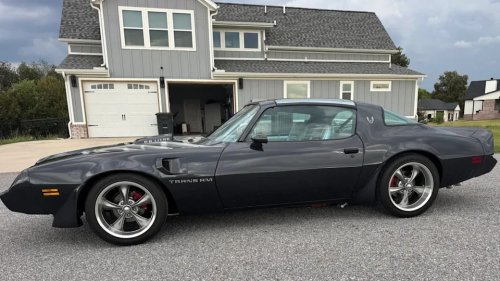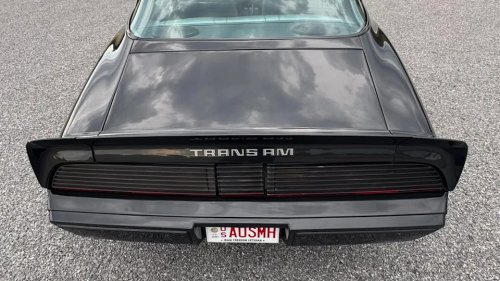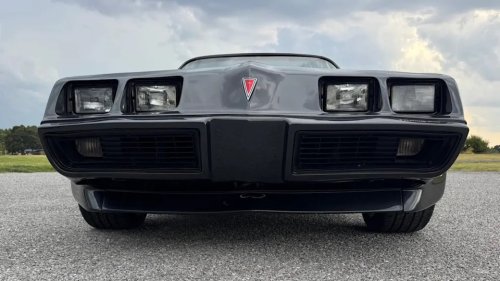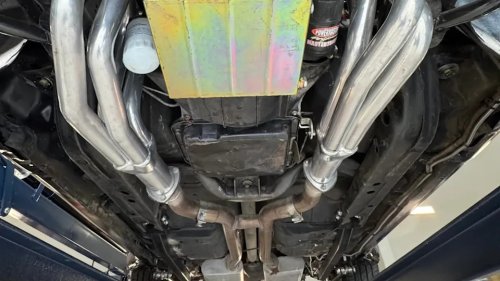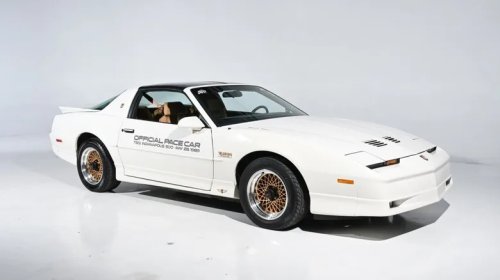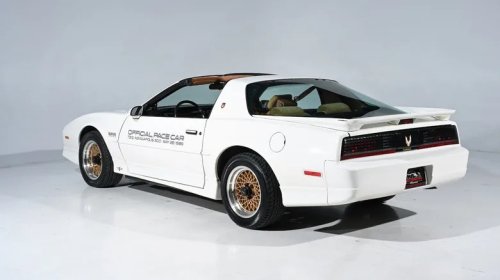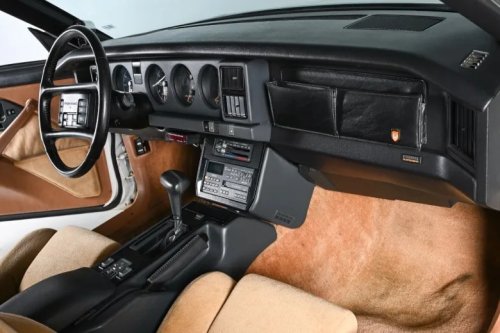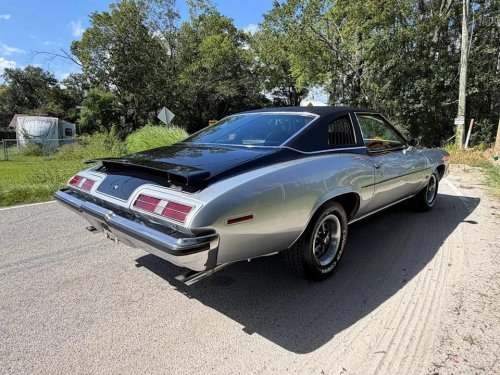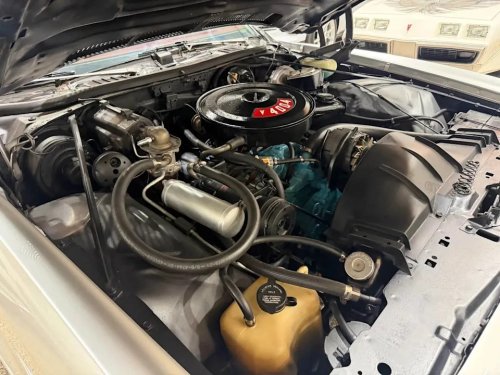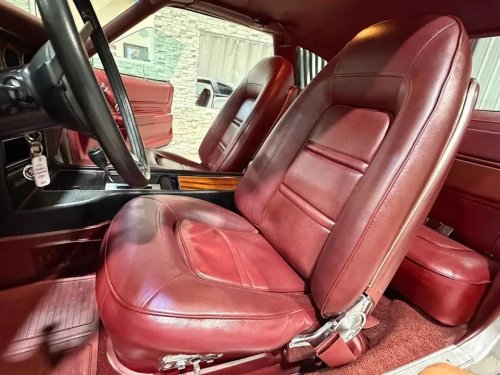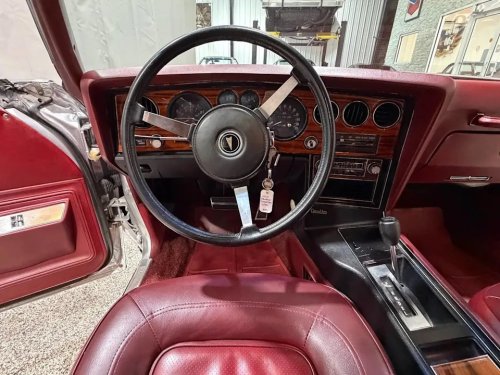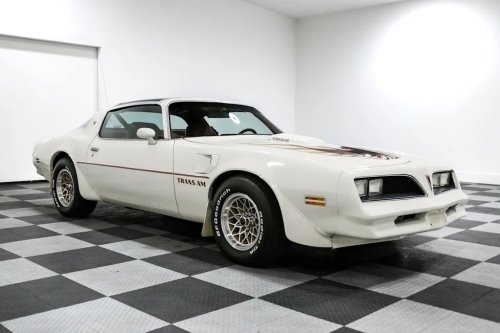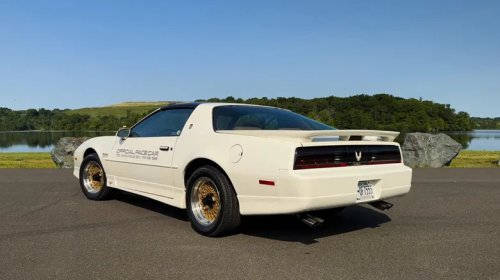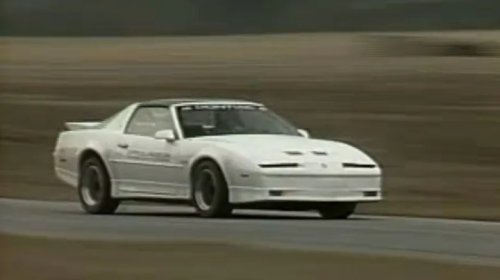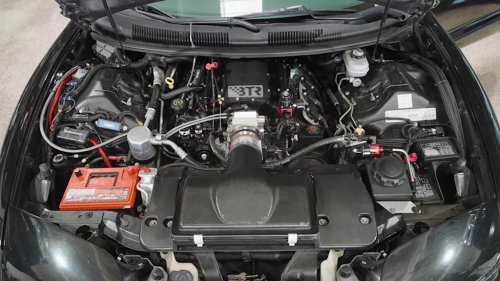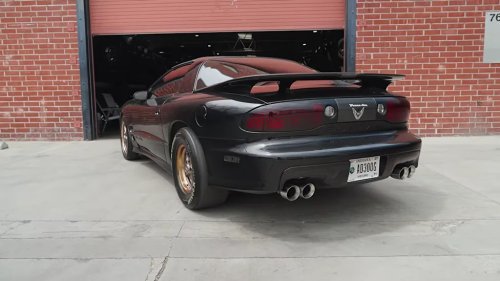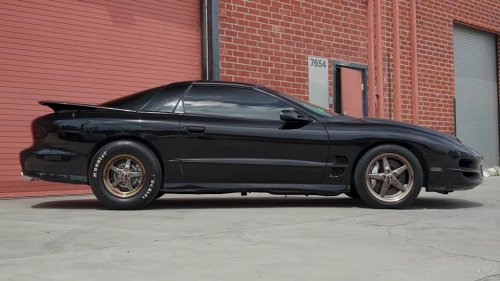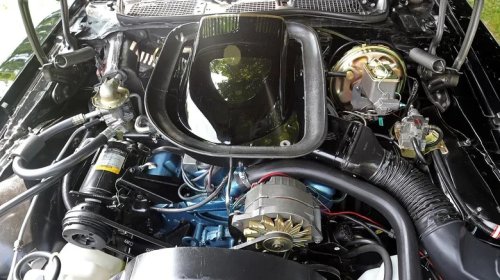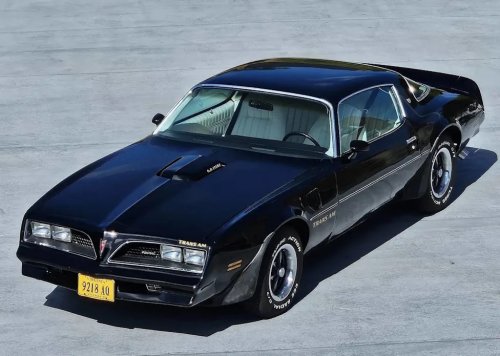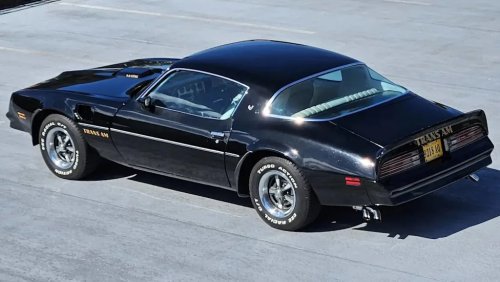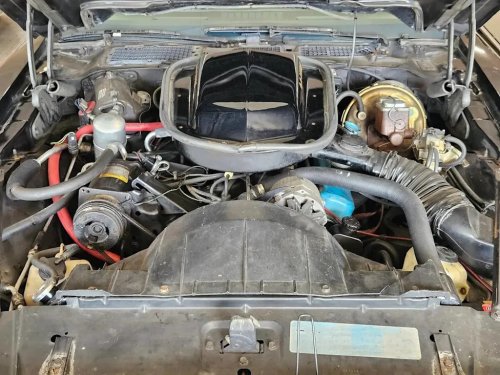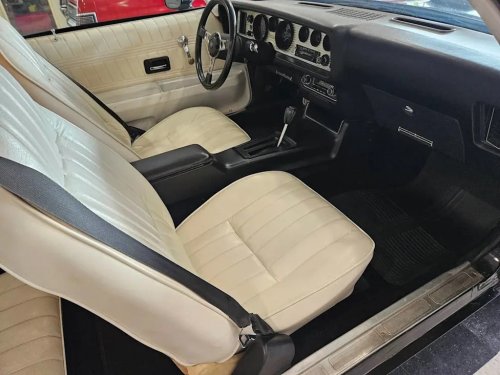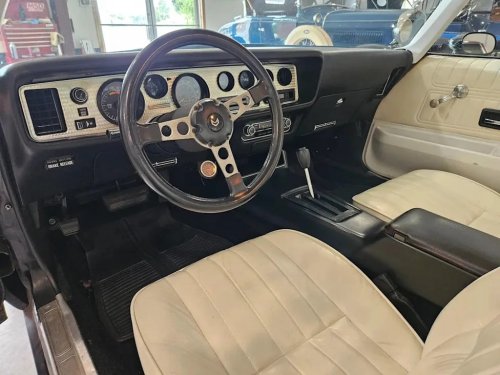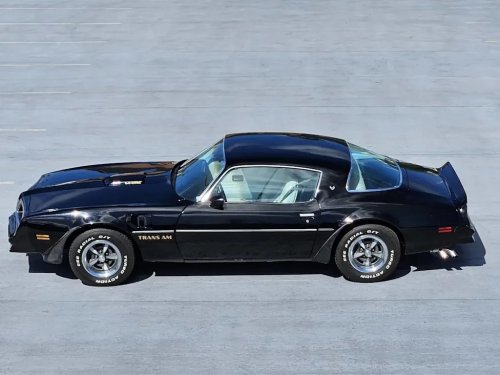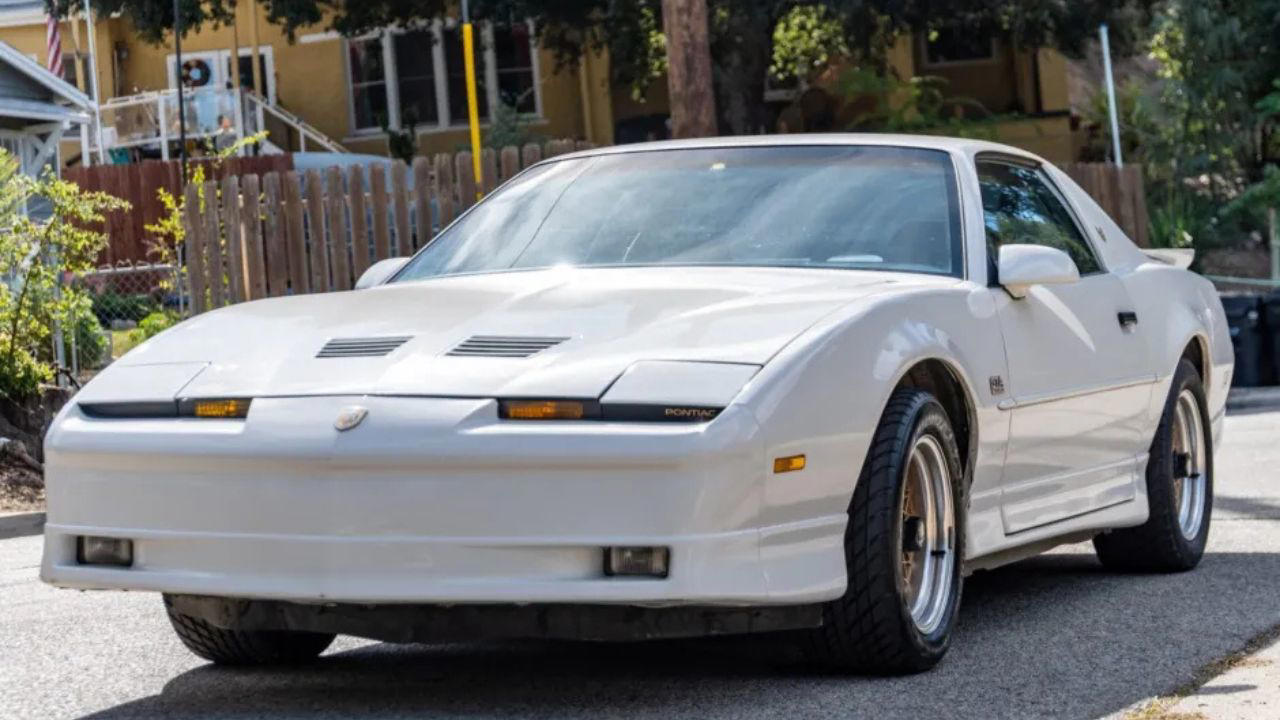



















Why the 1987 Pontiac Trans Am GTA focused on performance and handlingThe 1987 Pontiac Trans Am GTA arrived at a moment when muscle cars were under pressure to be more than straight-line bruisers. Rather than chasing nostalgia, Pontiac used the GTA to prove that a V8 pony car could corner, stop, and cover long distances with the poise of a European GT. That shift in priorities turned the GTA into one of the most focused performance packages of its decade. Nearly four decades later, it still stands out for how deliberately it traded flash for function. The GTA was not the loudest or most flamboyant Firebird in the showroom; it was the one that quietly bundled the best hardware Pontiac could buy and tuned it for real-world speed. What happened By 1987, the third-generation Firebird had already evolved from the early, lighter models into a more refined platform. Sitting at the top of that range, the Trans Am GTA was a dedicated performance variant that combined the most powerful available V8 with a chassis package designed around grip and control. Pontiac engineers treated the GTA as a showcase for what the F-body could do when every major component was chosen with handling in mind. The centerpiece was the 5.7‑liter L98 V8, shared with contemporary Corvettes and rated at 225 horsepower and 330 lb‑ft of torque. Instead of chasing peak numbers, Pontiac paired this torque-rich engine with a four-speed automatic and tall gearing, which gave the GTA strong midrange thrust and relaxed highway manners. Contemporary coverage of the 1987 GTA highlighted that the package was tuned as much for real-world pace as for brochure statistics. Chassis hardware completed the picture. The GTA received a lowered, firmer suspension with specific springs, gas shocks, and thicker anti-roll bars, along with quick steering and four-wheel disc brakes. Wide 16‑inch wheels wearing performance tires filled the wheel wells, a serious setup in an era when many rivals still rode on 15‑inch rubber. Period testers grouped the GTA among the standout 1987 performance cars, praising the way this hardware translated into composure at speed. Exterior and interior choices supported that mission. The GTA wore a subtle body kit and restrained graphics, skipping the wilder decals of earlier Trans Ams. Inside, it featured supportive seats, a leather-wrapped steering wheel, and a full suite of gauges. The aim was a car that felt serious without being austere, a long-distance performance machine rather than a weekend toy. The formula resonated with buyers who wanted more sophistication from an American performance car. Some owners kept their examples for decades, such as one 1987 Firebird Trans that stayed with the same person for 37 years before finally being sold. That kind of long-term attachment underscores how well the GTA’s blend of speed and usability worked in daily life. Modern retrospectives have reinforced the view that the GTA was not just a trim level but a carefully engineered package. Enthusiast analyses of the Pontiac Trans Am emphasize its role as the most complete expression of the third-generation Firebird, with a focus on balanced performance rather than raw spectacle. Why it matters The GTA’s priorities reflected a broader shift in American performance thinking during the late 1980s. After the excesses of the 1970s and the constraints of early emissions rules, domestic brands were looking for ways to compete with European and Japanese sports cars that offered sharper handling and higher-quality driving dynamics. Pontiac had already been marketing itself as the performance division, and the GTA gave that slogan tangible credibility. Rather than building a dragstrip special, Pontiac created a car that could hold its own on a winding road or a road course. Contemporary testers compared the GTA’s cornering grip and stability favorably with more expensive imports. The car’s four-wheel disc brakes and sticky tires delivered braking and lateral acceleration figures that put it in the same conversation as some European GTs of the period. That repositioned the Trans Am from a nostalgic muscle car to a modern performance coupe. The GTA also set the stage for Pontiac’s later experiments with turbocharging and higher technology. The 20th Anniversary Turbo Trans Am, introduced for 1989, used a turbocharged 3.8‑liter V6 derived from the Buick Grand National to create a limited-run halo model. Testing of the 20th Anniversary Trans showed that this evolution of the platform could accelerate and handle at a level that challenged the Corvette of its day, a remarkable achievement for a car based on a mass-market F-body. Enthusiast histories of the Turbo Trans Am describe how the Buick-sourced V6, when paired with the Trans Am chassis and aero, delivered performance that surprised even seasoned testers. That car built directly on the GTA playbook: sophisticated suspension tuning, serious brakes, and a focus on overall capability rather than a single headline figure. The GTA’s philosophy also influenced how later Firebirds and Camaros were packaged. Option groups such as the WS6 handling package, which combined upgraded suspension components with specific wheels and tires, became key selling points for enthusiasts who valued cornering and braking. Buyer guides for WS6-equipped Trans Ams frequently reference the GTA era as the moment when Pontiac fully committed to handling as a core part of the Trans Am identity. From a cultural standpoint, the GTA helped rehabilitate the image of American pony cars at a time when critics often dismissed them as crude. By delivering a car that was quick, composed, and comfortable, Pontiac demonstrated that domestic performance could be sophisticated without abandoning its V8 roots. That message still resonates with collectors who seek out well-preserved GTAs for their blend of analog feel and everyday usability. What to watch next Interest in third-generation Firebirds has been climbing as enthusiasts look beyond the more obvious 1960s and early 1970s muscle cars. The GTA sits near the top of that market because of its limited production, distinctive specification, and connection to later high-performance variants. Auction listings for clean, low-mileage cars often emphasize original suspension and brake components, since those parts define the way the car drives. Survivor stories, such as the documented GTA examples that retain factory paint, interiors, and drivetrains, suggest that collectors increasingly prize authenticity over heavy modification. That trend favors cars that still reflect Pontiac’s original performance intent, including correct wheel and tire sizes, unaltered spring and shock rates, and original four-wheel disc brake setups. The legacy of the GTA’s focus on handling also shapes how modern enthusiasts modify these cars. Many owners upgrade bushings, shocks, and tires while keeping the basic suspension geometry intact, an acknowledgment that the factory tuning was fundamentally sound. Others look to the later turbocharged variants for inspiration, combining forced induction with the GTA’s chassis to create builds that echo the Turbo Trans Am’s while retaining the 1987 car’s aesthetics. For the broader performance-car world, the GTA’s story highlights a pattern that continues today. Manufacturers increasingly recognize that enthusiasts value a complete driving experience more than a single peak number. Cars that balance power with grip, braking, and comfort often age better in the market and in memory. The GTA anticipated that shift by several decades, which helps explain why it still attracts attention in a crowded field of 1980s nostalgia. As emissions rules tighten again and electrification accelerates, the 1987 Trans Am GTA represents a specific moment in combustion-engine history. It was a car that used careful tuning and smart component choices to extract the most from a traditional V8 platform without resorting to gimmicks. For enthusiasts watching how modern performance cars evolve, the GTA offers a reminder that thoughtful engineering and a clear mission can give a car lasting appeal long after its on-paper numbers have been surpassed. More From Fast Lane Only: Unboxing the WWII Jeep in a Crate 15 rare Chevys collectors are quietly buying 10 underrated V8s still worth hunting down Police notice this before you even roll window down