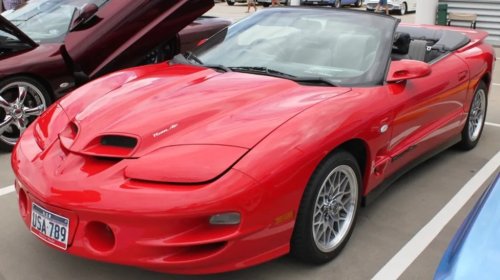
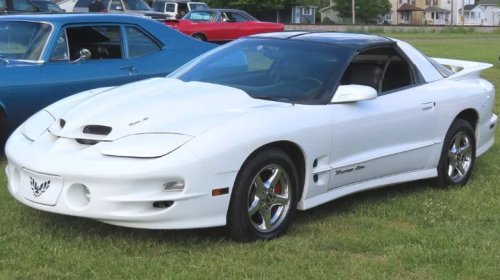
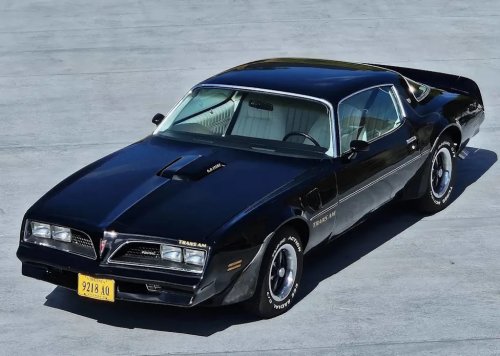
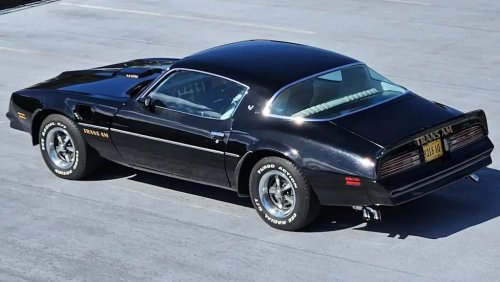
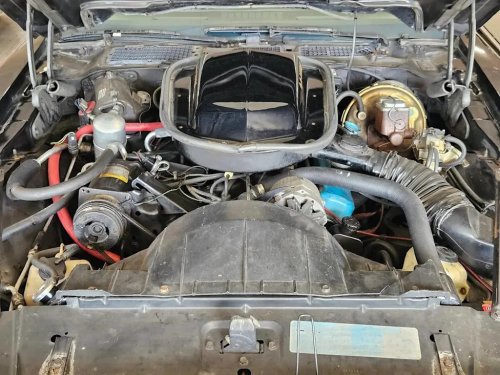
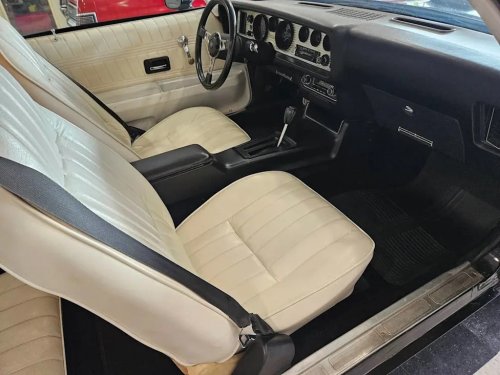
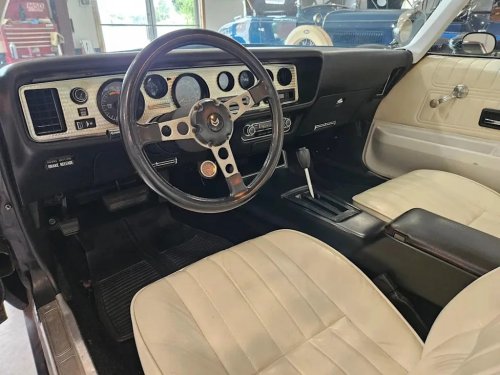
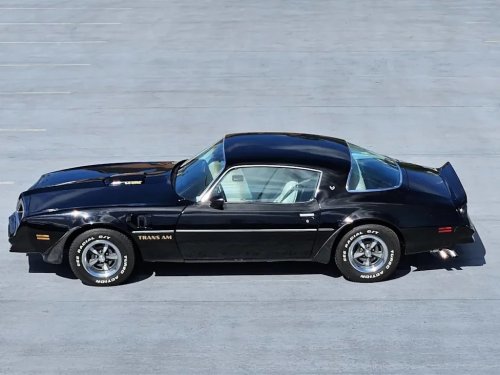
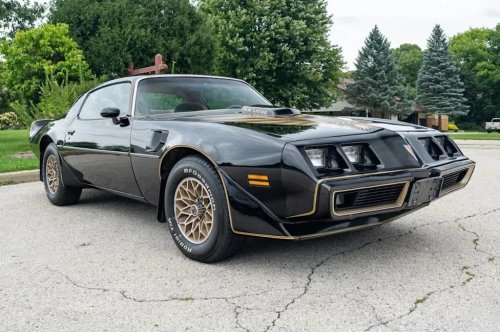
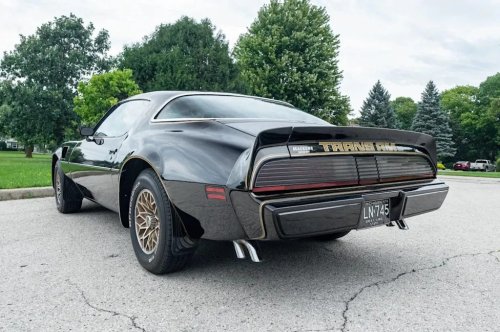
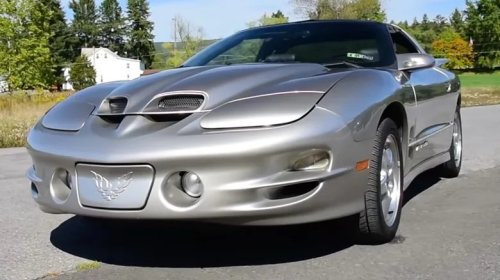
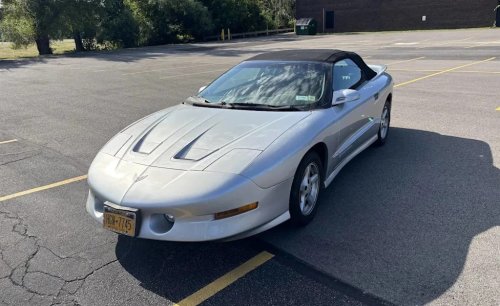
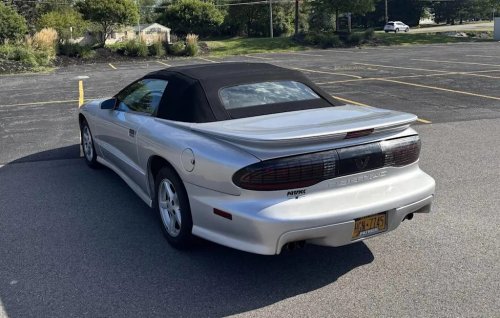
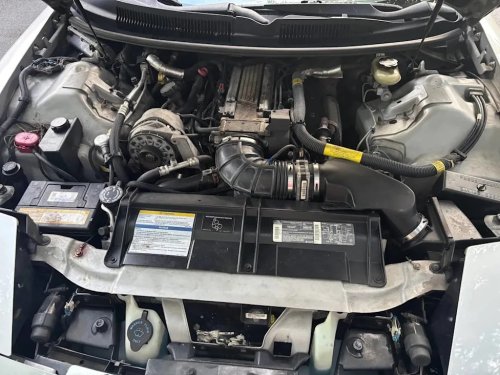
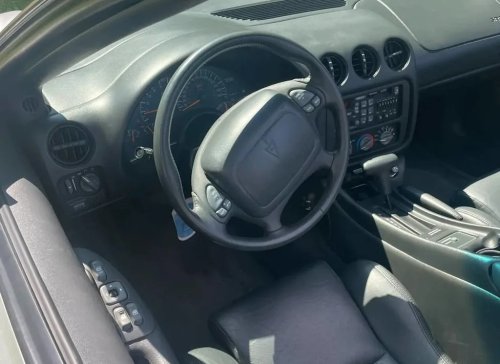
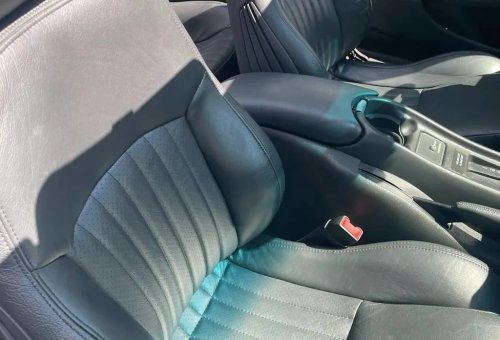
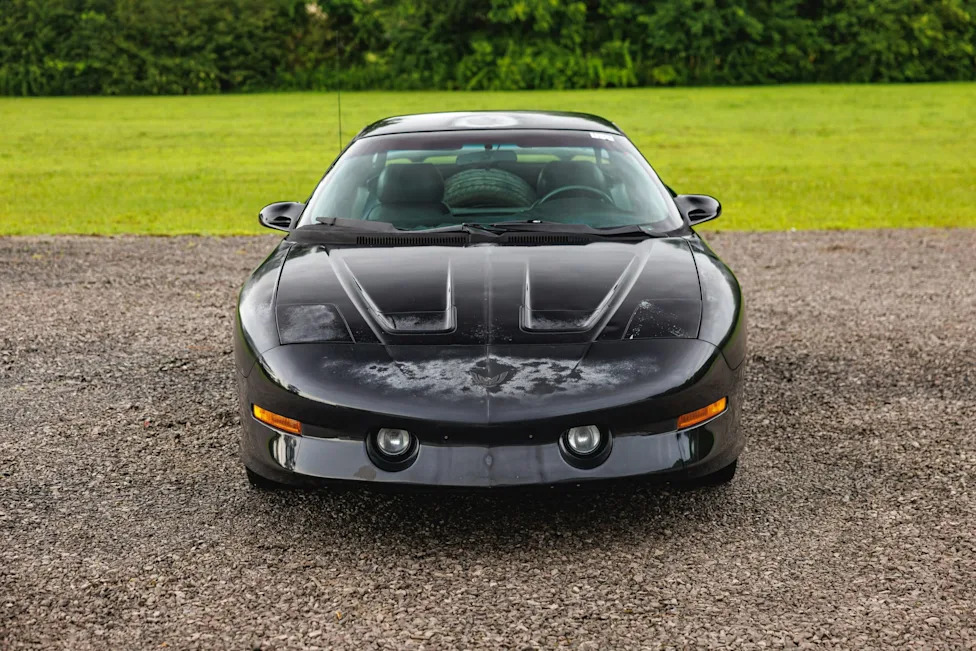
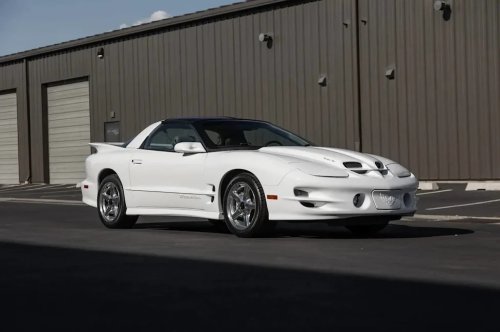
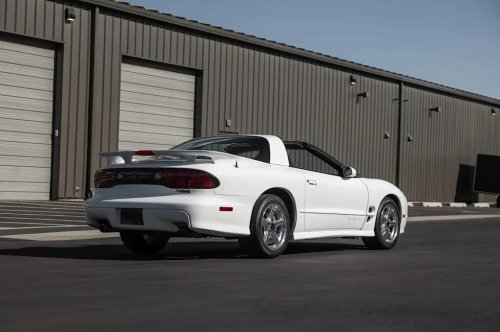
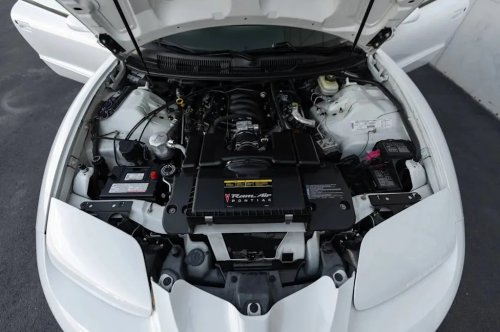
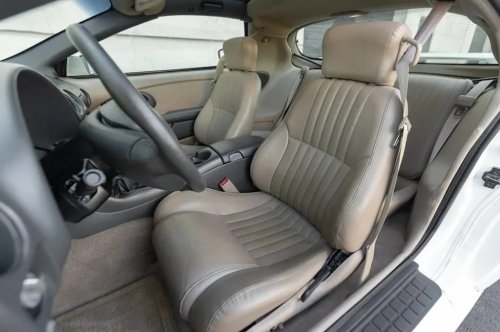
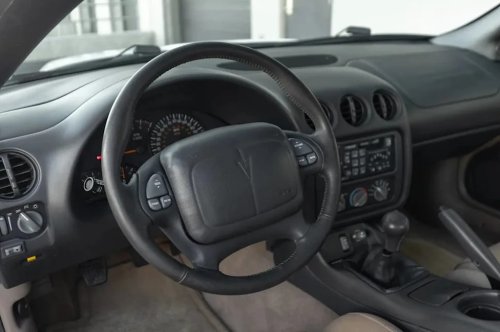
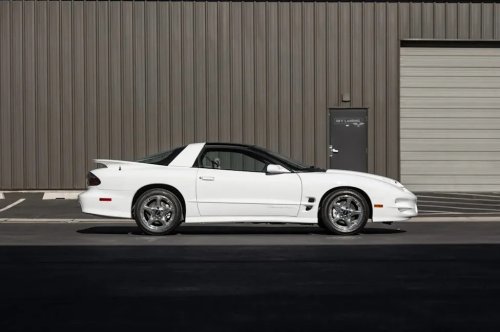
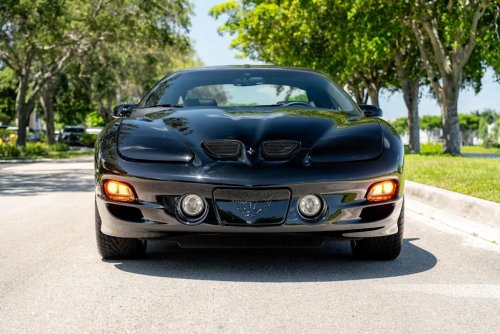
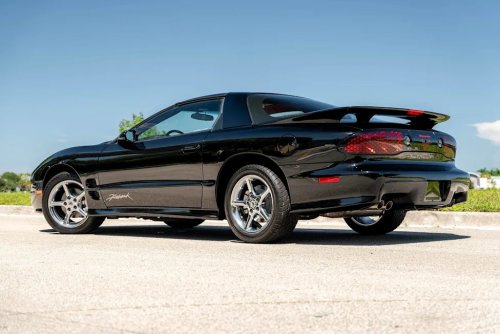
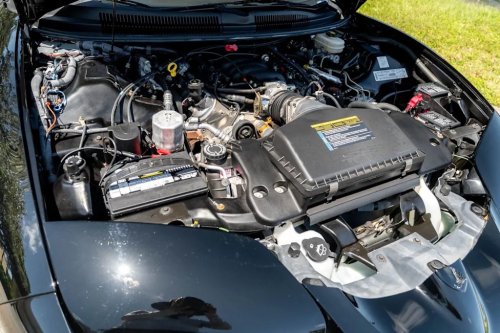
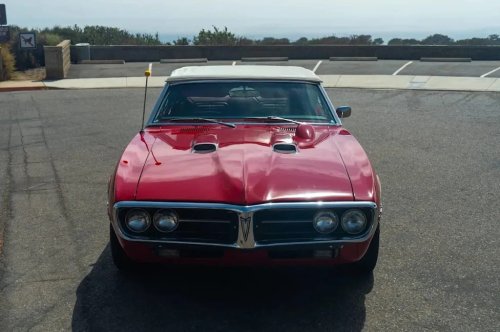
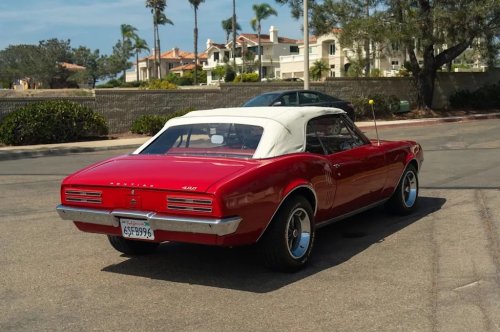
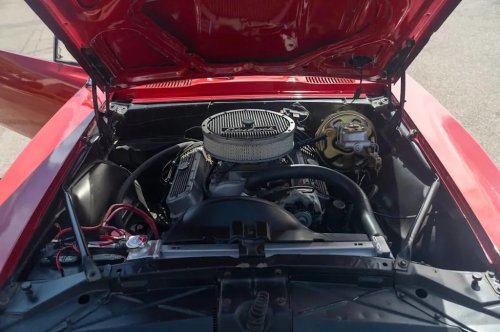
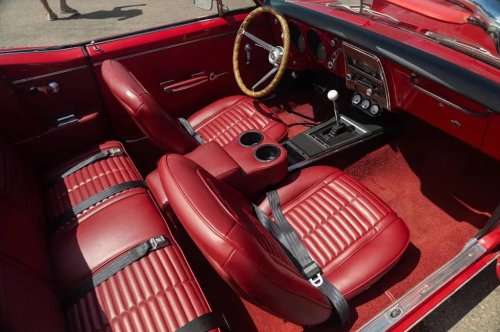
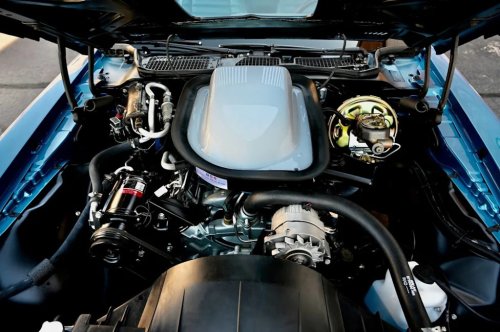
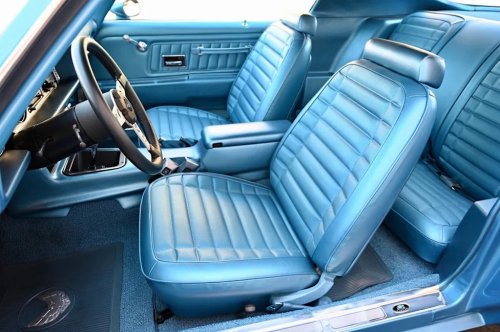
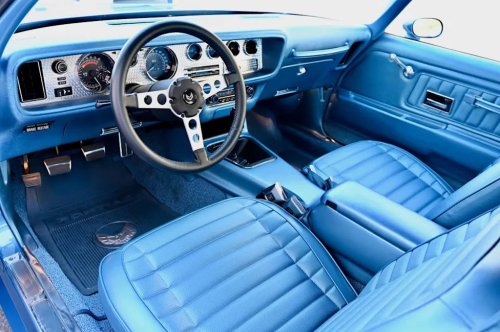
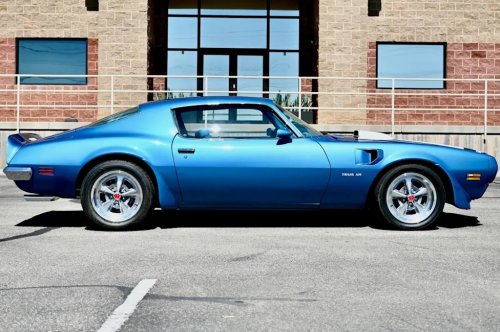
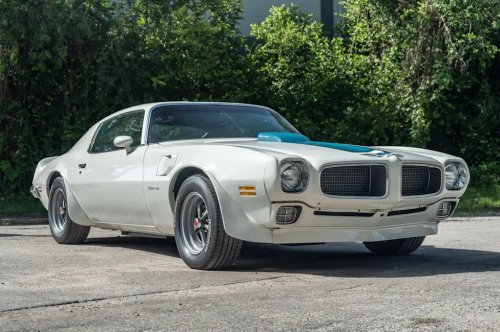
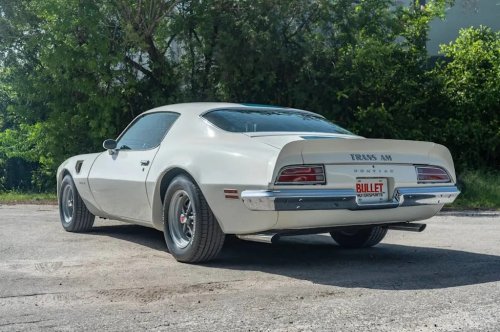
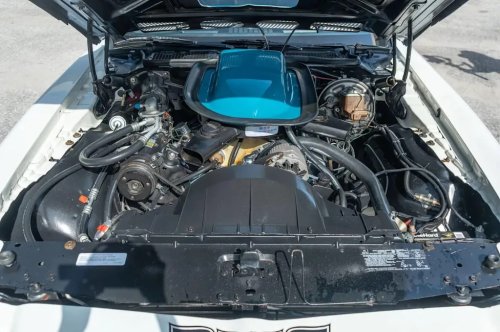
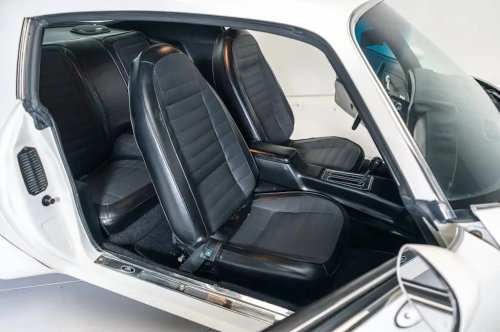
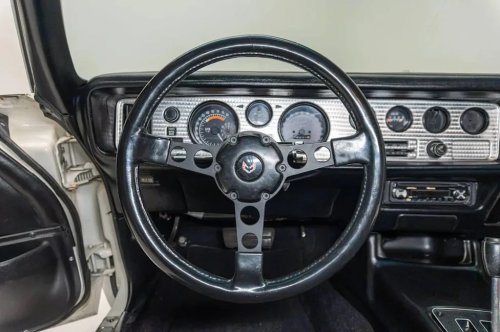
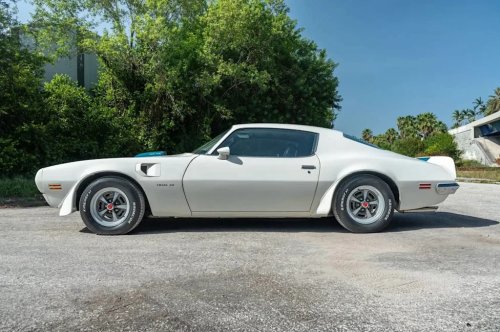
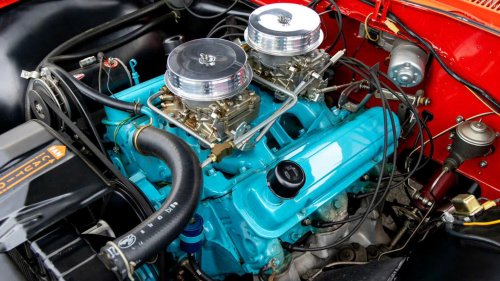
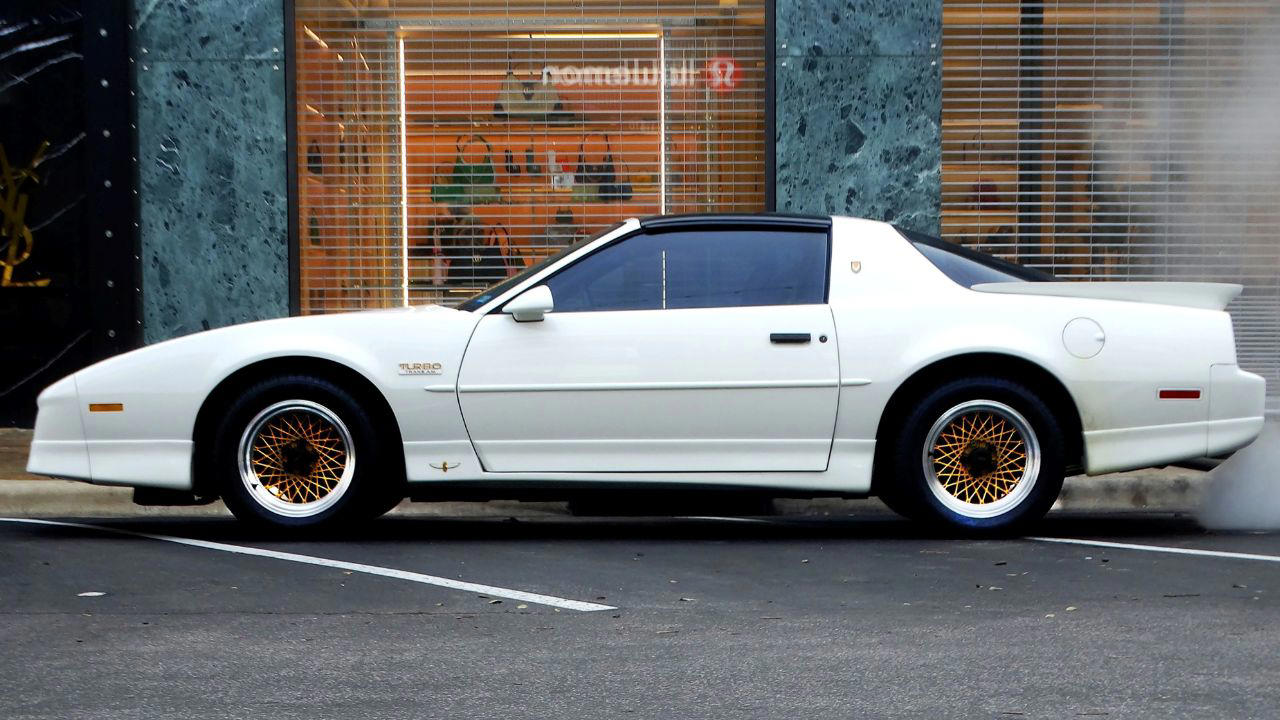
The 1989 Pontiac Turbo Trans Am surprised drivers with its speedThe 1989 Pontiac Turbo Trans Am arrived as a limited-edition celebration model and promptly embarrassed some of the era’s most revered performance cars. On paper it looked like a quirky outlier in a V8-dominated lineup, yet on the road and at the drag strip it delivered numbers that stunned both owners and rival brands. Three and a half decades later, its blend of stealthy styling, turbocharged V6 power, and real-world speed keeps it among the most intriguing American performance cars of its time. Its appeal rests on more than nostalgia. This particular Trans Am reshaped expectations for both Pontiac and General Motors, proving that a carefully tuned turbo V6 could outgun traditional muscle. It did so while wearing a familiar Firebird shape that most drivers assumed was just another F-body with loud graphics. What happened For the 20th anniversary of the Trans Am nameplate, Pontiac created a special Turbo model built in limited numbers and sold only for the 1989 model year. Instead of the expected small-block V8, engineers turned to the 3.8-liter turbocharged V6 that powered Buick’s Grand National and GNX, then adapted it to the lighter Firebird platform. The result was the 1989 Turbo Trans Am, often shortened to TTA, a car that quietly carried one of the most potent powertrains General Motors had put into a street-legal F-body to that point. Contemporary testing showed that this turbocharged 3.8-liter engine produced performance that rivaled or exceeded many V8 competitors. Officially rated at roughly the same output as the Buick turbo cars, the engine in the TTA benefited from revised intake and exhaust routing, a specific calibration, and the Firebird’s more aerodynamic body. Period accounts describe quarter-mile times dipping into the low 13-second range in stock form, with trap speeds that put it squarely in supercar territory for the late 1980s. That level of acceleration from a production Pontiac shocked drivers who expected the usual incremental improvement rather than a leap. Part of the surprise came from the way the Turbo Trans Am delivered its speed. Off boost it behaved like a mild V6 pony car, but once the turbocharger spooled, acceleration surged in a way that felt very different from the broad, linear push of a traditional V8. Owners who lined up against contemporary Corvettes or European imports often discovered that the TTA could match or beat them over a quarter mile, a result that helped cement its reputation as a factory sleeper. Limited production amplified its impact. Pontiac built a relatively small run of Turbo Trans Ams, many of which were associated with pace car duty at high-profile racing events. That connection to motorsport, combined with the car’s unusual powertrain choice, gave it an instant aura among enthusiasts. Over time, its real-world performance figures and rarity turned it into a reference point for how far GM could push turbo technology in the muscle car era. The Turbo Trans Am also arrived in the shadow of earlier Firebird performance icons. A decade before, the 1979 Pontiac Firebird Trans Am had relied on a large-displacement V8 and aggressive styling to make its point. Period testing of the 1979 model recorded modest acceleration by modern standards, with quarter-mile times that reflected the emissions-constrained engines of the late 1970s, yet it still carried the visual drama and presence that defined the nameplate. Detailed performance data for the 1979 car, including its acceleration and braking figures, has been preserved in period tests of the 1979 Firebird, which highlight how far the Turbo Trans Am advanced the performance envelope within a decade. Why it matters The 1989 Turbo Trans Am matters because it challenged the assumption that serious American performance required a big V8. By using the turbocharged 3.8-liter V6, Pontiac showed that forced induction and careful tuning could deliver equal or better results with fewer cylinders. That decision connected the TTA directly to Buick’s Grand National and GNX, cars that had already proven the potential of the turbo V6 formula. Enthusiast market analysis has since compared the Trans Am to those Buicks, with some commentators arguing that a well-kept Trans Am can be a strong alternative to the Buick GNX for buyers who want similar performance and heritage without the same price premium. In that sense, the Turbo Trans Am occupies a bridge position in GM history. It carries the legacy of the Firebird and Trans Am name, yet its heart is a Buick engine that had already become a legend in its own right. The car’s acceleration figures validated GM’s investment in turbocharging at a time when many American performance cars were only beginning to recover from the power losses of the 1970s. For enthusiasts who experienced it firsthand, the TTA proved that a turbo V6 could deliver the kind of thrust once reserved for big-block muscle. Its significance also becomes clearer when viewed against the broader Trans Am lineup. The 20th Anniversary model has been described as one of the most impressive Pontiacs that did not rely on V8 power. Coverage of this special edition notes that the car combined the familiar F-body chassis with the Buick turbo drivetrain, creating what some have called the greatest Pontiac muscle car that did not feature V8 power. Reports on this anniversary model emphasize how its engine choice and performance made it stand apart from other 20th Anniversary Trans variants and from the broader field of late-1980s American performance cars. The Turbo Trans Am also represents a moment when Pontiac briefly stepped into territory usually reserved for halo cars. Factory-verified acceleration numbers placed it in competition with more expensive sports cars, yet it wore a relatively understated body and shared many components with ordinary Firebirds. That combination of accessibility and performance helped build a loyal following and influenced how later enthusiasts viewed turbocharged American cars from this era. Modern coverage of the 1989 Turbo Trans Am often highlights how its acceleration continues to impress, even against more recent performance benchmarks. Some reports describe how the car’s quarter-mile times and highway pull left drivers across the United States surprised by just how quick a turbo V6 Trans Am could be. One account of the car’s performance notes that its acceleration figures left the United States shocked by the speed of the 1989 Turbo Trans, a testament to how its real-world performance exceeded expectations for a late-1980s F-body. As the collector market has matured, the Turbo Trans Am’s blend of rarity, performance, and historical significance has become more apparent. Enthusiasts who once focused solely on big-cube V8 cars now look at the TTA as a key chapter in the story of American turbo performance. Its status as a limited-production anniversary model, combined with its link to the GNX powertrain, gives it a layered appeal that goes beyond simple nostalgia for 1980s styling. What to watch next The future of the 1989 Turbo Trans Am in the collector world will likely hinge on two main factors: the ongoing reputation of turbocharged 1980s performance cars and the availability of well-preserved examples. As more enthusiasts recognize the historical importance of GM’s turbo V6 program, cars that showcase this technology in its most refined form are likely to remain in demand. The Turbo Trans Am, with its mix of Buick engineering and Pontiac styling, fits that description precisely. Market observers already track the values of Grand Nationals and GNX models as bellwethers for this segment. If those cars continue to command strong prices, the Turbo Trans Am is positioned as a logical companion or alternative. Its limited production and documented performance give it a strong foundation for long-term interest, especially among buyers who appreciate the connection between the Buick turbo lineage and the Trans Am badge. More From Fast Lane Only: Unboxing the WWII Jeep in a Crate 15 rare Chevys collectors are quietly buying 10 underrated V8s still worth hunting down Police notice this before you even roll window down



















 +10 others