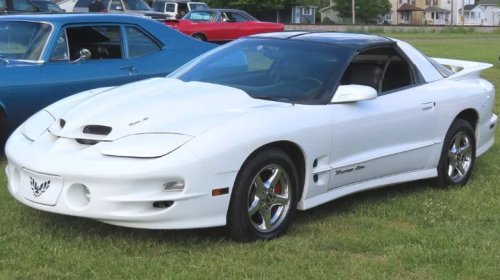
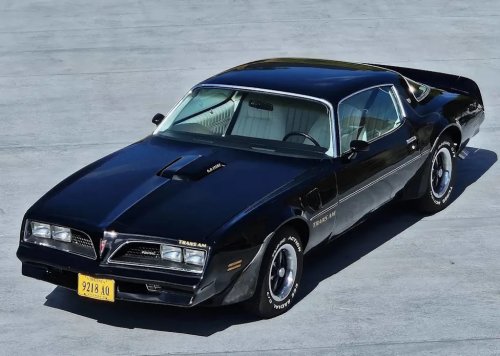
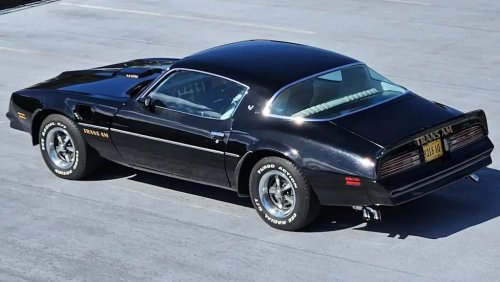
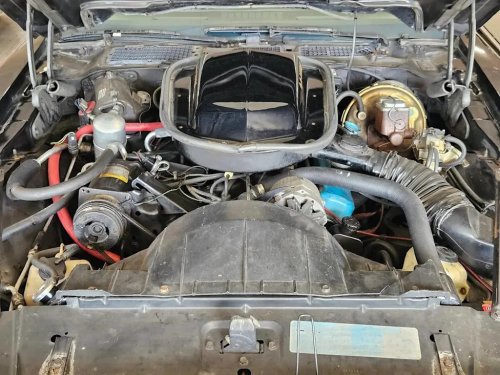
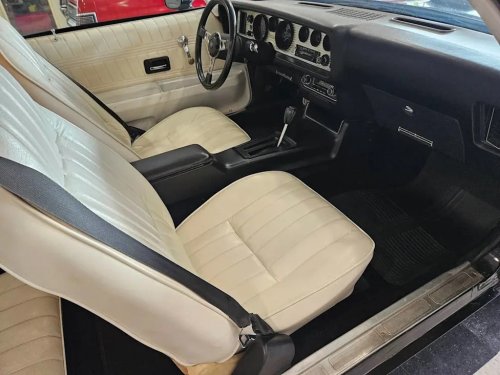
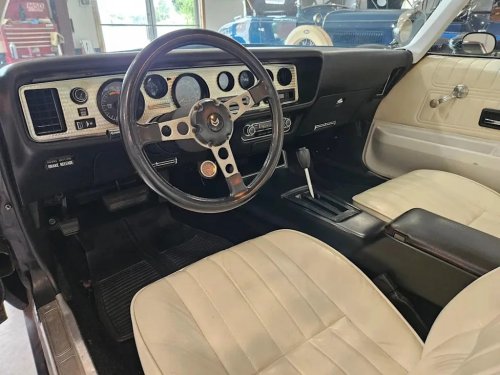
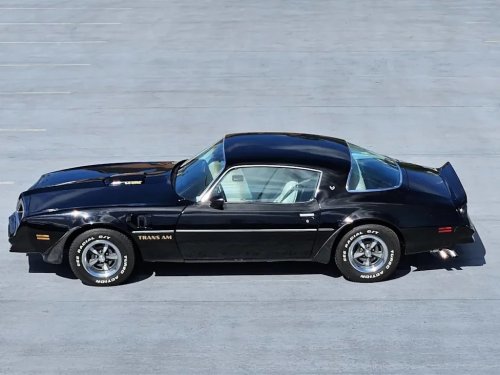
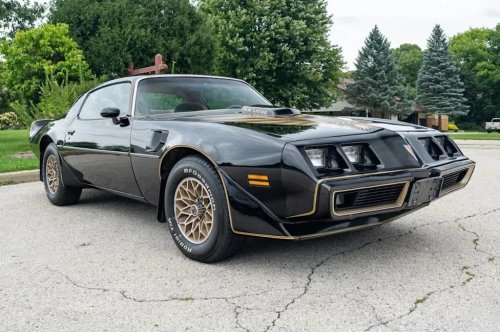
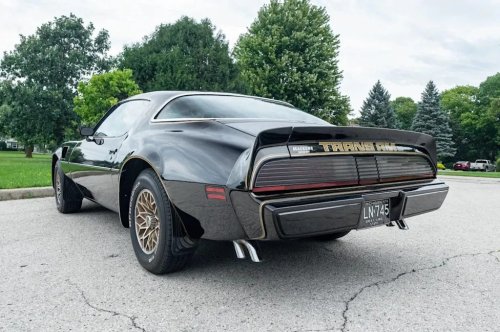
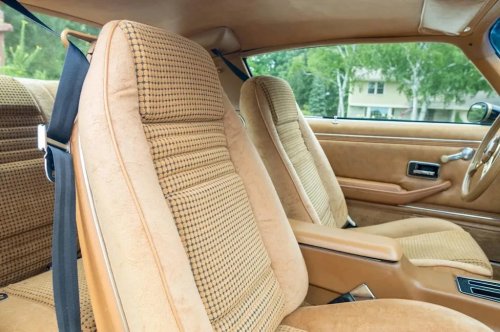
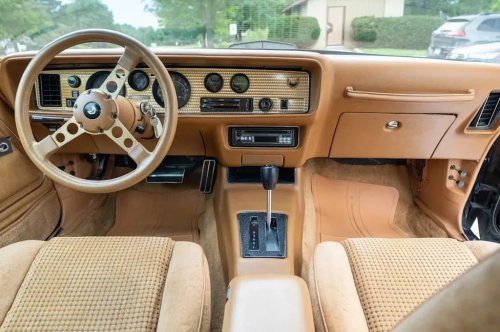
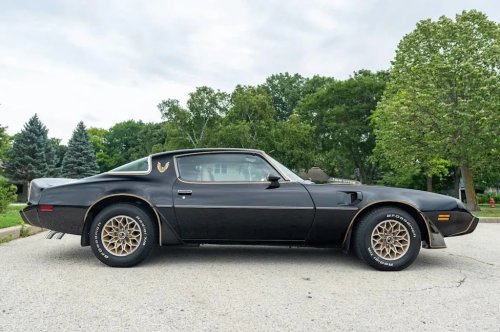
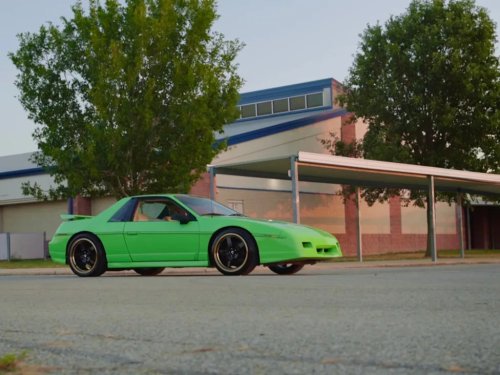
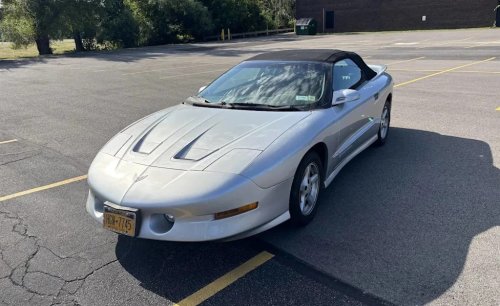
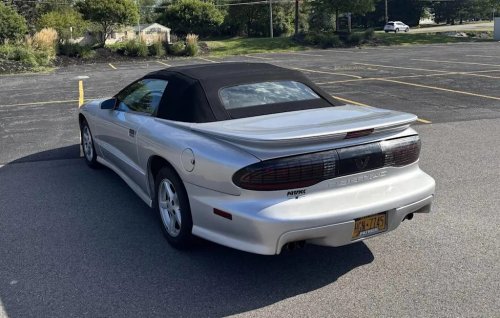
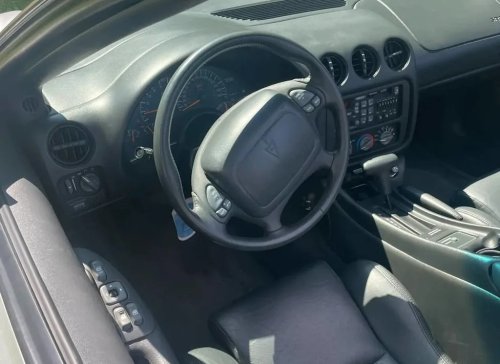
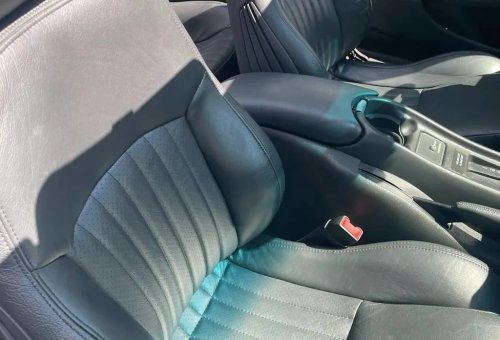
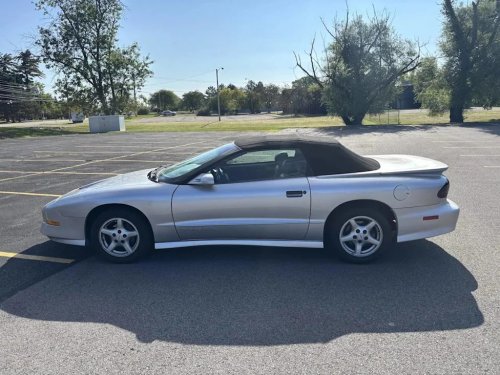
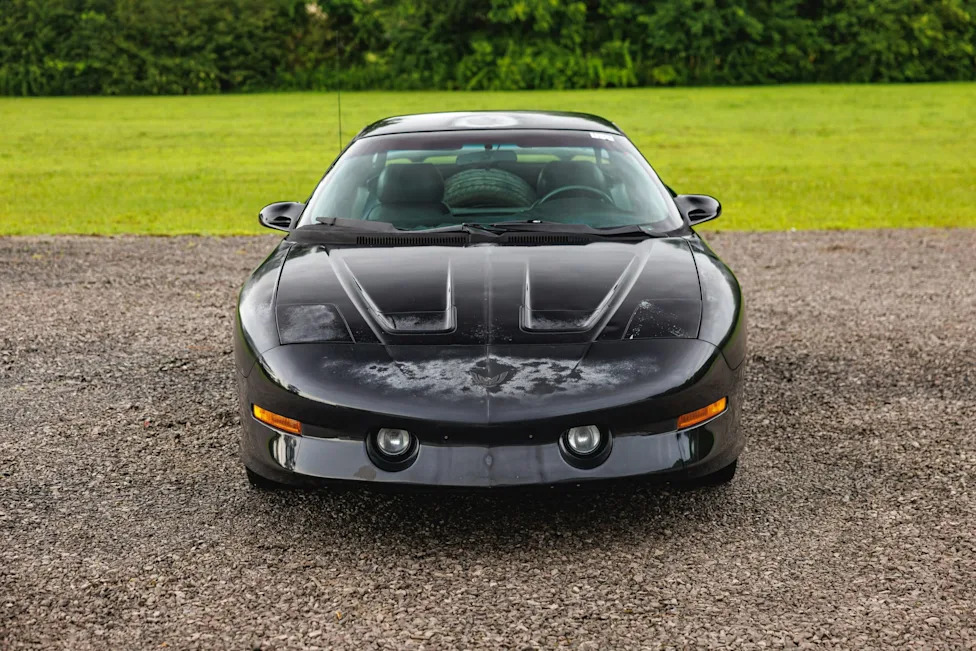
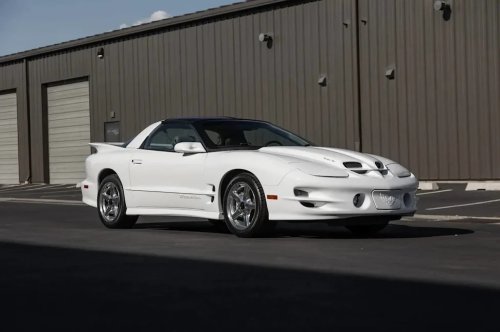
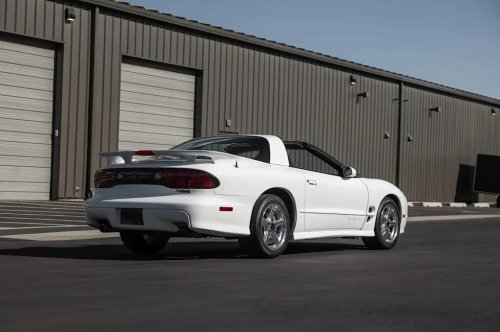
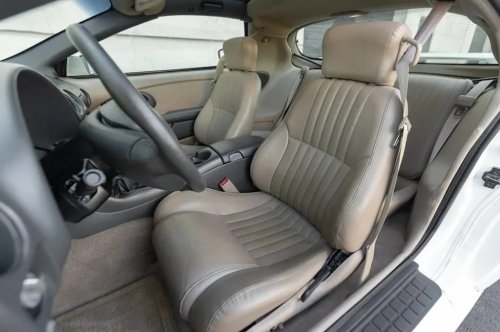
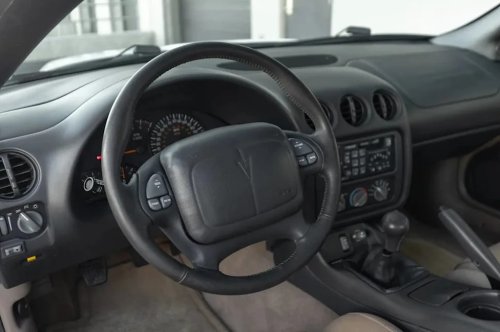
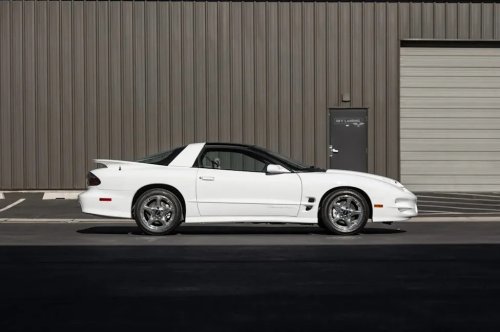
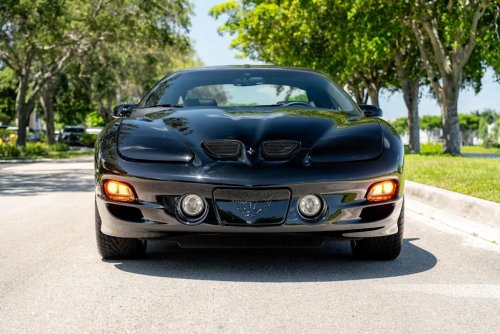
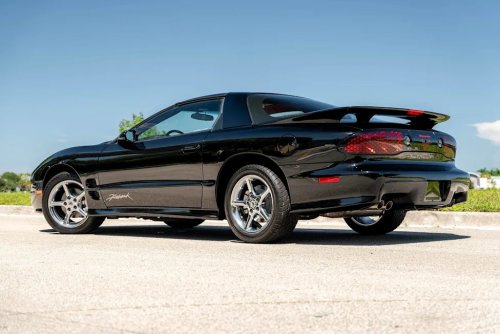
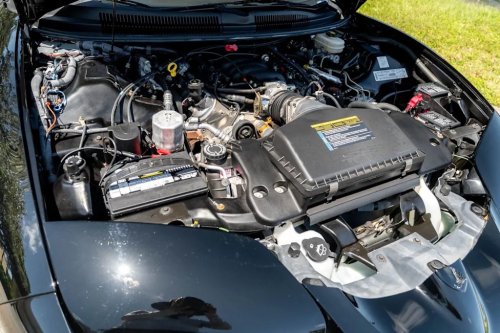
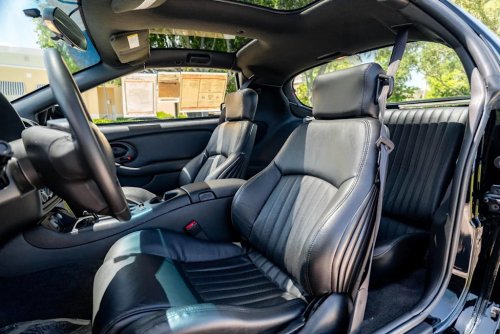
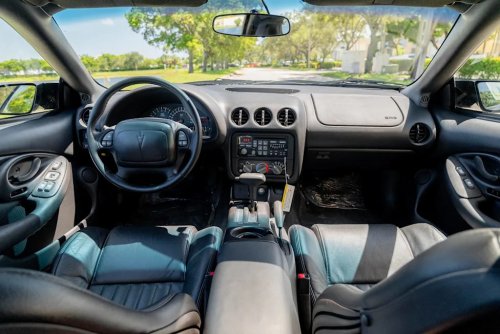
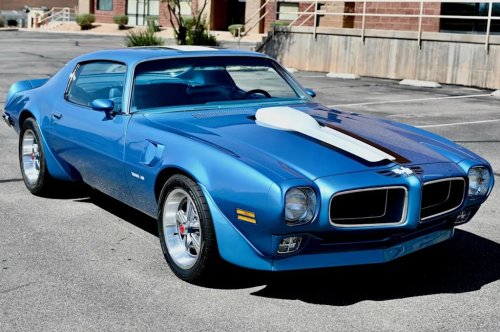
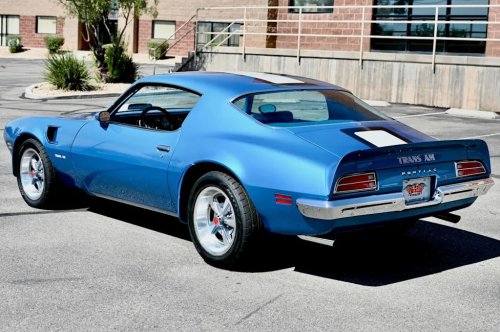
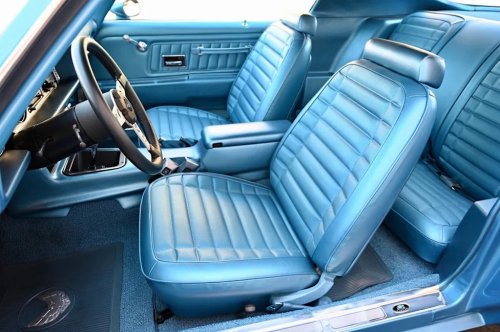
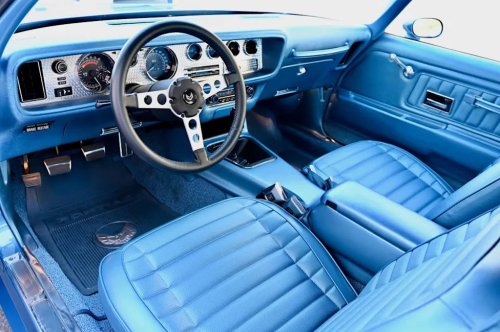
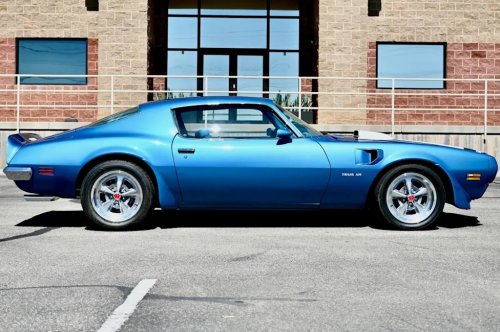
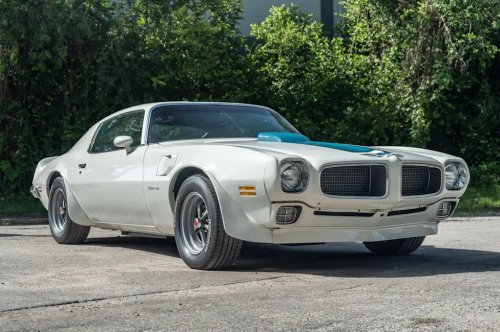
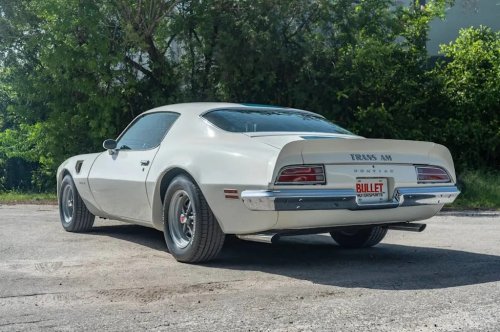
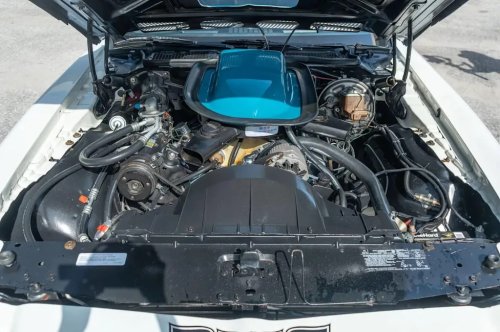
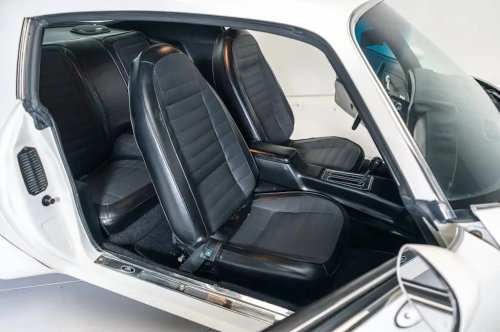
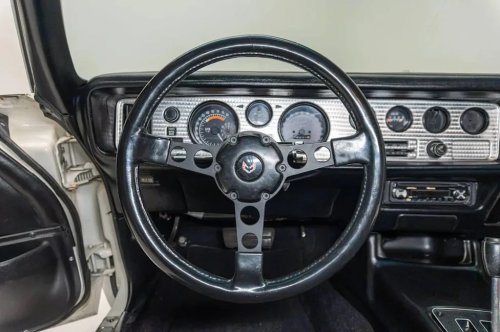
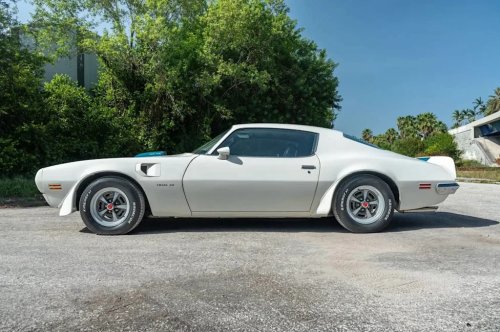
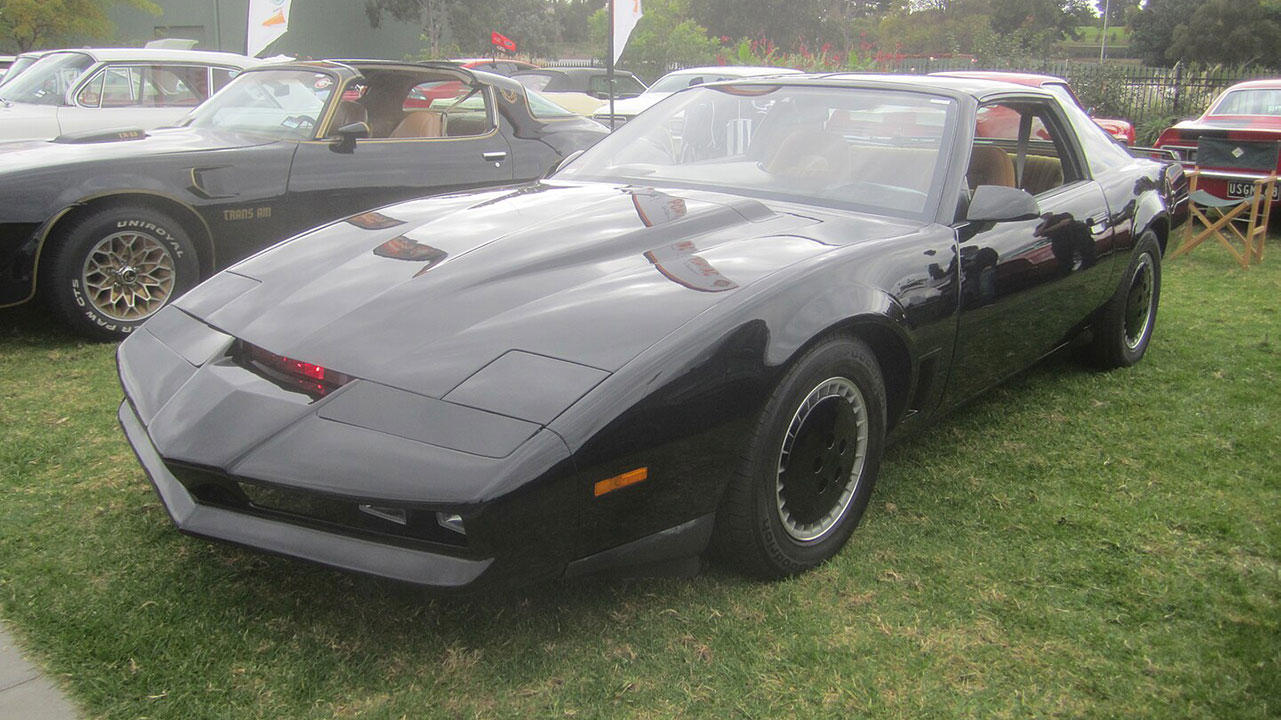
The 1982 Pontiac Firebird Trans Am arrived as a clean break from the 1970s muscle-car playbook. With its sharp, aerodynamic body and tech-focused interior, it turned a fading nameplate into a forward-looking performance coupe and reset expectations for what an American pony car could look and feel like. Instead of simply updating the second-generation Firebird, Pontiac used the third generation to introduce a sleeker shape, lighter structure, and more integrated design language that would influence General Motors coupes for the rest of the decade. What happened By the early 1980s, the second-generation Firebird had been in production for more than a decade, carrying the famous large hood bird and heavy, coke-bottle bodywork that defined the 1970s Trans Am. According to enthusiasts who trace the model’s evolution, the earlier car’s flamboyant graphics and shaker hood cemented the Trans Am as a pop-culture icon, especially after its starring role in movies that celebrated the so-called “screaming chicken” era. Regulations, fuel economy concerns, and changing tastes, however, had already eroded the old formula. Engine outputs dropped, and the big-block swagger of the early 1970s no longer matched the priorities of buyers in the early 1980s. In response, General Motors undertook a complete rethink of the F-body platform that underpinned both the Chevrolet Camaro and the Pontiac Firebird. The 1982 Firebird Trans Am emerged from that redesign as a lower, narrower, and significantly lighter car than its predecessor. Its new body featured a sloped nose, concealed headlamps, and an integrated rear spoiler that blended into the hatchback profile instead of sitting on a separate decklid. A more steeply raked windshield, cleaner beltline, and overall proportions traded muscle-car bulk for sports-car sleekness. Beneath the surface, the third-generation Firebird adopted a new unibody structure focused on weight reduction and improved handling. The Trans Am sat at the top of the range, with a performance-tuned suspension, wider wheels, and aerodynamic add-ons that visually separated it from the base and midlevel Firebird trims. Designers also reshaped the hood and front fascia to emphasize airflow management, adding functional vents and carefully sculpted surfaces intended to reduce drag. Inside, the 1982 Trans Am departed from the round-gauge, chrome-trimmed dashboards of earlier muscle cars. Many examples featured a futuristic instrument cluster with digital readouts and bar-graph displays, along with a driver-oriented cockpit that wrapped the controls around the steering wheel. The result was a car that looked as if it belonged to the coming high-tech decade rather than the fading disco era. Cultural exposure magnified that impression. The new Trans Am quickly became associated with high-tech heroism on screen, its wedge-shaped profile and electronic interior fitting seamlessly into storylines that framed the car as a partner in futuristic adventures. That visibility reinforced the sense that Pontiac had delivered not just a new Firebird, but a symbol of early 1980s automotive modernity. Why it matters The 1982 Trans Am mattered because it showed how an American performance icon could adapt to tighter regulations and shifting buyer expectations without losing its identity. Rather than chasing the past with retro styling or simply detuning an old design, Pontiac embraced a new aesthetic that prioritized aerodynamics, efficiency, and integrated technology. The move to a sleeker, more wind-cheating body signaled a broader industry shift. Designers across Detroit were beginning to treat drag coefficient as a key metric rather than an afterthought. The Trans Am’s flush glass, smooth front fascia, and carefully contoured rear spoiler were part of the same movement that would produce other wind-tunnel-influenced cars later in the decade. For drivers, that meant better fuel economy at highway speeds and a quieter cabin, even in a performance-oriented coupe. Structurally, the lighter F-body platform helped the Trans Am handle more like a European sports coupe than a traditional American muscle car. Reduced mass improved turn-in, braking, and overall agility, which mattered in an era when buyers could compare domestic pony cars directly with imports that emphasized precision and balance. With revised suspension geometry and a lower center of gravity, the Trans Am felt more modern on a winding road than its predecessor, even when outright horsepower figures remained modest by earlier standards. The interior design also pointed toward a new relationship between driver and machine. The digital gauges and wraparound dash were not just styling flourishes; they reflected a growing fascination with electronics in the car, from trip computers to early diagnostic systems. For many buyers, sliding behind the wheel of a 1982 Trans Am meant engaging with a cockpit that looked closer to an aircraft than a traditional coupe, aligning neatly with the era’s fascination with computers and advanced technology. From a brand perspective, the third-generation Trans Am helped keep Pontiac relevant at a time when performance divisions across Detroit were struggling. The company had built its reputation on high-output V8s and flamboyant styling in the 1960s and 1970s. The new Trans Am proved that Pontiac could still deliver excitement within a framework shaped by emissions rules, fuel economy standards, and new safety requirements. That credibility mattered for attracting younger buyers who wanted style and performance but also cared about modern features and efficiency. The car’s pop-culture presence amplified its impact. The 1982 Trans Am did not just appear in entertainment as a generic sports car; it arrived as a character in its own right, associated with intelligence, technology, and speed. That association helped cement the idea that a sleek, high-tech American coupe could be aspirational even without the raw horsepower numbers of the muscle-car heyday. In design history, the 1982 Trans Am now reads as a bridge between eras. It retained the long-hood, short-deck proportions and rear-wheel-drive layout that defined the pony-car segment, yet wrapped those fundamentals in a body and interior that anticipated the priorities of the late 1980s and early 1990s. Later performance cars from General Motors, including subsequent Firebirds and Camaros, would build on the themes introduced here: integrated aero pieces, flush glass, and driver-focused cabins that treated electronics as a core part of the experience. What to watch next Looking back from the vantage point of the late 2010s, interest in the third-generation Trans Am is growing as enthusiasts reassess cars from the early 1980s. Collectors who once focused almost exclusively on the high-horsepower models of the early 1970s are beginning to recognize the design and cultural significance of the 1982 redesign. That shift is reflected in rising attention at shows and auctions, where clean examples of early third-generation Firebirds attract more discussion and, in some cases, higher bids. Designers and historians continue to trace how the 1982 Trans Am’s styling cues filtered into later performance cars. The emphasis on aerodynamics, integrated spoilers, and flush-mounted glass can be seen in a wide range of coupes that followed, both within General Motors and among competitors who adopted similar approaches to meet fuel economy and noise regulations. As more archives and design sketches from that period become accessible, the story of how the F-body team balanced regulatory constraints with styling ambition will likely gain even more detail. There is also growing interest in how the third-generation Trans Am’s technology-focused interior anticipated current trends. Modern performance cars rely heavily on digital displays, configurable instrument clusters, and driver-assistance systems. The 1982 car’s early digital gauges and cockpit-like layout now look like a first draft of the interface-centered cabins that define contemporary sports coupes. Future restorations and restomods may emphasize that aspect, preserving or reimagining the original electronic themes with updated hardware. On the enthusiast side, the availability of parts and support for third-generation F-body cars continues to expand. As more owners take on restorations, the community around these cars grows stronger, which tends to reinforce interest and preserve knowledge about original specifications and factory options. That ecosystem helps ensure that the 1982 Trans Am is not just a footnote between the flamboyant second generation and the more powerful later models, but a recognized milestone in its own right. More From Fast Lane Only: Unboxing the WWII Jeep in a Crate 15 rare Chevys collectors are quietly buying 10 underrated V8s still worth hunting down Police notice this before you even roll window down



















 +58 others