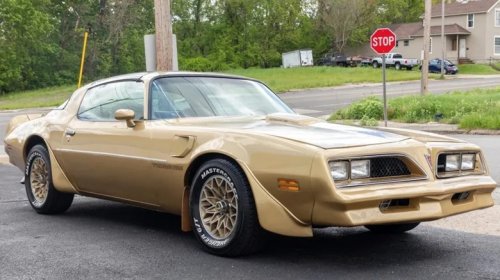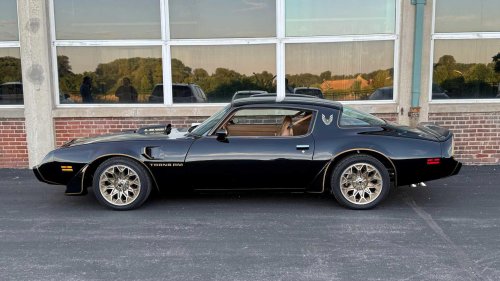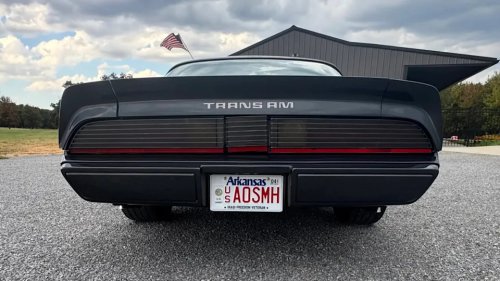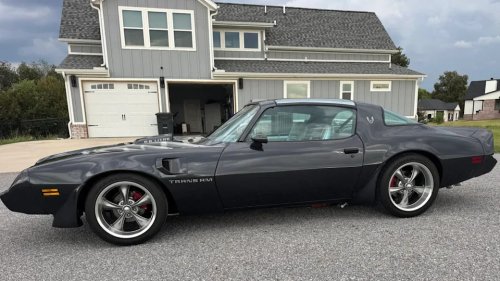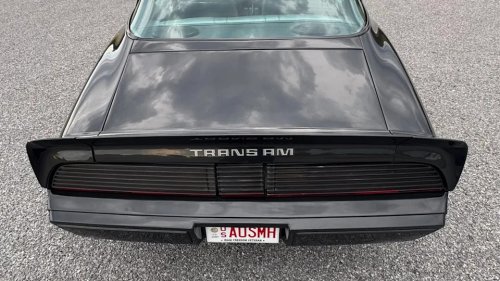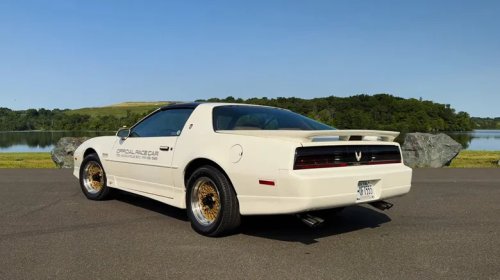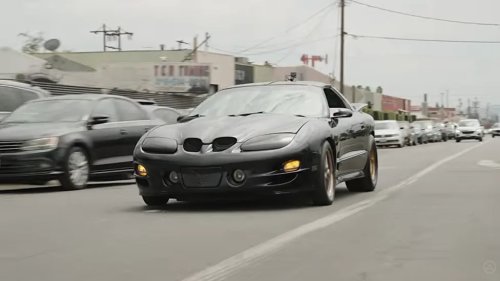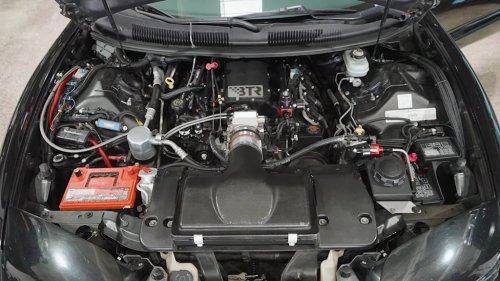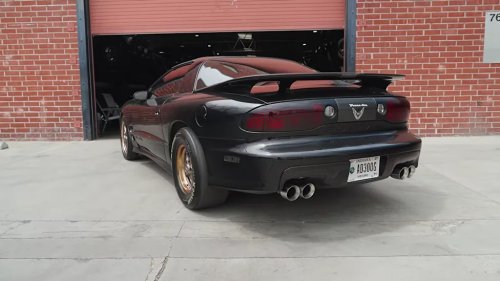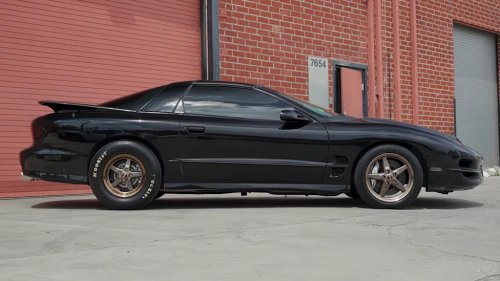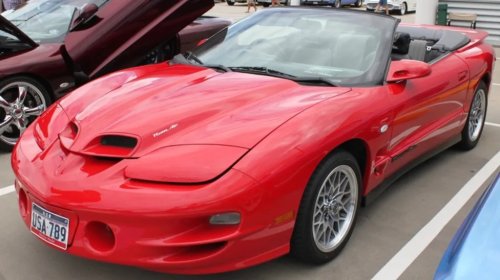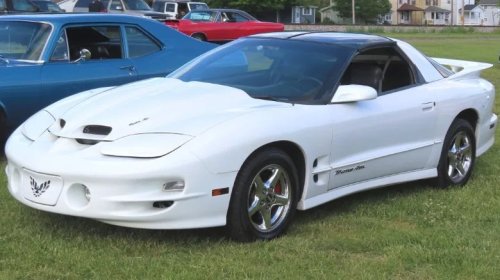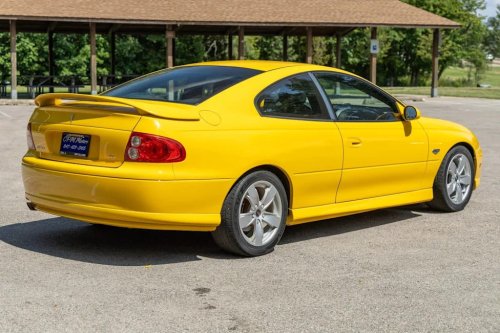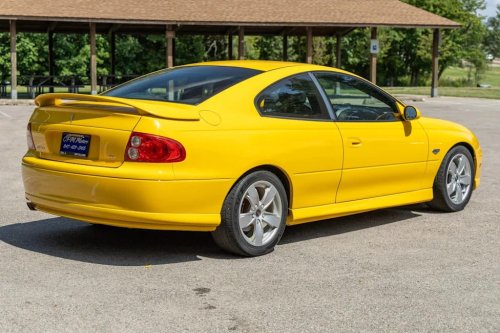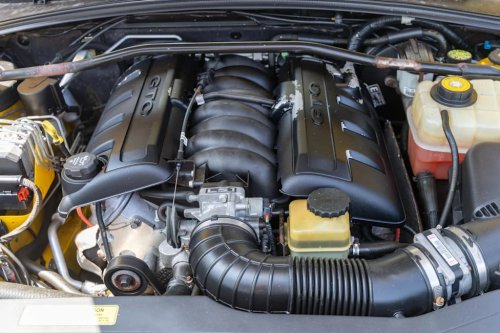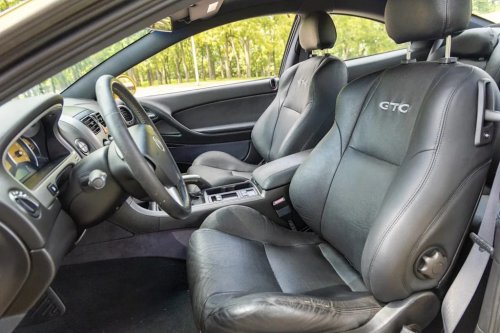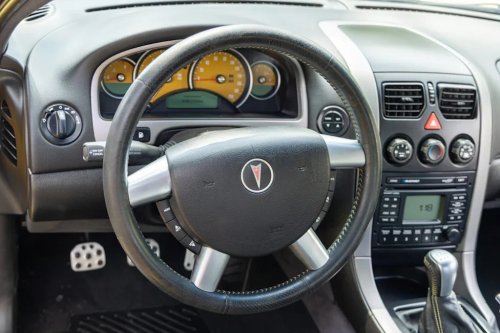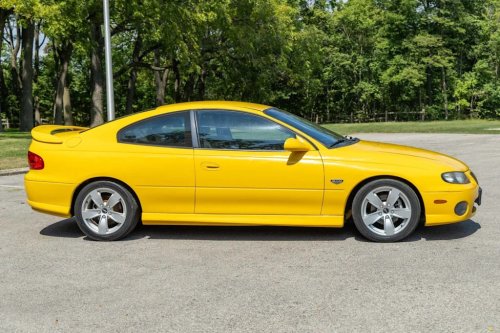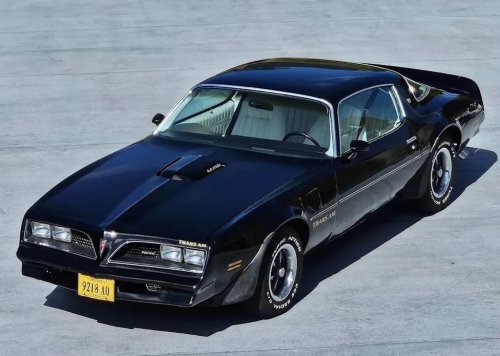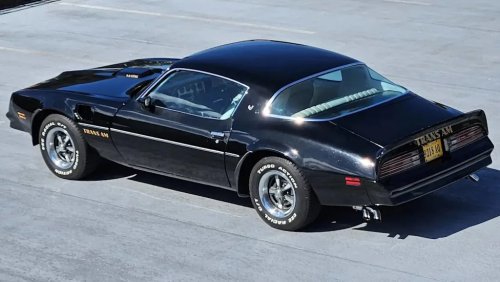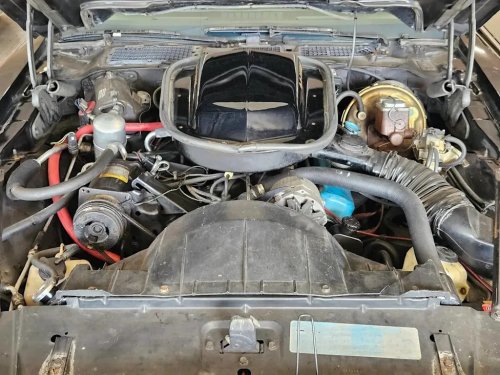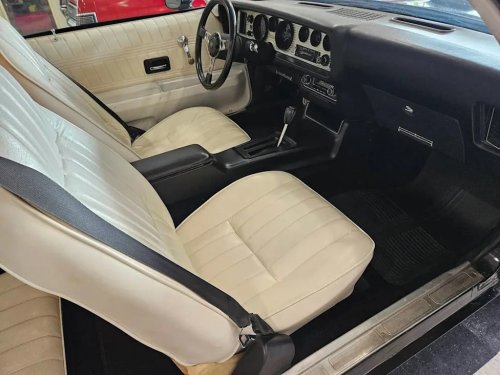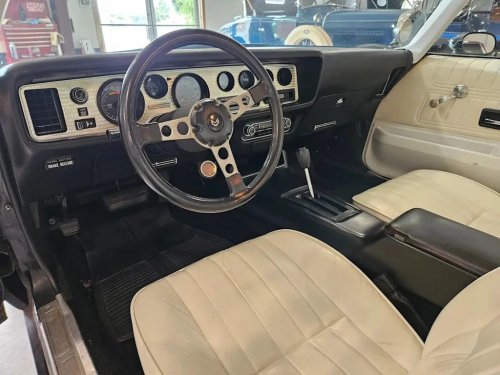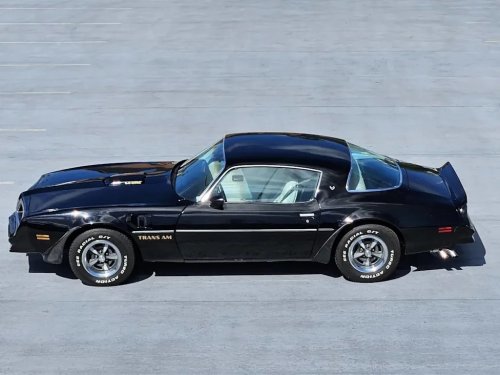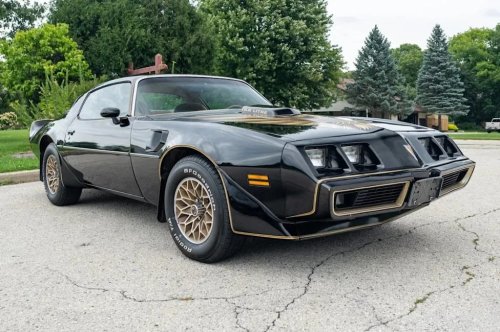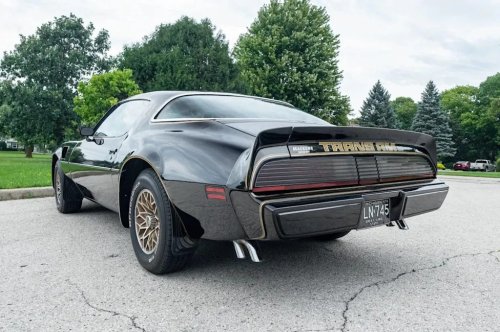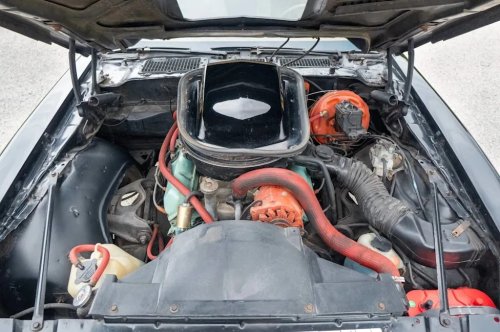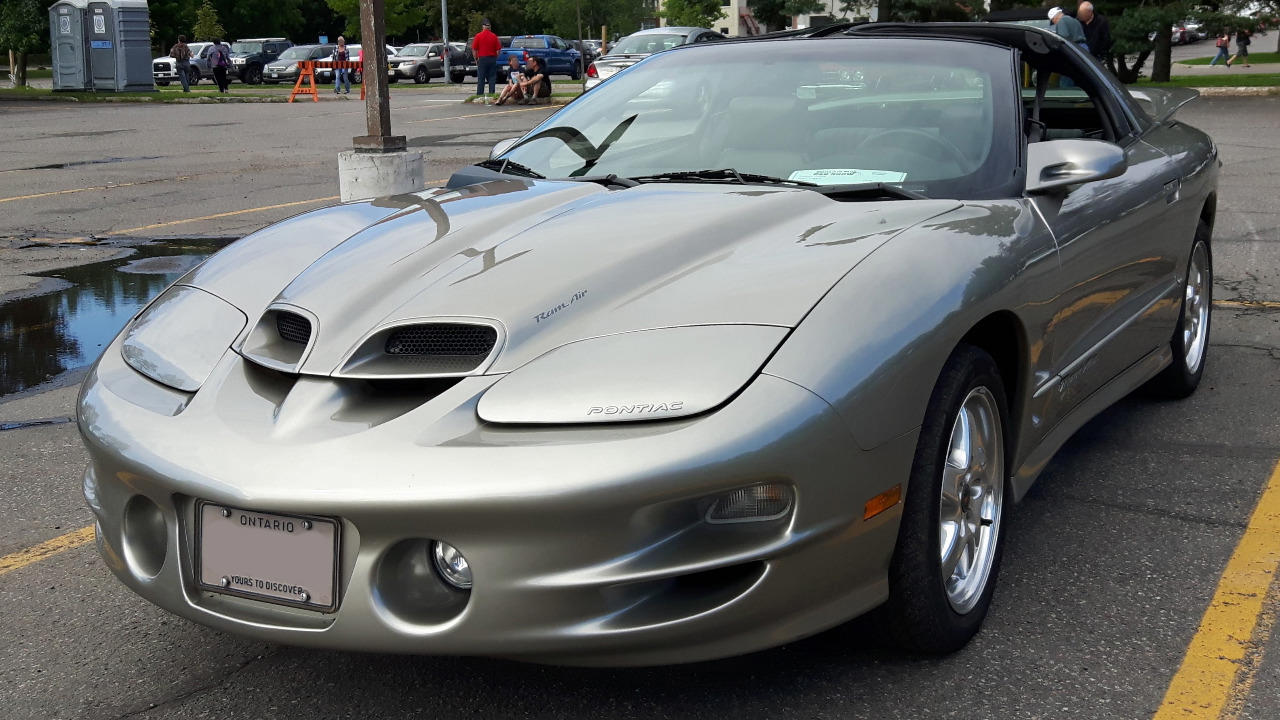



















Why the 2001 Pontiac Firebird Trans Am WS6ws6 became a late-era favoriteThe 2001 Pontiac Firebird Trans Am WS6 arrived just as old-school American muscle was giving way to a new era of performance cars. It combined a burly V8, dramatic styling, and real-world usability at a moment when its own brand was nearing the end of the line. Two decades later, that mix has turned the WS6 into a late-era favorite among enthusiasts and collectors who see it as one of the last unapologetically brash Pontiacs. Rather than leaning on nostalgia alone, the 2001 WS6 built its reputation on numbers, hardware, and a clear identity. Quick, visually aggressive, and relatively attainable, it captured a specific moment in General Motors performance history that newer cars cannot quite replicate. What happened The WS6 package had been part of the fourth-generation Firebird lineup for several years, but by 2001 it had evolved into a distinct high-performance variant. The car used the LS1 5.7‑liter V8, an aluminum small-block shared with the contemporary Chevrolet Corvette. In WS6 trim, the Trans Am received a freer-flowing intake and exhaust, which pushed output beyond the standard car and helped it run strongly in period testing. Enthusiasts often describe the WS6 as a kind of Corvette in different clothes. With the LS1 engine, rear-wheel drive, and either a six-speed manual or four-speed automatic, the 2001 Trans Am delivered performance that rivaled more expensive sports cars of its day. Contemporary road tests consistently recorded 0 to 60 mph times in the low five-second range and quarter-mile runs in the high 13s, figures that matched or beat many European coupes that cost far more. The WS6 package was more than an engine tune. It added a functional Ram Air hood that fed cooler air to the intake, a freer-flowing exhaust, upgraded suspension components, and wider wheels and tires. The visual impact of the twin-scoop hood and integrated rear spoiler made the WS6 instantly recognizable compared with a standard Firebird. Buyers could choose coupe or T-top configurations, and a small number of convertibles carried the WS6 equipment as well. As the Firebird approached the end of its production run, Pontiac had little incentive to water down its performance flagship. The 2001 model year arrived with the LS1 near the peak of its factory development, and the WS6 combination of Ram Air induction, suspension tuning, and aggressive gearing represented one of the most focused factory Firebirds ever sold. That late-cycle refinement helped cement the car’s reputation among people who value maximum performance from a mature platform. At the time, the Trans Am WS6 also offered a relative performance bargain. Shoppers could access LS1 power and a dramatic exterior for significantly less than a similarly equipped Corvette. Modern coverage still highlights how a well-kept WS6 can function as a kind of Corvette disguise for buyers who care more about speed and sound than about a particular badge. Why it matters The 2001 Trans Am WS6 sits at the intersection of three important trends: the end of Pontiac as a performance brand, the rise of LS-based tuning culture, and growing interest in late analog muscle cars. Its significance comes from how those threads converge in one model year. To start, the WS6 represents a last stand for the traditional Pontiac formula. The Firebird line would disappear after the 2002 model year, and Pontiac itself would be shuttered several years later. That looming finality gives the 2001 WS6 an aura similar to other end-of-the-line performance cars. It captured the brand’s long-running emphasis on aggressive styling and V8 power just before corporate priorities shifted toward front-drive platforms and crossovers. The LS1 engine under the hood also turned the WS6 into a favorite among tuners. The aluminum small-block responded well to bolt-on upgrades and internal modifications, and it quickly became a cornerstone of modern V8 swaps and builds. Owners discovered that the same basic architecture that powered the Corvette and Camaro could be coaxed into far higher output levels with relative reliability. That gave the WS6 a second life, not just as a collectible but as a platform for drag racing, road course events, and street builds. Collector interest has followed. Market guides point out that the WS6 has been gaining attention among buyers who want modern drivability with a clear connection to the analog era. Detailed analyses of the model highlight how the 2001 and 2002 cars, with their refined LS1 calibration and low production numbers relative to mass-market sedans, have become a focus for shoppers who want a WS6 buyer’s guide rather than a general Firebird overview. Values for the best examples have reflected that shift. Well-preserved, low-mileage six-speed cars, especially in desirable colors and with documented history, often trade at a premium over base Trans Ams. Enthusiasts look for unmodified cars, since the platform’s tuning potential means many WS6s have seen aftermarket intakes, exhausts, camshafts, or forced induction. The rising gap between clean, stock examples and heavily modified drivers shows how the market is beginning to treat the WS6 as a collectible rather than just a cheap speed solution. The car’s daily usability also contributes to its appeal. Unlike some older muscle cars, the 2001 WS6 offers fuel injection, overdrive gearing, and modern amenities such as air conditioning, power accessories, and available traction control. That combination allows owners to enjoy the car on long drives without sacrificing the raw character that makes it special. For many buyers, the WS6 hits a sweet spot between classic charm and contemporary comfort. Culturally, the WS6 has become a symbol of late 1990s and early 2000s performance. Its sharp nose, pop-up headlights, and wide rear haunches appear in period films, video games, and enthusiast memories. Younger collectors who grew up seeing these cars on posters or in games now have the means to buy them, and that generational shift is starting to support demand in the same way that earlier buyers once chased 1960s muscle. What to watch next The future of the 2001 Trans Am WS6 in the collector world will likely hinge on supply, originality, and how the broader market treats late fourth-generation F-body cars. Several trends are worth watching for anyone considering a purchase or sale. For one, the supply of unmodified, low-mileage WS6s will continue to shrink. Many cars have already been modified or driven extensively, which means truly original examples with clean paint, intact interiors, and factory exhaust systems will become more rare. That scarcity tends to support higher values for the best cars, especially those with manual transmissions and desirable option combinations. Documentation will also matter more over time. Service records, window stickers, and build sheets help verify that a car is a genuine WS6 and not a clone. As prices rise, the incentive for cosmetic conversions grows, so buyers will lean harder on paperwork and expert inspections. Cars with thorough documentation and matching numbers are likely to stand out when collectors compare similar vehicles. Meanwhile, the tuning culture around LS engines is not going away. There will always be demand for driver-quality WS6s that can serve as a base for performance builds. Even if top-tier collector prices climb, a separate market will continue for cars that already have aftermarket heads, camshafts, superchargers, or suspension upgrades. The split between stock collector cars and modified performance builds could become more pronounced, with each group appealing to different buyers. Regulatory and fuel trends could also influence how often these cars are driven. As more cities adopt stricter emissions rules and as fuel formulations change, owners may find it more practical to treat the WS6 as a weekend car rather than a daily driver. That shift would align it more closely with how people already use classic muscle cars, preserving miles and condition while concentrating enjoyment into special trips and events. More From Fast Lane Only: Unboxing the WWII Jeep in a Crate 15 rare Chevys collectors are quietly buying 10 underrated V8s still worth hunting down Police notice this before you even roll window down