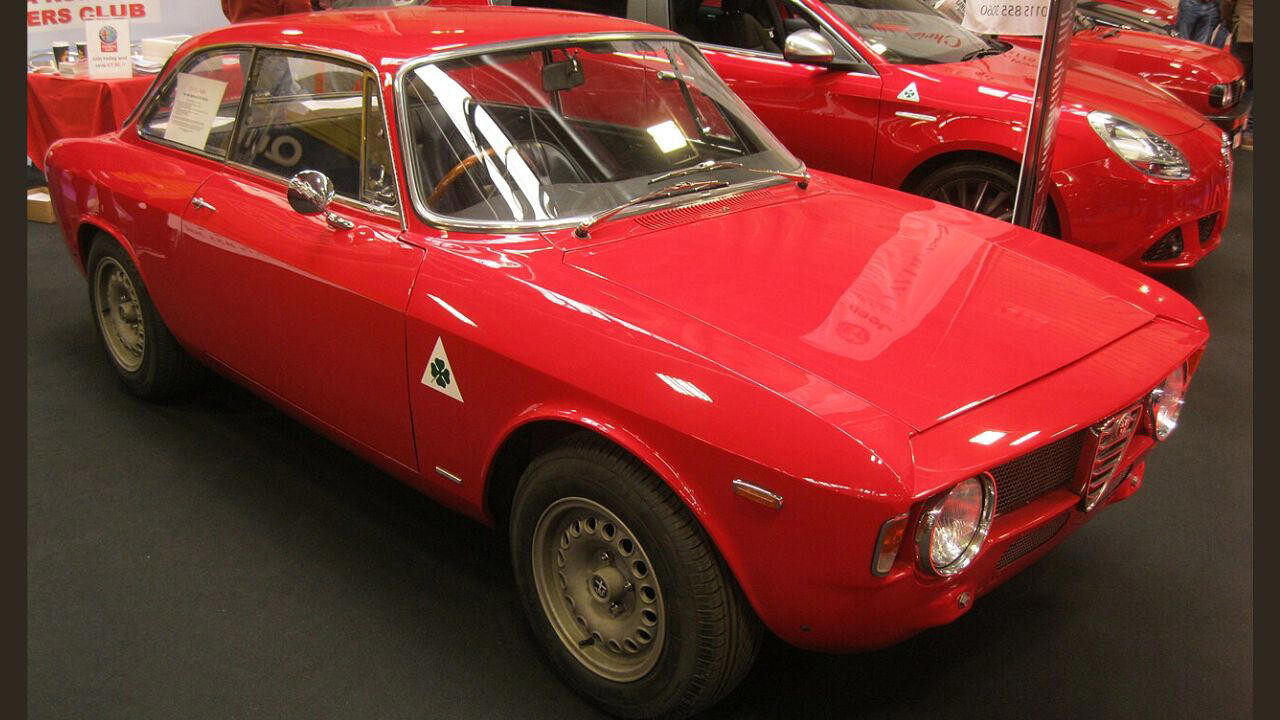
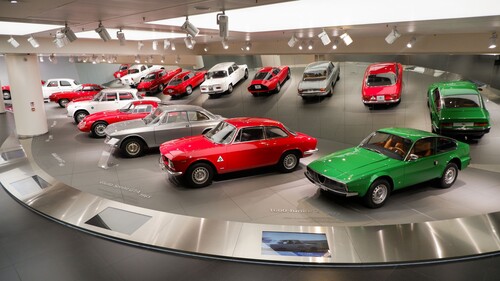
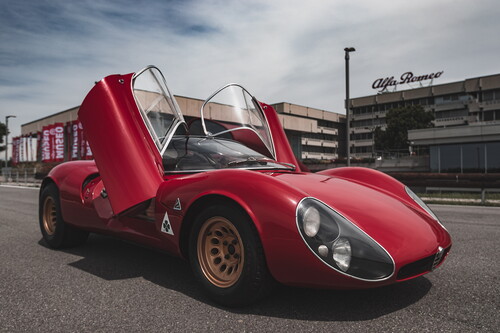
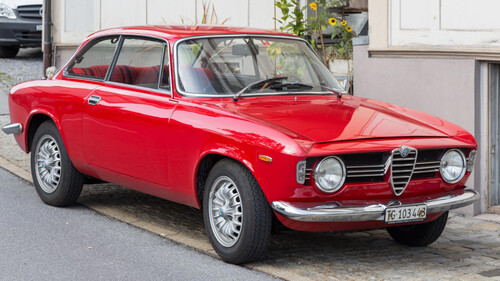
The 1966 Alfa Romeo Giulia Sprint GTA delivered racing performance in a road carThe 1966 Alfa Romeo Giulia Sprint GTA stands as a remarkable fusion of racing pedigree and everyday usability, representing a golden era of automotive engineering. With its lightweight design and powerful performance, the GTA captured the hearts of enthusiasts and set new standards for road-going sports cars. Historical Context of the 1966 Giulia Sprint GTA Alfa Romeo’s rich racing history dates back to the early 20th century, laying the groundwork for a brand synonymous with performance and innovation. By the time the Giulia Sprint GTA was introduced in 1966, Alfa Romeo had established itself as a formidable presence in motorsport, with notable victories in prestigious events like the Mille Miglia and various European championships. The Giulia Sprint, first launched in 1962, was pivotal in the brand’s evolution, showcasing Alfa Romeo’s commitment to blending stylish design with powerful engineering. The Giulia Sprint GTA emerged during a transformative period in the automotive landscape of the 1960s. This era was marked by an increasing demand for cars that could deliver both thrilling performance and practicality for everyday use. With the introduction of the GTA, Alfa Romeo not only addressed this demand but also set a new benchmark for road-going sports cars, emphasizing the importance of lightweight construction and agile handling. Design and Aesthetics The Giulia Sprint GTA’s design is a testament to the Italian mastery of automotive aesthetics. Its sleek lines, aggressive stance, and unmistakable silhouette capture the essence of speed and elegance. The use of lightweight aluminum for the bodywork not only contributes to its performance but also enhances its visual appeal. The signature Alfa Romeo grille, coupled with the carefully sculpted fenders and a low roofline, creates an iconic look that still turns heads today. Italian design principles heavily influenced the GTA’s aesthetics, focusing on harmony and functionality. Every curve and detail serves a purpose, from the aerodynamic shape that reduces drag to the carefully positioned headlights that enhance visibility. This attention to design is not just about looks; it reflects the car’s performance capabilities, embodying the philosophy that form and function can coexist beautifully. Engineering Innovations One of the standout features of the Giulia Sprint GTA is its innovative lightweight construction. By utilizing aluminum, Alfa Romeo achieved a significant reduction in weight compared to its contemporaries, resulting in enhanced performance and handling. This approach is especially evident in the vehicle’s overall design, which prioritizes speed and agility without sacrificing structural integrity. Under the hood, the GTA boasts an advanced engine that further elevates its performance. The 1.6-liter twin-cam engine produces an impressive output, allowing the car to sprint from 0 to 60 mph in just over 8 seconds. This power delivery is complemented by a well-tuned suspension system that enhances the driving experience, providing sharp handling and excellent road feedback. The combination of these engineering innovations makes the Giulia Sprint GTA not just a car but a thrilling driving machine. Performance Specifications In terms of performance, the Giulia Sprint GTA stands out against its peers. With around 115 horsepower and a lightweight frame, it offers an exhilarating driving experience that few cars of its time could match. The car’s power-to-weight ratio is exceptional, resulting in impressive acceleration and a top speed of around 130 mph. This performance is particularly noteworthy when compared to other sports cars of the era, such as the Ford Mustang and the Jaguar E-Type, which, while powerful, did not quite match the agility of the GTA. The GTA’s racing capabilities are further highlighted by its ability to handle tight corners and high-speed straights with ease, making it a favorite among enthusiasts. Its precise steering and responsive throttle make it a joy to drive on both the track and the open road. The combination of speed, handling, and driver engagement solidifies its place among the best sports cars of the 1960s. Racing Heritage and Achievements The Giulia Sprint GTA’s racing heritage is as impressive as its engineering. It quickly made a name for itself in competitions, excelling in various events across Europe. Notable achievements include participation in the European Touring Car Championship, where it competed fiercely and often emerged victorious against formidable opponents. The car’s lightweight construction and powerful engine made it a favorite among privateers and professional racers alike. Famed drivers like Andrea de Adamich and Teodoro Zeccoli have piloted the Giulia Sprint GTA to numerous victories, further solidifying its reputation on the racetrack. The impact of these racing successes has not only enhanced the model’s popularity but also contributed to its legacy in the automotive world. The GTA’s performance on the track translated into a strong following among car enthusiasts, making it a symbol of Alfa Romeo’s racing pedigree. Driving Experience Driving the Giulia Sprint GTA is an exhilarating experience that many modern sports cars strive to replicate. The car’s handling is characterized by its precise steering feedback and nimble responses, allowing drivers to feel connected to the road. Whether navigating tight corners or cruising along open highways, the GTA offers a sense of engagement that few cars can match. Owners often describe the feeling of driving this classic as a blend of nostalgia and thrill, a connection to a time when driving was about the experience rather than just transportation. Testimonials from owners and enthusiasts highlight the joy of driving the GTA. Many express how the car’s character and performance create a unique bond between driver and machine. Compared to modern sports cars, the Giulia Sprint GTA offers a rawness and simplicity that enhances the driving experience, making it a sought-after classic among collectors and driving purists. The sense of connection to the car and the road is a testament to Alfa Romeo’s commitment to creating vehicles that prioritize the driver’s experience. Market Presence and Collectibility The Giulia Sprint GTA remains a highly desirable classic car in today’s market. Recent trends indicate a growing interest in vintage sports cars, with Alfa Romeo’s offerings gaining particular attention. Factors contributing to the desirability of the GTA include its racing pedigree, iconic design, and limited production numbers. As collectors and enthusiasts increasingly appreciate the model’s historical significance, values have risen, making it a sought-after addition to any classic car collection. Recent auction results demonstrate the model’s strong market presence, with well-preserved examples commanding impressive prices. The rarity of the Giulia Sprint GTA, combined with its storied history and performance capabilities, ensures that it will continue to captivate car enthusiasts for years to come. As a result, the GTA stands not only as a symbol of Alfa Romeo’s legacy but also as a valuable asset for collectors looking to invest in automotive history. Legacy and Influence on Future Models The influence of the Giulia Sprint GTA extends beyond its production years, impacting subsequent Alfa Romeo models and the broader automotive landscape. Its successful blend of lightweight construction and performance set a standard for future sports cars, inspiring designs that prioritize both agility and driving pleasure. The principles that defined the GTA can be seen in modern Alfa Romeo offerings, such as the Giulia Quadrifoglio, which continues the legacy of performance-oriented engineering. Moreover, the distinctive design elements of the Giulia Sprint GTA have left an indelible mark on automotive aesthetics. The car’s balance of form and function has inspired countless designers, reinforcing the idea that a vehicle’s appearance can enhance its performance. As enthusiasts and collectors continue to preserve and celebrate the GTA, its legacy remains alive in automotive culture, reminding us of a time when driving was about passion and connection. More from Fast Lane OnlyUnboxing the WWII Jeep in a Crate15 rare Chevys collectors are quietly buying10 underrated V8s still worth hunting downPolice notice this before you even roll window down The post The 1966 Alfa Romeo Giulia Sprint GTA delivered racing performance in a road car appeared first on FAST LANE ONLY.