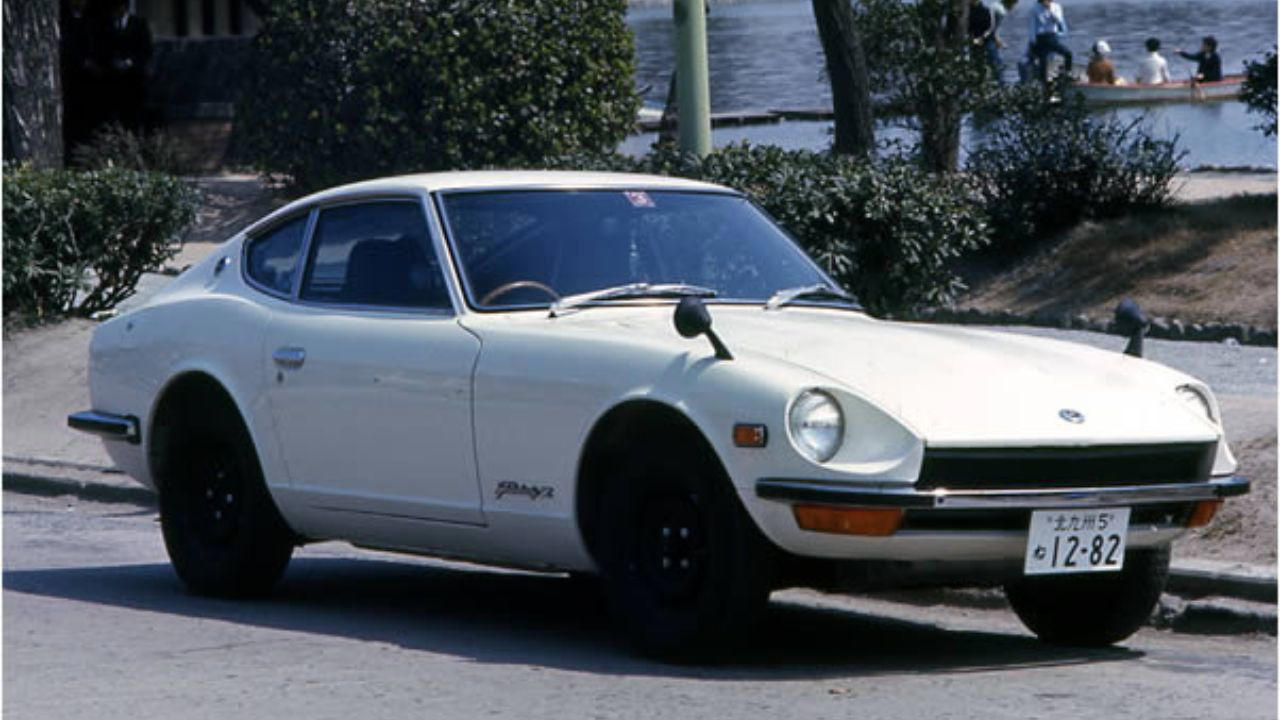



















At launch the 1969 Nissan Fairlady Z changed how people saw affordable sports carsThe 1969 Nissan Fairlady Z entered a sports car market that largely assumed performance and style were the preserve of expensive European badges. With its sleek fastback body, straight-six engine and price that undercut established rivals, it proved an enthusiast car could be attainable and usable every day. In doing so, it reset expectations for what an affordable sports car could be and helped redefine how drivers viewed Japanese performance brands. A sports car world ready for disruption By the late 1960s, the default image of a sports car in many Western markets was a small British roadster or a premium European coupe. Two-seat convertibles from MG and Triumph delivered charm but demanded compromise, especially in poor weather or daily traffic. As one retrospective on early Z cars notes, sports machines were widely seen as impractical for everyday use, particularly in winter and because of theft risks, which made them feel like toys rather than serious transport for most buyers. That perception created an opening for a different kind of performance car, one that could be driven to work all week and still feel special on a Sunday back road. Japanese manufacturers had not yet been trusted as innovators in this space. Before the Fairlady Z arrived at the end of the 1960s, Japanese brands were, imitating European shapes without matching the engineering or emotion. Enthusiasts looked to Italy, Germany and Britain for excitement, while cars from Japan were associated with practical, reliable but unremarkable sedans. The stage was set for a car that could overturn those assumptions in one bold stroke. The Fairlady Z formula: performance without the price tag Nissan’s answer was the Fairlady Z, sold as the Datsun 240Z in key export markets. It paired a clean, long-hood profile with mechanical hardware that would not have looked out of place on a far more expensive machine. The car was powered by a 2.4-liter inline-six engine, and that straight-six layout immediately signaled serious intent. According to one detailed guide to Z models, the Fairlady Z was Powered by a that delivered the sort of smooth, flexible power drivers associated with much more expensive European counterparts. Underneath, the engineering matched the promise of that engine. The S30 generation Fairlady Z featured four-wheel independent suspension, a specification that aligned it with premium European sports cars rather than budget coupes. Contemporary buyers were effectively getting the chassis sophistication and engine character of a high-end import at a fraction of the cost, which made the car feel like a bargain even before stepping on the throttle. That balance of ingredients was no accident. Nissan’s engineers and product planners studied European sports cars closely, then sought to blend their best traits with Japanese manufacturing efficiency. One history of Z models notes that the first Fairlady Z shattered preconceptions about. The result was a package that looked exotic in the showroom but still felt accessible to a middle-class buyer. From British roadsters to enclosed coupes The Fairlady Z also helped shift what drivers meant when they said “sports car.” For years, the archetype had been the open British roadster, a car that traded weather protection and luggage space for wind-in-the-hair charm. According to one enthusiast analysis, Nissan was able, broadening that idea to include two-seater enclosed coupes. This shift mattered in practical terms. The Fairlady Z’s fastback body gave owners a real roof, a usable hatch and enough refinement to make highway trips comfortable. At the same time, the long hood, short deck and low seating position preserved the drama that enthusiasts wanted. Instead of choosing between a leaky soft top and a dull sedan, drivers could have a coupe that felt every bit as special as traditional sports cars yet worked in all seasons. The enclosed layout also reduced some of the theft and weather concerns that had made earlier sports cars feel like seasonal toys, a point reinforced in period commentary about how sports cars had. This new template resonated especially strongly in North America, where long commutes and varied climates made enclosed cars more appealing. The Fairlady Z showed that a sports car did not need a folding roof to be authentic, a lesson that would shape generations of coupes from Japan, Europe and the United States. Everyday usability as a selling point Beyond its body style, the Z’s usability set it apart from many contemporaries. Owners could start it on a cold morning, sit in supportive seats, and enjoy a cabin that felt more modern than the spartan interiors of some British rivals. The hatchback layout swallowed luggage or groceries, which made the car viable as a primary vehicle rather than a weekend indulgence. Period accounts stress how radical that felt at the time. One video history of the model notes that earlier sports cars were not practical for everyday use, especially in winter and due to theft risks, which made them seem like toys. In contrast, the Fairlady Z was engineered to be driven hard and driven often. A separate look at the origins of the Z line emphasizes that sports cars were, and frames the Z as a deliberate response to those limitations. Reliability also played a role. While the sources here focus more on design and sales figures than on breakdown statistics, period reputation and later retrospectives both point to Nissan’s emphasis on durability. That contrasted with some European models that demanded frequent maintenance, reinforcing the idea that a fast car from Japan could be both exciting and dependable. Sales success that rewrote the record books The market response to the Fairlady Z was immediate and emphatic. In the United States, where the car wore Datsun badges, its combination of style and value turned it into a phenomenon. One detailed history records that US sales reached a year, a figure that would be impressive for a family sedan and was extraordinary for a sports car. Globally, the first-generation Z line became a cornerstone of Nissan’s export strategy. Company material on the history of the model notes that the first-generation Z sold more than 520,000 units in its nine-year run, and that Nissan says this set a record for sports car sales within a single model line. Another corporate retrospective confirms that the car, Launched in 1969,, setting a record for sports car sales. That commercial success had consequences for the wider industry. The same analysis that documents the 70,000 annual US sales argues that Such success ultimately contributed to the decline of traditional rivals, including MG, Triumph and the sports car line of Fiat. Buyers who might once have chosen a British or Italian two-seater instead flocked to a Japanese coupe that offered similar thrills with fewer compromises. The Fairlady Z did not just join the sports car market, it reshaped it. Changing perceptions of Japanese performance Perhaps the most enduring impact of the 1969 Fairlady Z was how it changed the way drivers viewed Japanese manufacturers. Before the Fairlady Z came around, Japanese brands were often seen as imitators rather than innovators, a perception captured in commentary that describes how Fairlady Z came. The Z’s styling and performance challenged that stereotype directly. Analysts of the model’s legacy point out that the car shattered preconceptions about by showing that a Japanese company could build a sports car that did not just mimic European lines but matched or exceeded their performance while costing less. The Fairlady Z’s engineering, from its four-wheel independent suspension to its overhead camshaft straight-six, aligned it with the best from Europe, while its pricing and reliability reflected Japanese strengths. Inside Nissan, the car’s success solidified the Z badge as a performance sub-brand. Company material on the S30 platform describes it as the first car in Nissan’s Z series, and highlights how the S30’s styling, engineering, relatively low price and impressive performance made it a halo product. It pulled attention away from the company’s practical and reliable but prosaic sedans and trucks, helping to recast the brand as a builder of enthusiast machines as well as everyday transport. “Porsche performance at a fraction of the price” Enthusiast memory of the original Z often centers on its value proposition compared with European sports cars. A social media post from a classic car community describes how the 1969 Datsun 240Z changed the sports car world forever, calling it affordable, stylish and fast, and noting that it offered Porsche-like performance at. That comparison captures how buyers experienced the car: as a machine that could keep up with far more expensive European rivals on a twisty road while leaving money in the bank. The perception was not just about straight-line speed. The Z’s independent suspension and balanced weight distribution gave it handling that felt modern and confidence inspiring. Combined with its long-hood, short-deck proportions and low seating position, it delivered the kind of emotional appeal that justified the sports car label, even as its enclosed body and reliability made it easier to live with than many contemporaries. A template that still resonates The original Fairlady Z did more than create a successful model line. It established a template that later performance cars from Japan would follow. The idea of combining a relatively large-displacement engine, sophisticated suspension and sharp styling with a price that undercut European rivals can be seen in later Nissan Z generations, in Toyota’s Supra line and in various performance coupes from other Japanese brands. Corporate retrospectives on the Z lineage emphasize that the first-generation car’s sales record and cultural impact set the tone for every subsequent Z. Material from Nissan’s regional sites highlights how the Nissan Fairlady Z became an icon and a reference point for later models. Each new generation has been judged against the 1969 original’s blend of performance, style and affordability. The car’s influence also extends beyond Nissan. The shift from open British roadsters to enclosed coupes that the Fairlady Z helped accelerate is now taken for granted. Modern sports cars from Europe, America and Japan are more likely to be fixed-roof coupes or hardtop convertibles than traditional soft-top roadsters, a reflection of the priorities the Z helped mainstream: year-round usability, structural stiffness and aerodynamic efficiency. More from Fast Lane Only Unboxing the WWII Jeep in a Crate 15 rare Chevys collectors are quietly buying 10 underrated V8s still worth hunting down Police notice this before you even roll window down The post At launch the 1969 Nissan Fairlady Z changed how people saw affordable sports cars appeared first on FAST LANE ONLY.