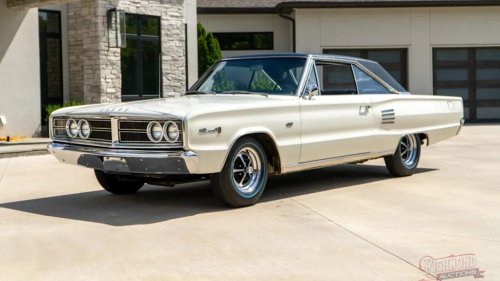
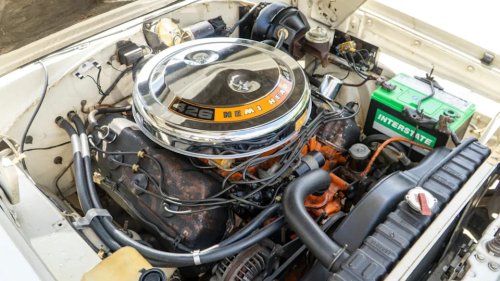
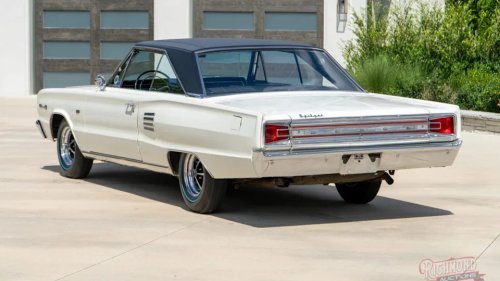
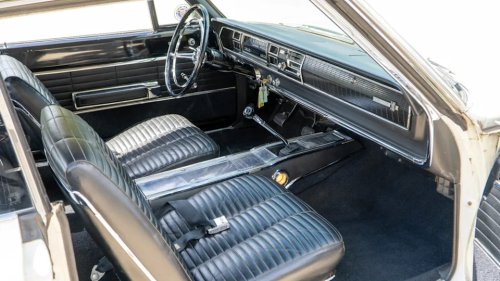
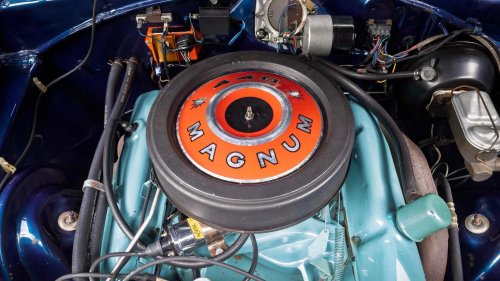
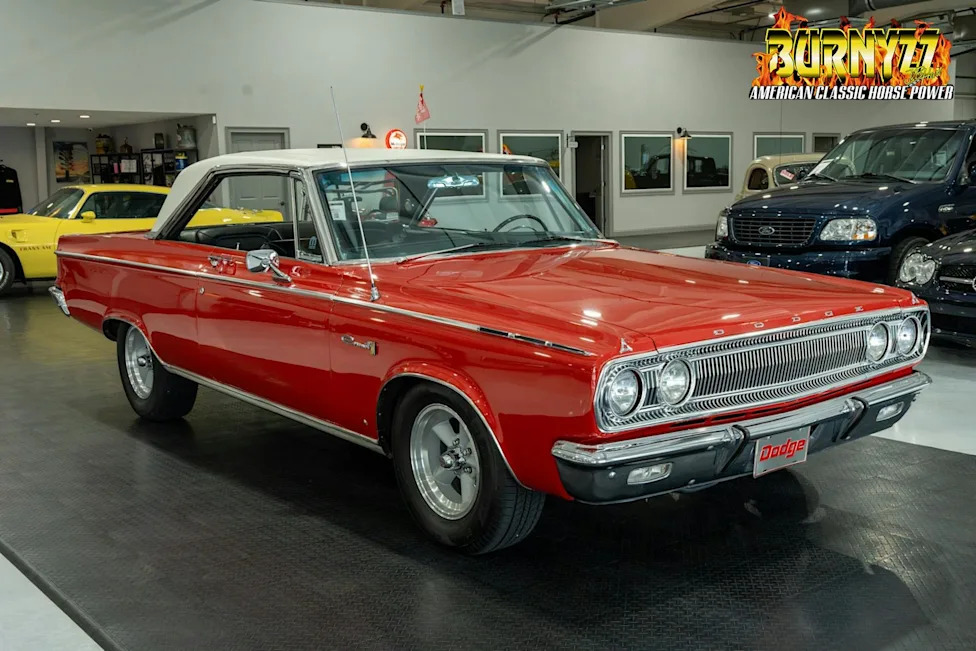
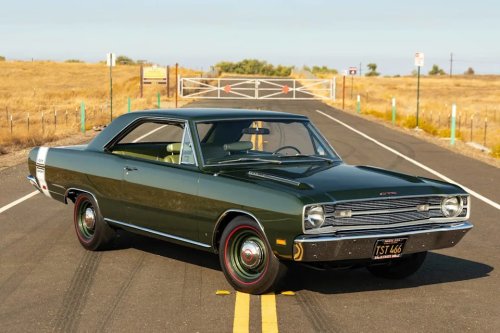
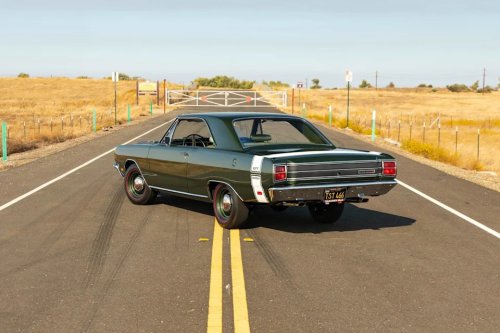
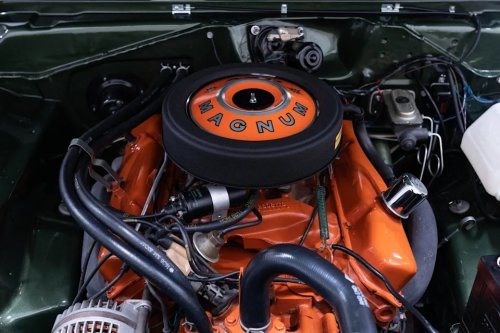
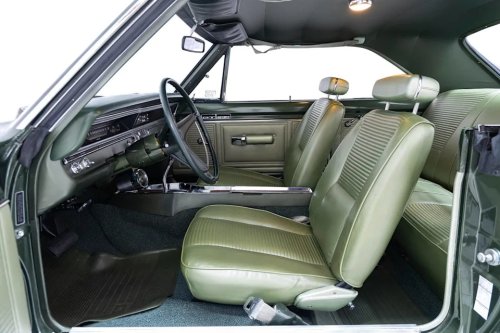
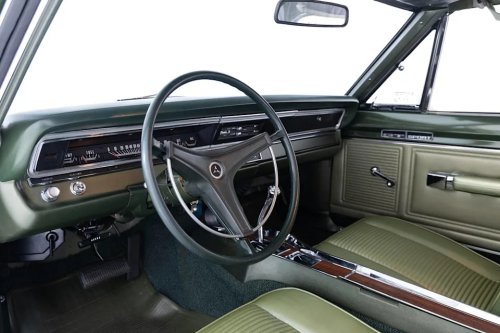
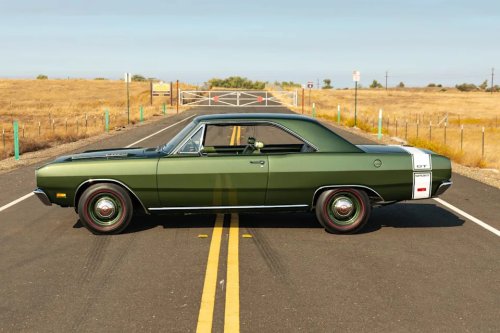
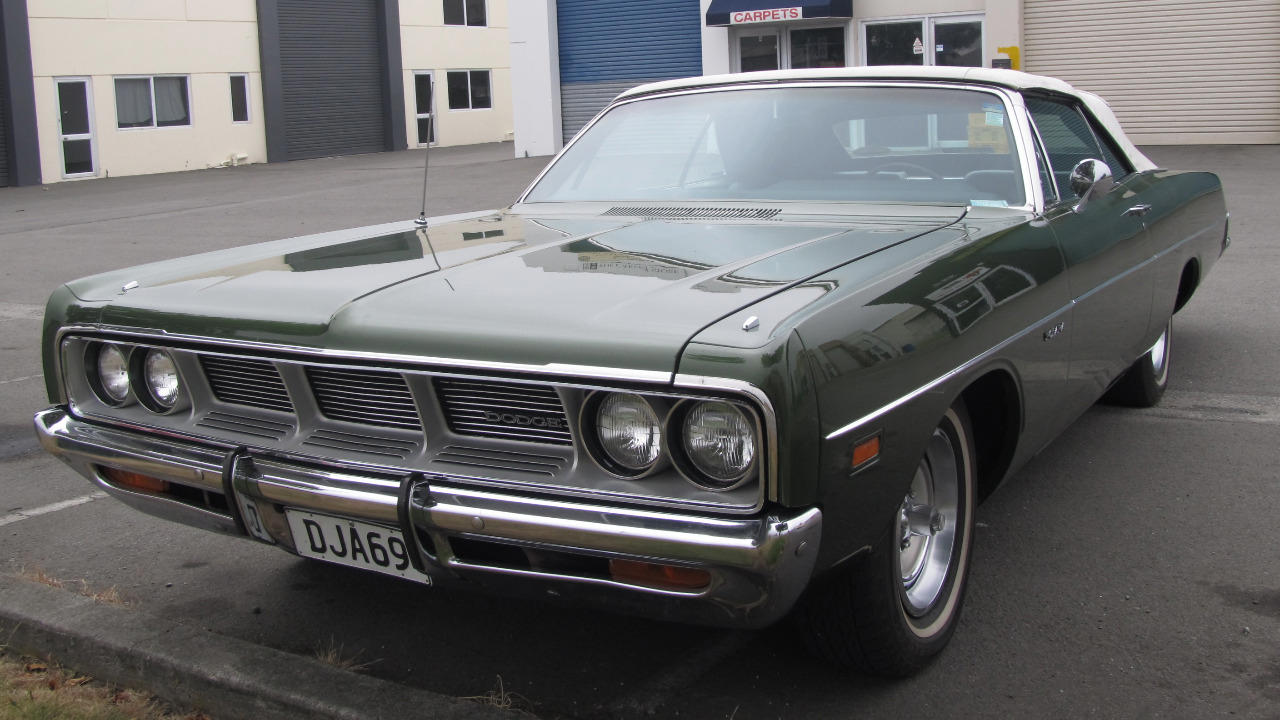
When the 1969 Dodge Polara blended muscle and sizeThe 1969 Dodge Polara arrived when American buyers sought both power and full-size comfort, delivering these traits in a single imposing package. With its new body, big-block power, and reputation in uniform, the Polara showed how muscle could coexist with family-car practicality and fleet duty. More than half a century later, enthusiasts still point to this model year as the moment when Dodge’s full-size line briefly stepped into the spotlight usually reserved for smaller, lighter performance cars. The new fuselage shape for a big performer For 1969, Dodge gave the Polara a complete redesign that introduced the brand’s so-called fuselage styling, a look that wrapped the glass and sheet metal into a smoother, more unified shape and replaced the sharper creases of the previous year with broad, flowing surfaces and a pronounced “C” pillar. Contemporary descriptions of the 1969 body emphasize how the new design made the already large car appear even more substantial on the road. This styling direction fit the era’s appetite for presence, yet the Polara’s proportions also hinted at speed, with a long hood, a relatively short deck, and a low stance that visually tied it to the muscle machines in Dodge showrooms. Inside, the full-size cabin reinforced the idea that performance no longer required sacrifice in space or comfort. Period materials highlight the Polara’s spacious seating, wide dashboard, and focus on quiet cruising, positioning it as a family sedan or highway cruiser while its powertrain also placed it in muscle territory. From boulevard car to pursuit legend The transformation from big family Dodge to law-enforcement legend came through the police package that turned the Polara into a favored pursuit car for the California Highway Patrol. Surviving factory literature for the Dodge Division highlights how the California Highway Patrol evaluated and then adopted the Polara as a high-speed tool for interstate work. One enthusiast reconstruction of that material notes that the 1969 Dodge CHP Polara was engineered specifically for sustained high-speed operation, with heavy-duty cooling, upgraded suspension, and brakes tailored to pursuit use rather than everyday driving. Photographs circulated by the CHP show rows of white CHP units lined up before entering service, each one visually similar to a civilian Polara yet mechanically tuned for a very different life. Enthusiast accounts of the car’s testing record describe how the 1969 CHP Polara set a top-speed benchmark on the Chrysler track in Chelsea, Michigan, a figure that, according to those reports, stood for years and fed the car’s reputation as the fastest police production vehicle of its era. 440 power in a very large shell The heart of the legend lay under the hood. In pursuit form, the 1969 Polara carried a 440 cubic inch V8 that combined big displacement with specific tuning for law enforcement. A widely shared description of the CHP Muscle version notes that this Polara was equipped with a 440 Cubic Inch V8 that pumped out 375 Horsepower, a figure that placed it squarely in the muscle-car conversation despite its size. Another detailed summary of the Dodge Polara Police Package describes equipment that included a 350 Horse 440 7.2 liter engine, indicating that multiple 440 specifications were available to agencies depending on their needs and budgets, with output tailored for either peak performance or durability in fleet service. Enthusiasts note that with a 440 Magnum, it was difficult to outrun, as former officers recall the car accelerating quickly even with a full load of gear and occupants. In a period when many performance cars were mid-size coupes, the idea of a full-size sedan that could match their acceleration while carrying radios, light bars, and cages gave the Polara a unique status among both law enforcement and civilians. Production numbers, weight, and the reality of size The California Highway Patrol did not adopt the Polara in token numbers. One enthusiast reconstruction of fleet records states that California Highway Patrol purchased 1564 Polara Pursuits equipped with A/C and the 375hp and 480ft lb 10.1:1 E86 Code 440 Mag engines, reflecting a substantial commitment to the model. That same summary notes a tested top speed of 149.6 mph, a figure that, if taken at face value, explains why the car remained a reference point in police-vehicle discussions for decades. Another enthusiast group shares images of 1969 Polaras waiting to be fitted with the Police gear and notes that these 69’s had the top option 440 Magnums and were legendary among law enforcement, reinforcing how the combination of power and size shaped officer memories. Video documentation measures the weight of a 1969 Dodge Polara used by the CHP, with hosts placing a restored car on scales, showing that its performance came despite considerable mass. That heft brought benefits beyond straight-line speed. Owners and former officers often mention the car’s stability at high velocity and its ability to absorb rough pavement without drama, traits that mattered on long, fast stretches of highway where lighter muscle cars could feel nervous. Beyond the badge: civilian Polaras and lasting appeal The 1969 Dodge Polara story did not belong only to patrol fleets. Civilian versions ranged from sedans to the Dodge Polara 500 Convertible, promoted in enthusiast circles as Classic American Elegance and Power and aimed at buyers who wanted open-air cruising with the same basic chassis and available big-block strength. Contemporary retrospectives describe the Dodge Polara as a bold full-size sedan that showcased Dodge’s commitment to power, comfort, and style during the late 1960s, framing it as an AmericanIcon of the MuscleCarEra and a RetroRide that combined practicality with presence. An enthusiast group notes the Dodge Polara as a full-size car combining spacious comfort with strong performance, presenting it as a stylish option for buyers seeking more than a basic fleet sedan. Later catalog-style guides echo that sentiment, describing Unveiling the 1969 Dodge Polara as a Blend of Muscle and Elegance and suggesting that the model set a precedent for future automotive advancements in how it merged performance cues with everyday usability. For collectors, the car’s dual identity is part of the appeal. Some seek out restored pursuit-spec cars, often described as the holy grail of cop cars and referred to as the Dodge Polara CHP, with sellers stressing that Only a few of these survived duty and that this was the fastest top speed police car from 1969 to the 2000’s, legendary among enthusiasts. Others gravitate toward civilian Polaras, valuing the same fuselage styling and big-block options without the roof lights and spot lamps, and enjoying a car that can carry a full family while still offering the soundtrack of a 440 under load. In both civilian and pursuit versions, the 1969 Polara represents a time when American manufacturers installed serious power into full-size cars, with agencies like the CHP applying that formula in real-world service. The result was a machine that blended muscle and size in a way few vehicles have matched since, leaving a legacy that stretches from vintage patrol photos to present-day cruise nights. More from Fast Lane Only Unboxing the WWII Jeep in a Crate 15 rare Chevys collectors are quietly buying 10 underrated V8s still worth hunting down Police notice this before you even roll window down

















 +9 others