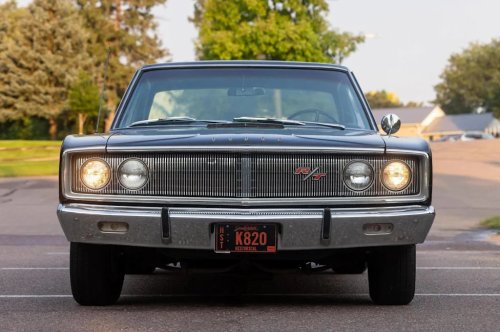
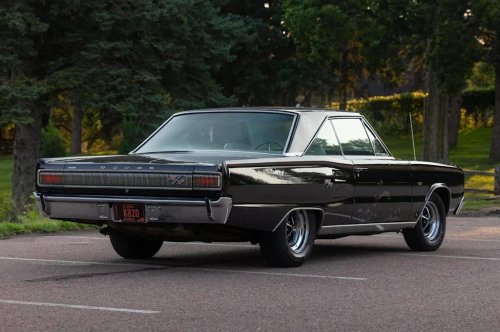
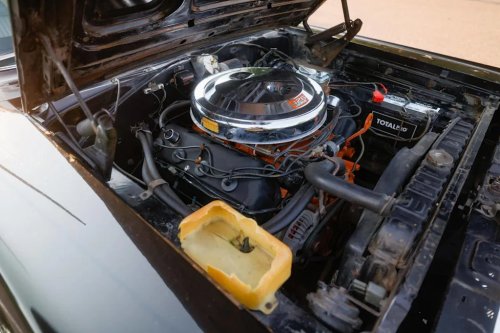
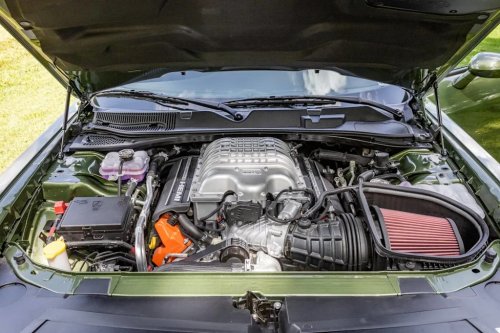
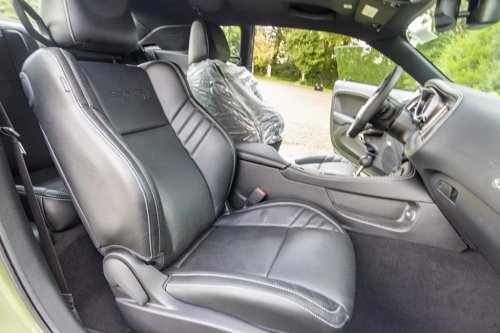
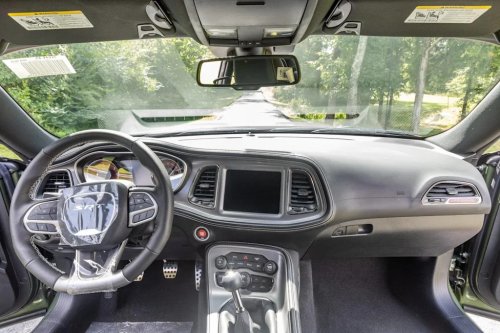
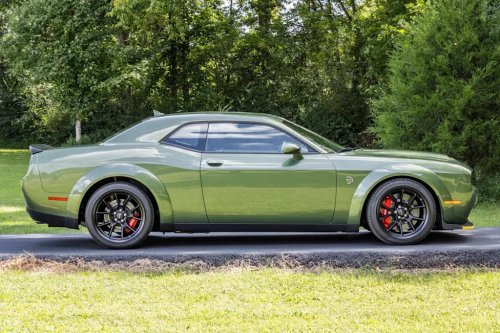
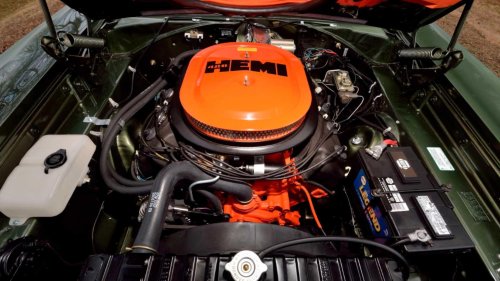
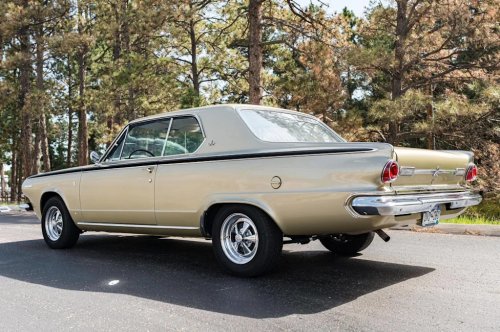
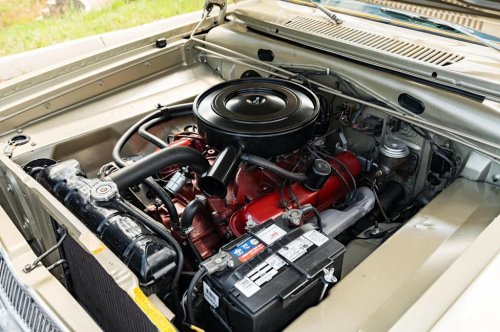
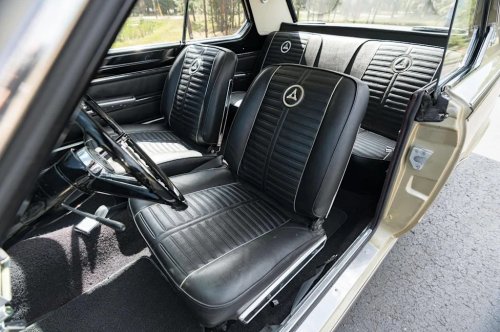
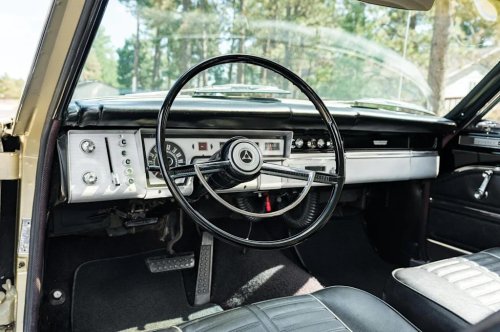
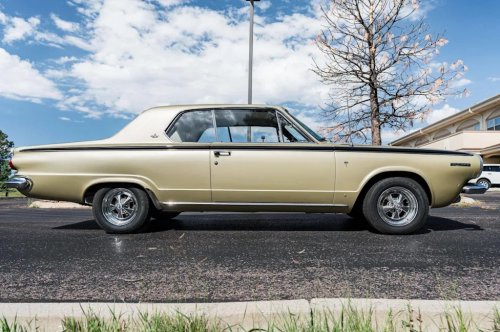
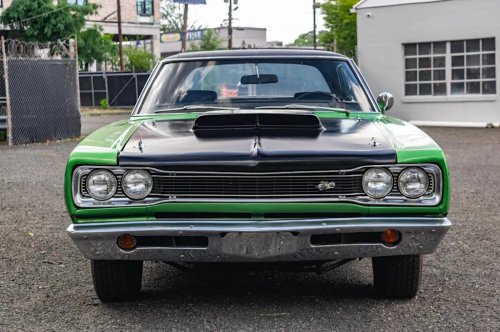
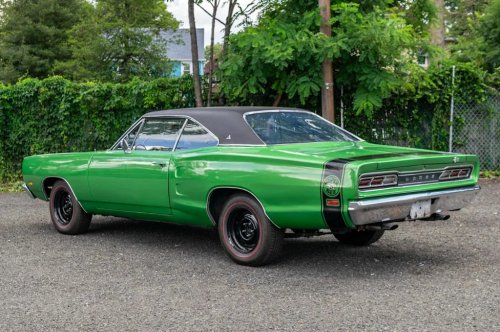
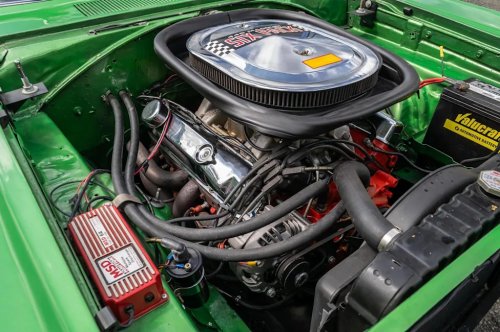
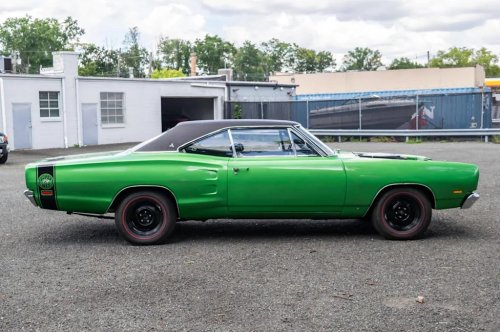
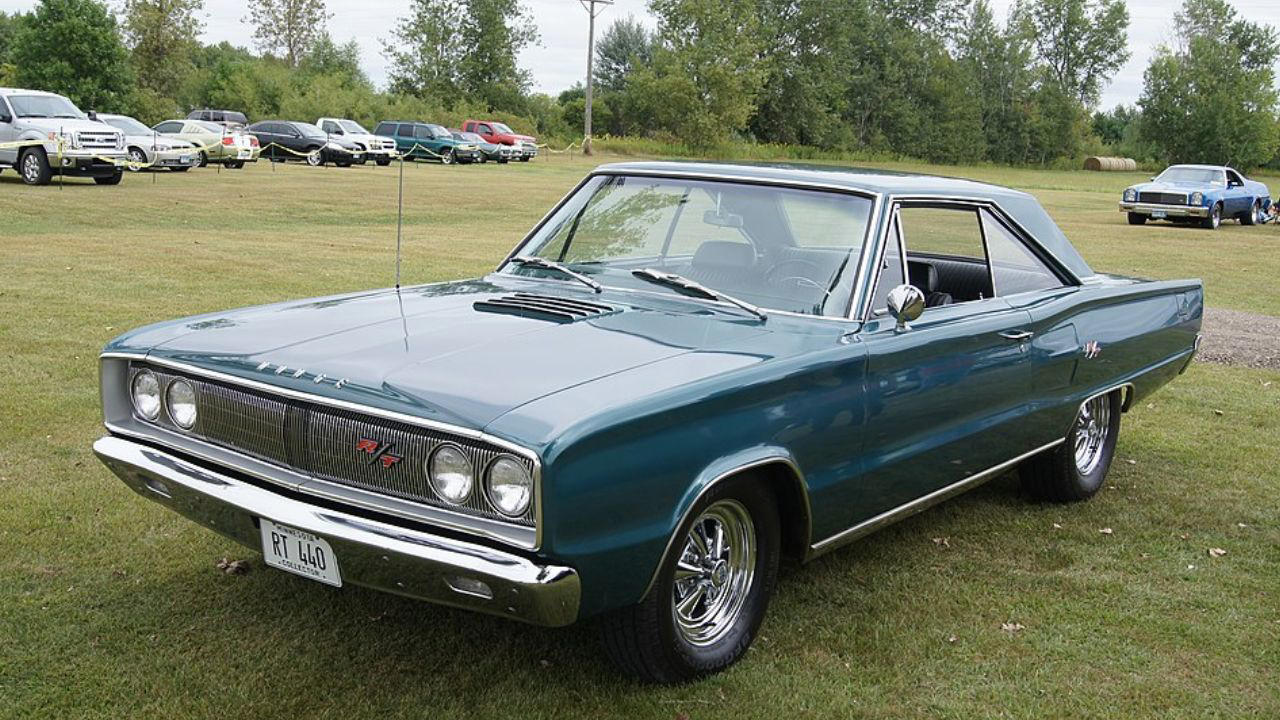
Forgotten by many, the 1967 Dodge Coronet R/T packed serious big-block muscleThe 1967 Dodge Coronet R/T remains a muscle car that often finds itself in the shadows of its more famous counterparts. Its powerful big-block engine and impressive performance specifications are deserving of recognition. Let’s take a closer look at the specifications, history, and cultural significance of this remarkable vehicle, which has earned a place in the hearts of muscle car enthusiasts. The Birth of the Dodge Coronet The Dodge Coronet was introduced in the mid-1950s as a full-size car, designed to compete with other American manufacturers. Initially, it was positioned as a family vehicle, but by the early 1960s, Dodge began to reshape its identity. The Coronet evolved through the decade, shifting towards a performance-oriented image, particularly with the introduction of the R/T (Road/Track) model in 1967. This shift marked a crucial moment in the American muscle car movement, as manufacturers sought to deliver higher performance vehicles that catered to a younger demographic eager for speed and style. The significance of the Coronet in Dodge’s lineup cannot be overstated. As one of the brand’s flagship models, the Coronet represented a blend of power, design, and affordability. While many enthusiasts gravitated toward the more iconic models like the Mustang and Camaro, the Coronet laid the groundwork for what would become a fierce competition in the muscle car market. By the time the R/T model was launched, Dodge had successfully positioned the Coronet as a serious contender in the muscle car segment. The 1967 Model Year: A Turning Point The 1967 model year marked a turning point for the Dodge Coronet, with significant design changes and updates making it stand out among its peers. The new Coronet R/T featured a more aggressive stance, with a longer hood and a shorter rear deck, embodying the classic muscle car proportions that enthusiasts crave. The introduction of the R/T trim package came with several performance enhancements, including upgraded suspension components and distinctive badging that set it apart from the standard models. This model year was also crucial in the context of muscle car competition. The R/T was Dodge’s response to the increasing popularity of high-performance vehicles, and it came equipped with features that appealed to serious drivers. The incorporation of a heavy-duty suspension, larger tires, and a more powerful engine didn’t just enhance the driving experience; it also showcased Dodge’s commitment to performance. The 1967 Coronet R/T quickly garnered attention for its performance capabilities, making it a formidable opponent on both the street and the drag strip. Big-Block Power: Engine Specifications At the heart of the 1967 Dodge Coronet R/T was its big-block engine, which was available in two powerful options: the 440 cubic-inch V8 and the legendary 426 Hemi. The 440 engine produced a robust 375 horsepower and a staggering 480 lb-ft of torque, delivering explosive acceleration that could leave many competitors in the dust. For those seeking the ultimate in performance, the Hemi version pushed the limits even further, generating 425 horsepower and ensuring that the Coronet R/T could hold its own against the best muscle cars of the day. Performance metrics for the Coronet R/T were impressive. With the right configuration, it could achieve a 0 to 60 mph time of just over six seconds, and the quarter-mile times were competitive with the best offerings of the time. Compared to competitors like the Chevrolet Chevelle SS and Ford Mustang GT, the Coronet R/T held its ground, often outperforming them in raw power and acceleration. The combination of big-block engines and a lightweight body made the Coronet R/T a true powerhouse of its era, exemplifying the muscle car spirit. Design and Aesthetics The exterior design of the 1967 Dodge Coronet R/T was a significant departure from its predecessors, emphasizing a bold and aggressive look. The front grille featured a distinctive split design, flanked by sleek headlights that gave the car an intimidating presence. The R/T designation was prominently displayed with a badge on the rear quarter panels, signaling its performance pedigree to anyone who saw it on the road. The overall design captured the essence of the muscle car era, with long lines and a stance that demanded attention. Performance and Handling The driving experience offered by the 1967 Coronet R/T was characterized by power and precision. The suspension system was enhanced to handle the big-block engines, featuring heavy-duty components that improved stability and cornering capabilities. The car was equipped with front disc brakes, a rarity at the time, providing enhanced stopping power that matched its acceleration capabilities. This combination of performance enhancements made the Coronet R/T not just a straight-line performer but also a well-rounded driving machine. Cultural Impact and Legacy The cultural significance of the 1967 Dodge Coronet R/T extends beyond its performance capabilities. It has appeared in various films and television shows, often representing American muscle, freedom, and raw automotive power. Its aggressive styling combined with a potent engine helped it stand out, capturing the imagination of enthusiasts and collectors. More than just specifications and performance figures, the car embodies a lifestyle centered on the open road and the thrill of driving. Despite its impact, the Coronet R/T is sometimes considered overlooked compared to other muscle cars of its era. For those interested in the broader muscle car history, resources such as TopSpeed and Google Books provide deeper insight into its role within American automotive culture. Rediscovering the 1967 Dodge Coronet R/T helps highlight its place in the muscle car legacy and its continued appeal among enthusiasts. More from Fast Lane OnlyUnboxing the WWII Jeep in a Crate15 rare Chevys collectors are quietly buying10 underrated V8s still worth hunting downPolice notice this before you even roll window down



















 +24 others