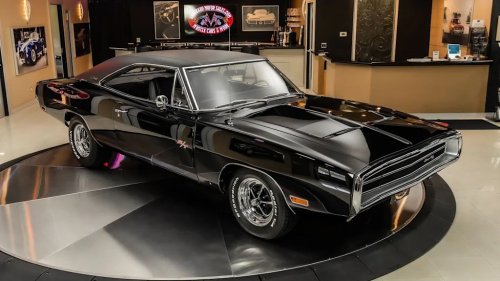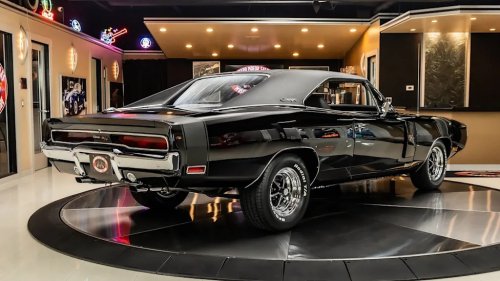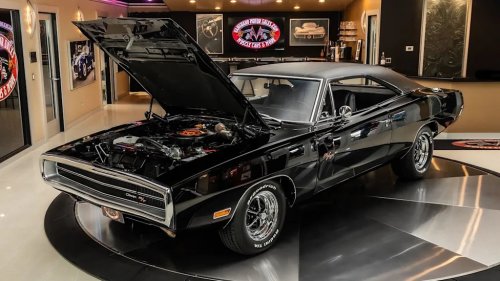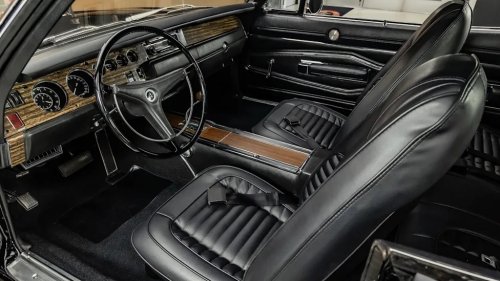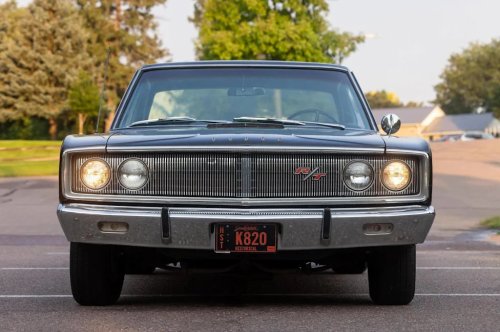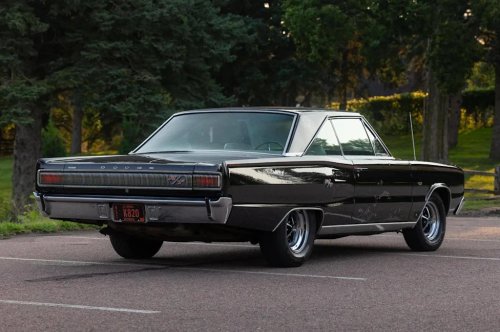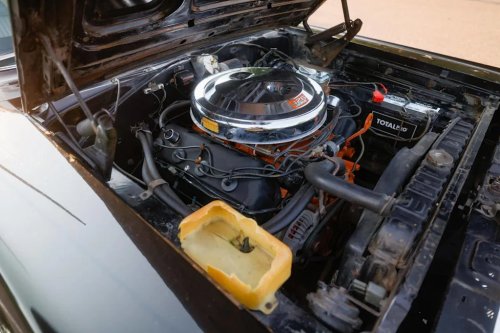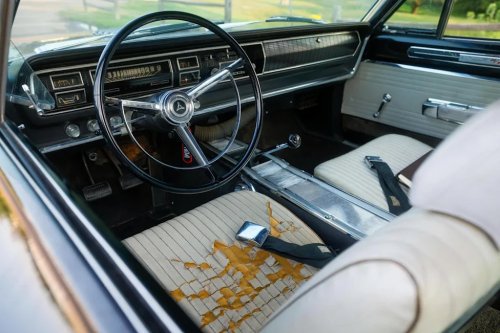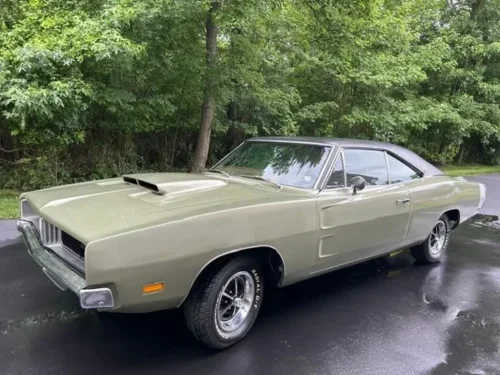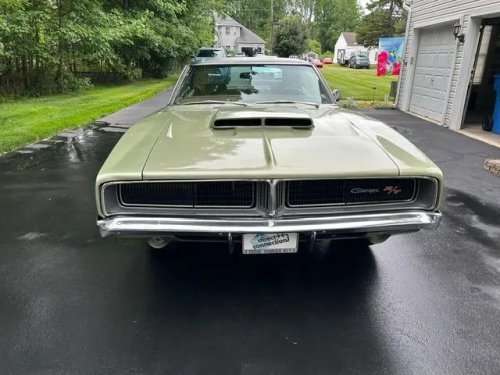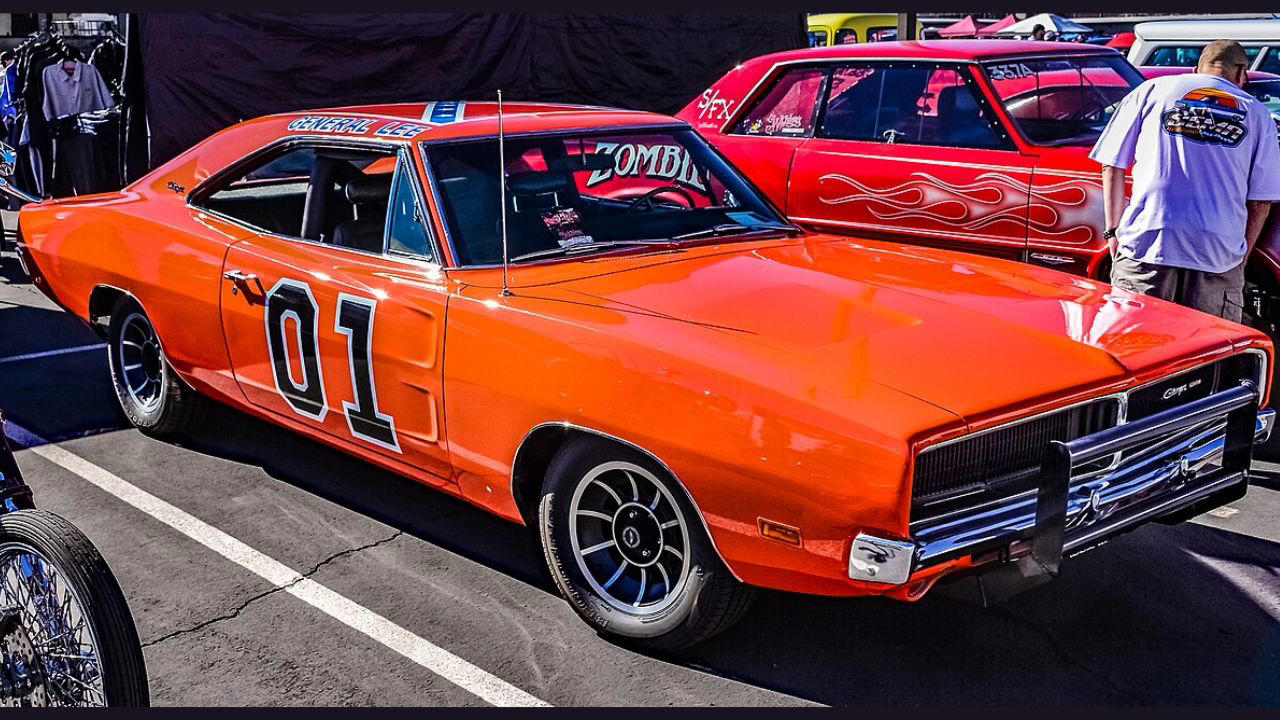






















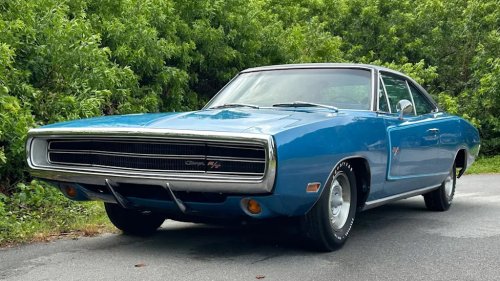

This 1969 Dodge Charger became famous before most people ever saw one on the roadThe 1969 Dodge Charger did not just roll into American driveways. It exploded into living rooms, airborne over dirt roads, painted bright orange and wearing a name that would become both beloved and bitterly debated. Long before most drivers ever saw a 1969 Charger at a stoplight, they knew it as the General Lee. That disconnect between the real car and its television alter ego shaped how a generation understood muscle cars, Southern identity and even stunt work. The story of how one mid-size Mopar became a pop icon, a merchandising machine and a lightning rod for controversy begins years before the first jump, with a design that was already built to stand out. The Charger arrives as a muscle car star Dodge did not stumble into the muscle car wars. The company positioned the Charger as a full-bodied answer to rivals, with aggressive styling and serious V8 power that quickly made it a favorite among enthusiasts who wanted a car that looked as fast as it felt. Period descriptions emphasize its long hood, wide stance and the sense that it was born to dominate American muscle cars, not just participate in the trend. By 1969, Dodge took the already bold Charger and sharpened it. Fans point to the split grille, the hidden headlights and the sculpted body sides as the details that turned a strong design into an unforgettable one. In enthusiast clips, narrators talk about how Dodge, in 1969, took the Charger and gave it attitude, with the Charger and its updated face becoming a dream car for viewers who first encountered it on screen rather than at a dealership. At the same time, Dodge engineers were pushing the platform into racing. The Daytona variant was created as a high performance version for NASCAR competition, with a pointed nose and towering rear wing that turned the already dramatic Charger into a wind-cheating missile. The Daytona model, often called simply the Daytona by fans, was built to dominate stock car tracks and soon earned its own legend parallel to the street car. Design that looked made for television Even without cameras, the 1969 Charger seemed staged for a close-up. A later summary from classic car fans describes the 1969 Dodge Charger as a true icon of America, a car that combined bold, aggressive lines with unmistakable presence. Enthusiasts highlight the long fastback roofline and Coke-bottle profile as reasons the car still turns heads in any parking lot. Collectors and restorers often point to the 1969 model year as the sweet spot for styling. A widely shared tribute to the car describes how the 1969 Dodge Charger is a true icon of the American road, with its muscular proportions and signature front end that make it instantly recognizable. That same post notes how the Daytona model, with its massive rear wing and pointed nose cone, became a legend of its own, especially among fans of NASCAR history. That visual drama translated perfectly on screen. The long hood gave stunt drivers room to land jumps without destroying the front clip instantly. The fastback roof and wide rear quarters made slides and drifts look theatrical, even at moderate speeds. When producers went looking for a car that could become a character in its own right, the 1969 Charger was already auditioning with its sheet metal. From showroom to soundstage: the birth of the General Lee The leap from muscle car to television myth happened with The Dukes of Hazzard, a show that would turn a single 1969 Charger into the General Lee and then replicate it hundreds of times. A short documentary on the car states that not one, not 10, but over 369 Chargers were sacrificed to create the on-screen legend, with a 440 m powered engine used to deliver the kind of stunts that defined the opening credits and weekly chases. In fan-focused videos, hosts describe the General Lee as a machine built on chaos wrapped in controversy, a car that was destroyed faster than crews could build replacements. One deep dive into the vehicle calls out how the General Lee hides tricks under its bright paint, from reinforced frames to modified suspensions that could survive repeated jumps. The same coverage underscores that the production treated the Chargers as expendable tools, which is part of why surviving cars now feel so rare and valuable. Behind the scenes, the first versions of the General Lee came from local used car lots and private sellers. According to detailed accounts, LEE 1 was a secondhand 1969 Dodge Charger that was repainted and reconfigured for the pilot episode. Later cars, including LEE 2 and LEE 3, were modified to match, with each one cataloged by fans who track every surviving shell and repaint. The General Lee documentation lists LEE 1 as the original screen car and explains how subsequent Chargers were numbered and adjusted to keep continuity on camera. A TV star before a neighborhood sighting For many viewers, the first encounter with a 1969 Charger happened in front of a television, not at a racetrack or local cruise night. The General Lee Dodge Charger, made famous by the TV show The Dukes of Hazzard, became an iconic symbol of American muscle cars and Southern car culture. A popular social media reel notes how this 1969 Charger captivated audiences with its bright orange paint, roof flag and signature horn, turning a regional stunt car into a global pop culture symbol. That sequence mattered. Children who grew up watching The Dukes of Hazzard knew every curve of the Charger long before they were old enough to drive. Many had never seen a real one parked on their street. The car existed first as a character that could fly over creeks, slide around courthouse squares and somehow emerge from each crash ready for the next chase. One enthusiast video frames the 1969 Dodge Charger as the car that made The Dukes of Hazard, with the host introducing the main actor from the Dukes of Hazard and asking him to back the car out for the crowd. The clip emphasizes how the Charger remains the star of the show decades later, with fans more eager to see the orange coupe than the human cast. That same footage, shared as Dukes of Hazard, captures the way the General Lee still commands attention wherever it appears. How many Chargers paid the price The price of that fame was measured in sheet metal and frame rails. A short-form feature on the car states clearly that over 369 Chargers were sacrificed to make the General Lee a legend. The figure, 369, has become a rallying point in debates among collectors who lament how many genuine 1968 and 1969 Chargers were destroyed in the pursuit of ever bigger stunts. Those cars were not all identical. Some were built for jumps, with extra bracing and stripped interiors to reduce weight. Others served as close-up heroes, with cleaner paint and more accurate detailing. A few were dedicated to interior shots, with cameras mounted inside to capture the actors. The 440 m powered versions delivered the roar that fans associate with the show, even when sound editors mixed audio from multiple sources. Enthusiast breakdowns of the 1969 Charger RT, including one video that promises 13 shocking secrets even hardcore fans may not know, often start by asking viewers whether they think they know the Charger RT inside and out. The host nods toward those who have watched every General Lee episode and then proceeds to explain how the production modified the cars, how many different engines appeared and how the RT package compared with the base models that also ended up in the fleet. General Lee as cultural shorthand By the time the show ended its original run, the General Lee had become one of the most recognizable cars in American pop culture. A fan group post describes the 1969 General Lee Dodge Charger as one of the most iconic cars in American pop culture, made famous by the TV show The Dukes. The same community celebrates the car as a symbol of carefree driving, rural backroads and a particular vision of Southern rebellion. Another tribute from a performance parts brand refers to the 1969 Dodge Charger as one of the most legendary muscle cars of all time, bold, aggressive and unmistakable. That post notes how the 1969 general lee era Charger gets a lot of love, and rightly so, but also encourages readers to appreciate other versions of the Dodge Charger that share the same basic DNA. The hashtag mix around that post, which includes references to GeneralLee, AmericanMuscle, CarCulture and VintageCars, shows how the car straddles multiple enthusiast communities at once. Social media creators continue to revisit the General Lee Dodge Charger as a case study in how a single vehicle can define a show. A reel from Big Block Garage calls the General Lee Dodge Charger, made famous by The Dukes of Hazzard, an iconic symbol of American muscle cars and Sout heritage. That short clip, shared through General Lee Dodge fan channels, highlights how the car still draws millions of views long after the original episodes left prime time. Movie fame and the broader Charger myth The 1969 Charger did not rely solely on one television series. A detailed history from a Dodge Charger community explains that the 1969 Dodge Charger gained major TV and Movie Fame, which helped cement it as a beloved icon in automotive culture. That same overview connects the Charger to a string of appearances on both big and small screens, where its silhouette and sound reinforced its reputation as a troublemaking hero car. Another longform post on the Dodge Charger family page traces the model from its original concept through its evolution into a muscle car legend. The author notes how the Charger was initially offered with a range of engines and quickly became a powerhouse on the road, with its aggressive styling and powerful engines winning over enthusiasts who wanted something more dramatic than a typical sedan. The piece, shared under the title Dodge Charger, reads like a love letter to the car and credits its screen appearances with turning that affection into global recognition. Video creators echo that sentiment. One clip titled as a story of the 1969 Dodge Charger opens with the line, The 1969 Dodge Charger. Where do I even begin, before the host explains that the car has been a dream since childhood. That video, posted by a fan who finally acquired a Charger and documented the restoration, underlines how many people first saw the car on television and then spent decades trying to track down a real one. The footage, available as Dodge Charger and fan content, shows a restored car cruising modern streets while the narrator talks about childhood memories of the General Lee. More from Fast Lane Only Unboxing the WWII Jeep in a Crate 15 rare Chevys collectors are quietly buying 10 underrated V8s still worth hunting down Police notice this before you even roll window down The post This 1969 Dodge Charger became famous before most people ever saw one on the road appeared first on FAST LANE ONLY.