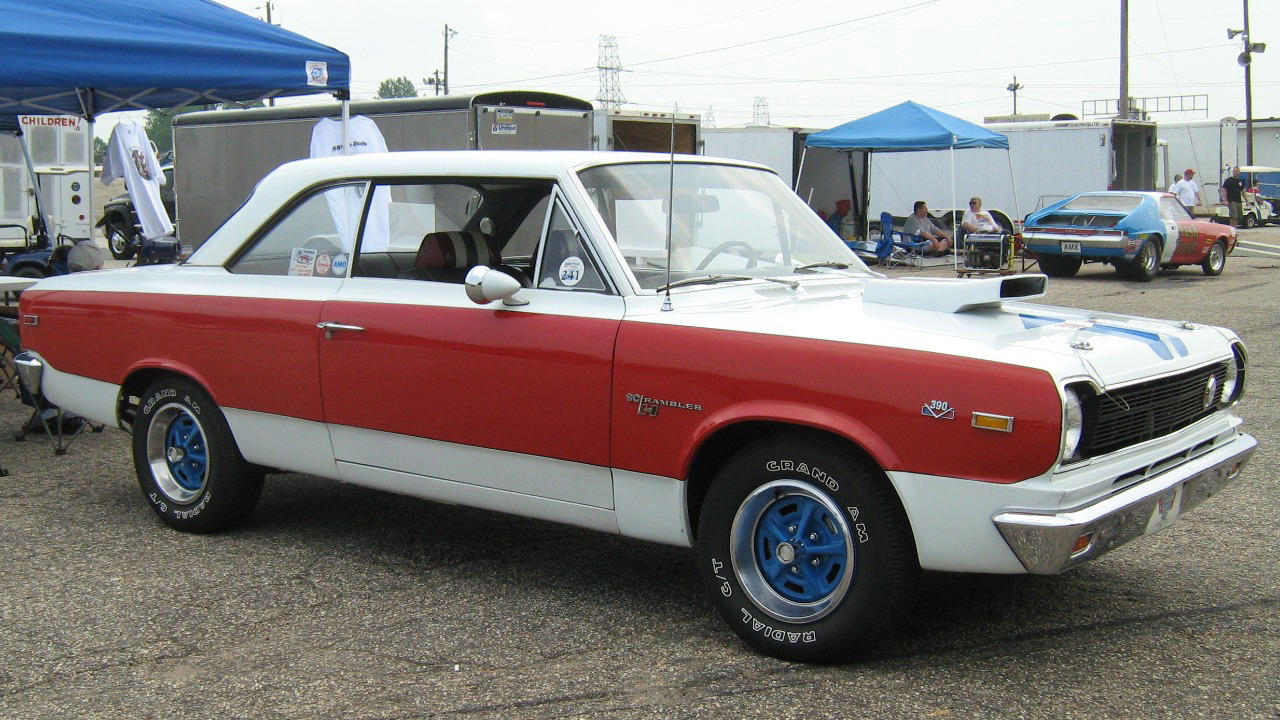
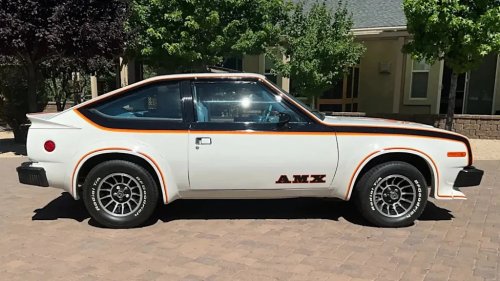
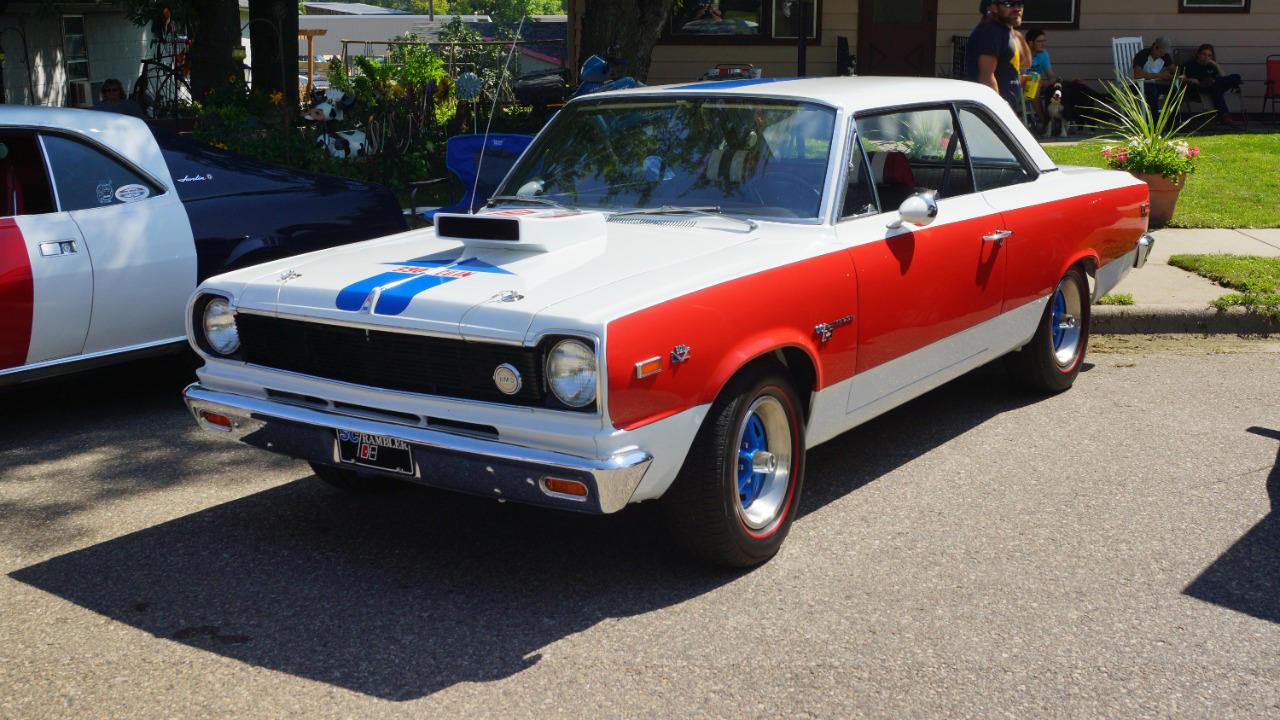
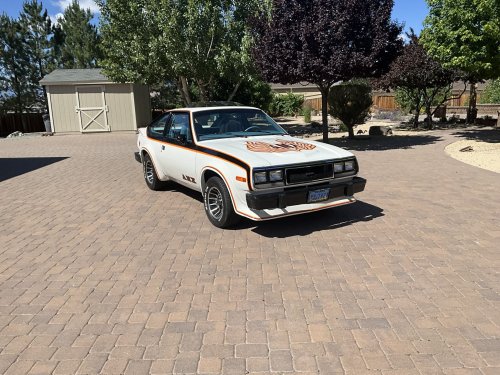
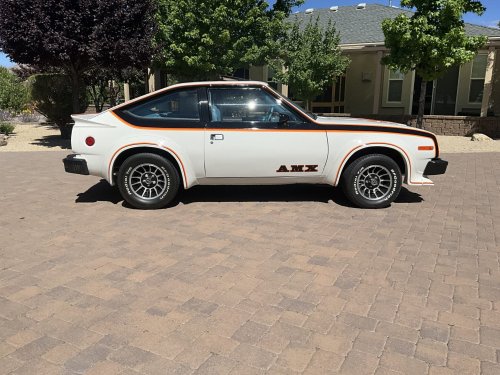
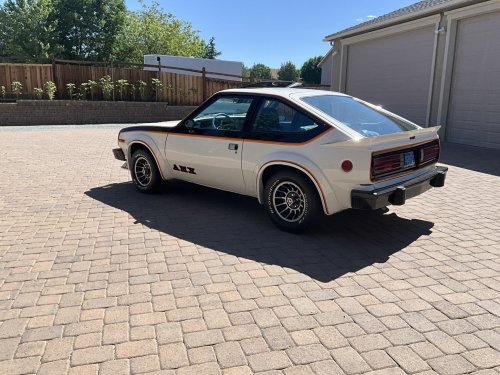
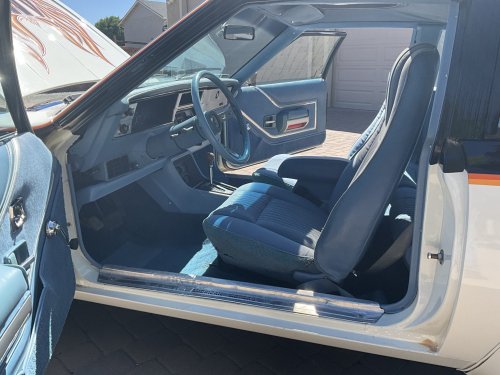
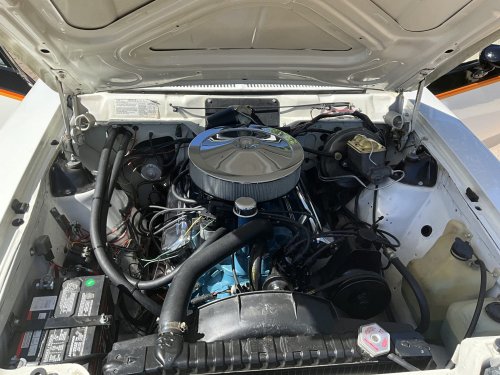
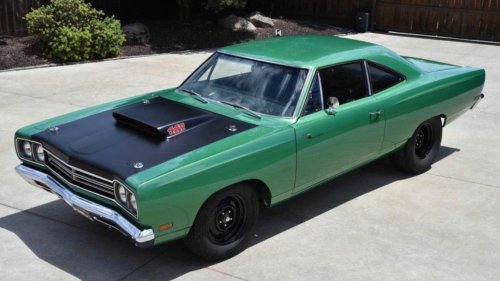
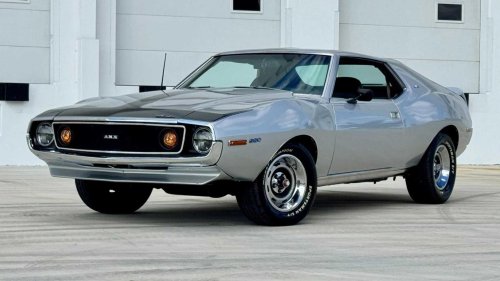
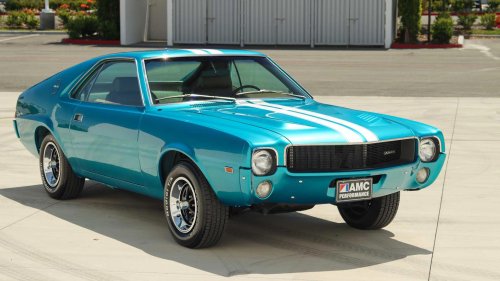
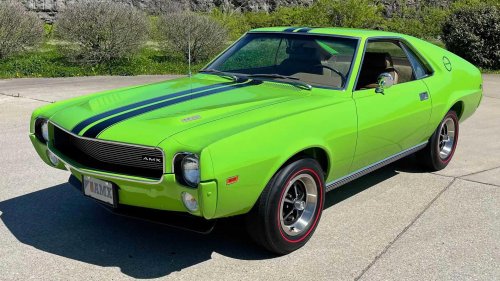
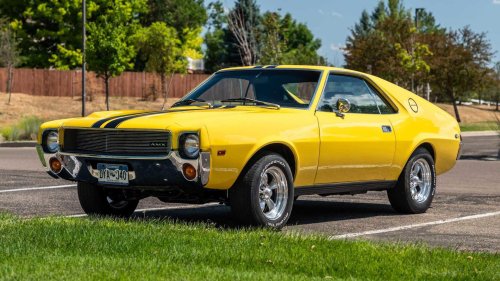
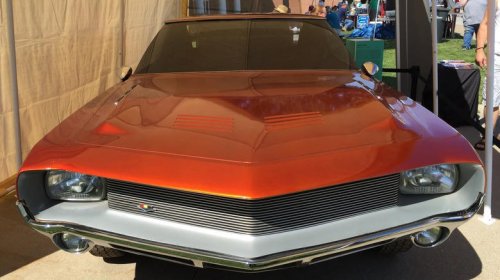
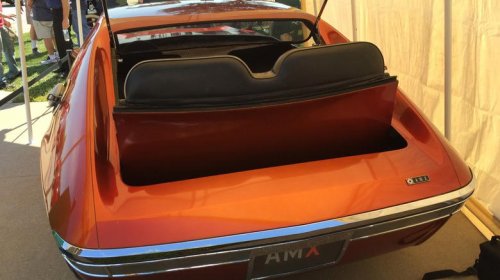
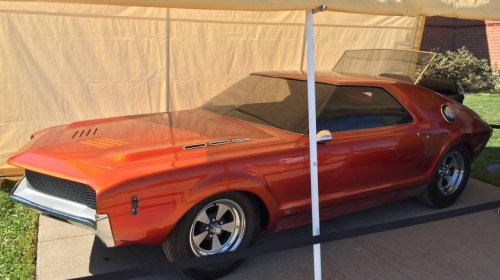
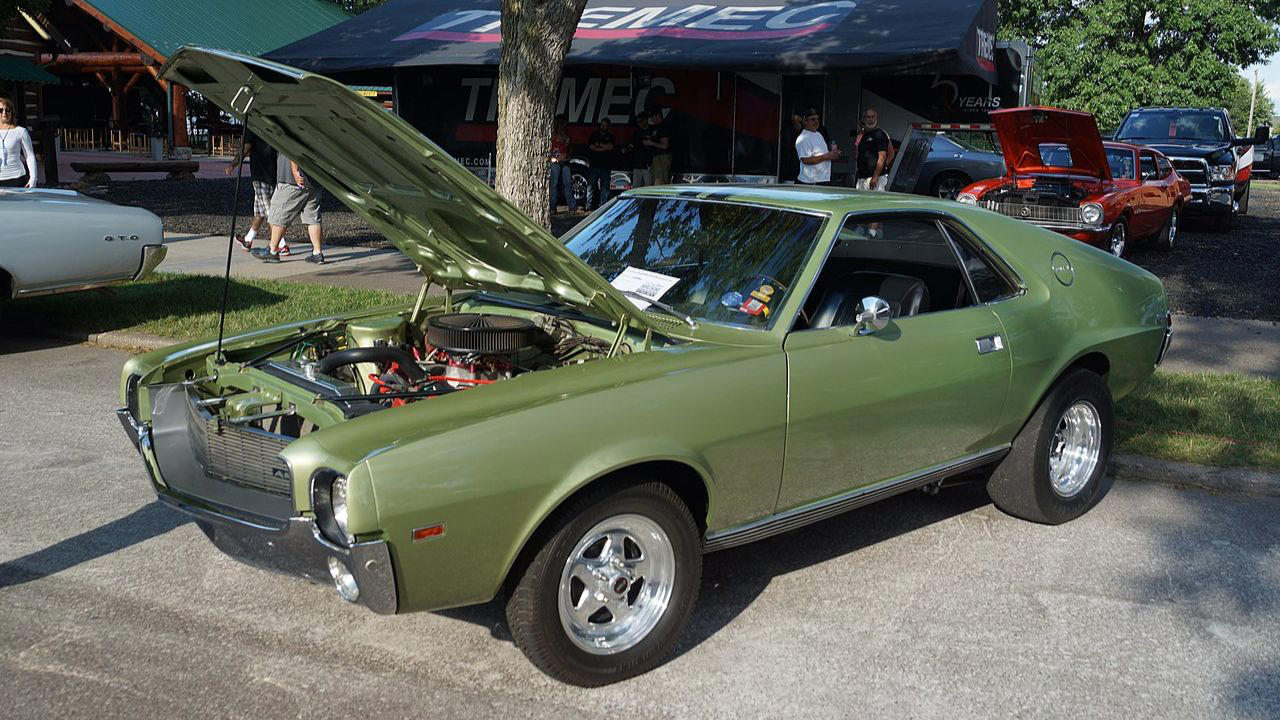
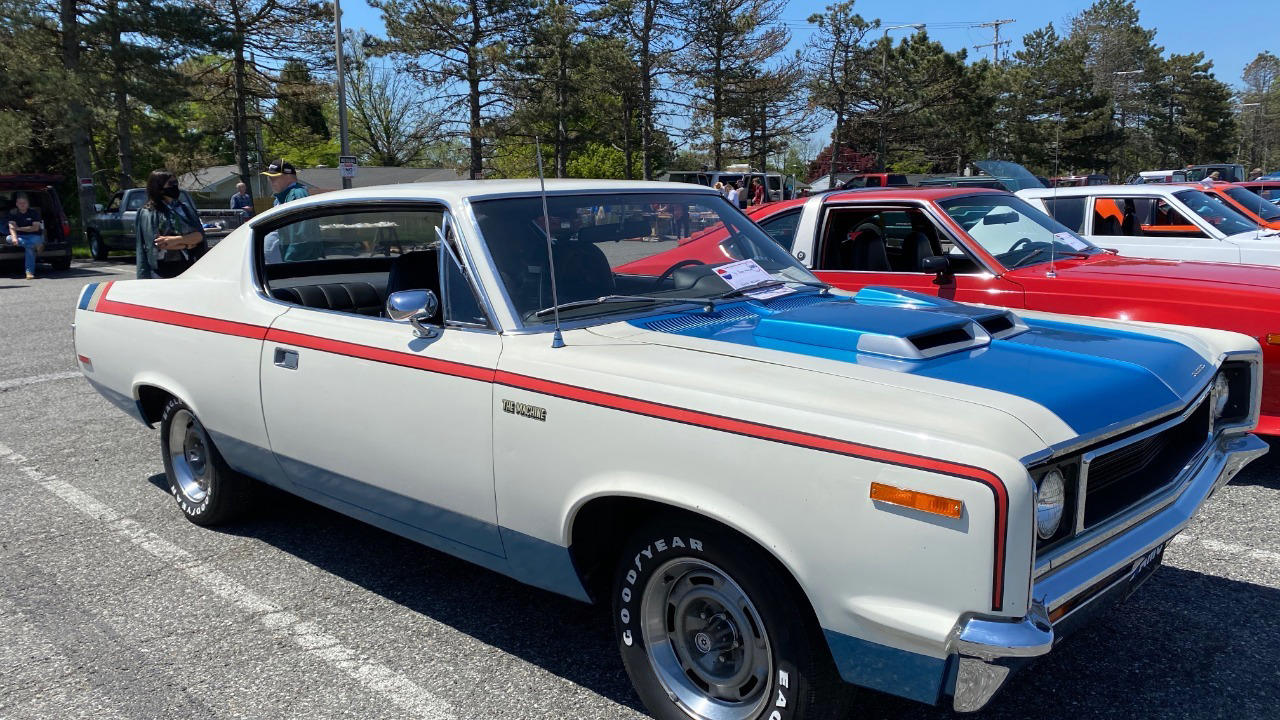
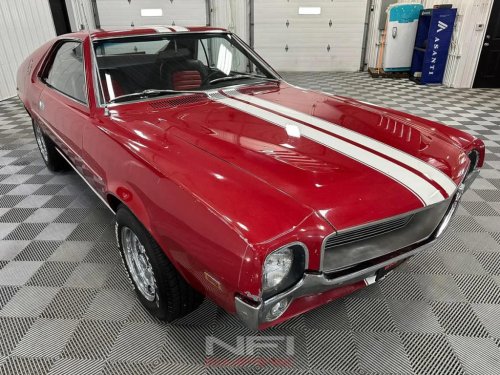
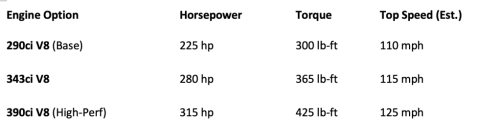
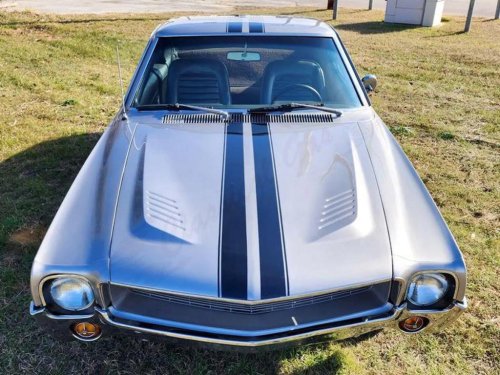
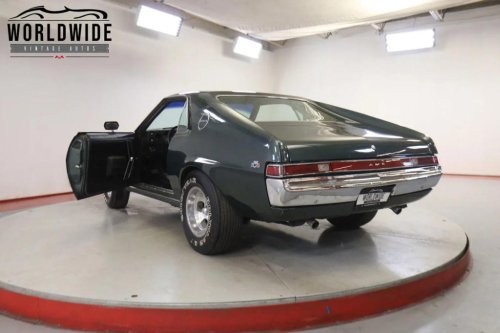
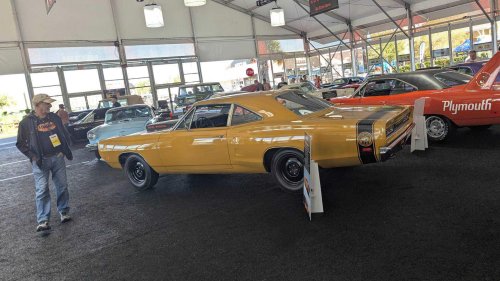
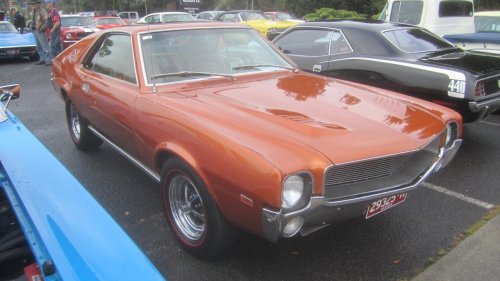
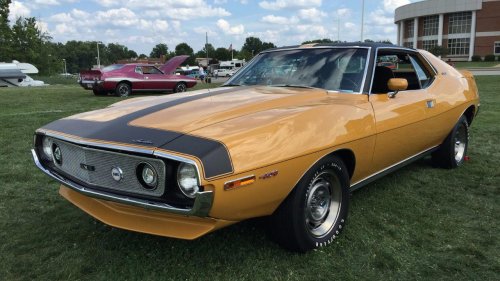
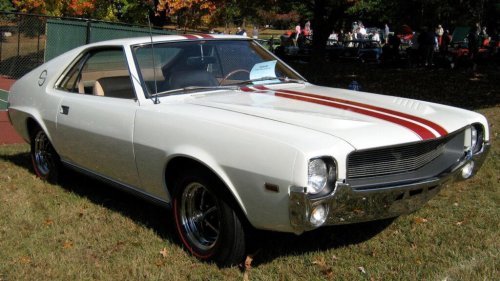
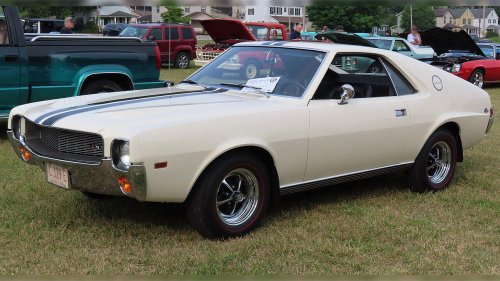
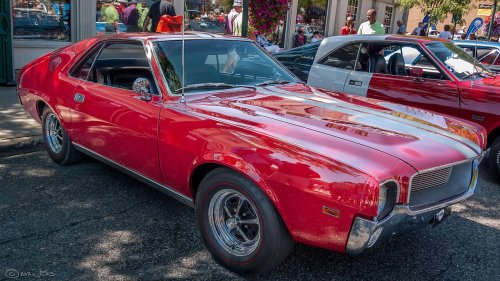
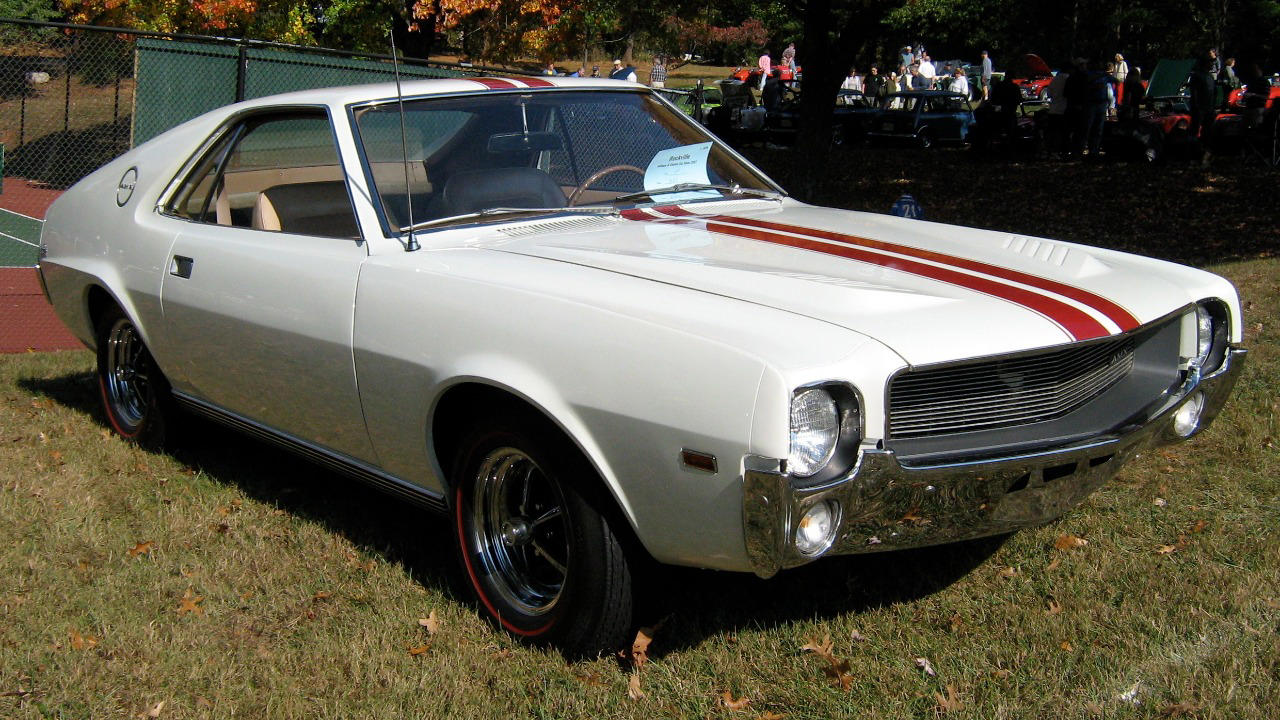
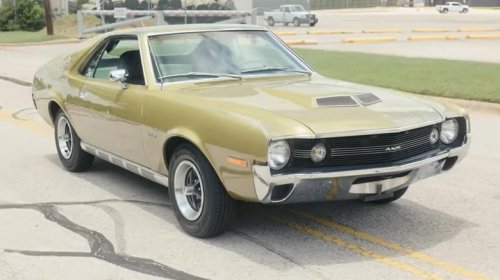
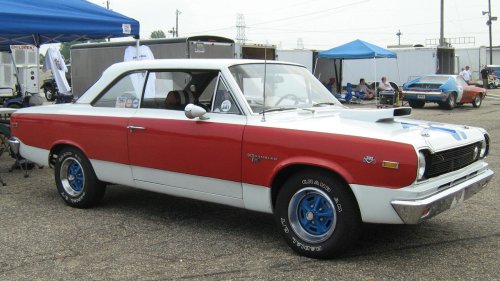
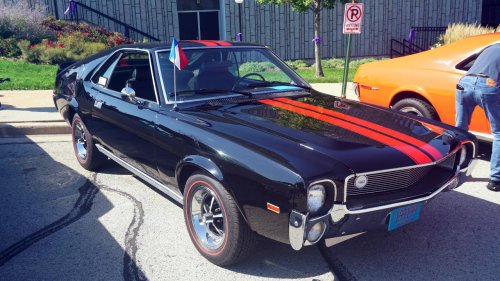
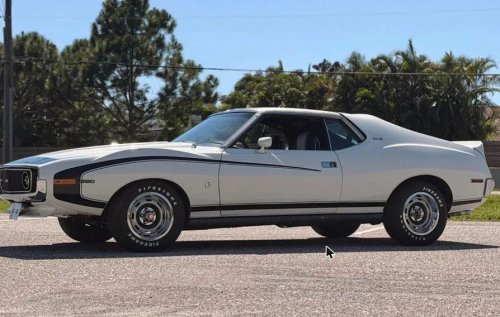
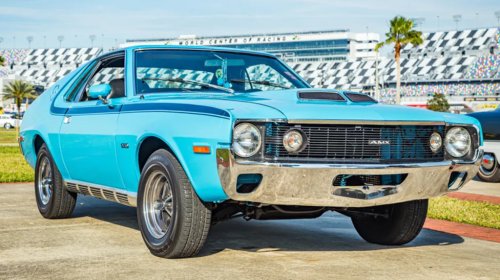
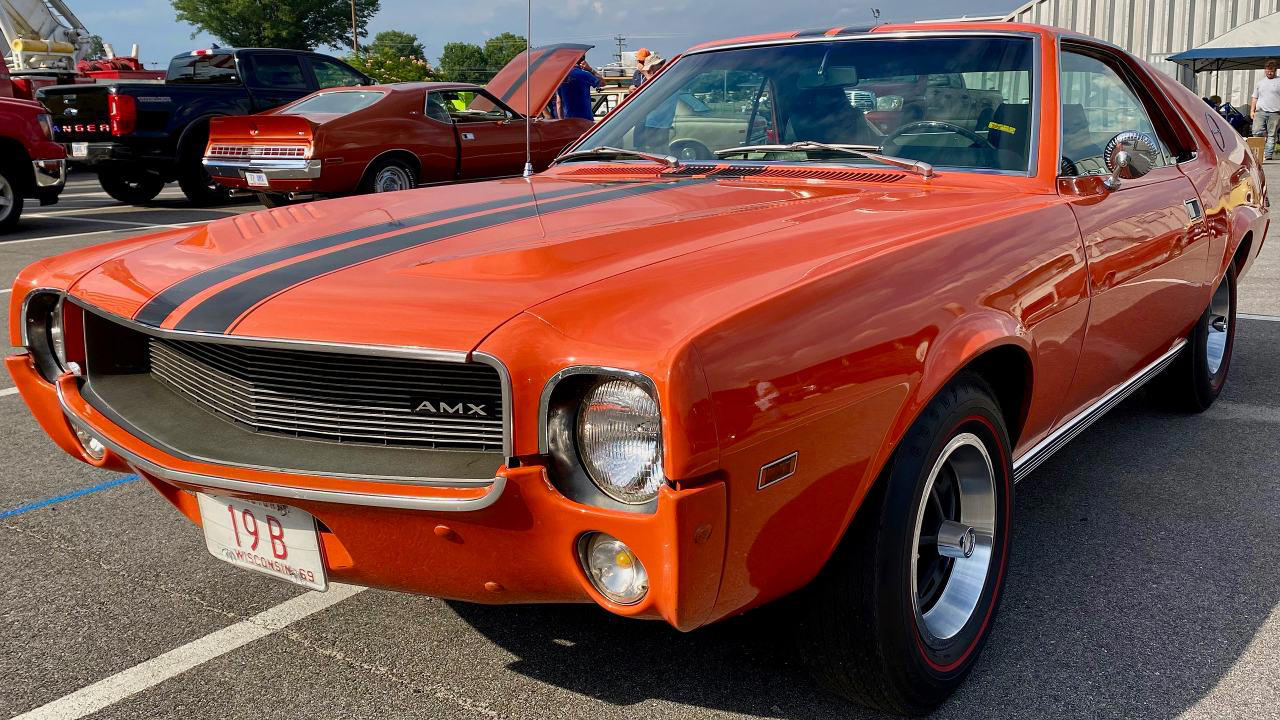
The 1969 AMC AMX didn’t follow trends it challenged themThe 1969 AMC AMX arrived in the middle of the muscle car wars and refused to play by the established rules. While rivals chased more seats, more chrome, and more size, American Motors built a short, steel-bodied two-seater with sports car intentions and big-cube V8 power. The result was a car that did not simply follow late sixties trends, but questioned what an American performance car could be. More than half a century later, the 1969 AMC AMX still feels like a contrarian choice. It is overshadowed by the Mustang, Camaro, and Charger in popular memory, yet its design, engineering, and racing story reveal a company from Kenosha willing to challenge Detroit’s giants on its own terms. The outsider in a crowded muscle car field By the late sixties, American enthusiasts were surrounded by nameplates that would become cultural shorthand for performance. Ford had the Mustang, Chevrolet had the Camaro, and Dodge had the Charger. Against that backdrop, American Motors and rarely show up in casual conversation, even among people who love muscle cars. Instead of simply cloning a rival pony car, American Motors created the AMC AMX as a two-seat GT-style muscle machine, something that sat between traditional American muscle and European-inspired sports cars. According to The AMC AMX, the car used a shortened version of the Javelin chassis and was marketed as a distinct model, not just a trim line. That decision alone signaled that AMC wanted the AMX to stand apart from the crowd. Contemporary coverage described the AMX as a rare American-built two-seat performance car with a steel body, something that set it apart from the fiberglass Chevrolet Corvette and the four-seat muscle coupes that filled dealer lots. Rather than trying to be everything to everyone, the AMX was aimed at drivers who valued a more focused package. Short wheelbase, long reach Size was one of the AMX’s defining traits. The car rode on a wheelbase shorter than the Javelin’s, which gave it a compact footprint and a distinctive stance. Reporting on the model’s history notes that the coupe had a short overall length compared with many contemporaries, a choice that helped the AMX feel more agile than full-size muscle cars that prioritized straight-line speed over cornering. Compact dimensions did not mean modest power. Enthusiast coverage points out that the AMX could be specified with serious V8 engines, including the 390 cubic inch unit that became closely associated with the car. A feature on a 1969 AMC AMX equipped with a 390 and a 4-speed manual describes it as “the only American-built 2-seat steel-bodied car of its time,” and highlights the “390/315 HP V-8, 4-Speed, Go Pack” combination as a key part of its appeal, with the figures “390” and “315” cited exactly for their significance in period marketing. Other period-focused pieces note that the AMX’s short wheelbase and wide track were intended to blend muscle car acceleration with handling more typical of a European GT. That dual personality is central to the car’s lasting reputation among enthusiasts who view it as a bridge between American muscle and sports car thinking. Engineering against the grain Because American Motors did not have the budget of the Detroit Big Three, the AMX had to make an impact through smart engineering rather than sheer variety. The car’s structure used the Javelin’s unibody as a starting point, then cut the wheelbase to create a tighter, two-seat shell. A later social media feature on the 1969 model describes how AMX utilized a while still accommodating a large-displacement V8, underscoring the company’s decision to prioritize performance within a compact footprint. Suspension tuning and weight distribution were also part of the story. Coverage that looks back on the AMX notes that the car’s layout, with its engine set relatively far back in the bay and its two-seat cabin, allowed engineers to chase more balanced handling than a typical intermediate muscle car. The aim was not to outgun every rival in a drag race, but to create a car that felt composed on a winding road. Inside, the AMX reflected American Motors’ pragmatic approach. Many surviving examples, including cars featured in period-inspired tests, lack power steering, power brakes, or extensive accessories. Reports on one 1969 example emphasize that there is “no power steering, no power brakes, and not much in the way of accessories,” and argue that this simplicity is part of the AMX’s charm. The car was built to be driven hard, not to showcase luxury gadgets. Affordability as a weapon While the AMX shared the performance ambitions of the Chevrolet Corvette, it came to market at a different price point. Several retrospectives describe the car as a way for younger buyers to access serious performance without paying Corvette money. One analysis of the model’s role in period car culture notes that American Motors targeted a younger car-buying public that wanted both speed and style, but could not justify the cost of a full-blown sports car. That positioning is echoed in a feature that frames the AMX as an affordable package combining American muscle and sports car handling. The piece describes how the car was offered for only a relatively short run and highlights that it was not just a two-seat Javelin, but a distinct entry that appealed to drivers who might otherwise have looked at more expensive imports. A later overview of the car’s legacy explains that this mix of performance and price helped make the AMX accessible to enthusiasts who might have found a Corvette out of reach. Another analysis of the model’s history and modern value notes that, in the late sixties, American enthusiasts were, with a long list of V8-powered options. Within that crowded field, the AMX’s relatively low cost for a two-seat performance car was a key part of its identity. It was not just another big-engine coupe; it was a calculated attempt to democratize the sports car idea. Racing, drag strips, and the Super Stock legend The AMX’s challenge to convention extended from the showroom to the drag strip. American Motors worked with Hurst to build a small run of Super Stock AMX models that were purpose-built for quarter-mile competition. These cars, often referred to as SS/AMX, were extensively modified for drag racing and have since become some of the most sought-after AMC machines. One detailed feature on an incredibly well preserved original 1969 Super Stock AMX describes a car with just 23 miles on the odometer and documents its status as a factory-built drag special. The report explains how these cars represented the extreme end of the AMX program, with American Motors and Hurst collaborating to create a machine that could take on established drag racing rivals. The Super Stock AMX story shows how seriously the company took competition, even with limited resources. Another piece follows the rediscovery of the last Hurst SS/AMX after it spent decades in a shipping container. In that account, the car is described as the 52nd and documented final example, identified by its 1969 AMC sequential ID tag. For enthusiasts, the survival of such cars is more than a curiosity; it is evidence that American Motors did not treat the AMX as a mere styling exercise. The company was willing to invest in halo projects that could raise the profile of the entire brand. Marketing flair, from Playmate AMX to youth appeal American Motors also used the AMX to experiment with bold marketing. One of the most famous examples is the Playmate AMX, a special car given to Playboy magazine’s 1968 Playmate of the Year. Documentation of Playmate AMX notes that the actual PMOY car featured air conditioning and leather seats, a combination that highlighted the AMX’s ability to mix performance with comfort and pop culture visibility. Beyond that one-off, American Motors pitched the AMX as a way to connect with younger buyers who might have seen the company as conservative. A retrospective that looks at the car’s impact on the younger car-buying public argues that the AMX, along with other new additions to the lineup, helped shift perceptions of the brand. The same analysis describes how the car’s mix of power, handling, and price made it an attractive option for drivers who wanted something different from the mainstream muscle offerings, and credits the AMX with helping American Motors reach a demographic that had previously gravitated toward the Big Three. Visual marketing leaned hard into the AMX’s two-seat layout and performance image. Period advertisements and later enthusiast discussions highlight the car’s low roofline, long hood, and short deck, all of which reinforced its sports car aspirations. The message was clear: this was not a family car with performance trim, but a dedicated driver’s car. Forgotten in the shadow of giants Despite its distinctive character, the AMX did not achieve the same lasting mainstream recognition as its rivals. Enthusiast commentary often points out that everyone remembers the Mustang, Camaro, and Charger, while the AMX is rarely mentioned in casual lists of classic muscle icons. A social media post linked to the AMX’s history captures this sentiment by contrasting the car’s relative obscurity with its genuine performance credentials. Several analyses of the car’s legacy argue that American Motors’ smaller dealer network and marketing budget limited the AMX’s exposure. The car was built for only a short period, and the company itself eventually disappeared through mergers and corporate reshuffling. By contrast, Ford, Chevrolet, and Dodge kept their muscle nameplates alive or revived them in later decades, which helped cement their cultural status. A video history of the AMC AMX notes that nothing like it had ever come out of Kenosha before, and nothing quite like it would come out again. That uniqueness, while appealing to enthusiasts, also meant that the car did not fit neatly into the categories that collectors and casual fans use when they think about the muscle era. The AMX was not a pony car, not a traditional sports car, and not a full-size muscle sedan. It was its own thing, which made it harder to brand in a simple way. Driving character and modern appreciation Modern test drives of preserved 1969 AMX examples help explain why the car has earned a devoted following. Reports on a well kept car describe strong acceleration, with zero to 60 mph achieved in a brisk time for the era, and emphasize the raw, mechanical feel of the controls. Drivers have to work the unassisted steering and brakes, which creates a direct connection between car and road that many modern vehicles filter out. Another feature that revisits a 1969 AMX notes that the lack of accessories and driver aids is part of its charm. The cabin is simple, with clear gauges and straightforward switchgear, and the focus remains on the engine, gearbox, and chassis. That simplicity, combined with the short wheelbase and torquey V8, gives the AMX a personality that stands apart from more heavily optioned muscle cars of the same era. More from Fast Lane Only Unboxing the WWII Jeep in a Crate 15 rare Chevys collectors are quietly buying 10 underrated V8s still worth hunting down Police notice this before you even roll window down



















 +43 others