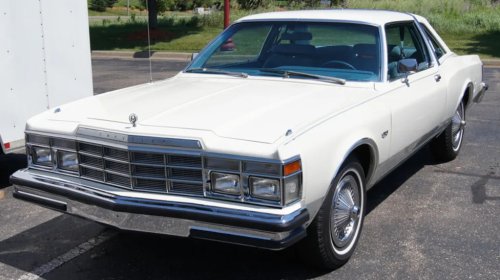
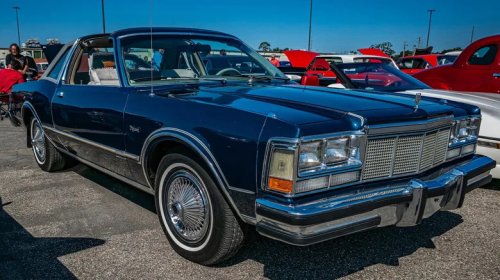
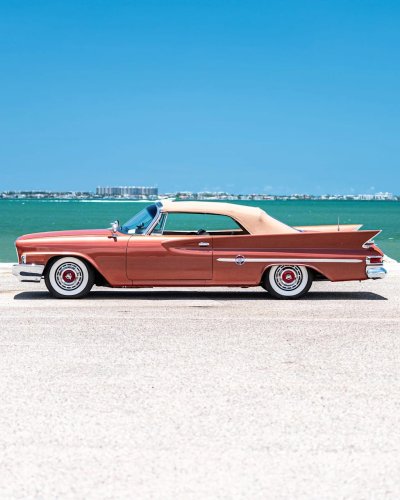
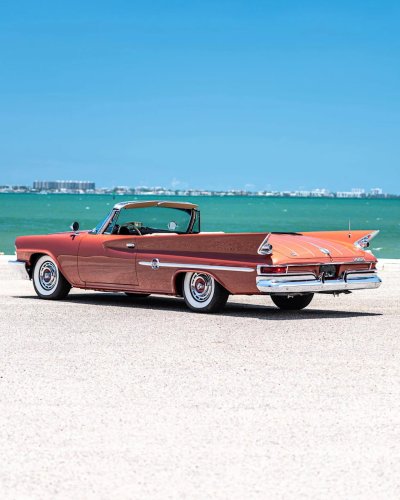
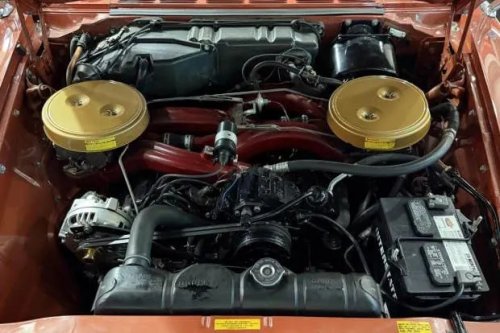
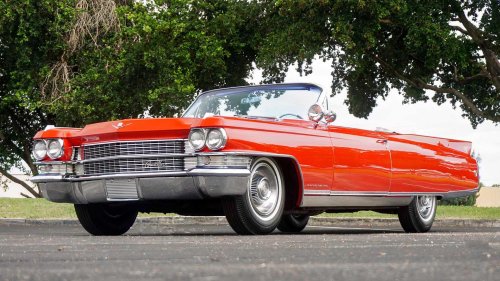
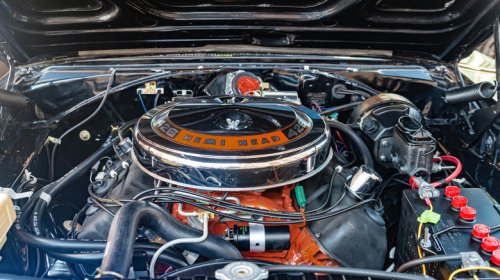
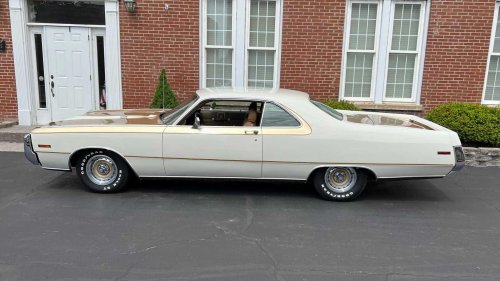
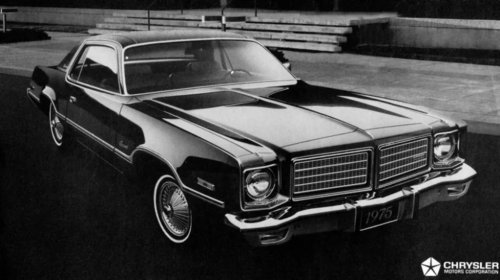
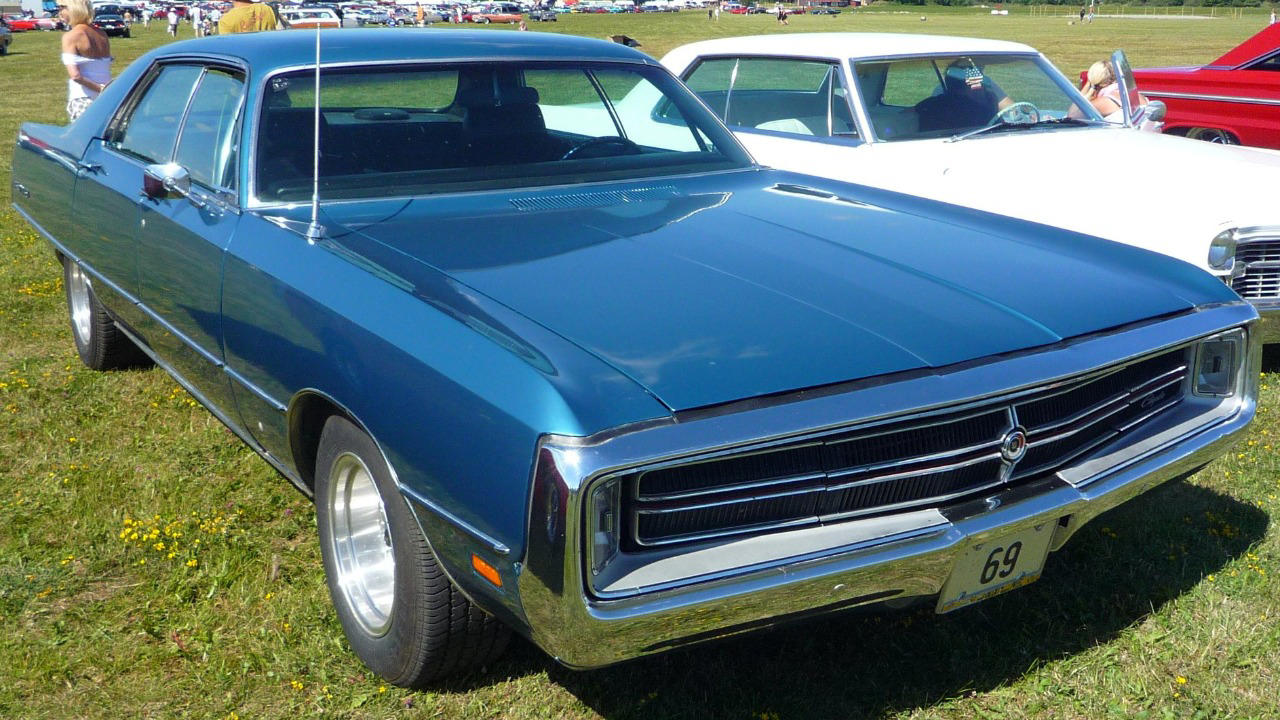
The 1969 Chrysler 300 arrived at a moment when full size American cars were losing cultural ground to smaller, sharper muscle machines. Instead of surrendering, Chrysler tried to merge its big car heritage with contemporary speed and style, turning the 300 into a rolling argument that size and sophistication could still matter. The result was a “luxury muscle” experiment that sought relevance through presence, power, and an unexpectedly modern driving character. More than half a century later, that effort reads as both bold and slightly out of step, a car trying to bridge two eras at once. The 1969 Chrysler 300 did not reset the market, but it left a clear imprint on enthusiasts and on the brand’s own understanding of how far a prestige model could stretch. The fuselage gamble Chrysler’s 1969 “fuselage” redesign framed the 300 as a sleek, almost aircraft inspired flagship. Contemporary analysis of the Chrysler class of 1969 describes the look as clean and elegant, while also acknowledging that this styling shift did not deliver the sales breakthrough the company hoped for, reflecting a broader product and economic cycle at the Chrysler Corporation rather than any single model. Within that family, the 1969 Chrysler 300 sat as the sporty luxury car of the company, a full size machine with a long, sweeping rear end and a profile intended to project speed even at rest. One enthusiast description of the 1969 Chrysler 300 notes that the car’s lines were matched by engines that still offered impressive performance as the 1960s progressed, evidence that Chrysler wanted the 300 to be more than ornament. The fuselage body wrapped a big six passenger interior around serious hardware. Accounts of the 1969 to 1971 Chrysler 300 series describe these cars as large coupes and sedans, with some giant two door convertibles that became ideal candidates for open air cruising just as the insurance industry grew more wary of high performance muscle. Luxury muscle in a shrinking window That tension defined the 1969 Chrysler 300. One period test, revisited in a detailed vintage review, described the 300 as a prestige car that combined Luxury And Performance in a way that surprised drivers who expected a soft boulevard cruiser. The same review emphasized that the 300 could carry its hefty carriage with verve, a phrase that captured how the car tried to turn mass into authority rather than liability. Another enthusiast write up of that test reinforces how the 300 earned recognition as a Best Prestige Car in its segment, a status built on the way it blended high speed stability, strong braking, and a plush yet controlled ride. The 300 name itself had long suggested letter car glamour, and Chrysler leaned on that legacy to position the 1969 model as a kind of attainable flagship for buyers who wanted presence without a chauffeur. Under the hood, the 1969 Chrysler 300 fit neatly into what later fans would label the “luxury muscle” segment. A social media feature on a surviving example calls it a full size coupe that blended elegance with brute strength, long, wide, and unmistakably bold, and that description matches the way the car tried to stand beside smaller muscle machines while refusing to give up its big car identity. Another enthusiast discussion frames the 1969 Chrysler 300 as part of a broader full size Chrysler 300 line produced from 1962 until 1971, noting that As the 1960s progressed the cars adopted more modern styling but continued to offer engines that could still move their weight with authority. That continuity helped the 1969 model feel like an evolution rather than a break, even as its styling and marketing language chased a younger image. Against GM and the muscle mainstream The 1969 Chrysler 300 did not compete in a vacuum. On enthusiast forums, owners regularly weigh it against rivals such as the Buick Wildcat and Chevrolet Impala SS, with one discussion of a 1969 Chrysler 300 Or Buick Wildcat featuring the aside “GM at its best!!!” that hints at how strong the General Motors alternatives looked in period showrooms. Another comparison thread that pits the 1969 Chrysler 300 against a 1969 Chevrolet Impala SS notes that The Hurst edition of Chrysler’s big cars was designed to appeal to buyers who wanted a balance of high performance and refinement rather than pure muscle with iconic styling. That balance was exactly where the 300 tried to live, relying on discreet speed and an upscale cabin rather than stripes and spoilers. The Hurst connection would deepen in the early 1970s. A heritage feature on that partnership recounts how Circa late 1972 the introduction of a special 4 speed racing transmission from Lenco of Lemon Grove, California, helped Chrysler related Hurst projects chase quicker and more consistent times, underscoring how the company continued to explore performance even as the market cooled. In that context, the 1969 Chrysler 300 looks like an early attempt to secure a niche between the volume muscle coupes and the traditional luxury sedans. It did not shout as loudly as a Chevrolet Chevelle SS or Pontiac GTO, but it offered a different proposition: big car comfort, discreet aggression, and a badge that still carried some letter car mystique. Inside the 300 mystique Owners and reviewers alike have stressed how the 1969 Chrysler 300 felt from behind the wheel. A feature on a restored example quotes an owner named Ken who says that the 300 draws a lot of attention at car shows, maybe because it is so different, and notes that he hardly ever sees another C Body at those events. He describes the car as a real sleeper, a comment that captures how its understated styling hides its capability. That sleeper quality depended on the right mix of luxury and performance. A retrospective on the Chrysler brand’s centennial celebrations points to the later 300H as combining the flair of the letter car series with the distinctive luxury and ride that were inherent in Chrysler, and the 1969 300 can be read as a direct ancestor of that formula. Another enthusiast reflection on the broader Chrysler story argues that this blend of luxury and performance was revolutionary, propelling the Chrysler brand to the forefront of the market and capturing drivers who wanted comfort without sacrificing the thrill of American motoring. The 1969 Chrysler 300 fit that thesis neatly, even if its sales volume never matched the most popular intermediates. At the same time, fans often debate whether the 1968 or 1969 Chrysler 300 better expressed the idea. One discussion of the 1968 Chrysler 300 describes it as a luxurious full size automobile with hidden headlights and ample power accessories, a reminder that Chrysler had already laid down much of the luxury groundwork before it sharpened the car’s performance image for 1969. Legacy and the chase for relevance Seen from today, the 1969 Chrysler 300 sits at a crossroads in American car history. A retrospective on the 1969 to 1971 series notes that these were big six passenger cars that came in coupe or sedan form, with Some offered as giant convertibles, at the very moment the increasingly influential insurance industry began to clamp down on overt performance. The window for big, fast luxury coupes was already starting to close. Modern enthusiasts still ask, Was the Chrysler 300 more than just a luxurious full size cruiser, and many answer yes. One detailed fan post argues that the 1969 Chrysler 300 represented the luxury muscle segment, a car that could cruise with both class and attitude, and that description has helped cement its reputation among collectors who value subtle power. The model’s online footprint reinforces that memory. A dedicated video feature introduces the 1969 Chrysler 300 as a Luxury Muscle Icon and tags it with #Chrysler300 and #MuscleCar alongside #LuxuryCar and #AmericanClassic, a combination of labels that would have sounded ambitious in period but now feels like a fair summary. The same digital trail leads back to enthusiast and developer resources that keep the 300’s image circulating, including official tools that support content about Chrysler and other automotive subjects. More from Fast Lane Only Unboxing the WWII Jeep in a Crate 15 rare Chevys collectors are quietly buying 10 underrated V8s still worth hunting down Police notice this before you even roll window down


















 +57 others