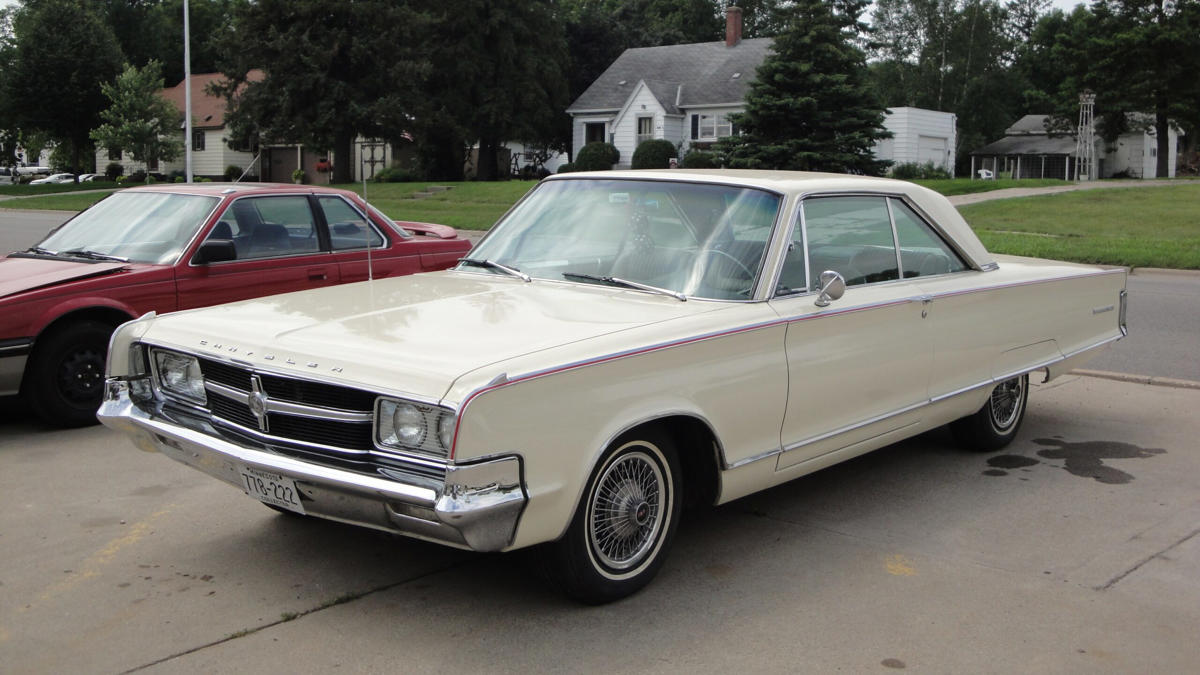
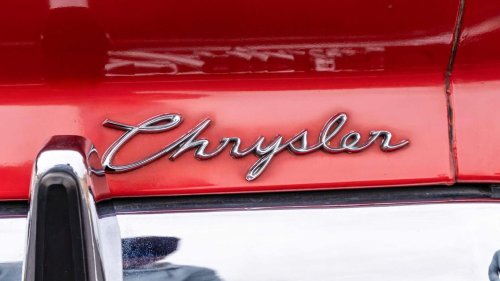
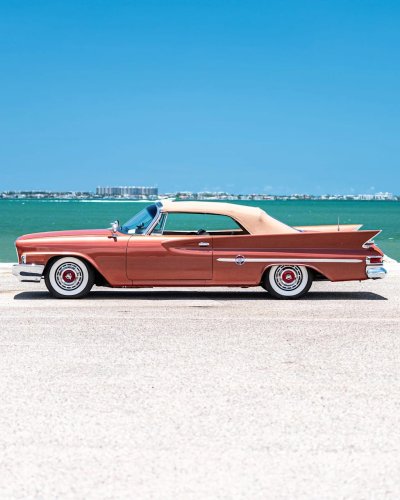
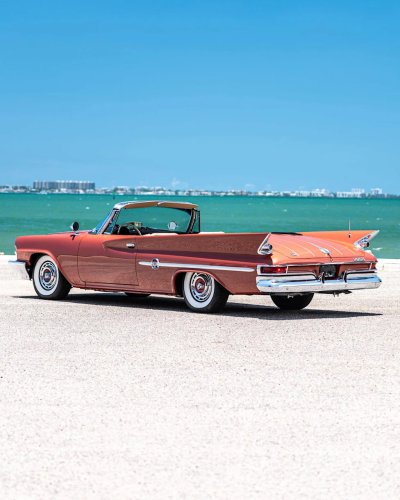
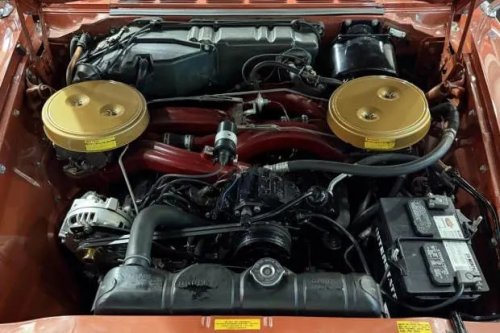
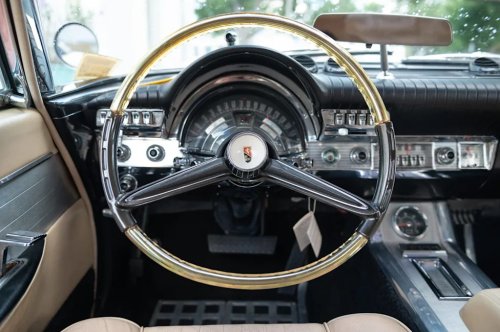
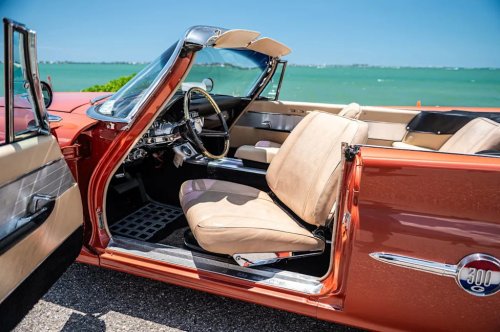
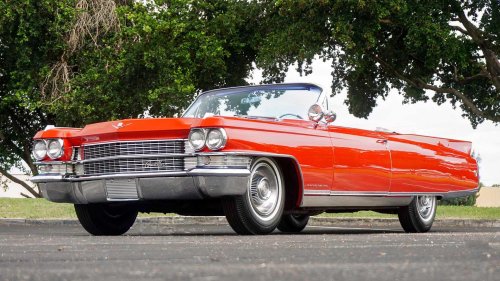
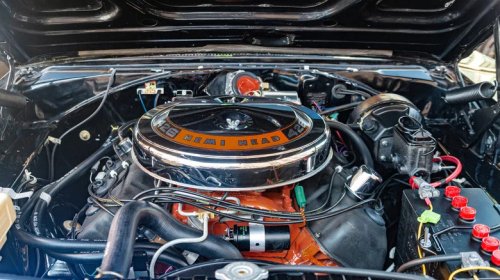
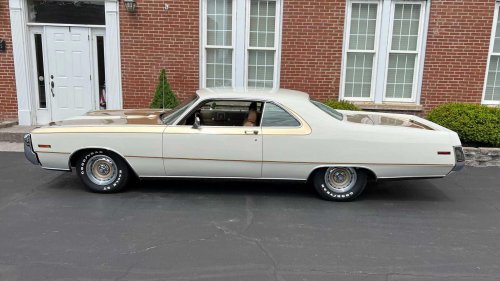
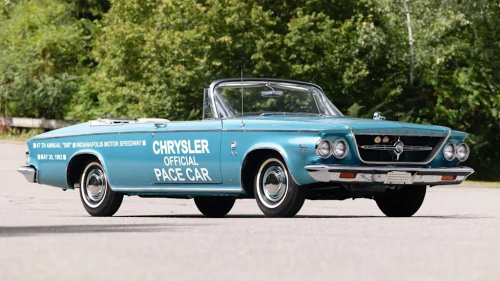
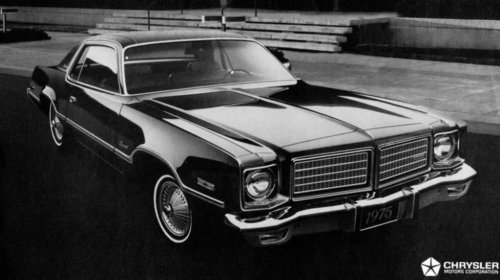
1965 300L from Chrysler marked the end of an era with style and powerThe Chrysler 300 “letter cars” began as rolling statements of engineering swagger, and by the mid-1960s they had become some of Detroit’s most distinctive performance luxury machines. The 1965 Chrysler 300L, last of that legendary sequence, closed the book on the series with a mix of brute V8 power, crisp styling, and a surprisingly refined driving experience. For collectors and historians, it stands today as a snapshot of American automotive ambition just before the muscle car era hit full stride. Viewed through modern eyes, the 300L is more than a handsome full-size coupe. It represents the final expression of Chrysler’s idea that one car could serve as executive express, highway cruiser, and serious performance machine, especially in rare four-speed manual form. That combination of luxury and muscle, wrapped in clean, squared-off sheet metal, helps explain why one surviving example can still command attention in a crowded field of 1960s icons. What happened Chrysler introduced the 300L for the 1965 model year as the last in its run of letter-series performance cars that had started a decade earlier with the C-300. By then, the formula was familiar: a big-block V8, a well-appointed interior, and styling that differentiated the car from the standard 300 models while still placing it at the top of the Chrysler lineup. Under the hood sat a 413 cubic inch V8 rated at 360 horsepower, breathing through dual four-barrel carburetors and feeding power to the rear wheels through either a TorqueFlite automatic or a four-speed manual gearbox. Most buyers chose the automatic, which fit the car’s image as a fast, luxurious interstate cruiser. A small number, however, ordered the 300L with the floor-shifted four-speed, a configuration that turned the big Chrysler into something closer to a muscle car in a suit. Surviving documentation and enthusiast registries suggest that manual-transmission 300Ls were built in very limited numbers, and they remain among the most sought-after variants today. A recent feature on a well-preserved 1965 Chrysler 300L coupe highlighted just how uncommon a factory four-speed example is, describing the car as a rare four-speed model that stands apart even within an already scarce series. The 300L also marked a visual reset for the line. Chrysler adopted a more formal, squared-off body with a prominent grille and relatively crisp character lines, moving away from the exaggerated fins and curves that had defined many American cars earlier in the decade. The coupe’s long hood and short deck proportions, combined with restrained ornamentation, gave it a purposeful stance that matched its performance credentials. Inside, the car featured bucket seats, a center console, and a dashboard packed with round gauges, reinforcing its identity as a driver-focused luxury model. Production of the 300L remained modest compared with mainstream Chryslers. While exact figures vary among sources, all agree that the letter cars were never intended as high-volume products. They served instead as image leaders, halo models that projected engineering prowess and drew customers into showrooms. When Chrysler decided to discontinue the letter series after 1965, the 300L became the final chapter, leaving later 300-badged cars to carry the name without the alphabetical suffix that had come to signal top-tier performance. By the time the last 300L left the factory, the American performance market was already shifting. Smaller, lighter intermediates like the Pontiac GTO and Chevrolet Chevelle SS were capturing the imagination of younger buyers. Chrysler’s decision to end the letter series reflected that changing landscape, as the company redirected attention toward other platforms and more mainstream performance offerings. Large and luxurious yet undeniably quick, the 300L became a bridge between the early high-performance luxury coupes of the 1950s and the pure muscle cars that would dominate the late 1960s. Why it matters The Chrysler 300L matters first as a bookend. It concludes a ten-year experiment in blending luxury and speed under a single badge, and it does so at a moment when Detroit’s priorities were about to change. The letter cars had always been expensive and exclusive, marketed to buyers who wanted power but also valued comfort and status. By 1965, that niche had begun to shrink as performance became democratized through less costly models. The 300L therefore captures the last moment when a full-size American luxury coupe could plausibly serve as a factory hot rod. From a design perspective, the 300L stands at the intersection of two eras. Its squared-off styling anticipates the more formal shapes that would dominate late-1960s and early-1970s sedans and coupes, yet it still carries the long-hood drama of earlier letter cars. The restrained chrome, the clean roofline, and the relatively uncluttered body sides signaled a shift away from flamboyance toward a more tailored kind of presence. For enthusiasts who track the evolution of American automotive design, the 300L offers a clear reference point in that transition. The car’s mechanical specification also reveals how Chrysler approached performance at the time. The 413 cubic inch V8, with its 360 horsepower rating and dual four-barrel carburetors, was not a high-strung racing engine. It delivered broad, accessible torque suited to high-speed highway travel and relaxed passing, rather than quarter-mile heroics alone. That emphasis on usable, real-world performance aligns with the car’s role as a grand tourer. The optional four-speed manual, rare as it was, sharpened that character by giving the driver more direct control over the powerband, turning the big coupe into a surprisingly engaging machine on open roads. In the collector world, the 300L’s significance has grown as the supply of earlier letter cars has tightened and as enthusiasts have broadened their interests beyond the most obvious muscle icons. The combination of low production, distinctive styling, and strong performance has pushed well-preserved examples into a more prominent place at shows and auctions. Cars equipped with the four-speed manual are particularly prized, both for their rarity and for the way they transform the driving experience. A heavy, full-size car with a big-block V8 and a floor-shifted manual is a different proposition from the typical automatic-equipped luxury coupe, and that difference carries real appeal for collectors who want something unusual in their garages. The 300L also offers insight into Chrysler’s broader strategy during the mid-1960s. The company had a reputation for advanced engineering, including torsion-bar front suspension and powerful V8 engines, but it often struggled with styling and marketing compared with its cross-town rivals. The letter cars, culminating in the 300L, represented a concerted effort to project a clear identity: sophisticated, fast, and slightly understated. Although the series ended, that identity would echo decades later in the revival of the 300 nameplate, which again aimed to combine bold styling with strong performance and a premium feel. For historians, the end of the letter series also foreshadows the pressures that would soon reshape the American auto industry. Rising insurance costs for high-performance cars, emerging safety and emissions regulations, and shifting consumer preferences would all begin to erode the market for big, powerful coupes. Built before those forces fully took hold, the 300L represents a kind of high-water mark for the traditional American grand touring formula. Its blend of size, comfort, and power would become harder to replicate in the years that followed. On a cultural level, the 300L speaks to a particular vision of American driving. This was a car built for long, fast trips on expanding interstate highways, where a strong V8 and a stable chassis mattered more than tight parking-lot maneuverability. It catered to buyers who saw the car as an extension of personal success, a way to travel quickly and comfortably across large distances. That vision still resonates with enthusiasts who value road trips and open-road performance, even as modern traffic and infrastructure make such experiences rarer. What to watch next Looking ahead, the Chrysler 300L is likely to continue gaining attention among collectors who seek alternatives to the more common muscle and pony cars of the late 1960s. As values for icons like the Dodge Charger, Plymouth Road Runner, and Chevrolet Camaro have climbed, enthusiasts have increasingly turned toward less obvious but historically important models. The 300L fits that pattern well, offering strong performance, distinctive styling, and genuine scarcity, particularly in manual-transmission form. Market observers will be watching how prices for top-condition 300Ls evolve, especially for cars with documented factory four-speed gearboxes. The recent spotlight on a well-kept four-speed example suggests that awareness of these cars is spreading beyond dedicated Chrysler circles. If more such cars appear at high-profile auctions or major shows, their profile could rise further, bringing renewed attention to the entire letter series. That, in turn, may encourage restorers and owners to invest in accurate, high-quality refurbishments that preserve original specifications rather than pursuing heavy modifications. The restoration community will also play a key role in shaping the 300L’s future. Many of these cars spent years as used luxury coupes, not cherished collectibles, which means that rust, wear, and period modifications are common. As interest grows, more owners may choose to return their cars to factory-correct condition, down to details like interior trim, wheel designs, and correct carburetion setups. The availability of reproduction parts, specialist services, and accurate reference materials will influence how many 300Ls can be brought back to a high standard. At the same time, there is a parallel trend toward tasteful restomods, where owners retain the car’s external appearance but update mechanical components for modern drivability. Disc brake upgrades, improved cooling systems, and carefully tuned suspensions are increasingly common among enthusiasts who want to use their cars regularly. For a large, powerful coupe like the 300L, these changes can make long-distance driving more enjoyable without sacrificing the car’s essential character. The balance between preservation and modernization will be an ongoing conversation in Chrysler circles. Another area to watch is how the 300L is represented in media and events that shape public perception of classic cars. Inclusion in curated displays at major concours, museum exhibits, or themed shows focused on American performance luxury could help cement its reputation. As more writers, videographers, and historians highlight the letter series, the 300L’s story as the final chapter will likely receive more detailed treatment, emphasizing its role in the broader narrative of mid-century American engineering. For Chrysler itself, the legacy of the 300L and its predecessors may continue to influence product planning and branding decisions. The modern 300 sedan, especially in its higher-performance trims, has already drawn on that heritage by combining a bold presence with strong engines and rear-wheel drive. Future performance-oriented models from the brand could lean further into that history, using the letter cars as a reference point for how to blend luxury and speed in a way that feels authentically Chrysler rather than imitative of rivals. Ultimately, the 300L invites ongoing reflection on how quickly automotive priorities can change. Within a few years of its production, the market had shifted toward smaller performance cars, then toward more efficiency-focused models as regulations tightened. Enthusiasts and industry observers who track current trends in electrification, downsizing, and software-driven features may find a useful parallel in the 300L’s story. It shows how a car that once represented the cutting edge of power and prestige can, within a relatively short time, become a cherished artifact of a different set of values. More from Fast Lane Only Unboxing the WWII Jeep in a Crate 15 rare Chevys collectors are quietly buying 10 underrated V8s still worth hunting down Police notice this before you even roll window down The post 1965 300L from Chrysler marked the end of an era with style and power appeared first on FAST LANE ONLY.