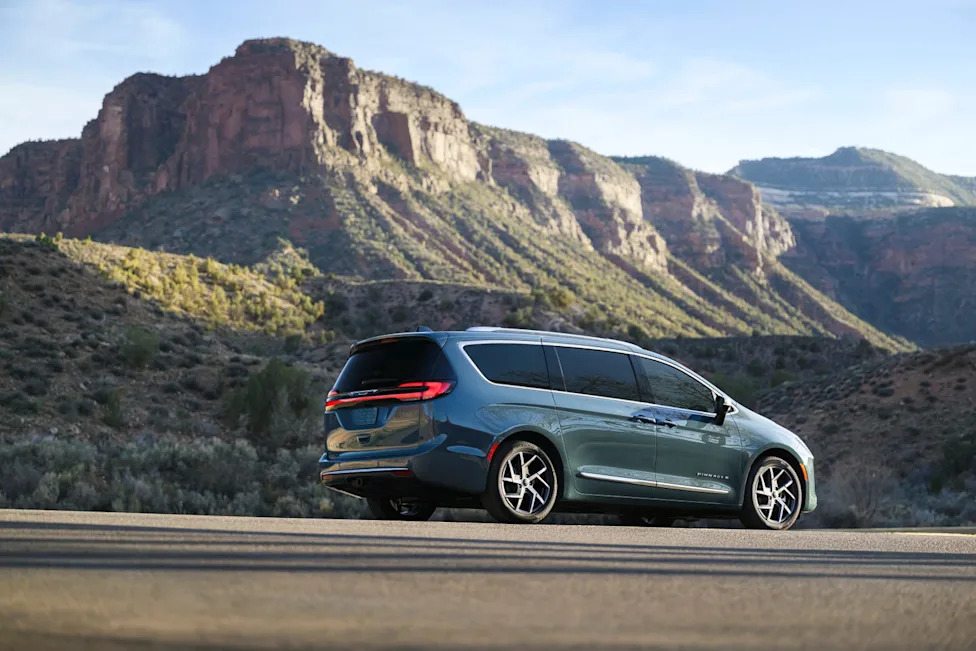
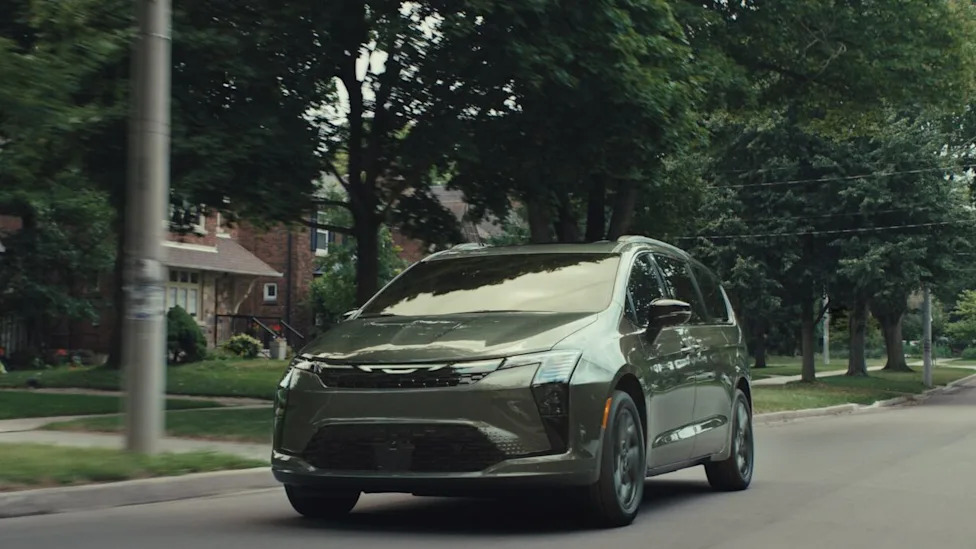
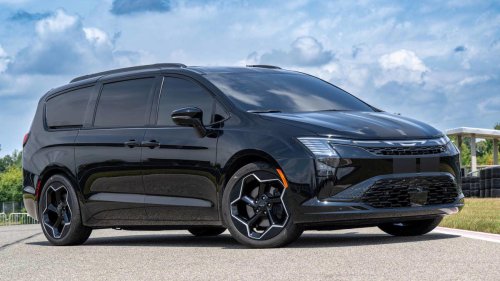
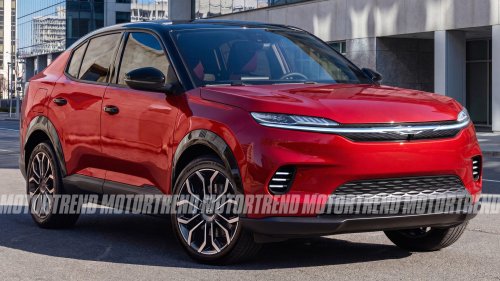
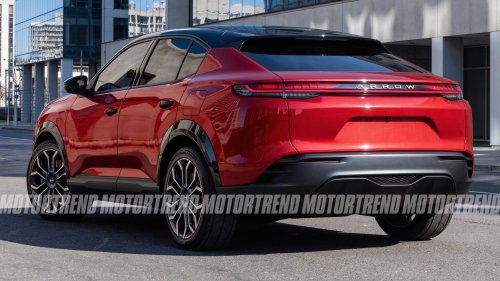
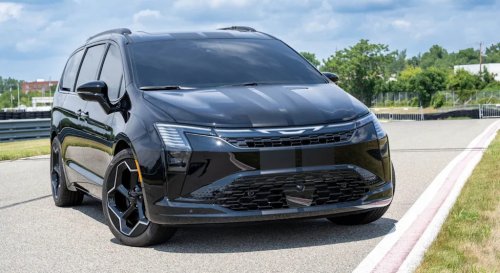
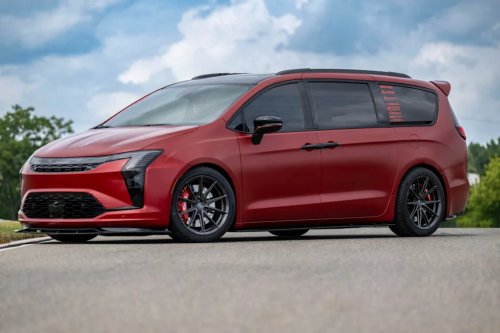
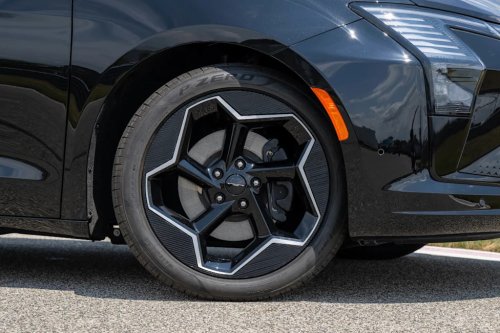
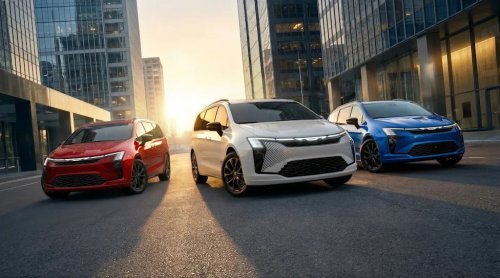
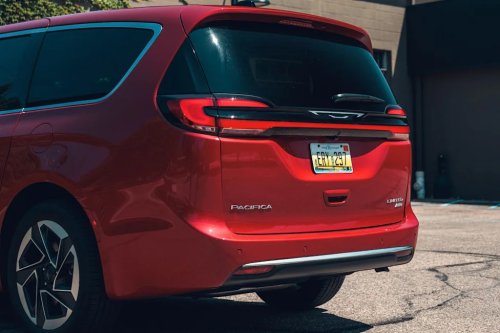
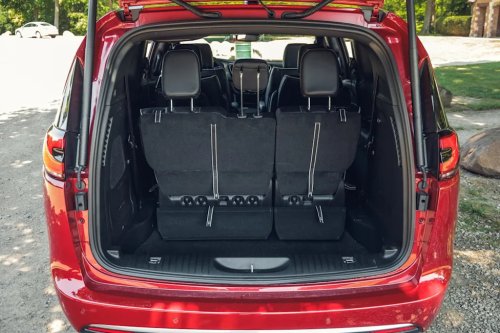
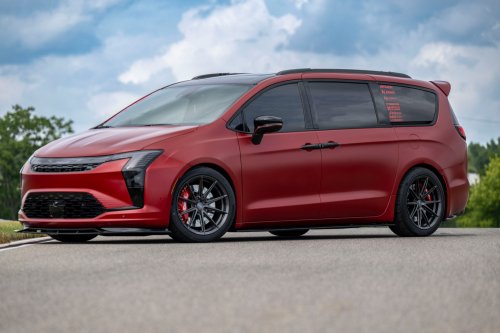
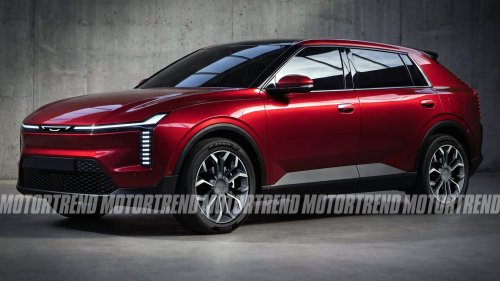
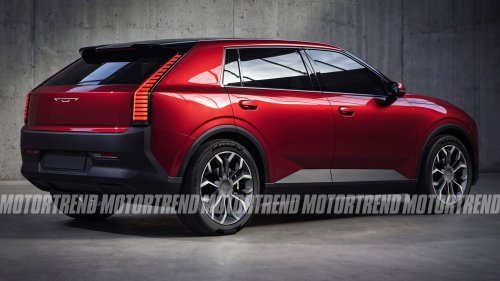
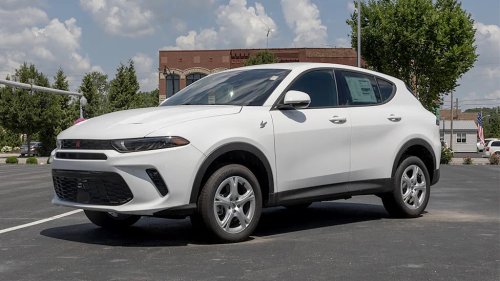
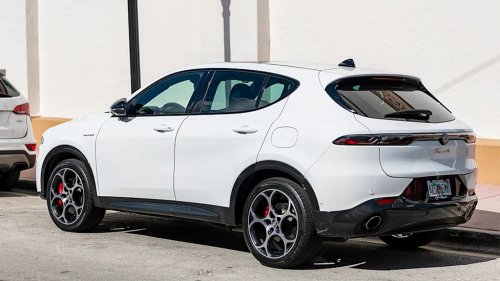
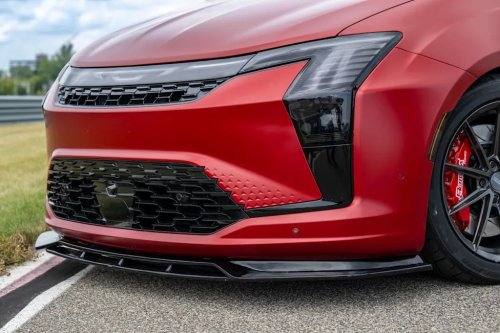
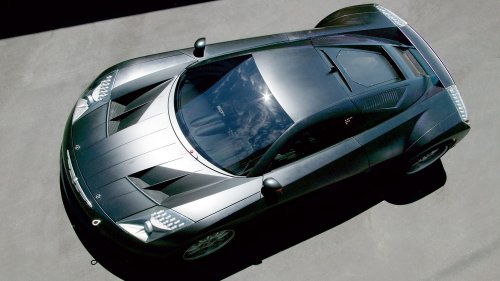
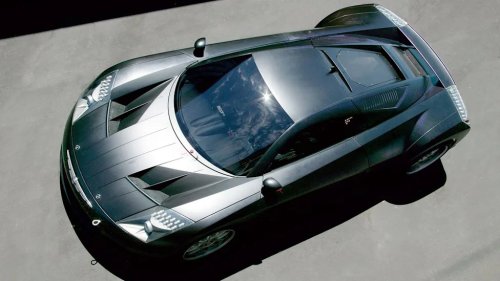
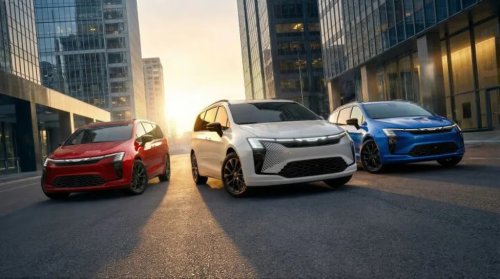
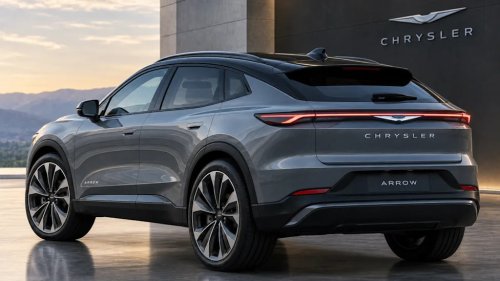
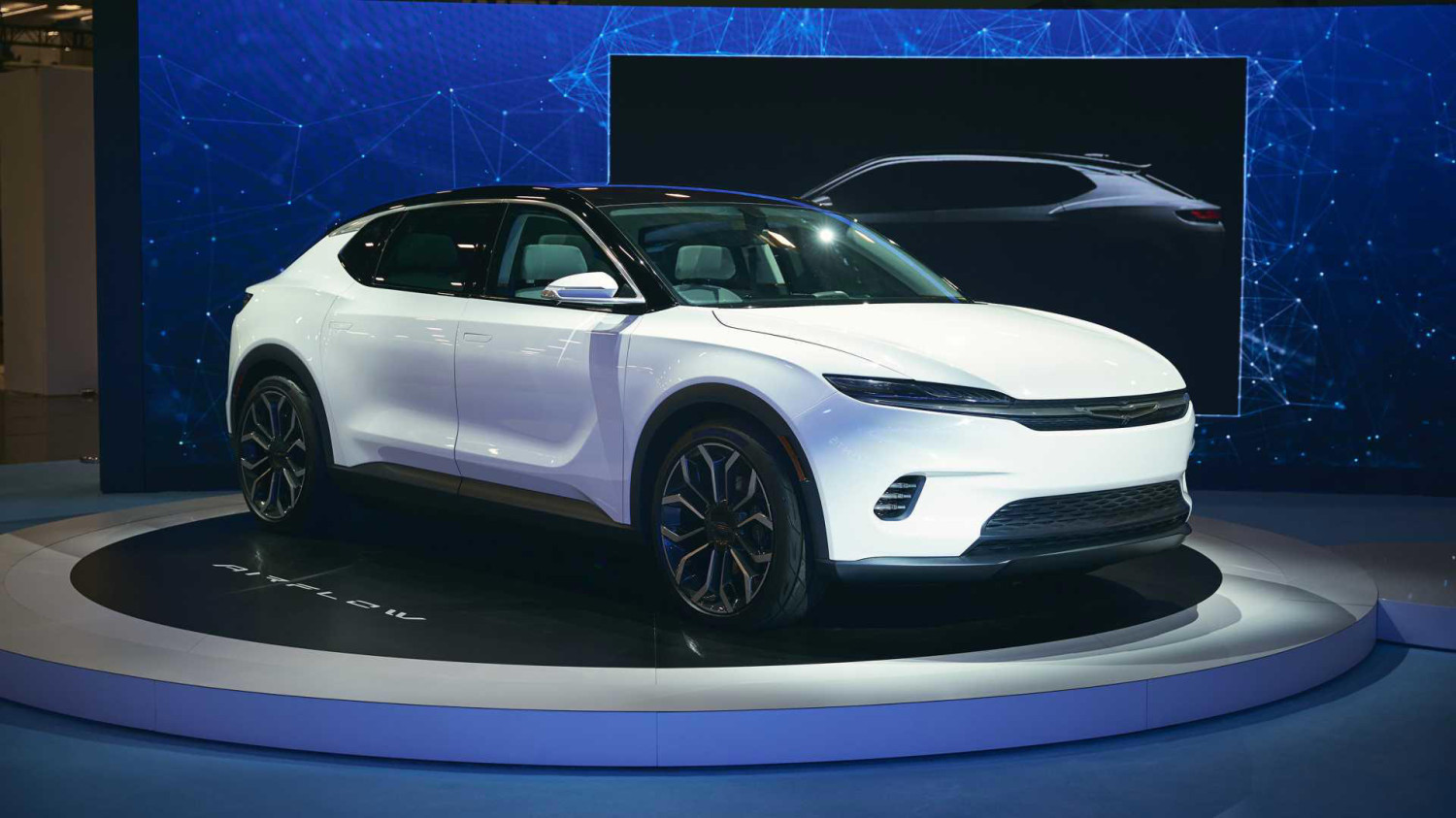
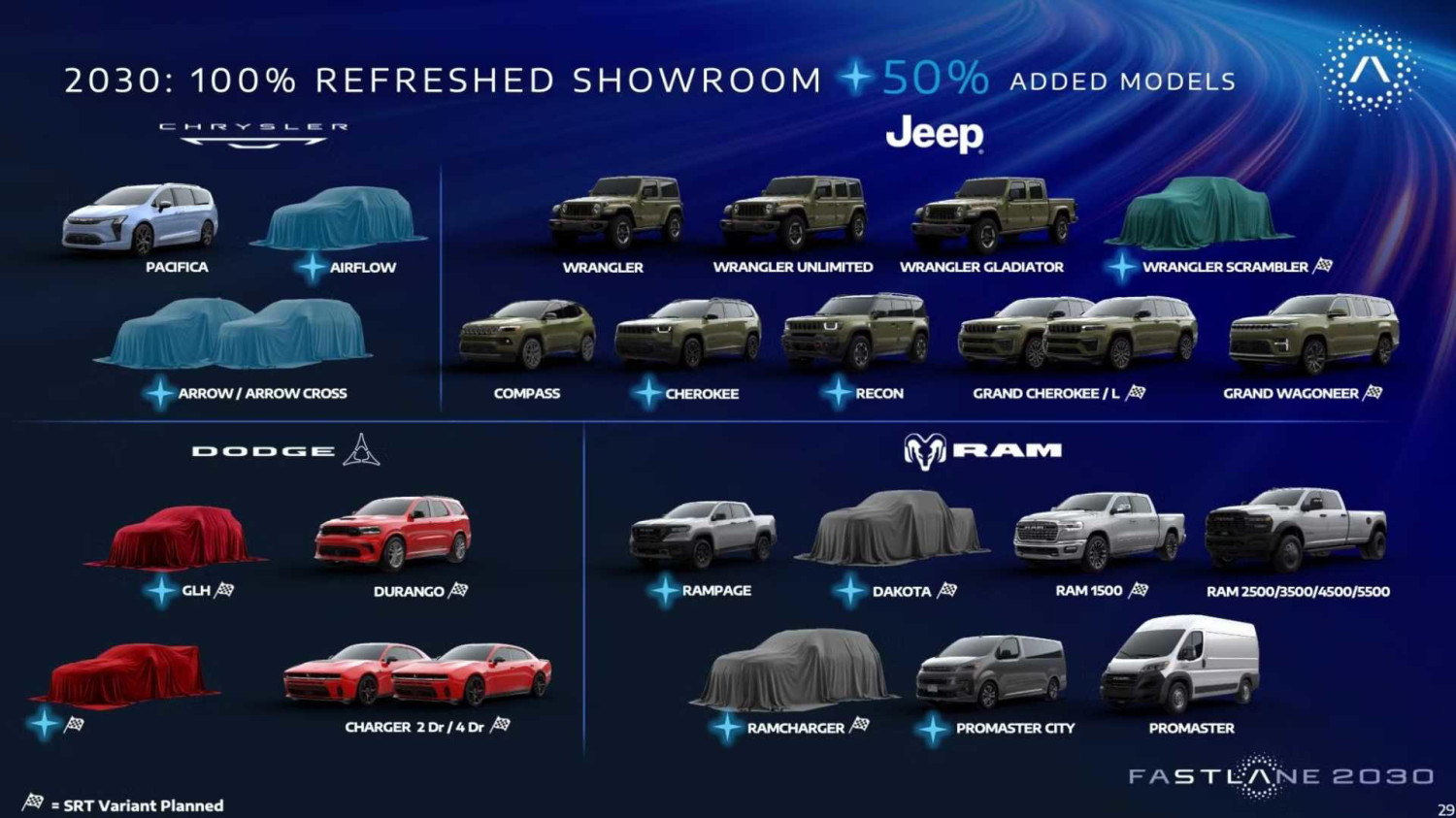
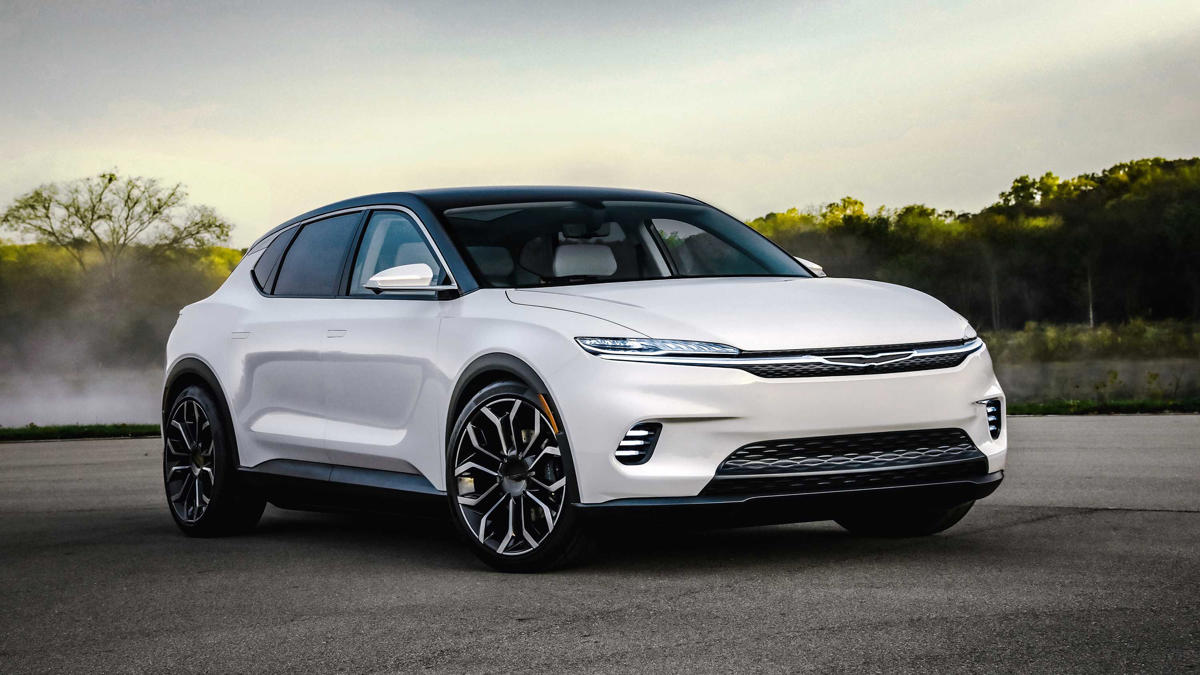
Chrysler's long-awaited Airflow SUV has finally broken cover (sort of) and it looks nothing like what the brand teased four years ago. Stellantis slipped the production design into a powertrain video on its YouTube channel in June 2025, giving the clearest official look yet at the compact SUV set to anchor Chrysler's comeback. The reveal was quiet, almost incidental, but the design shift it exposes is anything but subtle.The 2022 Airflow concept turned heads with a smooth, low-slung silhouette and an unmistakably EV-forward aesthetic—the kind of show car that signals a brand betting on tomorrow. The production version tells a different story. What Stellantis has built is a boxy, upright compact crossover with proportions that call to mind the Hyundai Ioniq 5 more than any Chrysler heritage piece. That gap between concept ambition and production reality says a lot about where Chrysler actually stands right now. What The Stellantis Video Actually Reveals The Airflow appeared on the far left of a Stellantis lineup shot in a YouTube video (above) focused on upcoming powertrains — not a dedicated reveal, just a glimpse. But it was enough. The production SUV features crisp, modern styling with a prominent LED strip spanning the front fascia, an illuminated Chrysler badge at its center, and vertical LED taillights at the rear. Vertical design elements frame a trapezoidal lower grille, and a black cutout running along the lower door sills breaks up the visual mass of the body sides.The roofline sits noticeably lower than segment benchmarks like the Toyota RAV4, a direct consequence of the new STLA One platform underpinning the car. That architecture is designed to support a range of powertrains—a gasoline engine appears in the video, but hybrid and fully electric configurations are both reportedly possible. Pricing is expected to start around $40,000, positioning the Airflow squarely against the RAV4, Honda CR-V, and electrified crossovers like the Ioniq 5. The 2022 Concept Vs. The Production Reality Chrysler Airflow ConceptThe original Airflow concept, shown in 2022, was a statement car. Rounded body panels, a fastback roofline, flush door handles, and a seamless front end communicated something deliberate: Chrysler was positioning itself as a premium EV brand with a design language to match. It looked like a competitor to the Polestar 2 or the Genesis GV60—not a family crossover.The production Airflow is a different proposition entirely. The boxy profile, upright greenhouse, and conventional crossover proportions are practical choices, not bold ones. That's not necessarily a criticism—the RAV4 and CR-V are boxy and they sell by the hundreds of thousands—but it does represent a significant retreat from the concept's visual ambition. Buyers who were drawn in by the 2022 show car's promise of something genuinely distinctive will need to recalibrate their expectations. What This Design Pivot Signals For Chrysler's Strategy This is Chrysler's first major SUV reveal under the Stellantis restructuring, and the pragmatic direction of the Airflow suggests the brand is prioritizing volume over vision. Building a sleek, dedicated EV platform costs money Stellantis has been careful about spending on a brand that currently sells exactly one vehicle—the Pacifica minivan. A flexible, multi-powertrain platform like STLA One that can accommodate gas, hybrid, and EV drivetrains from a single architecture is the smarter financial play, even if it produces a less striking result.The Airflow also arrives alongside two other planned Chrysler SUVs. Fiat's new Grizzly models are set to be rebadged as the Chrysler Arrow and Arrow Cross for the American market, which means Chrysler's near-term lineup is largely built on shared platforms and global products rather than ground-up American designs. For buyers, the under-$40,000 price point and powertrain flexibility are the real selling points here. The Airflow may not be the EV-forward halo car the concept promised, but as a practical compact SUV entry into a crowded and competitive segment, it at least gives Chrysler a credible place to start. TopSpeed's Take StellantisWell, we can't say we're surprised that Stellantis is teasing the Chrysler Airflow with an internal combustion engine. Considering the EV pullback in the U.S., including the discontinuation of the federal tax credit, it makes sense to offer a gas version, and the new appearance looks more like a mainstream SUV than the concept. Still, we also wouldn't be surprised to see the Airflow offer a battery-electric powertrain at some point to compete with the likes of the Hyundai Ioniq 5, which is doing just fine despite the market changes. Either way, we're excited to see Chrysler planning a comeback, and offering a model that doesn't look like a rebadged version of a Fiat.



















 +76 others