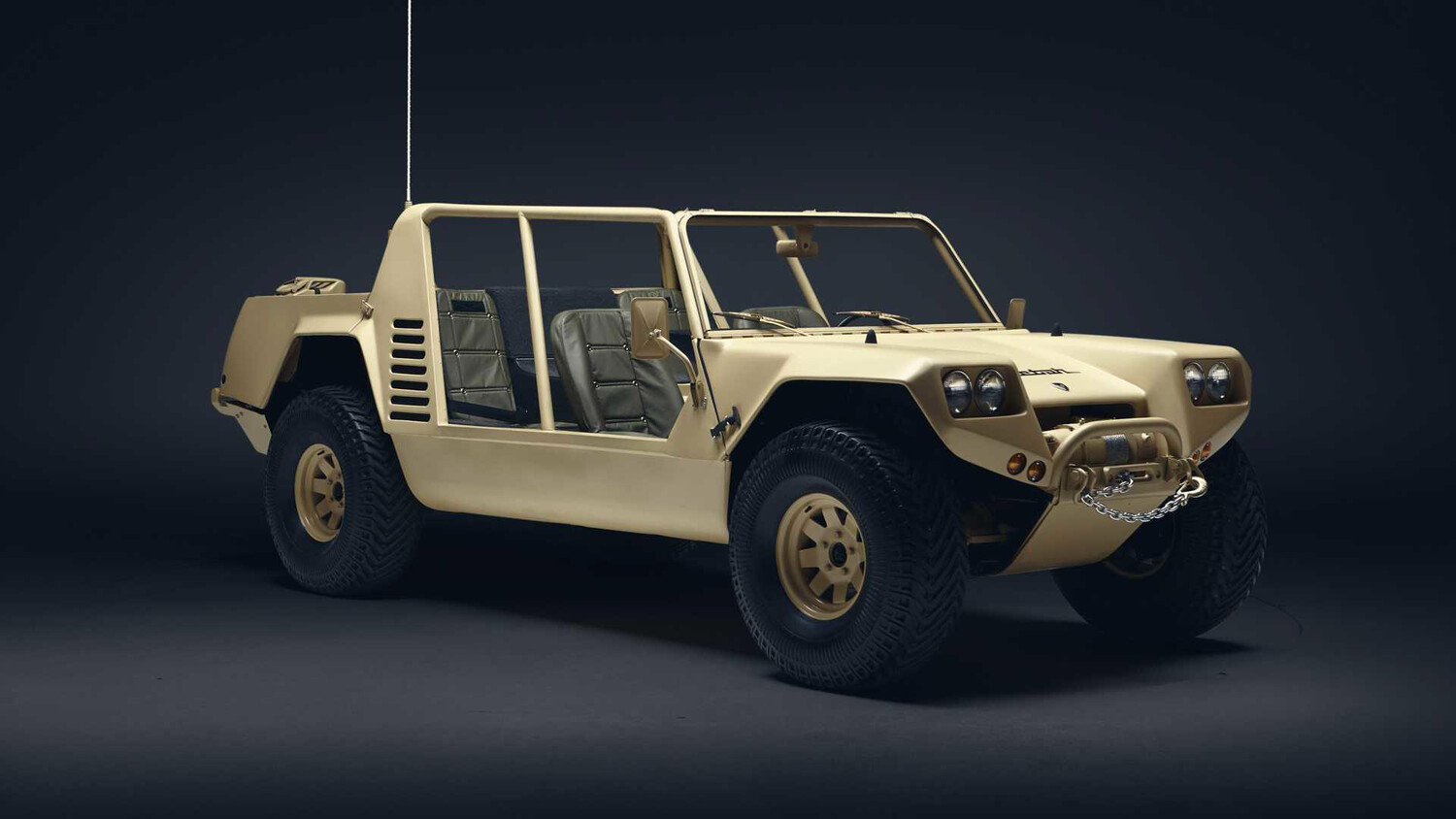
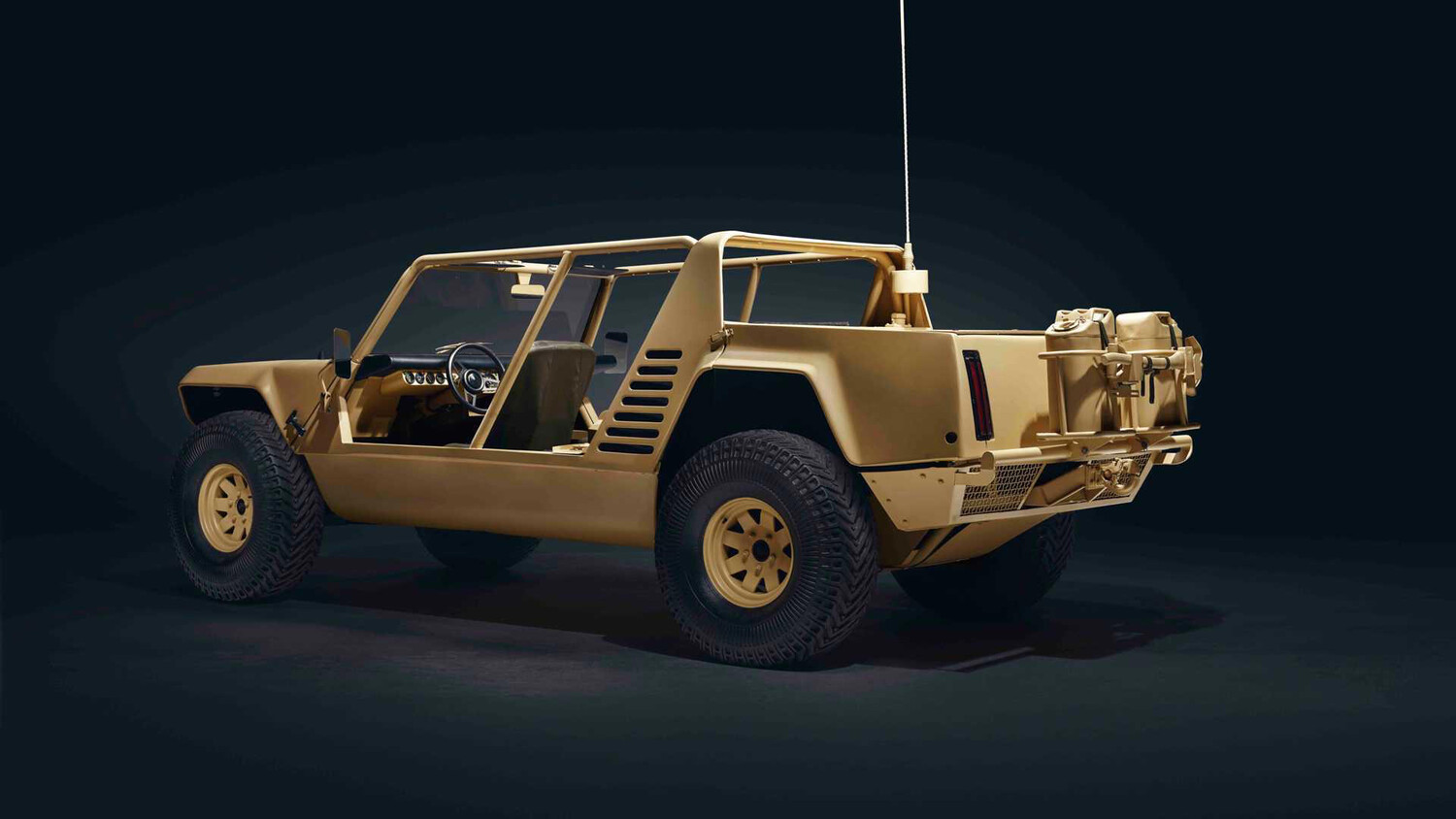
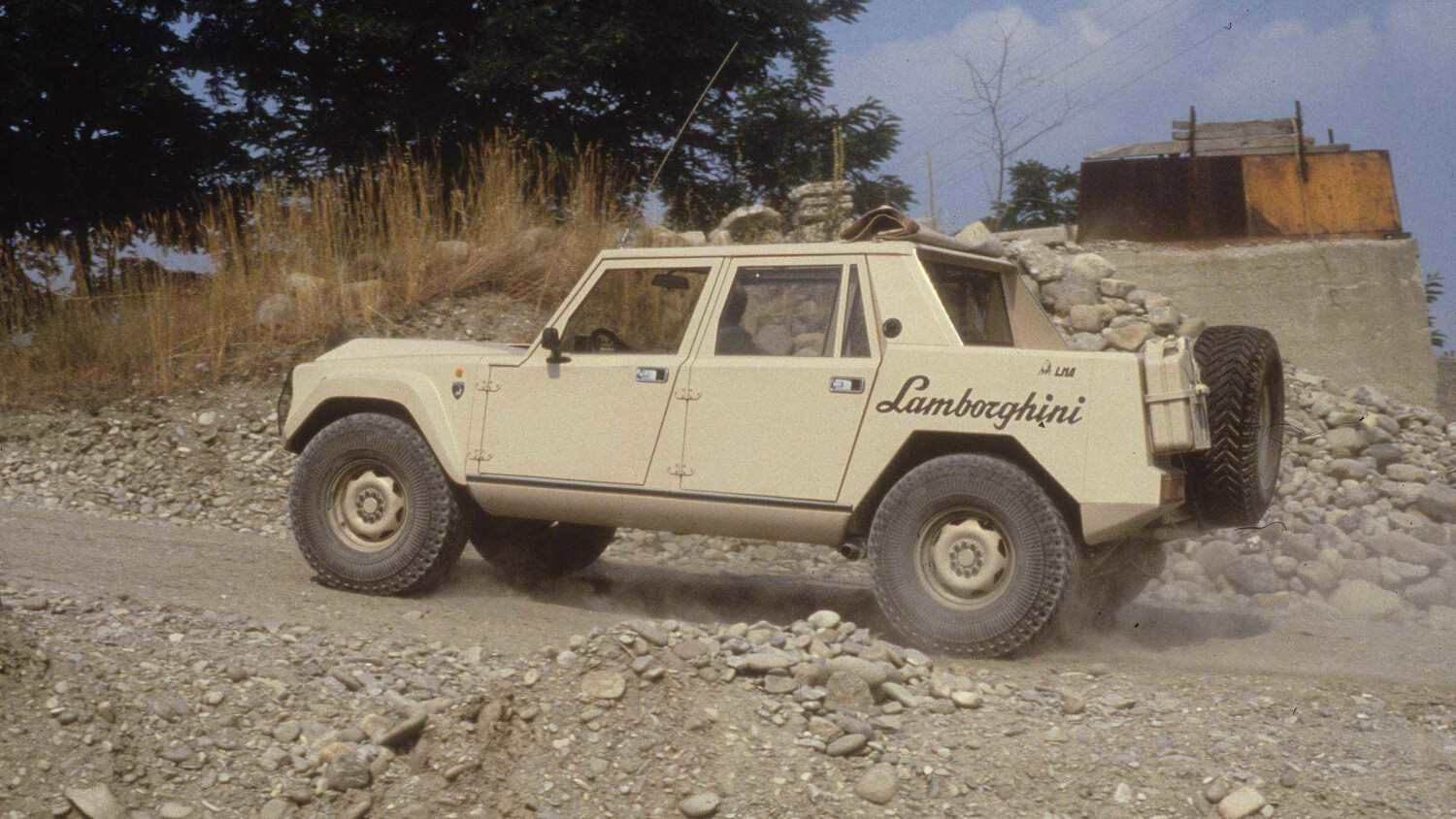
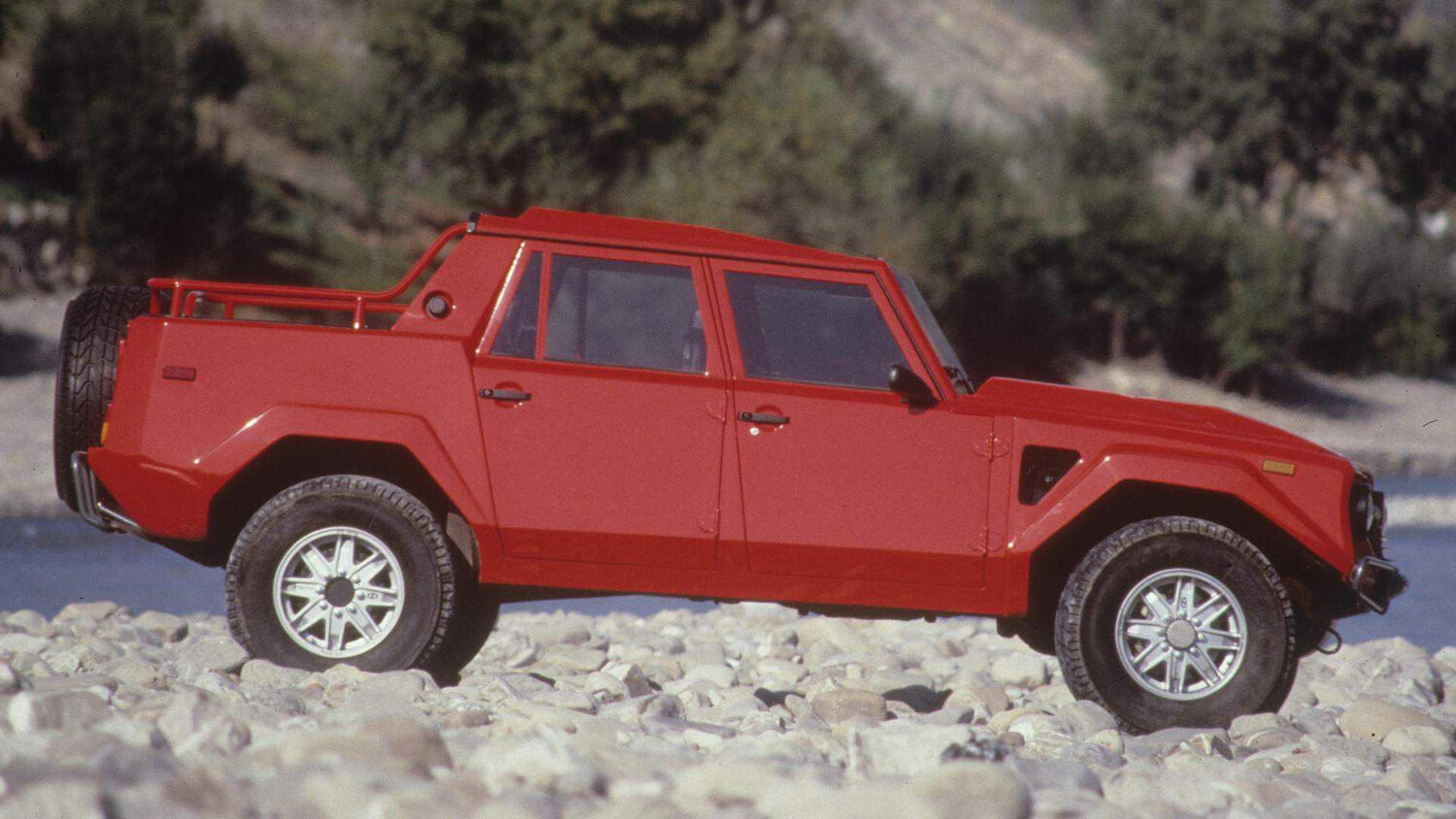
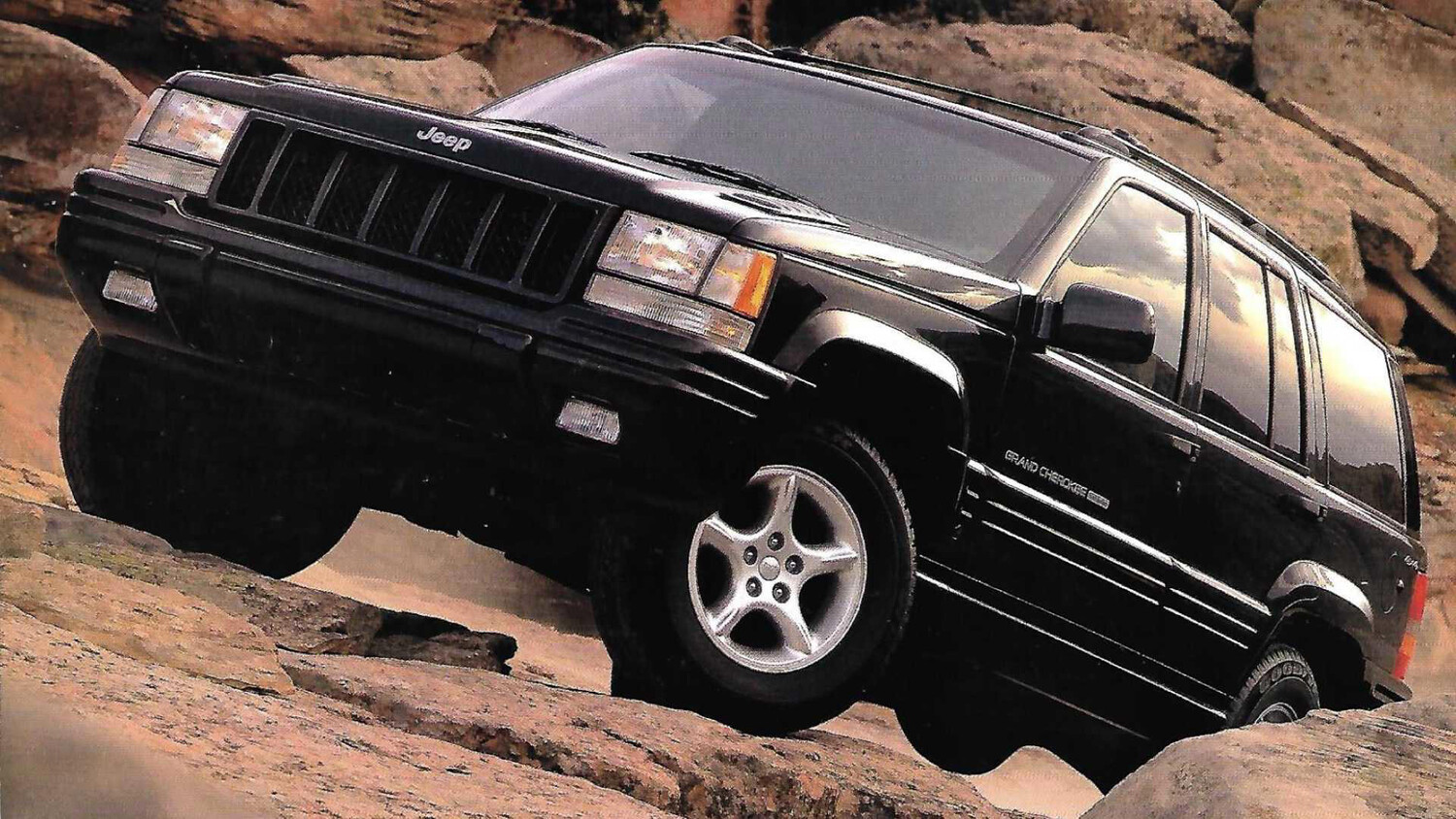
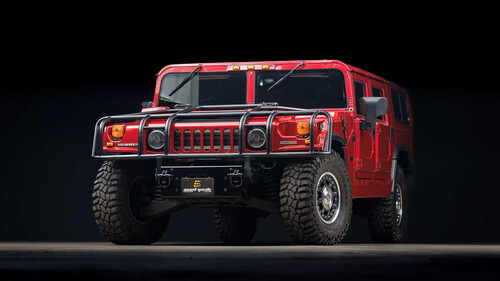
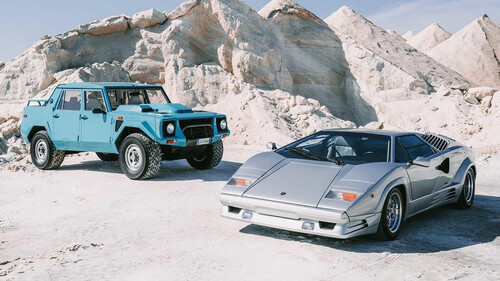
Modern car enthusiasts will not be shocked by the idea of Lamborghini building an SUV; after all, the Urus has been around for years, and the line between performance car and SUV is increasingly blurred in today’s automotive world. Nearly five decades ago, however, things were very different. The Italian brand’s very first foray into the world of off-roading was primarily driven by financial desperation, and resulted in a curious prototype that was equally fascinating and riddled with issues.The Cheetah, built with the military in mind, did not find an outlet in either the military or the civilian world. It was also powered by an engine you would not expect to find in anything with a Lamborghini badge: a Chrysler V8. Let’s take a closer look at the Cheetah, its successors, and the vehicle the US military decided to use instead. The Cheetah: Lamborghini's Very First Off-Roader LamborghiniLong before celebrities were driving around in Uruses with flashy paint jobs, Lamborghini was already setting its sights on building an off-road vehicle. The Italian automaker’s first attempt at venturing off the beaten track dates back to the mid-70s, when the brand was looking for alternative projects as the oil crisis had made sports car sales drop.Defense contractor Mobility Technology International contacted Lamborghini about the possibility of building a troop transport vehicle: faced with the prospect of securing a new source of income, Lamborghini accepted the offer and set out to build a prototype that would be named the Cheetah. The vehicle was built around 1977 and introduced to the world at the Geneva Motor Show within the next few years.Lamborghini chose to procure the Cheetah’s engine from an unusual source: Chrysler. The 5.9-liter rear-mounted unit produced 180 horsepower, and was waterproofed to make the vehicle even more rugged and resistant to all driving conditions.LamborghiniHowever, the engine Lamborghini chose and the way it was installed in the vehicle both contributed to the Cheetah’s failure. When it was presented to the US military, its rear-engine layout (which contributed to poor driving dynamics) and the low power output despite the engine’s size both contributed to the Cheetah being rejected.The vehicle of choice turned out to be the world-famous AM General Humvee, which later evolved into the civilian Hummer. In separate circumstances, the Cheetah also attracted legal action from Ford, whose XR-311 prototype was so similar to it that Lamborghini was accused of copying it.With its last opportunities for a new income stream now extinguished (a collaboration with BMW on what would become the M1 also fell through), Lamborghini found itself in serious financial trouble and declared bankruptcy in 1978, "enjoying" a two-year hiatus before the brand was later revived.When Lamborghini made its comeback, it picked up the unsuccessful Cheetah project again, turning it into another prototype: the LM001. This vehicle was powered by an AMC V8, rather than a Chrysler. However, the handling problems that had plagued the Cheetah still persisted. Lamborghini went back to the drawing board, and eventually came up with a better model: the short-lived LM002, also known as the “Rambo Lambo”. The "Rambo Lambo" LM002 Lamborghini Undeterred by the Cheetah and the LM001’s shortcomings, Lamborghini eventually came close to building a true production off-roader with the LM002, which mitigated most of the earlier prototypes’ issues. Unveiled in 1986, the LM002 was built on a modern tubular space frame chassis, with an aluminum and fiberglass body and a state-of-the-art independent suspension.At the heart of the LM002 was a very different engine than the Chrysler V8 we had seen years before in the Cheetah. This time, Lamborghini looked to its own lineup and borrowed the 5.2-liter naturally aspirated V12 engine from the legendary Countach. It produced 444 hp and 368 lb-ft of torque; a five-speed manual transmission sent power to all four wheels or just the rear wheels, depending on the driver’s selection. It took just 7.7 seconds to go from 0–60 mph and the LM002 could reach a top speed of 118 mph; impressive performance numbers for such a large, heavy vehicle (weighing in at 6,600 lbs).Lamborghini Dirt, sand, rough trails, and bumpy roads were no match for the LM002, whose bespoke Pirelli Scorpion tires, high-tech suspension, and twin-caliper disk brakes made light work of even the toughest driving surface.That being said, although tackling rough terrain was the LM002’s primary purpose, Lamborghini did not neglect the interior: luxurious materials such as high-quality wood and leather were used throughout the cabin, and a roof-mounted sound system was installed.The LM002 initially generated a large amount of hype. According to Lamborghini, over 800 prospective buyers pre-ordered the new model, including several high-profile clients. However, it soon became clear that the financial viability of the LM002 was not quite as rock-solid as originally thought.The vehicles were hand-built, which pushed the price up to $120,000; the vehicle’s fuel economy was also extremely poor. Lamborghini only managed to build 301 units of the LM002 before calling it quits, less than half the originally planned number. Today, the LM002 remains a true unicorn of the automotive world, with few car enthusiasts likely to ever see one in person. How The LM002 Fitted Into The Performance SUV Trend Jeep The LM002 was a pioneer of an automotive phenomenon that traces its roots back to the mid-century period, but has well and truly exploded in the present day: the rise of the performance SUV. The “Rambo Lambo” was one of the first models out there that truly made an attempt at combining ruggedness and luxury; up until that point, most SUVs had been spartan workhorses, largely confined to the agricultural industry.Ian Wright/CarBuzz/Valnet Around a decade after the LM002 made its debut, other automakers started to embrace the idea of the performance SUV. Jeep released the Grand Cherokee 5.9 Limited, which earned itself the title of fastest off-roader in the world; Dodge followed suit with the Durango Shelby SP360, and Mercedes-Benz with the ML55 AMG. All three were V8-powered, and sported performance figures that crossed into sports car territory, taking less than seven seconds to get from 0 to 60 mph.Today, performance SUVs are a sizable category; high-performance manufacturers, such as Lamborghini itself, Ferrari, and Aston Martin, have all released models that straddle the line between sports car and SUV. While consumers drove the rise of the SUV with their quest for space and practicality, they didn’t want to compromise on performance: the sporty SUV filled that corner of the market, offering the best of both worlds. The Cheetah/LM002 Versus The Hummer H1 Lamborghini Despite the “LM” in LM002 standing for “Lamborghini Militaria”, the LM002 was never actually used in a military context. Its Cheetah predecessor, however, was once shown to the US military before being rejected in favor of a very similar-looking model: the legendary Humvee. The Humvee later gave rise to a civilian variant dubbed the Hummer; this vehicle was renamed the Hummer H1 when GM acquired the Hummer brand and released two more vehicles, the H2 and H3.Although the Cheetah/LM002 and the Hummer share no DNA, the visual similarities between the two models are striking. They are both characterized by sharp, angular lines, with a bare-bones silhouette that’s less about form and more about function. They are both large, imposing vehicles with a prominent hood, and although they have some creature comforts on board, they both have off-roading prowess as their main focus, rather than luxury.General Motors The engine is one area where the two models differ. While the LM002 is powered by the Countach-sourced V12 engine we mentioned earlier, and the Cheetah prototype had been powered by a Chrysler V8, the Hummer featured an all-V8 lineup that came from a different member of the “Big Three” club: General Motors.Five different options were available. Only one, the smallest at 5.7 liters, was gas-powered; the others, ranging from 6.2 to 6.6 liters, were all diesels, the largest two of which were turbocharged. Power outputs varied from 150–300 hp. There were three automatic transmission options on offer: a three-speed and a four-speed (built by GM), and a five-speed (built by Allison).Sources: Lamborghini, GM