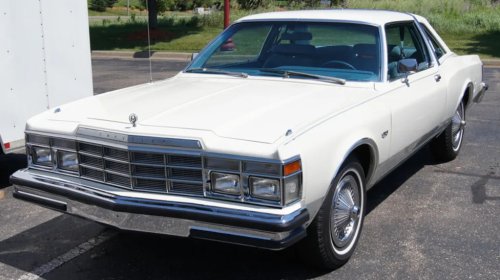
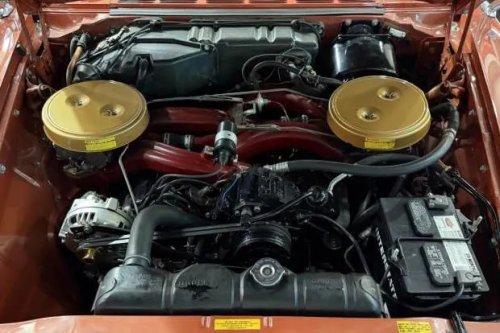
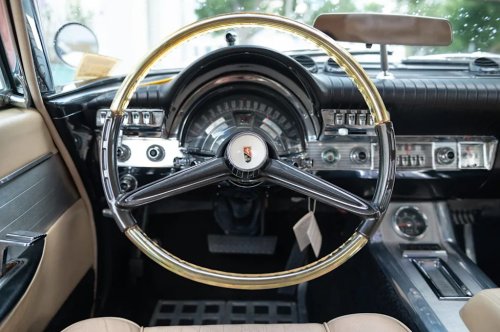
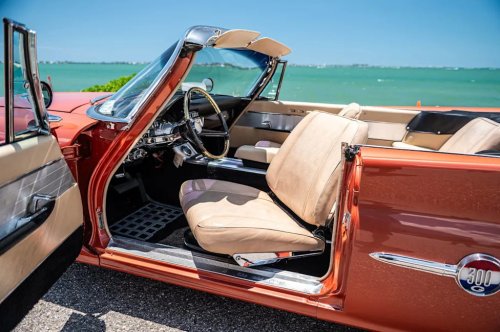
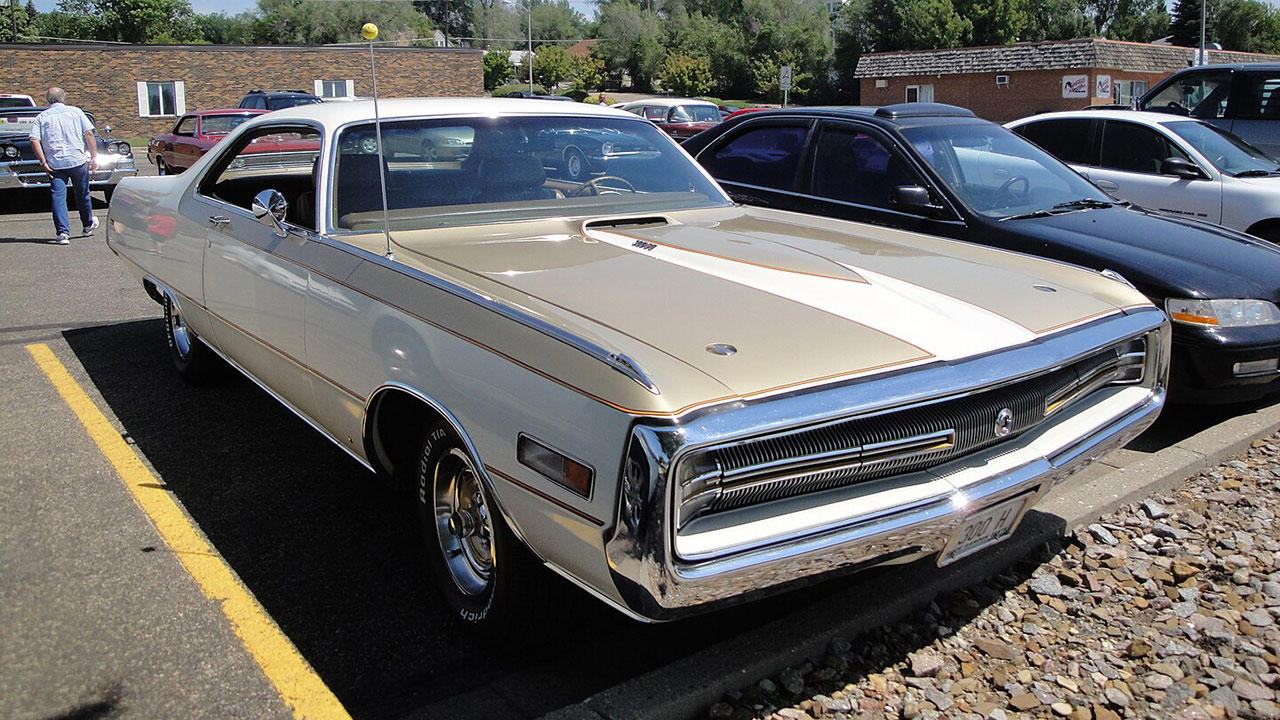
The 1970 Chrysler 300 Hurst Edition stood out but struggled to find buyersThe 1970 Chrysler 300 Hurst Edition arrived as a full-size statement piece in an era obsessed with quarter-mile times and bright stripes. It combined luxury, size, and serious performance, yet buyers mostly walked past it in favor of smaller, cheaper muscle cars. Today the car is remembered as an ultra-rare curiosity that looked like nothing else on the road but struggled from day one to justify its existence on the showroom floor. Built in tiny numbers and sold with almost no marketing support, the big Chrysler was too expensive, too late to market, and too confusing for dealers to explain. That combination created a car that now fascinates collectors precisely because it failed so spectacularly to connect with its original audience. How Chrysler and Hurst tried to revive a legend The 1970 Chrysler 300 Hurst Edition grew out of a partnership between Chrysler and Hurst Performance that aimed to revive the old high-performance Letter Series image for a new decade. Earlier 300 Letter Series cars had blended power and luxury, and Chrysler wanted that halo back in the showroom. According to period coverage, Chrysler supplied high-end 1970 300 models to Hurst, and all 485 Chrysler 300 Hurst Edition cars began life as 1970 Chrysler 300 Series models before conversion, with the project often described using the designation 300 M and the familiar number 300 as a performance calling card linked to the brand’s heritage in The Chrysler 300. Specialist builder Hurst was already famous for shifters and limited-run muscle packages, so a collaboration on a luxury muscle coupe seemed logical. The idea was straightforward: Chrysler built it, Hurst finished it, and the finished product would give the brand a glamorous flagship that sat above the regular 300 lineup. In theory, buyers would see it as a modern Letter Series revival, even though the official badging and marketing around the 300H name remained murky. In practice, a delay in approval for the project meant that production of the 300H began well after the standard 1970 300 models were already rolling out, as covered in detail in one Oct feature. That lag would haunt the program, leaving dealers with lots full of regular cars and little clarity about how to position a late-arriving specialty model. The supersized body that defined the car Physically, the 1970 Chrysler 300 Hurst Edition was enormous even by period standards. The massive coupe stretched over 224 inches long, weighed nearly 4,300 pounds, and rode on a 124-inch wheelbase, figures that came directly from Chrysler’s full-size platform and are highlighted in a Sep description of the car. That size gave the Hurst Edition a road presence few muscle cars could match, but it also positioned the car far from the compact, affordable performance coupes buyers were flocking to in 1970. Every 300 Hurst Edition started as a regular 1970 Chrysler 300, then went through a conversion process that added fiberglass body panels, a distinctive hood scoop, and a unique rear spoiler. The Survivor 1970 Chrysler coverage explains that all 485 examples followed this pattern, with Hurst adding its visual and performance touches to Chrysler’s existing high-end Model. The result was a car that looked more like a land-yacht version of a muscle car than a traditional intermediate coupe. The fuselage styling of the base Chrysler 300 already featured sweeping sides and a long, low profile. Hurst layered on a two-tone paint scheme with white bodywork and gold accents that shouted for attention. Period observers often described the car as “Supersize Muscle,” a phrase that fit the proportions as well as the mission. Powertrain: serious muscle hidden in a tuxedo Under the skin, the 300 Hurst Edition carried genuine performance hardware. Reporting on the model’s forgotten status points out that the 300 Hurst used a 440 TNT V8, producing around 375 horsepower, a figure highlighted in a later Feb analysis that compares the car to better-known muscle rivals. That 440 TNT engine gave the big Chrysler more power than some contemporary pony cars, even if the car’s sheer mass blunted its ultimate acceleration. Buyers also received a heavy-duty automatic transmission, performance gearing, and suspension tuning intended to keep the 4,300 pounds in check. Contemporary enthusiasts sometimes argue that the car’s performance was closer to a high-speed interstate cruiser than a drag strip hero, which fit Chrysler’s long-standing positioning of the 300 as a gentleman’s express rather than a bare-bones street racer. Inside, the Hurst Edition leaned into luxury. The cabin featured plush seating, upscale trim, and the sort of comfort features expected of a full-size Chrysler. That blend of comfort and power made sense to engineers who saw the car as a modern Letter Series, but it confused younger muscle buyers who were shopping for stripped-down cars with big engines and lower prices. Marketing misfires and confused dealers One of the clearest reasons the 1970 Chrysler 300 Hurst Edition struggled in showrooms was a lack of coherent marketing. Literature consisted of a two-page factory-to-dealer announcement dated February 17, 1970, and a press release dated February 18, 1970, as summarized in a Sep overview of the program. That sparse documentation did little to educate sales staff or create buzz among buyers. A later account puts the communication failure even more bluntly. Chrysler built it, Hurst finished it, and neither one bothered to tell anyone, which meant that when the 1970 Chrysler 300 Hurst Edition arrived at dealerships, most salesmen had no idea what they were looking at, a situation captured in a Mar anecdote that underlines how the car became a mystery on the lot. Without clear training or advertising, dealers struggled to explain why the Hurst Edition cost more than a standard 300 yet shared much of its basic structure. The late start to production only added to the confusion. As one Oct feature notes, the delay in approval meant the 300H appeared after regular 1970 300 models were already established, leaving the Hurst Edition to fight for attention against cars that looked similar but carried lower prices. Many dealers reportedly treated the specialty model as just another trim level rather than a halo car, which undercut the exclusivity that Chrysler and Hurst had hoped to create. Price, timing, and a changing muscle market Price was another major obstacle. The 300H’s original $5,939 MSRP was significantly higher than many intermediate muscle cars, a figure preserved in an eBay retrospective that revisits the car’s value. For buyers cross-shopping Chevrolets, Fords, or smaller Mopars, that price pushed the Hurst Edition into near-luxury territory. At the same time, the muscle car market in 1970 was starting to feel pressure from rising insurance costs and looming emissions rules. A high-priced, full-size performance coupe with a thirsty 440 TNT engine looked risky to buyers worried about premiums and fuel bills. The model’s positioning as a one-year-only experiment also limited its appeal, since there was no clear sense that the 300H would anchor a long-term performance line. A later summary of the 1970 Chrysler 300H describes it as a rare, one-year-only model and a revival of the famed Letter Series Chrysler performance cars, Based on the existing full-size platform, which underscores how the car sat at an awkward crossroads between tradition and changing market realities, as highlighted in a Feb discussion of the car’s challenges and decline. Why production stayed low, and buyers stayed away Production numbers for the 1970 Chrysler 300 Hurst Edition were tiny. Multiple accounts agree that Chrysler only built 485 Hurst Edition 300s in 1970, a figure repeated in an April valuation post that emphasizes how few cars left the factory. Another analysis states that only 485 Chrysler 300 Hurst models were ever made and links that scarcity to the fact that 70 300 models were already being produced before the Hurst project gained full approval, as explained in a Jan look at the car’s ultra-rare status. The low total was not a deliberate attempt to create a collectible. Instead, it reflected limited demand and the logistical complexity of building cars in one facility and finishing them in another. Delays, higher costs, and uncertain dealer enthusiasm all kept volumes down. The fact that the 300 Hurst Edition never returned for 1971 confirms that Chrysler saw little reason to continue the experiment. Enthusiast commentary often describes the car as a mystery from the moment of its conception, with one profile noting that the 1970 Chrysler 300 Hurst was not built the way planners first intended and that the finished product did not fully match early proposals, as recounted in a later profile of limited-edition fuselage muscle cars. That disconnect between concept and execution likely contributed to the modest sales. How enthusiasts later reclaimed the 300 Hurst Although the 1970 Chrysler 300 Hurst Edition failed to move quickly off dealer lots, it gradually gained a following among enthusiasts who appreciated its blend of rarity, size, and performance. A modern description of the model calls it a high-performance, limited-edition luxury muscle car created through a partnership between Chrysler and Hurst, with the number 300 still serving as a key part of its identity, as summarized in a Feb enthusiast listing for a low-mile example. Another overview of the car’s history explains that the Chrysler 300 was a high-performance luxury car produced by Chrysler from 1955 to 1965, and that in 1970, Chr and Hurst attempted to revive that spirit in the 300 Hurst Edition, reinforcing how The Chrysler 300 name carried weight even if the new model struggled commercially, as described in a Jan summary of the car’s lineage. Video coverage from enthusiasts such as Tom at Rocket Restorations, who has walked viewers through the story of two 300 H cars and explained what a 1970 Chrysler 300 Hurst really represents, has also helped keep the model in the public eye, as seen in an Oct presentation that blends restoration details with historical context. These modern interpretations frame the car as a misunderstood flagship rather than a failed product. Valuation tools and auction listings now treat surviving 300 Hurst Edition cars as significant collectibles. One valuation entry for the 1970 Chrysler 300 Hurst tracks how prices have climbed as awareness grows, while a Mecum listing for a 300H highlights originality and low mileage as key selling points for serious collectors. Why the car matters now Looking back, the 1970 Chrysler 300 Hurst Edition stands as a case study in how a car can be both distinctive and commercially unsuccessful. It had a 440 TNT engine with around 375 horsepower, a 224-inch body, and the visual drama of Hurst styling, yet it arrived late, cost more than most muscle cars, and lacked a clear story for buyers. Dealers were left to guess at how to pitch it, and many customers simply chose smaller, cheaper performance cars that fit the era’s trends. Today, the car’s struggles help explain why it has become so intriguing. With only 485 built and even fewer surviving in original condition, the 300 Hurst Edition represents a rare branch of Chrysler history. Enthusiasts who seek out the model are often drawn to that mix of exclusivity and contradiction: a full-size luxury coupe that outpowered some pony cars but never quite found its audience. More from Fast Lane Only Unboxing the WWII Jeep in a Crate 15 rare Chevys collectors are quietly buying 10 underrated V8s still worth hunting down Police notice this before you even roll window down



















 +18 others