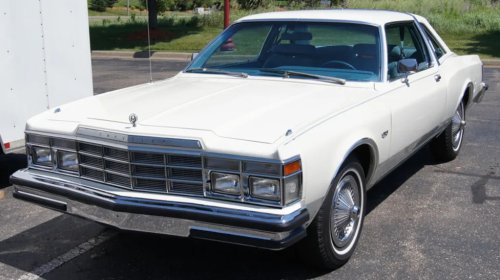
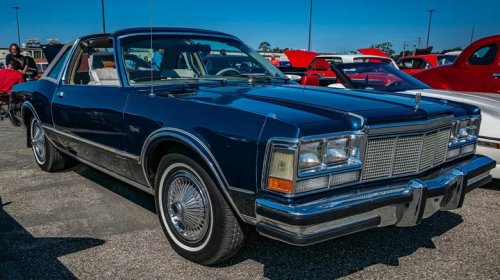
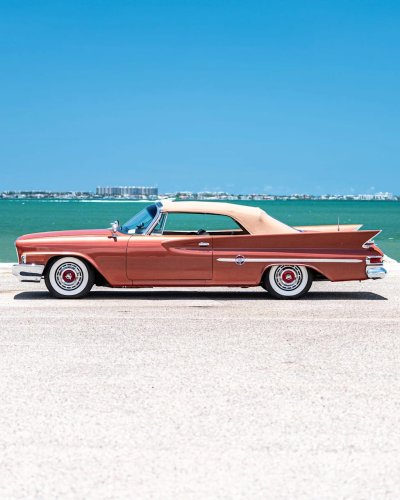
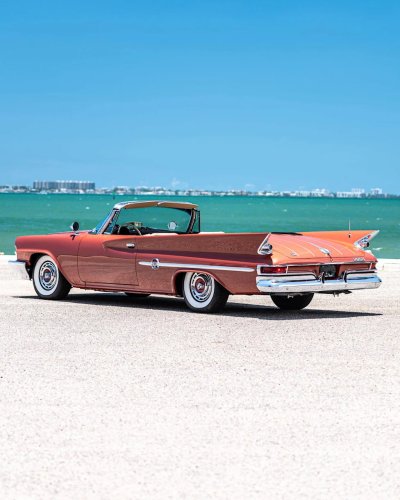
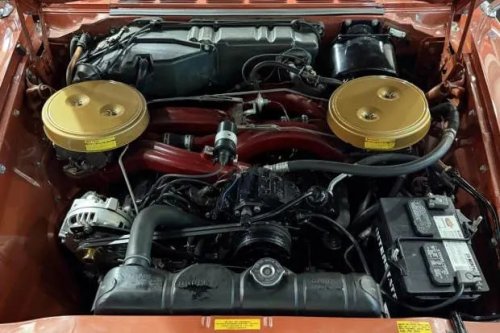
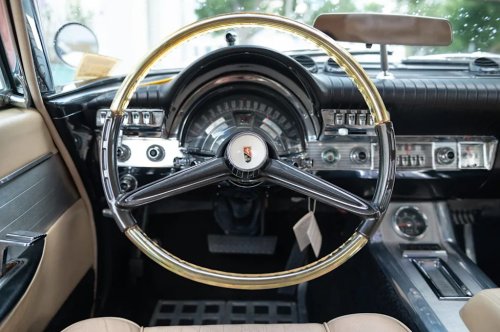
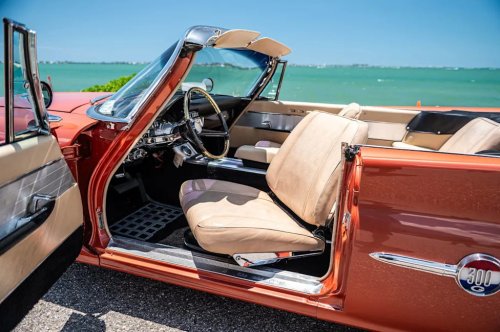
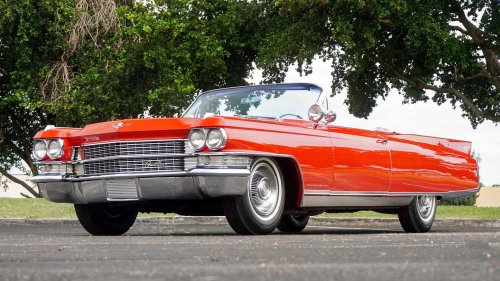
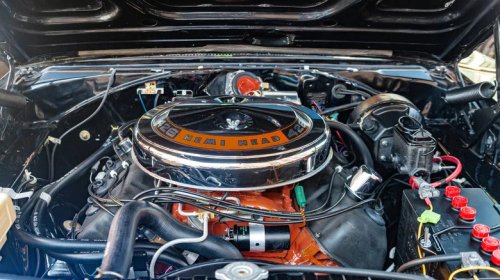
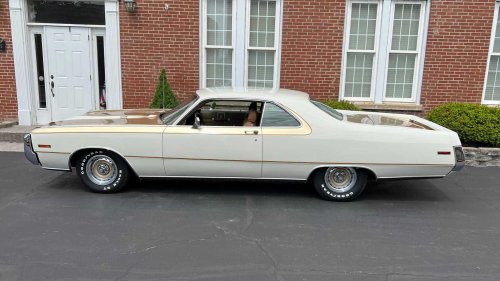
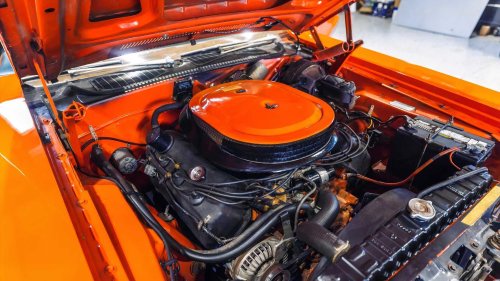
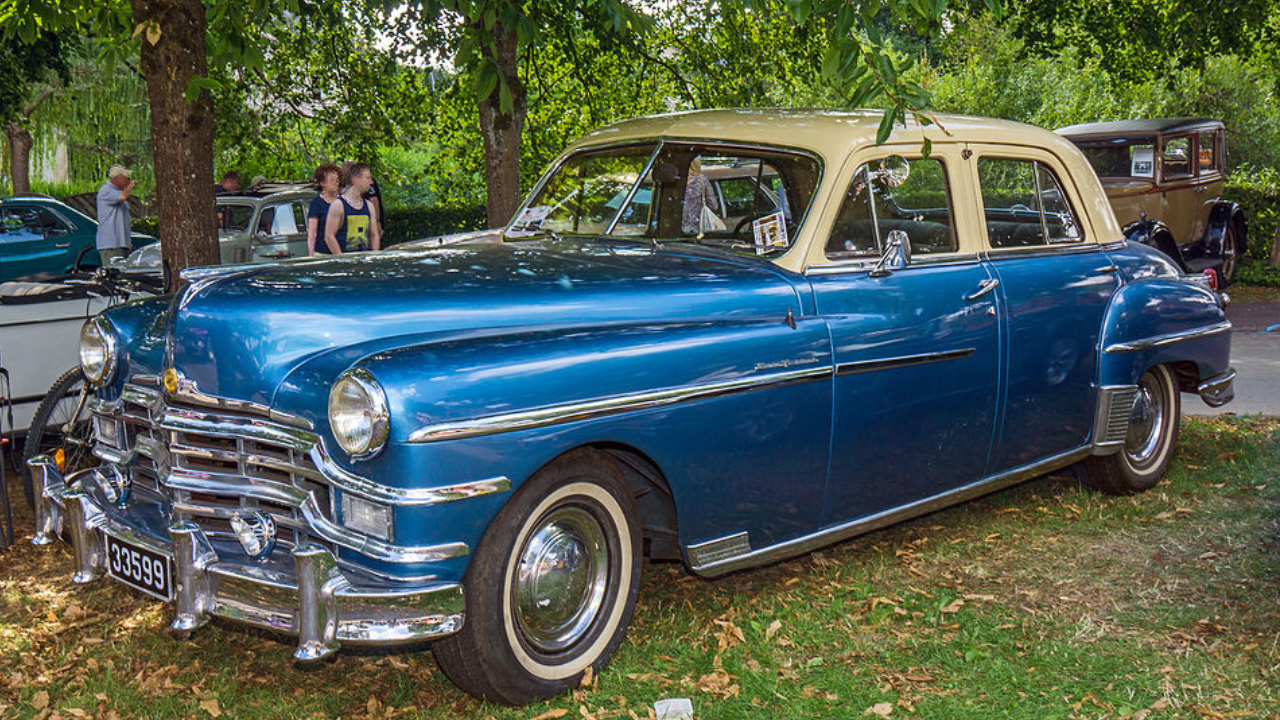
The 1950 Chrysler New Yorker arrived in a moment when chrome and tailfins were starting to matter as much as compression ratios, yet it quietly went the other way. Instead of chasing flash, it doubled down on solid engineering, conservative styling, and a kind of practical luxury that made more sense the longer you lived with the car. That choice did not make the New Yorker the loudest presence on the boulevard, but it did help define Chrysler’s reputation as the sensible, mechanically sophisticated alternative in the early fifties. Engineering first, styling second From the outside, the 1950 New Yorker looked like a careful evolution of Chrysler’s immediate postwar cars, and that was no accident. Inside the company, leadership had long believed that mechanical soundness mattered more than sheetmetal drama, and that philosophy shaped everything from the chassis to the drivetrain. Even as rivals chased lower roofs and more flamboyant ornamentation, Chrysler kept refining a package that prioritized durability, interior space, and predictable road manners over driveway theater. That approach fit a broader corporate pattern. Jan designers and planners were, as one account puts it, Bucking the prevailing trends by emphasizing packaging efficiency instead of styling flair, even as competitors stretched Wheelbases and piled on chrome. Another period analysis notes that, However much the market seemed to reward flash, Chrysler had always prioritized engineering over styling, Even when that meant being labeled conservative. Under Keller, that conservative streak translated into cars that were easier to maintain and repair, the sensible choice for buyers who valued substance over fashion. A modern body hiding familiar bones Image credit: MMFE, CC BY-SA 3.0, via Wikimedia Commons Under the skin, the 1950 New Yorker was more evolution than revolution, and that continuity helped keep costs and complexity in check. Core bodies and chassis were carried over from the prior model year, which had already marked Chrysler’s first fully new postwar design. That meant the basic structure was proven, with a roomy cabin and robust underpinnings, even if the silhouette looked a bit upright next to sleeker rivals. Period road tests and retrospectives point out that these Core bodies and frames gave Chrysler a stable platform to refine rather than reinvent. The New Yorker shared its basic body shell with other Chrysler models, which helped the company spread development costs while still delivering a premium feel. Inside, the emphasis on comfort and practicality showed up in details like generous headroom and substantial seats, traits that fit the brand’s image as a car you could drive all day without fatigue. The straight-eight heart of the New Yorker Where some rivals were already touting overhead-valve V‑8s, the 1950 New Yorker relied on a smooth, long-stroke straight-eight that reflected Chrysler’s conservative engineering instincts. The engine was not the flashiest on paper, but it delivered quiet, flexible power and a relaxed character that suited the car’s upscale mission. In an era when reliability often meant building components stronger than strictly necessary, that straight-eight fit the “overbuilt” philosophy that many American manufacturers favored. Reference guides that catalog Chrysler New Yorker Specifications list the 1950 car’s engine and drivetrain details alongside its dimensions and weight, underscoring how much mass that powerplant had to move. Yet owners and historians alike describe the car as capable of steady highway speeds with little drama, helped by gearing and torque that favored smooth progress over quick sprints. That mindset echoes broader engineering practice of the time, when, as one reliability history notes, In the robust era reliability concerns were often addressed by designing components that were orders of magnitude stronger than the loads they were likely to see. Inside, comfort over couture Step into a 1950 New Yorker and the priorities become even clearer. The dashboard and door panels are restrained, with a focus on clear instruments and sturdy controls rather than intricate ornament. Seats are broad and upright, designed to accommodate adults in hats rather than to mimic a lounge, and the overall impression is of a car built for long trips and daily use rather than for show. That interior philosophy fit into a broader family strategy. A survey of early New Yorker models notes that the 1949 New Yorker used Chrysler’s new body style, which was also shared with Chrysler, Dodge and DeSoto, and that later in the run a padded dashboard was introduced to improve safety and comfort. Critics at the time sometimes complained that the cabins looked plain, but others appreciated the honest materials and the way the cars wore daily use. The emphasis on usable space was so strong that Many design critics and automotive historians later remarked that 1949‑1952 Chrysler Corporation cars were boxy and conservative, but also roomy enough that owners could ride in a car with their hats on without complaint. Conservative looks, solid sales For all the talk of conservative styling, buyers responded to the New Yorker’s mix of engineering and understated luxury. The four-door sedan in particular hit a sweet spot for families and professionals who wanted a premium badge without the ostentation of some rivals. That balance showed up in the sales ledger, where the sedan emerged as the most popular body style in the lineup. One period feature notes that Almost 23,000 New Yorker sedans were sold in 1950, making it the model’s most common configuration and suggesting that plenty of buyers were willing to trade flash for quiet competence. That popularity also reflected Chrysler’s broader reputation in the first half of the decade. Enthusiast histories point out that In the first half of the 1950s, Chrysler was well known for its engineering intelligence, with features like The Chrysler Fluid Drive using a fluid coupling to smooth out power delivery. Buyers who chose a New Yorker were buying into that reputation as much as into any specific model year. The calm before the Forward Look storm Seen from today, the 1950 New Yorker also reads as a kind of calm before a stylistic storm. Within a few years, Virgil Exner would reshape Chrysler’s image with lower, longer bodies and dramatic fins that made the cars look like they were moving even when parked. Those later designs would grab the spotlight, but they were built on a foundation of mechanical credibility that cars like the 1950 New Yorker had already established. Design histories recall that Exner’s later work, Featuring bodacious, streamlined bodies and tail fins, was marketed under the Forward Look banner and eventually earned him a place in the Automotive Hall of Fame. During the early 1950’s, the During the Why that philosophy still resonates Looking back from a modern enthusiast’s perspective, I see the 1950 New Yorker as an early example of a theme that keeps resurfacing in car culture: the appeal of engineering-led design. Today, when a company like Gordon Murray Automotive talks about prioritizing light weight, suspension travel, and driver feel over headline-grabbing numbers, it is tapping into the same instinct that guided Chrysler’s engineers in 1950. The specifics differ, but the idea that a car should work brilliantly first and impress onlookers second has never really gone away. In a recent deep dive on a modern supercar, the GMA T.33, its creator casually notes, “Yeah. We’re aiming for those kind of things. Yeah, lots of wheel travel,” a line that captures how much thought still goes into fundamentals like ride and control rather than just styling, as heard in a Yeah detailed technical discussion. That same mindset would have felt familiar to the engineers who sweated over the New Yorker’s chassis tuning and drivetrain smoothness. The 1950 Chrysler New Yorker may not have shouted for attention, but by leaning on engineering over flash, it helped set a template for cars that earn respect the longer you live with them, not just the moment you see them.



















 +45 others