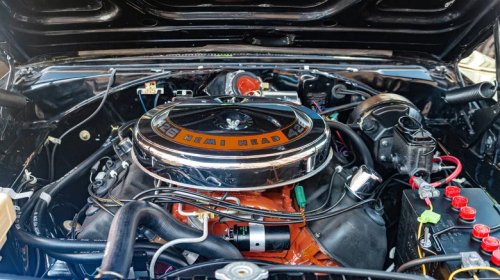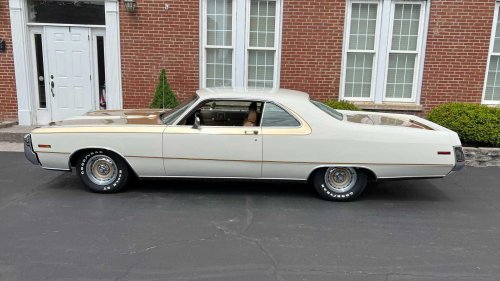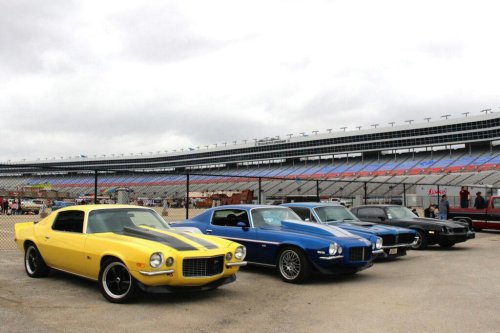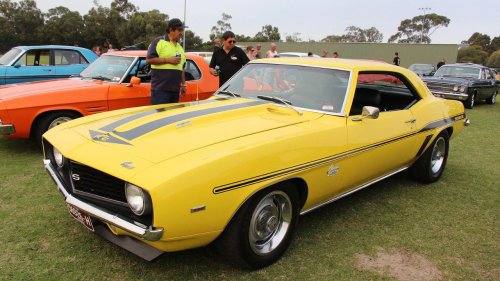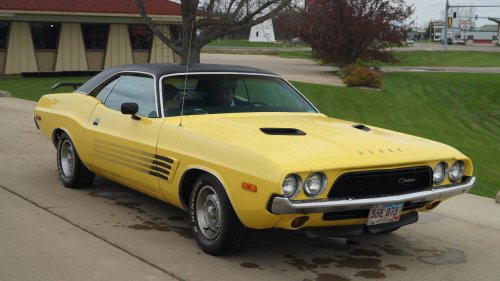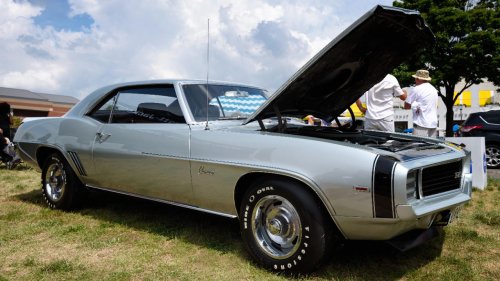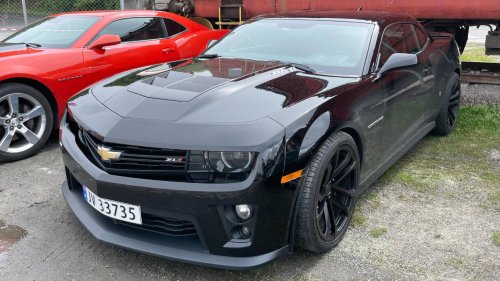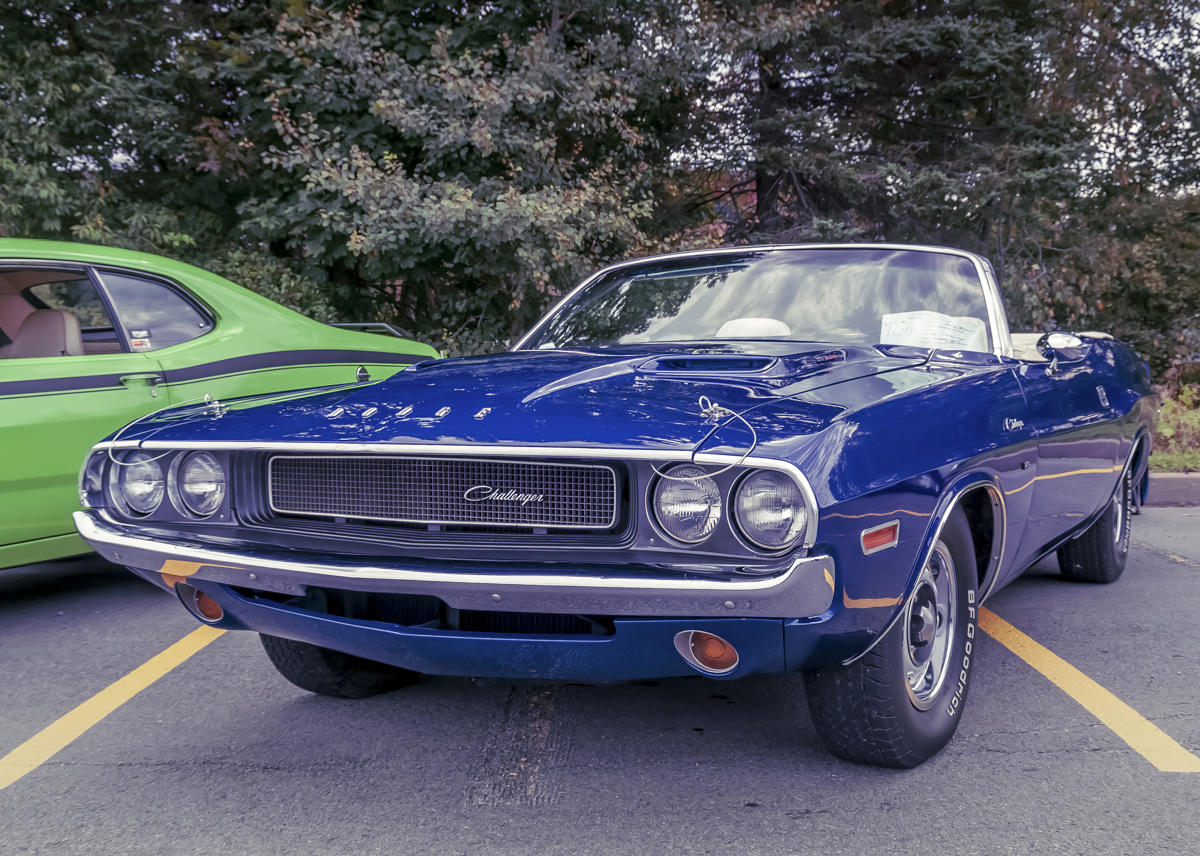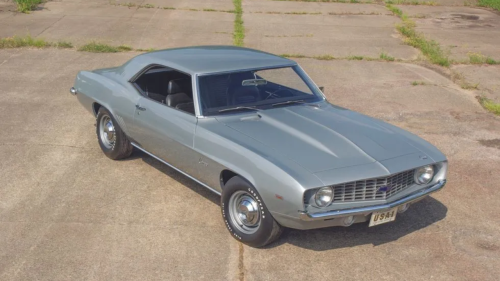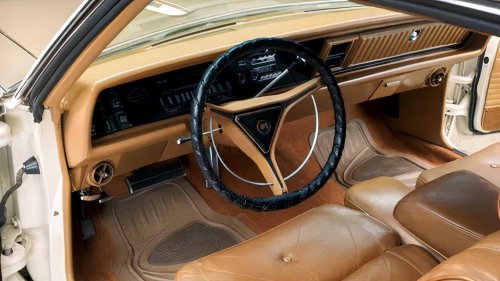
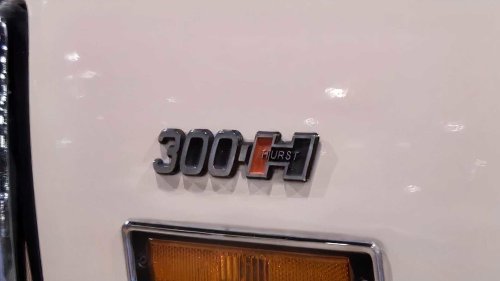
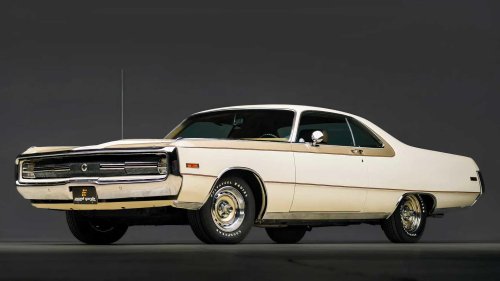
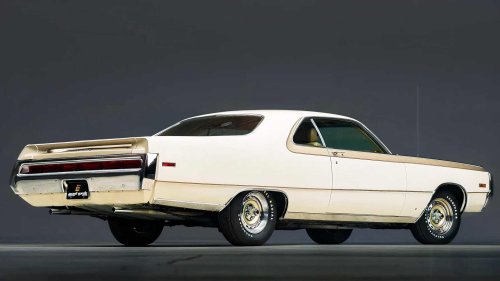
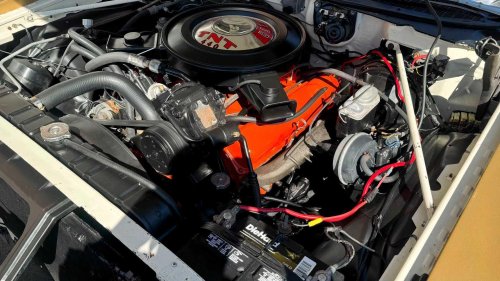
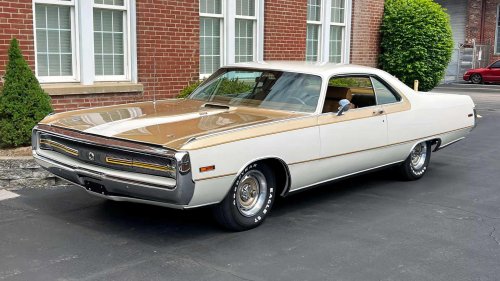
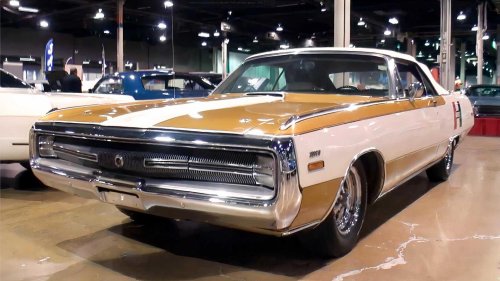
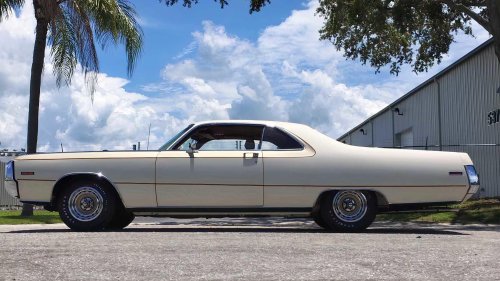



















The 1970s was the peak of the muscle car era where cars were pushed to the max. You had cars from the likes of Dodge, Ford, and Plymouth with the biggest engines put in the smallest cars. Chevy was innovative and produced the most power-dense and high-revving LT-1 small block engine in the Camaro Z/28. Most of these were the poster cars of the time and Chrysler had no car to represent. But before big, powerful cars would be outlawed, Chrysler quietly engineered a heavyweight car that defied common logic. The result was a luxury cruiser that had enough raw power to challenge every well-known muscle car available. The Muscle Car Nobody Saw Coming Bring a TrailerBy 1970, the Chrysler "Letter Series" models had already established its reputation as the "banker’s hot rod." These cars were massive luxury cruisers meant for people in the corporate world who wanted a powerful car that was comfortable. They were designed to cruise effortlessly at high speeds on the highway, completely covered in fine leather interior.However, by this time, the muscle car war was about to reach its peak, as buyers wanted more performance, and the traditional Chrysler 300 was not enough.The automotive world was used to seeing GTOs, Road Runners, and Camaros screaming for attention with bright colors and loud exhausts. This was not what Chrysler intended for its cars, but if they wanted the attention the other cars had, something needed to change. Nobody expected Chrysler to take an 18-foot-long luxury coupe and turn it into a high-performance street machine. It was a luxury boat that had a bigger engine and more power than the dedicated muscle cars that dominated at the time. The Hurst 300 Was More Than Just a Paint Job Bring A Trailer In 1970, Chrysler gave the world the Hurst 300 edition and it was very different from the cars in its lineage. When you look at the Chrysler 300 lineage, each car was part of the letter series that started with the C-300 and officially with the 300B in 1955 and 1956 respectively. The last official letter series was the 300L in 1965, and each letter series car was a big luxury cruiser with powerful big-block engines. The Hurst 300 was the successor of these cars and was meant to be a final send off to the iconic Chrysler 300 lineup, but not without proving a point.The 1970 Hurst 300 was built to bridge the gap between ahigh-speed daily cruiserand a genuine competitor on the drag strip. But it first needed to grab some attention. Every single Hurst 300 came painted in a striking two-tone Spinnaker White and Satin Tan Poly (gold) paint scheme. It has a custom fiberglass hood with a functional scoop to feed air into the engine. The rear also got an integrated spoiler, which were styling cues you see on smaller muscle cars and not big cars like these. This unique paint scheme came about because of an important partnership. Why Chrysler Partnered With Hurst Bring A TrailerIn the late 60s and 70s, Hurst Performance was the gold standard when it came to aftermarket muscle car shifters. If you had the upgraded hurst shifter in your car, it meant you were serious about performance. Hurst wasn't just a parts company; they were great tuners and marketers who had already had a good partnership with Oldsmobile starting in 1968.Chrysler partnered with Hurst because they wanted to partner with a brand that could help change its image. The high-performance Dodge and Plymouth divisions were already winning since they appealed to car lovers who were ready to spend on go-fast accessories even after buying the cars. But the Chrysler brand was seen as the boring car that dad's would commute in. By partnering with Hurst and giving the car its distinct paint scheme, it added some street credibility to their biggest car—they wanted you to know that luxury didn't have to be slow or boring. It Was Powered By The Mighty 440 TNT V8 MecumAt the time, the1970 Camaro Z/28with its LT-1 350 engine was an engineering marvel making 360 horsepower. That was a very impressive number for a small block engine, considering some muscle cars needed larger 440 and 455 cubic inches to make similar power. Chrysler simply went the big boy route and used displacement to get more power. The Hurst 300 used the 440 cubic-inch TNT V8. Chrysler dropped a high-performance engine into its big luxury cruiser and that made a big statement.This was the same engine that powered some legendary muscle cars in the 70s, including the Dodge Challenger R/T, Dodge Charger Daytona, Dodge Super Bee, Plymouth Barracuda and others. With a displacement of 440 cubic inches (7.2-liters), it made 375 horsepower (15 more than the Z/28) and 480 pound-feet of torque (100 more than the Camaro). This wasn't a high-strung engine that needed to make power at 6,000 rpm. It made full power at 4,600 rpm with a redline at 5,000 rpm. The torque figure was most important as it was needed to move this big car with ease. Big and Heavy But Still Quick Mecum. Despite having more power, the Hurst 300 still had a massive problem to deal with and that is weight. No matter how fast a car can be, it can never defy physics, and this car weighed 4,100 lbs and was long at 224 inches. In contrast, the less powerful Camaro weighed 3,300 lbs. The heaviest car that shared the same 440 engine was the Dodge Charger Daytona and that weighed 3,850 lbs. The huge weight difference showed in performance.In a straight line, the Hurst 300 was surprisingly capable. It could sprint from 0-60 mph in about7.1 secondsand pass the quarter-mile in the low 15-second range. It was definitely faster than any other luxury car in the parking lot, but was never enough to beat the likes of the Camaro Z/28, which could run the quarter-mile in the mid-14 second range. But the Hurst 300 was never made to dominate on the drag strip—it was meant to keep up with the very best muscle cars on the highway. Find an open road that stretches for miles and the momentum and high speed stability of the Chrysler was almost unbelievable. Only 501 Of These Cars Were Built Via Lou Costabile on Youtube. The Chrysler Hurst 300 was a special car and with that it commanded a premium. The MSRP was $5,939 (about $50,000 today) and that was a lot which also made the production very limited. Chrysler wanted to make more cars but ended up with only 501 units (some records suggest 485) made.It was evenavailable as a convertible, but that was just one car Hurst used for marketing purposes. But the limited production was also due to another external financial factor.In 1970, insurance companies were adding massive surcharges to high-horsepower cars which made them expensive to buy and insure. The federal emissions were also getting tighter, which meant big engines like these didn't make sense to keep making. A 7.2-liter V8 would also go through gas very fast and in a big car like this, it disappeared even faster. So the Hurst 300 was only made for one year only. Enthusiasts Are Finally Paying Attention MecumFor decades, the Hurst 300 was one of those forgotten Mopars. Everyone wanted big hitters, like the Hemi Cudas and Charger Daytonas. No one really cared about big Chryslers until recently. Most relevant cars of that time are becoming out of reach as values keep going up, so enthusiasts have started looking at alternative cars and the Chryslers are becoming enticing.The Hurst 300 is particularly enticing because of its rarity and unique partnership with Hurst combined with the 440 TNT engine, which was the last of its kind. Values have started climbing slowly, with well-preserved cars fetchingbetween$40,000 and $70,000, which isn't a lot when you consider cars like the Pontiac GTO can sell for well over $200,000. Chrysler went all out with this car, it was like a luxury car inside, a show car on the outside with a powerful engine under the hood that would keep up with Camaros, Mustangs and Challengers.Sources: Chrysler, Mopar, Classic.com.