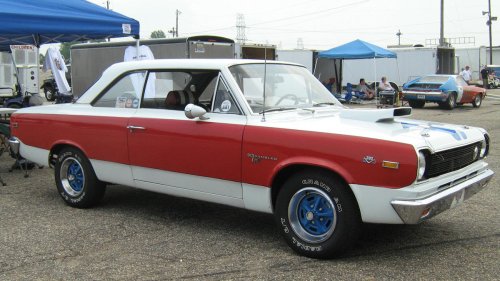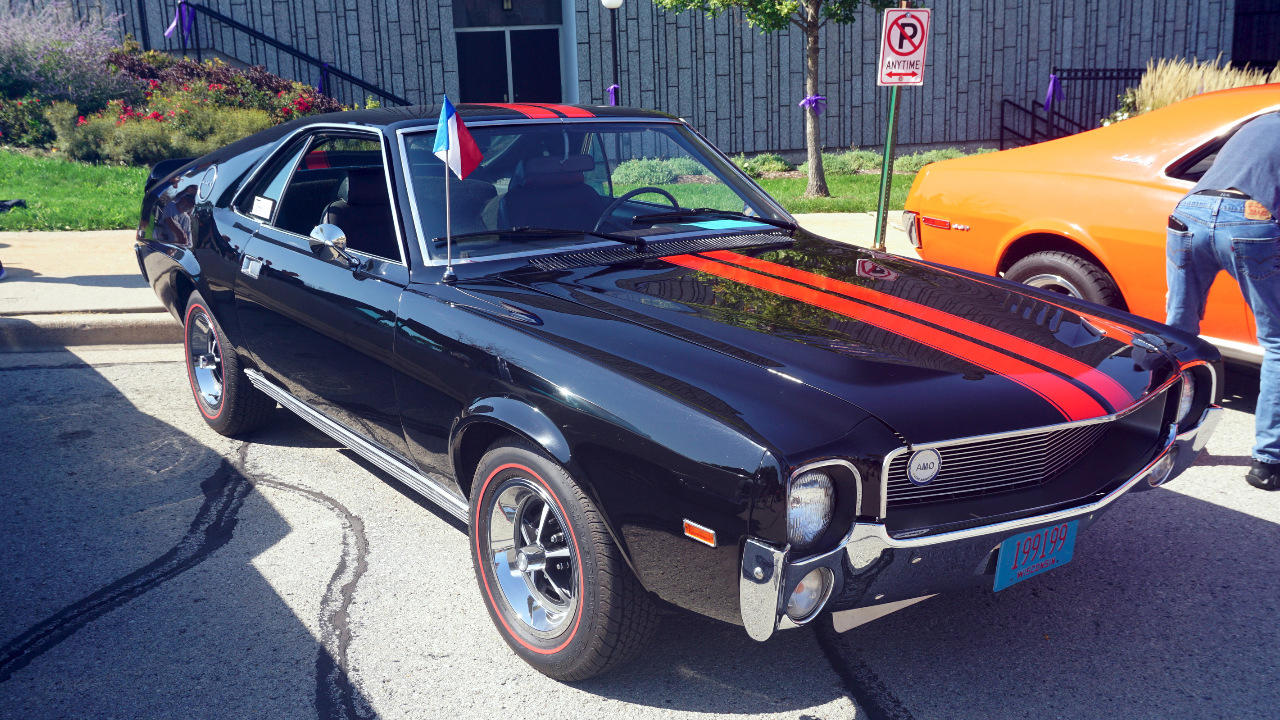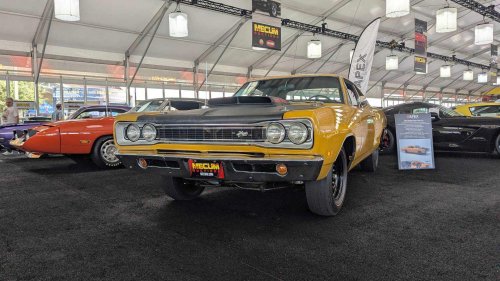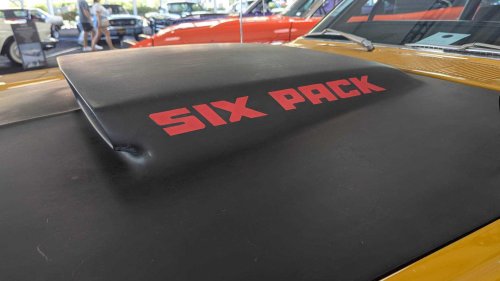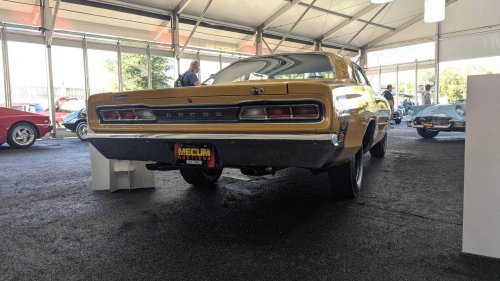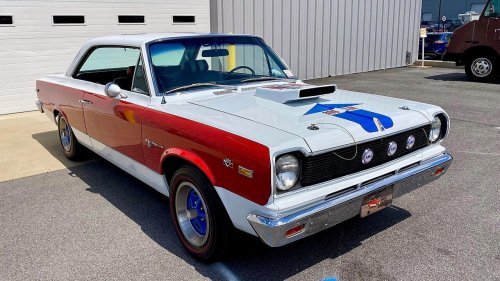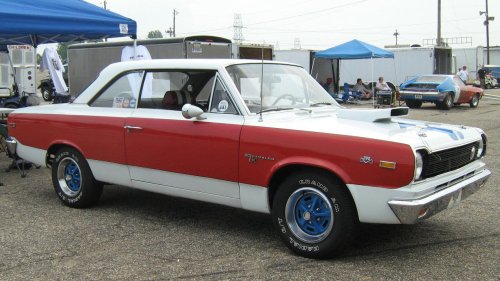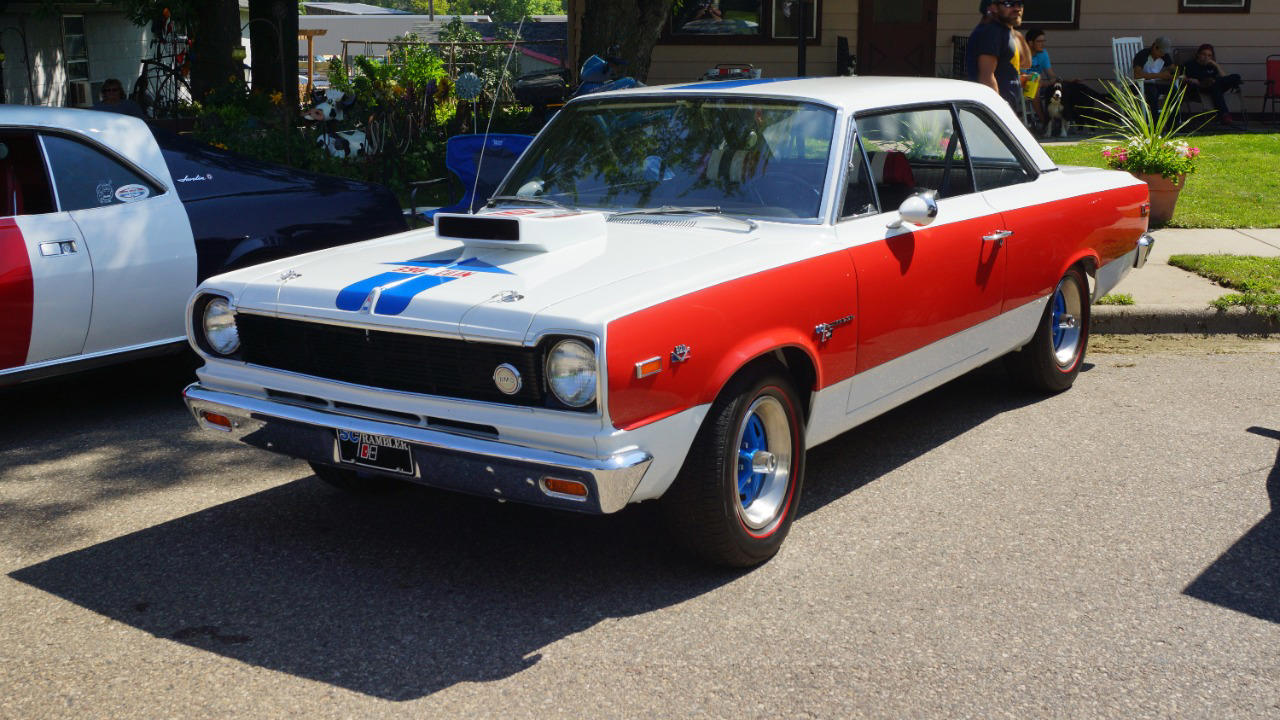



















Time nearly forgot the 1969 AMC Hurst SC/Rambler until recentlyFor decades after the muscle car boom, the 1969 AMC Hurst SC/Rambler lingered at the margins of memory, overshadowed by big-block legends from Detroit. Built in tiny numbers and based on an economy compact, it never quite fit the usual script for late‑sixties performance icons. As collectors look beyond the familiar badges, though, this wild, patriotic Rambler is finally getting the recognition its performance and audacity always deserved. What once seemed like a quirky footnote now reads as one of the purest expressions of factory drag racing intent. The SC/Rambler wrapped serious hardware in a loud red, white and blue suit, then sold it to regular buyers at a bargain price. Time nearly forgot it, but the market, the museums and the drag strip faithful have not. The unlikely roots of a factory hot rod The SC/Rambler started life as a compact Rambler Rogue, a sensible two‑door hardtop that American Motors marketed to budget‑minded drivers. Rather than develop an all‑new halo car, AMC turned this light platform into a weapon by partnering with Hurst Performance. Period coverage and later histories describe how the company used the Rogue shell as the basis for the Hurst SC/Rambler, then stuffed in its biggest available V8 and a full catalog of go‑fast parts to create a car aimed squarely at the drag strip. That collaboration with Hurst gave AMC access to the shifters and branding that performance buyers trusted. Contemporary retrospectives explain that the SC/Rambler was conceived as a factory drag car, not just a sporty trim level, with the compact Rambler body chosen precisely because it was lighter than the brand’s Javelin and AMX pony cars. The result was a short‑wheelbase package that felt more like a street‑legal race car than a dressed‑up commuter. Enthusiast accounts of surviving cars highlight how little luxury made it into the mix. Thin bucket seats, simple door panels and minimal sound deadening kept weight down and reminded buyers that every extra pound could cost them a few hundredths at the strip. The SC/Rambler was not about comfort. It was about giving AMC loyalists a way to line up next to Chevrolets and Fords with a real shot at winning. Built in tiny numbers, remembered by a few Production volume is one reason the SC/Rambler faded from mainstream memory. Contemporary and modern sources generally agree that American Motors built roughly fifteen hundred examples for that single model year. One enthusiast registry on social media goes further and states that only 1,512 units left the factory, a figure repeated in multiple collector circles. Another period‑style review notes that AMC originally planned a 500‑car run and ultimately manufactured 1,502 units instead, a small discrepancy that illustrates how sparse the official record can be for low‑volume specials. Whether the exact total was 1,502 or 1,512 units, every credible source agrees that output stayed in the fifteen‑hundred range. That is a rounding error compared with the tens of thousands of big‑block intermediates the larger brands moved in the same year. Those small numbers had consequences. The car did not have time to build a deep cultural footprint before production ended. Many examples were raced hard, modified heavily or scrapped when their drag racing days were over. Survivor stories today often involve long‑neglected shells pulled from barns or yards, sometimes missing original parts and in need of major metal work. One recent feature on an unrestored SC/Rambler describes a car that sat for decades but still wore its signature graphics, a reminder of how rare it is to find one largely intact. Patriotic paint and an attitude to match If the SC/Rambler was numerically obscure, it was visually impossible to ignore. The car wore one of the most extroverted factory paint schemes of the muscle era, a combination that current sellers and curators still describe as a patriotic red, white and blue livery. Promotional material and later museum write‑ups emphasize the bold hood scoop, large side graphics and bright contrasting panels that turned the compact Rambler into a rolling billboard for American Motors performance. Two basic graphic packages emerged. Enthusiasts often refer to them as the A‑scheme and B‑scheme, with the earliest batch associated with a particularly loud arrangement of color blocking and striping. Social media posts from museums that display the car highlight that the first 500 examples carried that most aggressive treatment, using the massive scoop and vivid striping to make sure no one confused the SC/Rambler with a regular commuter. Collectors who specialize in AMC products argue that this visual drama was not just decoration. In a marketplace crowded with big‑block Chevrolets, Fords and Dodges, the smaller brand needed a way to stand out. The SC/Rambler did it by being louder in appearance than almost anything else in the showroom, even as it remained relatively affordable compared with better‑known muscle cars. Serious hardware under the stripes The SC/Rambler’s mechanical package backed up the visual noise. Period specifications and modern write‑ups agree that the car used a 390 cubic inch V8, the largest engine in the AMC lineup at the time. That big engine sat in a compact chassis, and museum descriptions underline how the lightweight Rambler shell gave the car a favorable power‑to‑weight ratio compared with heavier competitors. Factory gearing and suspension tuning were aimed at quarter‑mile performance. A 3.54 Twin‑Grip rear end, referenced in modern buyer guides as part of a desirable combination, helped the car launch hard. The standard four‑speed with a Hurst shifter reinforced the connection to the company’s performance partner. Later owners frequently added aftermarket induction pieces such as cross‑ram manifolds and dual carburetors, but even stock examples were quick enough to be competitive in their intended class. Drag racing was central to the SC/Rambler’s mission. Technical summaries and enthusiast histories describe how the car was targeted at NHRA F/Stock competition, with the factory specification tailored to fit neatly into that ruleset. One technical overview notes that the SC/Rambler was roughly a thousand pounds lighter than some full‑size rivals in similar Stock classes, giving it a clear advantage even if its rated horsepower looked modest on paper. Born for NHRA F/Stock Contemporary drag racers remember the SC/Rambler as a purpose‑built entry for NHRA F/Stock, a class that balanced weight, displacement and limited modifications. A detailed profile of forgotten muscle cars points out that the compact Rambler body was roughly a thousand pounds lighter than Chrysler’s 300 series, while still carrying a strong V8. That weight break allowed the SC/Rambler to punch above its rated output and become a threat in class racing. Modern social media posts from museums and private collectors reinforce that heritage, describing the Hurst SC/Rambler as a budget muscle car that was designed for NHRA F/Stock class drag racing. The emphasis on class legality explains some of the car’s quirks, from the specific intake and exhaust layouts to the choice of rear gear ratios and suspension settings. AMC was not just building a fast street car. It was building a car that could go from dealership floor to drag strip staging lanes with minimal changes. That focus on sanctioned racing also helps explain why so many examples disappeared from the road. Cars that spent their first years doing F/Stock duty often ended up cut, tubbed or repowered as rules changed and owners chased new classes. The few that avoided heavy modification, or that were returned to stock later, are now especially prized by collectors who want to see how the car left the Kenosha factory. Budget price, big performance For all its race‑ready intent, the SC/Rambler was not priced like an exotic. A period‑style summary shared by a major muscle car event pegs the car’s sticker at $2,998, a figure that placed it firmly in budget muscle territory. That relatively low price bought a 390 cubic inch V8, a Hurst shifter, heavy‑duty suspension and the full patriotic paint treatment, making the car a compelling value for buyers willing to accept its stripped interior and uncompromising ride. Later retrospectives on American Motors performance models point out that the company often competed on value rather than sheer prestige. The SC/Rambler fit that pattern. It offered quarter‑mile times comparable to better‑known big‑block intermediates, but did so with a smaller footprint and a lower entry cost. For enthusiasts who wanted to go racing without spending top money on a Chevelle SS or Road Runner, the AMC option made sense. That value proposition looks different today. Auction results and private sale listings show SC/Ramblers bringing strong prices relative to their humble origins, reflecting both the car’s rarity and its growing reputation among muscle car historians. What was once a budget hot rod now trades as a collectible that serious AMC fans chase aggressively. How the SC/Rambler slipped from view Despite its performance credentials, the SC/Rambler never achieved the cultural saturation of the Hemi Chargers and other American icons often mentioned in modern video profiles of the era. One enthusiast video that revisits forgotten muscle cars frames the SC/Rambler as a machine that terrified Ford and Chevy loyalists at the strip, yet rarely appeared in mainstream media or advertising outside AMC’s own campaigns. That limited exposure helped push the car into obscurity once production stopped. Brand perception played a role. When enthusiasts think about AMC performance, they often picture the Javelin, AMX or later models like the Matador. The Rambler name carried economy connotations that were hard to shake, even when attached to a car as aggressive as the Hurst SC/Rambler. Some modern buyer guides explicitly describe it as a forgotten muscle car, a label that reflects how rarely it appears in casual conversations about the era compared with Mustangs, Camaros and Chargers. Production timing did not help. The SC/Rambler arrived late in the muscle boom and lasted only a single model year. There was no long‑running series of updates, no second‑generation redesign to keep it in the public eye. When insurance costs and emissions rules began to squeeze high‑performance models, the SC/Rambler had already come and gone. Rescued by enthusiasts and storytellers The car’s recent resurgence owes much to dedicated owners and historians who kept its story alive. Detailed technical histories of AMC performance cars devote significant space to the SC/Rambler, tracing its development, options and racing record. These long‑form pieces give context to the car’s role inside AMC, explaining how executives like Roy Chapin sought to use performance models to burnish the brand even as Jeep sales carried much of the company’s financial weight. Collector‑focused outlets have also helped rehabilitate the SC/Rambler’s reputation. One in‑depth feature on the model walks through its specifications, production quirks and surviving examples, treating it as a serious muscle car rather than a curiosity. Another profile focuses on a particular survivor, using the car’s restoration story to illustrate how rare it has become to find original sheetmetal and correct drivetrain components. More from Fast Lane Only Unboxing the WWII Jeep in a Crate 15 rare Chevys collectors are quietly buying 10 underrated V8s still worth hunting down Police notice this before you even roll window down