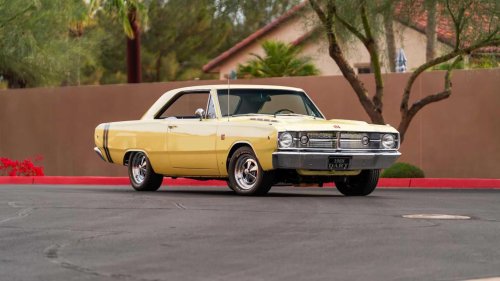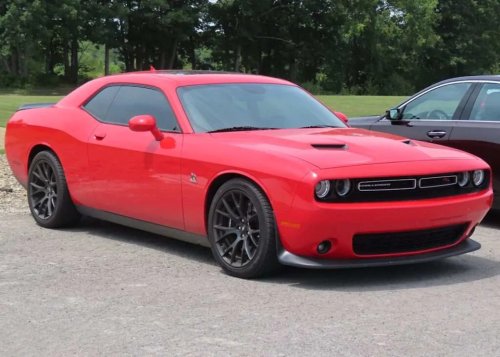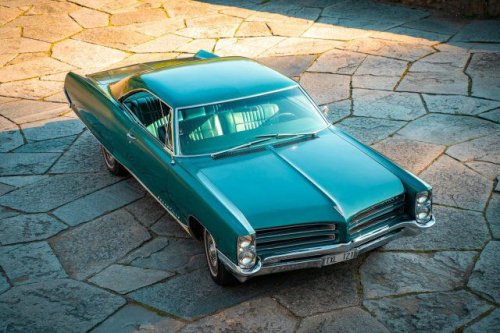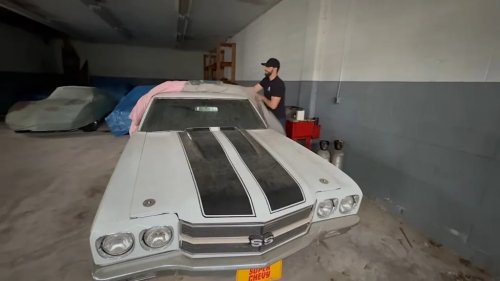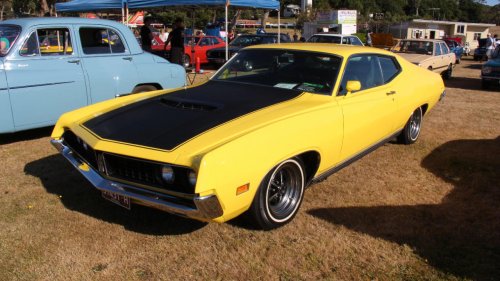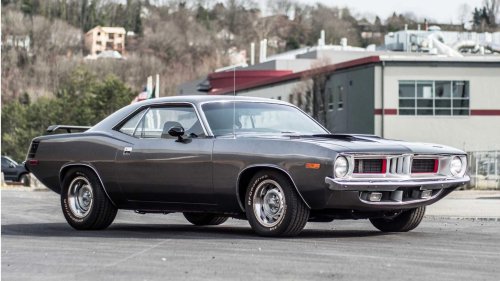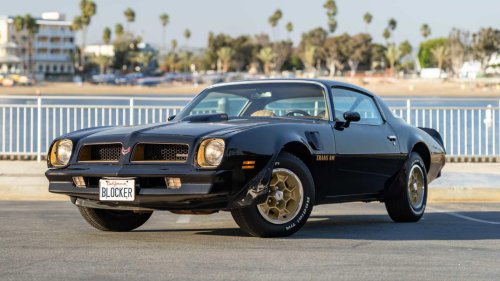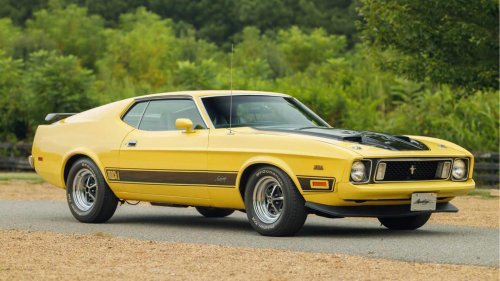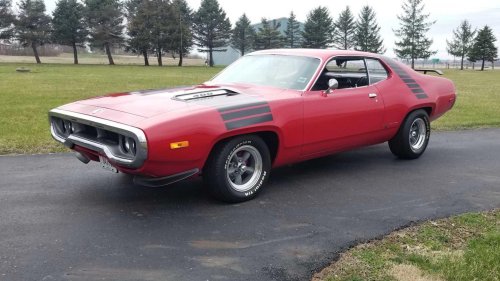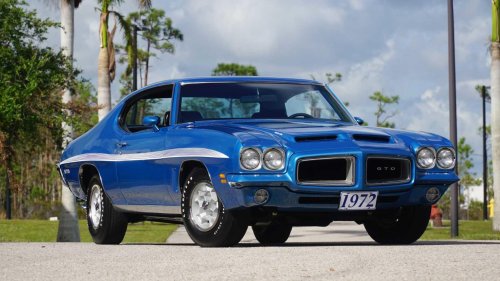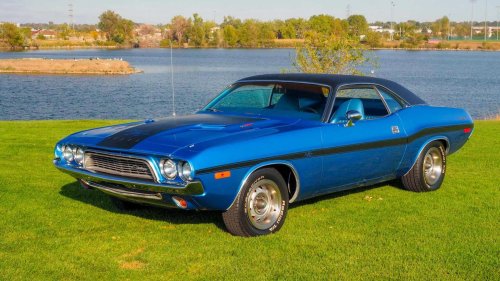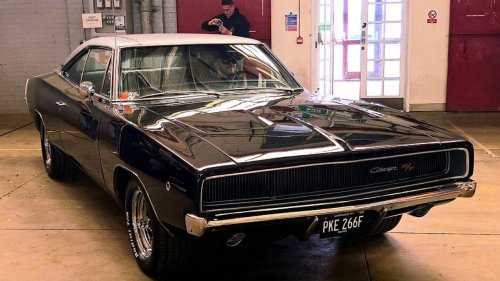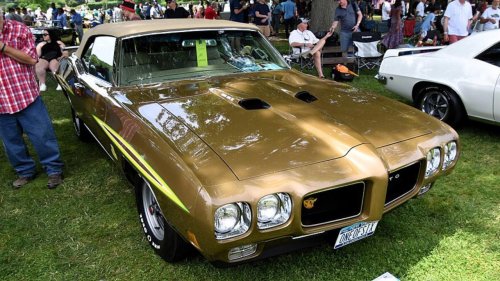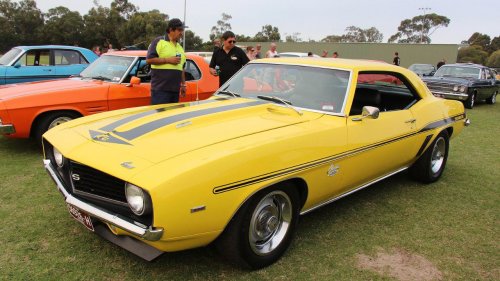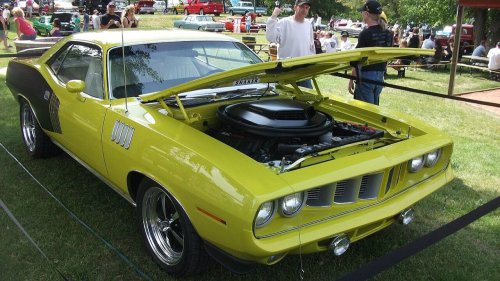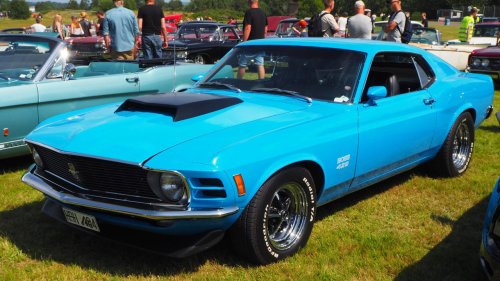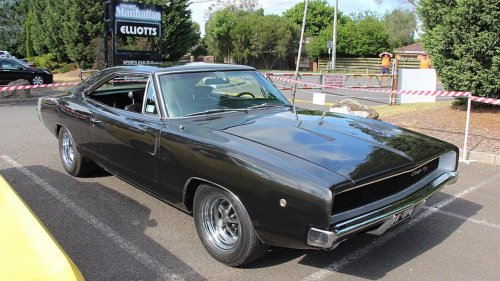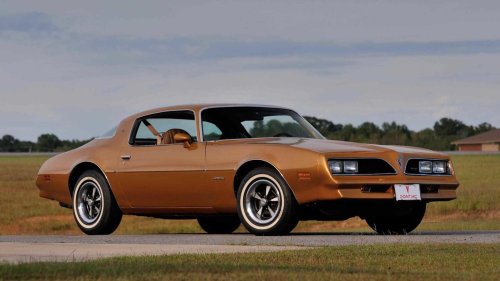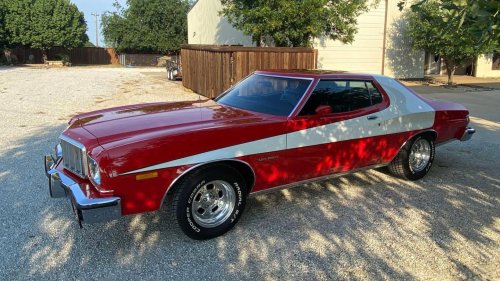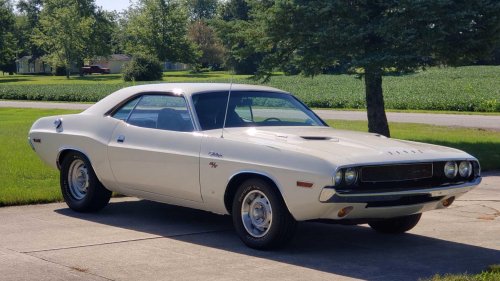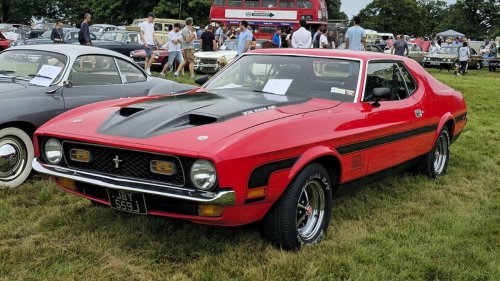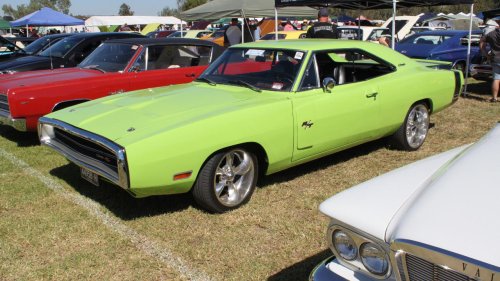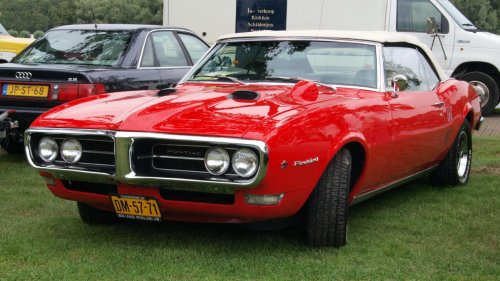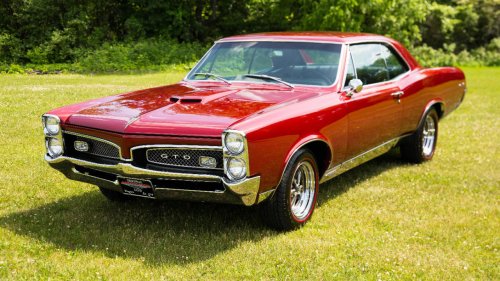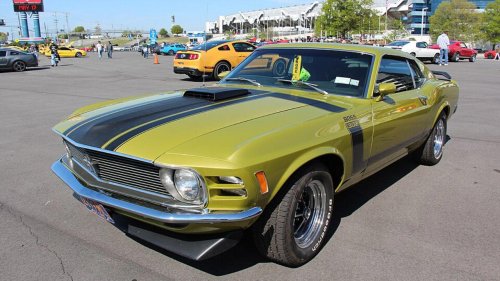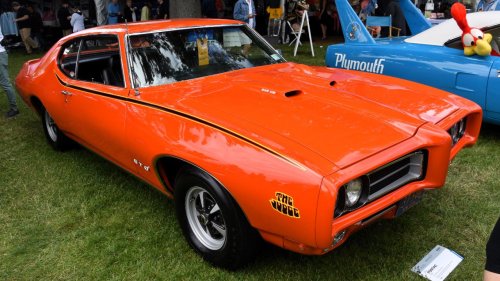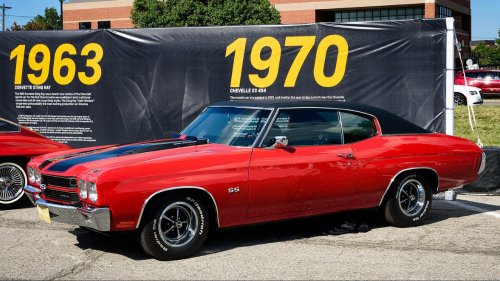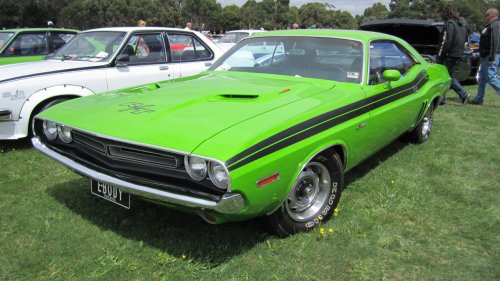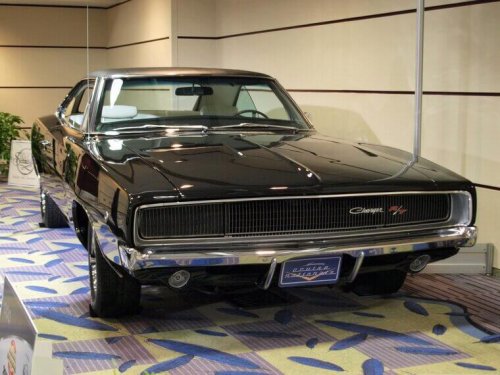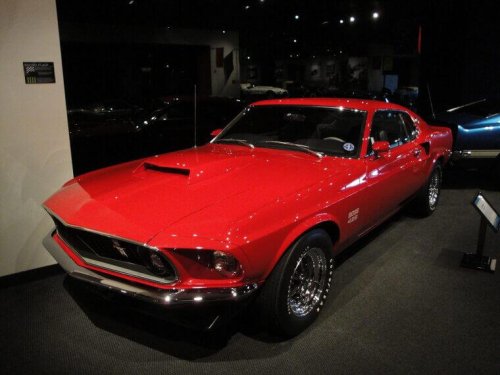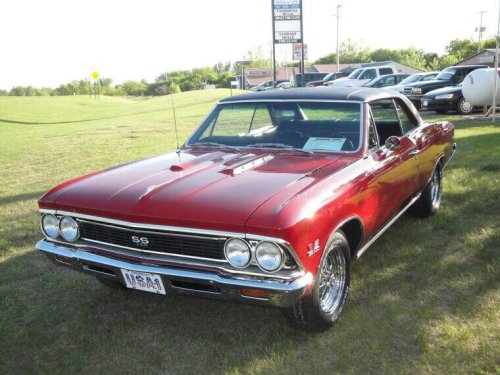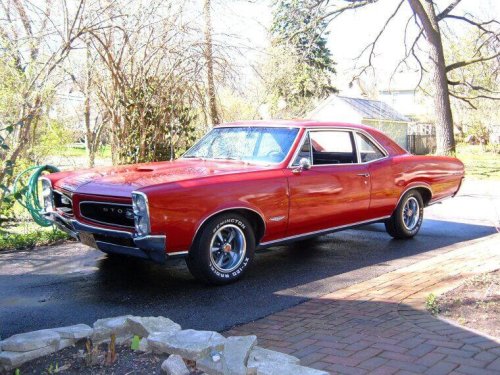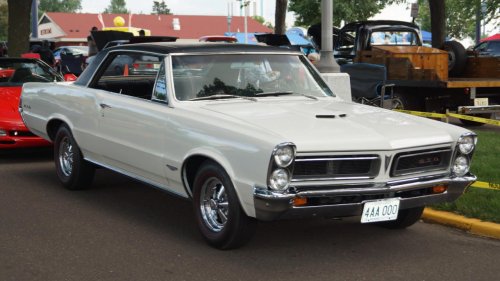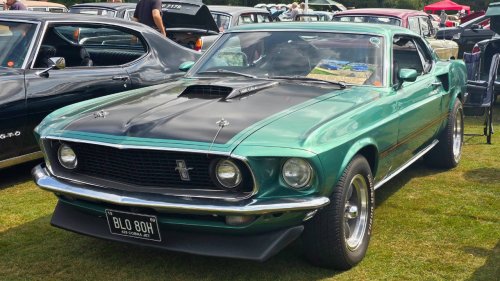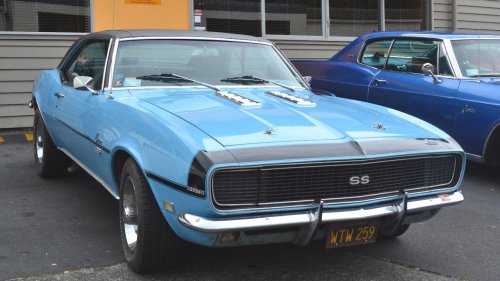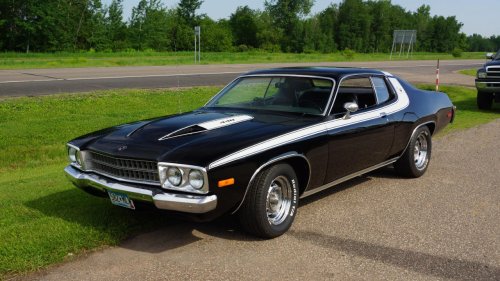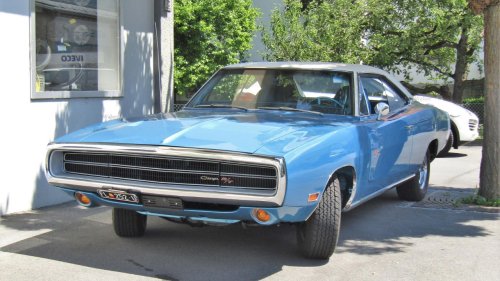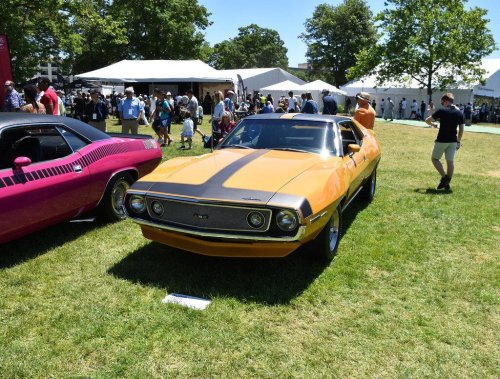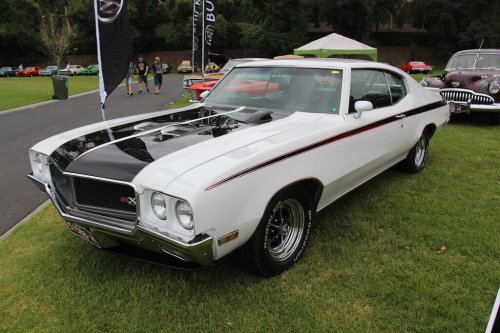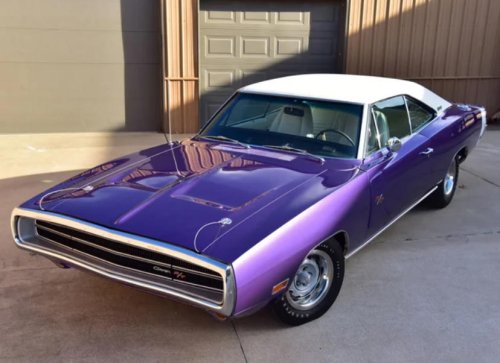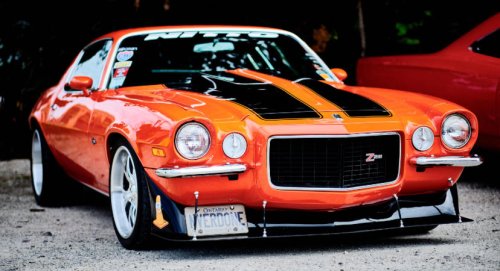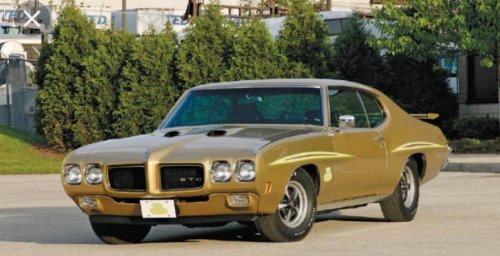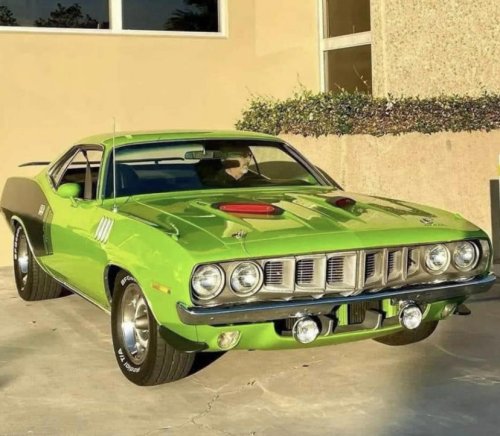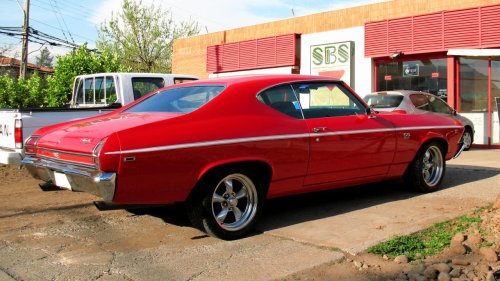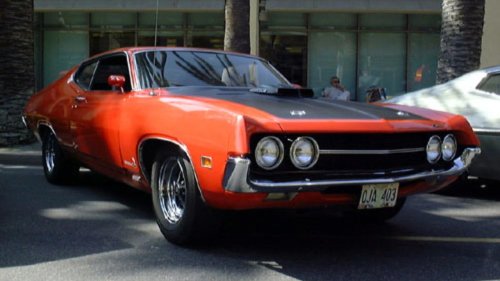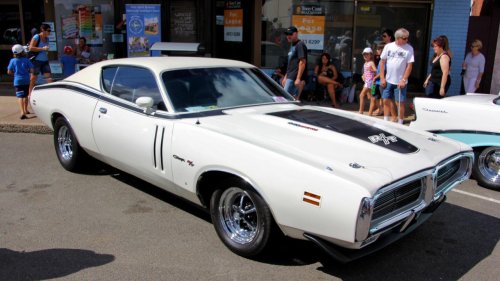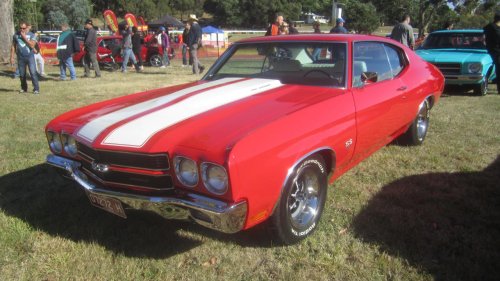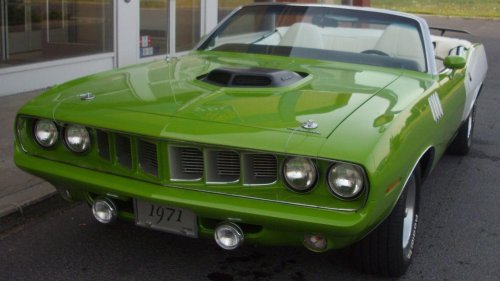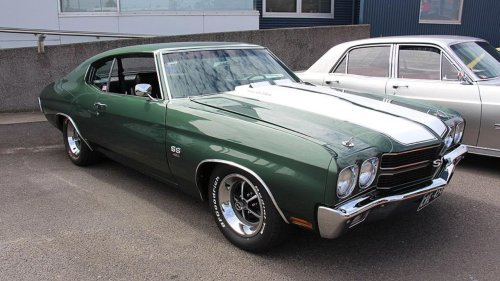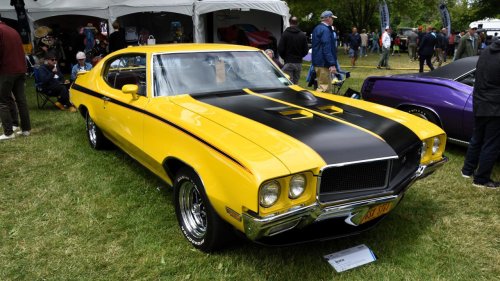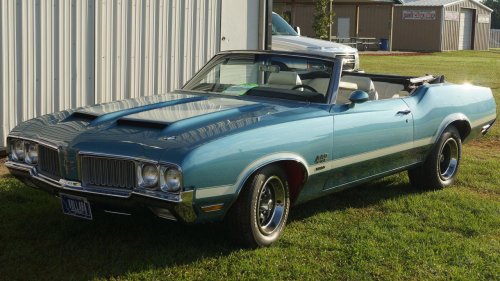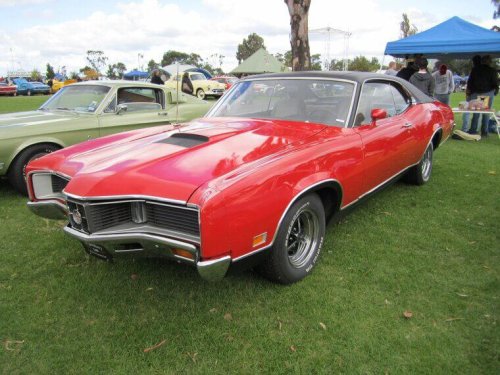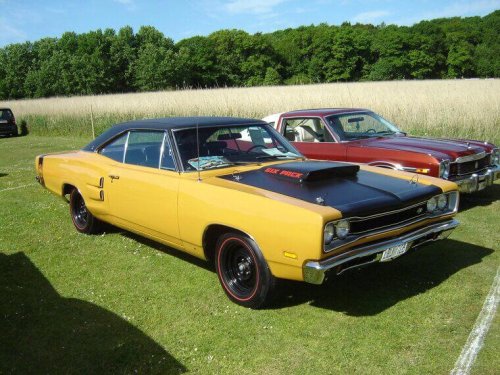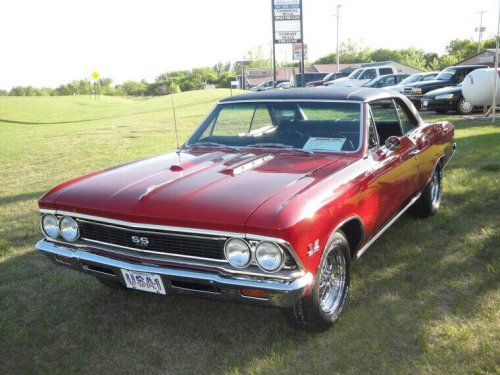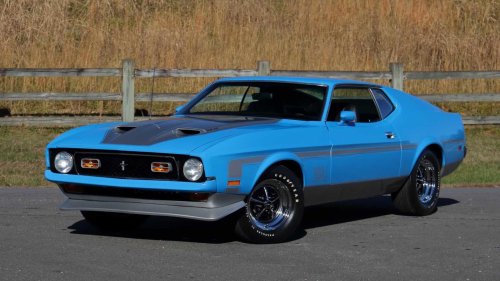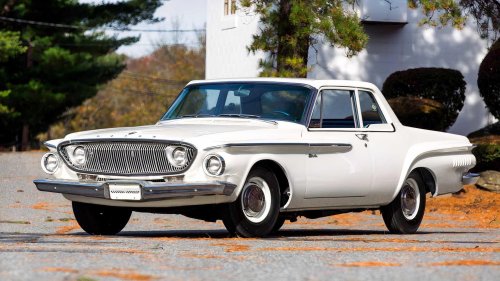
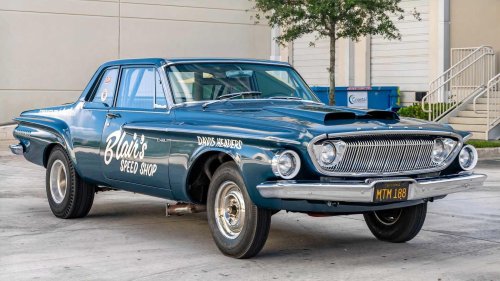
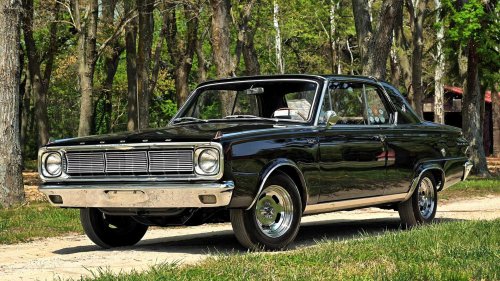
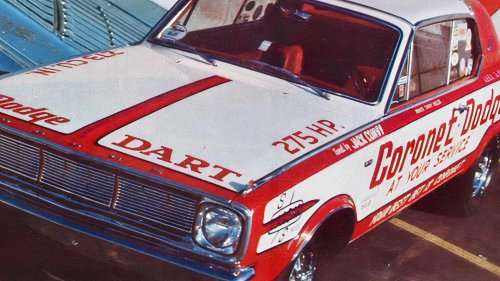
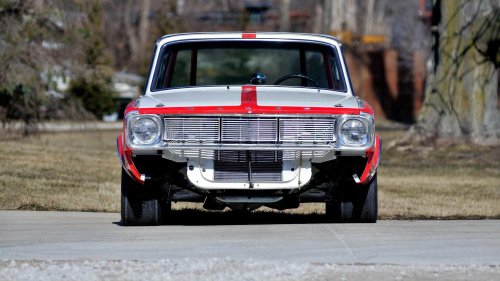
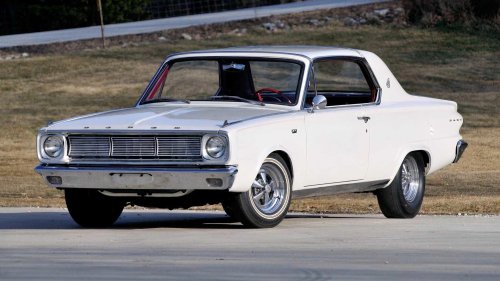
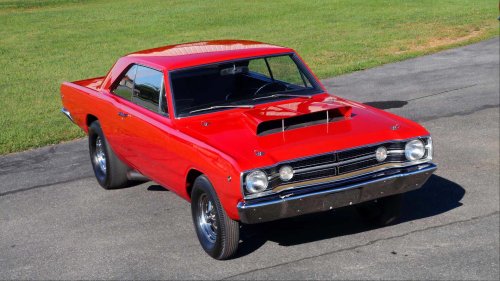
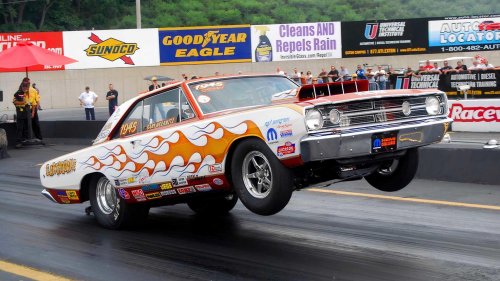
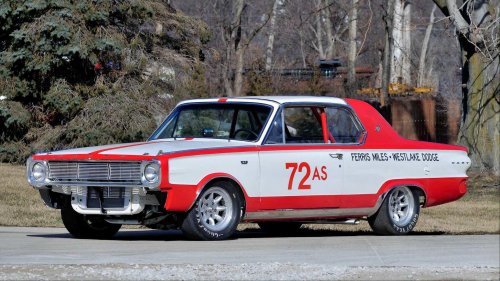



















If one were to carve a Golden Age of American Muscle Mount Rushmore, it would probably have the Pontiac GTO, Chevy Chevelle SS, Dodge Charger R/T, and Ford Mustang Mach 1. A good case, however, could be made for including the Plymouth Road Runner and Hemi 'Cuda, as well as the Camaro and Firebird, but obviously that's too many Founding Father muscle cars. The point is, all of those mentioned were the defining cars of the classic era and, coincidentally, the most collectible today. There were certainly other cool rides that packed a punch, but they aren't as remembered as these monument-worthy cars.There were some muscle cars that, for whatever reason, flew under the radar back then and continue anonymously in today's collector's market. AMC made some terrific muscle, but they just never caught on, and the same can be said for Mercury, which was stuck in Ford's shadow. There were also a series of limited production factory drag cars and special editions that casual fans don't know about, but hardcore enthusiasts still remember them. Believe it or not, Dodge, which was responsible for a disproportionate amount of memorable Golden Age classics, actually managed to produce a muscle car so obscure that a lot of Mopar wonks have never even heard of it. The Corvette Killer: Max Wedge Dodge Dart Mecum The Beach Boys had a song called "Shut Down" that was the B-side to "Surfin' USA" which tells the story of a Chevy Corvette beating a Dodge Dart in an epic drag race. It's a catchy tune and a fun tale, but it is a complete work of fiction that was completely debunked (by me) on our sister site, TopSpeed. The Corvette was a '63 Stingray with a 360-horsepower 327ci V-8 and the Dart was a mighty 420-horsepower Max Wedge 413. On paper, the Dart would win a quarter-mile race by 1.3 seconds, but the song's lyrics clearly state, "My stingray is light, the slicks are startin' to spin, But the four-thirteen's really diggin' in." With a sloppy launch, there is simply no way the 'Vette could have caught up to the more powerful Dart, which got off the line clean. Premier Mopar Performance Bring A Trailer Leading up to the Dawn of the Golden Age in 1964, the Dodge Dart was the baddest thing on the road, and a good argument could be made that it was the actual first muscle car. The second-generation Dart, which was only around for a single year (1962), was available with the 413ci Max Wedge V-8 that produced 420 horsepower and 470 pound-feet of torque. The engine was designed for NRHA Super Stock, but it could also be optioned on a Dart at any dealership. The Dodge Dart 330 was even more ferocious with a 426ci Max Wedge that got up to a Hemi-level of power with 425 ponies. With its smaller, lightweight design, the Dart was Mopar's top performance ride heading into the classic muscle car era. Dart Gets Excluded From The Hemi Club Mecum Despite bearing the performance torch for Chrysler, when the legendary 426ci Hemi V-8 hit the streets in 1966, the Dart was left out in the cold. The Hemi was another engine that was designed for racing, and Chrysler had no intention of making it available for street use, but Ford complained that it was too fast and so NASCAR temporarily banned it until a certain number could be sold to the public. Homologation numbers are usually in the 500–1,000 range, but Chrysler decided the 426 Street Hemi was going to be an option for most Dodge and Plymouth models. Sadly, the compact Dart wasn't eligible in the Hemi sweepstakes, as Chrysler limited its use to intermediate cars only. If Ford was griping about the Hemi being too powerful in a Belvedere, imagine the meltdown over one under the hood of a tiny third-generation Dart. 1966 Dodge D-Dart Factory Drag Car Dodge Possibly as an apology for slighting the Dart after years of service and dominance, Dodge threw the nameplate a bone and created a factory drag car in 1966. It's not quite as awesome as it sounds, because this was not a Max Wedge or Hemi comparable set of wheels by any stretch of the imagination. Equipped with a slightly more powerful 273ci V-8, it was kind of a letdown considering that was the standard engine on the '66 Dart GT. The D-Dart was actually an effort to promote the GT, as if there weren't more interesting things going on in 1966 like the availability of the 426 Street Hemi or the debut of the Charger. The D-Dart did have some high-performance parts and went on a proper drag car diet, but it definitely was missing the wow-factor of other factory track rides. Power And Performance, Or Lack Thereof Mecum The '66 D-Dart was equipped with a special version of the 273ci small-block V-8 that produced 275 horsepower and 280 pound-feet of torque. Getting more than one horsepower per cubic inch of displacement is impressive, but the actual total was a bit underwhelming, especially for a drag car. The D-Dart fell to the NHRA D/Stock division, which sounds as awesome as being on the D-list in Hollywood or getting a D in shop class. It was competitive with the other cars, but the D-Dart crawled a quarter-mile in 14.33 seconds at 94.21 mph. This may have been good enough to win a D/Stock race, but nothing that would blow fans away, like ETs in the 11s and 10s. Most Obscure Classic Mopar Mecum There are some extremely rare Dodge and Plymouth muscle cars, like the 1971 Hemi 'Cuda convertible, but the 1966 D-Dart is the most elusive Mopar nameplate. With just 50 units produced, which matches the numbers of the '68 Hemi Barracuda BO29, but the Dodge is far more obscure. The reason is simple: the Hemi 'Cuda was a mechanical masterpiece that was recognized as a keeper and therefore, many still exist. The D-Dart, on the other hand, was seen as a throwaway, and they are now super hard to come by. Our research has only been able to locate two D-Darts that still exist, which is almost like not existing at all. There may be a few more out there, but even so, this is a single-digit Mopar muscle car. 1968 Hemi Dart Is The Pride Of The Nameplate Mecum In 1968, the compact Dart finally got a Hemi and a proper factory drag car edition, but it took a little subterfuge to make it happen. Chrysler said Dodge wasn't allowed to shoehorn a 426 Street Hemi under the hood of a Dart, but Hurst Performance had no such restrictions. Dodge partnered with Hurst to build 80 Hemi Darts that were intended for the track but were actually street legal and sold at dealerships. Unlike the D-Dart which was a kitten, the Hemi Dart was a full-throttle cheetah, taking down prey in the blink of an eye. A sort of weird fun fact is that both the D-Dart and Hemi Dart shared the "LO23" code VIN identifier, which signified a special edition drag car. Otherworldly Performance Of The Hemi Dart DodgeThe '68 Hemi Dart received the race version of the 426ci Hemi V-8 with higher-compression and other heavy-duty upgrades, but it was still officially rated at 425-horsepower and 490 pound-feet of torque, the same as the Street Hemi. Any Hemi is probably underrated, but with no air filter or mufflers and some tuning, the Hemi Dart was probably more like a 550-600+ horsepower maniac. The ETs in the low-10s certainly point to the Hemi Dart having a little more juice than advertised. This was such a badass drag car that the NHRA made Hemi-equipped rides carry extra weight to try and even out the playing field, so once again the Chrysler 426 wondermill was too fast for the competition. ’66 D-Dart Collectibility Mecum Just because the 1966 Dodge D-Dart was a ho-hum factory drag car doesn't mean it's not a killer piece of muscle car history, and given its rarity, it should be highly collectible. Hagerty doesn't have a value for a D-Dart, but sets the Concours condition for the '66 Dart GT with the high-output 273ci V-8 at only $24,000, while J.D. Power gives that same vehicle a $16,100 high-retail price. The only two D-Darts that have ever come up for auction didn't exactly blow up the block. A white one brought the gavel down at Mecum Dallas 2016 for only $19,000 after failing to sell at an earlier auction.The one pictured above is billed as a "Trans Am Race Car" driven, coincidentally, by Johnny Dart. It failed to sell at Mecum Monterey 2014 and hasn't been heard from since. With only one confirmed sale that is woefully cheap, the '66 D-Dart is easily the best bargain for an ultra-rare Mopar classic. It looks cool, and it's probably a blast to drive as long as you aren't trying to race a Hemi Dart, so the only logical explanation for its low value is that almost nobody even knows it exists. Mopars as rare as this are generally worth six-figures to millions, but, again, collectors are aware of them.Sources: Hagerty, J.D. Power, Mecum