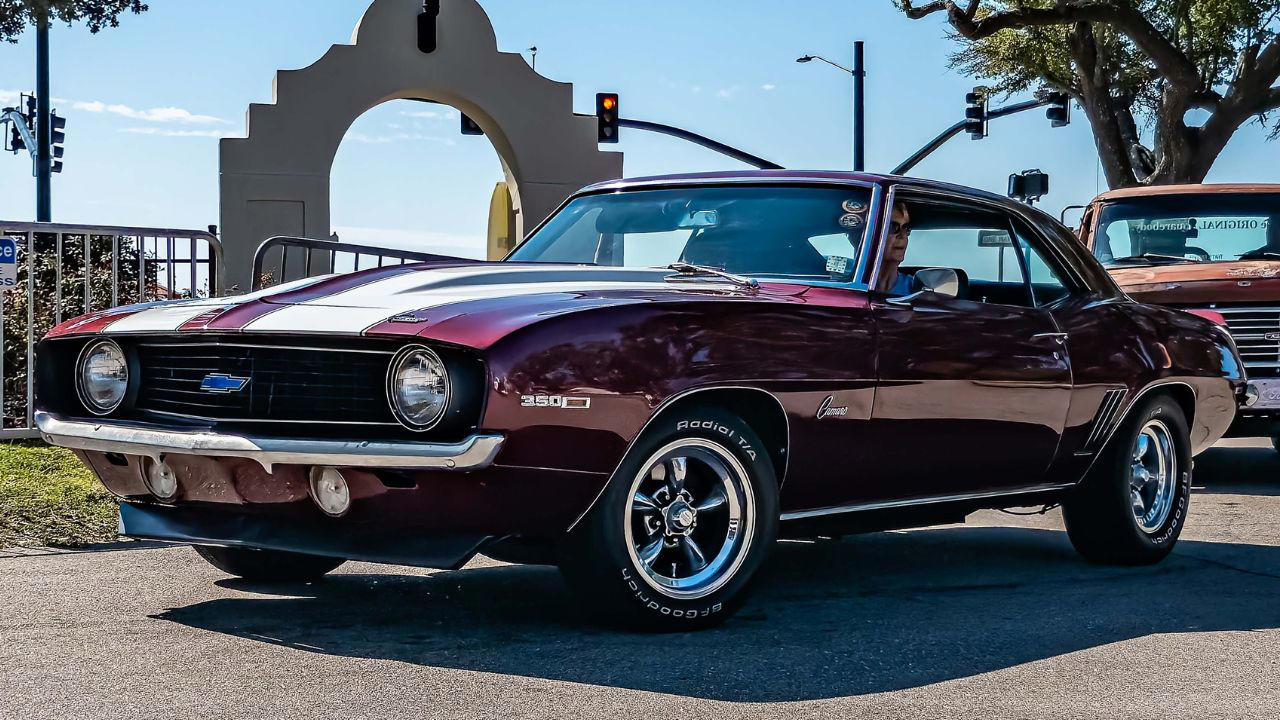
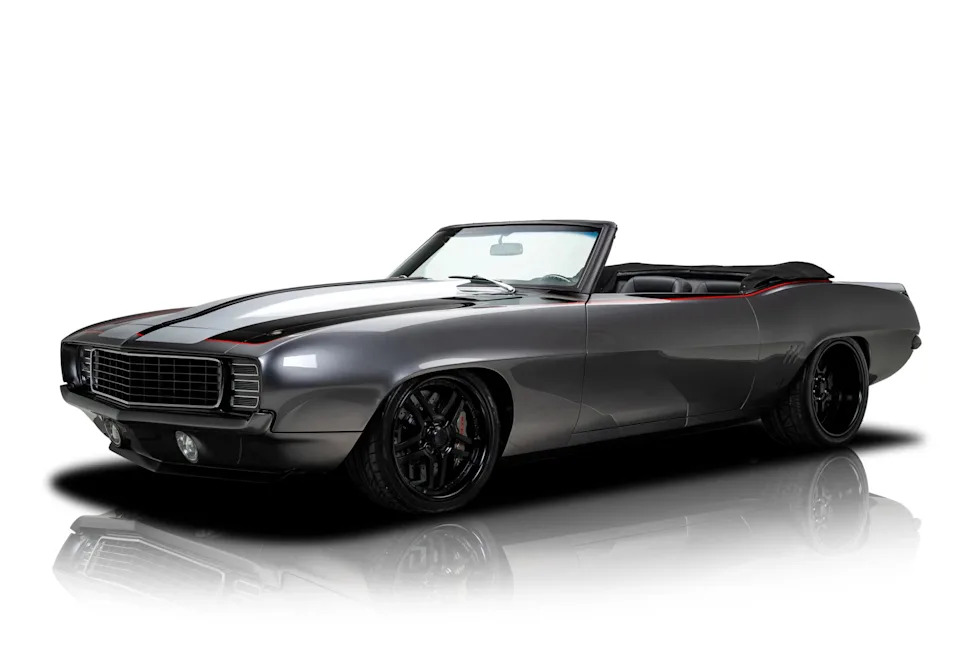
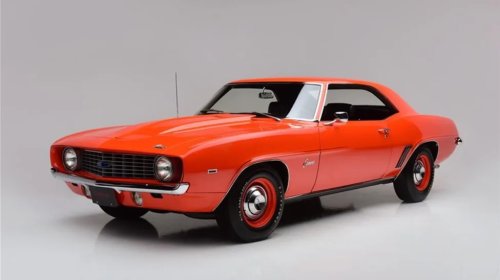
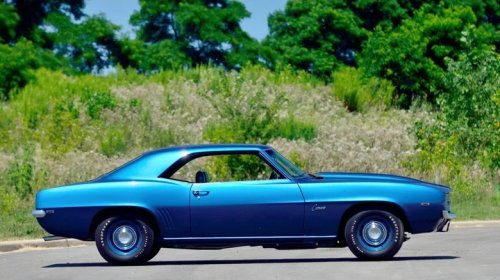
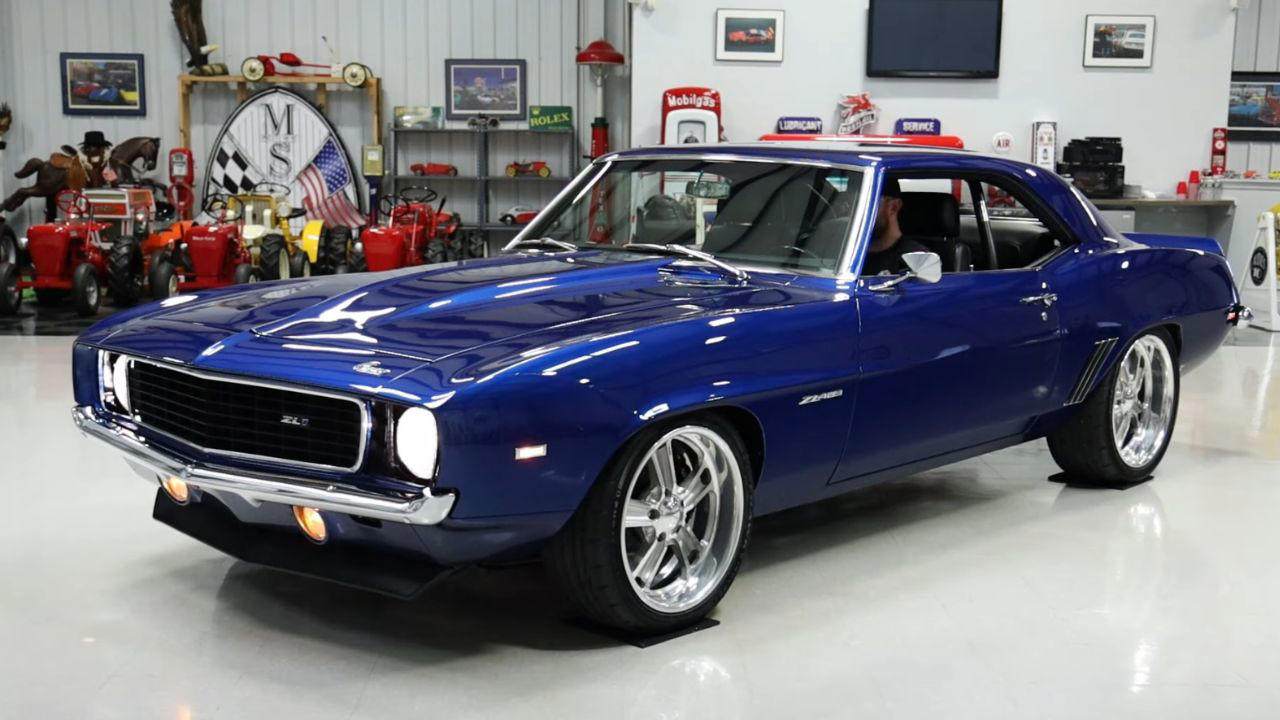
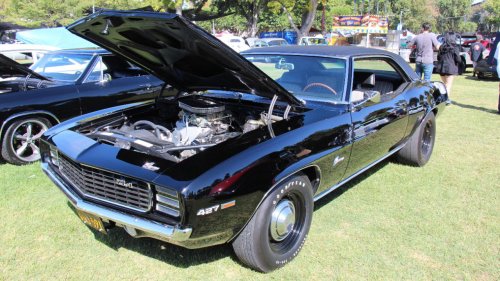
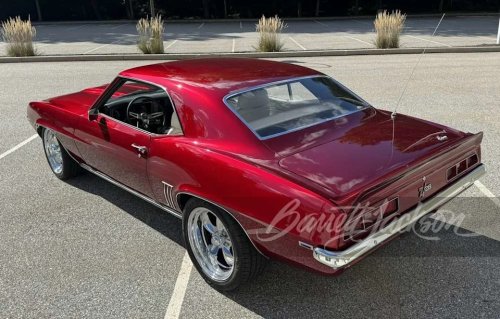
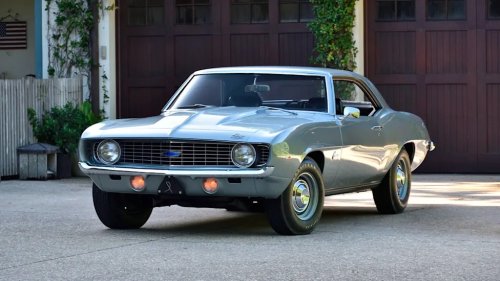
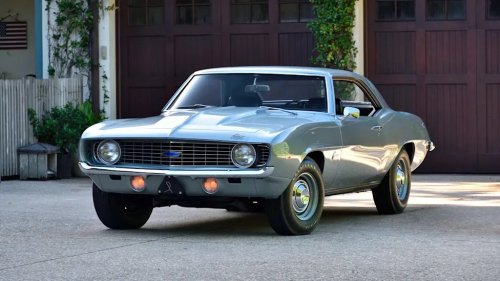
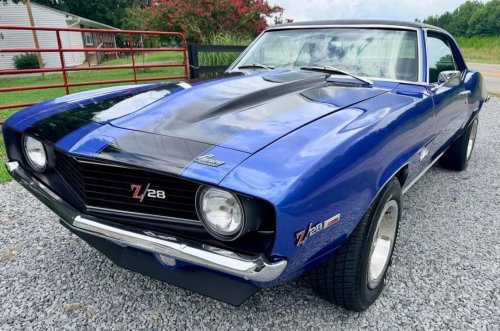
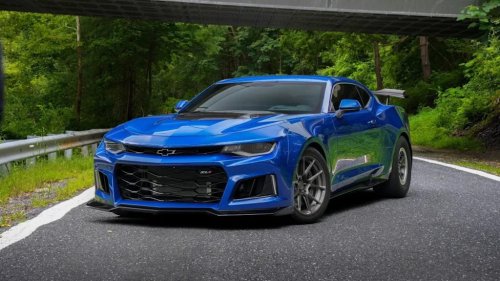
A handful of 1969 Camaro ZL1s slipped out and became some of the rarest ever builtA small run of 1969 Camaro ZL1s slipped through Chevrolet’s regular production system and became some of the most coveted muscle cars ever built. Conceived as track weapons with Can-Am racing hardware but sold through everyday dealers, they were too expensive and too extreme for most buyers at the time, which is exactly why they sit near the top of the collector hierarchy today. Only a handful reached the street before the program was shut down. Their mix of exotic engineering, underground ordering codes, and later million‑dollar auction results has turned the 1969 Camaro ZL1 into a benchmark for rarity and value in American performance history. The secret-code Camaro that was never meant for the masses The 1969 Chevrolet Camaro ZL1 began as a workaround, not a marketing plan. Chevrolet had a corporate ban on overt factory racing, yet its engineers wanted to put a true Can-Am style powerplant into a pony car. In period, the same basic all-aluminum big-block architecture powered brutal Can-Am machines, and contemporary coverage of what happens when someone stuffs a Can-Am racing engine into a street legal Camaro and charges more than a Corvette in 1969 captures just how radical that idea looked to showroom customers at the time, as seen in one detailed Apr video. To make it happen, insiders relied on the Central Office Production Order system, better known as COPO. This channel usually handled fleet specials or paint and trim deviations, not race engines. Through COPO, a specific group of dealers could request a Camaro with components that were never listed in public brochures. The 1969 Chevrolet COPO Camaro ZL1 package created a street car that carried a racing heart, built in tiny numbers and aimed squarely at drag strips rather than daily commutes, a profile echoed in later descriptions of the Chevrolet COPO Camaro. The resulting car was never advertised like a mainstream model. It existed in a gray zone between factory program and underground project, which is why only a small circle of racers and dealers knew how to get one. That secrecy, combined with the cost of the package, ensured that only a sliver of buyers would ever see a ZL1 on an order form, let alone in their driveway. An aluminum 427 that came from racing first The centerpiece of the ZL1 story is the engine. Instead of the iron-block and head L72 427 that powered many big-block Chevrolets of the era, these Camaros received a 427 called the ZL1, a powerplant that had more in common with full-competition hardware than with regular street engines. As one technical history of the Camaros and 427 notes, the ZL1 shared its basic layout with Chevrolet’s most serious racing mills. Development of the ZL1 engine moved slowly because the aluminum block required extensive work before it could survive the abuse of street and drag racing. Engineers used cast-iron sleeves in the aluminum block to balance durability with weight savings, and the result produced output that contemporary sources place more in the 550 hp range than in the conservative factory ratings, as outlined in a detailed look at the development of the ZL1 engine. The ZL1 block did not stay confined to Camaros. A later retrospective on rare engines explains that with fewer than 100 built for production cars, the ZL1 is one of the rarest engines ever produced for street use and that the ZL1 Is One Of Chevrolet’s R most significant powerplants from the muscle era, as highlighted in a feature that notes that with fewer than 100 built for production cars, each surviving example is worth a small fortune. In the Camaro ZL1, this engine transformed a familiar pony car silhouette into something closer to a factory drag car. Period tests recorded quarter-mile times near the low 13-second range in showroom trim, and tuners quickly found that simple tweaks unlocked even more performance. The car’s balance of relatively light nose weight and massive big-block power made it a terror at the strip and an intimidating presence on the street. How 69 units slipped out and why so few survived The ZL1 package appeared only for the 1969 model year, and production remained tiny. One analysis of collectible muscle cars notes that the 1969 Chevy Camaro ZL had a one-year-only production of just 69 units, emphasizing how small the run really was and how that figure has driven collector interest, as detailed in a breakdown that highlights the 69 units built. The ordering path for those 69 units ran primarily through a single high-performance dealer who pushed Chevrolet to approve the package, a process that required significant persuasion and internal negotiation. A later history of the program explains that Chevrolet did not simply rubber-stamp Gibb’s request; it took plenty of convincing and some careful internal positioning before the factory agreed to the run, and once the initial batch proved hard to sell, they were redistributed to other dealers who could move high-performance inventory, as described in a feature that asks how many Camaros were made and where they went. Price killed demand in period. The ZL1 option alone added a sum that pushed the Camaro’s sticker past that of a well-equipped Corvette, and many dealers found the cars nearly impossible to move. Some ZL1s reportedly had their exotic engines pulled and replaced with cheaper big-blocks to make them more saleable, which meant that a portion of those 69 units did not survive in original configuration. Others went straight to drag racing, where blown engines, crashes, and hard use thinned the herd. Later research into the car’s survival rate suggests that the number of intact, original ZL1 Camaros is far lower than the production total. One modern overview of the model’s rarity notes that the best estimate for surviving, correctly configured examples is around 50 cars, a figure that reflects decades of attrition and modification, as summarized in an analysis of why the Chevrolet Camaro became such a unicorn. From showroom misfit to million‑dollar prize In 1969, the ZL1 was a hard sell. It idled roughly, ran hot, and cost more than many buyers wanted to spend on a Camaro. Over time, those same traits turned into badges of honor. As the muscle car hobby matured, collectors began to prize the rarest factory combinations, especially those that connected directly to racing. The ZL1 checked every box: limited production, a pure competition engine, and a backstory rooted in corporate rule-bending. Modern valuations reflect that shift. A detailed report on a high-profile auction sale describes how a 1969 ZL-1 Camaro, presented in correct specification, sold for north of one million dollars and was described as one of the most desirable Chevrolet performance cars ever built, combining one-year-only sheetmetal with the ultimate big-block powertrain, as highlighted in a feature on a Camaro that crossed the seven-figure mark. Short video profiles of the car now emphasize that the ZL1 only 69 of these beasts were ever made and that the heart of the car is an all-aluminum big-block that sets it apart from every other street Camaro of the era, as repeated in a modern clip that frames the 1969 Chevrolet Camaro ZL1 as a rare beast worth millions, including a mention that only 69 examples left the factory. That climb in value mirrors a broader trend in the muscle car world. Commentary on one-year-only performance models points out that short production runs created by racing rules, high development costs, or shifting regulations have turned certain cars into blue-chip assets, sometimes worth millions of dollars, a pattern that clearly applies to the ZL1 and its peers, as discussed in a feature on one-year muscle cars. The ZL1’s place in the muscle car arms race The ZL1 did not appear in a vacuum. By the late 1960s, Detroit’s pony car battle was in full swing. Ford had struck gold when it built the Mustang in the mid-1960s and created the template for compact, stylish performance cars that could be optioned up to serious power levels. Chevrolet responded with the Camaro, and the factory and its dealers kept escalating output to stay competitive with Ford and other rivals, a context that frames the ZL1 as the extreme endpoint of that fight, as outlined in a retrospective on Short Reign Of model. Within Chevrolet’s own lineup, the ZL1 sat at the top of a hierarchy that already included potent options like the L78 and L72 big-blocks. The difference was that the ZL1 engine came directly from racing development rather than from the regular street program. A later overview of the car’s brief production run frames it as a limited-edition experiment that lasted only a short time but left a long legacy, describing The Brief But Legendary Lifespan Of The 1969 Chevy Camaro ZL1 and emphasizing how quickly the market moved on once insurance costs and emissions rules began to bite, as discussed in a feature on the Chevy Camaro ZL1. Video retrospectives on the legendary 1969 Chevrolet Camaro Capo ZL1 underline how the car bridged the gap between factory production and full race machinery, presenting it as an icon that combined COPO ordering tricks with the most advanced big-block hardware Chevrolet could offer at the time, as seen in a modern walk-through of the Chevrolet Camaro Capo ZL1. As regulations tightened and fuel prices rose in the 1970s, there was no room for a street car with this level of focus and cost. The ZL1 remained a one-year phenomenon, and its disappearance only added to the mystique. Later performance Camaros revived the ZL1 badge, but the original car’s combination of COPO origins, all-aluminum big-block, and minuscule production run has never been exactly duplicated. How historians and enthusiasts pieced together the full story Because the ZL1 program operated through internal ordering codes rather than public brochures, historians and enthusiasts have spent decades reconstructing the details. They have traced individual cars through dealer records, racing logs, and ownership histories, often uncovering surprising stories. One investigative feature on rare big-block Camaros, for instance, profiles a car described as The Factory Freak and presents it as possibly the rarest big-block Camaro ever built, set against a backdrop that evokes the golden age of American muscle where horsepower wars raged and exotic hardware occasionally slipped into street cars that were a little more accessible to some buyers, as told in an in-depth look at The Factory Freak and its context. Social media channels and enthusiast platforms have amplified that detective work. Official pages that share stories about rare muscle cars, such as those connected to The One Year Only Camaro That Became Unicorn coverage, help circulate new discoveries and archival photos to a wide audience. The presence of dedicated feeds on platforms like Facebook, Twitter, and LinkedIn tied to The One Year Only Camaro That Became Unicorn features shows how enthusiast media now operates across multiple channels. Even general-interest educational sites have become part of the story. The broader HowStuffWorks network, which includes sections on science, electronics, home topics, and auto history, provides context on how performance technology migrated from racing to the street. Its automotive arm, which hosts detailed write-ups on the Chevrolet Camaro and other Muscle Cars, sits within a larger ecosystem of explanatory content that includes the main discovered hub, as well as related verticals such as science, electronics, home, and auto that help readers understand the engineering and cultural backdrop for cars like the ZL1. All of that layered research has clarified not only how many cars were built and where they went, but also how the ZL1 fits into the broader narrative of American performance. It shows a direct line from corporate racing programs to street-legal machines, filtered through the ingenuity of dealers and engineers who knew how to work inside the system’s gray areas. Why the 1969 ZL1 still matters More than half a century after those 69 units left the factory, the 1969 Camaro ZL1 remains a touchstone for both enthusiasts and historians. It represents a moment when American manufacturers pushed the limits of what a street car could be, using racing technology and insider ordering codes to create machines that were barely tamed for public roads. It also illustrates how market forces can misread significance in real time: a car that dealers struggled to sell at a premium over a Corvette has become a million‑dollar artifact. Modern coverage of the model often frames it as a unicorn, a term that reflects both its scarcity and the mythology that has grown up around it. Enthusiast sites describe how several factors combined to make it so rare, from the cost of the package to the limited awareness of COPO ordering, and they stress that the number of surviving, original examples is likely closer to a few dozen than to the full production total, as outlined in recent analysis of why the Chevrolet Camaro ZL1 is so hard to find. At the same time, deep-dive features on the car’s history emphasize that its lifespan was brief but legendary. They highlight how the ZL1’s story arcs from hesitant dealer orders to record-setting auction results, and how the car’s reputation grew slowly as enthusiasts began to recognize its importance. One such overview, which explicitly labels this period The Brief But Legendary Lifespan Of The model, underscores that as special as it was when new, the ZL1 only later gained the full recognition it deserved, a point developed in a retrospective on the Chevy Camaro ZL1’s slow rise. For many enthusiasts, the car encapsulates the appeal of the entire muscle era. It combines brute force with a clandestine backstory, blends racing innovation with showroom sheetmetal, and shows how a handful of cars can slip out of a giant corporation and, decades later, become some of the rarest and most valuable vehicles it ever built. That transformation from obscure COPO code to icon helps explain why the 1969 Camaro ZL1 continues to command such attention, and why every surviving example is treated less like a used car and more like a piece of American industrial history. More from Fast Lane Only Unboxing the WWII Jeep in a Crate 15 rare Chevys collectors are quietly buying 10 underrated V8s still worth hunting down Police notice this before you even roll window down The post A handful of 1969 Camaro ZL1s slipped out and became some of the rarest ever built appeared first on FAST LANE ONLY.