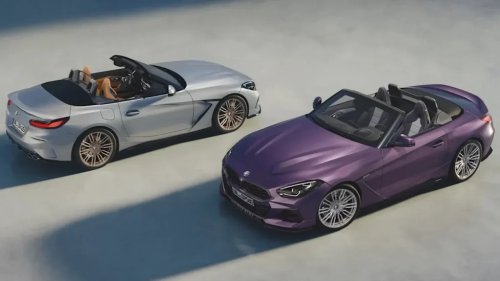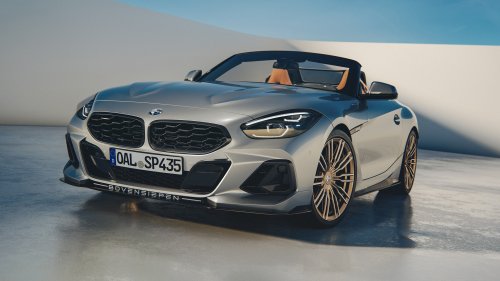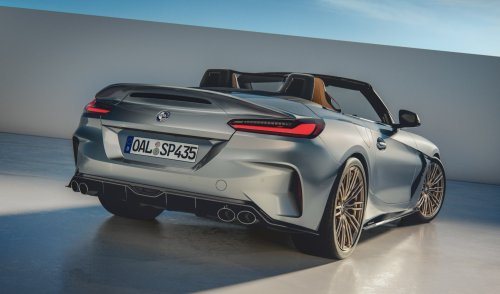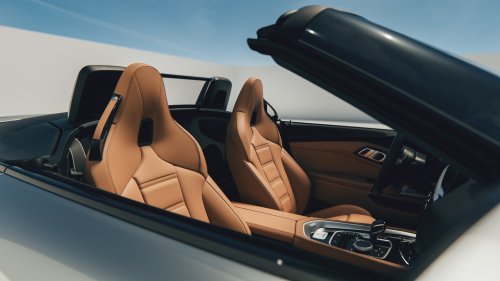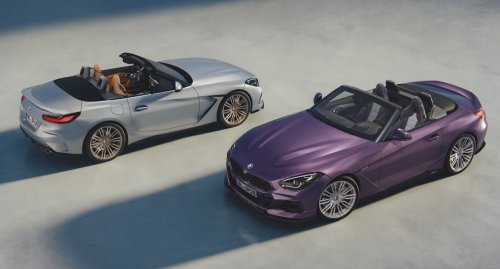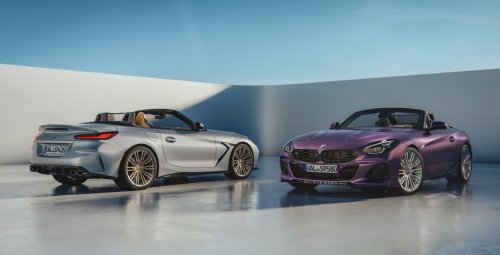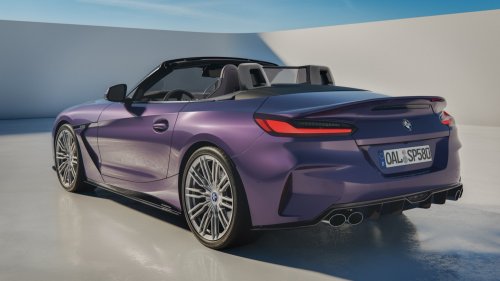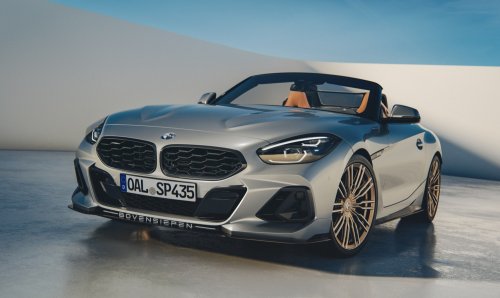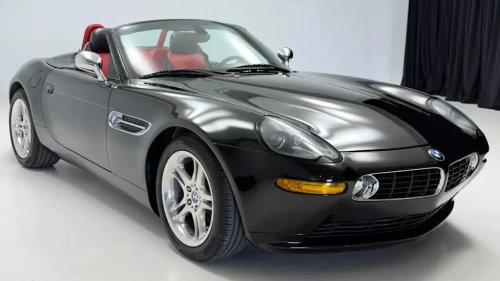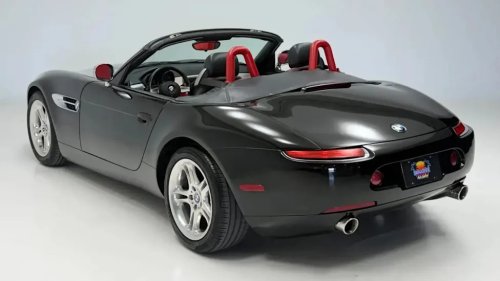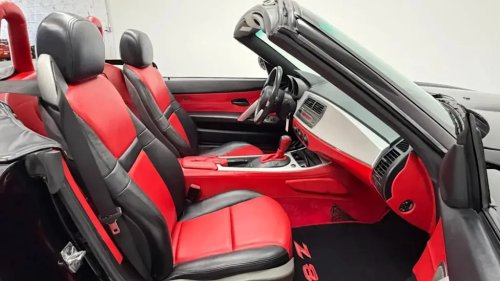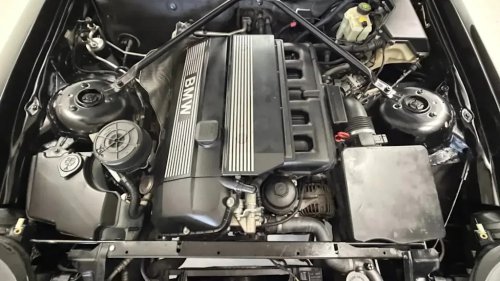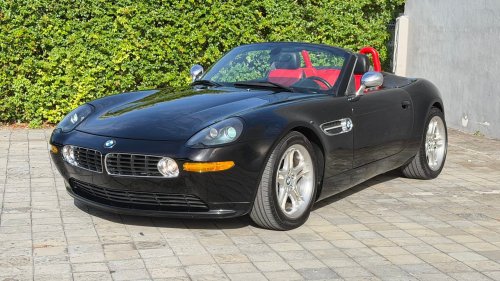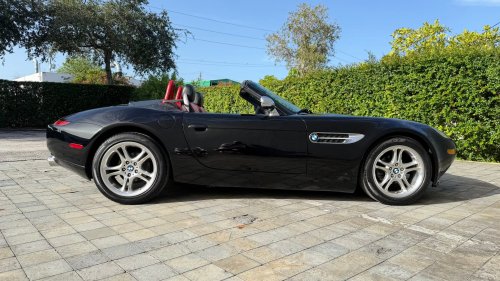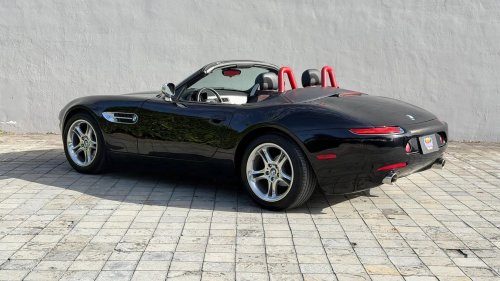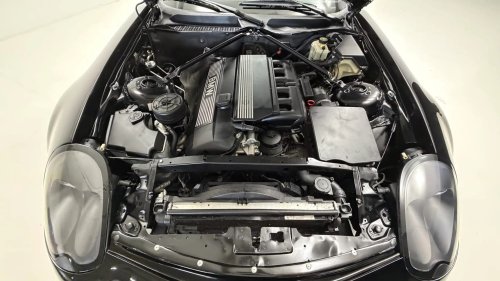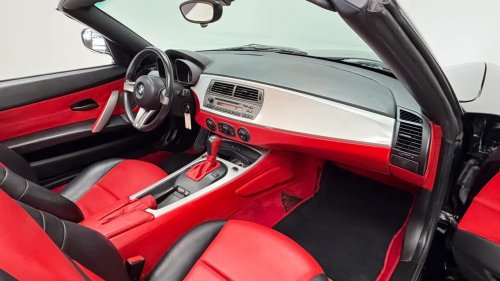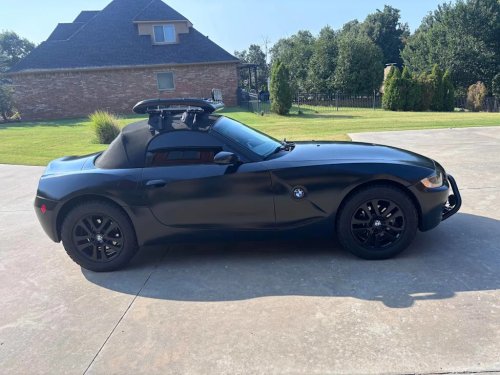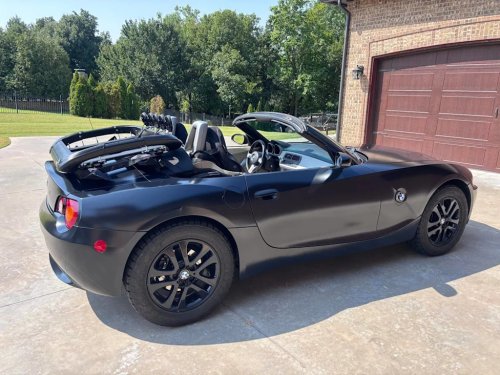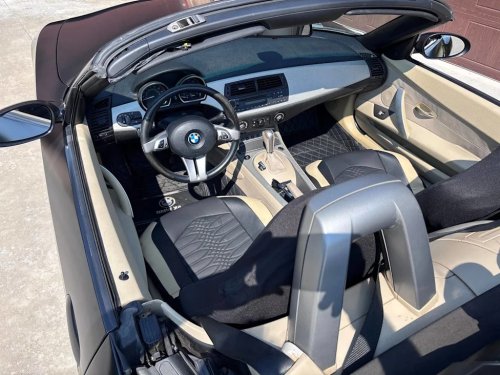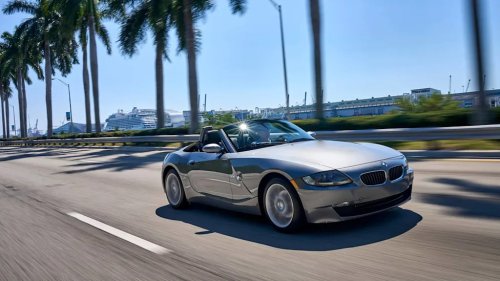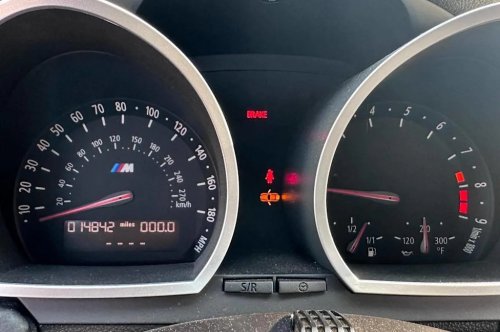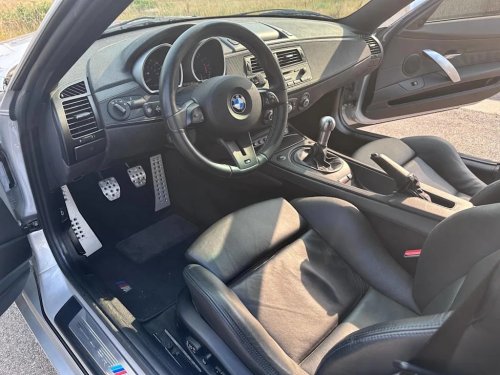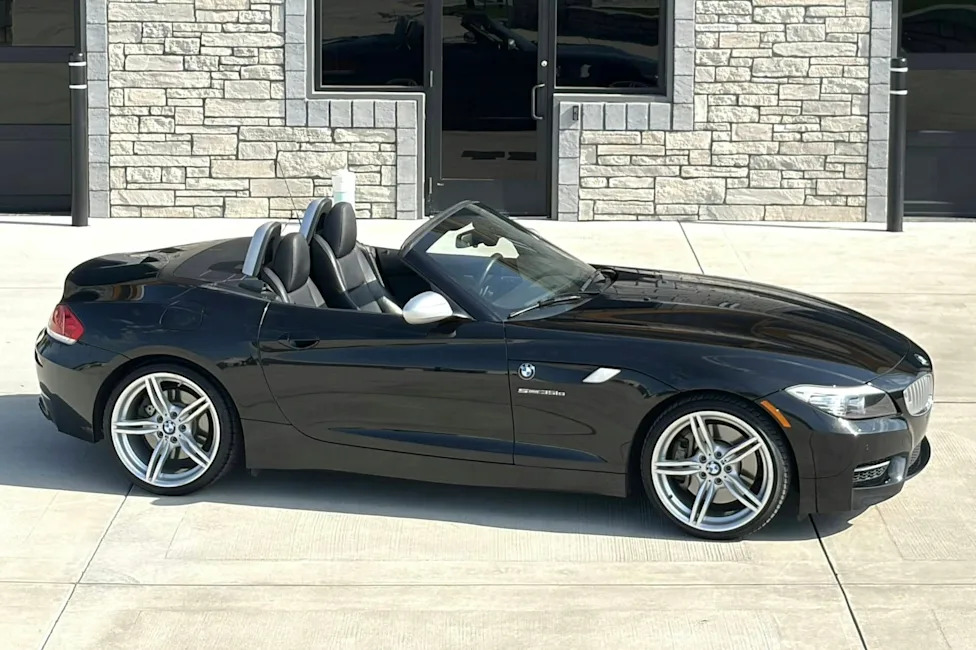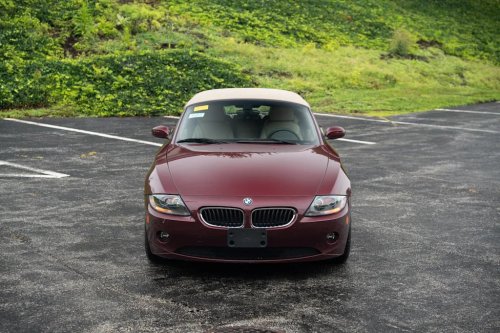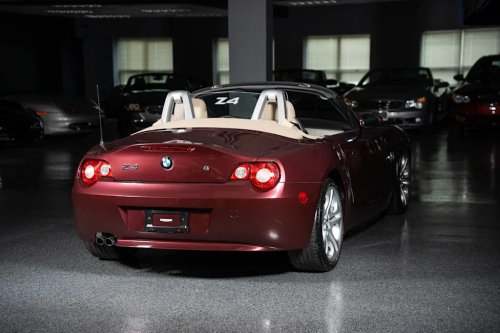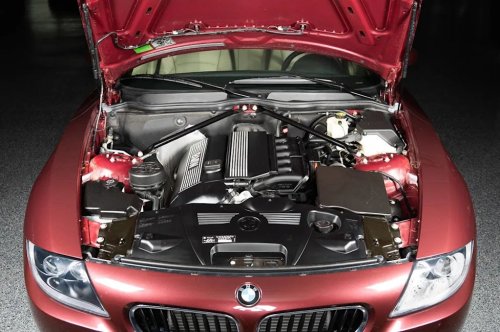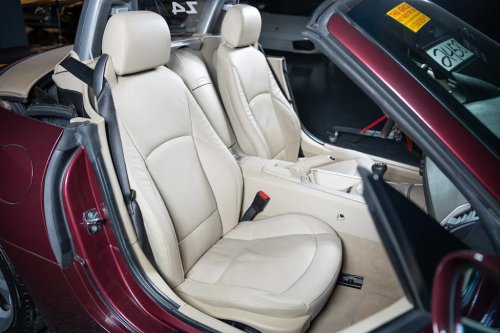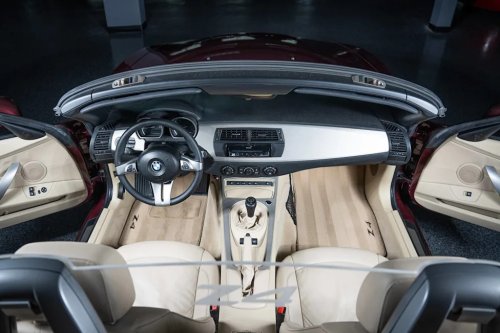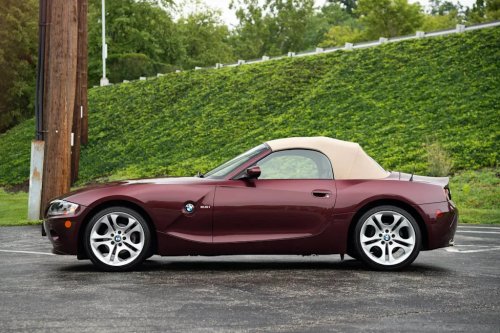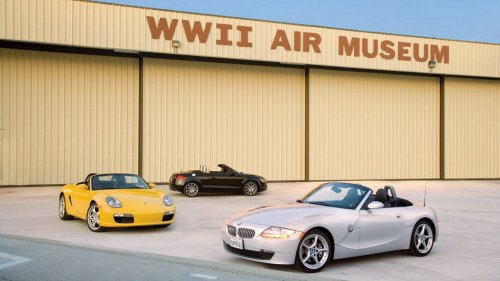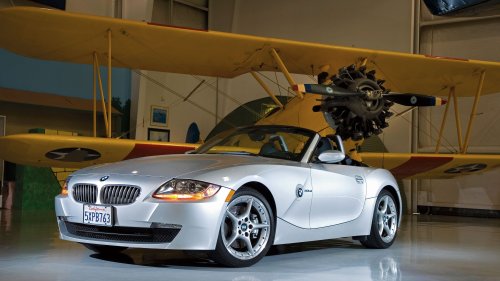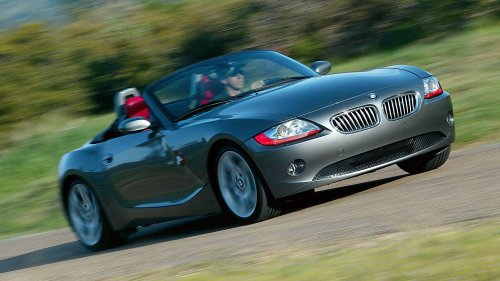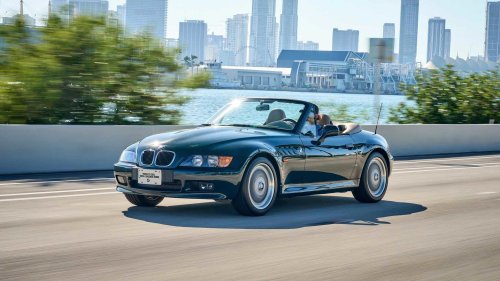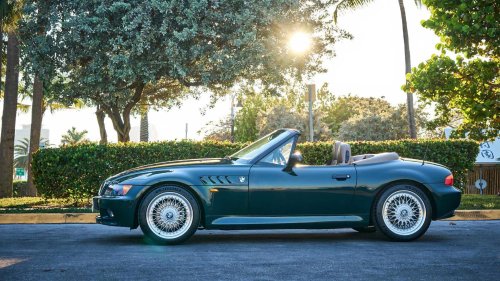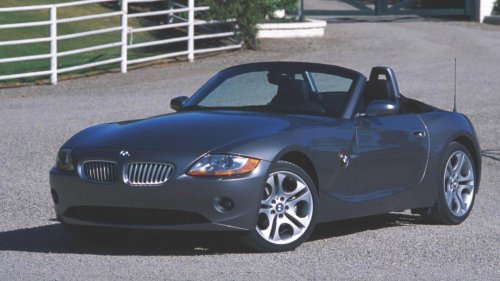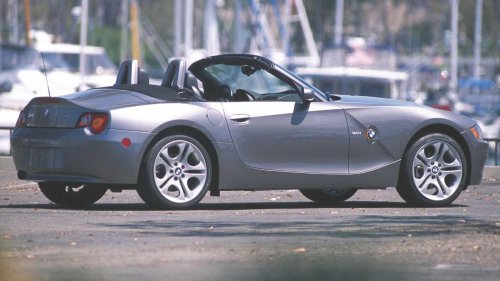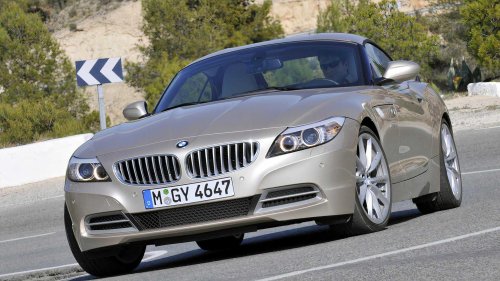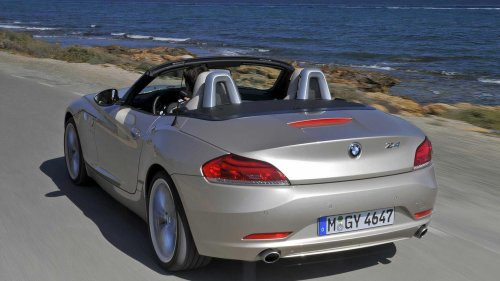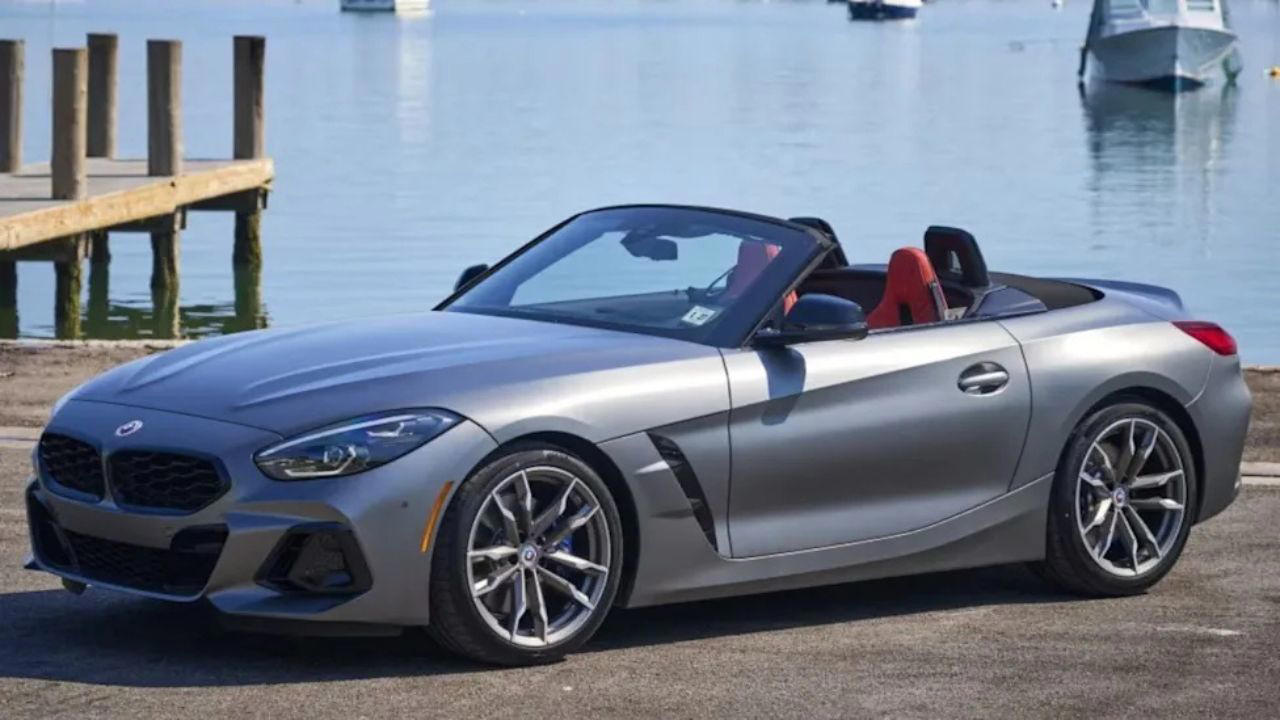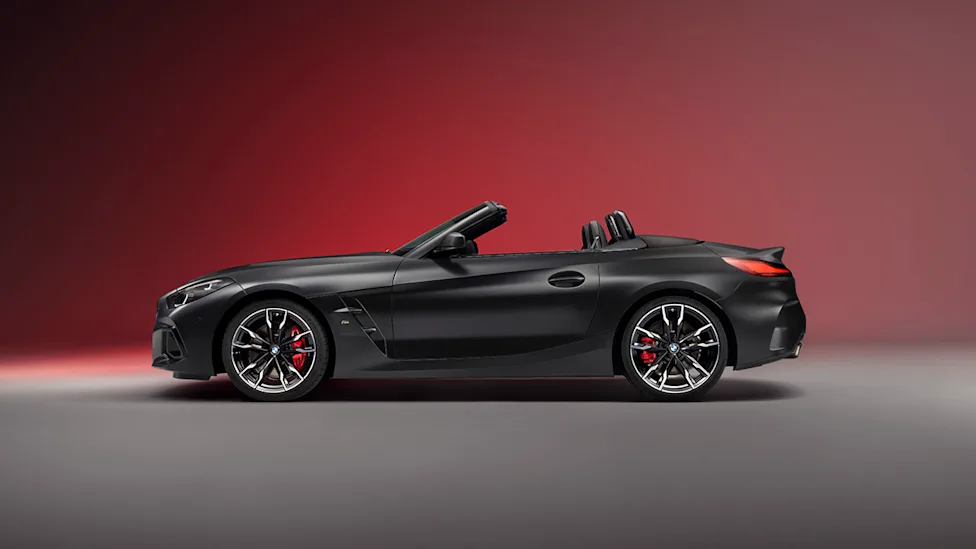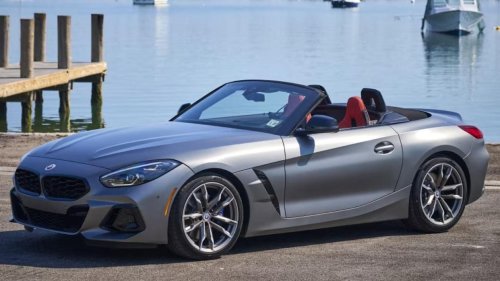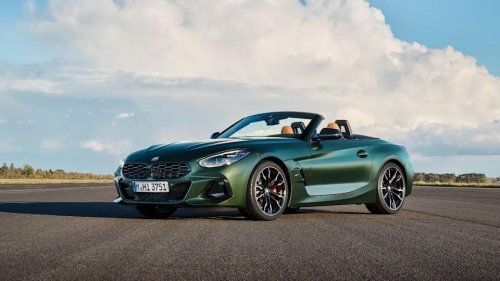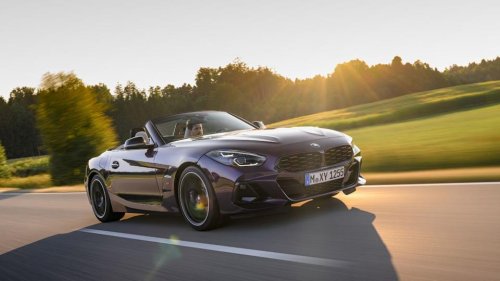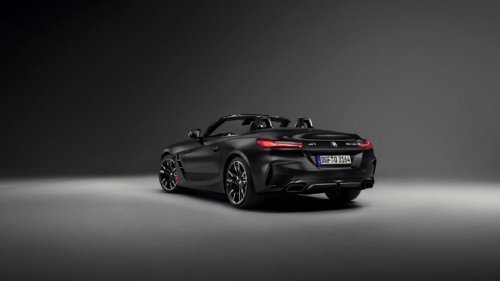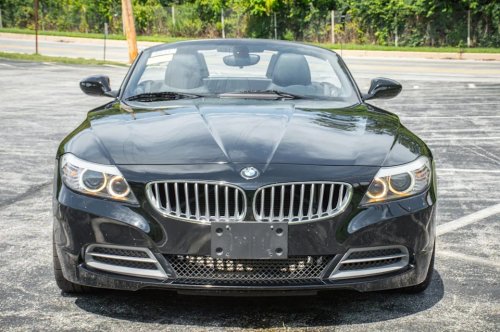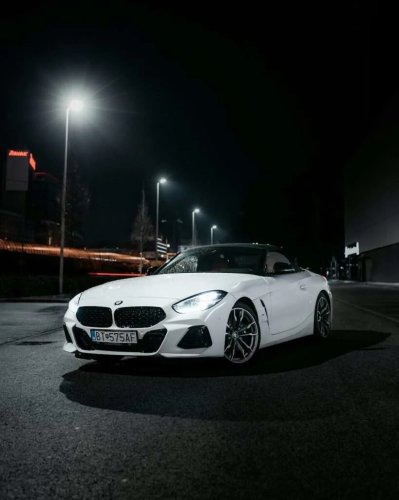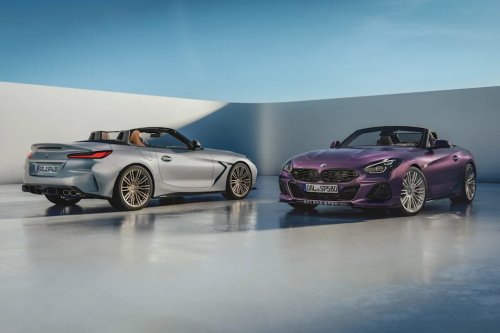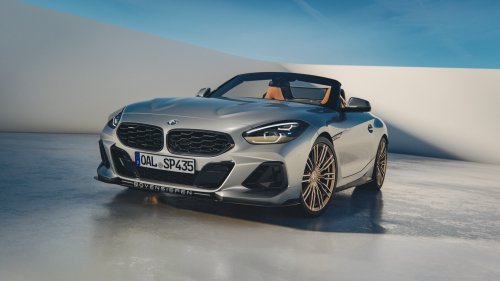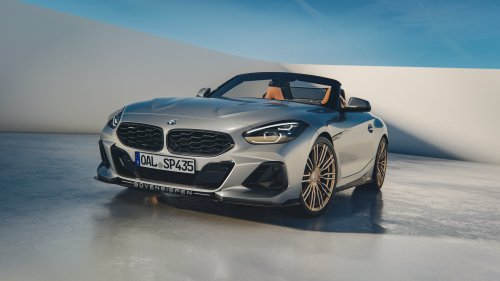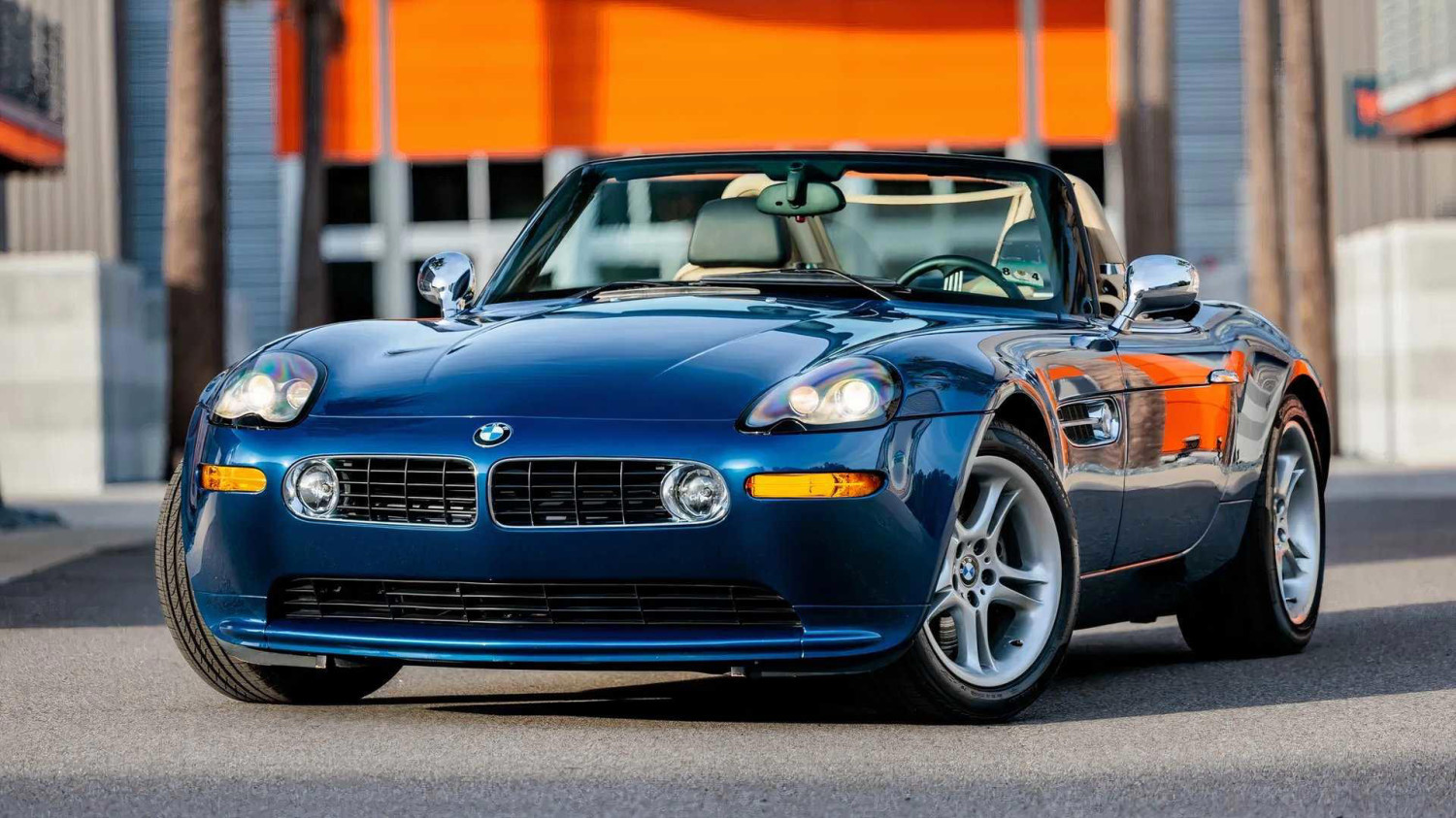
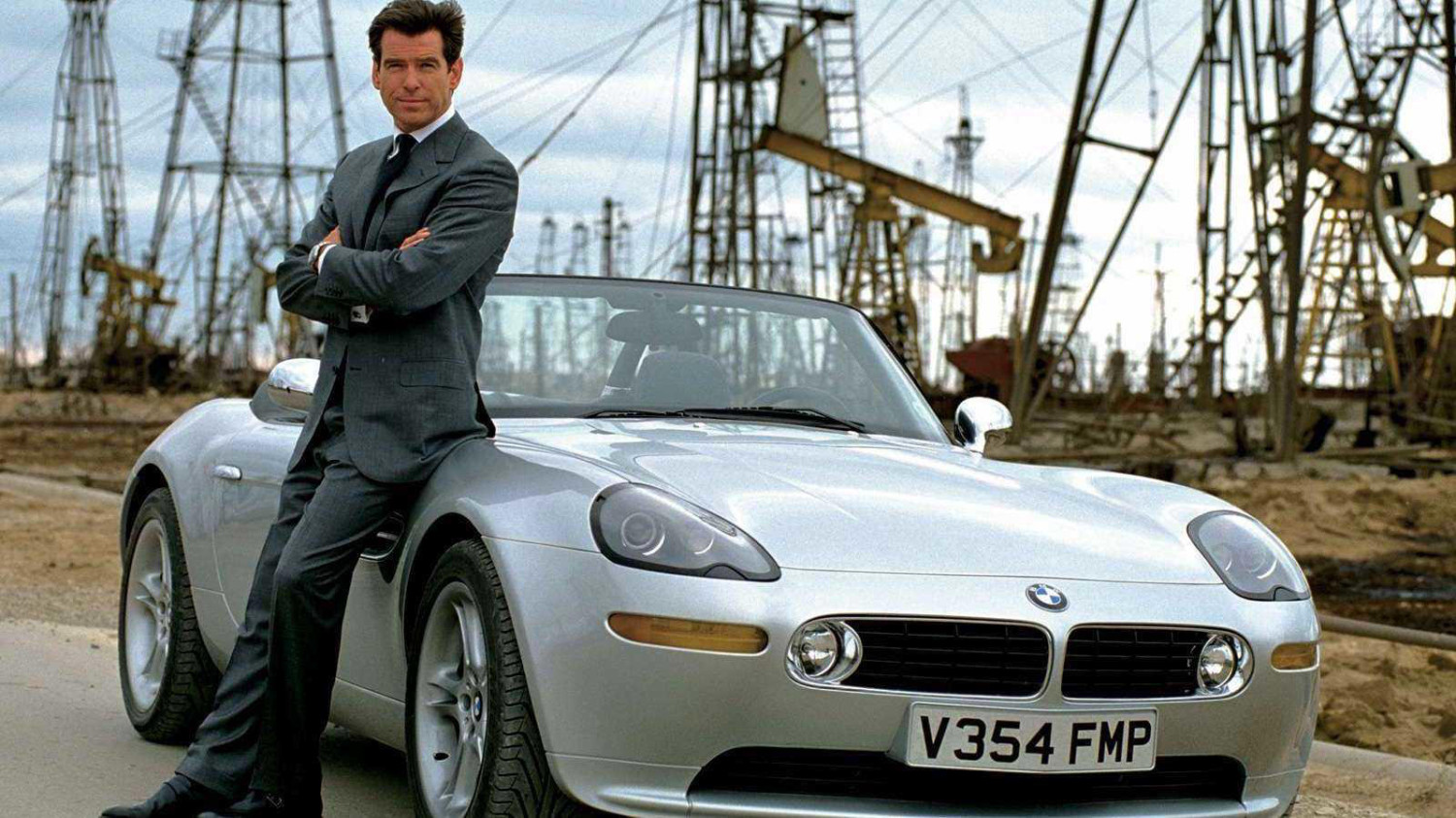
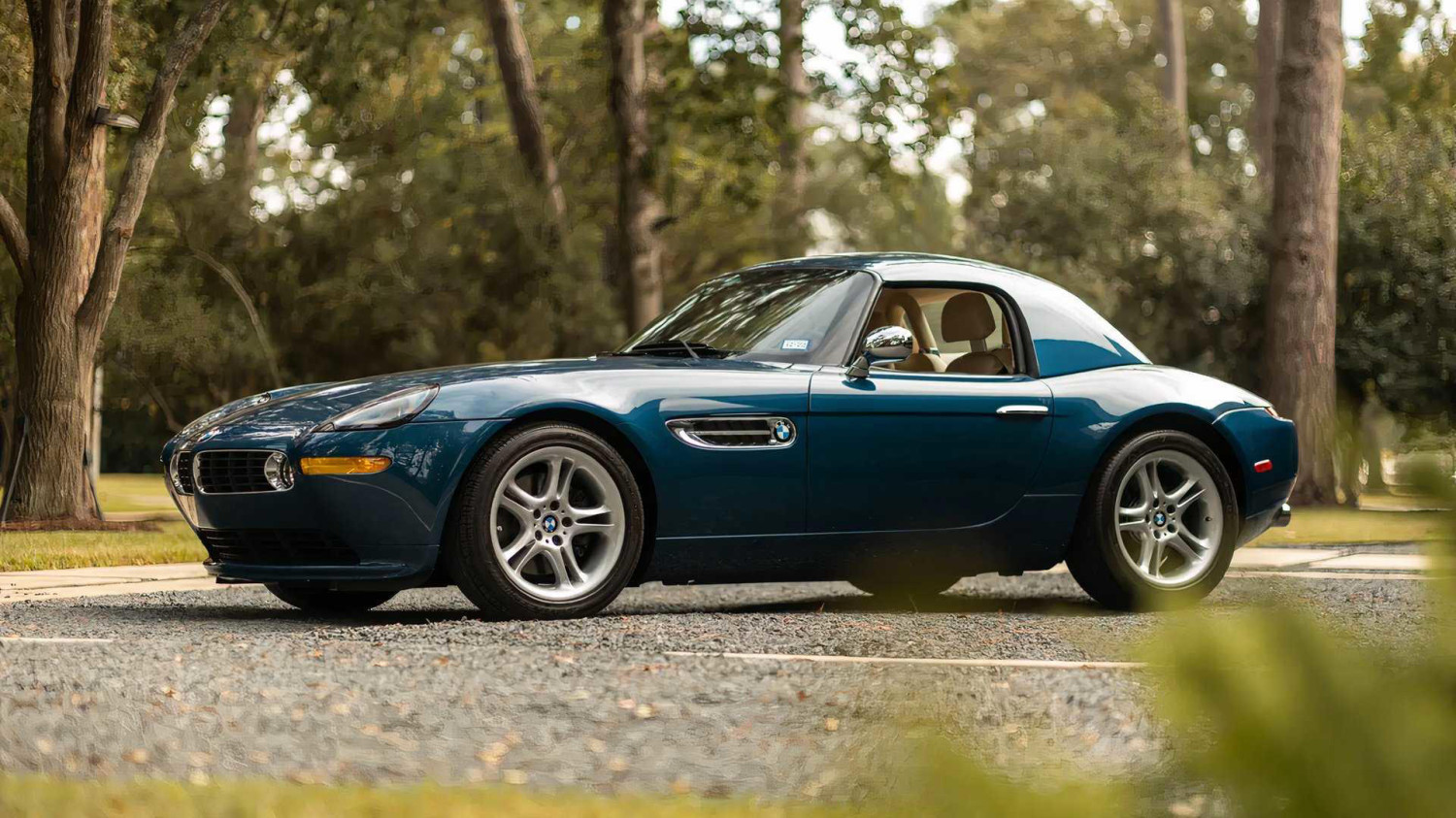



















The last BMW Z4 rolled off the production line in Graz, Austria this week, and with it ended nearly 30 years of BMW roadsters — with no successor announced. That's a significant moment for anyone who follows the brand's history. But for collectors already tracking the BMW Z8, it may be the clearest signal yet that the most rarefied open-top BMW ever built just got a lot harder to replace.The Z8 was already a serious collector car before this week's news. Hand-assembled at BMW's Munich plant between 2000 and 2003, only around 5,700 were produced — a number that makes even low-volume Porsches look common. Prices have been trading well into six figures for clean examples, and the car's cultural footprint extends far beyond the BMW faithful. Now, with the Z4's discontinuation closing the roadster chapter entirely, the Z8 occupies a position no other BMW can claim: the last halo of a lineage that no longer exists. What The Z4's End Actually Means For The Z8's Market Position Bring a TrailerCollector-car values don't move on sentiment alone, but narrative matters — and the narrative around the Z8 just sharpened considerably. The Z4's production run, which ended this week, closes a lineage that began with the Z1 in 1989 and ran through the Z3, Z8, and two generations of Z4. BMW has not announced a replacement. That absence is the key detail.When a manufacturer exits a segment permanently — or at least indefinitely — the surviving halo cars from that lineage tend to attract a scarcity premium that goes beyond their original rarity. The Z8 was already scarce by design: it was never a volume car, never meant to be. But it was always understood to exist within a living tradition of BMW roadsters. That tradition is now closed. The Z8 is no longer just a rare BMW; it's the last great expression of something BMW no longer makes. The Bond Connection Still Drives Real Collector Interest BMWThe cultural anchor for the Z8 is well established. The Z8 appeared in the 1999 James Bond film The World Is Not Enough — memorably cut in half by a helicopter-mounted saw in one of the film's set pieces, which is either a tragedy or the most effective product placement in automotive history, depending on your perspective. Bond cars carry a durable premium in the collector market, and the Z8 is one of the more credible entries in that canon: it wasn't a cameo, it was a co-star.That provenance has kept the Z8 in conversations that most early-2000s BMWs never enter. Auction houses regularly field inquiries on clean examples, and the combination of Bond association, hand-built construction, and Chris Bangle-era design — the Z8 was actually styled by Henrik Fisker, drawing on the 507's proportions — gives the car multiple collector audiences at once. BMW purists, Bond-car collectors, and design-history enthusiasts all have reasons to want one. That overlap is unusual, and it's part of why Z8 values have held firm even as other cars from the same era have softened. Supply Is Fixed — And The Z4's Exit Tightens The Story Further Bring A TrailerThe Z8's production run ended in 2003. No more are being made, and the approximately 5,700 units built represent a hard ceiling on supply. What changes with the Z4's discontinuation isn't the number of Z8s in existence — it's the context around them. Collectors and auction specialists generally agree that finality is a pricing catalyst. When a model line ends without a successor, the surviving cars absorb the aspirational weight of everything that came after them.For the Z8, that means it's no longer competing with the idea of a future BMW roadster. There is no future BMW roadster, at least not one announced. Anyone who wants a BMW-built, open-top, front-engine sports car with genuine collector credentials now has exactly one option — and the supply of that option hasn't grown since 2003. Whether that translates into a near-term price jump or a slower appreciation over years will depend on how many owners decide this is the moment to sell into rising demand. But the directional pressure is clear.The Z8 was already a car that didn't need help being desirable. What the Z4's exit provides isn't a new argument for the Z8 — it's a closing statement on a lineage, and the Z8 is the last word in it. For collectors watching the market, that's not a small thing.