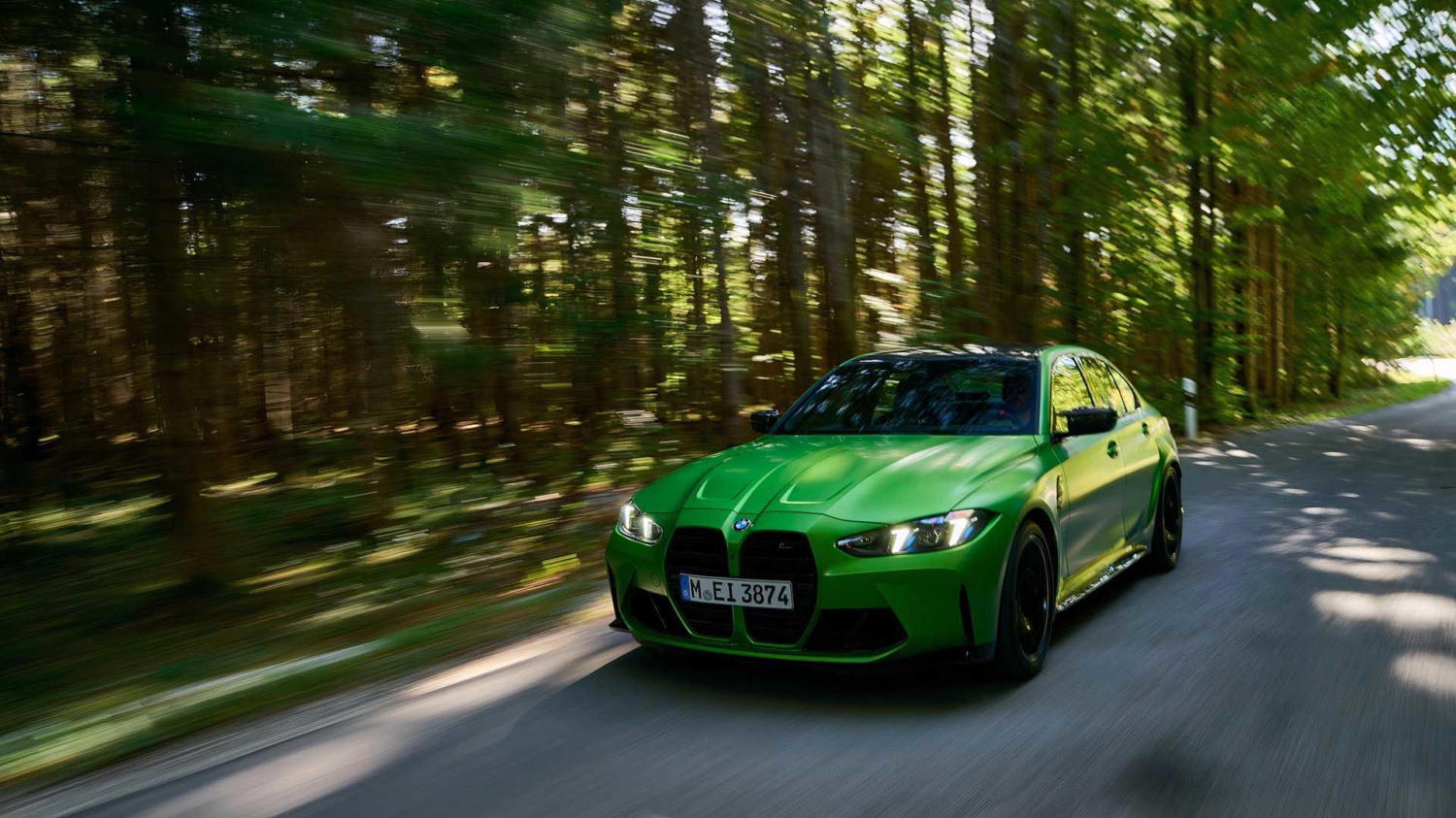
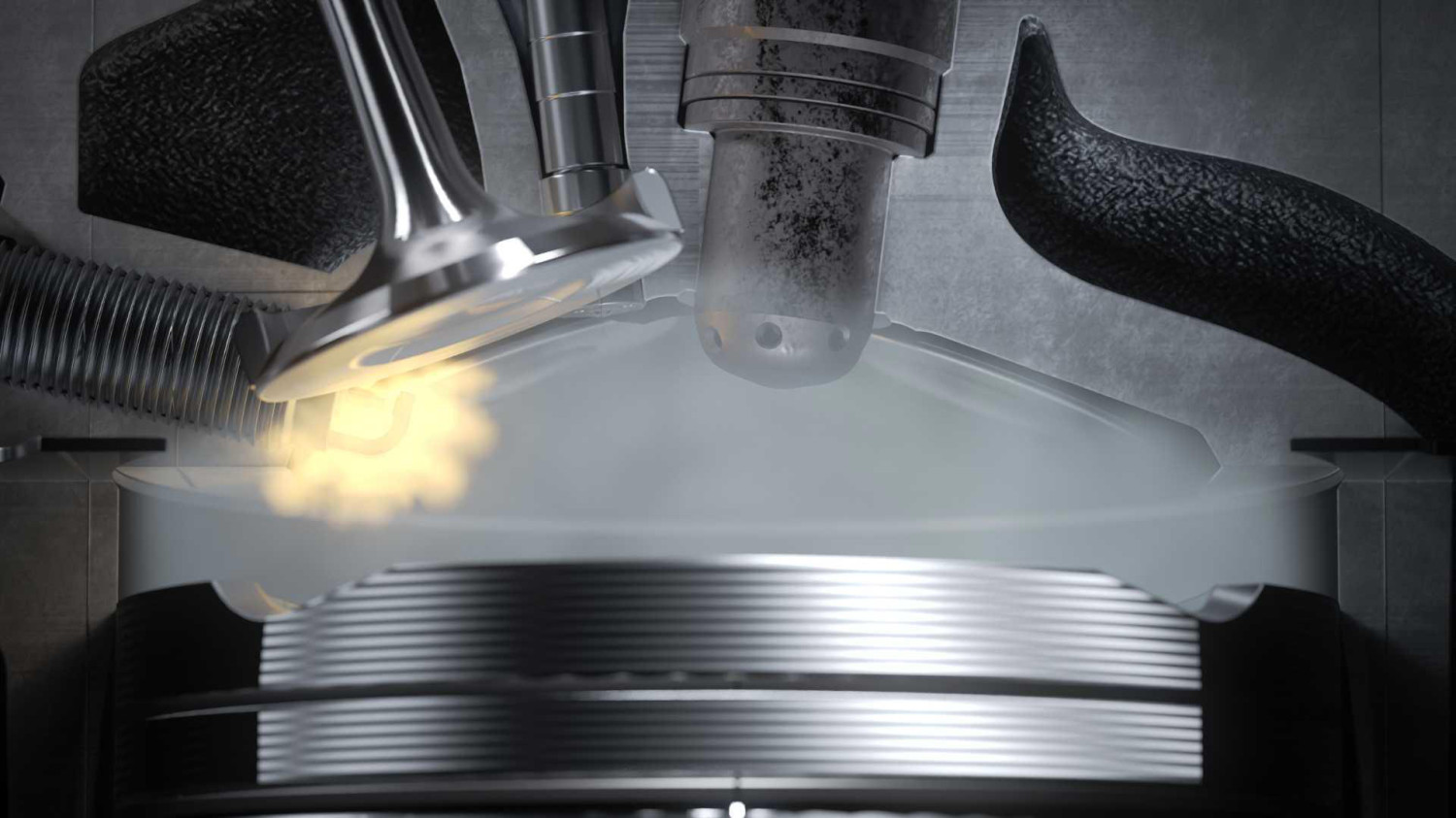
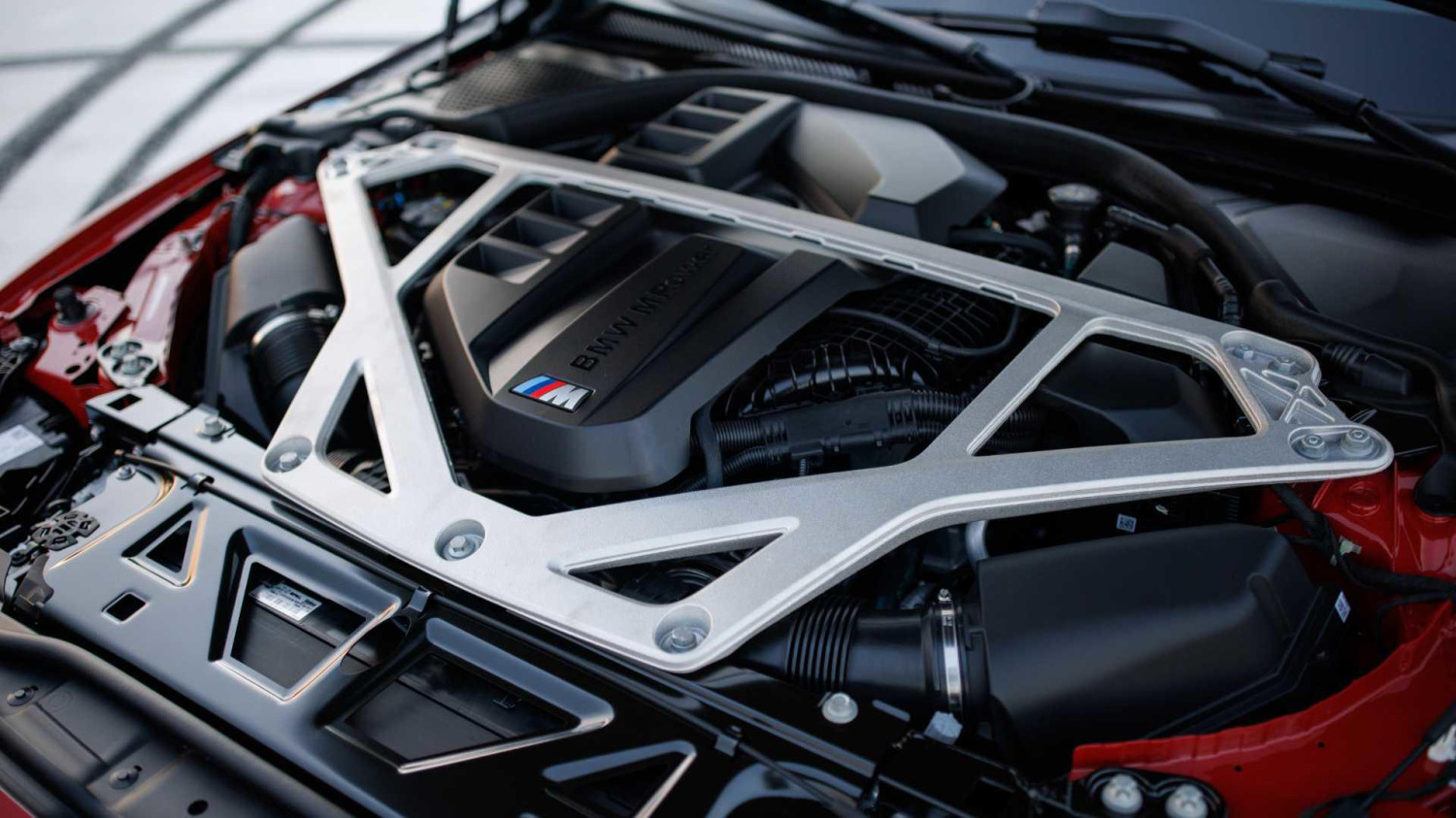
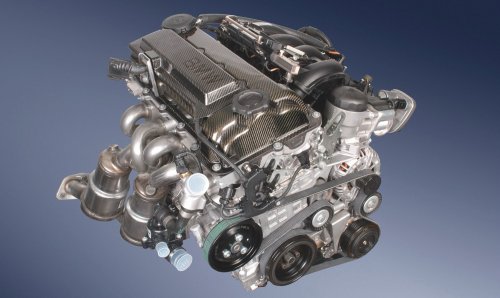
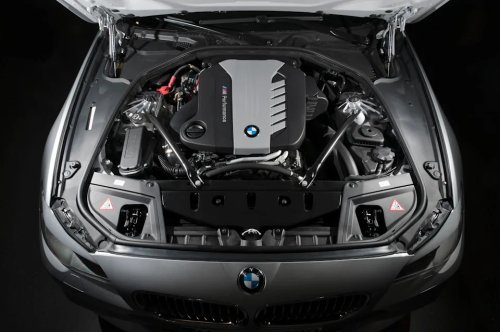
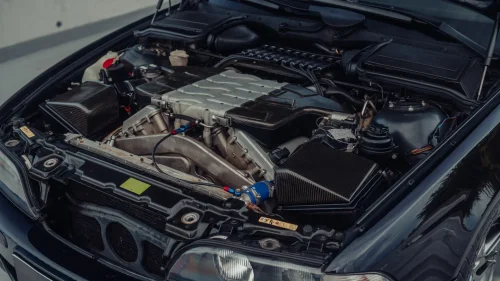
When you look under the hood of a new BMW M2, M3, or M4 starting this summer, you're going to see 12 ignition coils looking back at you. No, BMW's M division hasn't found some crazy way to put a V12 in there. This is the new M Ignite system, a pre-chamber ignition that will let BMW hit the next generation of emissions regulations without the need for any hybrid tech. New M Ignite System Arrives This Summer BMW BMW has made it clear that while it is introducing electric vehicles with incredible specs, it still has its foot down on gas engines. To keep internal combustion under the hood means the company needs to try new technologies, and the M Ignite pre-chamber ignition is one of those.The German automaker says it developed the M Ignite tech in its racing engines, where it gives the cars "a significant reduction in fuel consumption under high loads." The car isn't wasting fuel by running extra-rich at full throttle, making it more efficient.It doesn't just help when you're flat-out, though. Because the system's improved combustion is more efficient, it also reduces exhaust emissions. Cutting emissions to reach Euro 7 standards is the real reason the tech is making the jump to road cars.BMW just announced that all inline-six engines from M will get M Ignite starting this summer. The M3 and M4 will get it starting from July, with the M2 adding it the next month.Don't expect more horsepower or torque. BMW is doing this for emissions, not power, and it made clear that power outputs will not change with the new cylinder head and ignition system. Since the system can help engines make more power, BMW is probably holding that back for the next models. The First Car To Advertise Better Fuel Economy On Track? BMW We've done a deep dive on the M Ignite system and how it works, but this is the shorter version. And why you'll see those 12 ignition coils under the hood. Unlocking The Secrets Of Pre-Chamber Ignition Pre-chamber ignition, like the M Ignite system, has a thumb-sized dead space which is the pre-chamber. In the BMW system, it's inside the head and between the valves, not in the combustion chamber, but it has tiny openings into the chamber. It also has a spark plug inside and its own coil, the second set on this inline-six.During the engine's compression cycle, some of the air-fuel mix is forced into the chamber through the tiny openings. At high loads, that spark plug fires first, which sends jets of flame out of the openings at nearly the speed of sound.BMWThose multiple flame jets then ignite the main combustion chamber like a super spark plug. Instead of the main flame front starting in one small spot, it starts from multiple points. The air-fuel mix then burns faster, which means it's more efficient. It cuts exhaust gas temperatures, uses less fuel, and allows for higher compression ratios.BMW's I6 engines will be some of the first to use this technology, but they've been beaten to the punch by Jeep. The new Jeep Hurricane 4 engine uses what the company calls "turbulent jet ignition" which is a pre-chamber with the main difference being a fuel injector in the chamber too, not just a spark plug.Regardless of the adaptation differences between brands, it's great to see BMW's famous inline-six motors being given a new lease on life. It may be short-lived in the M3, which is ending production early 2027, but we know a new G84-generation M3 is coming, which will continue to use the inline-six, possibly even with some hybrid assistance.Source: BMW