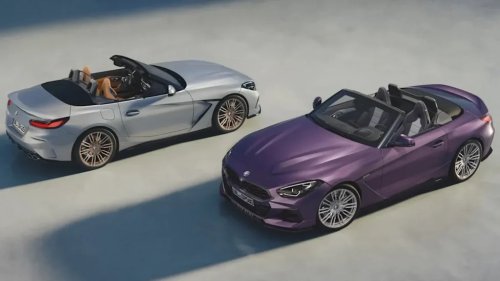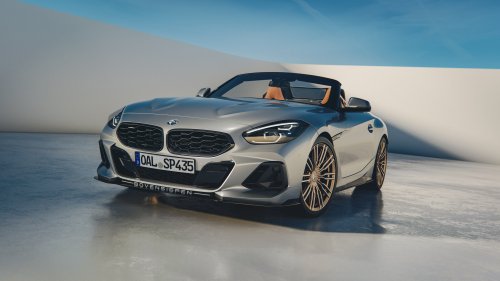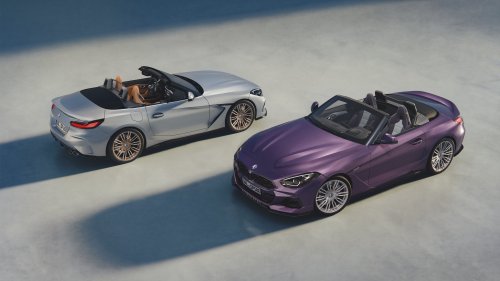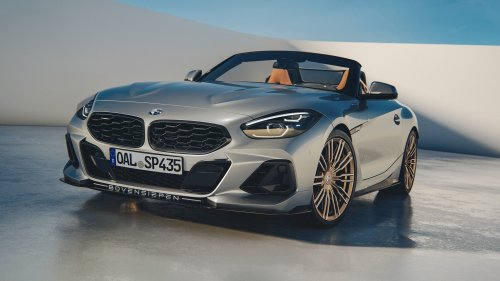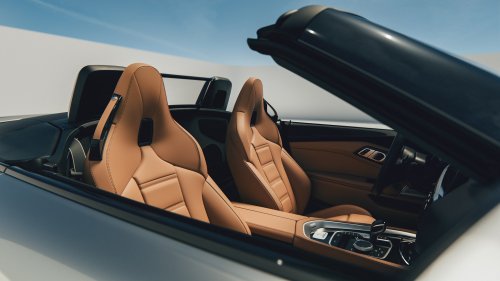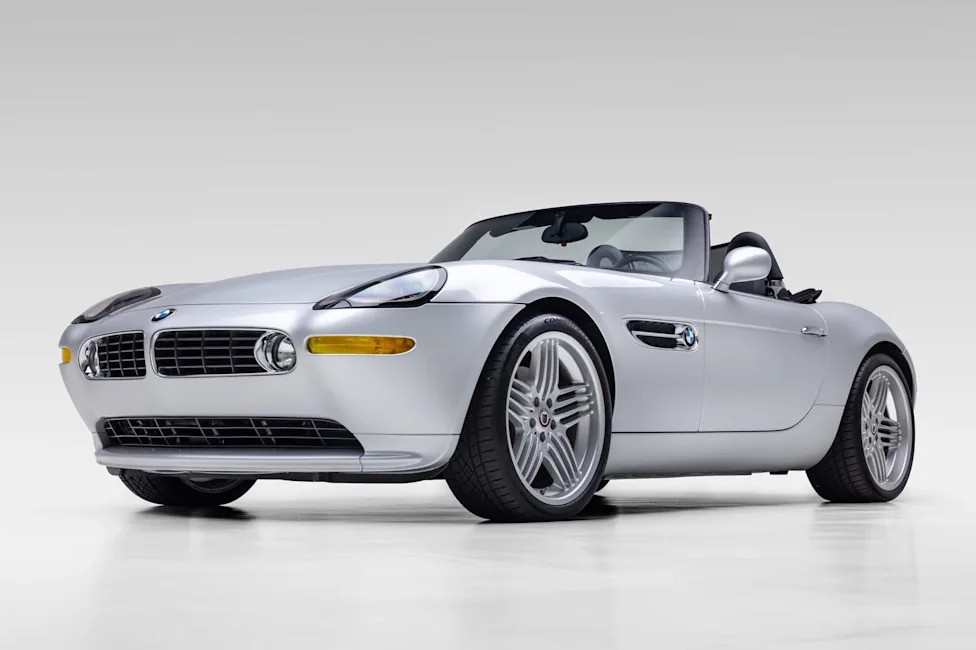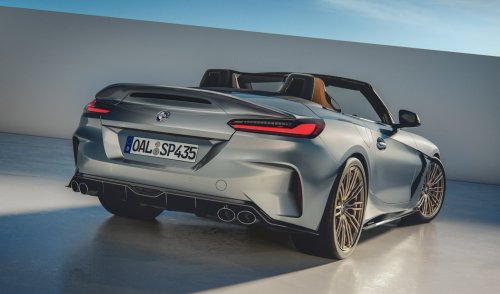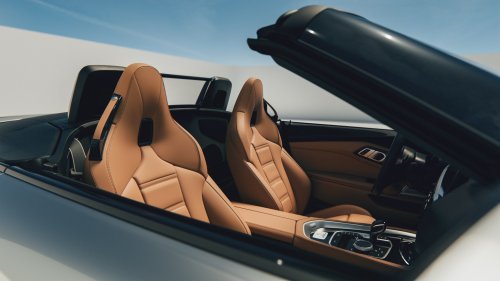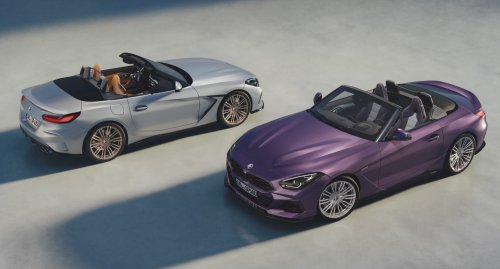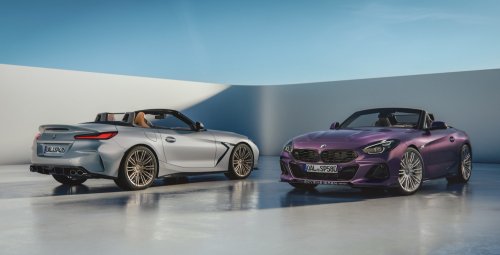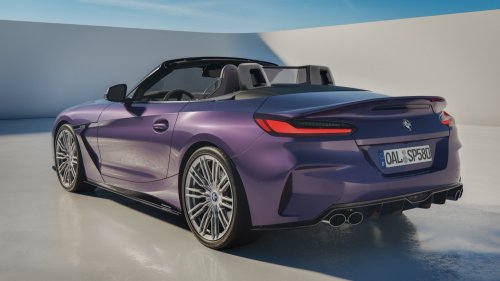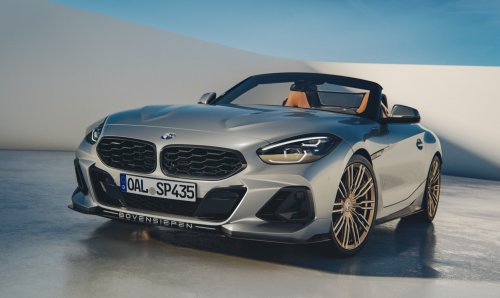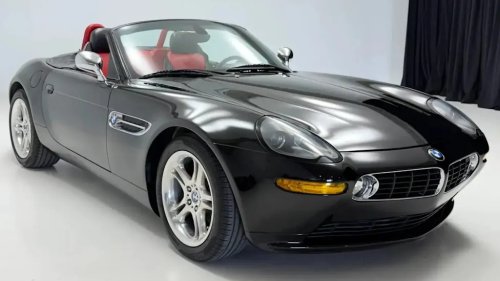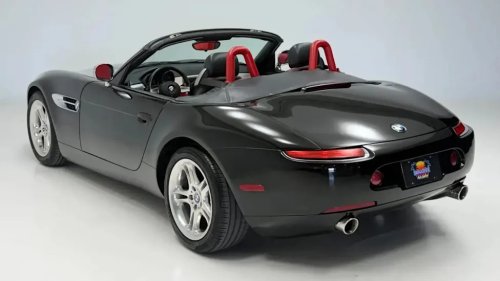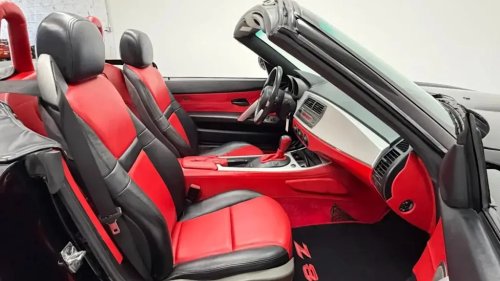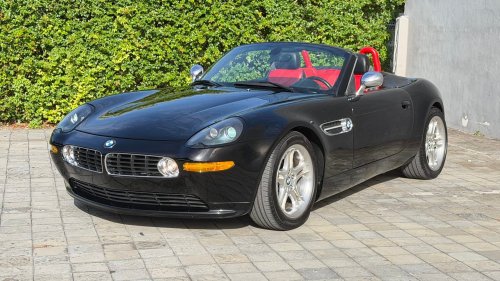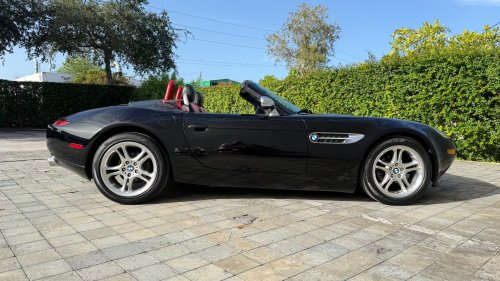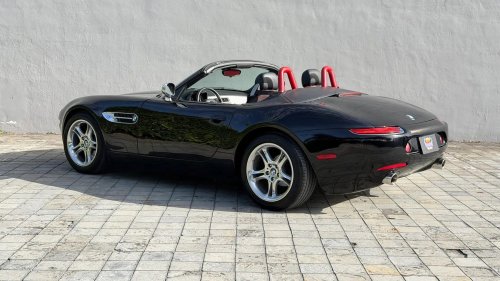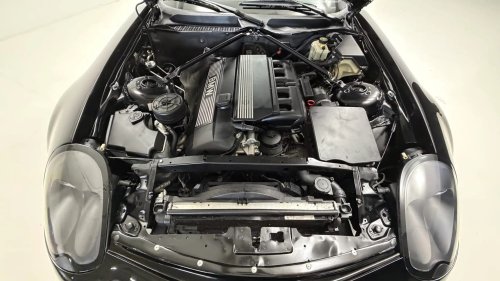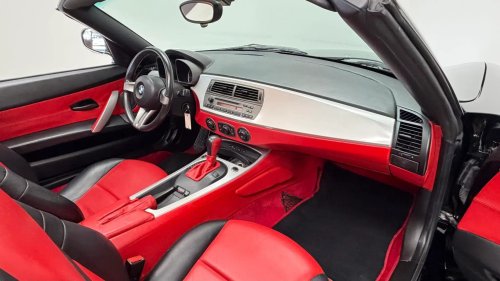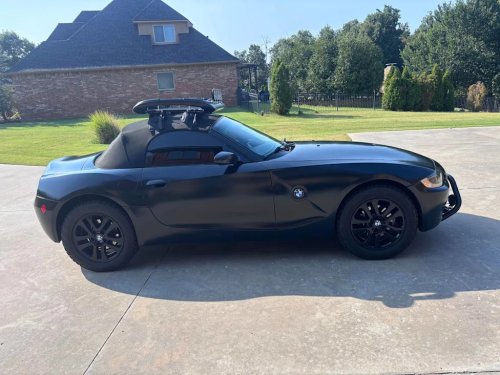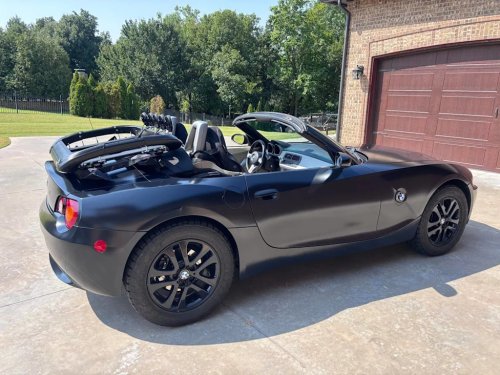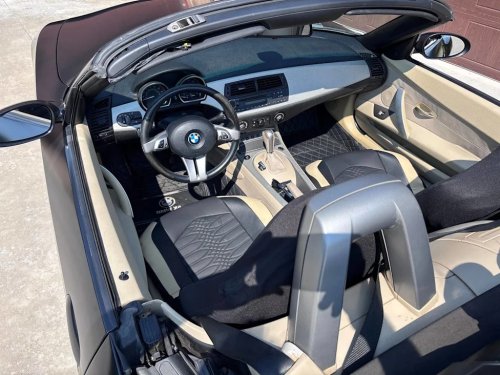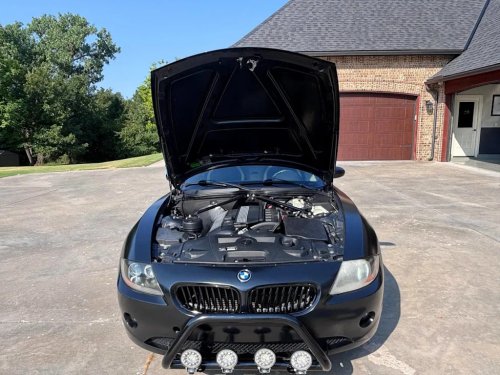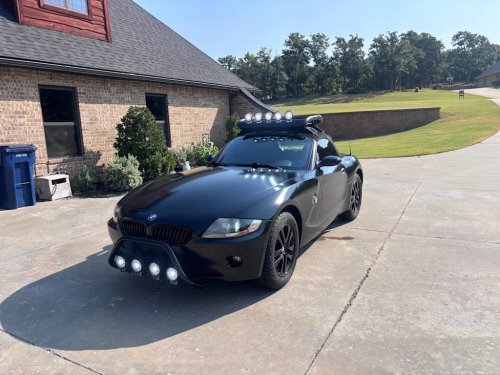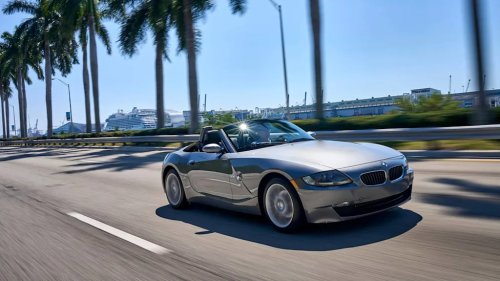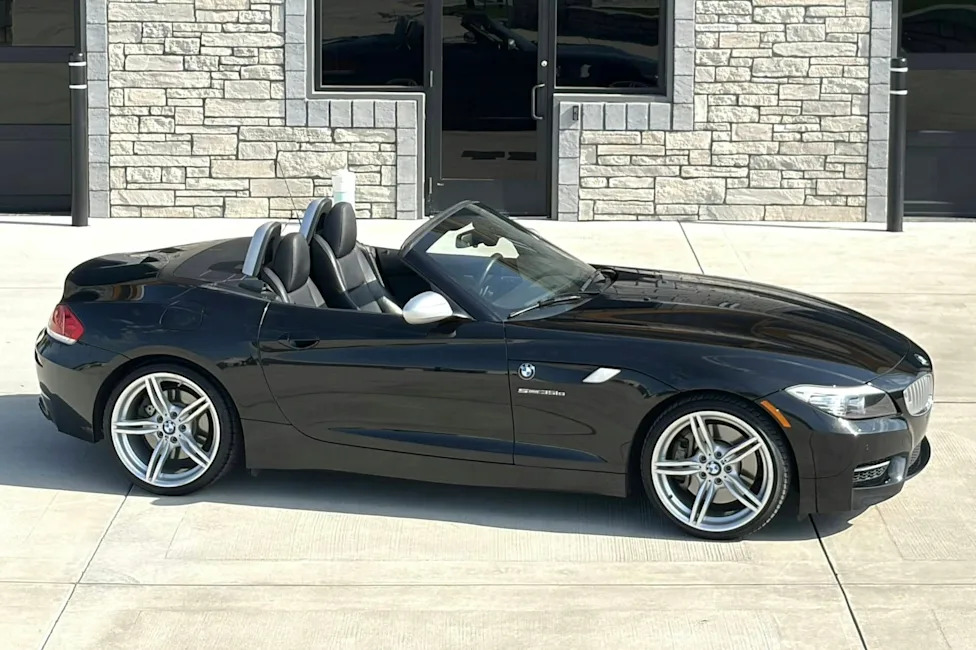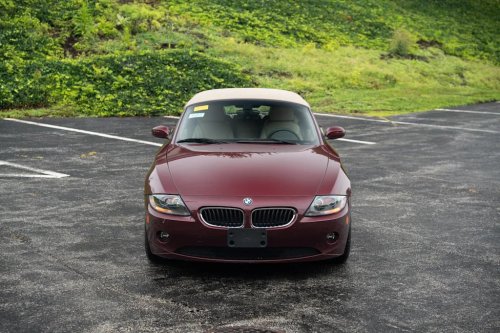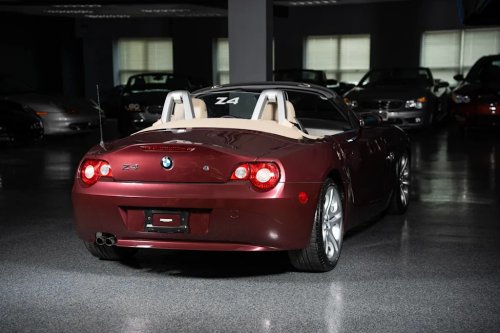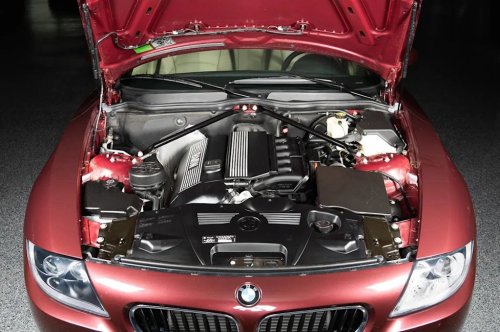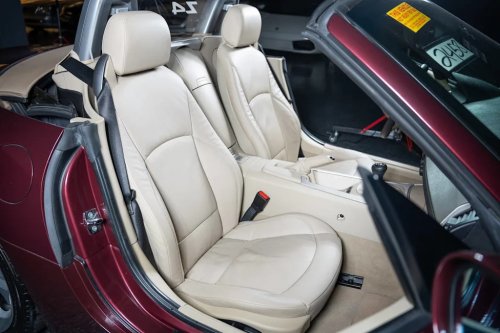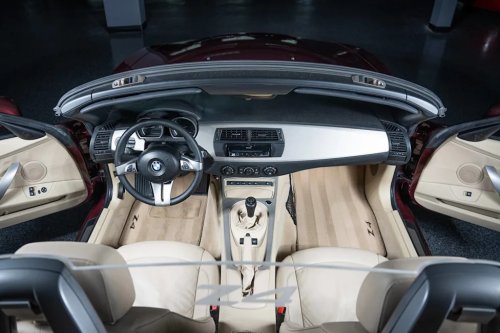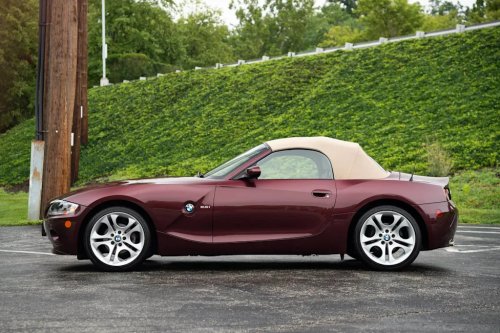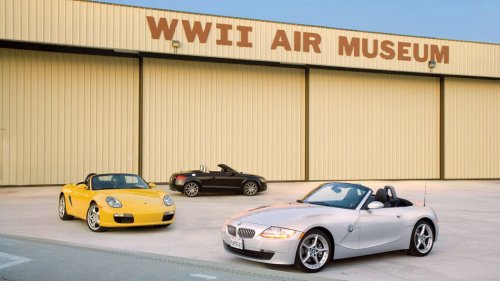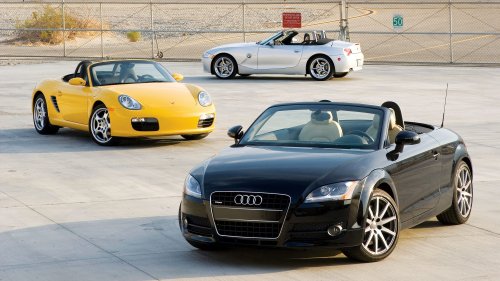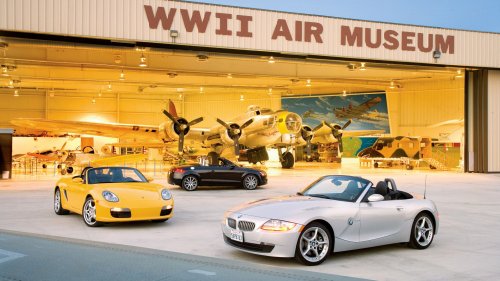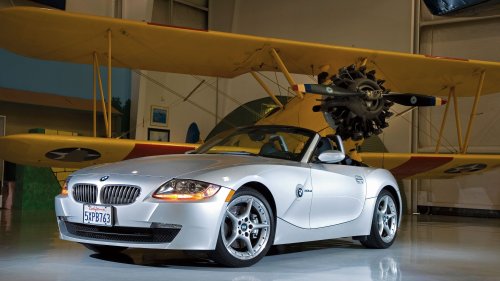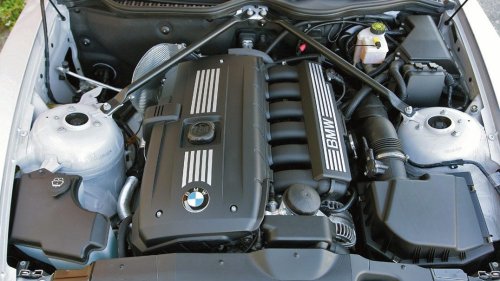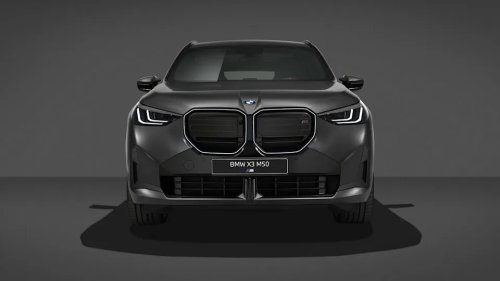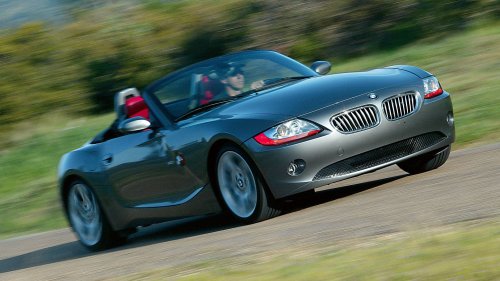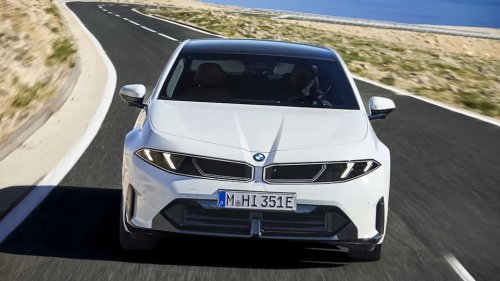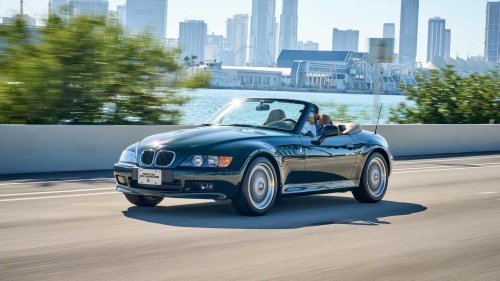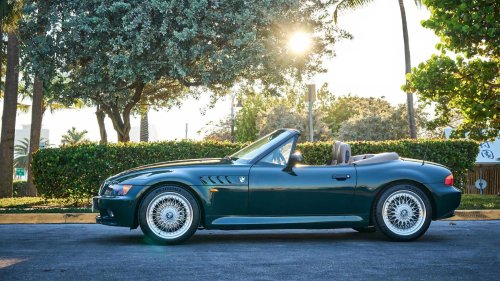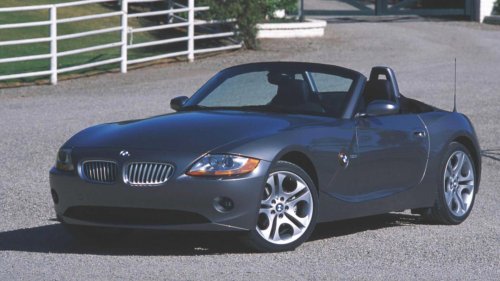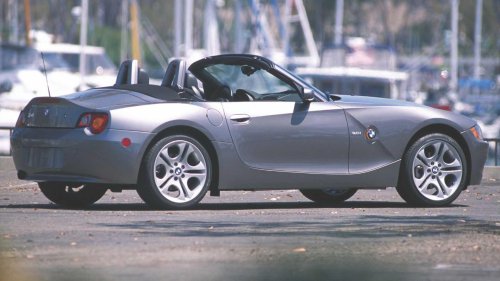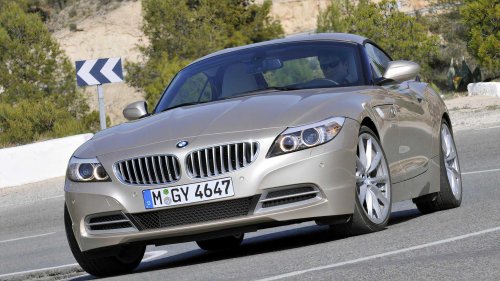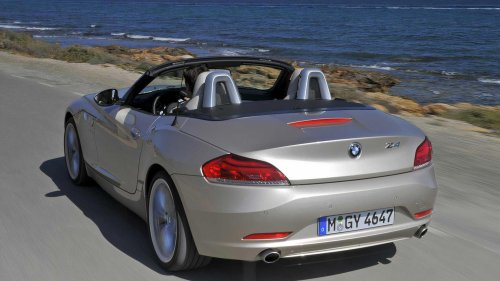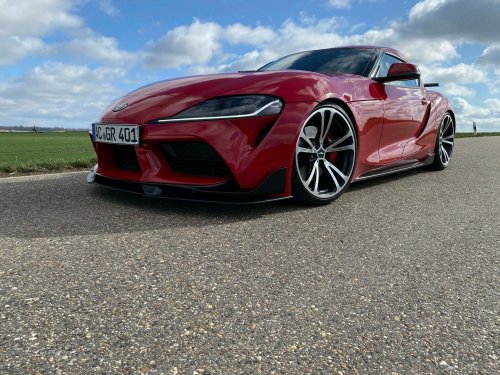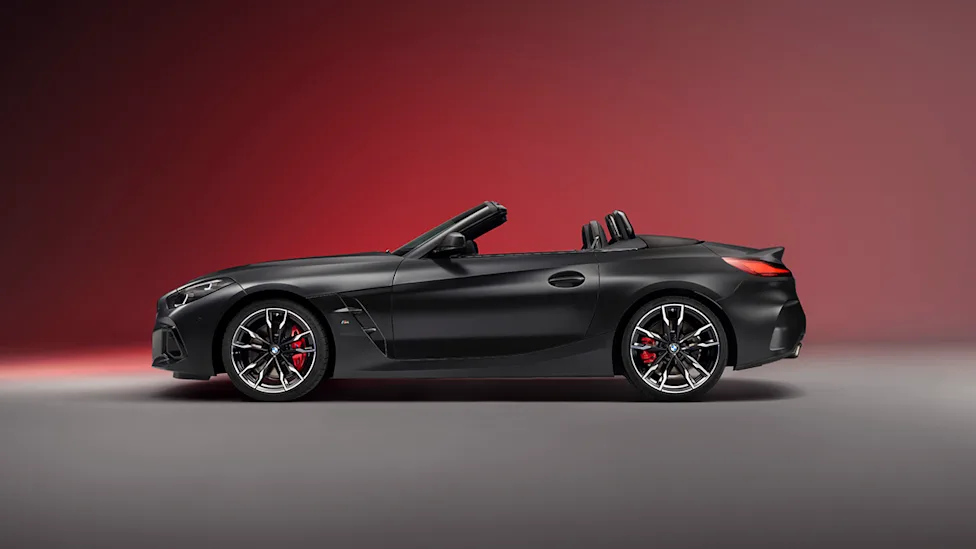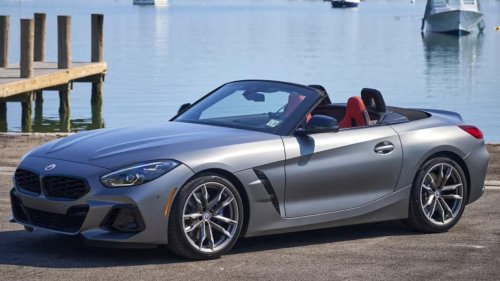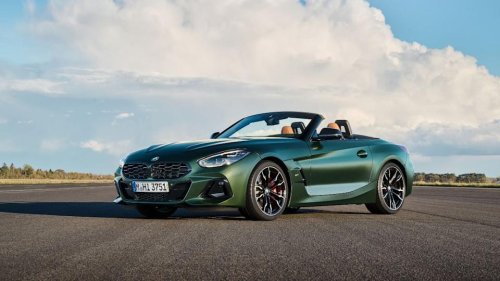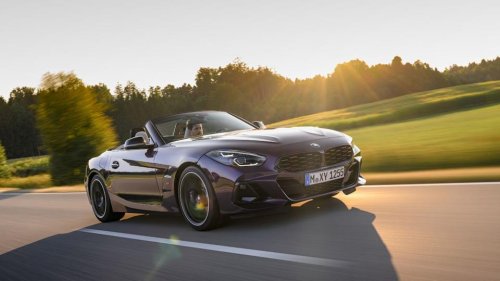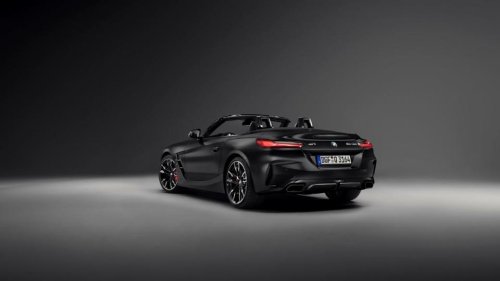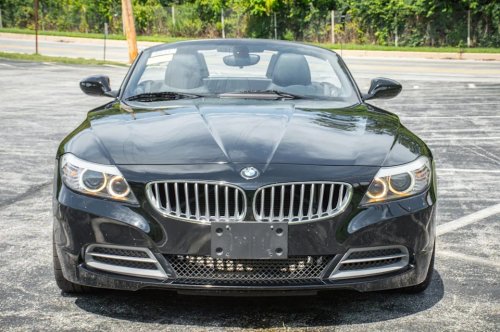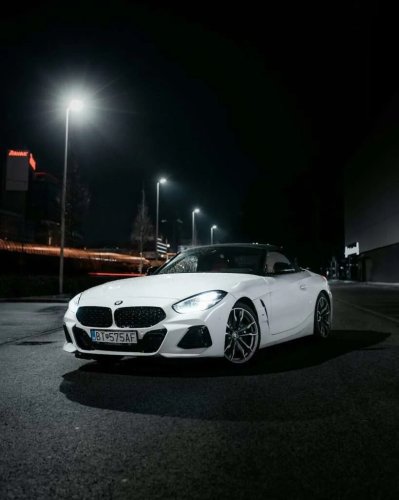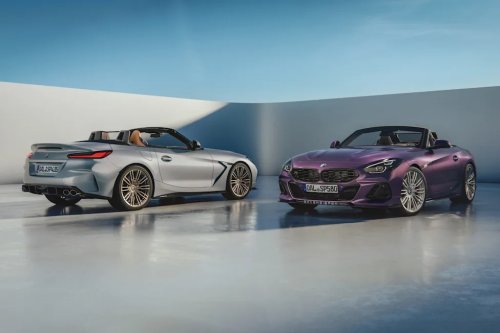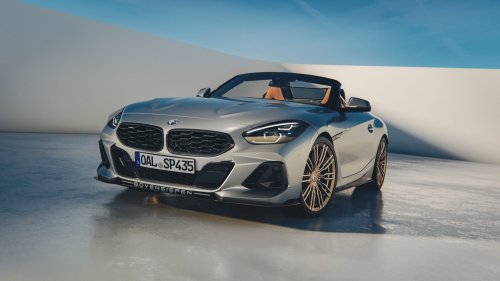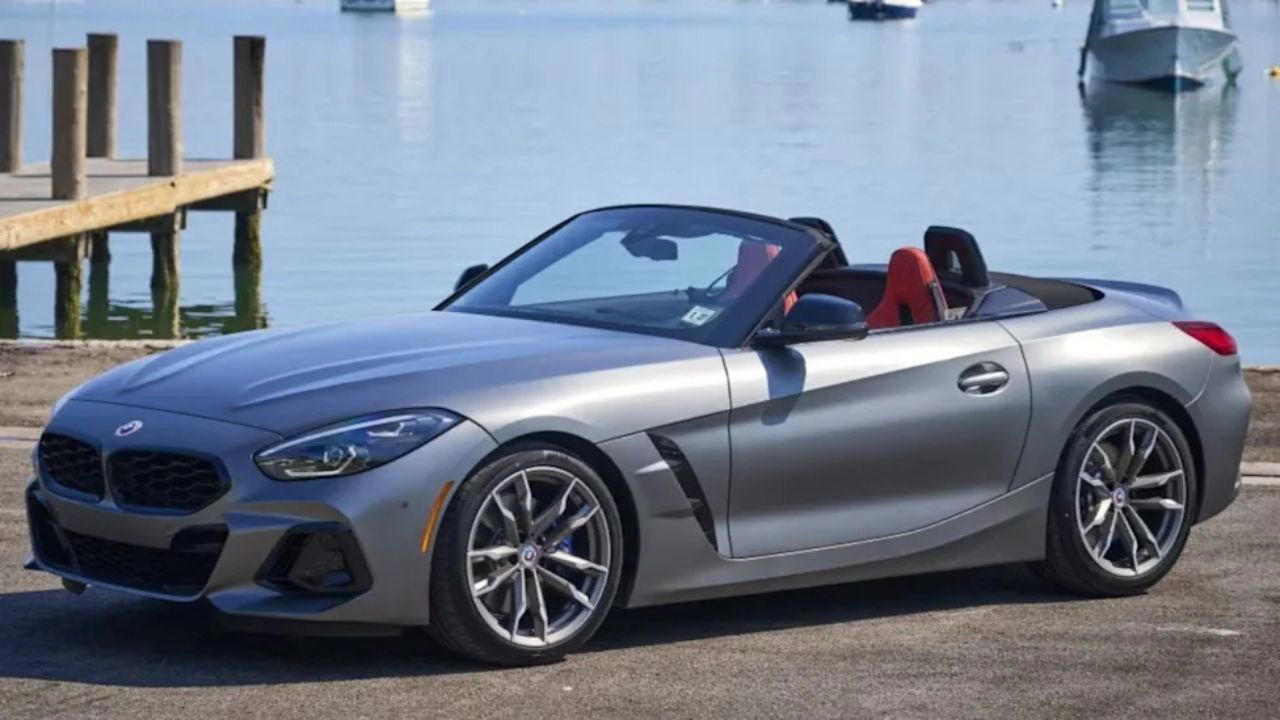



















BMW ends Z4 production, leaving brand without a 2-seat roadsterBMW is reportedly preparing to end production of the Z4, marking the end of its long-running two-seat roadster lineup and leaving the brand without a dedicated open-top sports car in its current portfolio. The move reflects shifting demand away from traditional roadsters as automakers prioritize SUVs, performance coupes, and electrified models. The decision would close a chapter that began with BMW’s early 2000s push into compact, driver-focused convertibles. What happened The BMW Z4, a two-seat rear-wheel-drive roadster developed as a spiritual successor to earlier BMW sports cars, is expected to exit production as the company streamlines its lineup. The model has long appealed to enthusiasts seeking a pure driving experience, combining a long hood, low seating position, and open-air performance. Over time, however, demand for roadsters has steadily declined. Buyers have increasingly shifted toward SUVs and crossovers, which offer more practicality, comfort, and year-round usability. At the same time, tightening emissions regulations and rising development costs have made niche low-volume sports cars harder to justify economically. BMW Z4 has also faced internal competition from BMW’s expanding performance coupe and M division lineup, which offers similar driving dynamics in more versatile body styles. Industry reports suggest BMW is prioritizing electrification and broader-market vehicles over niche segments like two-seat convertibles. As a result, the Z4’s discontinuation would leave the brand without a direct successor in the traditional roadster category. Why it matters The end of the Z4 marks a broader industry trend: the gradual disappearance of affordable or mid-market roadsters from major manufacturers. Once a staple of enthusiast driving culture, two-seat convertibles have become increasingly rare as consumer preferences shift toward practicality and technology-heavy vehicles. For BMW, the Z4 represented one of its last direct connections to pure open-top sports car heritage outside of its high-performance coupe and supercar-inspired models. Its departure signals a further consolidation of BMW’s lineup around SUVs, performance sedans, and electrified platforms. The move also highlights the economic reality of niche vehicles. Roadsters typically sell in lower volumes, making it difficult to absorb rising development costs associated with modern safety standards, infotainment systems, and emissions compliance. What to watch next The key question is whether BMW will revisit the roadster segment in the future through electrification. Some automakers are exploring lightweight EV sports cars that could revive interest in open-top driving using new technology rather than traditional combustion engines. BMW’s future product strategy will likely continue focusing on electrified performance vehicles, M-badged models, and SUVs, but enthusiast demand could eventually push the brand to reconsider a successor if market conditions change. For now, the end of the Z4 would mark the conclusion of BMW’s modern roadster era—closing one of the last remaining links to its classic two-seat driving experience. More from Fast Lane Only Unboxing the WWII Jeep in a Crate 15 rare Chevys collectors are quietly buying 10 underrated V8s still worth hunting down Police notice this before you even roll window down