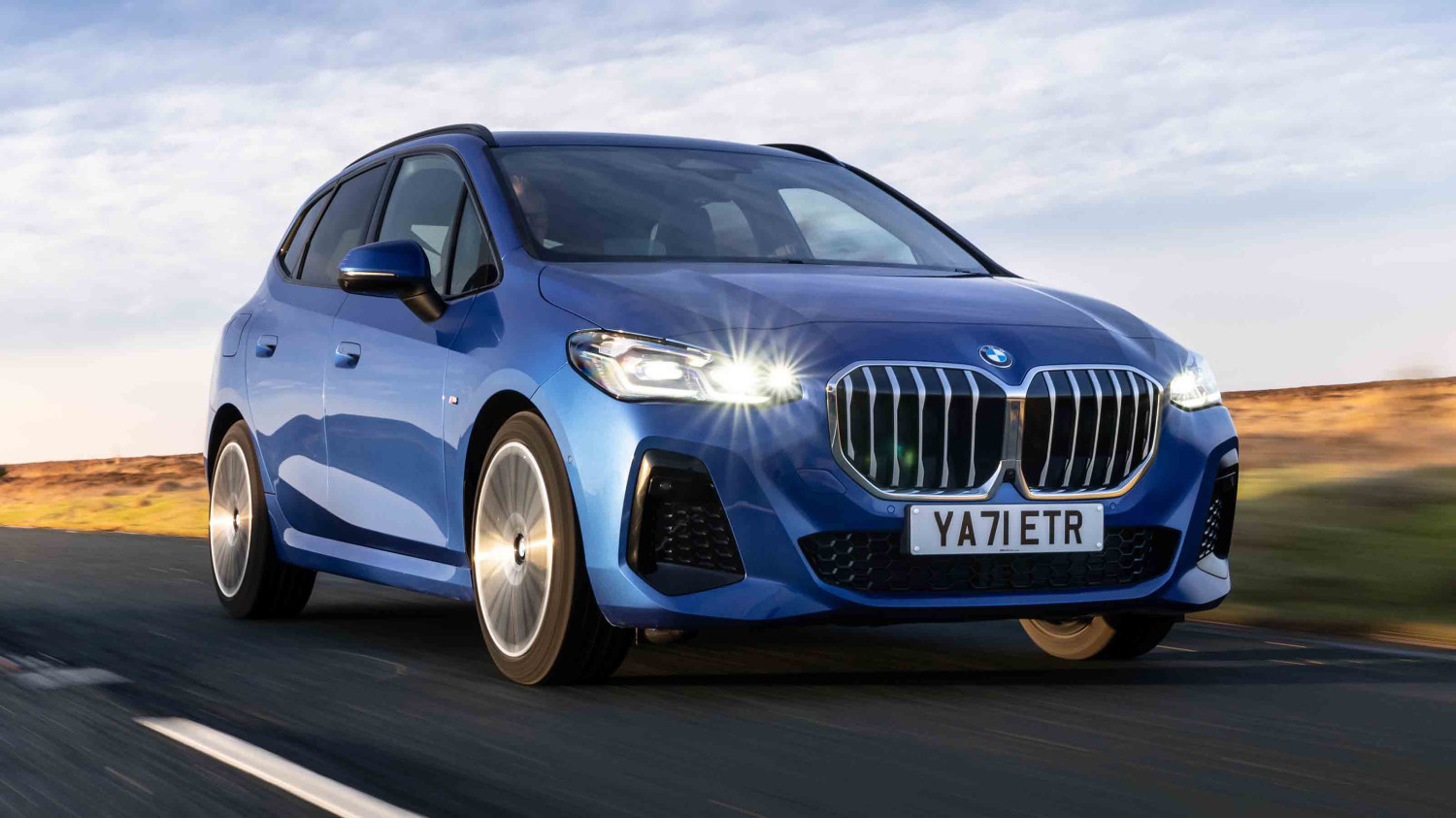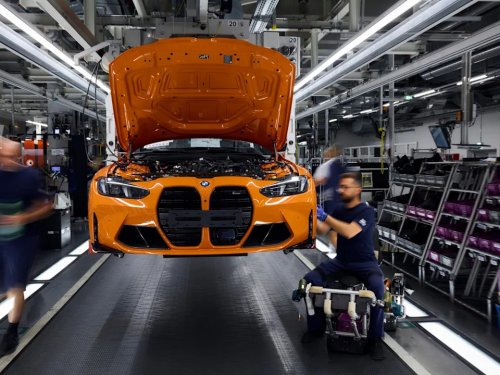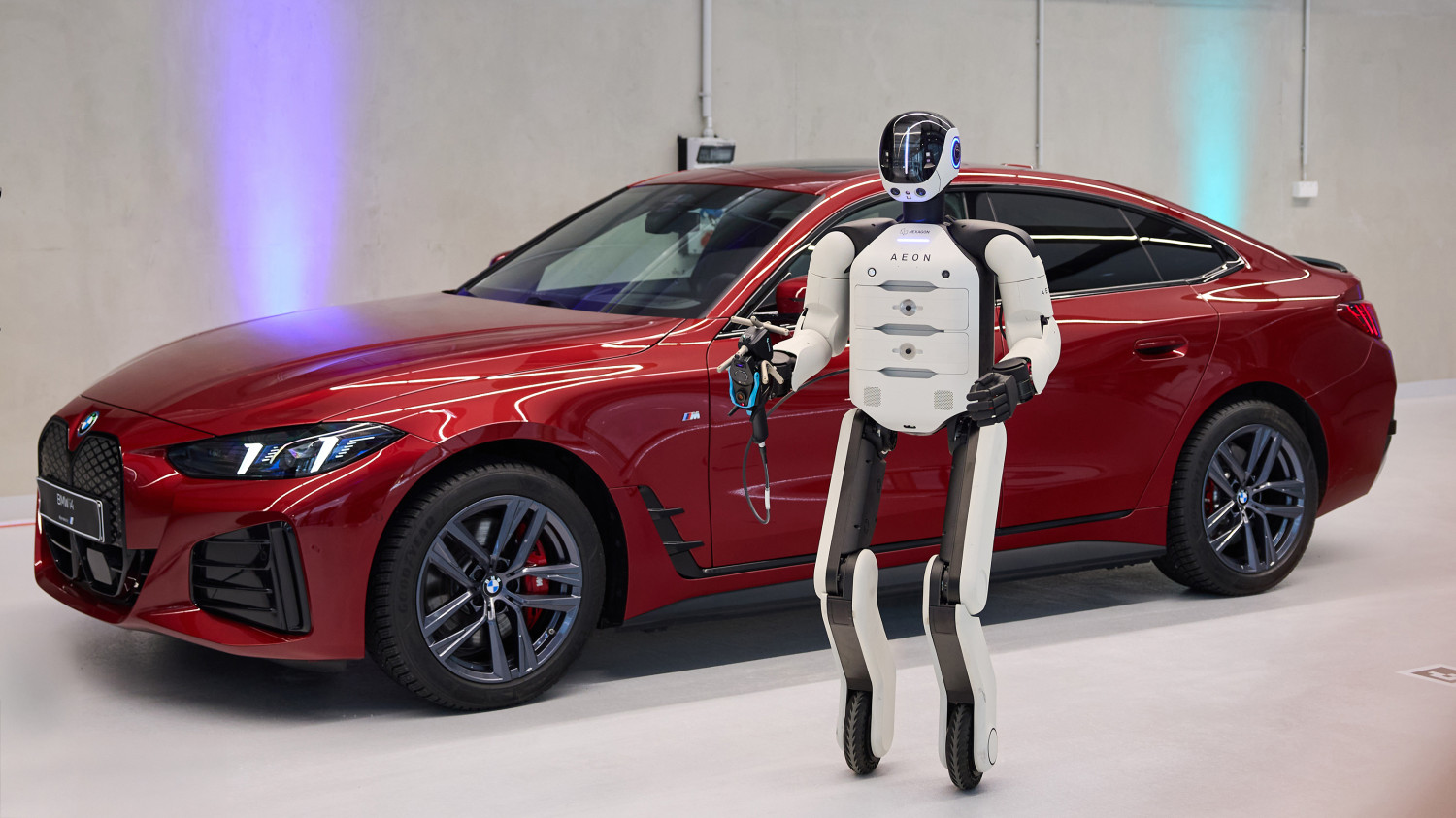
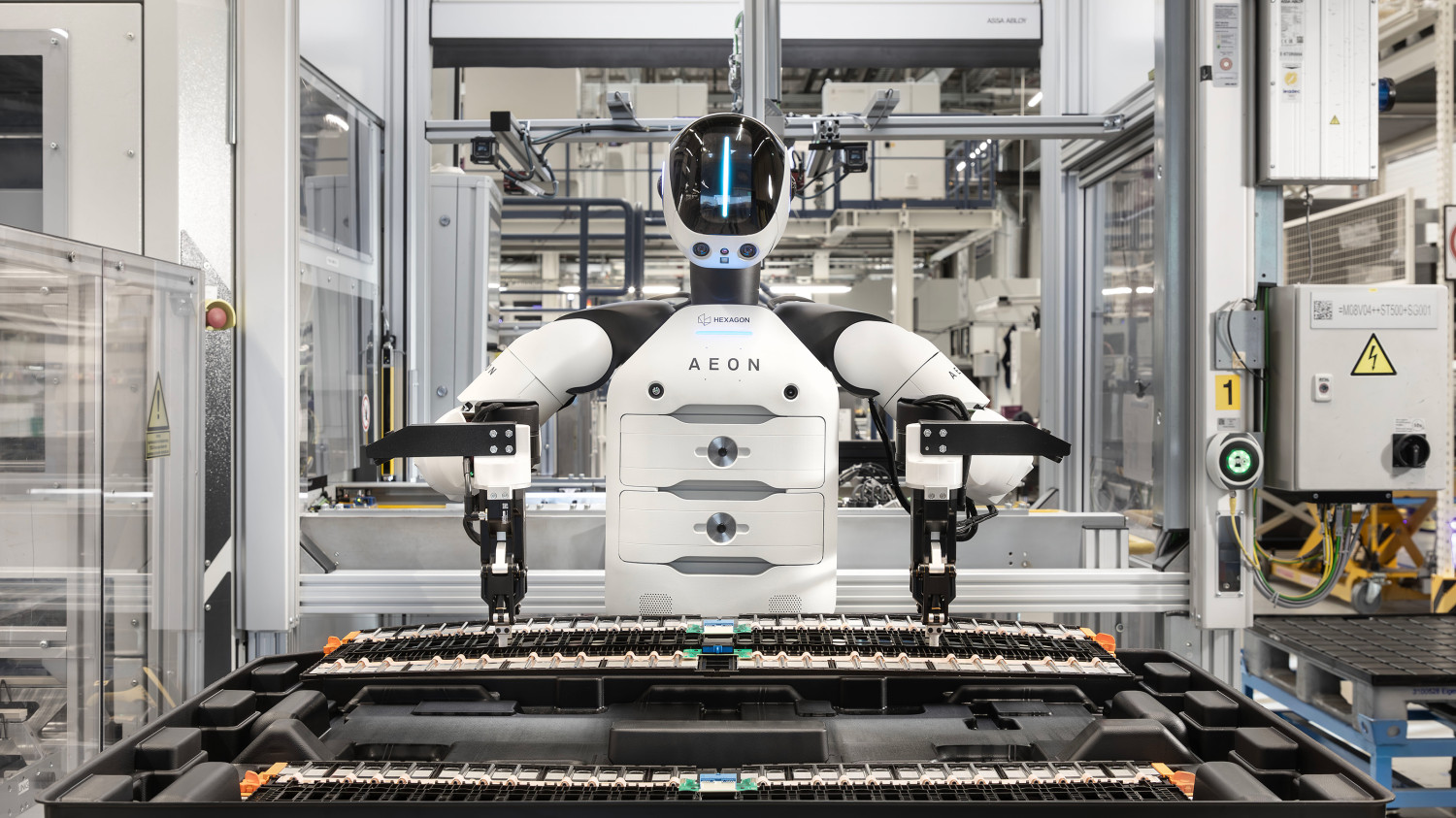



















Yes, you read that headline correctly – your next BMW or MINI could be built, at least in part, by a humanoid robot as BMW Group says it will deploy the cutting-edge technology in its Leipzig plant in eastern Germany from this summer. “This will be the future of automotive production,” BMW’s head of process management and digitalisation, Michael Nikolaides, told the BBC. “If you have a humanoid form, you can pretty much set it to any workplace where a human is working today because it has the same size and the same capabilities.” So why employ robots in the first place when they have the same capabilities as humans? Well, the cost of this type of robotics has fallen drastically in recent years, with the compact proportions of humanoid examples meaning entire factories do not need to be redesigned around them. “The focus is on understanding where this technology can support tasks that are repetitive, physically demanding or safety-critical,” a spokesperson told Auto Express. “The humanoid form is important because it allows this type of robot to be tested in existing production environments designed around people rather than requiring entirely new layouts from the outset. The aim is to relieve employees in suitable areas and learn how Physical AI can support future production processes.” BMW first started testing the robots in Germany earlier this year following another trial at its Spartanburg plant in the US. When the pilot officially begins in Leipzig this summer, the Munich-based brand says the AI-powered machines will “be used in the assembly of high‑voltage batteries and in component manufacturing”. That being the case, we expect the robots to be heavily involved in the manufacture of the all-electric MINI Countryman E, as well as the mild-hybrid BMW 1 Series and 2 Series Gran Coupe/Active Tourer, which are all assembled in Leipzig. The robots themselves have been developed by a Swiss firm called Hexagon Robotics. Standing 1.65 metres (5ft 5in) tall and weighing around 60kg, the AEON robots can carry up to 15kg for short periods, or 8kg with no time restriction. With shifts stretching to eight hours in length, the robots can change their depletable battery packs themselves every three hours. While this might all sound incredibly futuristic, it’s not the first time manufacturers have employed humanoid robotics; earlier this year Renault showcased its Calvin robot designed to haul heavy EV tyres at the firm’s factory in Douai, northern France. Almost all mainstream manufacturers utilise various forms of automation, from robotic arms to perform welding to autonomous trolleys that transport parts around warehouses. “Although we have not set out public plans for our next humanoid robotics trials or deployments [beyond Leipzig], BMW Group is continuously developing and testing robotics technologies across its production network,” BMW told us. “In the UK, for example, both MINI Plant Oxford and BMW Group Plant Hams Hall have robotic dogs to support inspection and monitoring activity.”