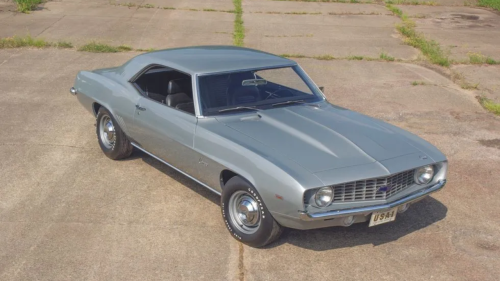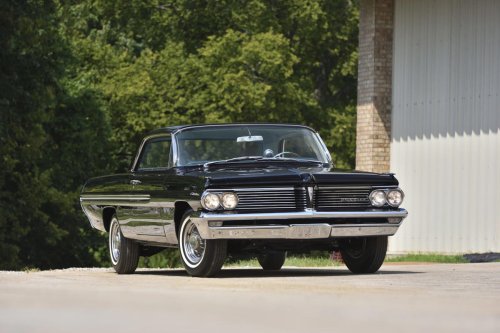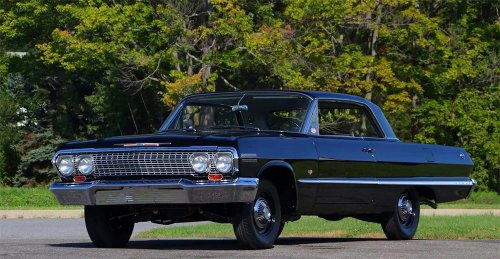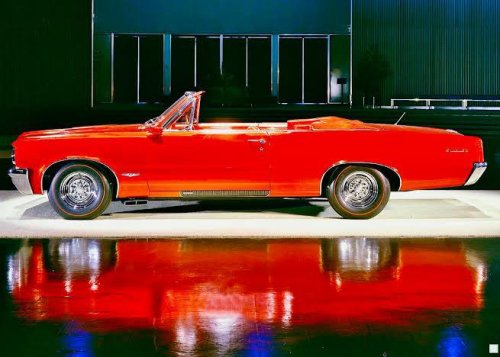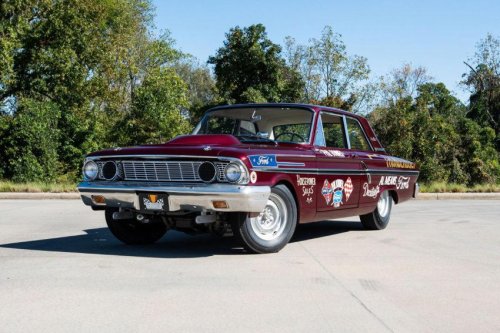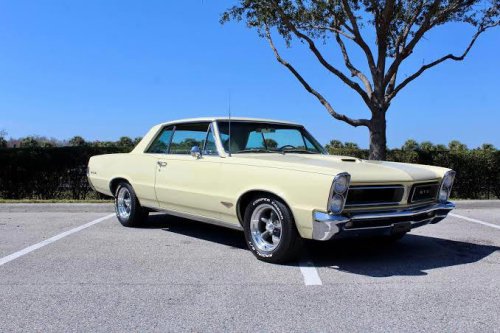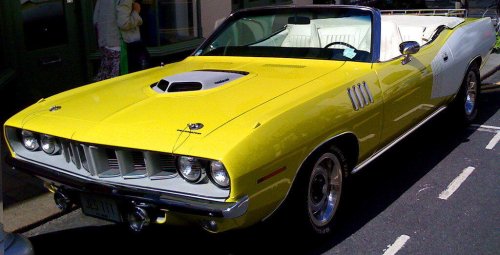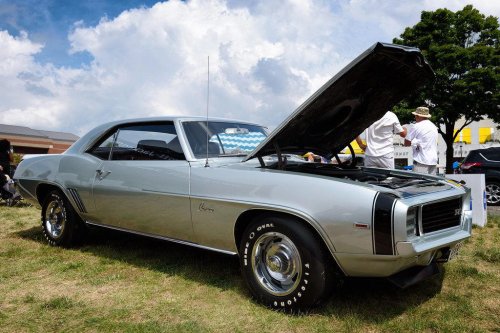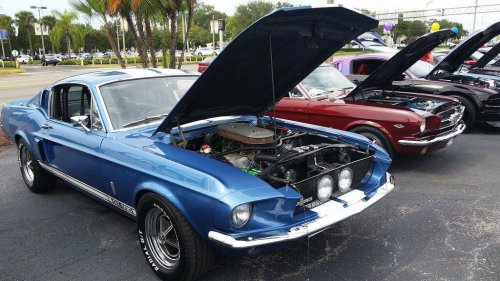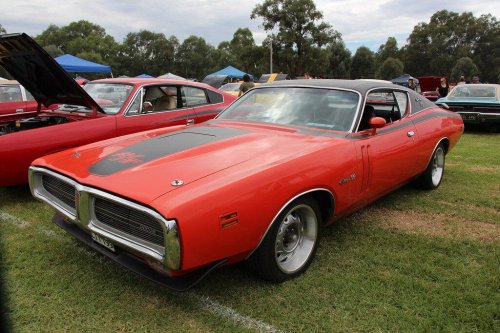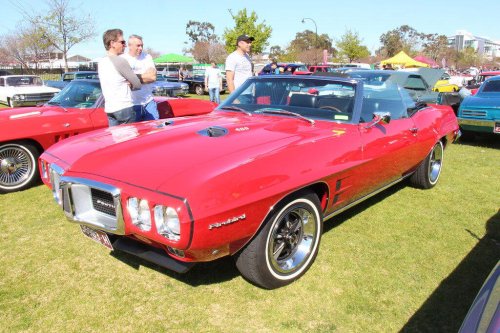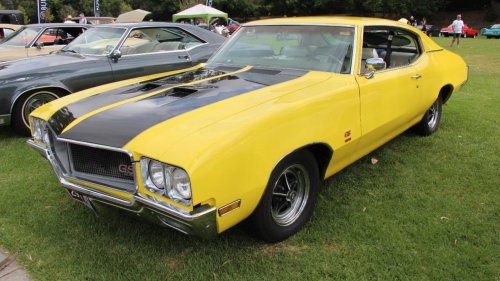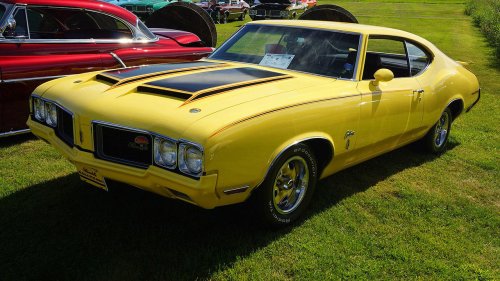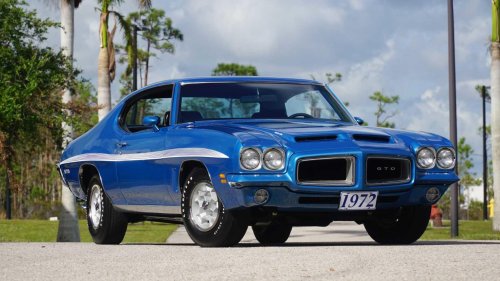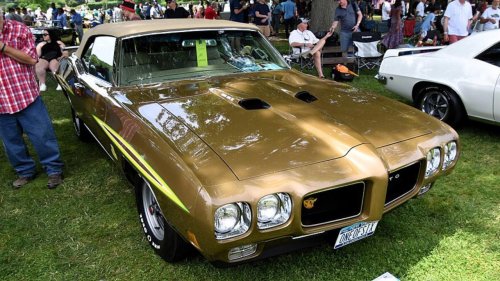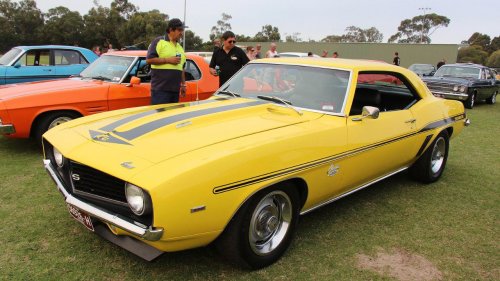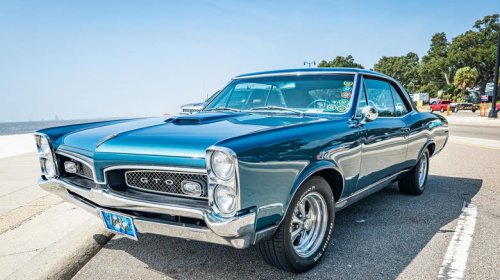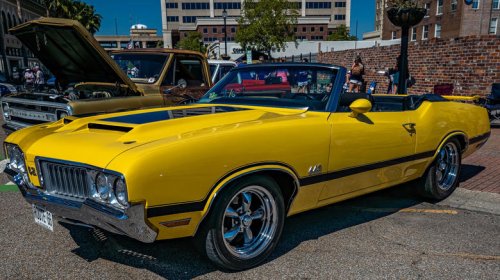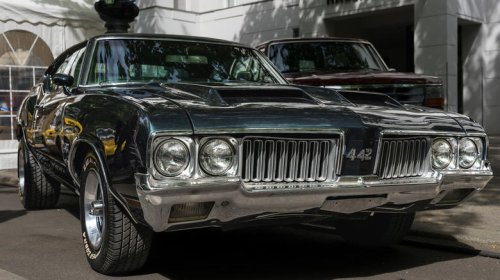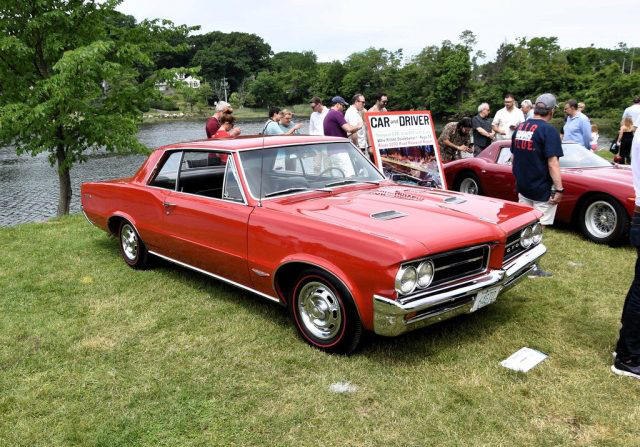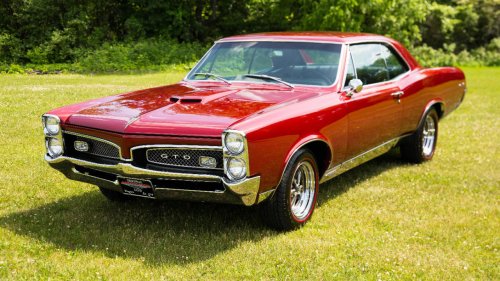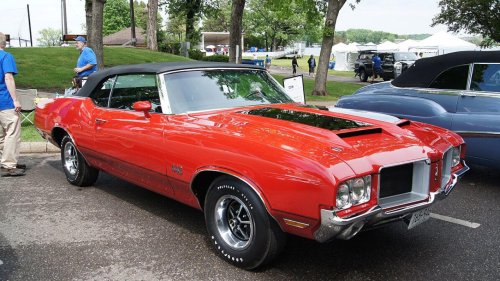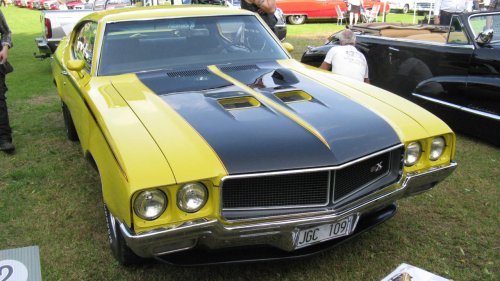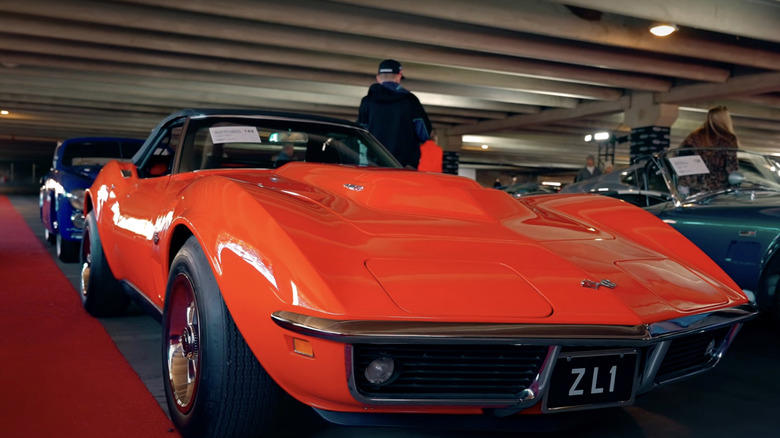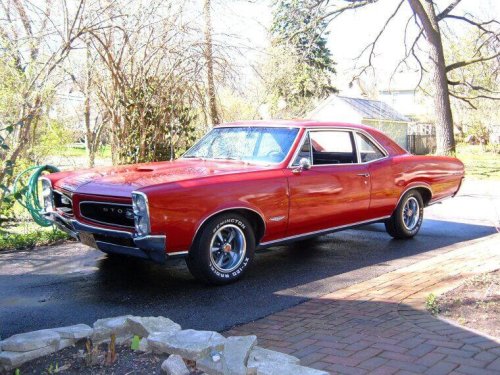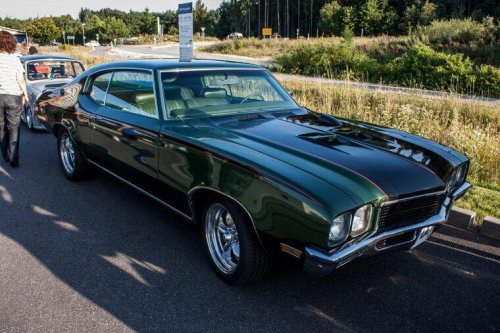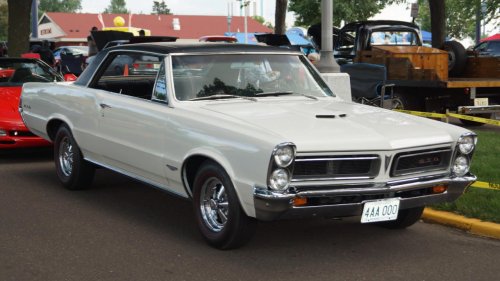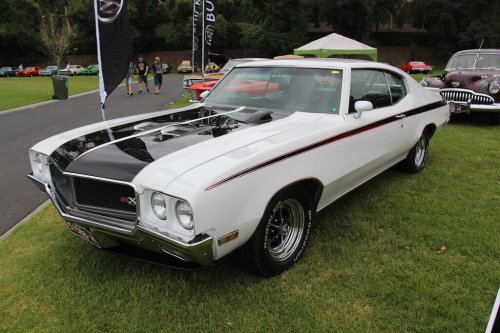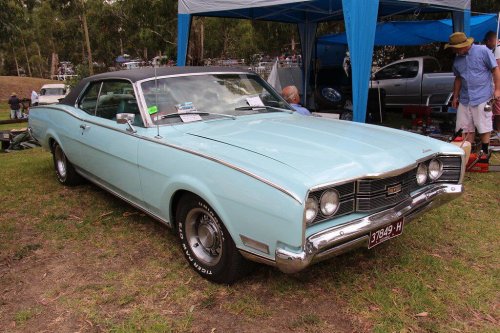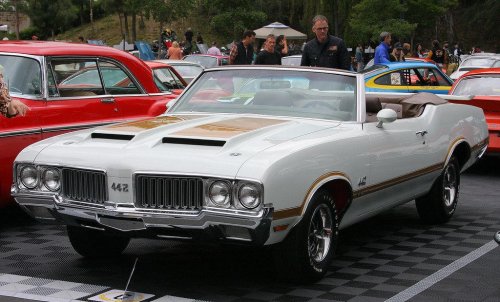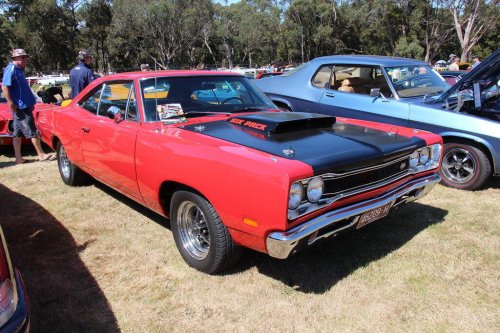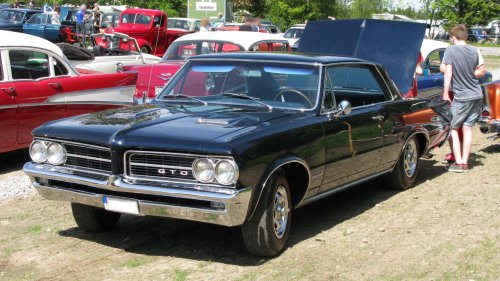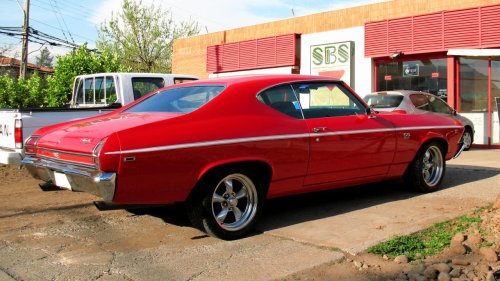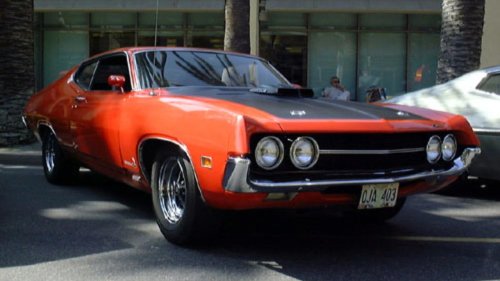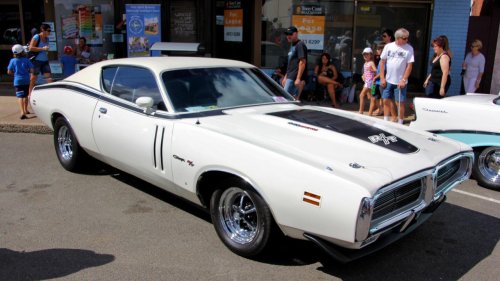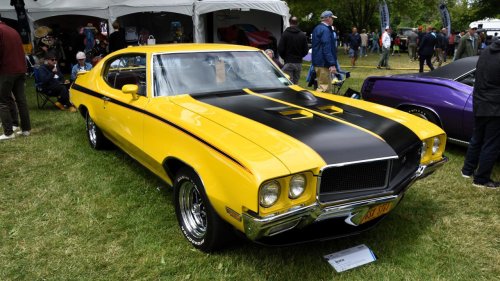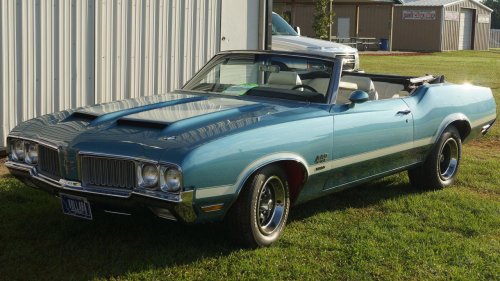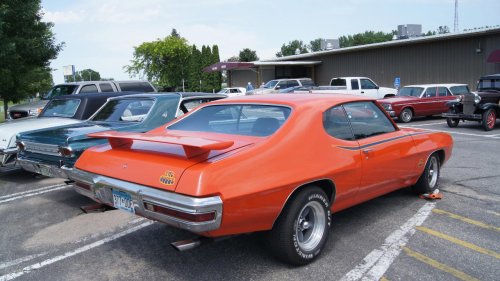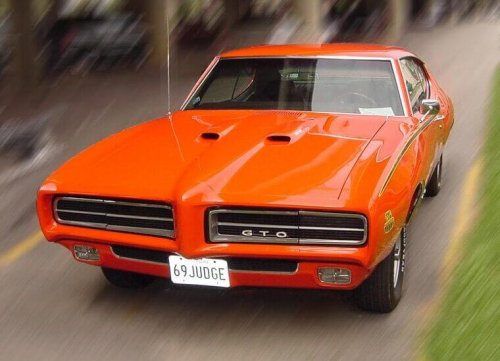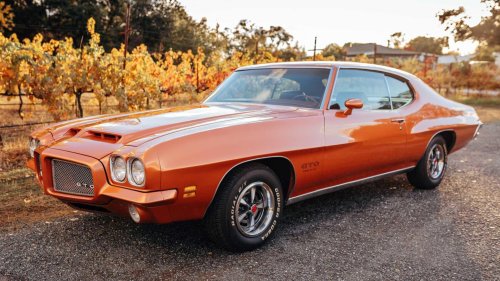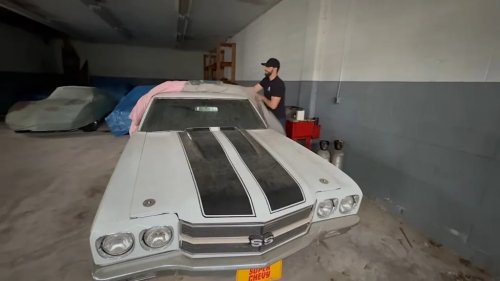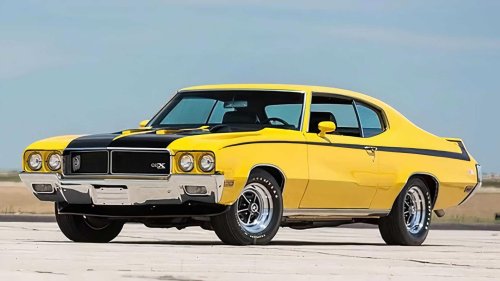
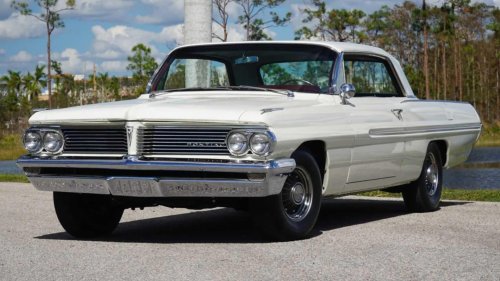
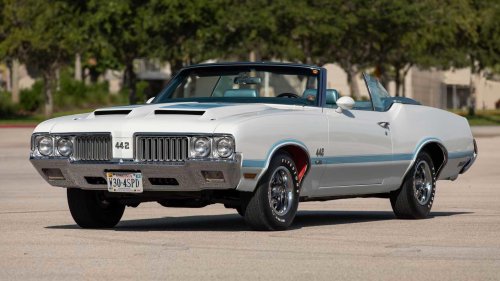
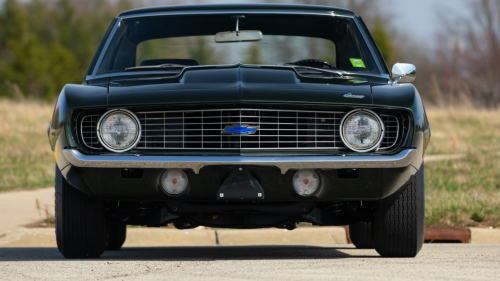
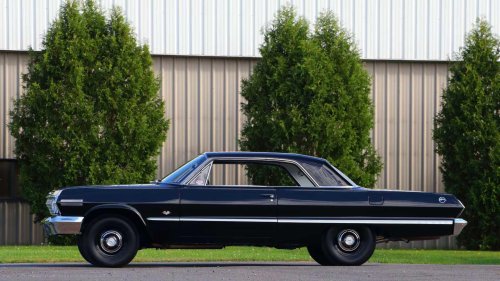
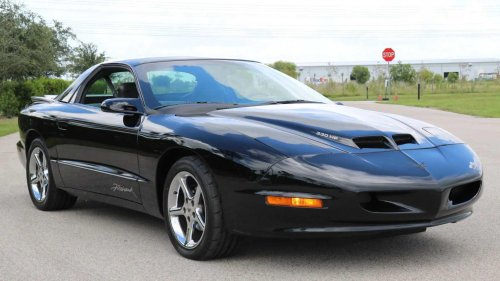
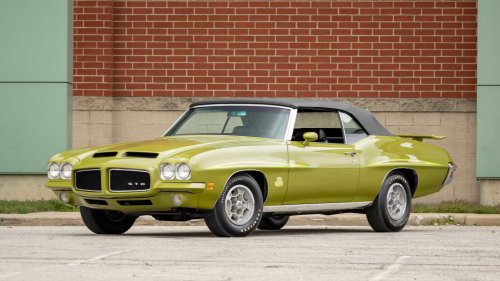
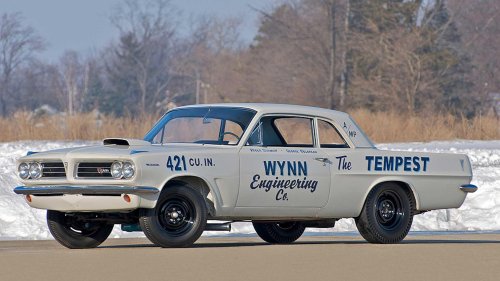
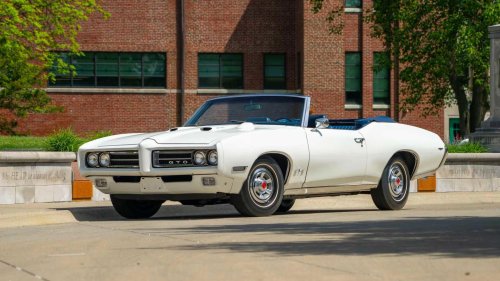
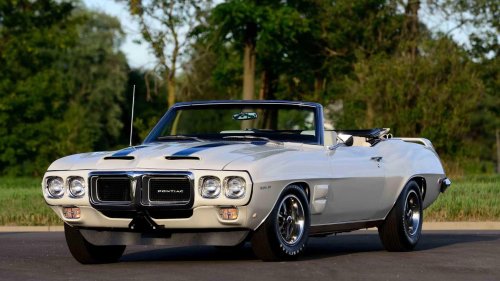
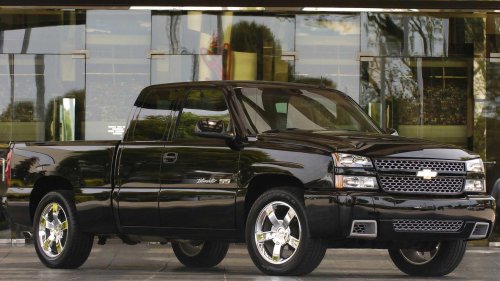
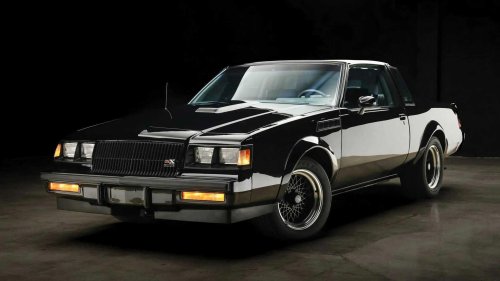



















The golden era of American muscle cars came during the 1960s and at the very beginning of the 1970s. General Motors arguably created the segment with the 1964 Pontiac GTO, but its other brands, such as Chevrolet, Buick, and Oldsmobile, quickly introduced competitors.As the muscle car era went on, some of these performance machines weren't the huge hits like the Pontiac GTO and Chevrolet Chevelle SS. Sometimes the small production runs were intentional, such as for models specifically designed for drag racing. In other cases, an offering just didn't meet customer desires. Let's take a closer look at 10 of the rarest muscle machines ever available from GM. They're ordered from the most common to the least common. 1970 Buick GSX Stage 1 (678) 1970 Buick GSX Stage 1This is the only Buick on the list, and it's a peach. It was a freak of the Buick lineup, adding brute force to an upscale car with the result out-muscling many of the poster cars of its day. Under the hood was a 7.0-liter V8 officially rated at 360 hp, but "official" is not necessarily the same as "actual." The Stage 1 option added revised camshaft timing, high-flow cylinder heads, tuned carbs, and a bump in compression to the 455 engine, and revised the suspension to address the dive caused by the nose-heavy car under braking and in corners.In 1970, the effect of high insurance and added emissions standards were starting to kick in, so muscle car sales were dropping. As a result, the Buick GSX Stage 1, which was already overlooked at the time, sold a paltry 678 units. Those who are in the know now, however, will spend the money to pick up one of the best examples of Buick's finest muscle car. 1962 Pontiac Catalina Super Duty Number Produced: 179 962 Pontiac Catalina 421 Super Duty front quarterThe term "muscle car" originated in the early 1960s, but the practice of overpowering street cars with enormous engines goes back a long way. At the beginning of what's known as the muscle car era, Pontiac shoved a 6.9-liter V8 into what looked like an unassuming stock Catalina. Indeed, the idea was that it would literally qualify as "stock" for NASCAR and NHRA racing. Underneath, it was lightened and strengthened to become a barely street-legal drag racer sold at Pontiac dealerships.According to the specs, the giant V8 made 405 horsepower. But in 1962, Road & Track magazine got hold of one and measured the Catalina Super Duty, making 465 hp and 505 lb-ft of torque. It was a 12-second quarter-mile car in 1962, which was as fast as hell at the time. Pontiac made 179, and the model was never intended as a street car. By all accounts, it was brutal to try to drive on the road. 1970 Oldsmobile 442 W30 Convertible Number Produced: 96 Mecum 1970 Oldsmobile 442 W30 Convertible 1.jpgThe Oldsmobile 442 W30 was a gentleman's muscle car. Oldsmobile entered the 1960s as the brand of car that middle-aged folks drove, not the cool kids. But, the 442 (4-barrel carburetor, four-speed transmission, 2 exhausts) came on the market in 1964 as part of internal competition with Pontiac. It was still conservative by mid-1960s muscle-car standards, but it came with a 6.5-liter V8 making 345 hp and 440 lb-ft of torque. But 1970 became the golden year for the 442.Not only was the Oldsmobile 442 the pace car for the Indianapolis 500, but someone at Oldsmobile wanted a factory car that could compete in NHRA Super Stock drag racing. The W30 package was released with a tuned 7.5-liter engine that made 370 hp and 500 lb-ft of torque, according to the factory. We can only imagine that the convertible version became an option as a shrug and "why not?" in a meeting. Only 96 units were built as a convertible. 1969 Chevrolet Camaro COPO ZL1 Number Produced: 69 1969 Chevrolet Camaro ZL1 When an Illinois-based Chevrolet dealer named Fred Gibb convinced the brand to sell the small Camaro with its biggest engines, Chevy listened, and an internal acronym became legendary. COPO stood for Central Office Production Orders, and Chevrolet allowed dealerships to special-order anything they liked. That's how we know the name Yenko.Of course, some Camaros were ordered with the epic ZL-1 aluminum-block 427 V8 engine. Only 50 needed to be sold for the real reason Gibb wanted ZL-1 Camaros to be sold – to qualify for NHRA Super Stock drag racing. But 69 made it out through dealerships. Ordering the big-block engine upgrade required ordering the J52 Power Disc Brakes and performance tires, because Chevrolet hadn't completely lost its mind. And what an engine it was. The result was a muscle car holy grail – only 300 powerplants were built as they were intended for racing. Chevrolet claimed 430 horsepower, but the real number was around 525. 1963 Chevrolet Z-11 Impala Number Produced: 57 1963 Chevrolet Impala Z11 Mecum 4While not a full-on land yacht, the Impala wasn't ideal for a muscle car, but Ford had the Ford Fairlane Thunderbolt, so Chevy also had to have a larger experimental drag race. By 1962, the Impala had a proper SS (Super Sport) package for the mainstream, but the Z11 version came with a 7.0-liter V8 making 430 hp and a tarmac-churning 575 lb-ft of torque.In true drag-racer style, everything unnecessary for the quarter mile was removed to save weight, and bodywork and bumpers were made from aluminum. Amazingly, when Chevy was done, the Impala Z-11 weighed just 3,500 pounds and could hit 60 mph in 4.3 seconds. It was the first, ahem, stock car to hit 120 mph on the quarter-mile. Only 57 were built, and fewer remain, and collectors will pay well over a quarter of a million bucks for one. 1997 Pontiac Firebird SLP Firehawk LT4 Number Produced: 29 1997 Pontiac Firebird SLP Firehawk (1)Pontiac's history is full of rare muscle cars, but this one came long after peak muscle car and as the brand was finally starting to sunset. The Pontiac Firebird SLP Firehawk LT4 was developed in collaboration with SLP, an upgrade specialist for late-model American muscle cars. While the late-1990s Firebird's styling was an acquired taste, the Firehawk's performance was outstanding. Oddly, there were three engine options, but all anyone cares about is the LT4 V8 that went into 29 models, making 330 hp and 340 lb-ft.Presumably, SLP was brought in as the company was talented at opening up emissions-strangled cars. That 330 hp was a lot for 1997, so much so that the Pontiac made sure the Firehawk had a big hood badge to let people know. 1971 Pontiac GTO Judge Convertible Number Produced: 17 1971-pontiac-gto-judge-convertible-mecum-1As the 1970s started, the muscle car market was flooded with products, but insurance prices were shrinking the number of customers who could afford them. So, John DeLorean got back to work to keep The Judge relevant. For 1971, the Judge convertible came with a facelift and the evolutionary Ram Air IV V8, but was down to 335 hp due to emissions laws. Only 17 convertibles were produced in 1971.Despite not selling at the time, these cars are worth half a million dollars in the right condition. In reality, the 1971 Pontiac GTO Judge, convertible or hardtop, doesn't sacrifice much performance and looks fantastic. 1963 Pontiac Tempest Super Duty Number Produced: 14 1963_Pontiac_TempestCoupe421SuperDuty1In the early 1960s, Pontiac's engineers realized that full-size cars were a limiting factor in competition due to their weight. In 1962, Pontiac used a smaller car for the Super Duty treatment (see above), but in 1963, it went smaller still. The Tempest was deemed a compact car, and dropping a 6.6-liter Super Duty 421 V8 in the engine bay was absurd. Pontiac rated the V8 at 405 hp and 425 lb-ft, but considering the time period, it was likely considerably more.With that kind of power-to-weight, the Pontiac Tempest Super Duty was on course to become the ultimate drag strip destroyer. But GM suddenly imposed a ban on factory-backed racing in 1963, citing legal and liability concerns. The situation left the Tempest Super Duty high and dry with only 14 models built. If you want to break it down, there were six LeMans coupes, two standard coupes, and six wagons built. 1969 Pontiac GTO Judge Convertible Number Produced: Less Than 10 Pontiac GTO Judge Ram Air IV Convertible The Pontiac GTO is a legend for a reason. It pretty much started the muscle car movement of the 1960s. Under John Deloreon's stewardship, Pontiac came up with The Judge as the sales numbers started to dwindle at the end of the 1960s. It arrived as a brash, loud, muscled-up take on the GTO.In 1969, The Judge came with a Ram Air III V8 under the hood, making 366 hp with 445 lb-ft of torque, and a big dose of attitude. It was a hit, but the muscle car crowd wasn't into the convertible version. Most sources say either five or seven were sold, but it was certainly less than ten. 1969 Pontiac Firebird Trans Am Convertible Number Produced: 8 1969 Pontiac Trans Am Convertible Top Down Front Angled ViewThere are a few convertible models on this list because enthusiasts didn't want the hit that losing the roof makes on structural integrity. Nobody wants to drop the clutch and have big torque twisting the chassis. Some models are incredibly rare as convertible models, and only eight Pontiac Firebird Trans Am Convertibles were ordered.Still, the Trans Am package with a convertible looks amazing and, under the hood, is a Pontiac 400 HO V8 – meaning a 6.6-liter high-output engine with Ram Air III induction. That V8 generated 335 horsepower with 430 lb-ft of torque, which must sound wonderful with the hood down. Unusually for such rare muscle cars of the era, all eight models are believed to have survived. In 1970, Pontiac dropped the bodystyle from its F-body platform, so this is now a remarkably sought-after car. The last one seen for sale was in 2016 and sold for $1.9 million. Bonus: 2006 Chevrolet Silverado Intimidator SS Number Produced: 1,333 2006 Chevrolet Silverado Intimidator SS The Silverado SS was a high-performance variant of the Chevrolet Silverado pickup truck, produced from 2003 to 2006. It came with a 6.0-liter LQ9 V8 making 345 horsepower and with 380 lb-ft of torque. The Intimidator SS Silverado was a well-equipped version with a NASCAR-inspired appearance kit that included 20-inch chrome wheels. The Intimidator SS came out for the 2006 model year, conceived to honor seven-time NASCAR Winston Cup Champion Dale Earnhardt, and 1,333 were built.There are a lot of threes in that number as a reference to the late legend's consistent race number. It's one of the rarest modern GM vehicles, but not particularly valuable. GM went a bit nuts on NASCAR-themed collectibles, and this one wasn't very closely tied to Earnhardt, who had died five years earlier. 1987 Buick GNX Number Produced: 547 1987 Buick GNX front 3/4The Buick GNX was hurled back into the popular culture spotlight by appearing at the beginning of Kendrick Lamar's epic 2025 NFL Super Bowl halftime show. Lamar put one on the cover of his GNX album, but it wasn't a real example on stage, instead being a heavily modified prop. Buick only made 547 authentic examples. Lamar owns a GNX, too.You can argue in the comments whether a V6-powered car is a "real" muscle car, but the GNX came out during a dark time for factory power. Emissions had strangled V8 performance at the time, and the GNX (Grand National Experimental) was able to outrun a 1987 Corvette on the quarter mile by just over a second. It could also out-muscle a Porsche 911 to 60 mph, hitting the mark in 4.7 seconds.By 1987, the Dodge Charger had been reduced to a subcompact front-wheel-drive coupe with a four-cylinder engine, so the GNX's 3.8-liter turbocharged V6, making 276 hp, was serious power in the mid-to-late 1980s. Many sources indicate the actual horsepower rating was well past 300 hp.