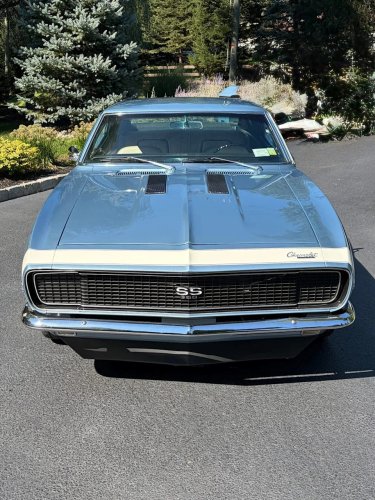
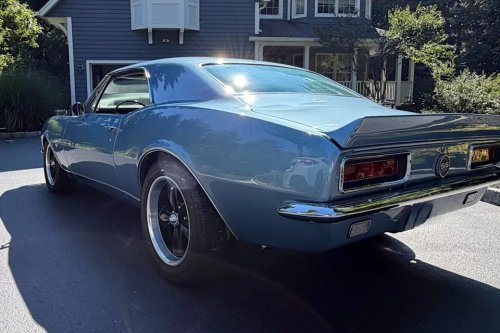
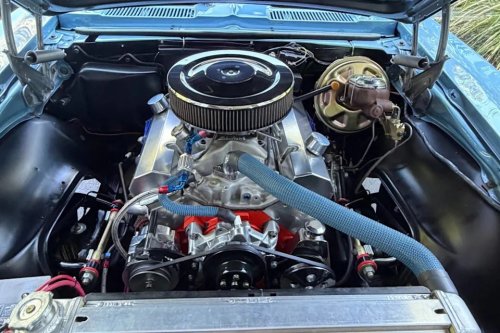
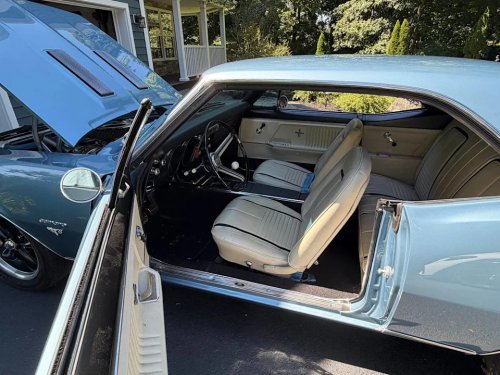
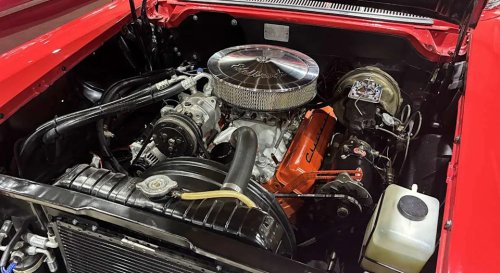
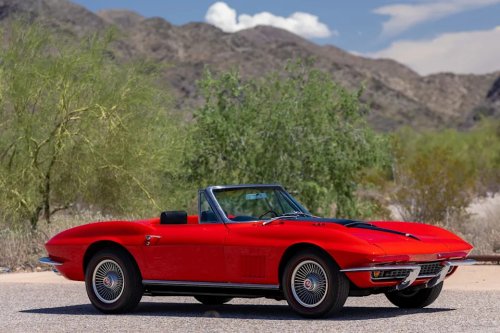
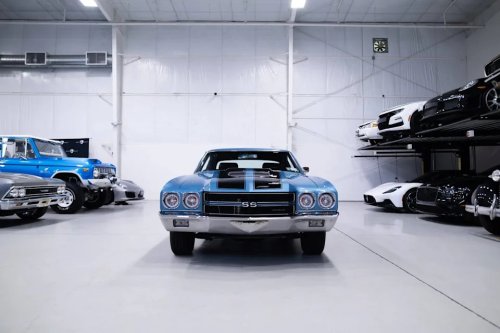
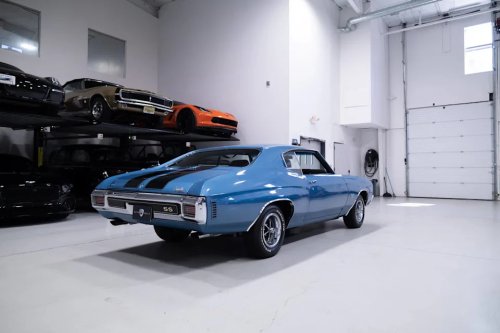
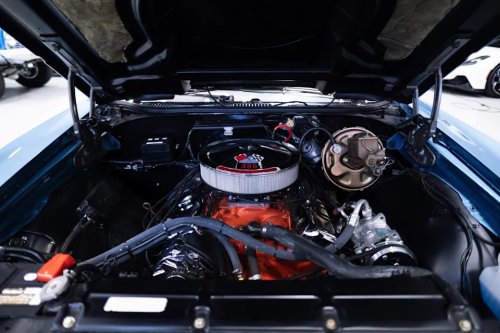
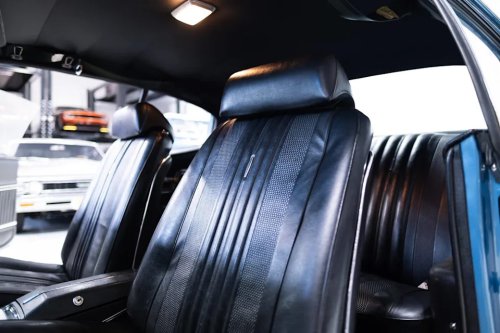
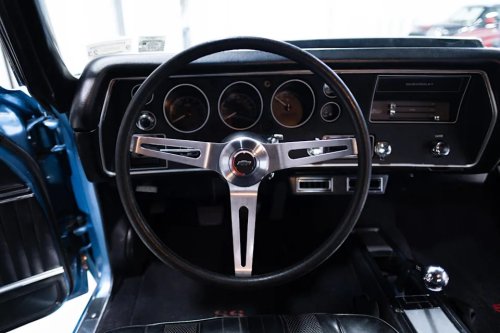
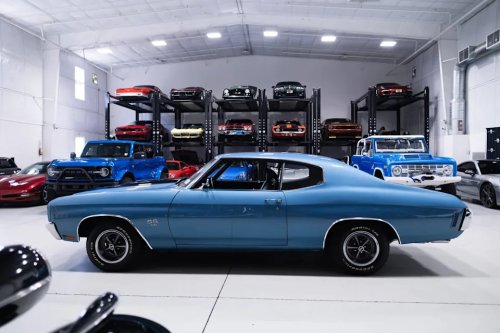
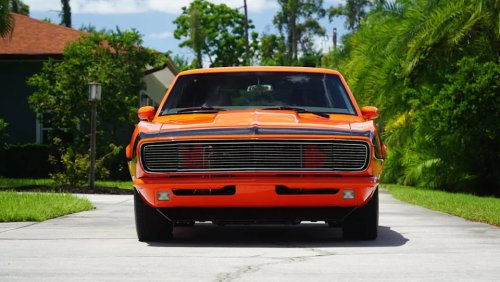
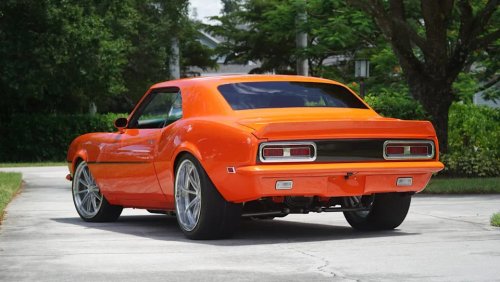
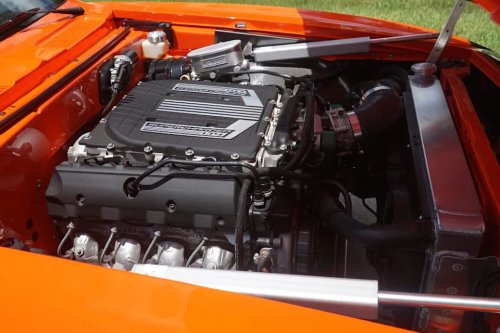
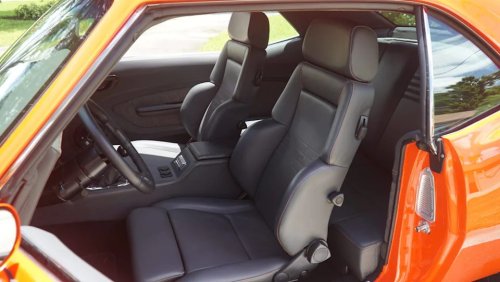
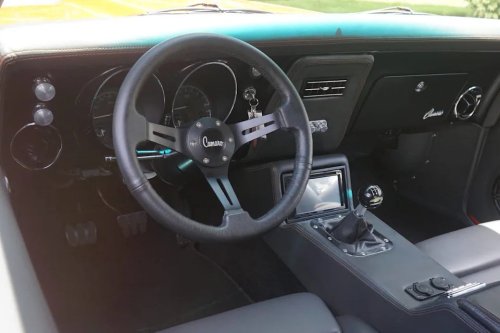
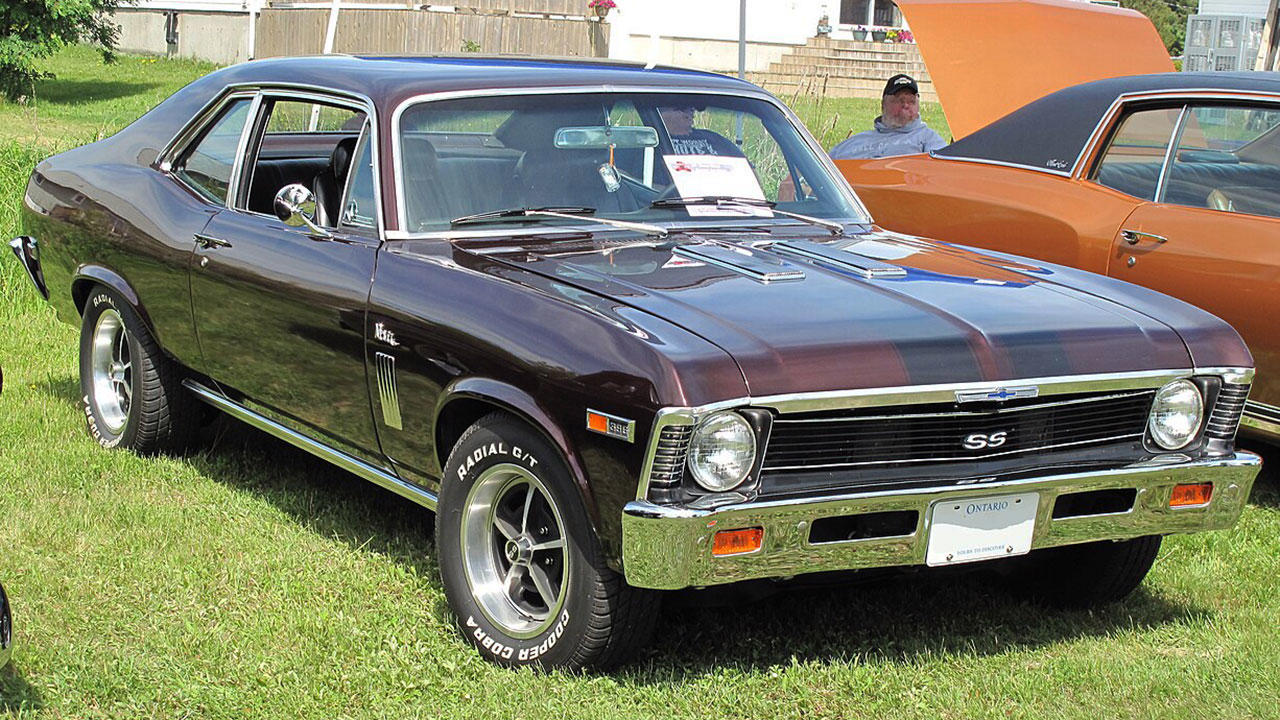
The 1969 Chevrolet Nova SS packed power but pushed the limits of its platformThe 1969 Chevrolet Nova SS arrived as a compact coupe with the heart of a heavyweight, a car that chased raw power and a sharp power-to-weight ratio even as its basic bones struggled to keep up. Stuffing big-block strength into a short-wheelbase shell gave it startling straight-line performance, but it also exposed the limits of a platform originally meant for sensible transportation rather than quarter-mile heroics. That tension between brute force and modest underpinnings is what makes the 1969 Nova SS so compelling today. Small enough to feel tossable, strong enough to run with much larger muscle machines, and crude enough that drivers could feel every compromise baked into its chassis and suspension, it delivered an experience that was as raw as it was memorable. From humble compact to Super Sport The Nova story in 1969 starts with a basic compact. Chevrolet had launched the line earlier in the decade as the Chevy II, and a factory training film later reminded dealers that the company served up the car as Nova, the practical choice in the Chevrolet family. By 1969, the Chevy II name was dropped and the Nova identity stood on its own, but the mission as a small, affordable car still shaped the structure beneath the sheetmetal. That structure used a relatively short Wheelbase of 111.0 inches and a curb Weight of about 3,400 pounds in Super Sport trim. Those numbers put the Nova in compact territory for the era, lighter and shorter than many intermediate muscle cars that shared similar engines. The Super Sport package, often shortened to The Super Sport in period marketing, layered performance cues and driveline upgrades on top of that basic shell. Chevrolet’s own engine catalog for the Nova line shows how far the car had come from its thrifty roots. Inline-six options such as the 230ci I6 rated at 140 horsepower and the 250ci I6 at 155 horsepower sat at the bottom of the range. Above them, Small Block V8 choices like the 283ci at 195 to 220 horsepower and the 327ci at 275 horsepower bridged the gap to the serious performance variants. The Super Sport’s power-to-weight obsession By the late 1960s, Chevrolet engineers and enthusiasts alike were fixated on power-to-weight ratios. A feature on the Nova SS made the point bluntly: in Dec, the car was celebrated as a light platform that could carry serious firepower, and the Super Sport base engine, a 300 horsepower 350 cubic inch small-block, was described as very good and possibly the best overall choice for street use. That 300 horse small-block was only the starting point. The Nova SS could be ordered with the Turbo Jet big-block family, most notably the Turbo Jet 396 cubic inch V8 that gave the compact Chevy Nova SS a serious performance identity. Enthusiast coverage of the 1969 and 1970 Chevy Nova SS points to that 396 as the headliner, the engine that transformed the car from quick to truly aggressive. Other period tests help fill in the picture. A vintage review of a 1968 Chevy II Nova, which carried over much of the mechanical layout into 1969, described a 350-horsepower L34 350-horsepower 396 that turned the Chevy II Nova into a serious straight-line threat. That same 396 displacement figure would loom large over the 1969 model year. Big-block punch in a compact shell The heart of the legend is the 1969 Chevrolet Nova SS 396. Specifications for the car list a 396 cubic inch engine in several states of tune, with performance discussions often centering on the most aggressive solid-lifter versions. A detailed breakdown of the 1969 Chevrolet Nova SS 396 notes that the big-block could be ordered with up to 375 horsepower from the factory, a figure that pushed the compact chassis into genuine muscle car territory. Enthusiasts describe the 1969 Chevrolet Nova SS 396 as a sleeper powerhouse, and that label fits. A social media feature on the car emphasizes how the mighty 396 big-block V8 hid inside a relatively plain compact body, which meant many unsuspecting rivals underestimated it at the stoplight. The same source stresses that with the engine in its strongest configuration, the Chevrolet Nova SS could run with contemporary heavy hitters that carried more weight and bulk. Another enthusiast breakdown of the 1969 Chevrolet Nova SS 396 points out that the car blended a compact footprint with big performance. The piece frames the Chevrolet Nova SS as The Compact Muscle Car That Punches Above Its Weight, a phrase that captures how the short wheelbase and modest mass magnified the effect of every added horsepower. Quarter-mile numbers and real-world speed On paper, the combination of 3,400 pounds and up to 375 horsepower hinted at serious performance. Accounts from owners and period racers back that up. A discussion of 1969 Chevrolet Nova SS 396 specs and features notes that it was not uncommon to see these cars run the quarter mile in the low 13s with minimal modifications, a figure that placed them among the quicker street machines of the era. The same source adds that, visually, the Nova kept a relatively understated profile, which only enhanced its reputation as a surprise performer. Another enthusiast summary of the 1969 Chevrolet Nova muscle car performance describes the Chevrolet Nova as a compact car with a serious attitude, especially when ordered with one of Chevy’s big-block V8s. Under the heading What the car delivered, the piece emphasizes how the Nova could combine everyday drivability with weekend drag strip capability, a dual personality that drew in young buyers who wanted both practicality and speed. Later coverage of surviving examples reinforces that image. A feature on a 1969 Chevy Nova SS396 L78, shared by a collector-car community, calls the Chevy Nova a compact muscle car with a big attitude and even bigger power. The write-up highlights the Powerhouse Engine and notes that the car was equipped with the solid-lifter L78 version of the 396, a configuration that pushed the platform even closer to its mechanical edge. Chassis and suspension: capable, but near the edge All of that power landed on a chassis that began life as a sensible compact. A detailed overview of the 1969 Nova SS performance package describes Notable Features Performance, including an Oriented Chassis that gave the Nova SS a sturdier foundation than the base models. The performance-oriented chassis and suspension were designed to handle the extra torque and speed that came with the Super Sport engines, with stiffer springs and upgraded shocks among the changes. Even so, the underlying design had limits. A later suspension rehab story on a 1969 Nova documents how, after years of use, the Nova suffered from worn components and a layout that was never intended for extreme cornering. The piece singles out the Nova and describes Sloppy ball joints and tired bushings that allowed excessive movement, which in turn hurt steering precision and stability at speed. Modern suspension specialists echo those concerns. A guide to upgrades for the Chevy Nova starts by Nov, under the heading Assessing the Current Suspension. Before recommending new parts, the guide explains the limitations of the stock setup, especially when owners increase power beyond factory levels. It points out that the original geometry and component sizing can struggle with the demands of modern tires and track use, which is essentially an extension of the same challenge the 1969 Nova SS faced when its big-block engines first arrived. Steering, brakes and the reality of 1960s hardware The Nova’s steering and braking hardware also reveal the strain of big power in a small package. Period-style reviews describe steering effort that could feel heavy at low speeds, yet a bit vague on center, especially as components wore. Drum brakes on some models and modest disc setups on others meant stopping distances lagged behind the acceleration figures that the 396 could produce. Owners who pushed their cars on back roads or at the strip often found themselves upgrading pads, lines and, eventually, entire brake systems. Later builds, such as a heavily modified 1969 Chevrolet Nova tribute car promoted for auction, showcase how far enthusiasts go to correct those weaknesses. That car uses Baer Brakes and a modern Speedtech Performance suspension, and the promotional overview lists Key Features and Engine Options that go far beyond factory levels. The Nova SS layout can be made to handle and stop, but it takes more than the original parts to get there. Interior simplicity and sleeper styling Inside, the 1969 Nova SS reflected its economy-car roots. The dashboard was simple, the materials straightforward, and the overall impression closer to a family sedan than a luxury coupe. The Super Sport package added bucket seats, unique trim and often a center console, but the basic architecture remained modest. That simplicity contributed to the car’s sleeper character. A social media feature on the 1969 Chevrolet Nova SS muscle car details notes that the Chevrolet Nova SS was a compact powerhouse that delivered big performance without a massive footprint. Another enthusiast description of the 1969 Chevy Nova muscle car features refers to the Chevrolet Nova SS as a compact powerhouse that proved muscle did not need a massive body. In both cases, the styling is presented as clean and aggressive rather than flamboyant. Visually, Nova models in SS trim gained subtle cues like blacked-out grilles, SS badging, and sometimes hood louvers, but they stopped short of the wild stripes and scoops that defined some contemporary rivals. That restraint made the car more of a surprise when the light turned green. How the Nova SS compares with bigger muscles In the broader muscle car field, the 1969 Nova SS occupied an unusual niche. It shared engines with larger Chevrolets yet carried a shorter wheelbase and lower weight. The official Specifications for the SS 396 list the same 111.0-inch wheelbase and 3,400 pound Weight that defined the car as a compact, while the big-block displacement figure of 396 cubic inches matched the engines in heavier Chevelle and Camaro variants. That overlap created a kind of internal competition inside Chevrolet showrooms. Buyers could choose a more refined, better-equipped intermediate with the same Turbo Jet 396, or they could opt for the rawer Nova SS and let the power-to-weight ratio do the talking. Coverage of the Chevy Nova SS engine range stresses that the Turbo Jet 396 cubic inch V-8 effectively turned the car into a smaller, lighter alternative to the traditional muscle coupe. Some enthusiasts argue that the Nova SS 396 was closer in spirit to factory drag specials than to everyday family cars. A social media feature on the 1969 Chevrolet Nova SS 396 with a solid-lifter L78, shared by a barn-find community, describes the Chevy Nova as sitting right up at the top of the muscle hierarchy, with the Powerhouse Engine and Equipped solid-lifter valvetrain that rewarded high-rpm use. That configuration, combined with the compact shell, pushed the platform into territory where every structural and suspension compromise became more apparent. More from Fast Lane Only Unboxing the WWII Jeep in a Crate 15 rare Chevys collectors are quietly buying 10 underrated V8s still worth hunting down Police notice this before you even roll window down The post The 1969 Chevrolet Nova SS packed power but pushed the limits of its platform appeared first on FAST LANE ONLY.



















 +42 others