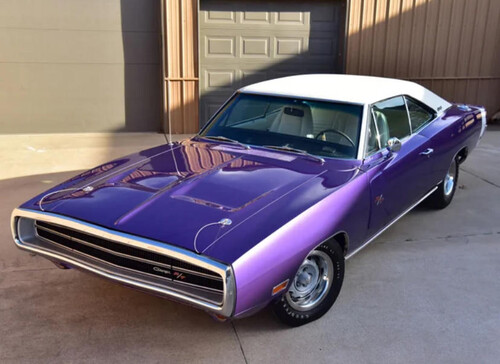
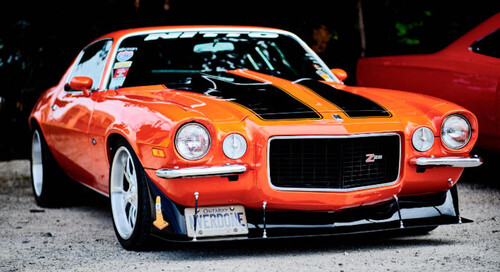
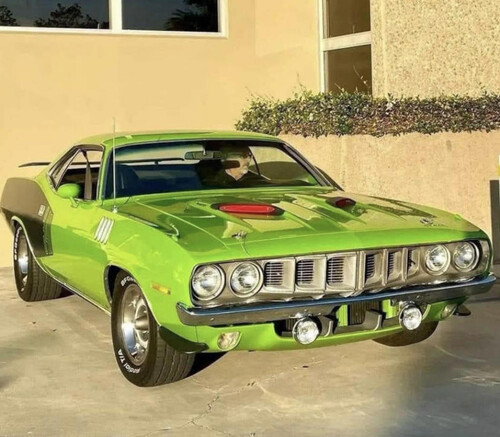
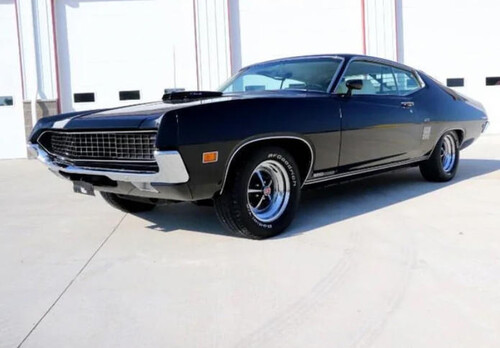
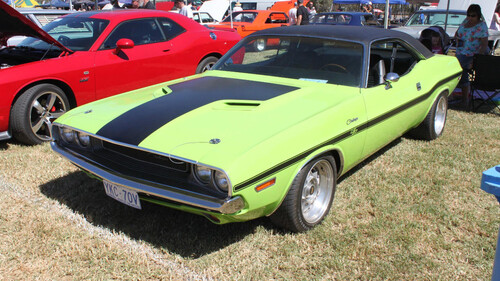
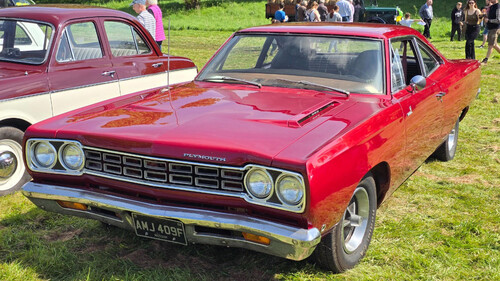
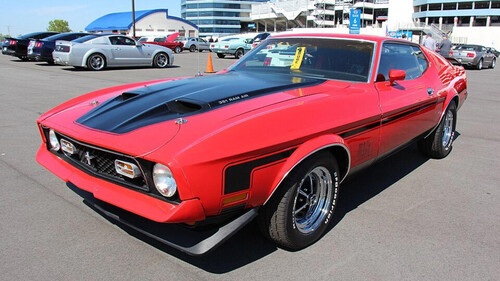
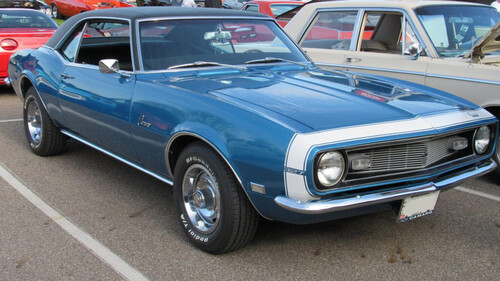
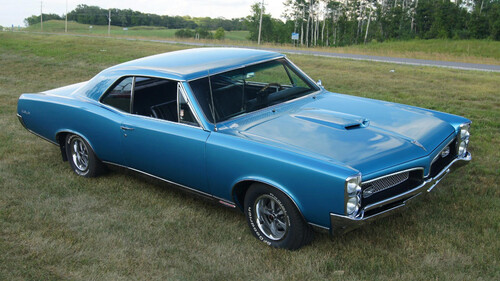
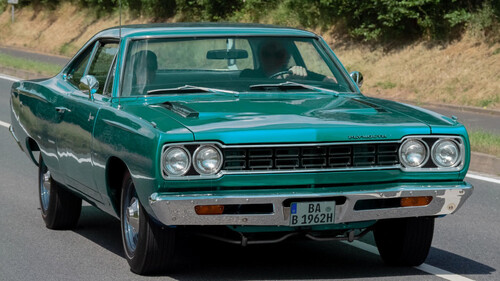
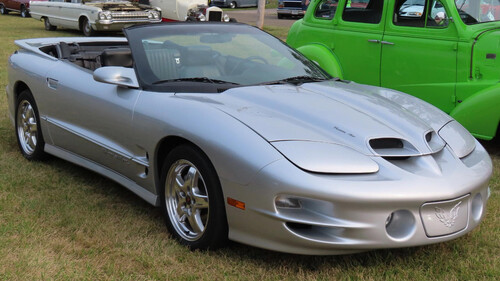
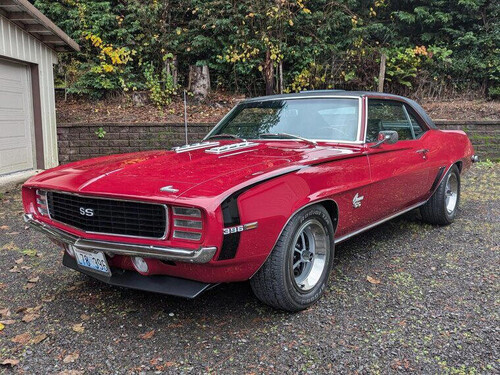
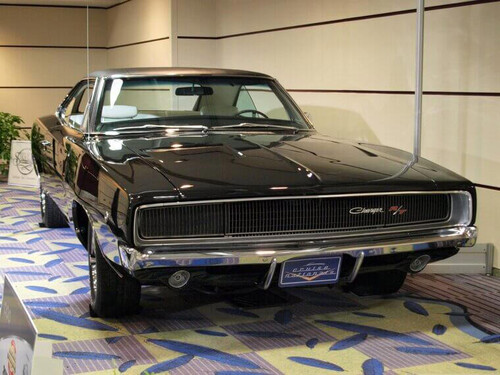
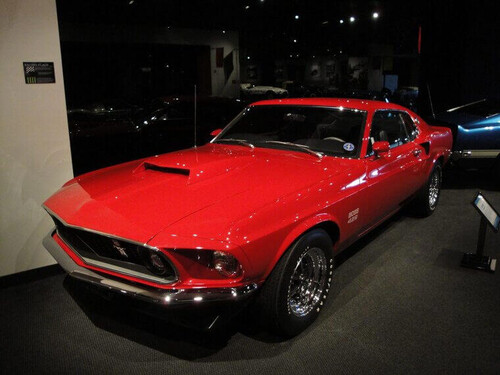
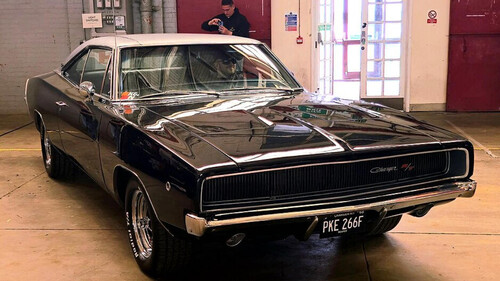
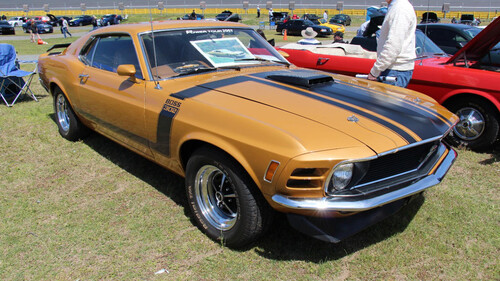
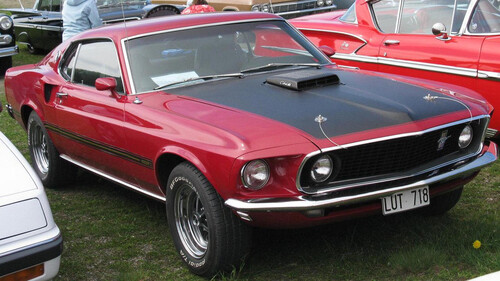
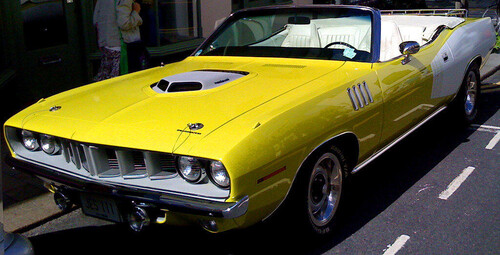
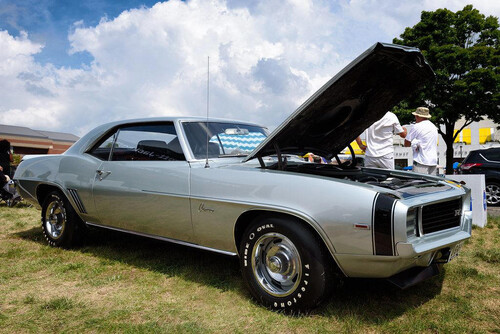
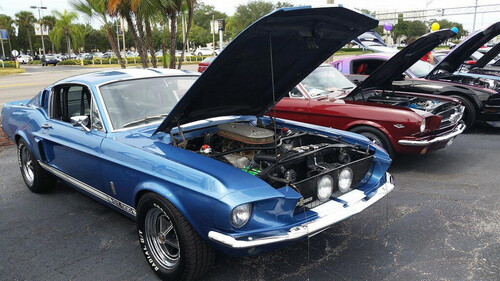
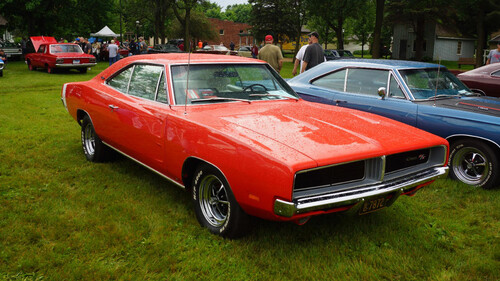
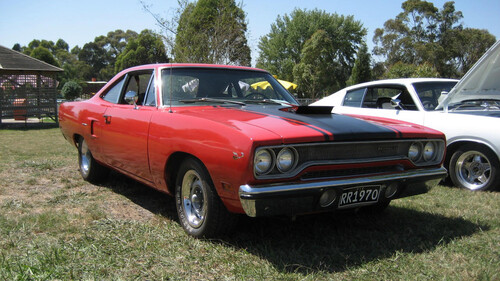
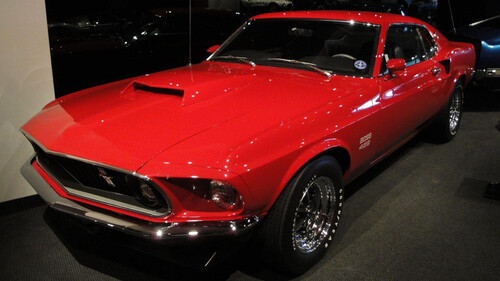
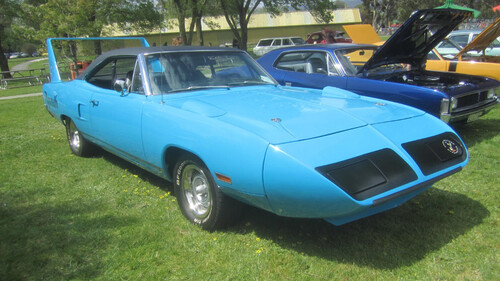
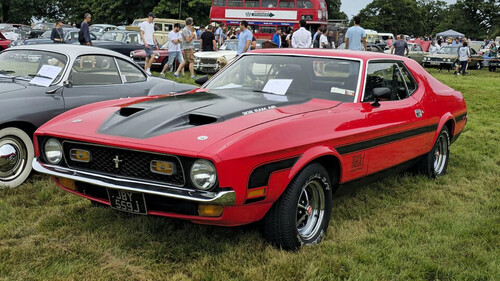
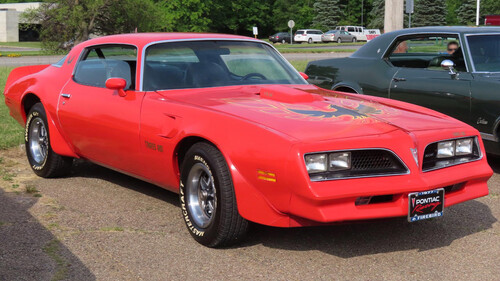
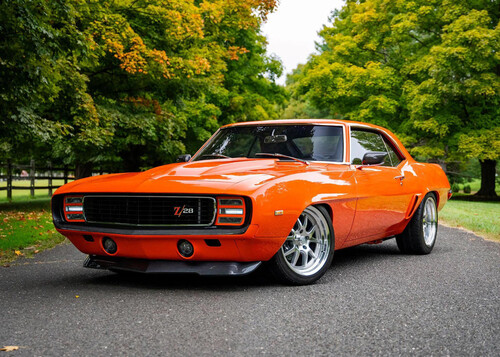
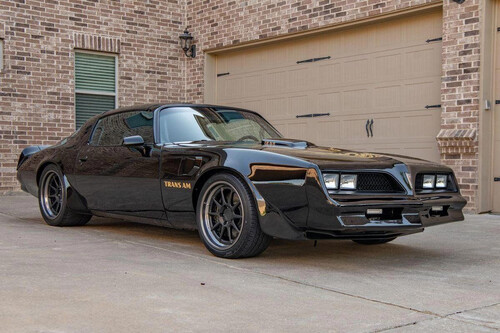
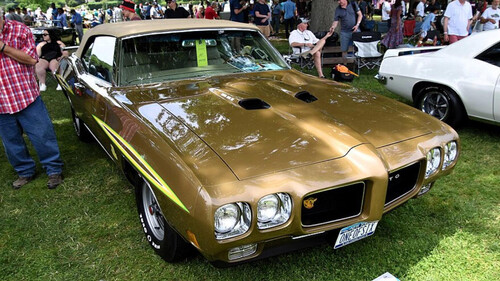
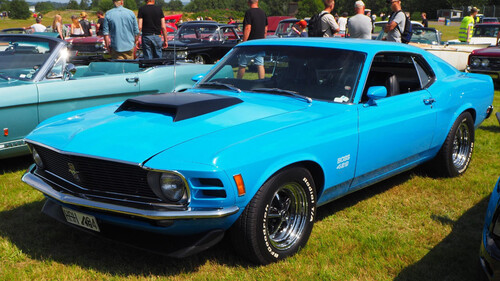
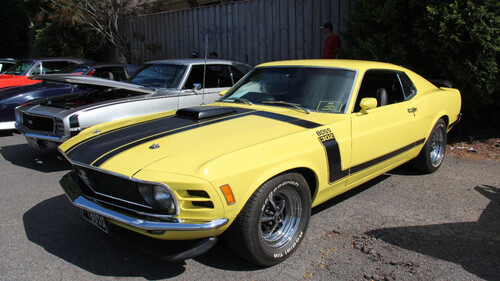
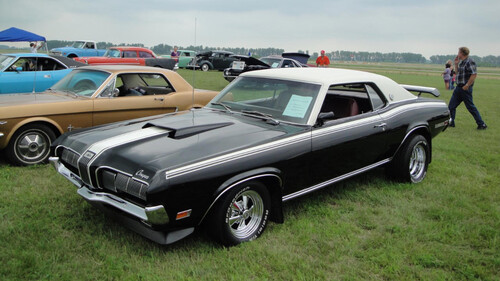
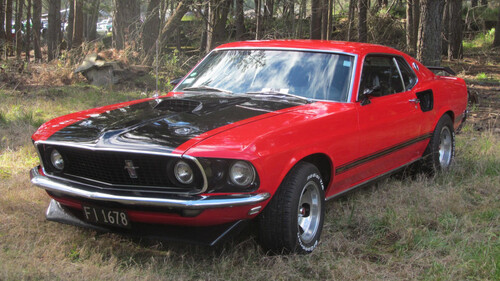
A small batch of these muscle cars slipped out and became collector goldEvery muscle era has its legends, but a handful of cars slipped through the cracks in such tiny numbers that they barely registered when new. Decades later, those small runs have turned into big business, with obscure option codes and forgotten trim packages now trading like blue-chip stock. The story of how these limited builds escaped into the wild, then hardened into collector gold, says as much about timing and culture as it does about horsepower. From dealer-only specials to one-year packages that buyers ignored, the most coveted examples were often accidents of marketing or regulation. What looked like a slow seller in the early 1970s can today be a seven-figure artifact, provided it wears the right badges, carries the right engine, and can prove that it is exactly what the build sheet claims. What happened The modern obsession with ultra-rare muscle cars did not start with a single model. It grew out of a broader pattern that runs through the late 1960s and early 1970s, when Detroit brands pushed into ever more specialized performance niches. Manufacturers built drag strip specials, dealer-tuned packages, and regional runs that were often measured in dozens rather than thousands. Many of those cars were used hard, wrecked, or quietly scrapped during the fuel crisis, which left a tiny population for collectors to chase today. On the mainstream side of the market, the late 1960s produced icons such as the Pontiac GTO Judge, the first-generation Chevrolet Camaro Z/28, and the Dodge Charger R/T. These cars were never exactly common, but they were visible enough that most enthusiasts knew someone who had one. The rarities that now command the largest premiums are usually more obscure variations on this familiar theme, such as limited engine combinations or one-year appearance packages that were overshadowed by more heavily advertised models listed among the standout 1960s and 1970s. One of the clearest examples is the Chevrolet COPO program. Central Office Production Order cars looked like ordinary Camaros or Chevelles but carried combinations that dealers could not normally order. The 1969 Camaro COPO 9560, fitted with the all-aluminum ZL1 427 cubic inch V8, was built in a run of only 69 units. Many went directly to drag racers, which meant a high attrition rate and no time for pampered storage. Surviving, documented ZL1 Camaros now sit at the peak of the collector market, precisely because so few escaped the strip with their original drivetrains intact. Ford and Chrysler followed similar paths. The 1969 Ford Mustang Boss 429, created so that Ford could homologate its 429 cubic inch engine for NASCAR, required significant reengineering of the engine bay and front suspension. Only a few hundred were produced, with many used as street racers. On the Mopar side, the 1970 Plymouth Hemi Cuda and Dodge Challenger R/T with the 426 Hemi were already rare when new. Insurance costs, rising fuel prices, and the engine’s reputation for being temperamental kept production numbers low compared with small-block cars. Some of the rarest survivors were not headline models at all. They were option packages that buyers ignored. The Buick GSX, for example, turned the already potent GS 455 into a full-bore muscle car with a high-output 455 V8 and aggressive suspension. Yet Buick’s luxury image and the car’s high price limited sales, which has turned original GSX examples into blue-chip collectibles. Similarly, Pontiac’s Ram Air IV engine, available in the GTO and Firebird, arrived just as emissions regulations were tightening and gasoline prices were climbing. Many buyers opted for milder engines, leaving very few Ram Air IV cars on the road. Rarity alone did not guarantee future value. Some short-run models vanished without much trace because they lacked performance credentials or cultural impact. What changed for the cars that did become collector gold was a combination of nostalgia, documentation, and a growing ecosystem of experts who could separate genuine low-production machines from ordinary cars with bolt-on upgrades. Auction houses began to spotlight build sheets, factory invoices, and original window stickers as much as paint and chrome, and the market followed. As values climbed, researchers and enthusiasts started cataloging the most elusive models. Lists of muscle cars that collectors struggle to find now highlight cars that were either produced in double-digit numbers or that suffered extreme attrition. These include dealer-built specials, regional appearance packages, and high-compression engines that were only offered for a single model year. Many of these cars, once considered used-up street machines, now appear on shortlists of near-impossible muscle finds. Why it matters The shift from overlooked option code to six-figure prize has reshaped both the collector market and the way enthusiasts think about authenticity. At the core of this story is a simple reality: scarcity magnifies value, but only when it is paired with performance, design, and cultural resonance. A base-model coupe built in tiny numbers because no one wanted it will not suddenly rival a limited-run big-block car that dominated drag strips and street stories. For collectors, these rare muscle cars function as rolling artifacts of a specific industrial moment. The late 1960s and early 1970s were a period when engineers could still push aggressive cam profiles, high compression ratios, and large displacement engines into showrooms with relatively light regulatory oversight. That window closed quickly once emissions standards tightened and insurance companies began to penalize high horsepower ratings. The cars that slipped out just before those doors shut capture the peak of that performance arms race. Values reflect that perception. A standard small-block Camaro or Mustang can still be attainable for many enthusiasts, but documented COPO Camaros, Boss 429 Mustangs, and Hemi E-body Mopars have moved into a different economic class. Auction results show restored examples selling for prices that would have been unthinkable even during the first muscle car nostalgia wave of the 1980s. The money involved has, in turn, attracted a higher level of scrutiny. Collectors now expect detailed documentation, matching-number drivetrains, and period-correct components, because the difference between a genuine low-production car and a clone can represent hundreds of thousands of dollars. This has pushed restoration shops to specialize. High-end builders now focus on preserving original metal and drivetrain components instead of replacing them. They chase factory-correct paint codes, date-coded glass, and assembly-line markings. The goal is not just to make a car look new, but to prove that it is the same car that left the factory with that rare engine and option package. In some cases, the paper trail is as valuable as the sheet metal. The fascination with small-batch muscle has also influenced how automakers approach modern performance models. Manufacturers have learned that limited production runs and numbered editions can create instant demand. Modern examples include track-focused variants and anniversary packages that are capped at specific build totals. While these cars are far more planned than the accidental rarities of the past, they borrow the same psychology. Buyers hope that a low build number today will translate into collector status tomorrow. At the same time, the story of these cars raises questions about access and preservation. When top-tier muscle cars reach price levels that only wealthy collectors can afford, they risk becoming static investments rather than driven machines. Some owners keep them in climate-controlled storage, exercise them sparingly, and focus on provenance. Others argue that these cars were built to be used and that occasional track time or road miles are part of their authenticity. The tension between preservation and use is especially sharp for cars with extremely low surviving numbers, where every mile feels like a trade-off against long-term condition. There is also a cultural angle. Many of the people who now chase these rare models grew up seeing or hearing about them as unattainable dream cars. For that generation, owning a Hemi Cuda or a Boss 429 is not just a financial decision, but a way to connect with personal history. Younger enthusiasts sometimes approach the same cars differently, viewing them as historic artifacts to be appreciated alongside modern performance vehicles that can out-accelerate them in stock form. The myth of the muscle car has evolved, but the emotional pull remains strong. Insurance and regulation continue to shape the market as well. High valuations mean that specialty insurance policies must account for agreed values, restoration costs, and the difficulty of replacing rare components. In some regions, emissions and safety rules affect how often these cars can be driven on public roads, which further nudges them toward collection status rather than daily use. Owners must navigate a patchwork of local rules while trying to keep their cars both legal and original. Finally, the chase for small-batch muscle has encouraged deeper historical research. Enthusiast clubs, archivists, and marque experts have spent years tracking production numbers, decoding build sheets, and interviewing former factory workers and dealers. Their work has clarified which combinations are genuinely rare and which are simply desirable. That knowledge helps protect buyers from misrepresented cars but also reveals how many of these legendary machines were almost lost to time. What to watch next The next chapter in the story of rare muscle cars will be shaped by demographics, technology, and shifting definitions of performance. As the generation that experienced the original muscle era ages, the market will test how much of the current premium is rooted in nostalgia. Some models that were once overshadowed may gain attention if younger collectors gravitate toward different styling or performance traits, while a few high-dollar cars could plateau if demand softens. Documentation will only grow more central. With values high and cloning techniques increasingly sophisticated, buyers are likely to demand even more rigorous verification. Digital registries, blockchain-style ownership records, and centralized databases of factory documentation are already emerging. These tools can help track a car’s history across decades, flag inconsistencies, and provide a level of transparency that was previously unavailable. For low-production models, being listed in a respected registry may become almost as important as the physical car itself. Another factor to watch is the rise of restomods and continuation cars. Some owners choose to modernize classic muscle with updated suspension, brakes, and fuel-injected engines. While this approach can make a car more usable, it can also reduce value if the car started life as a rare configuration. As awareness of small-batch models grows, more enthusiasts may think twice before heavily modifying a car that could be one of a handful built. At the same time, continuation models and licensed reproductions offer a way to enjoy the look and feel of legendary cars without risking an irreplaceable original. Electric performance will also influence how these cars are perceived. Modern EVs can out-accelerate even the most potent vintage muscle, which shifts the conversation from pure speed to character. The rumble of a big-block V8, the mechanical feel of a four-speed gearbox, and the smell of unburned fuel become part of the appeal. As performance metrics move toward silent, instant torque, the analog nature of these small-batch machines may become their strongest selling point. Collectors who value tactile experience over lap times are likely to remain loyal. More from Fast Lane Only Unboxing the WWII Jeep in a Crate 15 rare Chevys collectors are quietly buying 10 underrated V8s still worth hunting down Police notice this before you even roll window down The post A small batch of these muscle cars slipped out and became collector gold appeared first on FAST LANE ONLY.