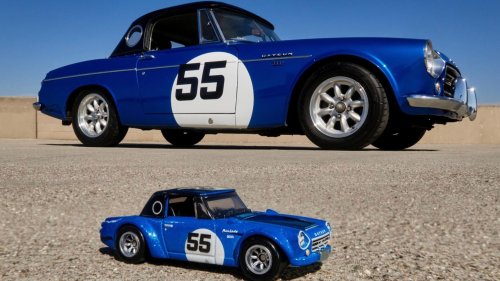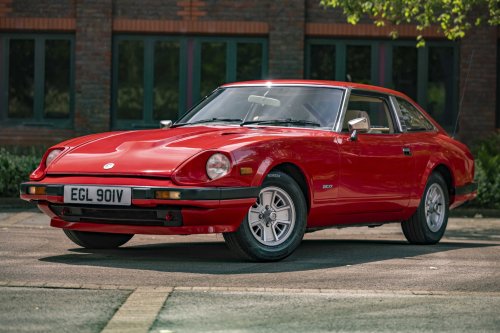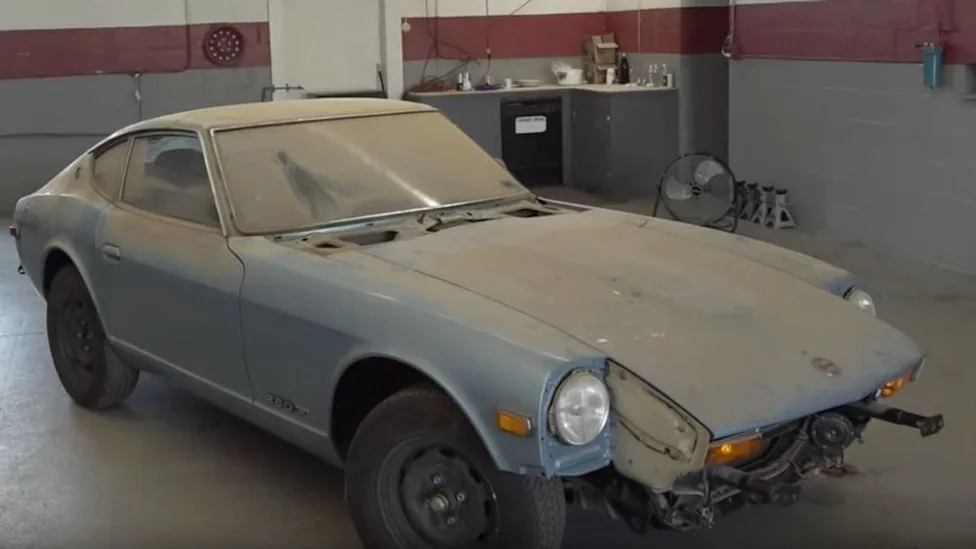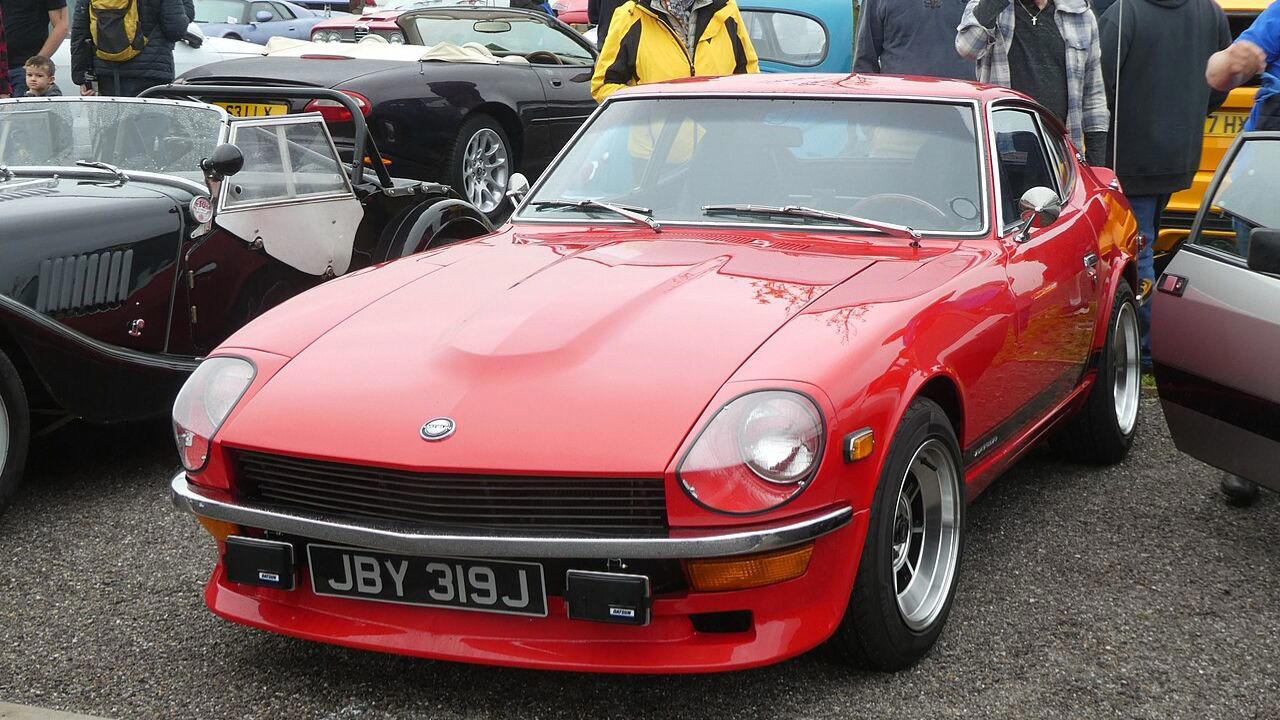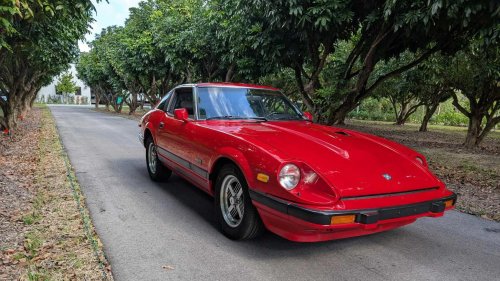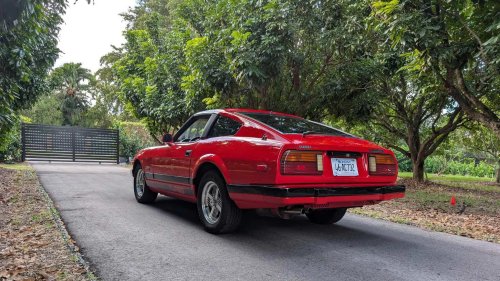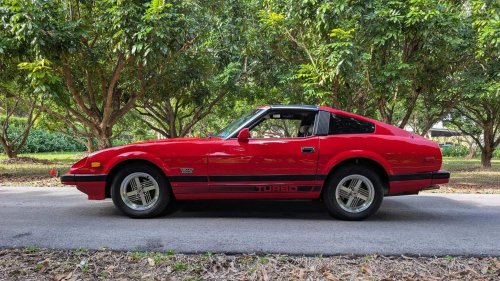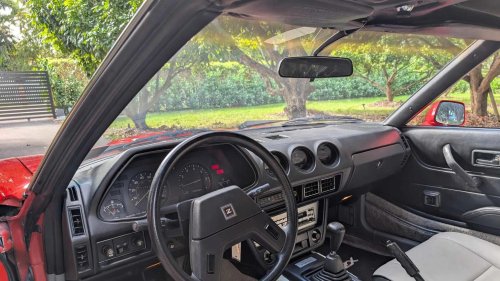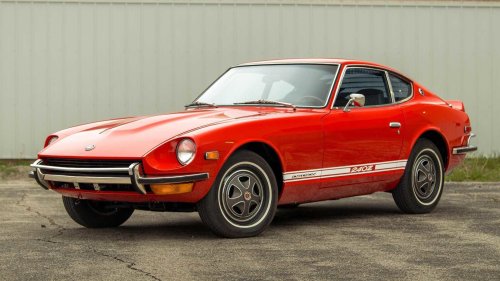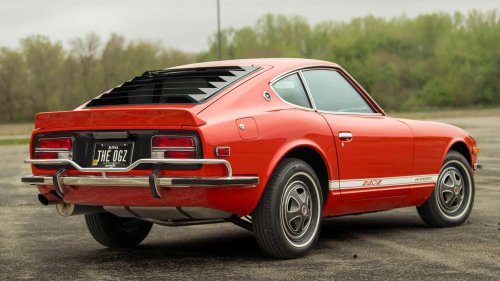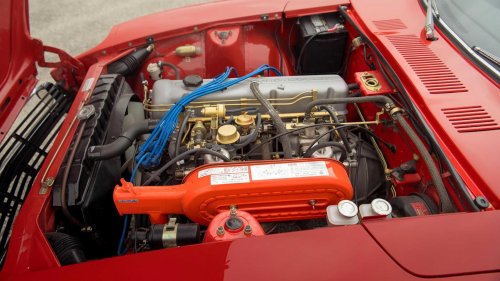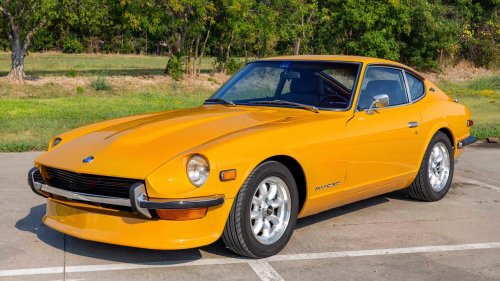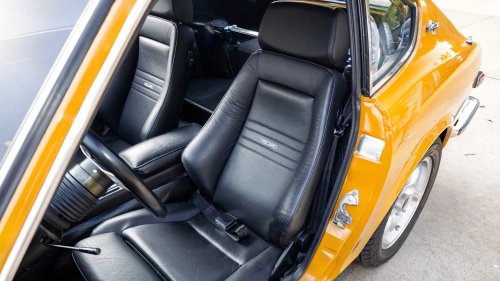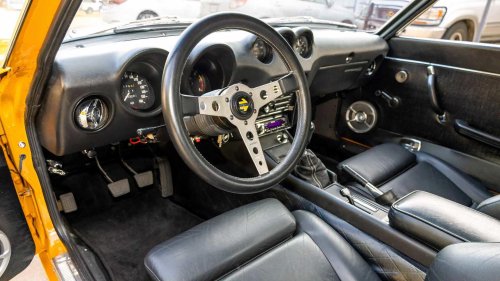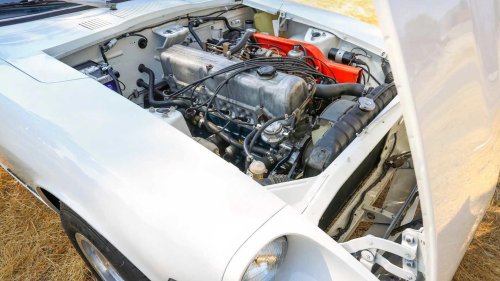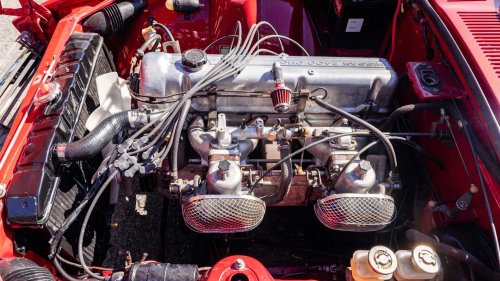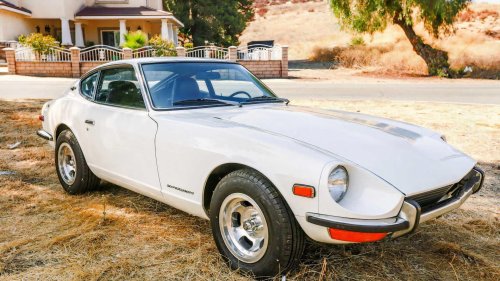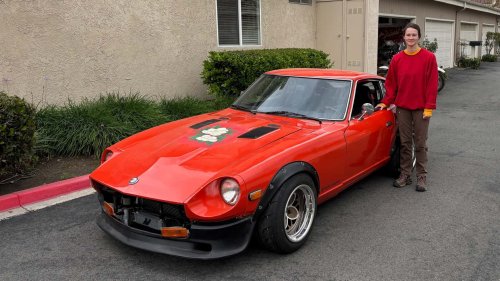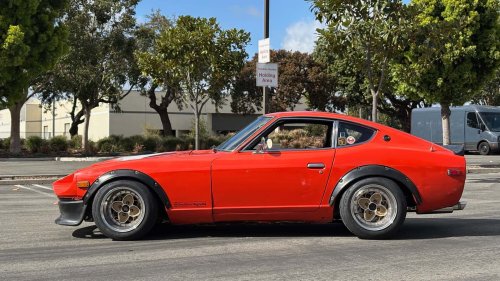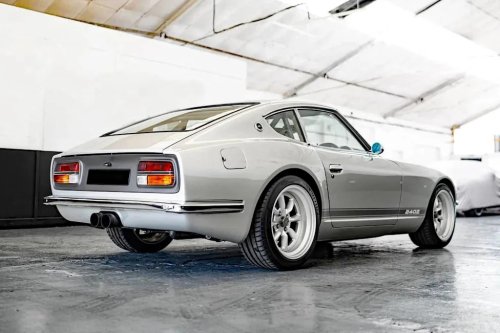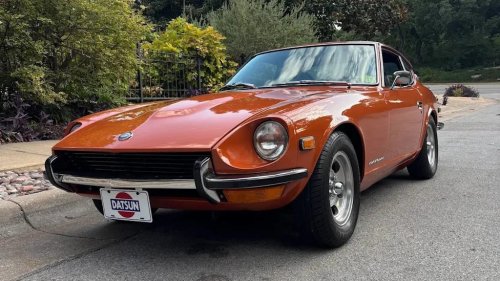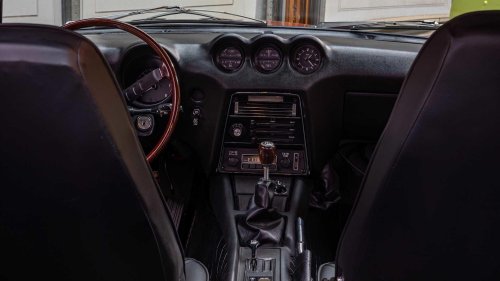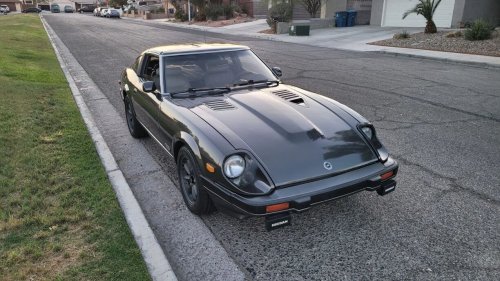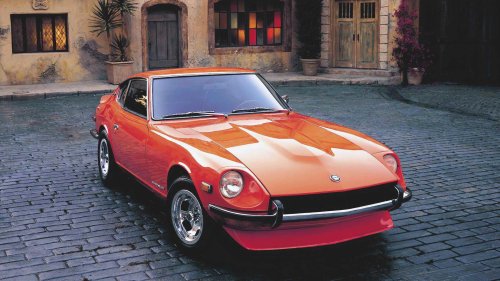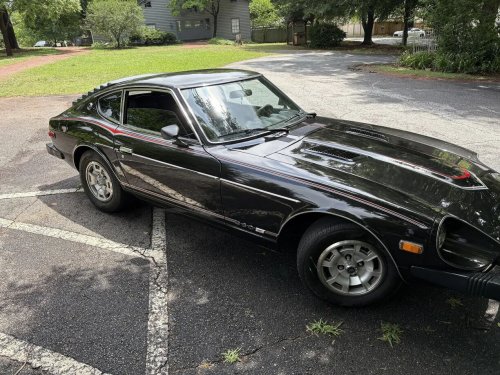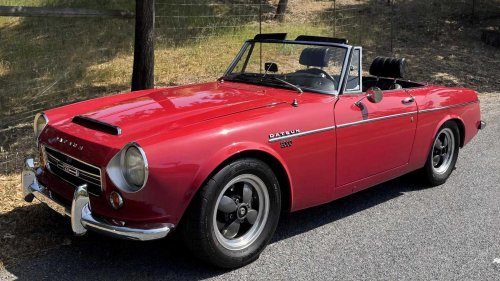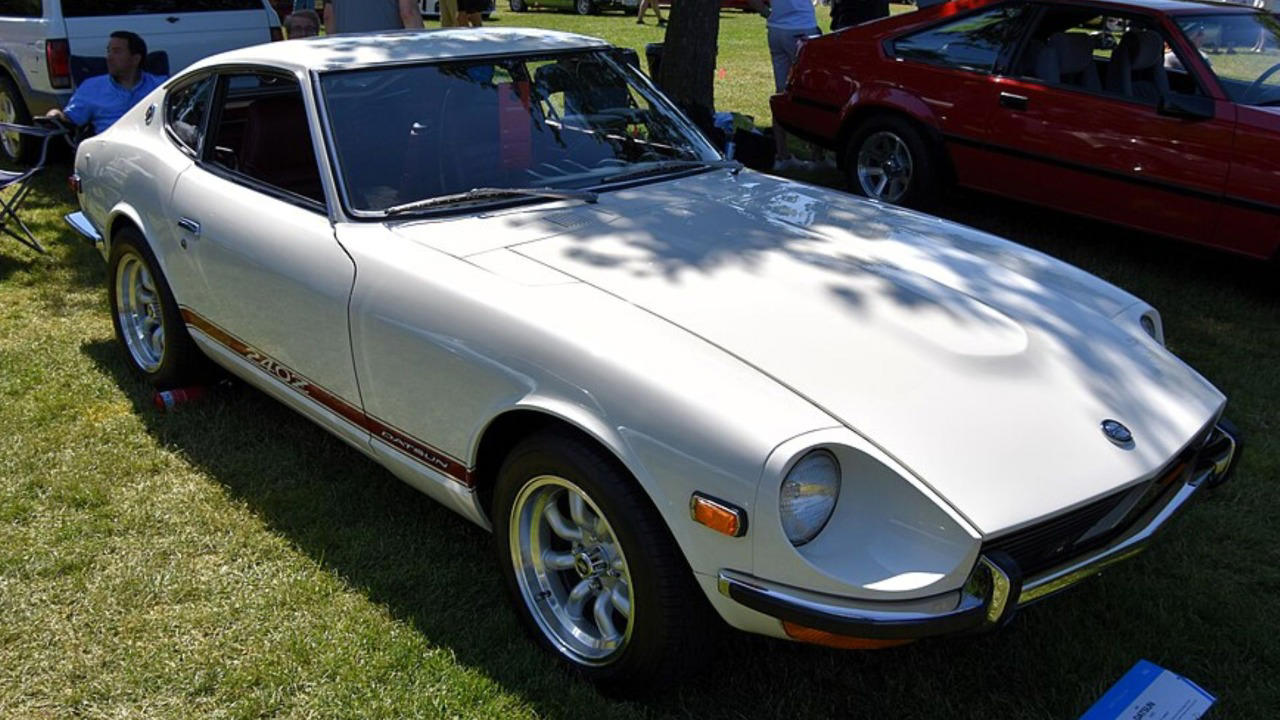



















When the 1969 Datsun 240Z arrived, it did more than give buyers a new sports car option. It reset expectations about what a fast, stylish coupe from Japan could be, and it forced European and American makers to rethink how much performance and design they could offer for the money. Within a few short years, the car that started as Nissan’s “Project Z” had turned a niche experiment into a global template for the modern, everyday sports car. The change was immediate rather than gradual. From the moment early cars reached U.S. showrooms for the 1970 model year, the 240Z showed that Japan could build something as desirable as a Porsche yet price it within reach of middle class buyers, and the shock of that combination still shapes how enthusiasts and collectors talk about the Z name today. From economy boxes to Project Z In the 1960s, Japan was known in the United States for small economy cars that were cheap to buy and cheap to run, not for machines that stirred the soul. A short clip shared in Jul captures that perception bluntly, describing how Japan was known for modest runabouts until a sleek Datson 240Z appeared and changed the conversation by borrowing styling cues from Jaguar and Ferrari, then pairing them with Japanese reliability and pricing that undercut traditional sports cars from Europe and America Japan was known. Inside Nissan, the response to that reputation was a focused mission. Before the production car existed, the company referred to its new coupe as Project Z, a program intended to create a world class sports car that could challenge the best from Europe and the United States while still being realistic for budget conscious buyers. One later summary of the program notes that the 1969 Datsun 240Z was designed to offer Porsche like performance at a fraction of the price, with a light body that weighed just over 2,300 pounds and a smooth inline six that made the car feel far more expensive than it was Porsche like performance. That brief explains why expectations moved so quickly once the car arrived. The 240Z did not ask buyers to accept a compromise. It promised the style and speed they associated with European badges, then added the durability that Japanese brands were already developing with their economy cars. The design that made people look twice Visually, the 240Z was a shock compared with the boxy compacts that had defined Japanese imports. A Facebook group post that celebrates the 1973 Datsun 240Z describes it as a landmark in automotive history, a car whose long hood, tight cabin and fastback tail gave it the stance of an exotic while still functioning as a practical daily driver 1973 Datsun 240Z. The proportions were deliberate. Nissan’s designers stretched the nose to accommodate the inline six and to echo the look of European grand tourers, then kept the rear tight and clean to give the car a purposeful, athletic profile. An enthusiast comparison between a 1969 MGB GT and a 1972 Datsun 240Z points out that while the two cars share a similar GT silhouette, the Japanese coupe looks more modern and aerodynamic, with a shape that hints at higher speeds and better stability Known for. Inside, the 240Z carried a simple but driver focused cabin. A period comparison with the Triumph TR6 notes that the British car made little effort in ergonomics and felt tight inside, while the Datsun offered a more spacious and comfortable driving position that made long trips less of a chore Little effort. That mattered for American buyers who wanted a sports car they could use every day, not just on weekend blasts. Performance that embarrassed the establishment For all its style, the 240Z would not have reset expectations without serious performance. The car’s light weight, just over 2,300 pounds, combined with a free revving inline six and rear wheel drive, gave it acceleration and handling that matched or beat more expensive rivals from Europe. A later enthusiast summary of the model calls the 1969 Datsun 240Z affordable, stylish and fast, and explicitly compares its pace to contemporary Porsche products while stressing that it cost far less to buy and maintain Porsche like. One enthusiast video that revisits an early car remarks that the Datsun 240Z is better than expected even by modern standards, with steering feel and throttle response that still surprise drivers used to heavier, more insulated machines better than expected. That kind of reaction helps explain why the car caused such a stir when new. Buyers who had assumed a Japanese coupe would feel flimsy or underpowered instead found a machine that felt as serious as anything from Germany or Britain. Under the skin, the 240Z also laid the foundation for a long running performance family. The broader Z line, documented in the history of the Nissan Z car, traces its roots back to this first S30 generation and follows the evolution through later 260Z and 280Z models, then into turbocharged and modern interpretations that kept the basic formula of a front engine, rear drive sports coupe intact Nissan Z car. The original car set the template that later Z cars would refine rather than replace. How the 240Z changed the U.S. market overnight In the United States, the impact of the 240Z was immediate. A detailed look at how the car changed the American scene describes how the Datsun 240Z arrived into a market dominated by British roadsters and heavier domestic muscle, then quickly exposed the weaknesses of both groups changed the US. British cars like the Triumph TR6 and MGB offered charm but struggled with reliability and dealer support. American pony cars delivered big power but were thirsty, heavy and less agile on twisty roads. The 240Z slotted between those extremes. It was quick enough to run with six cylinder Mustangs, yet it returned better fuel economy and felt more precise in corners. Compared with British competitors, it started every morning, did not leak constantly and came backed by a growing network of Datsun dealers that understood American service expectations. Another retrospective video piece argues that the 240Z was the car that made Americans stop viewing Japanese cars as curiosities and start buying them in large numbers, crediting the coupe with changing the reputation of an entire country’s auto industry by showing that Japan could build something aspirational rather than merely practical changed the reputation. Demand reflected that shift. Accounts of the launch explain that when the car reached the U.S. for the 1970 model year, interest was so intense that early buyers in some markets had to enter lotteries just to secure a spot, a level of hype usually reserved for exotic brands rather than a company known for small sedans demand was so. Birth of the Z legend The mythology around the Z name started almost immediately. A fan history shared in Jun describes the original Datsun 240Z as the beginning of a decades long legend, noting that the car entered production in Oct and carried the numeric badge 240 as a clear nod to its engine displacement and performance ambitions The Datsun 240. That legend grew as the S30 platform evolved. A detailed production guide explains that The Datsun 240Z was the first of Nissan’s famous Z series and that it first appeared in October 1969, with later evolutions like the 260Z and 280Z expanding the line. In Japan, the same basic car was sold as the Nissan Fairlady Z, which linked the export success back to a domestic heritage nameplate The Datsun. Visual and cultural storytelling has kept that origin story alive. A video essay titled DATSUN 240Z | THE BEGINNING OF THE MYTHICAL Z presents the car as the start of a myth, walking through its design, its racing history and its influence on later models while inviting viewers to suggest other icons for similar treatment THE BEGINNING. That kind of content reflects how the 240Z has moved beyond being just an old car and become a symbol of a broader shift in automotive expectations. Redefining “Japanese sports car” Before the 240Z, the idea of a “Japanese sports car” barely existed in the American vocabulary. A Facebook discussion that calls the 1970 Datsun 240Z “The Japanese Sports Pioneer” frames the car as Japan’s answer to European sports cars and credits it with changing the way enthusiasts saw the country’s engineering capabilities Japanese Sports Pioneer. Short form content continues to reinforce that narrative. An Instagram reel shared in Jul opens with the line “This car changed everything” and introduces a Datson 240Z as the first thing that caught the presenter’s eye at a show, using the car as a shorthand for the moment Japanese brands moved from the background to the center of enthusiast attention Datson 240Z. The shift in perception also ran in the other direction. A barn find story that describes an early Datsun 240Z with just 7,000 miles argues that when the Datsun 240Z landed on the market in late 1969 it marked the start of a new chapter for Nissan and for Japan’s auto industry, proving that the same companies that had built simple economy cars could also deliver excitement and aspiration When the Datsun. How expectations evolved inside Japan and abroad The Z story is not only about exports. The same S30 platform that Americans knew as the Datsun 240Z was sold at home as the Nissan Fairlady Z, tying the new sports car to an existing domestic line and reinforcing that this was not a one off experiment but a strategic move into performance coupes In Japan. Over time, later Z generations carried that role forward. The broader history of the Nissan Z car notes that by the time the 280Z arrived, the only major mechanical carryover was the 5 speed manual transmission and the 2.8-liter L28 inline 6 engine, with other components updated to keep pace with changing safety and emissions rules while preserving the essential character of a naturally aspirated two seater sports car 2.8-liter. The continuity of that formula reinforced the expectations set in 1969. Buyers came to assume that a Z car would deliver a specific blend of speed, balance and affordability, and that assumption started with the original 240 badge. From showroom hit to collector benchmark The 240Z’s impact did not fade once it left new car showrooms. A Facebook post about 1969 Datsun 240Z classic car prices describes the first generation, also known as the Nissan S30, as the start of an iconic sports car line and notes that it was a runaway success when new, a reputation that now feeds into its desirability as a classic runaway success. More from Fast Lane Only Unboxing the WWII Jeep in a Crate 15 rare Chevys collectors are quietly buying 10 underrated V8s still worth hunting down Police notice this before you even roll window down