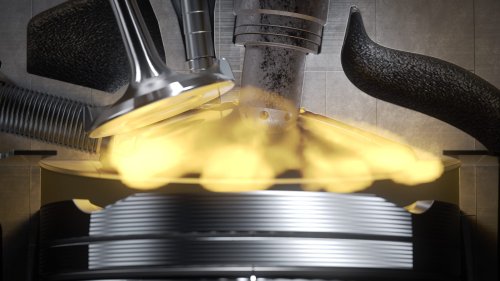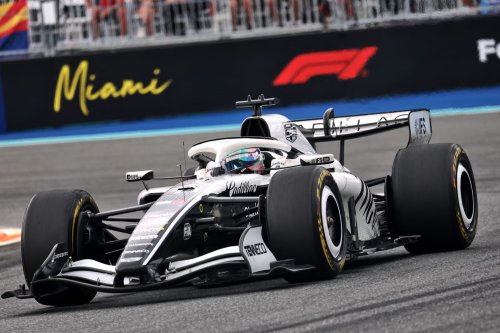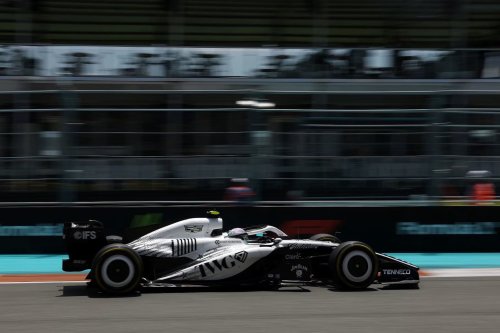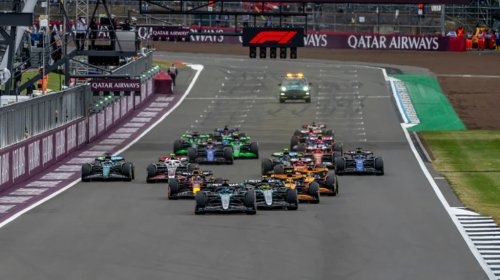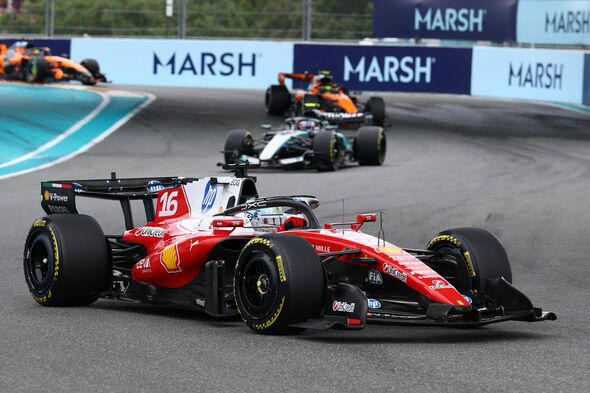
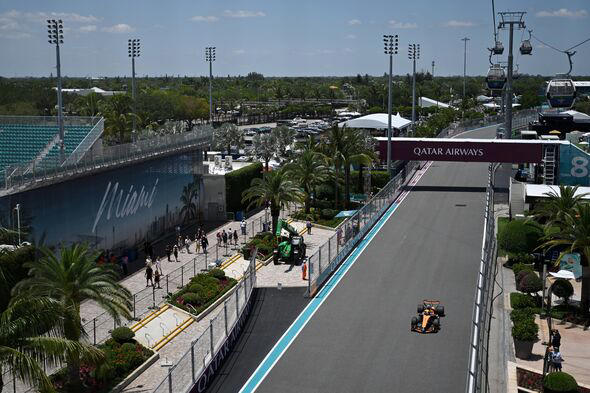



















MIAMI, FLORIDA - MAY 03: Charles Leclerc of Monaco driving the (16) Scuderia Ferrari SF-26 leads Andrea Kimi Antonelli of Italy Formula 1 teams have reached a consensus on sweeping modifications to engine regulations after just four races under the widely criticized new ruleset. The near-equal split between combustion and electrical power is set to be scrapped following a wave of complaints from both fans and drivers regarding the 2026 cars and their powertrains.At a meeting involving teams, engine manufacturers, and senior figures from F1 and the FIA, it was determined that hardware modifications are essential to tackle the numerous concerns that have been raised. Rather than waiting until 2028, sufficient backing emerged to accelerate the process, with fresh regulations now voted in for the 2027 season.A central component of the agreed revisions involves a reduced dependence on electrical power, with the new ratio shifting to approximately 60/40 in favor of combustion. To achieve this, an increase in fuel flow has been sanctioned, delivering an additional 50kW of power from internal combustion. It came as a female NASCAR driver was denied a historic start after Watkins Glen chaos broke out.Mike Vrabel 'loss' weighing heavily on Dianna Russini since picture drama unfoldedCaddie Ted Scott raking it in from 'child' Scottie Scheffler and their agreementIn turn, electrical output from the battery will be cut by the same margin, dropping from 350kW to 300kW. The revised regulations have been ratified with remarkably little lead time, given that substantial hardware modifications will be necessary to implement them.Engines will require greater durability to handle the heightened combustion demands, while chassis adjustments will also be needed across the cars to accommodate the larger fuel tanks that the changes will require. The move to implement such sweeping modifications follows minor adjustments approved before last weekend's Miami Grand Prix. MIAMI, FLORIDA - MAY 01: Lando Norris of Great Britain driving the (1) McLaren MCL40 Mercedes on track during practice ahead of Additional small-scale alterations remain feasible as the current season unfolds, preceding the more substantial revisions now scheduled for the 2027 season. An FIA statement announced: "Evaluation of the Miami package is ongoing with a view to the introduction of further adjustments at future events. These include improved start-safety revisions and measures to improve safety under wet conditions."These will be communicated to teams once defined. Improvements to the visual-signalling measures are being evaluated for the Canadian Grand Prix."The specific details of the 2027 modifications have yet to be finalized, however. "Detailed discussion in technical groups comprising teams and power unit manufacturers is required before the final package is decided," the FIA statement continued. The approved modifications must now advance through the F1 Commission and the Power Unit Advisory Committee, the latter consisting of all five engine manufacturers in the sport: Mercedes, Ferrari, Red Bull, Honda and Audi.They must then receive official ratification from the World Motor Sport Council, though that concluding stage is anticipated to be a straightforward formality.