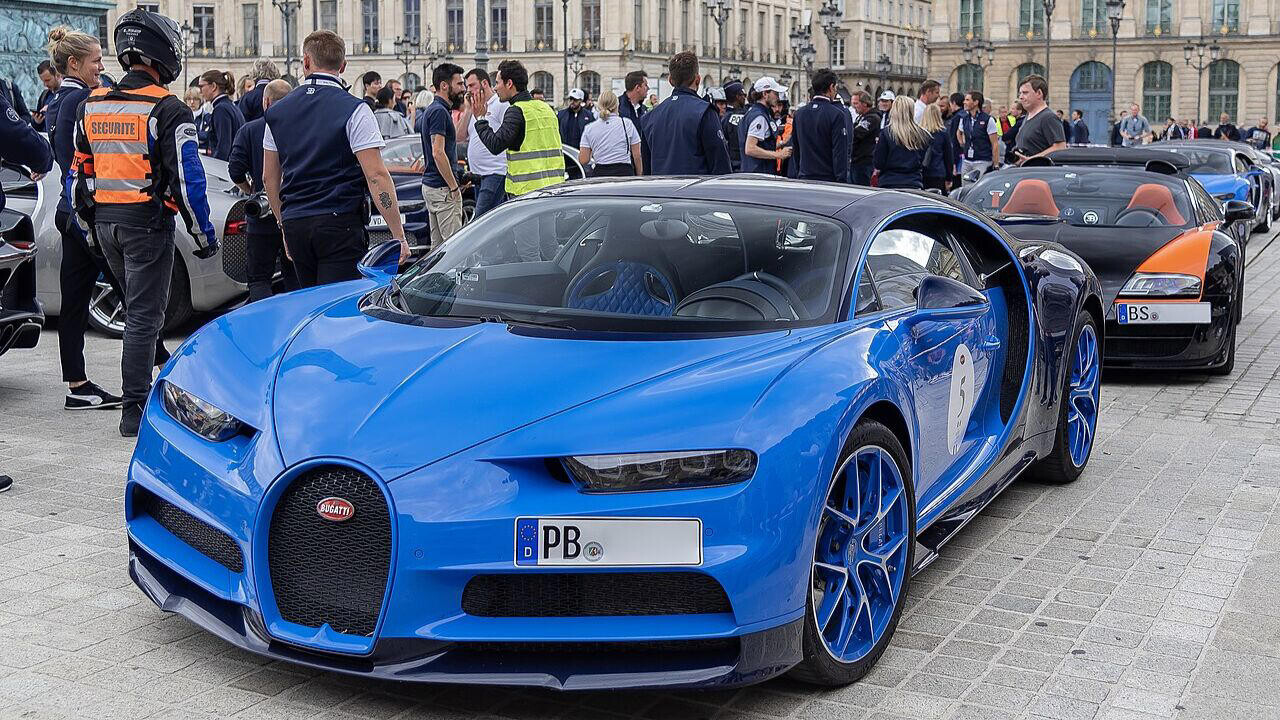
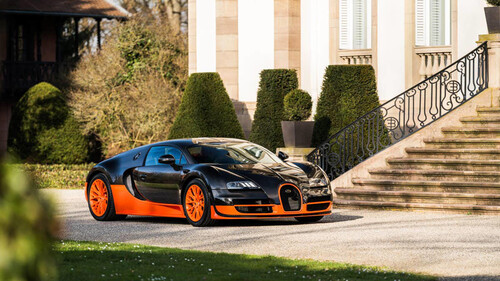
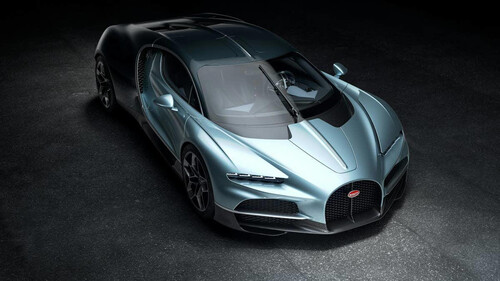
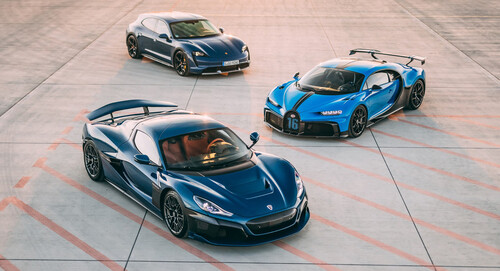
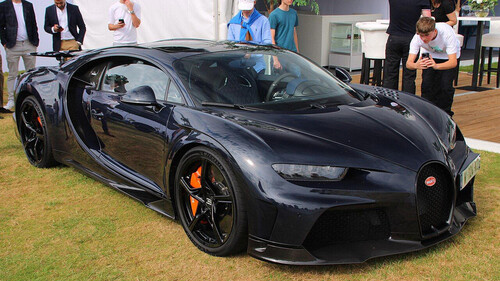
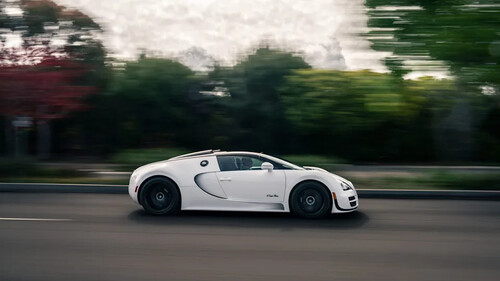
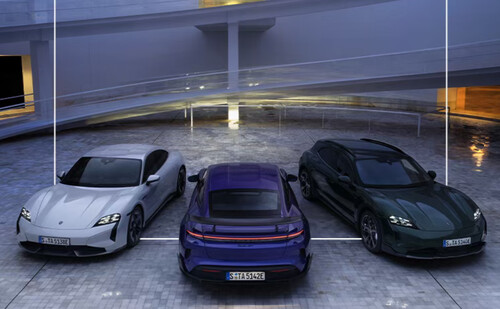
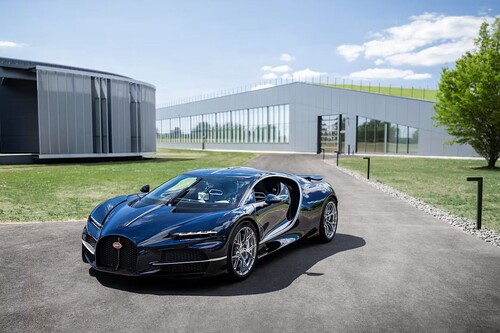
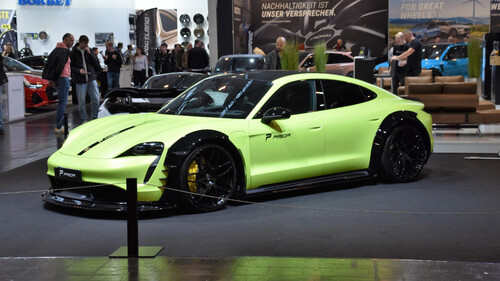
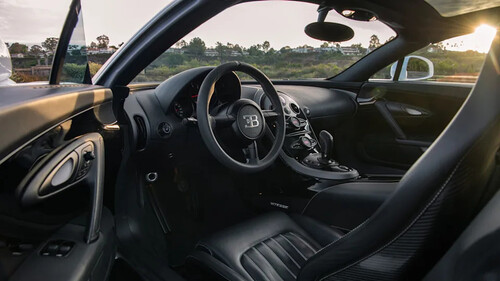
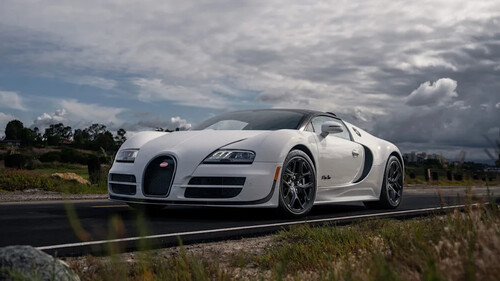
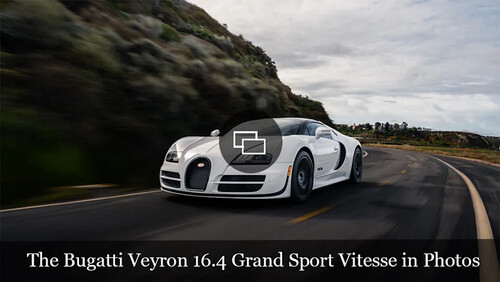
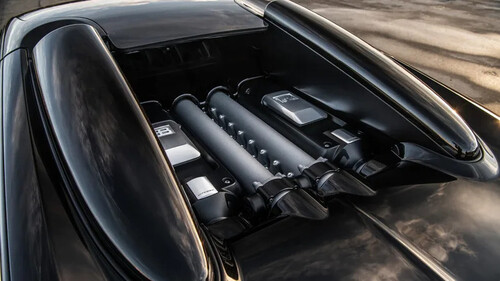
Porsche is stepping away from Bugatti and Rimac after a major financial shiftPorsche’s recent decision to step away from its stakes in Bugatti and Rimac marks a significant shift in its financial strategy. This move has raised eyebrows in the automotive community, prompting questions about the future of these luxury brands and Porsche’s own direction in a rapidly changing marketplace. Background of Porsche’s Involvement with Bugatti and Rimac Porsche first acquired a significant stake in Bugatti in 1998 when it was brought under the umbrella of the Volkswagen Group, which also includes Rimac Automobili. The strategic goal behind this acquisition was to leverage Bugatti’s heritage of luxury and performance to enhance Porsche’s own brand prestige. Bugatti’s flagship model, the Veyron, launched in 2005, showcased the pinnacle of automotive engineering with its quad-turbocharged W16 engine and a top speed exceeding 250 mph. This partnership allowed Porsche to learn from Bugatti’s engineering prowess while also providing financial backing. Rimac, on the other hand, entered the scene more recently, with Porsche taking a stake in this electrifying startup in 2018. Rimac is known for its groundbreaking electric hypercars, like the Rimac C_Two, which promises blistering performance and cutting-edge technology. Porsche’s investment in Rimac was part of a broader strategy to integrate electric vehicle technology into its offerings. The partnership aimed to combine Rimac’s innovation with Porsche’s established market presence, creating potential synergies in the growing electric vehicle segment. Financial Shift: Reasons for Exiting Recent financial shifts within Porsche and the entire Volkswagen Group have prompted a reevaluation of investment strategies. Following a challenging period exacerbated by economic pressures such as inflation and supply chain disruptions, Porsche has faced declining sales in certain luxury segments. As the market for luxury vehicles becomes increasingly competitive, Porsche has recognized the need to refocus its resources on its core products, such as the iconic 911 and the expanding electric Taycan lineup. According to financial reports, the decision to divest from Bugatti and Rimac is in line with a broader trend within the automotive sector, where companies are reassessing their portfolios and concentrating on their most profitable ventures. The luxury automotive market is currently facing challenges, with shifts in consumer preferences towards electric vehicles and more sustainable options. As environmental regulations tighten and consumer demand for greener alternatives grows, Porsche’s pivot towards electrification is evident. The company aims to achieve a 50% share of electric vehicles in its sales by 2025. This shift necessitates a strategic reallocation of resources, making the exit from Bugatti and Rimac a calculated move to ensure that investments align with future growth areas. Implications for Bugatti and Rimac Bugatti’s future appears uncertain without Porsche’s financial backing. Historically, Porsche’s support allowed Bugatti to push the boundaries of automotive performance and luxury, as seen in the launch of the Chiron, which has set records for speed and exclusivity. However, with Porsche stepping back, Bugatti may face significant challenges in maintaining its innovative edge and market presence. The brand’s reliance on a small number of high-end models means that it must carefully navigate its strategy to continue attracting affluent buyers in a competitive market. Rimac, while positioned strongly in the electric vehicle landscape, may also feel the ripple effects of Porsche’s exit. The startup has gained significant traction with its innovative technology and electric hypercars, yet the absence of Porsche’s support could hinder its capacity to scale operations and expand its market reach. As Rimac prepares to launch its next-generation vehicles, including the Rimac Nevera, the company will need to explore alternative funding and partnerships to maintain its ambitious growth trajectory. Insights from industry analysts suggest that Rimac’s focus on electric hypercars may still position it favorably in the evolving automotive landscape, but it will need to adapt rapidly to the changing market dynamics without the safety net of Porsche’s financial influence. The Automotive Industry Landscape The luxury automotive market is experiencing a significant transformation, driven by technological advancements and changing consumer preferences. As electric vehicles become more prominent, established brands are racing to innovate and cater to a new generation of buyers. Porsche’s decision to concentrate on its core offerings and electric vehicle development aligns with broader trends in the industry, where automakers are investing heavily in EV technology and sustainable practices. The departure of Porsche from Bugatti and Rimac may intensify competition among luxury car manufacturers. With brands like Ferrari, Lamborghini, and Aston Martin also venturing into the electric vehicle space, the luxury segment is witnessing an influx of new models that emphasize performance, sustainability, and exclusivity. As a result, the competitive landscape is likely to evolve, with traditional companies needing to adapt swiftly to retain their market positions. Porsche’s exit opens the door for other investors or partnerships to step in, potentially reshaping the future of Bugatti and Rimac. Porsche’s Strategic Refocus Porsche is now poised to double down on its core models, such as the 911 and the Cayenne, while also accelerating its electric vehicle initiatives. The successful launch of the Taycan has set a precedent for Porsche’s commitment to electrification, and it aims to expand this lineup with additional models in the coming years. By concentrating on high-performance electric vehicles that retain the brand’s signature driving dynamics, Porsche is seeking to secure its position as a leader in the luxury EV market. Furthermore, Porsche is exploring new markets and technologies, including advancements in battery technology and autonomous driving. The company recognizes that innovation and sustainability will play crucial roles in its future direction. Collaborations with technology firms and investments in research and development are expected to drive Porsche’s growth and ensure its competitiveness in an increasingly digital and environmentally conscious world. As outlined in recent analyses, Porsche’s strategic pivot aims to align its future endeavors with the evolving expectations of luxury consumers. Reactions from Industry Experts Industry experts have expressed mixed reactions to Porsche’s decision to divest from Bugatti and Rimac. Some analysts view this move as a prudent strategy, allowing Porsche to concentrate its resources on its core business and emerging electric vehicle technologies. According to automotive analyst Mark Fulthorpe, “Porsche’s exit from Bugatti allows them to recalibrate their focus on high-demand segments, particularly as the market shifts toward electrification.” This sentiment resonates with those who believe that Porsche’s strength lies in its iconic models and electric future. Executives from both Bugatti and Rimac have acknowledged the challenges ahead in light of Porsche’s exit. Bugatti’s CEO, Mate Rimac, stated, “While we appreciate the support we received from Porsche, we are excited about the prospects that lie ahead. We have a strong vision for Bugatti’s future, and we are committed to maintaining our legacy of performance and luxury.” This determination reflects a confidence that both brands can navigate the changing landscape independently, albeit with a renewed sense of urgency. Consumer Impact: What This Means for Buyers For consumers, Porsche’s exit from Bugatti and Rimac may lead to changes in product offerings and pricing strategies. Bugatti, which has traditionally catered to an elite clientele willing to pay a premium for exclusivity, may need to reassess its pricing structure to attract buyers without Porsche’s financial support. The brand’s ability to maintain the same level of luxury and performance could influence consumer sentiment and purchasing decisions. Rimac, with its focus on electric hypercars, may also see shifts in consumer perception. As buyers become more environmentally conscious, the demand for electric vehicles is likely to rise. However, the absence of Porsche’s investment could lead to concerns about Rimac’s ability to deliver on its ambitious promises. This uncertainty may affect the resale value of vehicles produced by both brands, as consumers weigh the implications of Porsche’s departure when considering their purchases. Future Collaborations in the Automotive Sector The automotive sector is witnessing an evolution in collaboration between traditional manufacturers and electric vehicle startups. As Porsche steps away from Bugatti and Rimac, opportunities may arise for new partnerships that can leverage shared technologies and expertise. The growing importance of electric vehicle technology is prompting traditional manufacturers to seek alliances with innovative startups, enabling them to adapt quickly to market changes. Industry experts anticipate that we may see increased consolidation as companies strive to remain competitive. The exit of Porsche from Bugatti and Rimac may act as a catalyst for other luxury brands to explore joint ventures or strategic partnerships. This trend towards collaboration could redefine the landscape of the luxury automotive market, with companies pooling resources to develop cutting-edge technologies that meet the demands of an evolving consumer base. More from Fast Lane OnlyUnboxing the WWII Jeep in a Crate15 rare Chevys collectors are quietly buying10 underrated V8s still worth hunting downPolice notice this before you even roll window down The post Porsche is stepping away from Bugatti and Rimac after a major financial shift appeared first on FAST LANE ONLY.