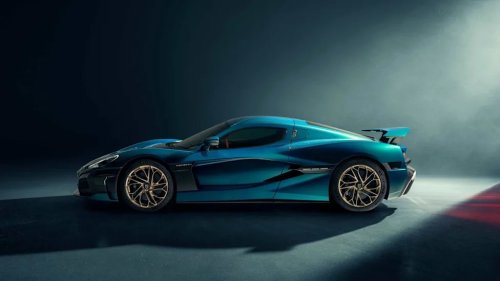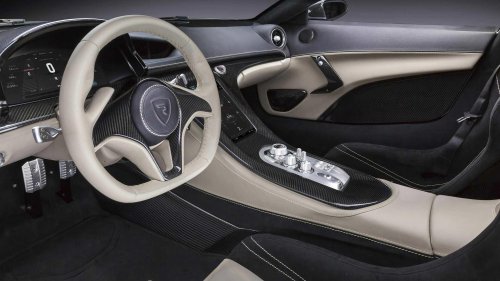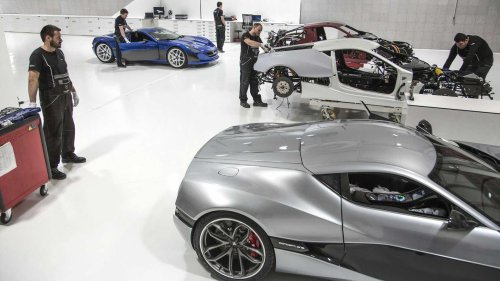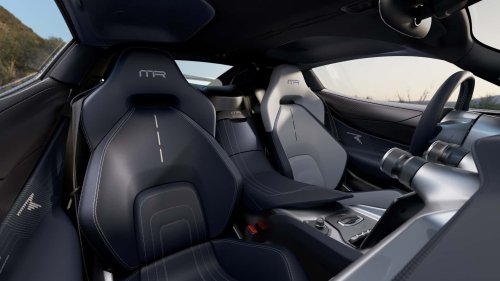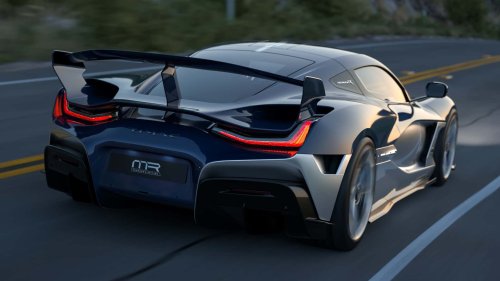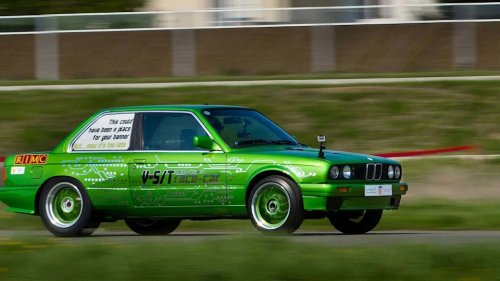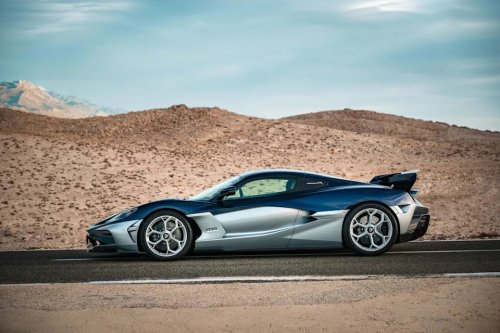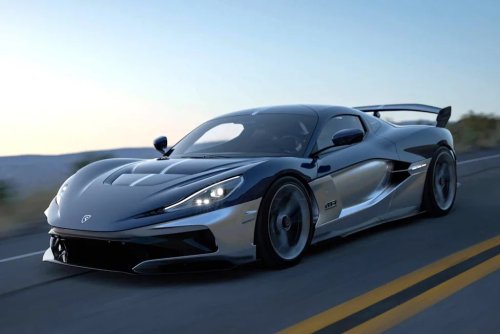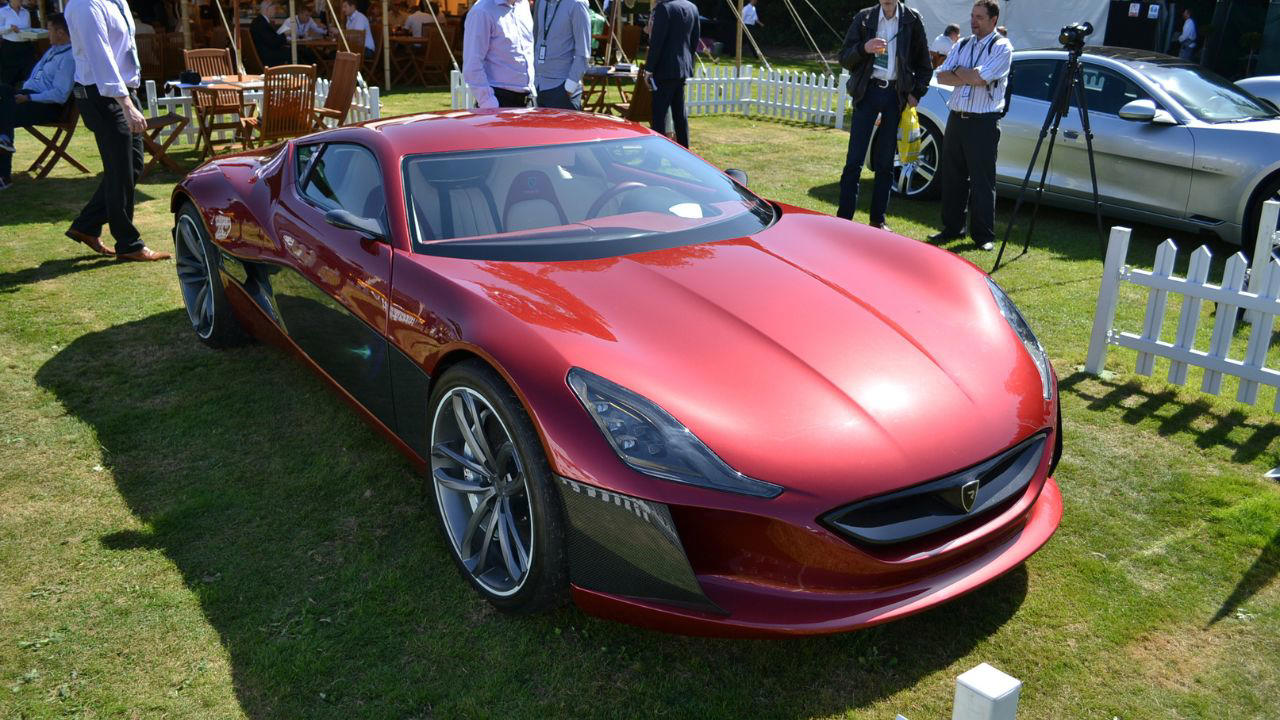



















Before electric hype, the 2012 Rimac Concept One hinted at a new futureThe Rimac Concept One arrived in 2012 as a 1088 horsepower electric supercar that looked less like a science project and more like a finished product. With a claimed 0 to 62 mph time of 2.8 seconds and a seven-figure price tag, it treated battery power as a shortcut to outrageous performance rather than a compromise. Long before electric crossovers became status symbols, this Croatian coupe offered a sharp preview of where high end EV technology could go. Viewed from 2012, the Concept One is less about a single prototype and more about a turning point. It showed that a start up from a country with almost no car industry could build a carbon fiber, four motor machine that rivaled the quickest gasoline exotics on paper, and it did so with a seriousness that forced the rest of the performance world to pay attention. A 1088 horsepower experiment on wheels Rimac Automobili presented the Concept One as a fully formed electric supercar, not a rolling chassis or a static design study. The car used four separate electric motors, one at each wheel, to deliver a combined output of 1088 horsepower and 2800 newton meters of torque. Those figures put it squarely against the most powerful internal combustion flagships of the time, yet it did so without a drop of gasoline. The company claimed that the Concept One could sprint from 0 to 62 mph in 2.8 seconds and reach a top speed of 190 mph. Paired with a projected driving range of about 373 miles on a single charge under ideal conditions, those numbers positioned the car as both a drag strip weapon and a long legged grand tourer. The battery pack sat low in the chassis to keep the center of gravity down, which was intended to give the car the agility expected of a modern supercar. Unlike many early EVs that wore obviously compromised styling, the Concept One looked like a traditional mid engine exotic. Its long hood, low roofline, and wide rear haunches were wrapped in carbon fiber bodywork that aimed to stand alongside Italian and German rivals. Inside, the same philosophy applied, with a driver oriented cockpit, leather and metal finishes, and digital displays that highlighted the electric drivetrain’s data instead of hiding it. From viral burnout to serious engineering Rimac’s prototype did not stay confined to show stands. The company released footage of the Concept One lighting up its tires, a clip that showed the 1088 horsepower output turning into real, controllable acceleration. That video, which captured the car spinning all four wheels and leaving thick black stripes on the pavement, underlined how the four motor layout could meter torque precisely at each corner while still delivering brutal thrust, a point highlighted in burnout footage. Behind the smoke and theatrics sat a sophisticated control system. Each motor could be managed independently, which allowed the car to shift power front to rear and side to side in fractions of a second. That approach, sometimes called torque vectoring, promised sharper turn in and better stability out of corners than a conventional mechanical differential could offer. In theory, software could fine tune the car’s handling for different tracks or driver preferences without changing any hardware. The battery pack and power electronics were developed in house, which was unusual for such a small company. Rimac treated the Concept One as both a halo product and a test bed for components it could later sell to other manufacturers. That dual role helped justify the investment in proprietary motors, inverters, and battery management systems that might otherwise have been out of reach for a niche builder. A million dollar electric statement Rimac did not position the Concept One as a mass market product. The company announced a planned run of 88 units with a price of about 1 million dollars each, a figure that put it in the same financial territory as the most exclusive gasoline powered hypercars. The car was effectively a limited series showcase of technology, and the price reflected both its low volume and its experimental nature. Customers willing to place an order were not just buying speed. They were buying into a vision of electric performance that treated batteries and motors as a path to excess rather than restraint. The company targeted wealthy enthusiasts who already owned traditional supercars and wanted something different, as well as early adopters who saw value in being among the first to own an electric machine that could out-accelerate almost anything on the road. The ordering process itself reinforced the bespoke character of the project. Buyers could expect a high degree of customization in materials and finishes, and they were effectively funding further development with each deposit. Reports at the time described the car as available to order for around 1,000,000 dollars, with production limited to a small batch that would keep it rare even among supercars. Croatia’s unlikely supercar workshop The Concept One also mattered because of where it came from. Rimac Automobili was based in Croatia, a country without a deep modern history of volume car manufacturing. Founder Mate Rimac built his first electric conversions by fitting battery power into an old BMW, then grew that garage project into a company that designed its own chassis, motors, and electronics. Building a carbon fiber electric supercar from scratch in this context sent a clear signal. It showed that advanced automotive engineering no longer had to be tied to traditional industrial hubs. With enough talent and access to suppliers, a small team could create a machine that at least on paper matched the output of brands with decades of racing and road car experience. That shift had implications beyond national pride. If a Croatian start up could design a 1088 horsepower EV with proprietary components, then the barriers to entry for niche manufacturers in other regions looked lower, too. The Concept One suggested that the future of high performance might be more geographically diverse, with technology and software expertise sometimes outweighing legacy manufacturing scale. Reframing electric performance In 2012, many drivers still associated electric cars with modest city runabouts and compliance vehicles. The Concept One challenged that perception directly. Its acceleration figures, top speed, and range claims placed it in direct comparison with gasoline supercars, and in some cases ahead of them. That repositioned electricity as a performance advantage rather than a limitation. The four motor layout provided instantaneous torque from a standstill, something internal combustion engines could not match without complex launch control systems and high revs. The absence of gear changes, combined with the smooth surge of power, promised a different kind of speed experience. Instead of building to a crescendo, the car could deliver near maximum thrust almost immediately. At the same time, the projected 373 mile range aimed to counter the stereotype that EVs were only suitable for short trips. While real world numbers would depend heavily on driving style, the claim communicated that long distance travel was part of the design brief. For buyers used to grand touring in V12 coupes, that message was essential. Technology as a future export Rimac did not hide its ambition to supply components and know how to other manufacturers. The Concept One functioned as a rolling advertisement for its motors, inverters, battery packs, and control software. If the car impressed on track and in private demonstrations, it could lead to contracts with established automakers looking to accelerate their own EV projects. The four motor torque vectoring system was particularly attractive as a potential export. Traditional carmakers faced long development cycles to integrate such advanced control into existing platforms. Rimac’s ready made solution, proven in a 1088 horsepower supercar, gave them a shortcut. That approach turned the Concept One into a technology demonstrator that could seed electric performance across the industry. Battery management and thermal control were equally important. High output EVs must keep temperatures within tight limits to sustain power and protect longevity. By solving those problems in a car that could run repeated hard accelerations, Rimac built expertise that could carry over into less extreme vehicles, from sporty sedans to commercial applications. Context among early electric leaders The Concept One did not appear in a vacuum. Around the same period, other companies were pushing electric performance in different directions. Some focused on lightweight track specials, others on high end sedans that balanced speed with practicality. Rimac’s contribution sat at the pure supercar end of the spectrum, with a two seat layout and styling that prioritized drama over luggage space. What set the Croatian car apart was the combination of output, range claims, and a clear plan to sell a limited production run rather than a single showpiece. Many concept EVs of the era boasted extreme specifications but never reached a customer’s garage. By taking deposits and outlining a production number, Rimac signaled that it intended to cross that line. The car also hinted at a future where electric performance would no longer be confined to straight line acceleration. The torque vectoring system promised handling benefits that could reshape how engineers think about chassis tuning. Instead of relying solely on suspension geometry and mechanical differentials, they could use software to adjust the car’s behavior in real time. Signals for the broader industry For established automakers, the Concept One served as a kind of pressure test. If a small Croatian start up could field a 1088-horsepower electric coupe with supercar styling and serious engineering, then large companies with bigger budgets had fewer excuses to delay their own high-performance EVs. The project suggested that the building blocks for extreme electric cars already existed, and that the main barrier was the willingness to commit. The car also hinted at new business models. Instead of selling only complete vehicles, a company like Rimac could act as a specialist supplier of performance EV components. That possibility foreshadowed a supply chain where electric motors, battery systems, and control software might be sourced from different experts, much like how sports car makers already buy carbon tubs or dual clutch gearboxes from outside partners. Finally, the Concept One highlighted how storytelling around electric cars could shift. Rather than framing EVs as eco conscious alternatives to traditional cars, Rimac presented its coupe as an object of desire first, with zero tailpipe emissions as a side effect of the chosen powertrain. That reframing would later become a common strategy for premium electric brands. What comes after a 1088 horsepower prototype The natural question after a car like the Concept One is how much of it reaches the wider road. Some elements, such as the extreme power output and million dollar price tag, are likely to remain niche. Others, particularly the fine grained control over torque at each wheel and the integration of high capacity battery packs into low slung chassis, point toward technologies that can scale down into more attainable vehicles. More from Fast Lane Only Unboxing the WWII Jeep in a Crate 15 rare Chevys collectors are quietly buying 10 underrated V8s still worth hunting down Police notice this before you even roll window down *Research for this article included AI assistance, with all final content reviewed by human editors.