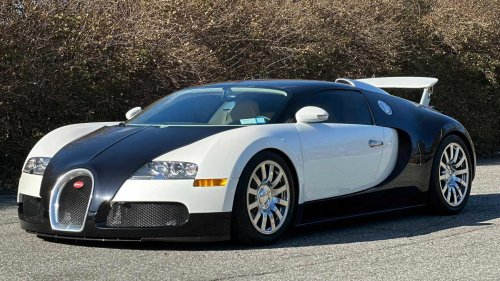
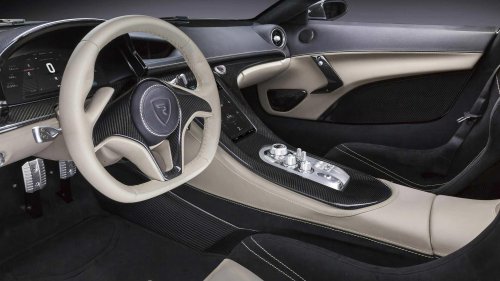
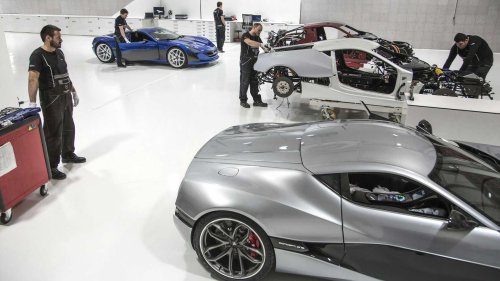
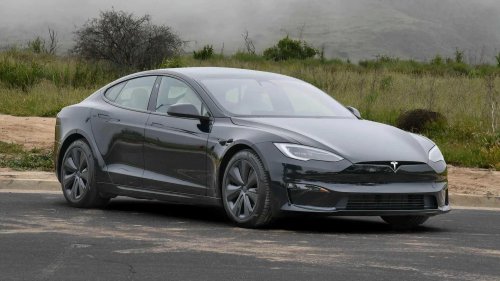
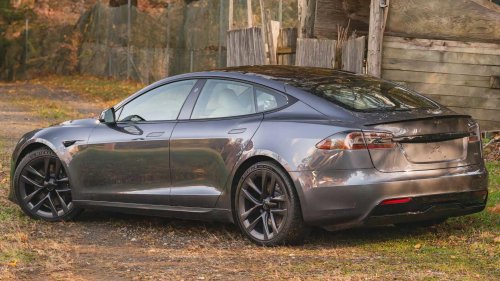
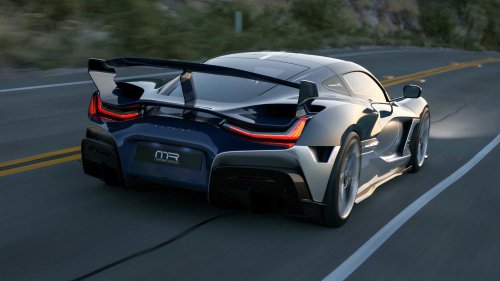
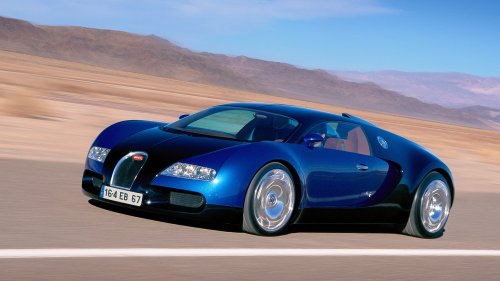
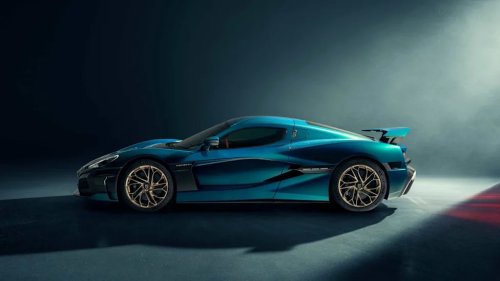
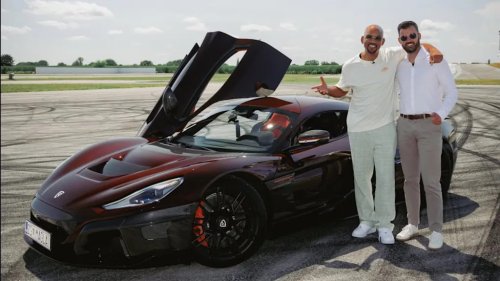
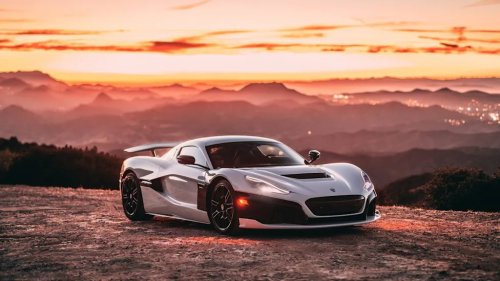
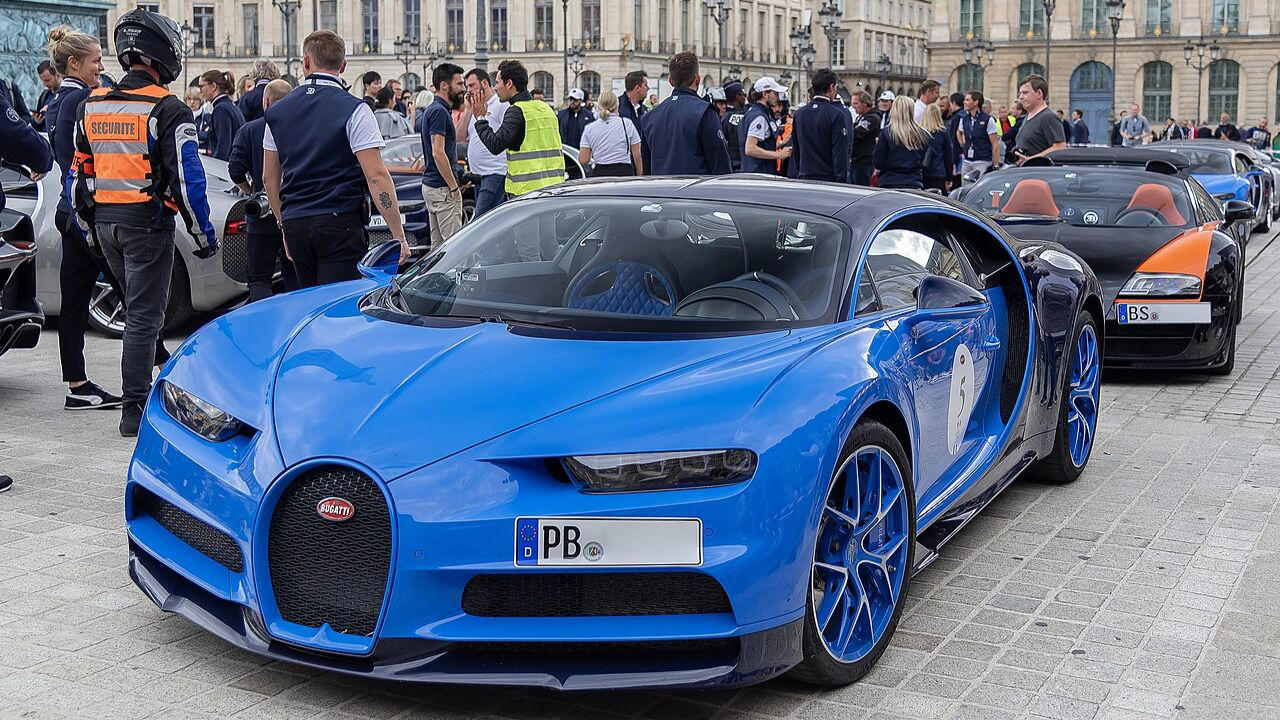
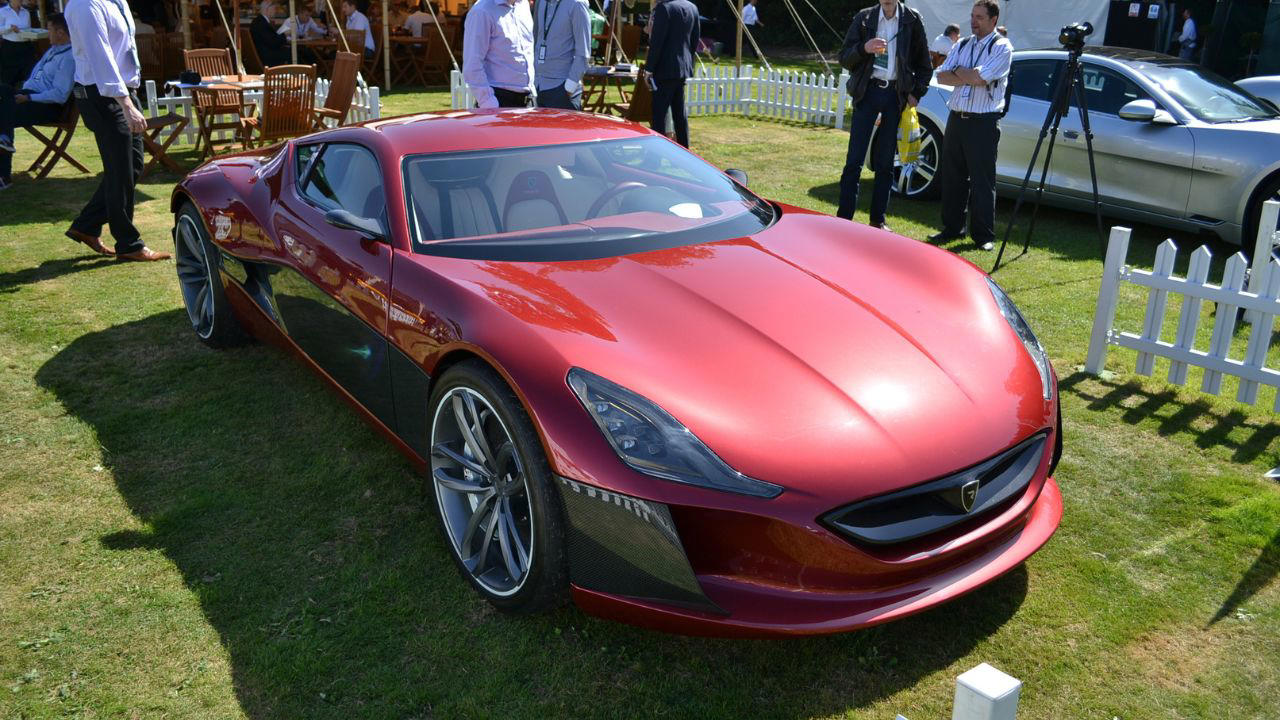
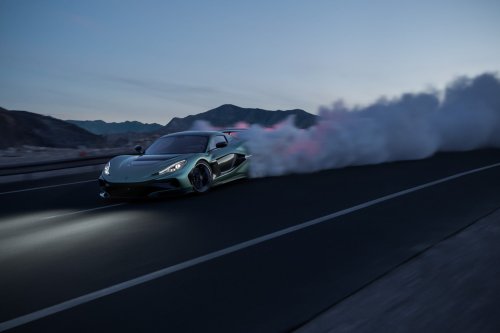
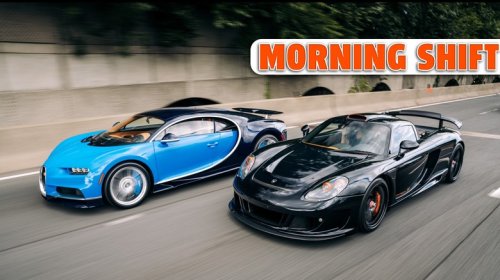
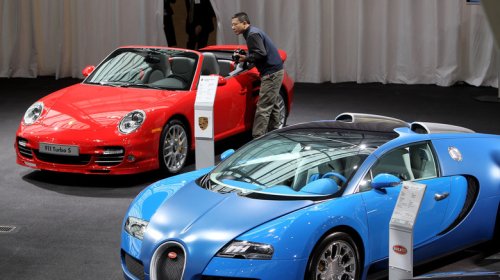
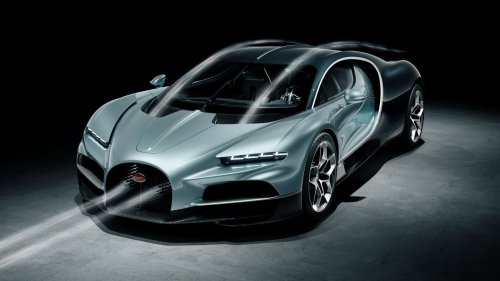
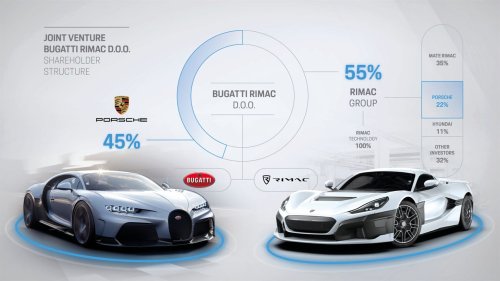
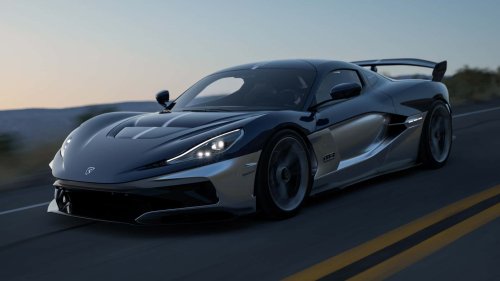
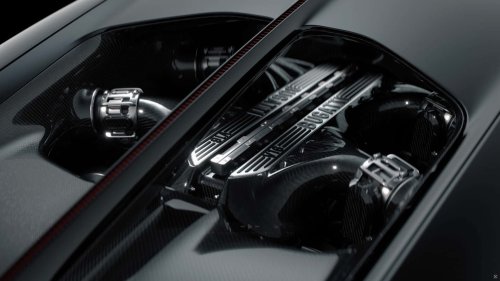
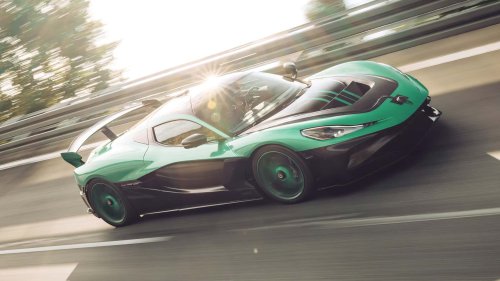
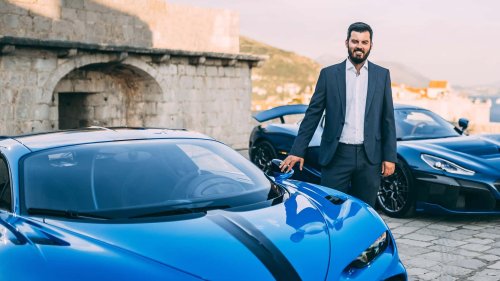
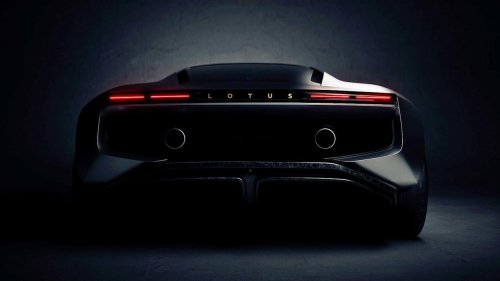
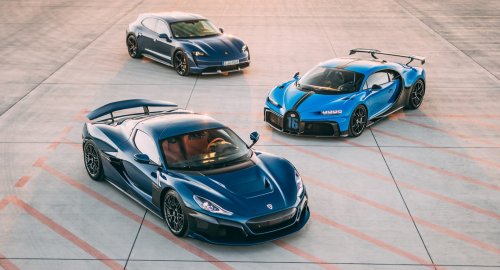
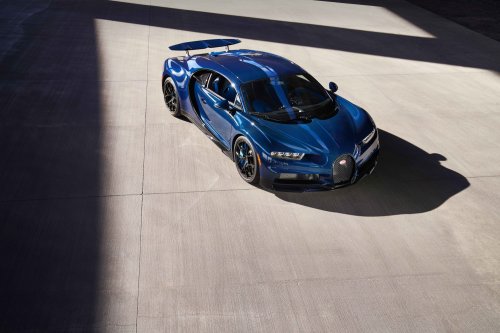
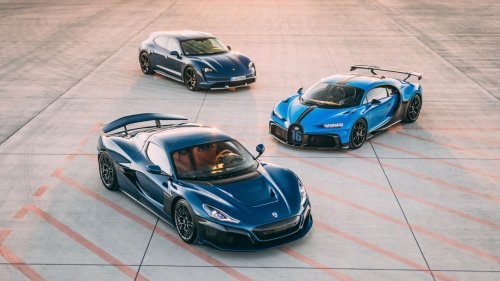
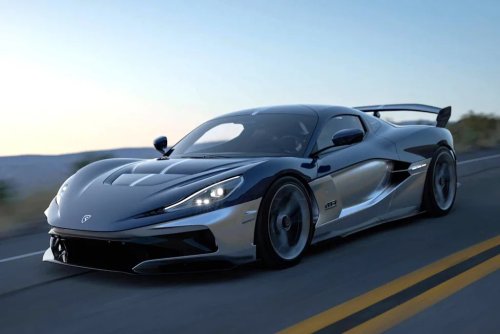
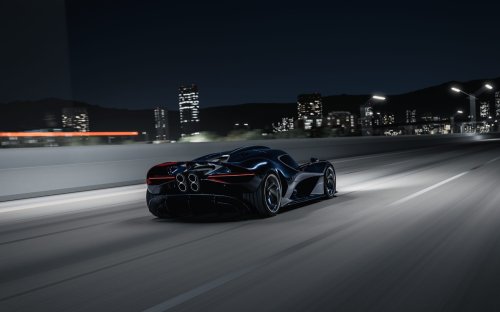
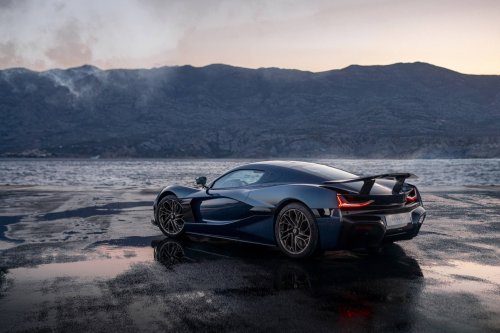
The quest for 1,000 horsepower started 99 years ago at Daytona Beach. Nicknamed “The Slug”, Sunbeam's 1,000 hp land speed record breaker was the first car to exceed the 200 mph barrier, thanks to its two 22.5-liter V12 aero engines on March 29, 1927, at Daytona Beach, setting an inadvertent standard for what became the race for 1,000 hp. However, despite what the name suggests, the two 22.5-liter V12 aero engines actually produced only 870 hp combined (435 hp each). The Race For 1,000 HP Power In The ICE Era Since then, the fight for "power" and power figures has become more ferocious as the ICE era matured with constant battles erupting between rival manufacturers. Everything from V8s to V12s, and even straight sixes punched out amazing three digit figures during the lead up to—and at the start of—the 21st century, but they failed to achieve or surpass the 1,000 mark.In 1998, the VW Group bought the bankrupt Bugatti with the intention of making it a showcase for automotive engineering excellence. VW Group’s Chairman at the time, Ferdinand Piëch – who was the driving force behind the Veyron program – wanted to produce a road-legal halo car with the highest top speed and with 1,000 hp. The program started in 1998 with our first look at the near-production-ready Veyron unveiled as a concept in 1999 with the EB 18/4. Research and development took between five and seven years to turn it into a production model.The first roadworthy prototypes in 2003 suffered severe aerodynamics, cooling, and tire safety issues. The production-ready version arrived in 2005 with eight liters, four turbos, and 16 cylinders—having the highest top speed of any production car at the time—253 mph. More importantly, it cracked the 1,000 mark with 1,001 Pferdestärke (PS), which roughly equates to 987 horsepower. Although not exactly 1,000 hp, it is widely accepted that this was the first production car to achieve this when rounded up. During the car's world speed record attempt in 2005, the Veyron's test driver, Uwe Novacki praised the car's unparalleled engineering at record-breaking speeds:I accelerated as hard as I could to get the full 1,001 PS out of the Veyron's engine. I was so impressed with how stable, effortless and safe the car felt at 400 km/h [249 mph].Its complexity, cost, and time resulted in overall losses on each one sold—making it a technical “tour de force” rather than a profitable business proposition. Bridging The Gap With EVs Bring a TrailerTransitioning to EVs has made attaining 1,000 horsepower less complex. With high-performance electric motors, high-discharge battery packs, and 800V architectures, getting to the 1,000 mark has become something of the norm. But, like the Veyron for the ICE era, who got there first? Rimac Scores Gold Trading under the Croatian Rimac Group, start-up Rimac Automobili was the first EV maker to surpass 1,000 hp with its Concept One hypercar. Now as a joint venture with Bugatti, Rimac is one of the leaders in hypercars and their technology, supplying well-established automotive OEMs with battery systems and components. Concept One Built and designed almost entirely in-house in Sveta Nedelja, Croatia, the Rimac Concept One launched at the 2011 Frankfurt Motor Show as the brand's first battery-powered, all-electric hypercar. Featuring a 92 kWh liquid-cooled lithium iron phosphate battery pack and powered by four electric motors, the Concept One was able to deliver 1,287 horsepower—286 more than the Veyron—and sprinted to 60 mph in 2.6 seconds with a top speed of 221 mph. Rimac Concept One Specs Concept One’s Road To 1,000 HP Rimac mediaA number of in-house developments helped Concept One achieve its statistics. Its unique powertrain and 650V architecture, which was designed, developed, and chosen by the firm to balance the different constraints affecting the Concept One’s performance.The battery pack developed in conjunction with Sony provided significant performance and integration advantages to achieve the 1,088 horsepower of power during acceleration and the 536 horsepower needed for braking. Furthermore, a unique battery management system (BMS) was developed to keep tabs on each of the 8,450 Sony-developed battery cells, which provided optimal control over the battery’s health, provided sustainable performance, and maintained optimal operating conditions.A unique liquid-cooling thermal management system for the car’s battery pack was also critical for handling the intense heat generated at high speed, ensuring sustained performance was achieved without overheating. Developing components under the same roof meant the firm could customize the battery in alignment with the car’s unique electric motor setup.Rimac media Powering each wheel by permanent magnet electric motors, the all-wheel torque vectoring system gave the Concept One precise control—providing instant and independent torque for each wheel, controlling each motor individually over 100 times per second. The single-speed gearboxes for the front motors and the two-speed, double-clutch gearboxes for the rear motors ensured optimal power was transferred onto the road through each of the wheels to aid handling.The Rimac’s space frame composite chassis and slippery carbon fiber exterior shape helped to minimize drag while managing the flow of air underneath for downforce—optimizing high-speed performance and stability. In spite of all this, the Concept One had to be re-engineered four times, with nearly all the systems being re-developed during its development phase to meet homologation rules. This, teamed with its bespoke, in-house manufacturing and technical complexity, resulted in only a handful being produced. Not For The People Being the world's first electric hypercar, a production run of 88 units was initially planned, but only eight were built, resulting in a price tag just shy of $1 million when production started in 2013. This was not a car Rimac could mass-produce due to the manufacturing complexity and extreme costs. So, like the Bugatti, it was used to showcase top-tier EV technical achievements. Consequently, the race was still on to deliver 1,000 horsepower to the people. Tesla Takes 1,000 HP Mainstream Bring A TrailerAt roughly the same time, Tesla unveiled its Model S, and it was changing the public's perception of EVs with its innovative technology, rapid acceleration, and revolutionary interior. Whereas the Concept One was a two-seat hypercar with state-of-the-art engineering and an eye-watering price tag, the Model S’s four-door sportback profile and lower cost made it versatile and accessible to a wider demographic. Tesla’s Model S Plaid Bring a Trailer In 2021, it received a major overhaul to make 1,000 horsepower within reach of the people. With a new tri-motor powertrain—over the standard car's dual setup—gave the sportback 1,020 horsepower, propelling it to 60 mph in under two seconds and on to a top speed of 175 mph.Tesla’s reasoning for the Plaid’s monstrous power was to achieve performance supremacy so it could wear the title of the fastest-accelerating production car, aiming to compete with top-spec supercars and destroy previous production car records. The Plaid soon gave their company a reputation for bringing "next-generation performance to everyday luxury commuting."Unlike the Rimac's composite space-frame chassis, the Plaid's chassis is stamped from aluminum and steel—using gigacasting techniques to reduce the number of components and bring down the cost needed for high-volume production for the masses. Tesla Model S Plaid Specs The chase was on for other manufacturers to compete soon after. Newcomer LUCID debuted its direct Model S rival – the Air, as a premium four-door sedan. GM was also keen to bring this level of power to the SUV and truck market with its reborn GMC Hummer. The Cost To 1,000 HP Bring a TrailerIn high-performance EVs, software development can account for as much as 70% of a vehicle's total development. The main cost areas, including the software, are battery technology and management—depending on capacity—which accounts for 30–40%, followed by the vehicle’s structure at roughly 30%, and then the powertrain—which consists of motors and inverters—takes roughly 12–15%, and roughly 8% equates to the thermal management. Systems such as driver assistance and infotainment take up the rest. Where Are We Now In The Power War? RimacRimac's Nevera R currently holds the production record with over 2,100 horsepower, followed closely by Lotus' Evija with 2,011 horsepower. But a proposed development from an ICE start-up in the form of Greece's SP Automotive Chaos aims to smash the 3,000+ horsepower barrier in its top-tier variant. Unfortunately, little is known about this “ultracar”, which is intended to be street-legal with a limited run of 20 units per year.Sources: National Motor Museum, Top Speed, Rimac Newsroom, Goodwood, Guardian, Technology Org, Mercedes-Benz of Greenwich, Bloomberg, Green Cars, Union of Concerned Scientists, CORDIS and Research Gate