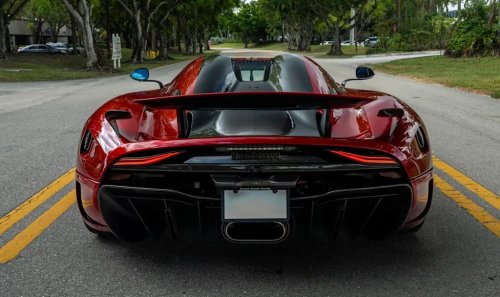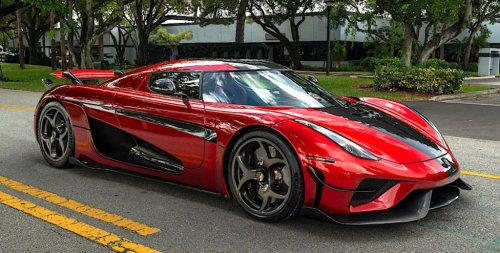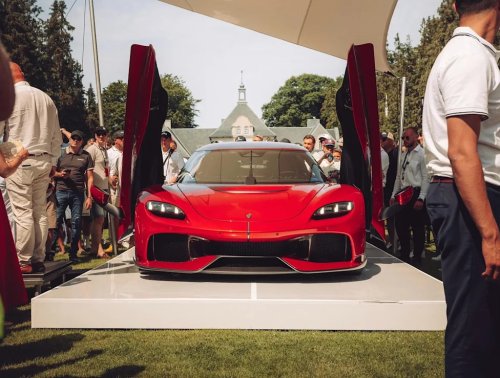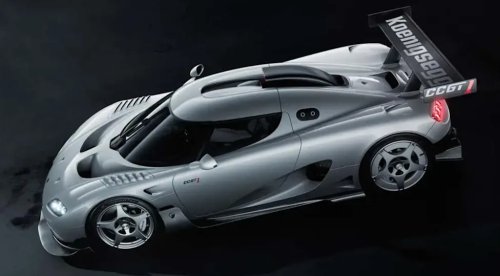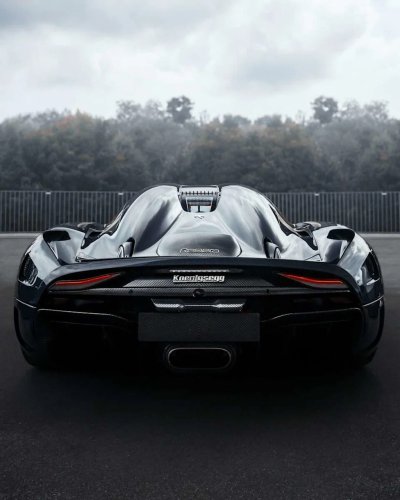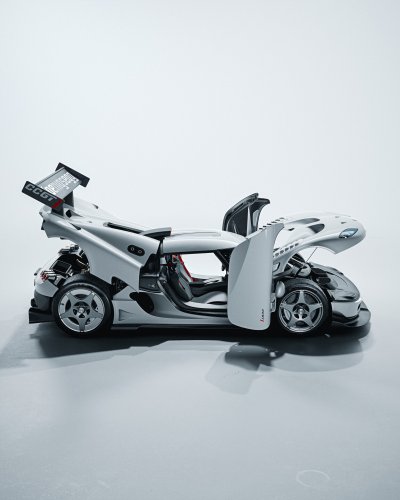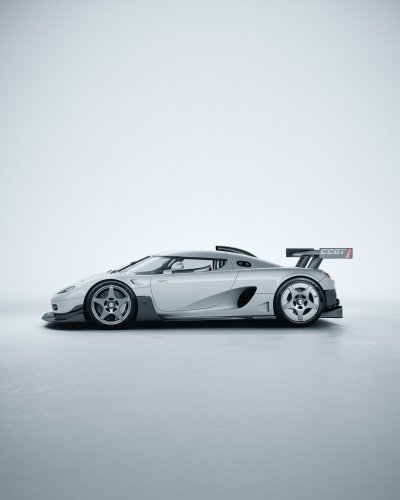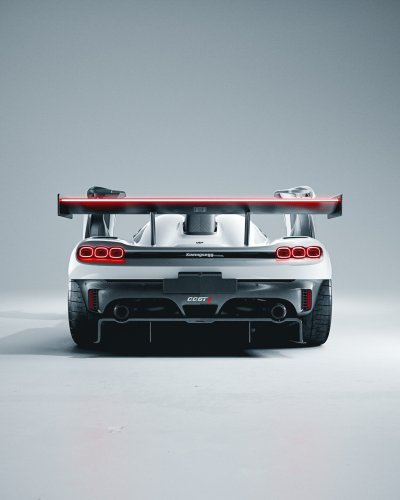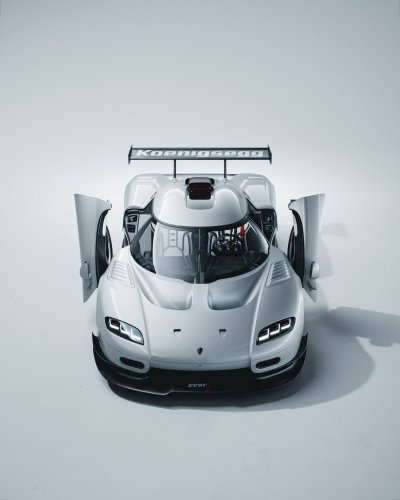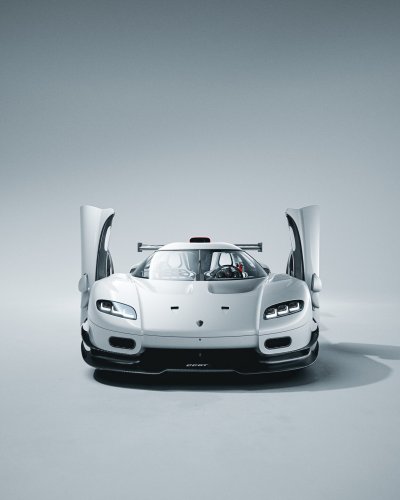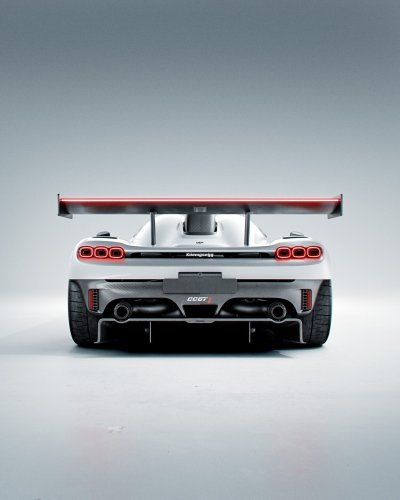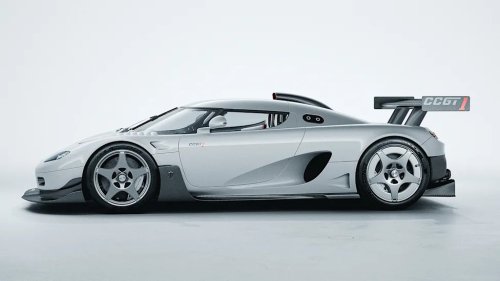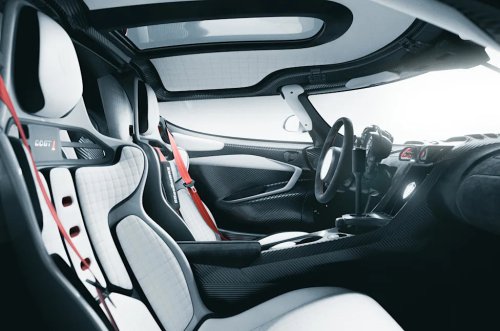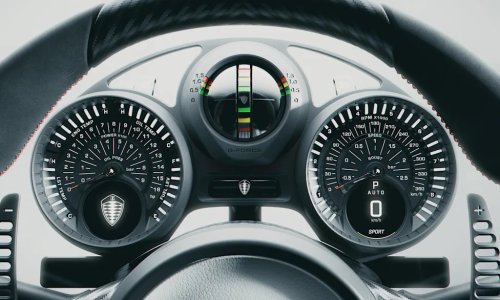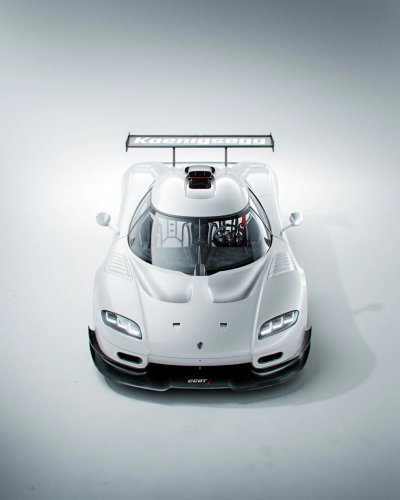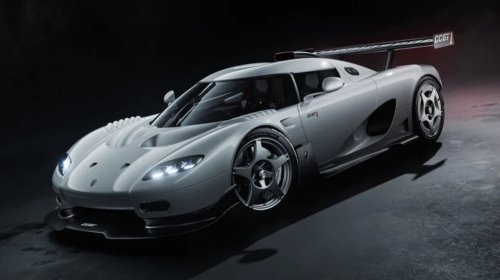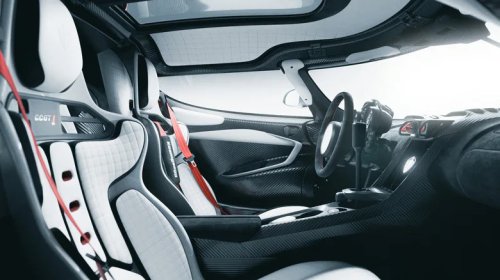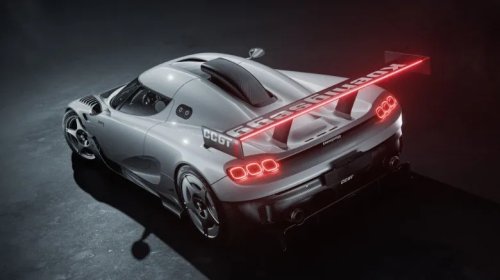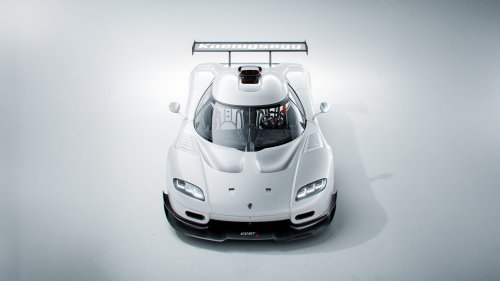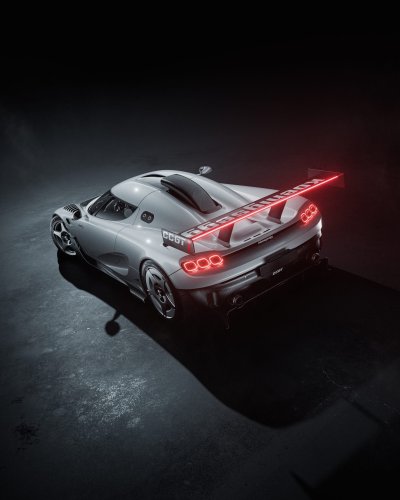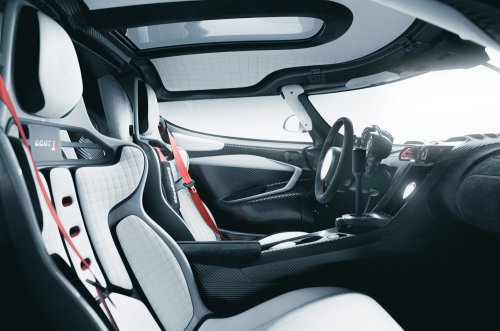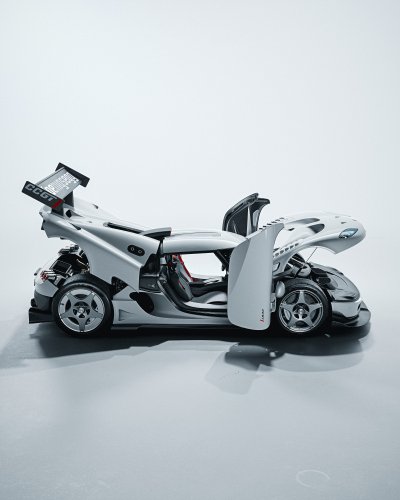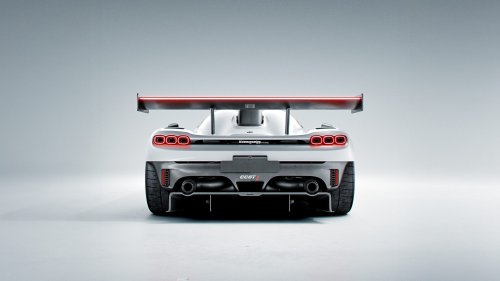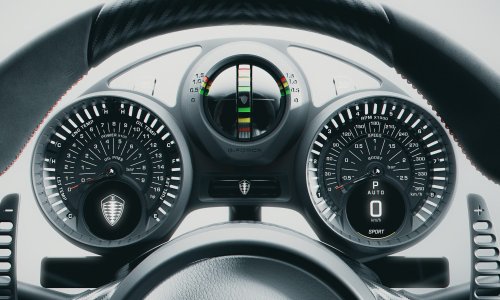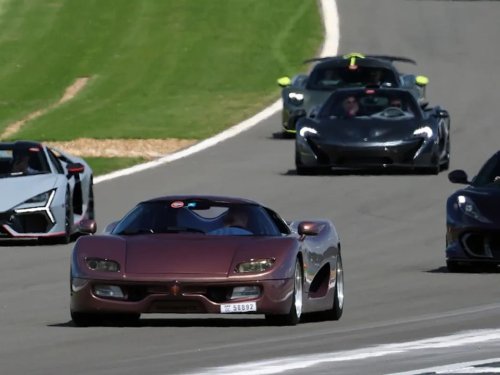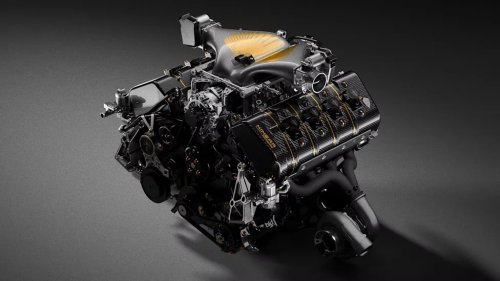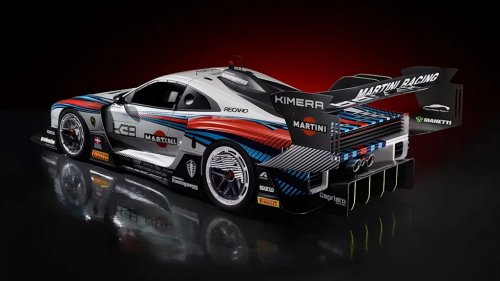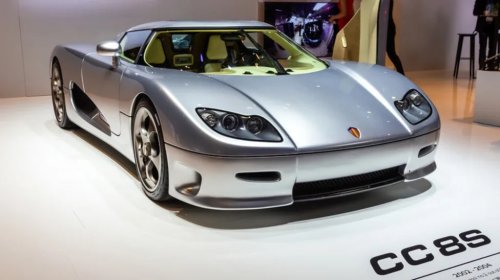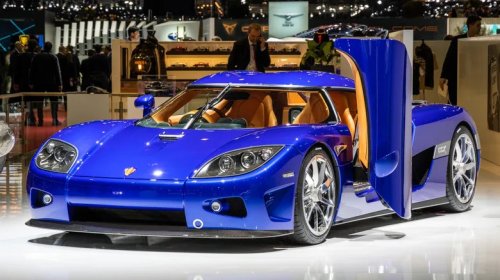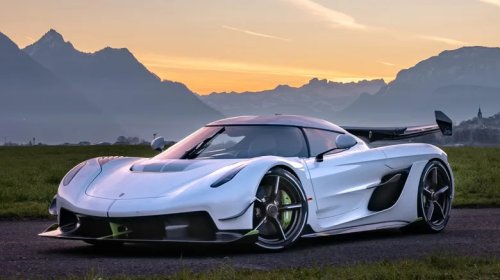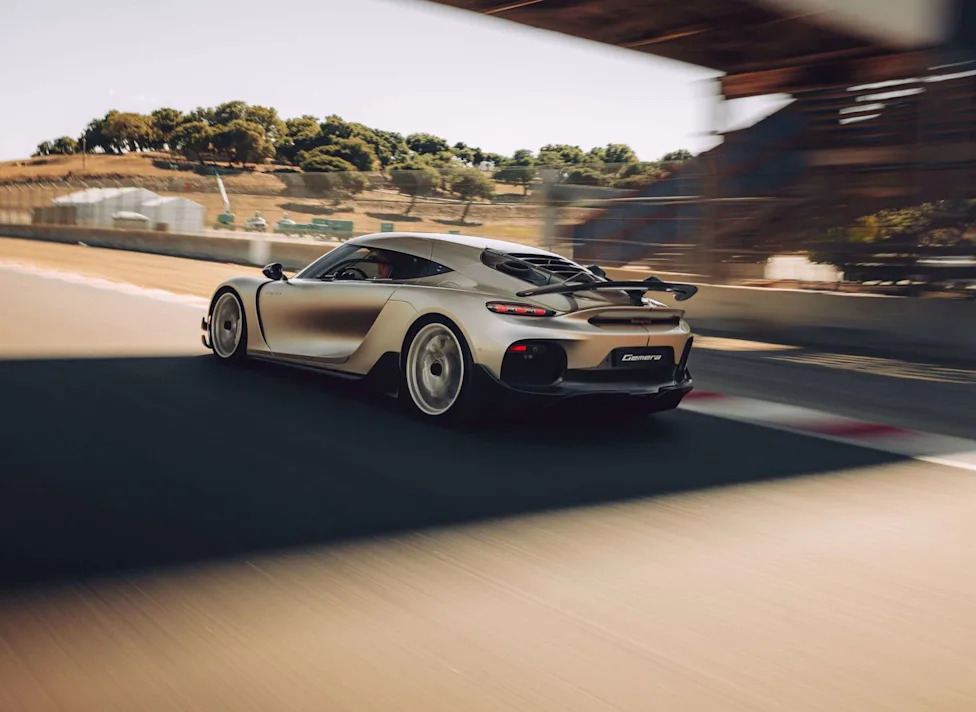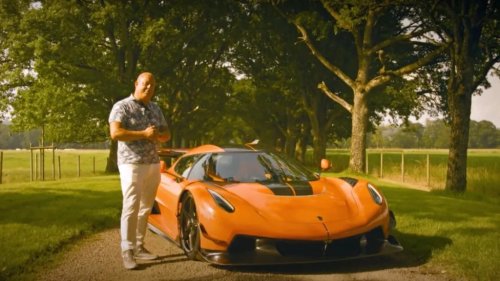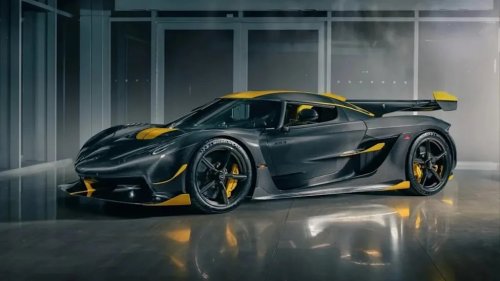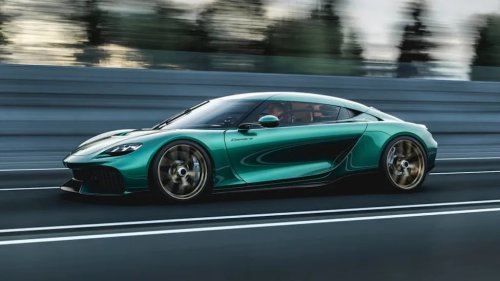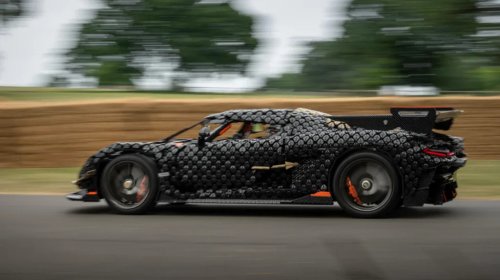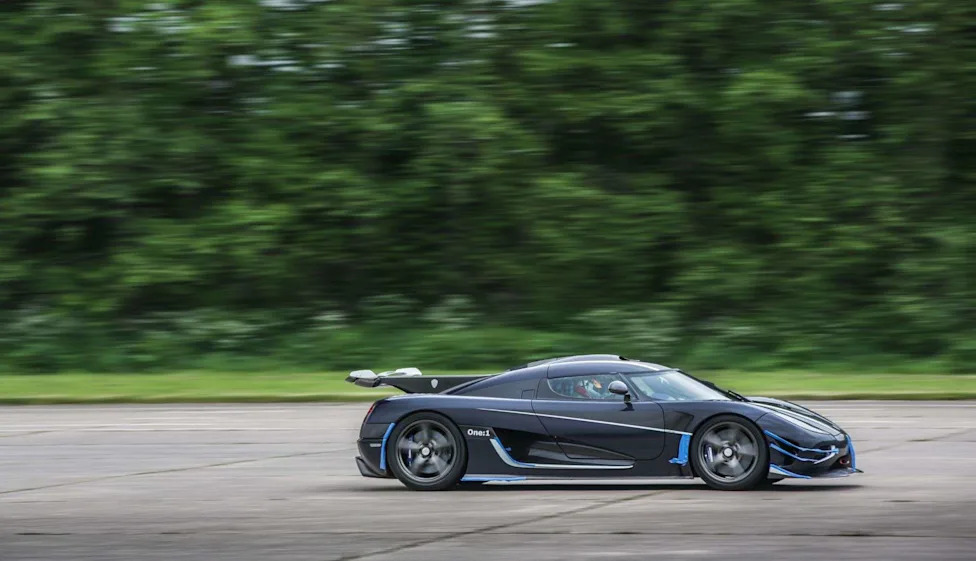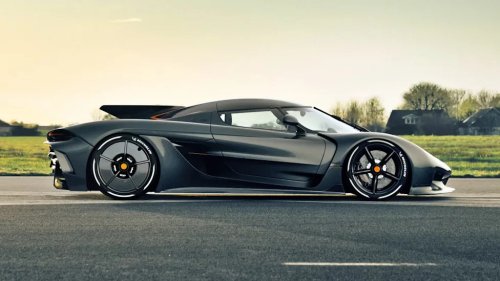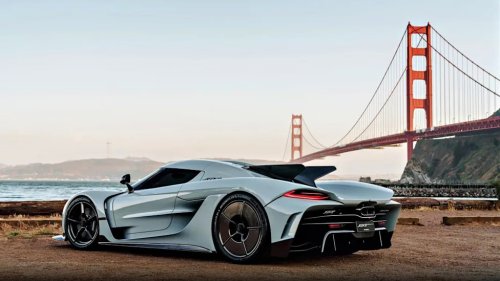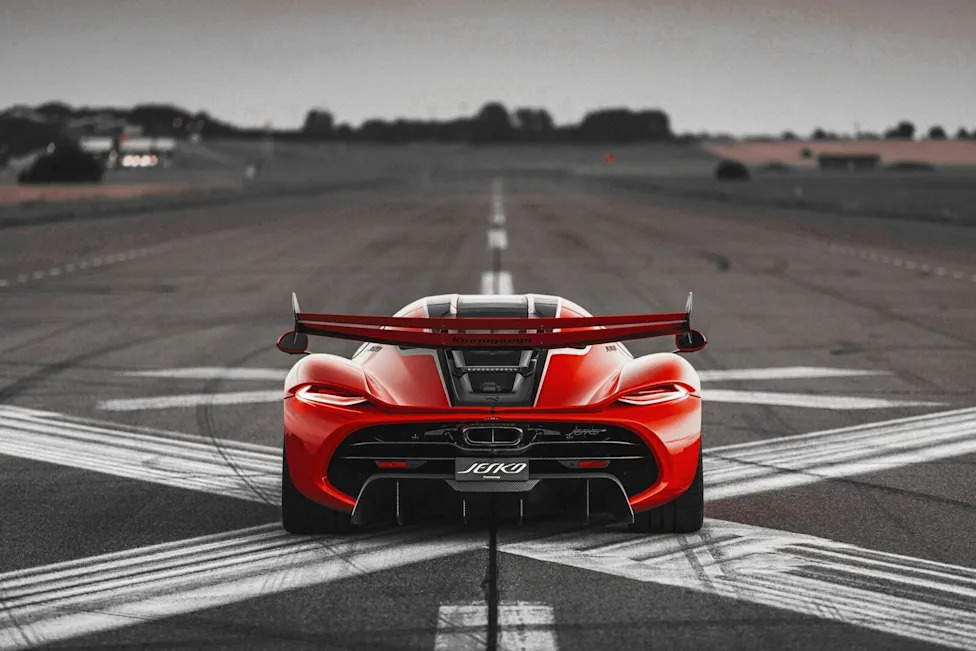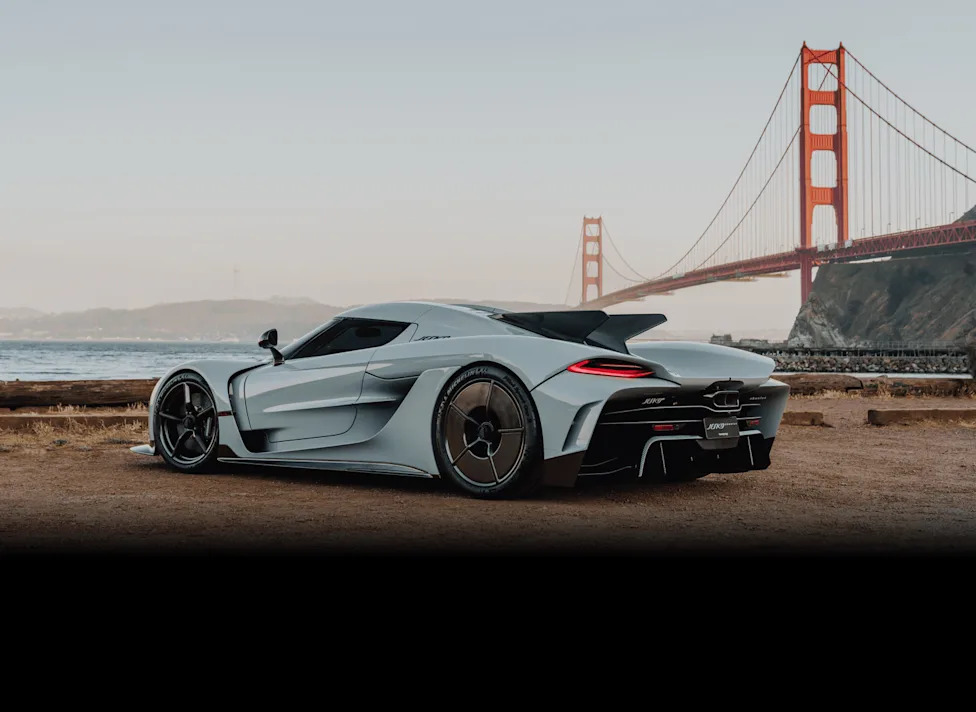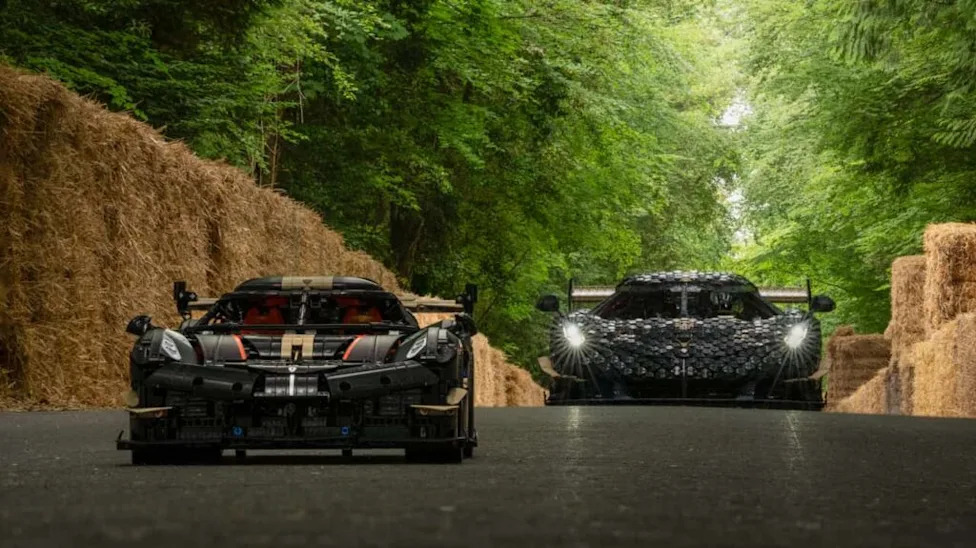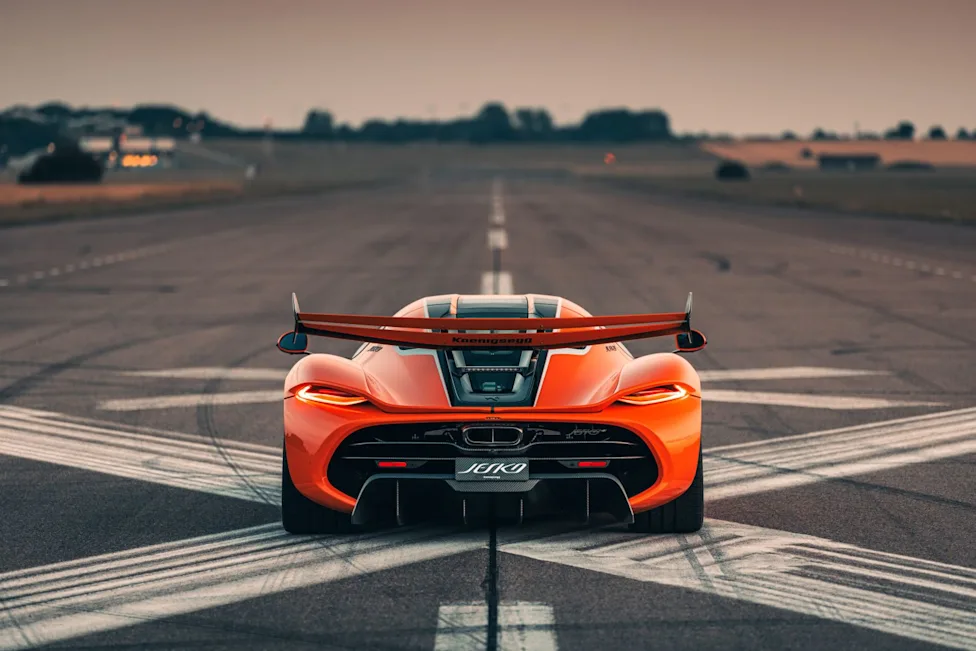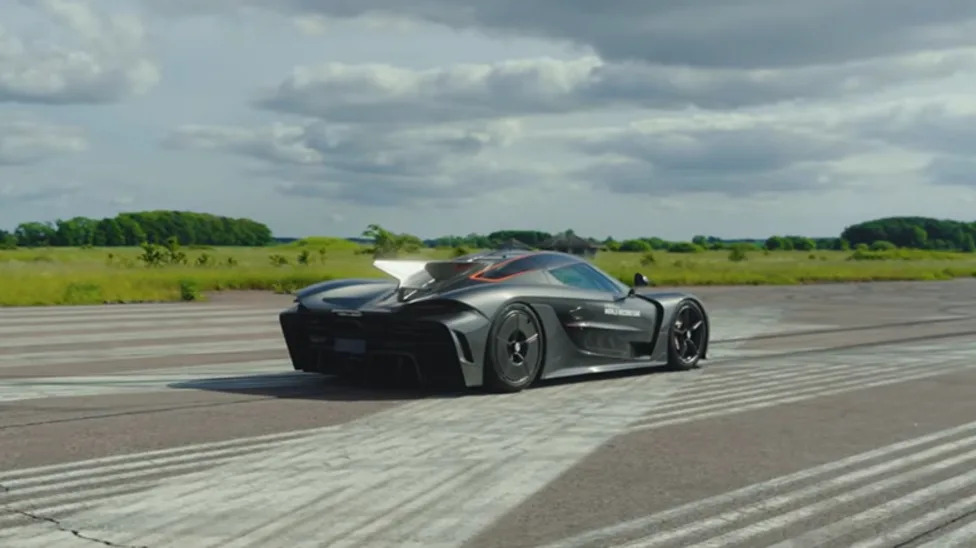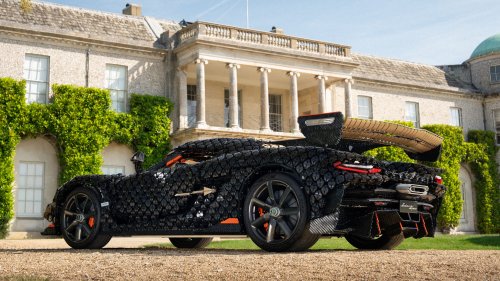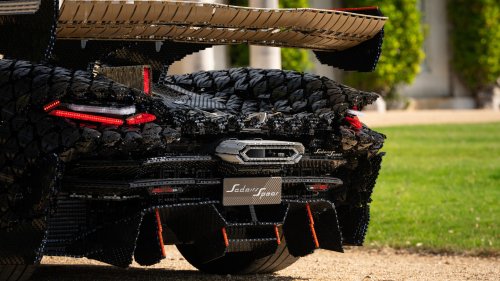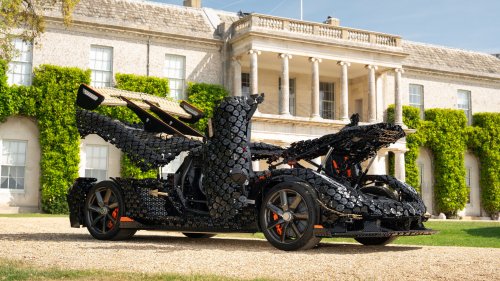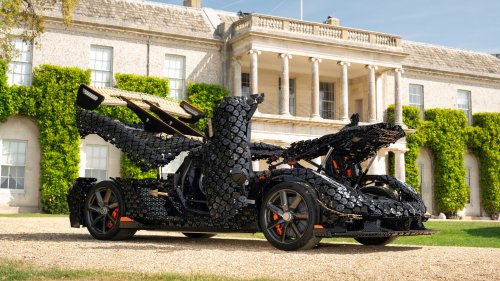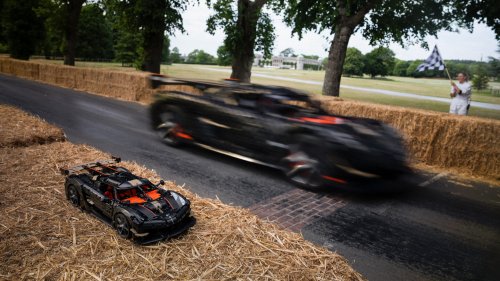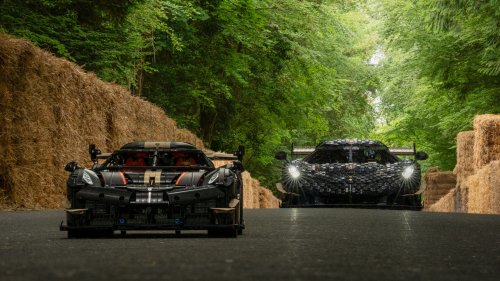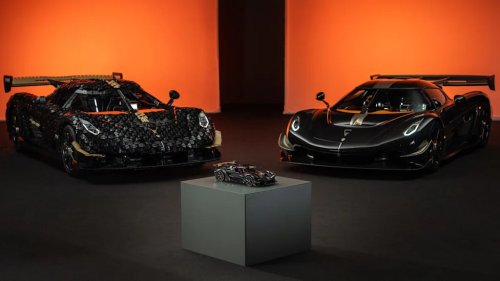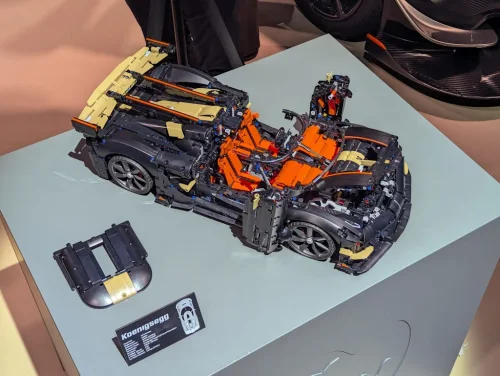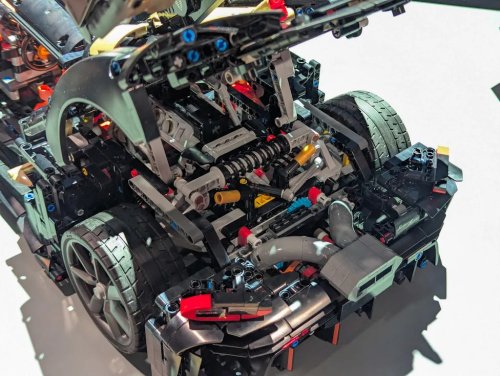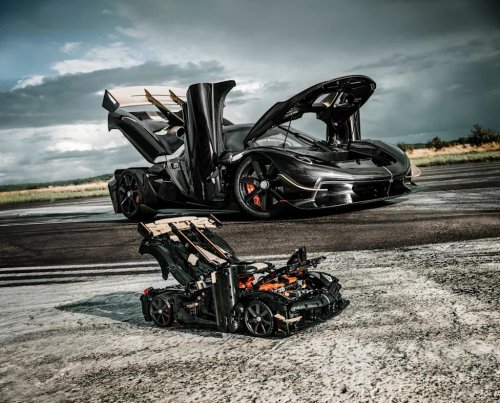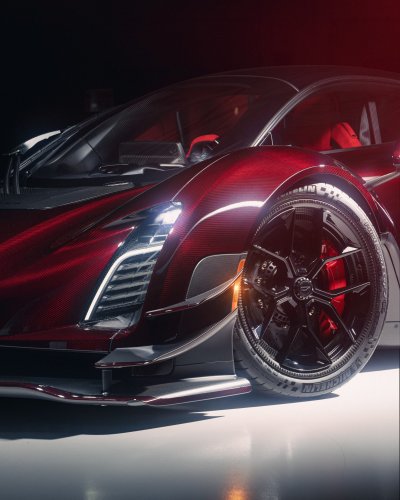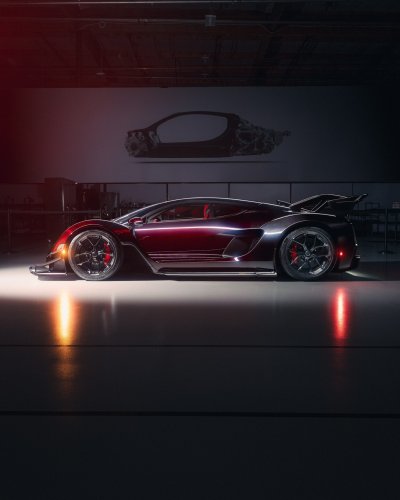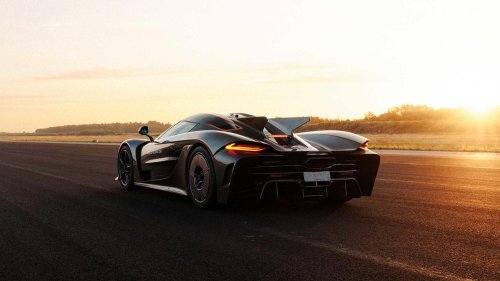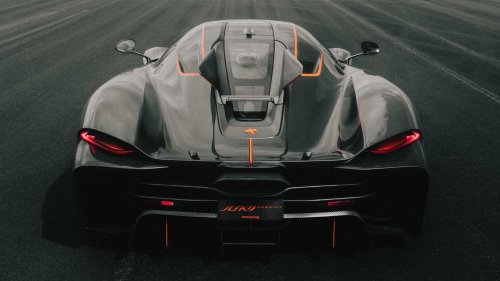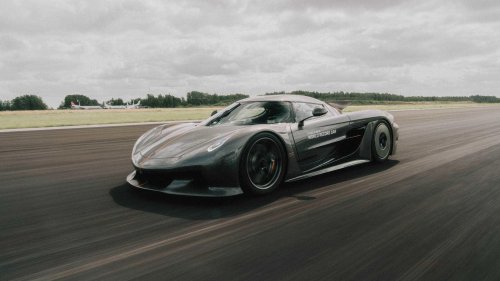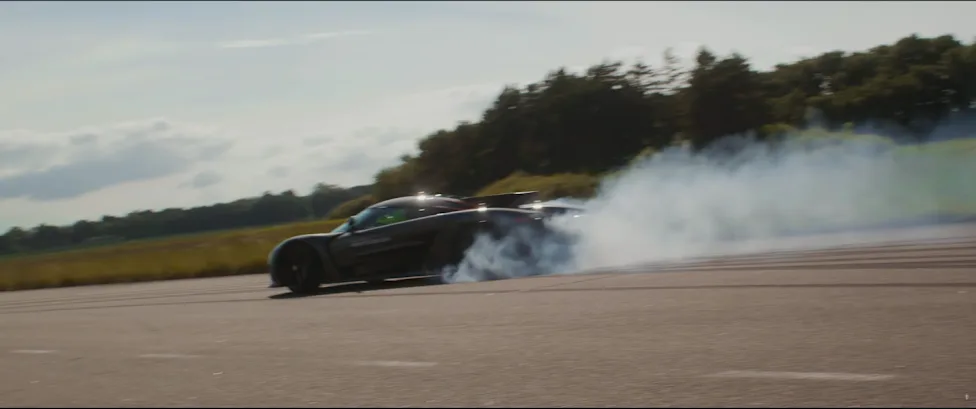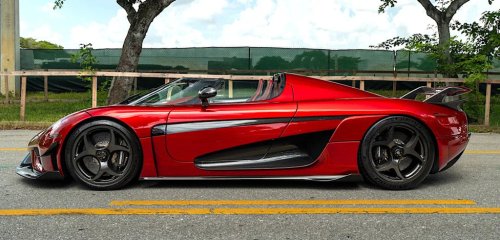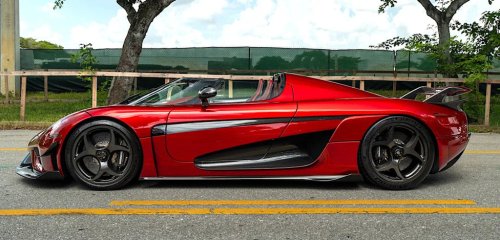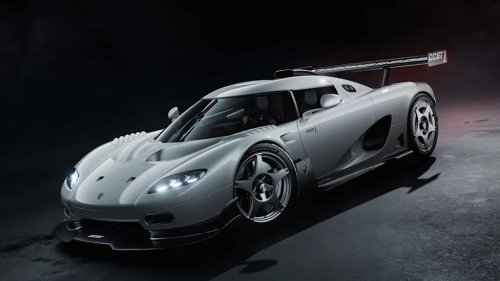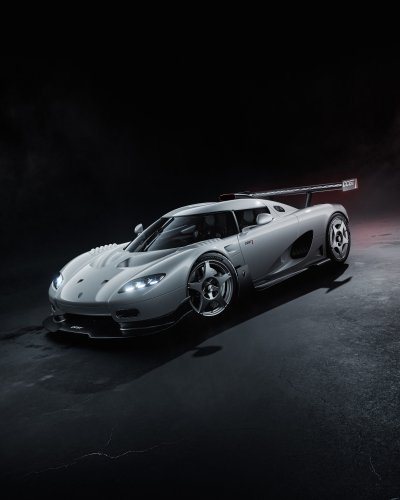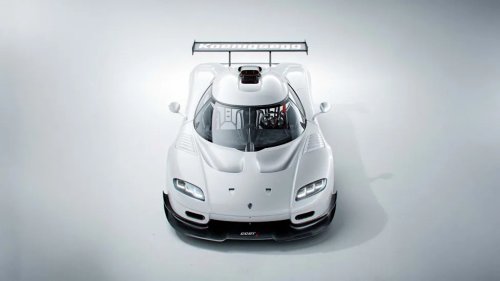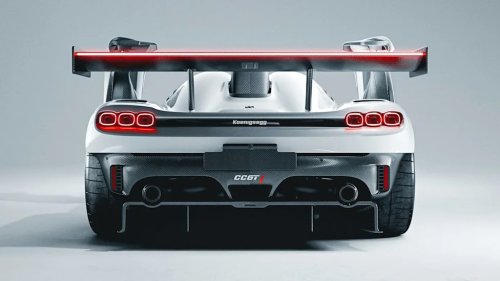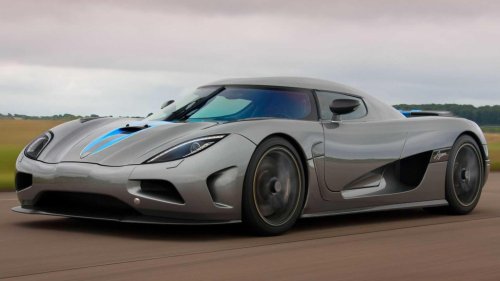
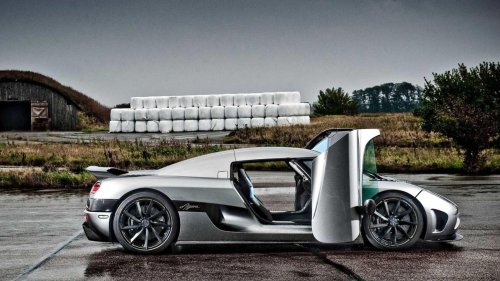
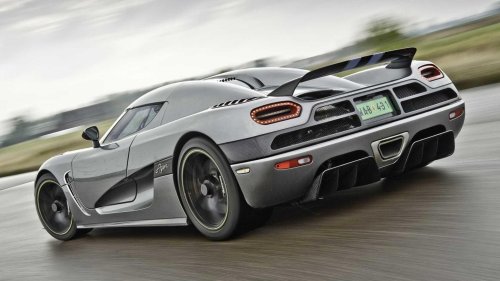
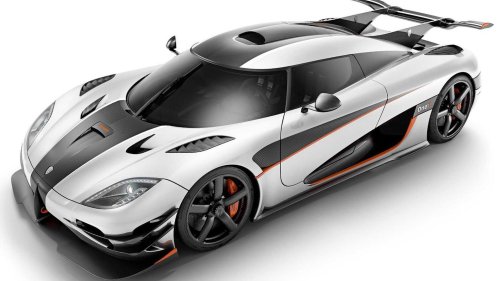
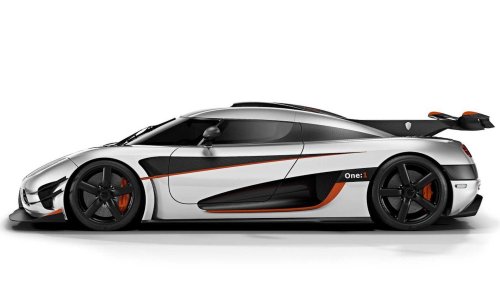
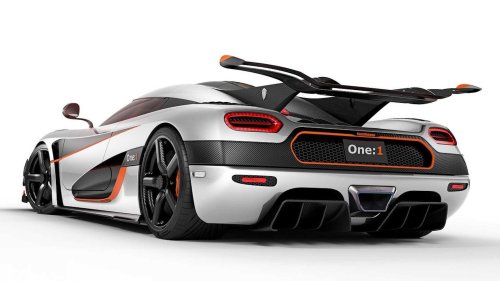
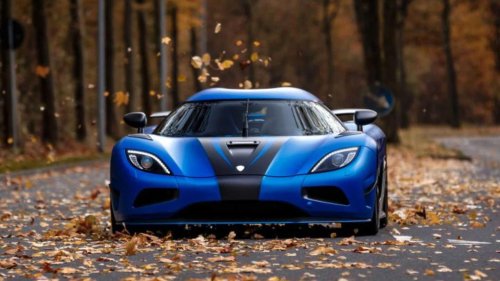

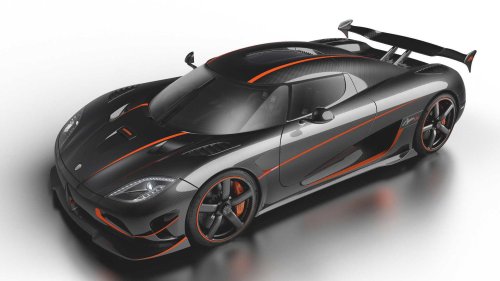
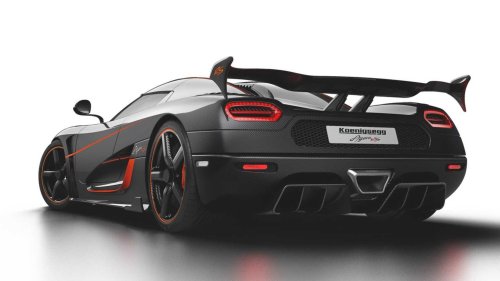
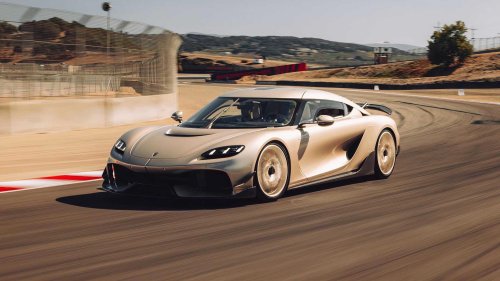



















Koenigsegg likes to refer to its cars, both new and old, as "Megacars". While it labels all of its models as such, it's generally accepted that a true "megacar" produces more than 1,341 horsepower, the horsepower equivalent of one megawatt of power, which many of its earliest models fall short of, despite many of them being record-holders. However, all the models in its current catalog do.Koenigsegg was the first automaker to offer a production car with one megawatt of power, after which it continued to produce cars with more horsepower. The first megacar Koenigsegg produced was distinguished not only by its power output but also by how that power matched its weight, a defining feature of the Koenigsegg One:1. UPDATE: 2026/03/16 12:55 EST BY GERHARD HORN The Tiny Friendly GiantThis feature was updated with additional information about Koenigsegg's smallest engine, which is also an impressive feat of engineering. But First, The Koenigsegg Agera Koenigsegg Before the Koenigsegg One:1, there was the Koenigsegg Agera. The Agera was a brand-new offering from the Swedish megacar manufacturer following the initial CC-based lineup that we saw throughout the 2000s. Based on a new platform and powered by an engine that wasn't a significantly modified unit until it was borrowed from Ford, the Agera further cemented the Koenigsegg brand at the forefront of automotive performance.Koenigsegg Long-winded recaps aside, the Agera was an innovative offering from Koenigsegg, featuring in-house technology that eliminated turbocharger lag, a bespoke seven-speed transmission, and the now-iconic "ghost" lighting system.It was one of the greatest hypercars of the 2010s, serving as the basis for a handful of spin-off models, each distinguished by its performance. After the Koenigsegg Agera made its debut, the Koenigsegg Agera R and then the Koenigsegg Agera S were introduced. Both were more powerful than the model that came before, having greater aerodynamic efficiency.Koenigsegg In the case of the Agera S, it utilized flex fuel technology to allow it to be offered in more markets than the Agera R. By the time the Agera S production ended, a new offshoot of the Agera was introduced at the 2014 Geneva Motor Show that, unlike its predecessors, didn't command more power for the sake of more power, but instead commanded more power to complement its curb weight directly. That was the Koenigsegg One:1. Chasing An Impossible Power-To-Weight Ratio KoengiseggIf, by the early 2010s, you hadn't heard of Koenigsegg or any of its megacars, that likely changed with the debut of the Koenigsegg One:1. It is one of the most iconic models ever to wear the Ghost squadron badge, and that was largely because of its unique power-to-weight ratio. In fact, it was the One:1's defining feature, from which even its name was inspired. The "dream" was to produce a car with a 1:1 power-to-weight ratio, which no production car had achieved before.At the time, achieving a 1:1 power-to-weight ratio seemed impossible for a street-legal car. As such, the Koenigsegg One:1 was significantly different from its sibling, the Koenigsegg Agera R. Koenigsegg's changes altered three key aspects: power, weight, and aerodynamic efficiency.At the core of the Koenigsegg One:1 was the same 5.0-liter twin-turbocharged V8 engine used by the Koenigsegg Agera R, kind of. The V8 engine used in the One:1 had a significantly higher power output when running on E85, due to changes such as slightly higher boost pressure, a revised bore, and the addition of a flex-fuel system, which had not been present in another Koenigsegg road car since the Koenigsegg CCXR.KoenigseggWhile power was increased, its weight was decreased significantly in proportion to match its output. The Agera R weighed 3,160 lbs (1,435 kg), but thanks to the addition of several pieces of carbon fiber, the Swedish automaker reduced the curb weight to 2,998 lbs (1,360 kg).Another distinguishing aspect of the Koengisegg One:1 was its aerodynamic package, which included a handful of winglets, longer venturi tunnels, an active rear wing, and new side air intakes. Aided by an improved suspension system and wearing new Airecore carbon fiber wheels, the Koenigsegg One:1 was far more capable on a racetrack than its siblings. Only seven examples of the Koenigsegg One:1 were produced, and today it's remembered as one of the most powerful Koenigsegg models based on the Koenigsegg Agera.Koenigsegg The significance of the Koenigsegg One:1's power-to-weight ratio can't be overstated. No other road-going production car has achieved the same power-to-weight ratio as the One:1. Some of the most powerful road-legal production cars, like the SSC Tuatara, Hennessey Venom F5, and one of Koenigsegg's most recent creations, the Koenigsegg Gemera, fall short of a one-to-one power-to-weight ratio. It Wasn't The Most Powerful Agera-Based Koenigsegg Koenigsegg The Koenigsegg One:1 was a significant step-up over the Agera R, which it outclassed in nearly every metric, from power output to performance. The unique balance of its power output and curb weight allowed the Koenigsegg One:1 to sprint from a standstill to 62 mph in 2.5 seconds, whereas the Agera R needs 2.8 seconds for the same sprint. It was also capable of sprinting from one end of a quarter-mile drag strip to the other in less than 10 seconds and reportedly reached a top speed of 273 mph.Koenigsegg Interestingly, while the Agera R was not as powerful as the One:1, it had nearly the same power-to-weight ratio, though that was in its lightest configuration. Aside from the Agera R, the One:1 debuted as the most powerful version of any Koenigsegg based on the Agera platform at the time. However, while it was the most powerful variation of the Agera when it debuted, this title wouldn't be uncontested.Koenigsegg In fact, it would be tied with two of the last Koenigsegg Ageras, the Koenigsegg Agera RS and the Koenigsegg Agera Final Edition. The RS variant debuted shortly after the One:1 at the 2015 Geneva Motor Show. It was lauded as the ultimate expression of the Agera platform, leveraging the many innovations gained throughout Agera development.In its base form, the Koengisegg Agera RS was a mighty weapon capable of dominating on public roads and on racetracks, which would be turned into the world's fastest art car years after its debut. But, still, in its base form, it wasn't as powerful as the One:1. Customers would need to opt for the "MW upgrade" package that coaxed its power output to be on par with the One:1. Still, it wouldn't have the same presence on the scale as the One:1, with the RS being slightly heavier.Koenigsegg As for the Koenigsegg Agera Final Edition, it used the same engine configuration as the Koenigsegg One:1, delivering the same power output and being the last of Koenigsegg's Agera models to wear the Koenigsegg badge. There were several unique offshoots of the Koenigsegg Agera, but none commanded more power than the Koenigsegg One:1, and none had the same power-to-weight ratio. Koenigsegg Also Did Small Engines KoenigseggKoenigsegg can also work magic with small engines. The Gemera was originally offered with a V8, or the TFG, the Tiny Friendly Giant. It was a 2.0-liter turbocharged three-cylinder engine with Koenigsegg's Freevalve camless valve actuation technology. If it was put into production, it would have been the most power-dense engine by a significant margin. Despite being so small, it produced 600 hp and 443 lb-ft of torque.The TFG never reached production, unfortunately. It seems Gemera customers unanimously went for the V8, so the TFG had nothing to do. We might see it again in the future, but for now it remains one of Koenigsegg's most brilliant inventions.