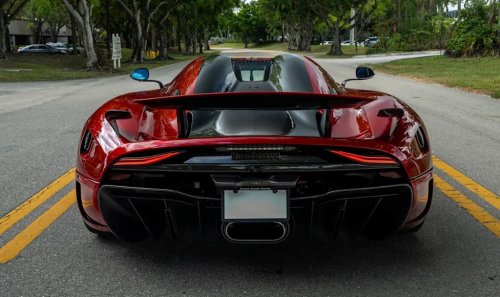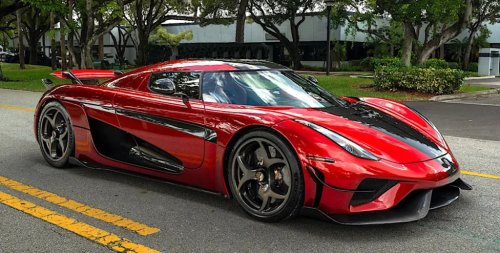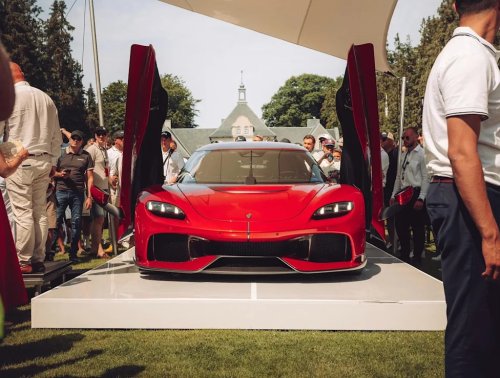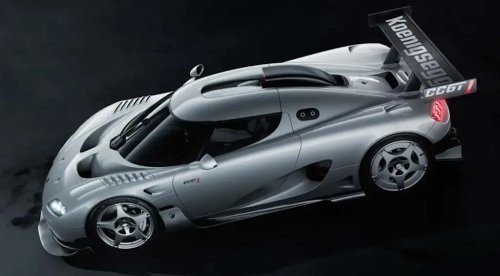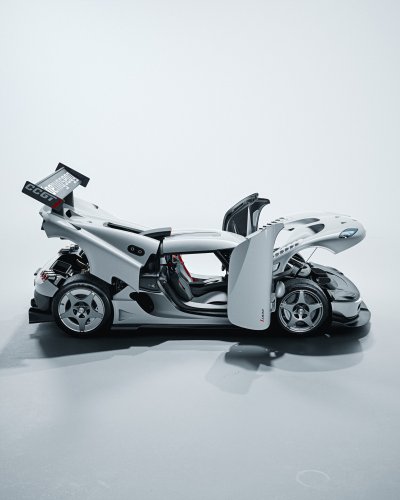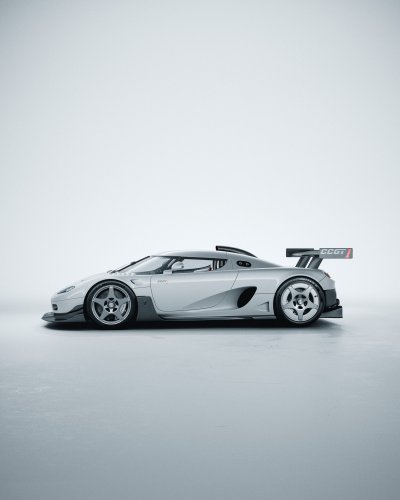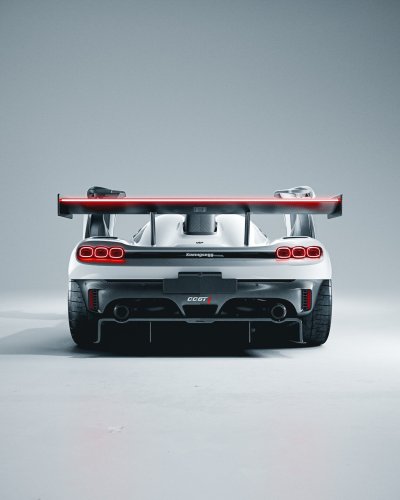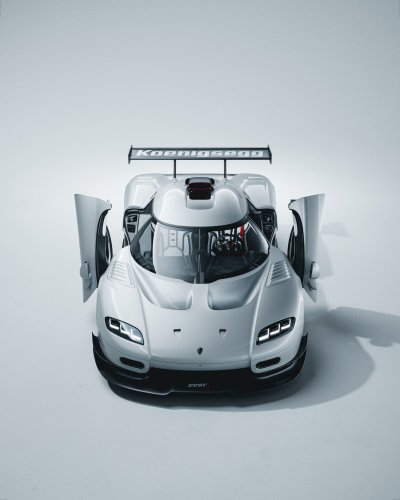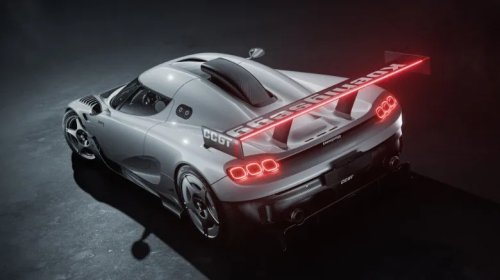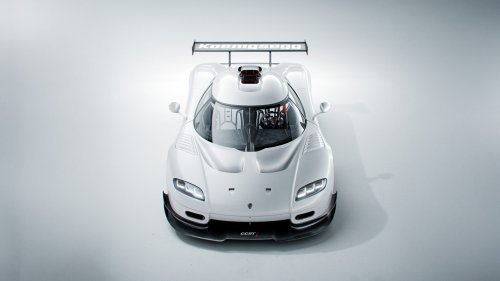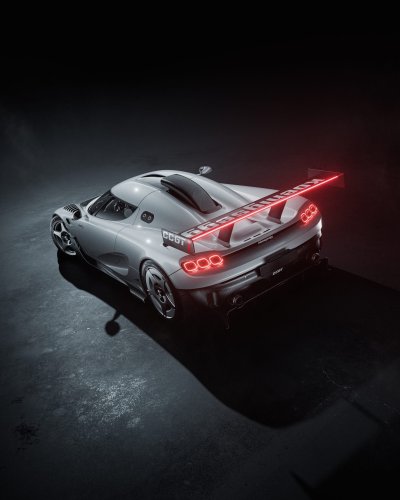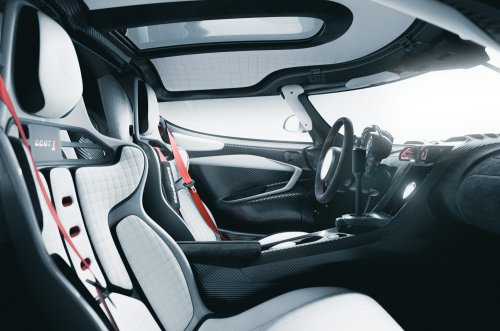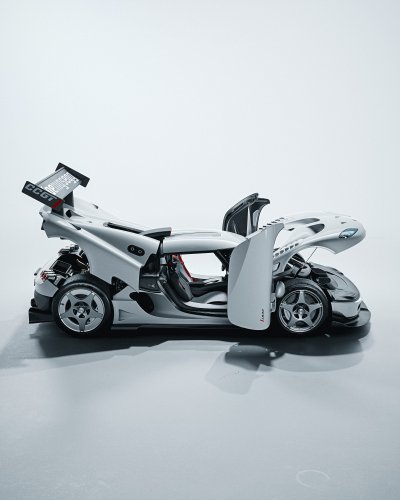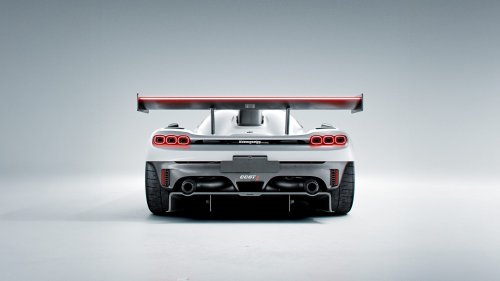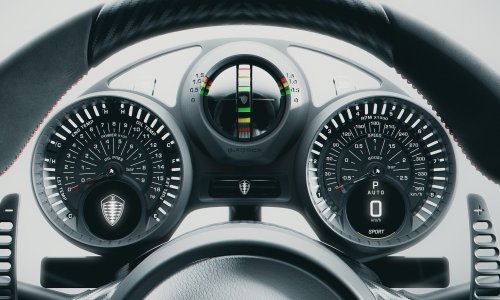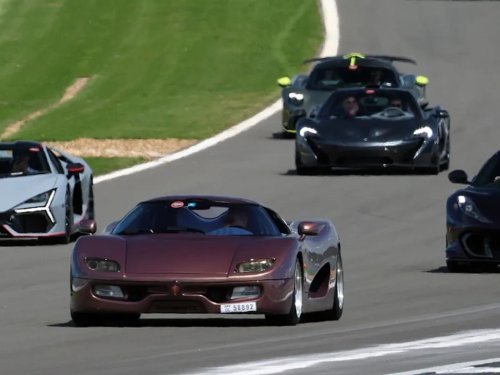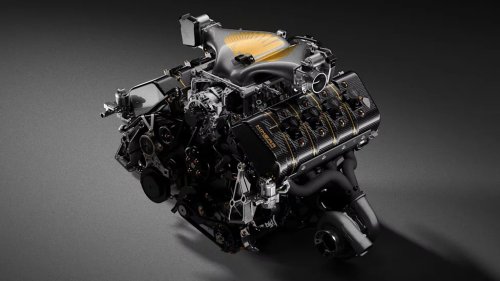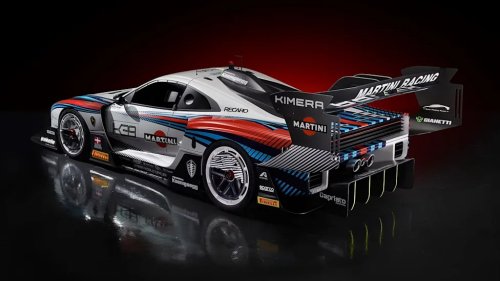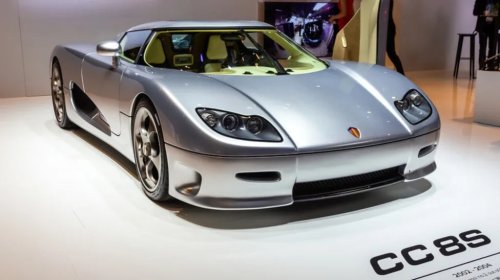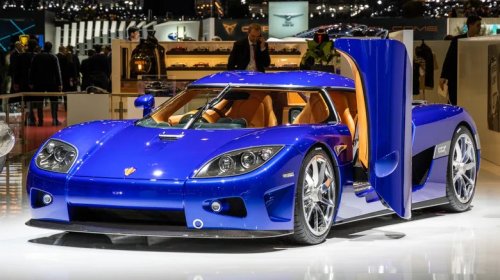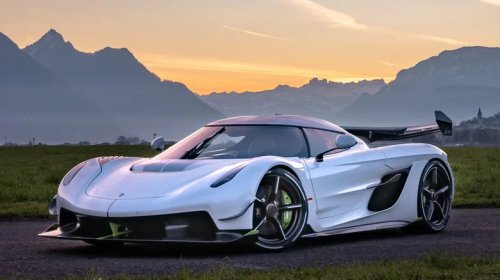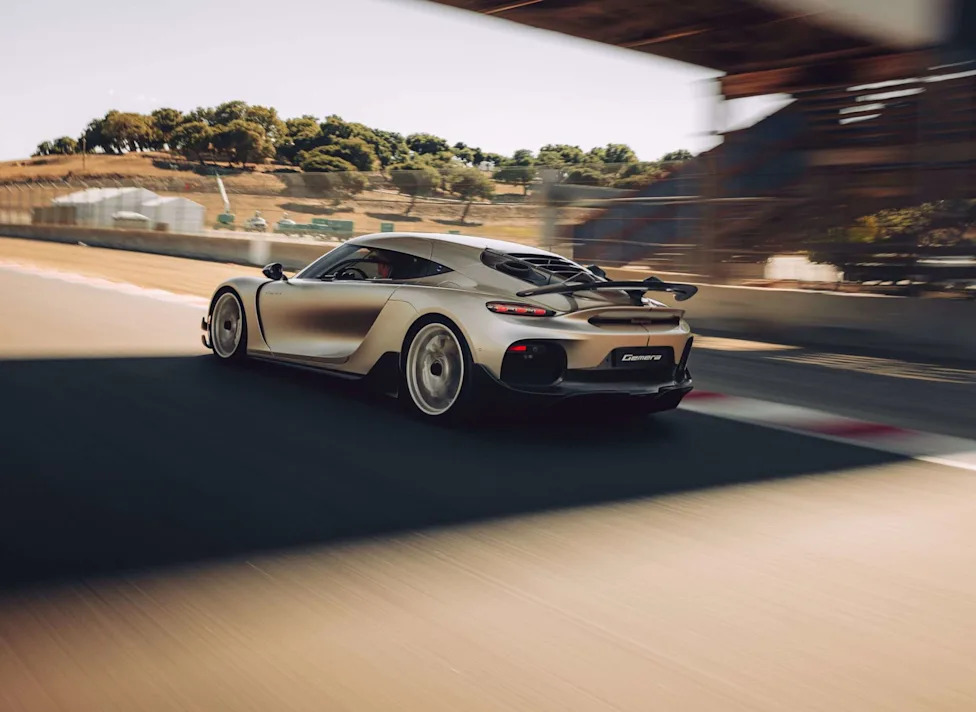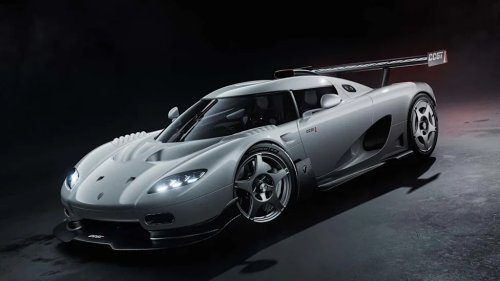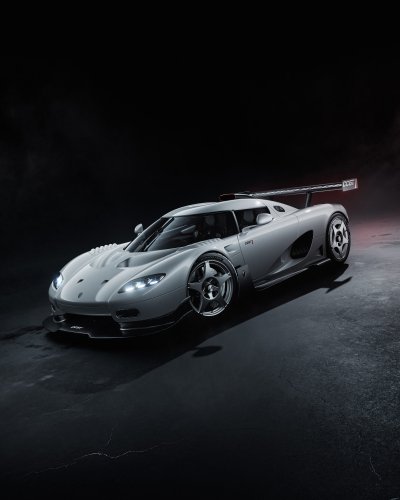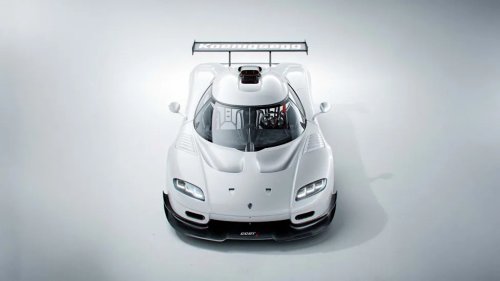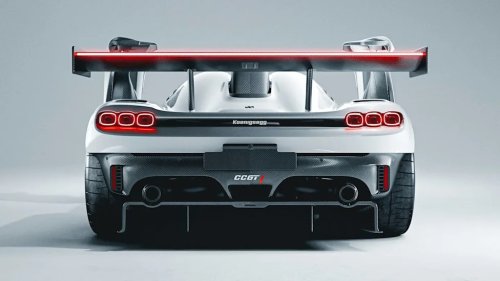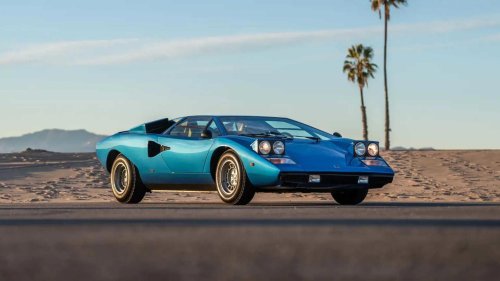
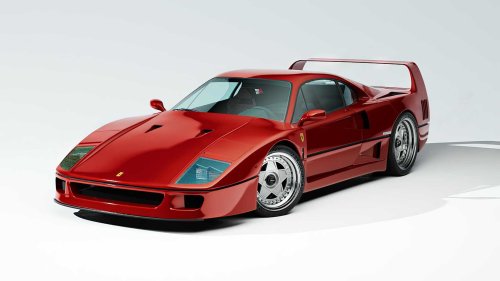
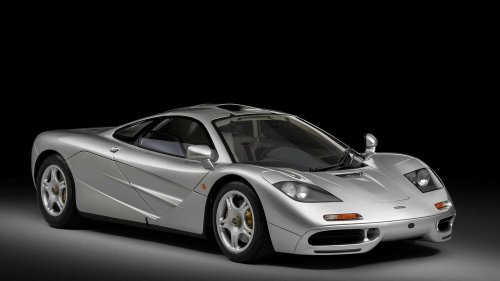
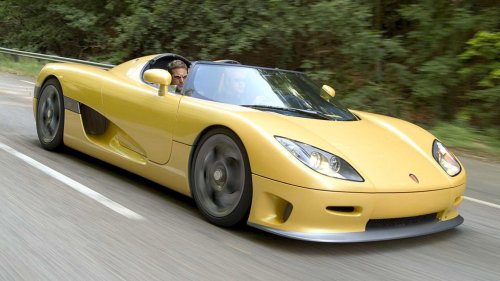
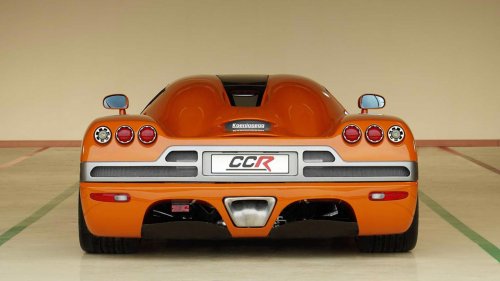
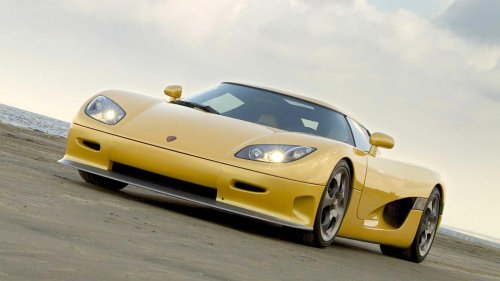
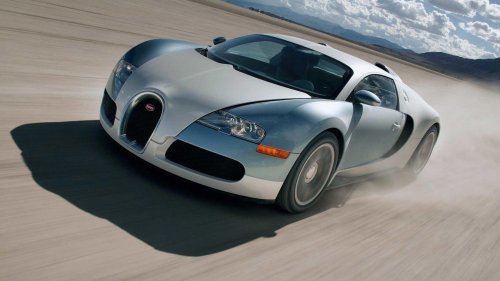



















Jump LinksIn the high-octane world of hypercars, one title commands more respect than any other: the world's fastest car. It's more than just a number, but a statement of engineering dominance that proves your vehicle is better than the rest. It's not as simple as slapping a large engine in and sending a car on its way; it takes decades of expertise, trial and error, and cutting-edge design to even give your vehicle a fighting chance, and for some, the thrill is short-lived.However, very few have been as short-lived as the Koenigsegg CCR's claim to the title back in 2005. The new kid on the block with something to prove, the company set about proving to the world that Swedish engineering could prance with horses and run with the bulls. With all the might, ingenuity, and prowess the company could muster, the car drove into the record books and rewrote the rules, only to find itself hitting the books again just a few months later. This is the story of how Koenigsegg captured greatness, and how it was taken from it just a few months later.We take a short look at the history of production speed records, before looking at how Koenigsegg captured the glory in 2005, and subsequently lost it just a short while later. The Race For Speed Was Always Fierce RM SothebysAs soon as Karl Benz's Patent-Motorwagen hit the streets, engineers were trying to see how fast the new machines could go. The early 20th century was a flurry of new designs and ideas, as happens when any new technology hits the streets, and from one year to the next, new vehicles were trading records like school kids trading cards. However, it's hard to pin down records at this time, and it was only after WWII that the records started becoming a little more official.The Jaguar XK120 was an early entrant in 1949, and, as the name suggests, boasted the ability to rocket all the way to 120 mph (with an official record slightly above 124 mph). Then came the 1955 Mercedes-Benz 300 SL with a speed of 150.7, and cars like the Maserati 500 GT, Aston Martin DB4 GT, AC Cobra, Lamborghini Miura, and more soon followed. By the 1980s, performance was starting to get truly impressive, and this is where the true superheroes separated themselves from the rest of the pack.Officine FioravantiCars like the Lamborghini Countach 5000QV, Ferrari F40, and Porsche 959 were each achieving speeds close to the 200 mph barrier, and there were even some like the Vector W8 that claimed to have surpassed it, but pinning down records has surprisingly turned out to be tricky business, one that needs serious verification to be believed.One that made big headlines was the top speed of 217.1 mph achieved by the Jaguar XJ220 in 1992, a relative failure given the company claimed a top speed of 220 mph. This "failure" was only made worse by the McLaren F1 that arrived just a few months later to resolutely capture the production speed crown with a top speed of 221 mph (and a slightly modified model hit an insane 240.1 mph in testing).McLarenAt the rate this record was changing hands, one would think it would be eclipsed a year or two later, but this top speed turned out to be the one to beat, and it was a record that stood for nearly seven years, until a small supercar startup called Koenigsegg released the follow-up its incredible CC8S that would briefly capture greatness: the CCR. The Swedish Record-Breaker KoenigseggKoenigsegg had been around since 1994, after a young Christian von Koenigsegg got the bright idea he could build a better supercar than the rest. This started with the introduction of the prototype CC in 1996, a car that turned into the CC8S by the time it was on sale in 2001. It was an incredible introduction, one only made more famous by the recent CC850 of today, but the company was quietly cooking up something stronger.KoenigseggThe CCR was unveiled in 2004, and it was a wild, uncompromising machine. It featured a 4.7-liter, twin-supercharged Ford V8 that was heavily modified in-house and had a curb weight just north of 2,600 lbs thanks to extensive use of carbon fiber and lightweight components. With 806 horsepower and 678 lb-ft of torque, it was a rocketship, and thanks to the myriad aerodynamic, brake, and tire upgrades, it was ready to hunt down some records.In February 2005, the company took the CCR to the Nardò Ring to capture a world record. This wasn't some normal track, but a 14-mile asphalt circle designed primarily to test the speed of any automaker brave enough to show up. This presented challenges, mainly that the car needed to be turning constantly throughout the entire run, and after a week of trial and error, things weren't looking good.However, on February 28, 2005, the Koenigsegg CCR achieved a world-record top speed of 241.01 mph, verified by the Guinness Book of World Records. Conditions that day weren't ideal, as it was only about 37 degrees outside, but the changes the engineers had put in place for the company to roar past the F1 into the record books; a monumental achievement for a company with less than 50 employees at the time. According to the company, after the record was achieved, the vehicle was immediately packed up and sent to Geneva, where it was put on display at the Geneva Auto Show for all the world to see. A Title Lost Almost As Soon As It Was WonKoenigseggUnfortunately for Koenigsegg, the celebration was short-lived. See, around this time, Bugatti had been teasing its new hypercar, the very first since Volkswagen took ownership of the brand. It was meant to sport some widely impressive technology, including AWD and a bonkers W16 engine, and it could trace its roots back to a Volkswagen concept called the W12 Synchro that arrived in 1997. This concept came in a few variants over the years, but the W12 Nardò that arrived in 2001 was a warning sign that someone else was ready to capture the crown.BugattiIn 2005, the Bugatti Veyron 16.4 arrived, and it wasn't leaving any prisoners with a gorgeous, hand-built design, a cutting-edge dual-clutch automatic transmission, a permanent AWD system, and a curb weight north of 4,100 lbs. One would think this would make the model a bit of a dog, but the 1,001-hp, quad-turbo W16 engine made sure to quiet all the haters.Just a little over two months later, on April 19th, 2005, the CCR's world record was broken. The Veyron stole the record for itself at Volkswagen's Ehra-Lessien test track in Germany, with a verified two-way top speed of 253.81 mph, beating the CCR's record by over 12 mph. The "two-way" part is important because it means the top speed wasn't a fluke, something some have claimed for the CCR's top speed attempt. This probably would have garnered more scrutiny had it not been beaten so quickly, but it goes to show you can never get too comfortable at the top. A Forgotten Legend Or A Brief Glimpse Of Greatness? KoenigseggHowever, Koenigesegg didn't get beaten down by this loss, it used it as motivation. Engineering and improvements continued, and the CCR turned into the CCX, a car with even more refinement and performance. This turned into the Agera, the Regera, and finally the Jesko. Throughout this time, the company never lost sight of the engineering principles that had made it great and proved that innovation and courage can triumph in a world dominated by conglomerates.KoenigseggIn hindsight, the CCR really signified a transition point in the hypercar wars. It bridged the analog precision of the McLaren F1 with the technological dominance of foes like the LaFerrari and McLaren P1, and it would go on to create a dynasty for the Swedish "megacar" maker that would culminate with the Agera RS, which in 2007 took the production car speed record with two-way average of 277.87 mph in an independently verified run. No controversy this time.And the brand isn't finished. With the hype of the Gemera on the way, the company hasn't forgotten about the Jesko, and has been racing up speed and acceleration records in its name over the past few years. Last year, Christian von Koenigsegg said he plans to go for the holy grail record in the near future – breaking the monumental 300 mph barrier – and the only thing standing in his way is getting tires that can hold up to the incredible speed. If he can manage this, there's no taking his name out of the record books, and we know he's spurred on by the success achieved by the CCR all those years ago.Sources: Koenigsegg