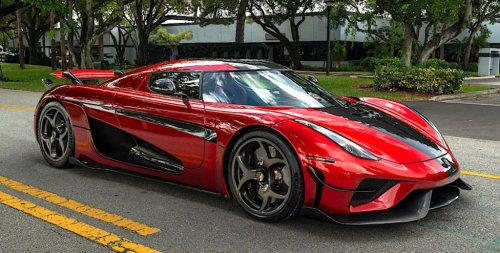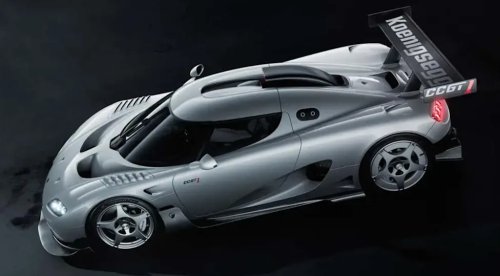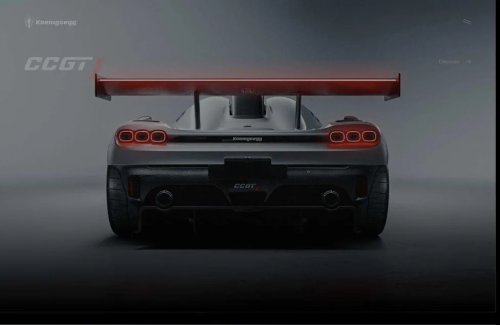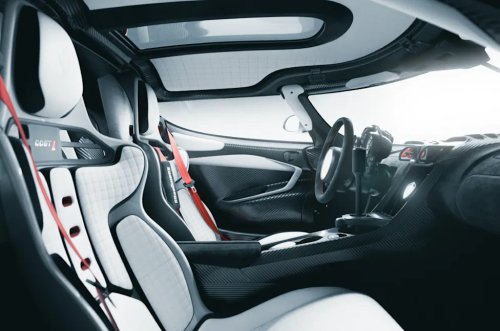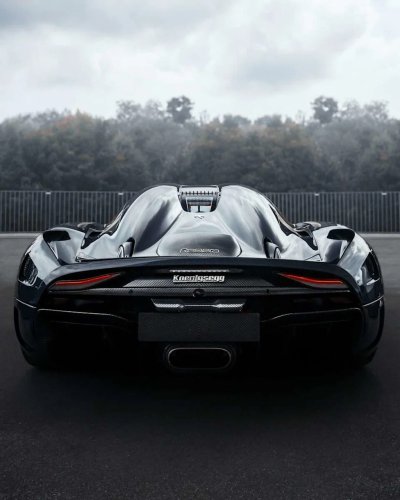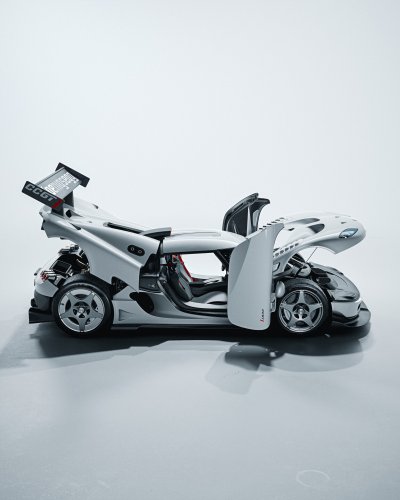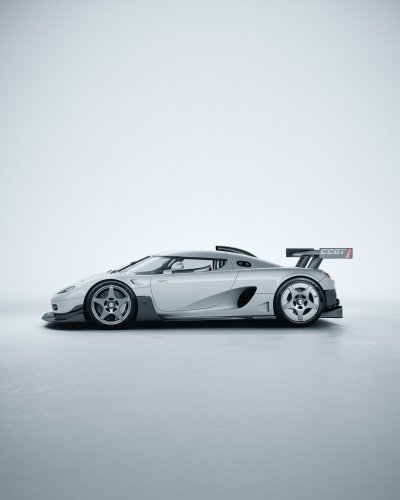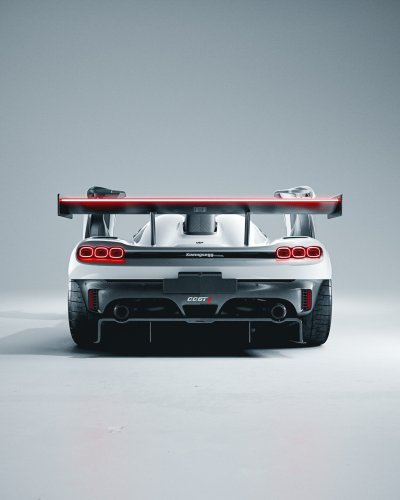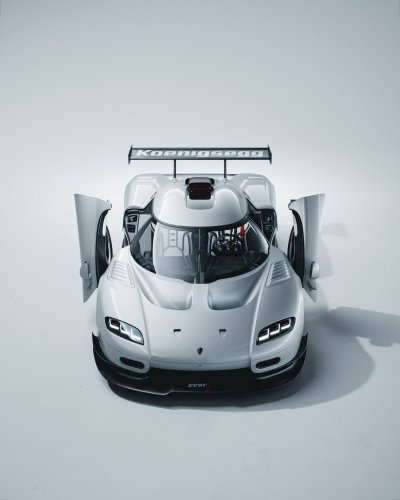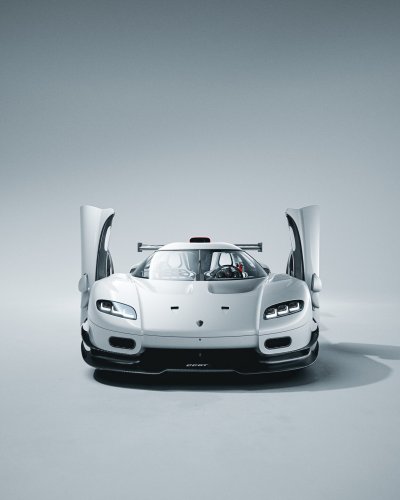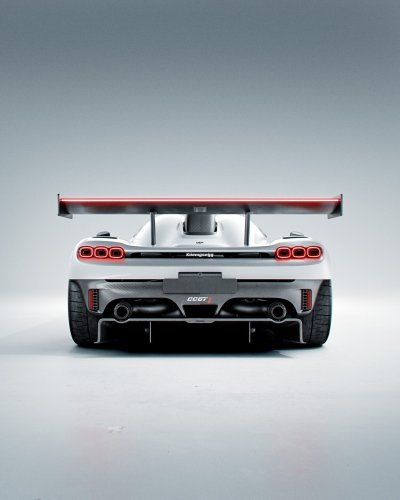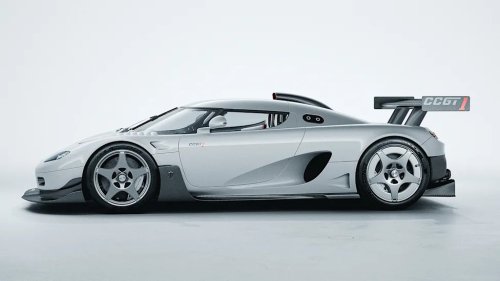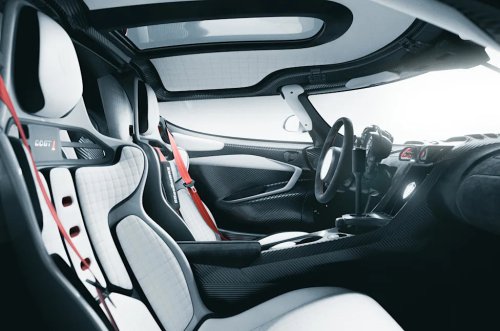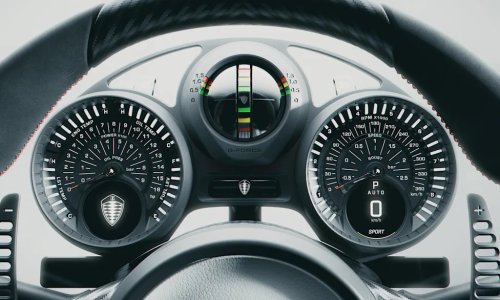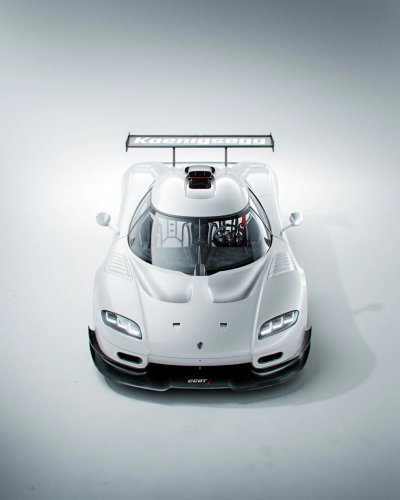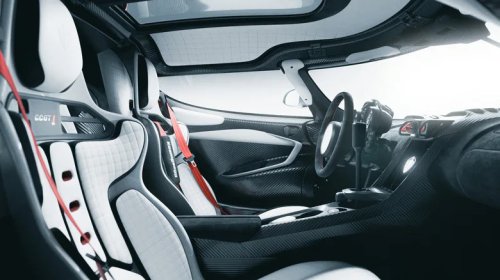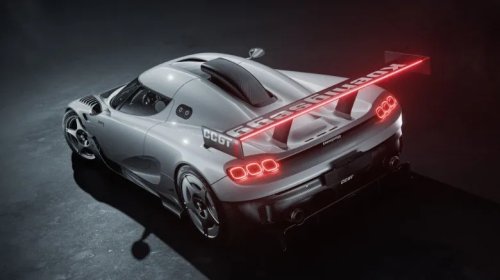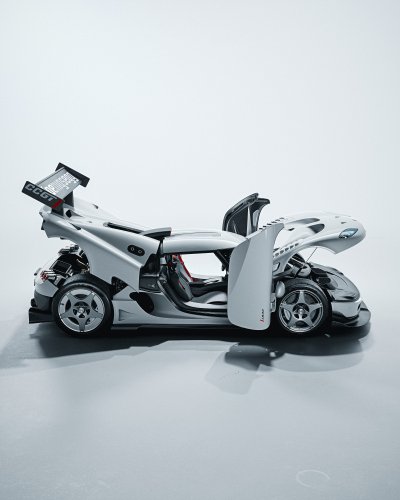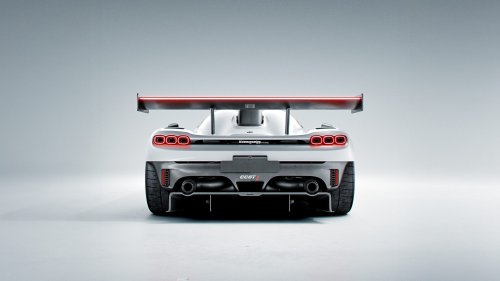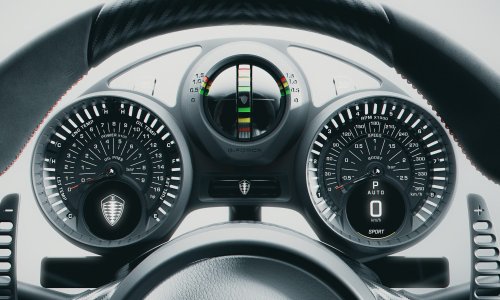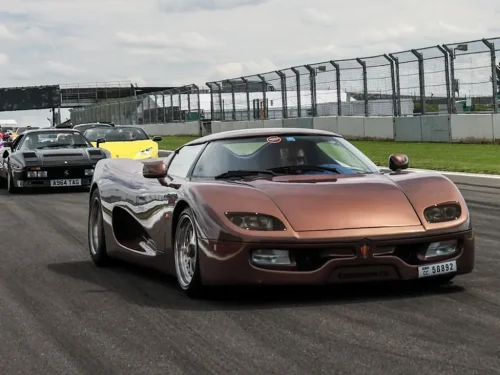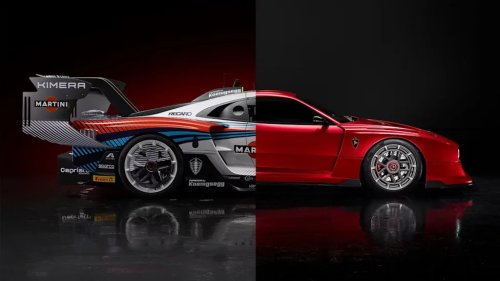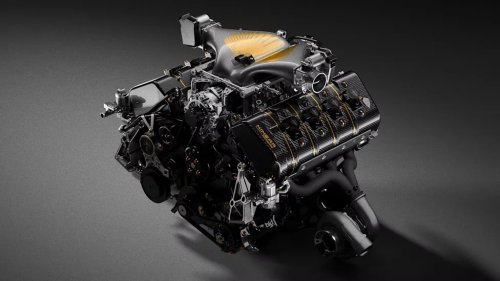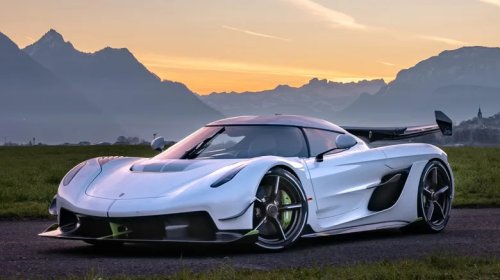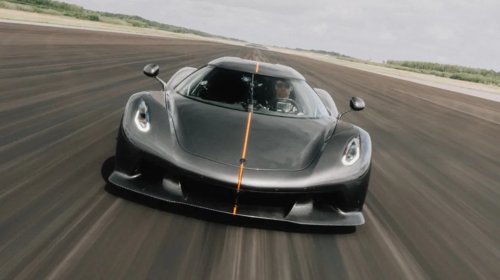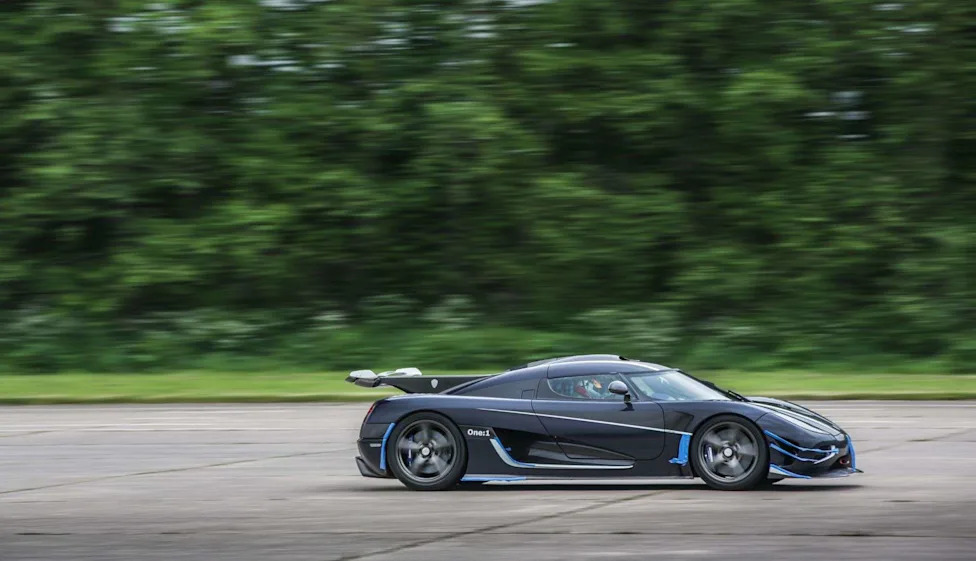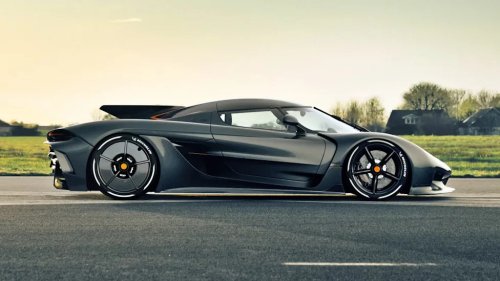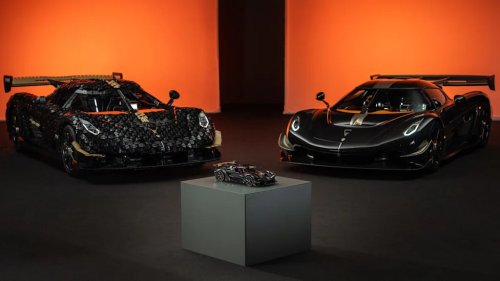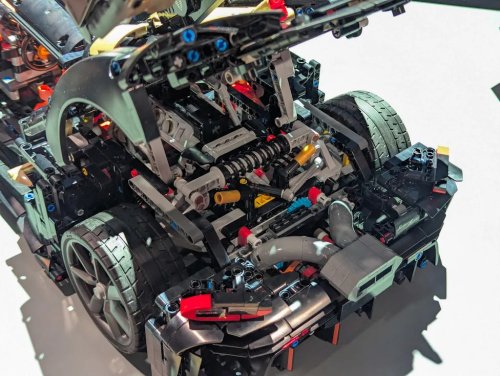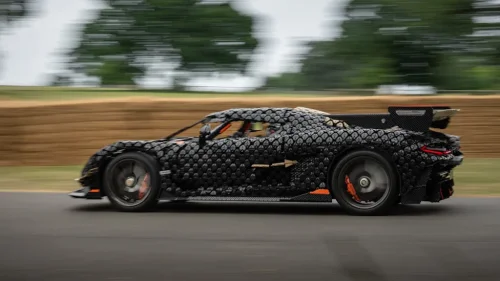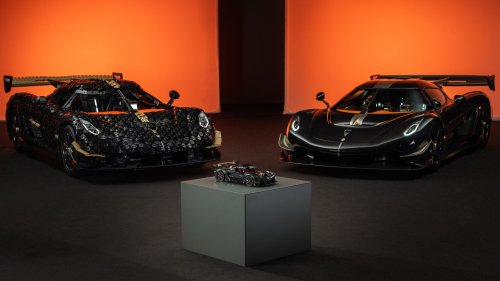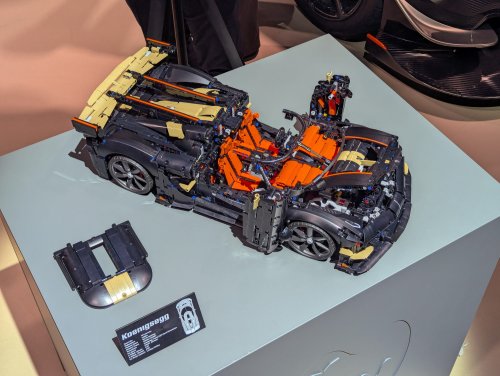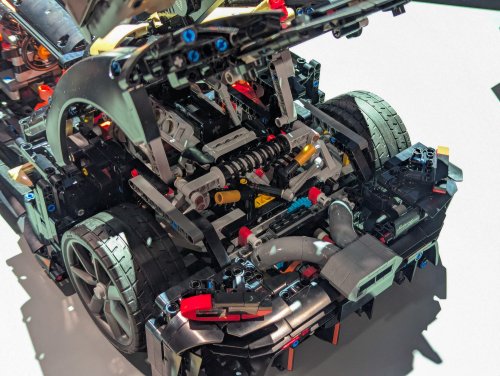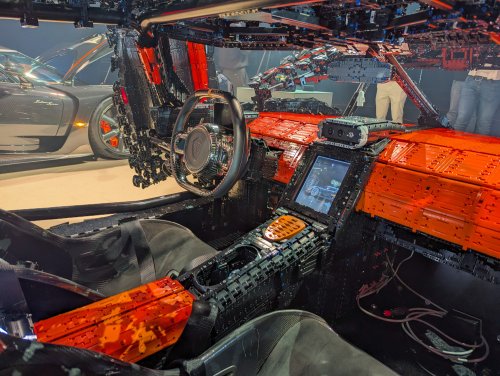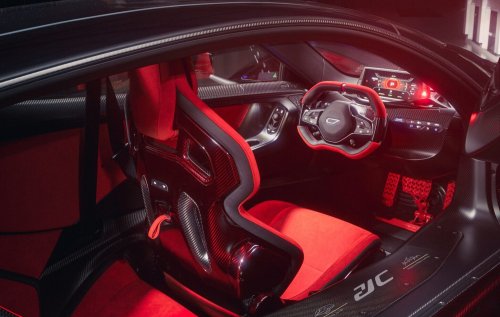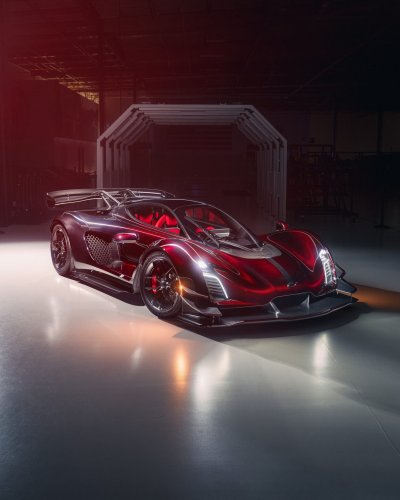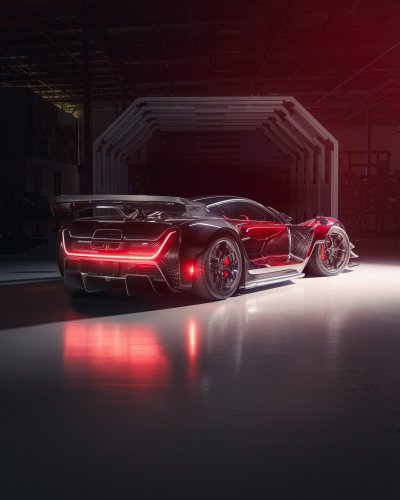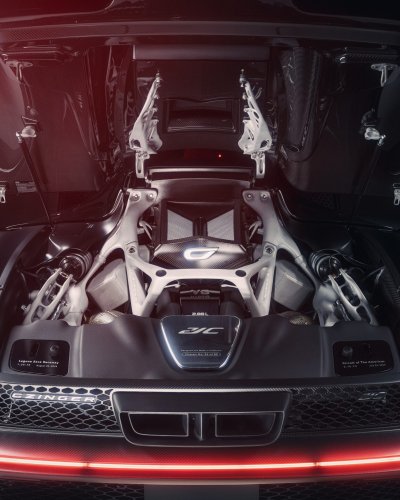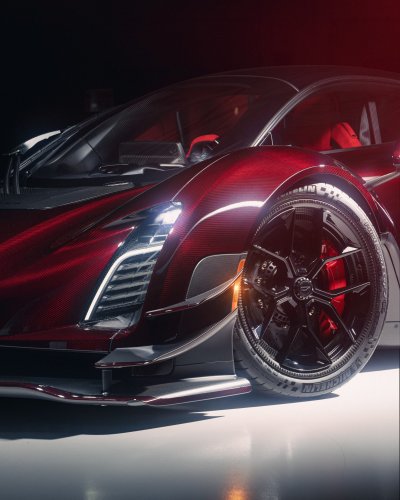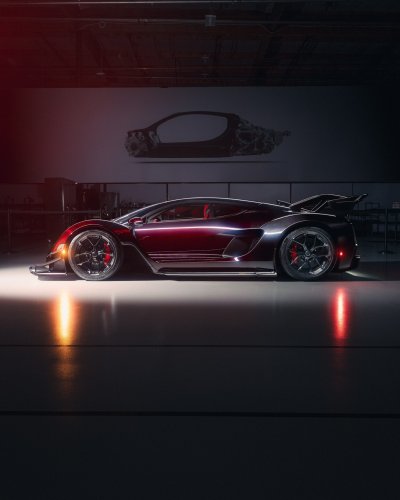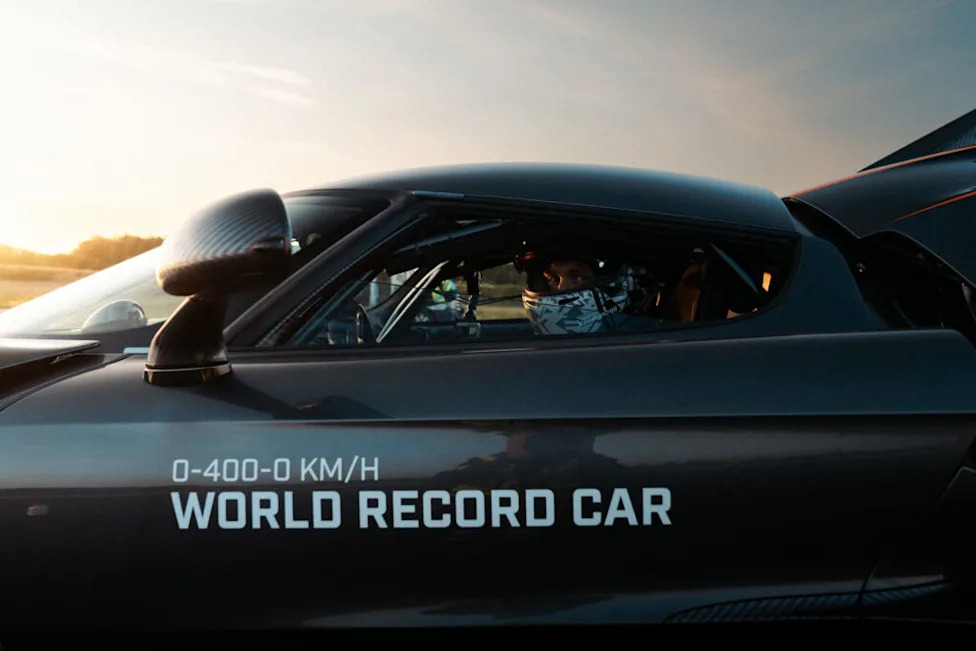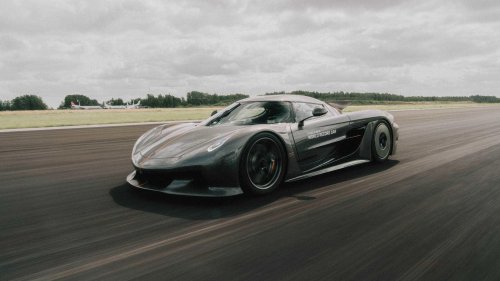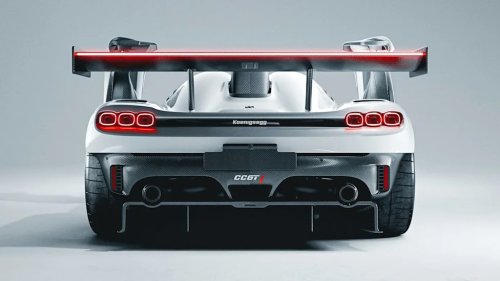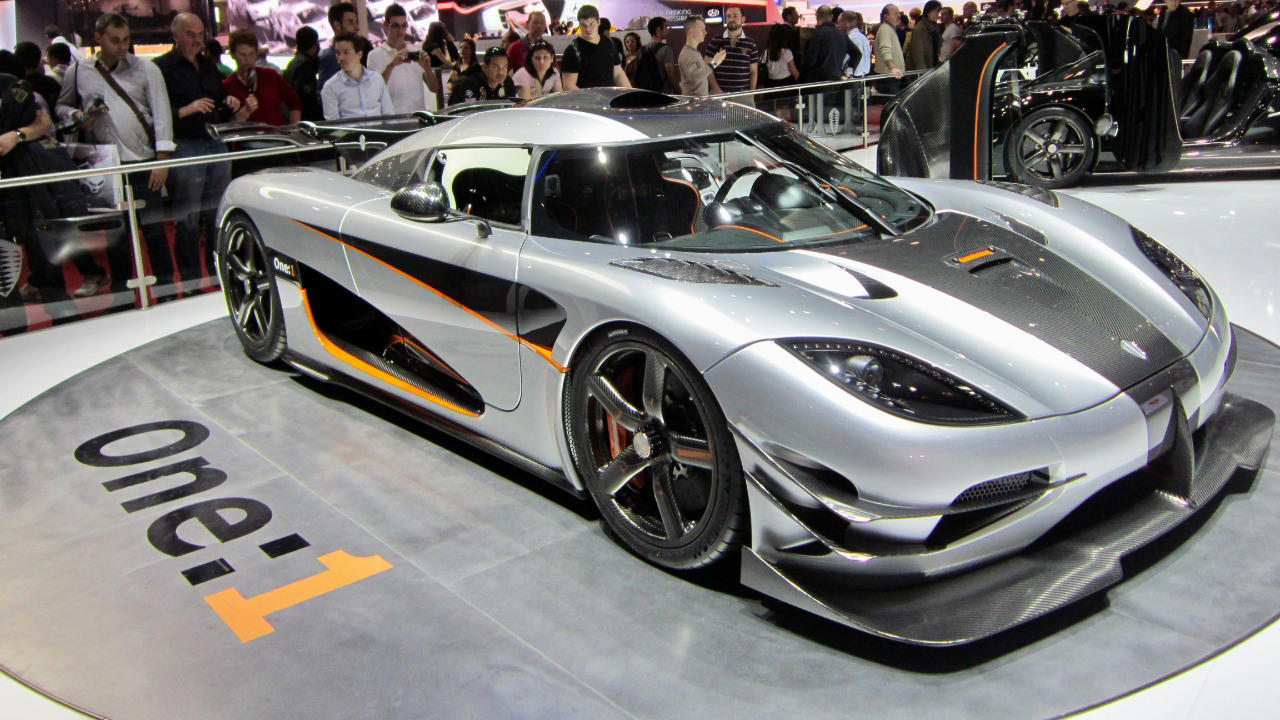



















Koenigsegg One:1 debuted with 1 megawatt, or 1,360 hp, of powerThe Koenigsegg One:1 arrived as a statement of intent, pairing 1 megawatt of power with a target top speed that challenged the limits of what a road car could be. With 1,360 hp on tap and a power figure expressed in kilowatts rather than horses, it reframed the language of performance as much as the numbers themselves. Built in tiny numbers and engineered with the focus of a racing prototype, it also marked a turning point in how hypercars balance outright speed, track capability, and even fuel technology. From ambitious idea to “Megacar” reality Koenigsegg describes the Koenigsegg One as the first fully homologated production car to achieve a one-to-one ratio between metric horsepower and curb weight in kilograms. That simple equation gave the car its name and its mission: 1,360 hp from a twin-turbocharged V8, matched to roughly 1,360 kilograms including fluids and driver. The official Overview notes that the One:1 was built between 2014 and 2015 in a run of only six customer cars, with one additional factory development example. That scarcity, combined with the unprecedented power-to-weight figure, is why Koenigsegg refers to it not as a supercar but as part of a new category of “Megacars.” For Koenigsegg, the One:1 represented a significant step up over earlier models in both output and ambition. Reporting on the project highlights that the Koenigsegg One was developed with a simulated top speed of 273 mph, although the company focused more on track performance than on a single headline run. Engineering a 1 megawatt monster Under the rear deck, the One:1 uses a 5.0 liter V8 with twin turbochargers that Koenigsegg had already proven in earlier cars, but heavily reworked for higher boost and improved breathing. In official comparisons, the engine is credited with 1,341 hp and 1,011 lb ft of torque, figures that appear verbatim in a detailed Engine & Performance breakdown. Koenigsegg rounds those numbers to 1 megawatt and 1,360 hp for the purposes of the car’s identity. The chassis and drivetrain were tailored around that output. Technical summaries list a 5.0 L Twin Turbocharged V8, rear mid mounted, sending power through a 7 speed dual-clutch automatic to the rear wheels, with the Chassis / Drivetrain designed to keep weight low while handling the immense torque. Koenigsegg’s own materials describe how Christian von Koenigsegg approached the powertrain with a mix of aggression and efficiency. The company highlights that the One:1 uses advanced control strategies and a sophisticated power transfer system, built around a 7 speed dual-clutch with paddle shift and an electronic differential, to keep the car manageable on both road and track. In a technical section where Christian von Koenigsegg explains the philosophy behind the car, the brand also emphasizes its early adoption of biofuel capability. The One:1 is presented as “Meaner and greener,” with meaner performance paired to the option of running on E85, which allows higher boost and cooler combustion. Aerodynamics, track focus, and real-world performance Koenigsegg did not chase the 1 megawatt figure in isolation. The bodywork of the One:1 is filled with active aerodynamic elements, including a large rear wing, movable flaps, and a reprofiled front end, all designed to increase downforce on circuit. A detailed feature list for The One cites unique track-optimized aero, active ride height, and Koenigsegg Aircore carbon fiber wheels, which reduce unsprung mass. Under braking, the rear wing can change its angle to stabilize the car and shorten stopping distances. A profile of the Koenigsegg One:1 notes that the wing folds under braking to provide maximum downforce at the rear, which significantly improves stability and allows the massive ceramic brakes to work at their full potential. On paper, the One:1’s acceleration and speed figures remain extraordinary. Performance comparisons state that it accelerates from 0 to 248 mph and back to zero in a time that challenged circuit records, with the same Koenigsegg One specifications describing it as one of the fastest vehicles on the planet at the time. Koenigsegg’s own social channels later referred to the Geneva reveal as a “mic drop,” stressing that the Koenigsegg One was the first fully homologated production car in history with a 1:1 power-to-weight ratio. Legacy of a Swedish outlier Within Koenigsegg’s own history, the One:1 sits as a bridge between the earlier Agera-based models and later cars such as the Jesko. A brand timeline highlights the 2014 Koenigsegg One as the first production car with a 1:1 power-to-weight ratio, clarifying that six customer cars were built along with one factory-developed model. The One:1’s cultural impact extends beyond spec sheets. Enthusiast coverage, including video features such as the Chronicles of Koigg, treats the car as a benchmark Swedish hypercar with a price tag in the region of several million pounds and an aura that even later models struggle to eclipse. Koenigsegg’s own news channels and social presence reinforce that the company now uses the term “Megacar” across its range, but the One:1 remains the origin of that branding. The official Koenigsegg account continues to reference the model when highlighting the brand’s engineering milestones. More from Fast Lane Only Unboxing the WWII Jeep in a Crate 15 rare Chevys collectors are quietly buying 10 underrated V8s still worth hunting down Police notice this before you even roll window down