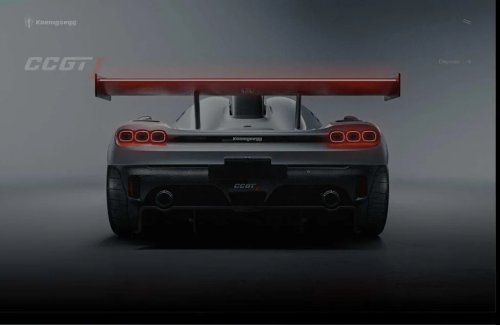
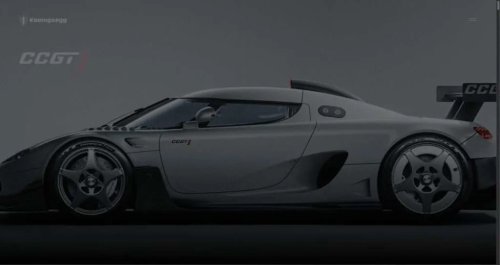
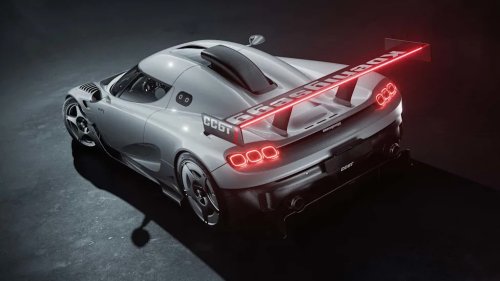
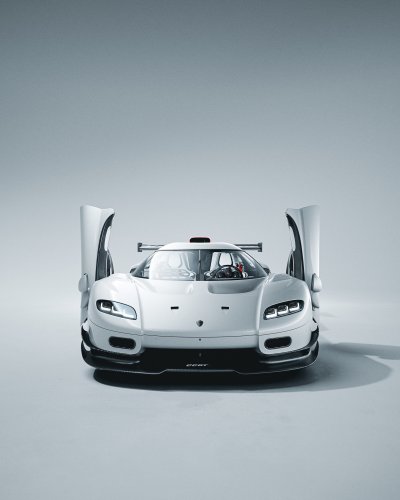
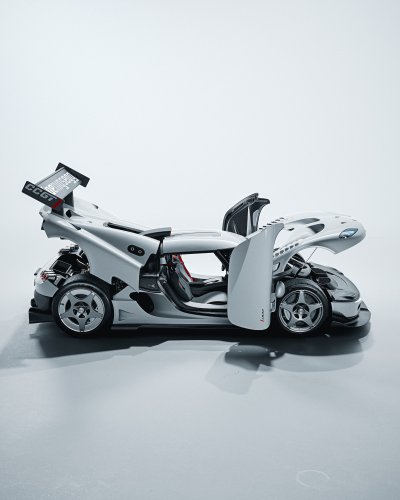
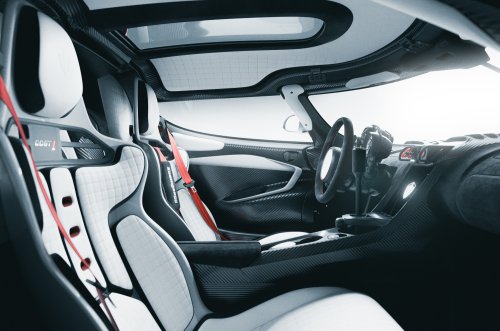
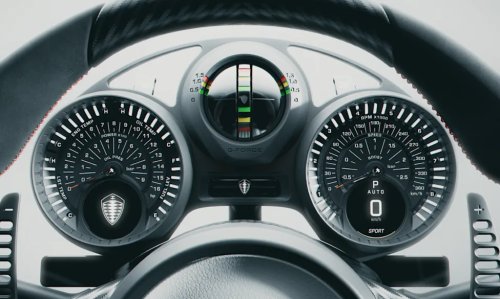
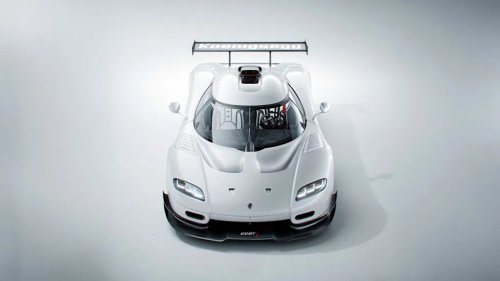
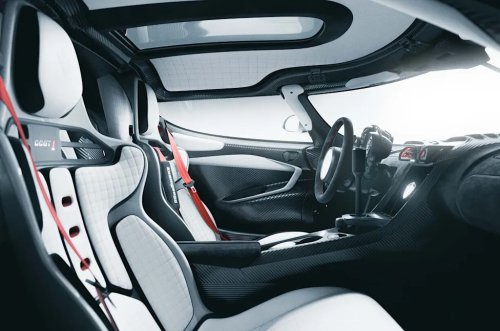
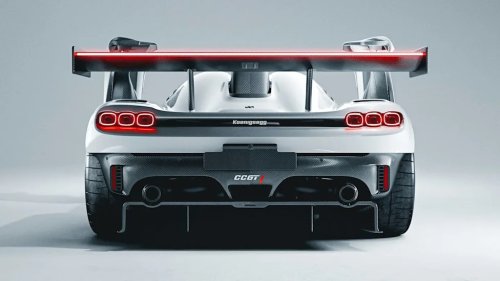
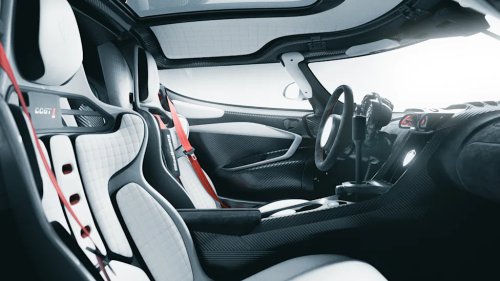
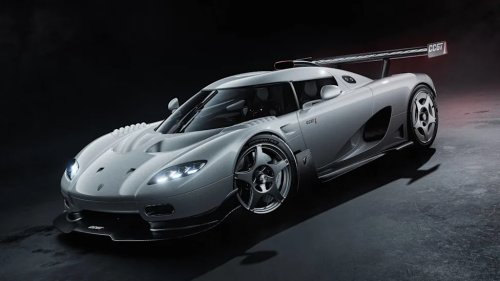
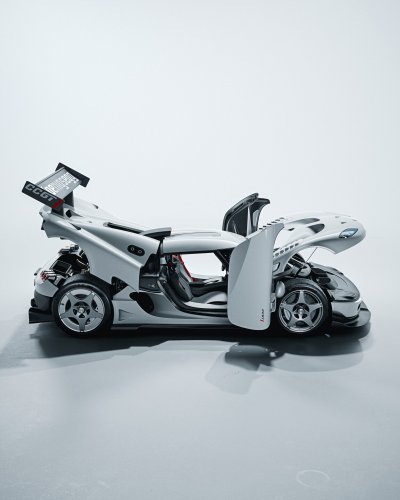
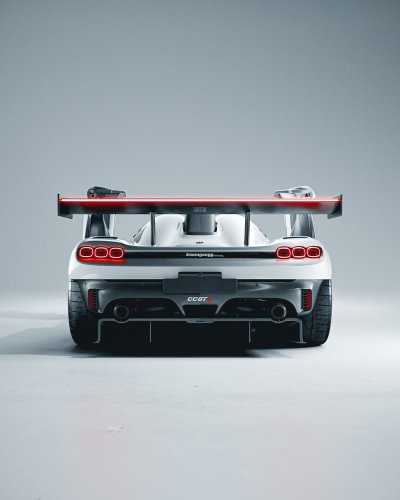
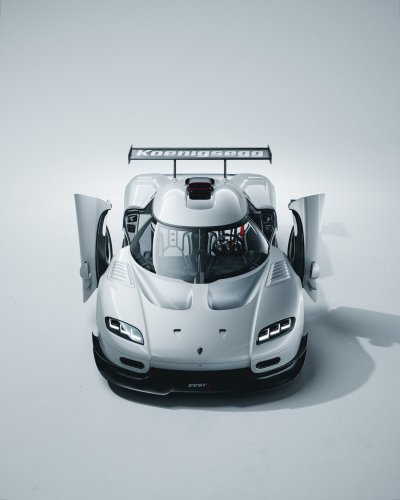
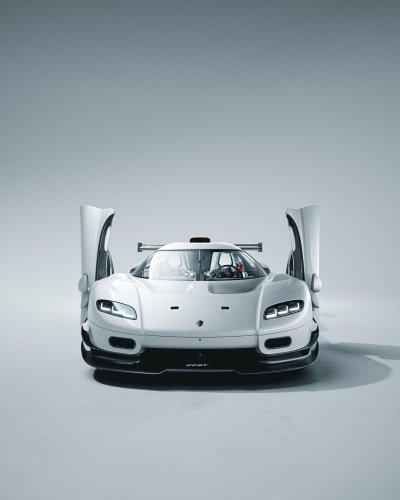
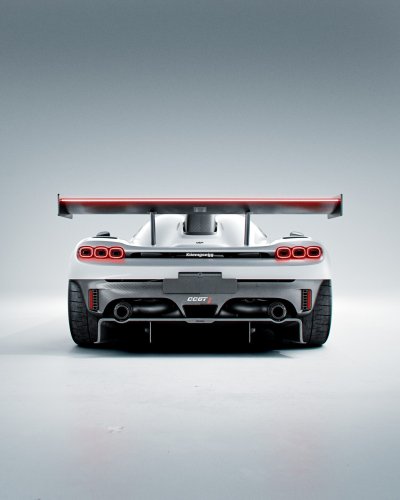
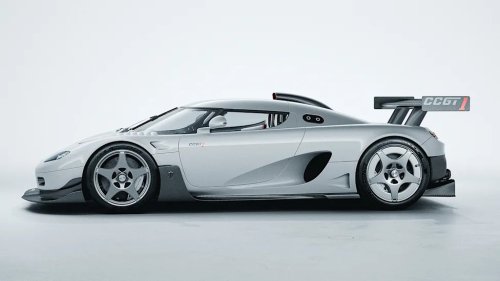
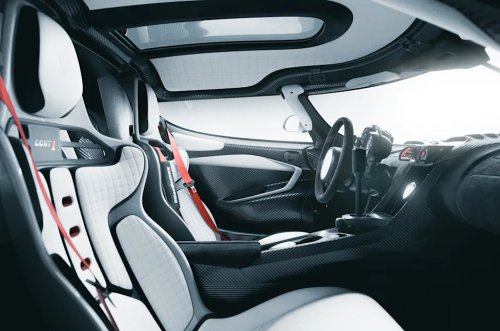
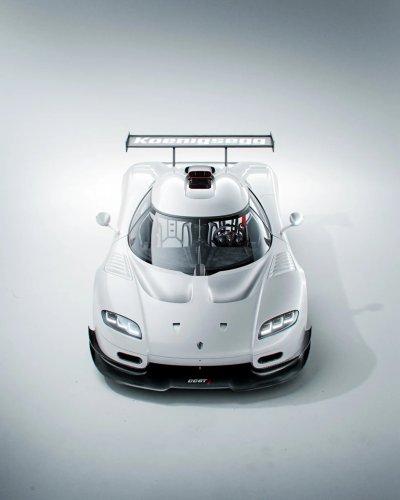
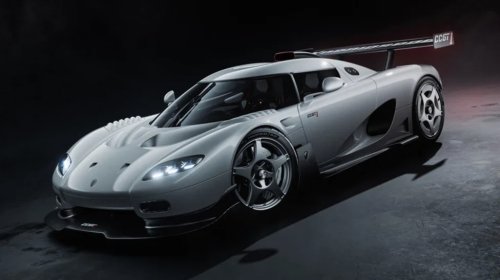
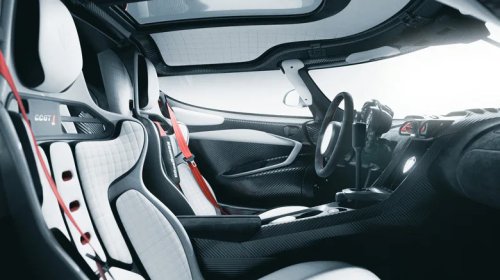
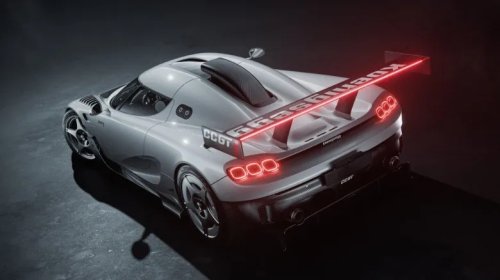
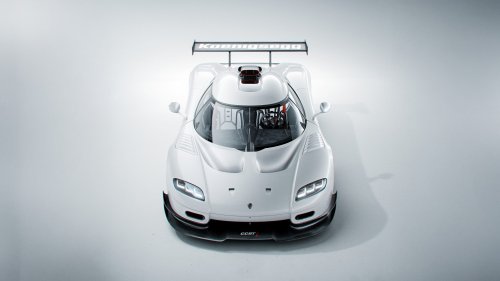
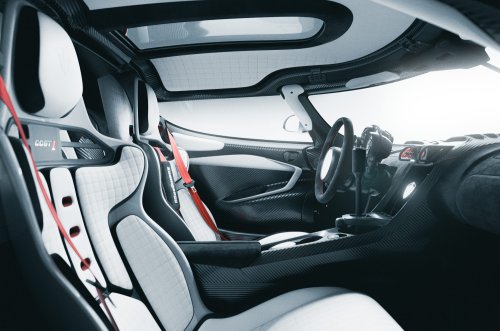
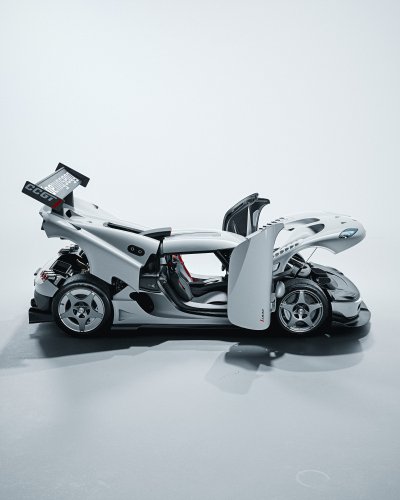
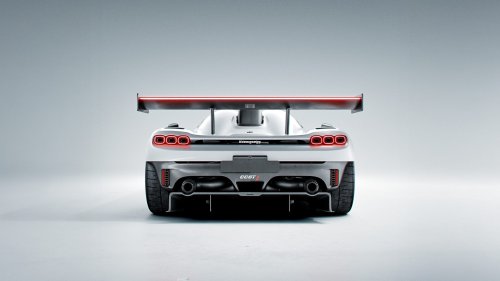
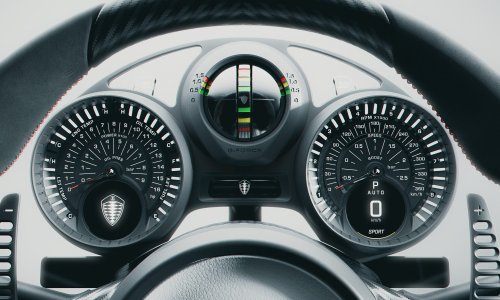
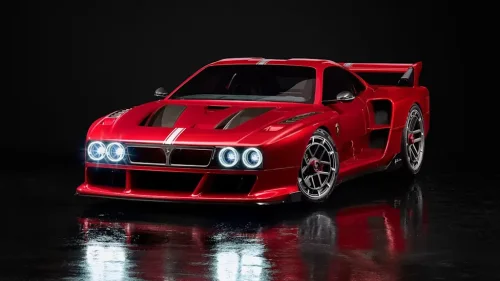
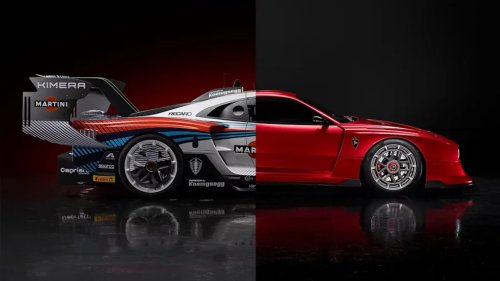
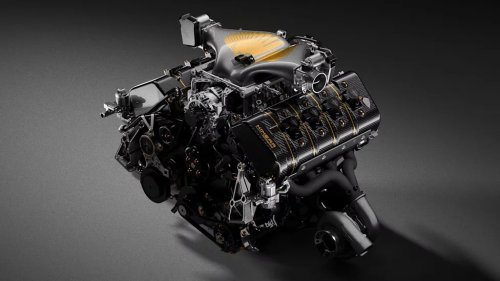
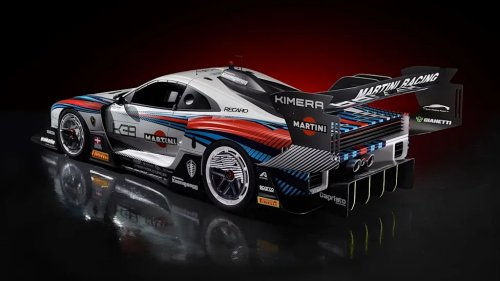
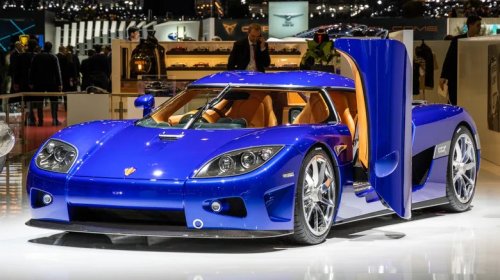
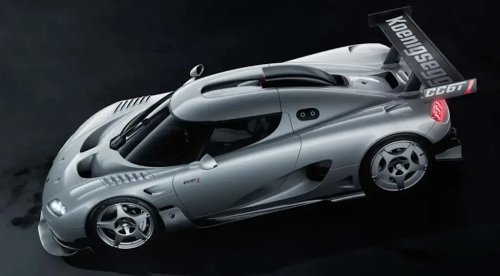
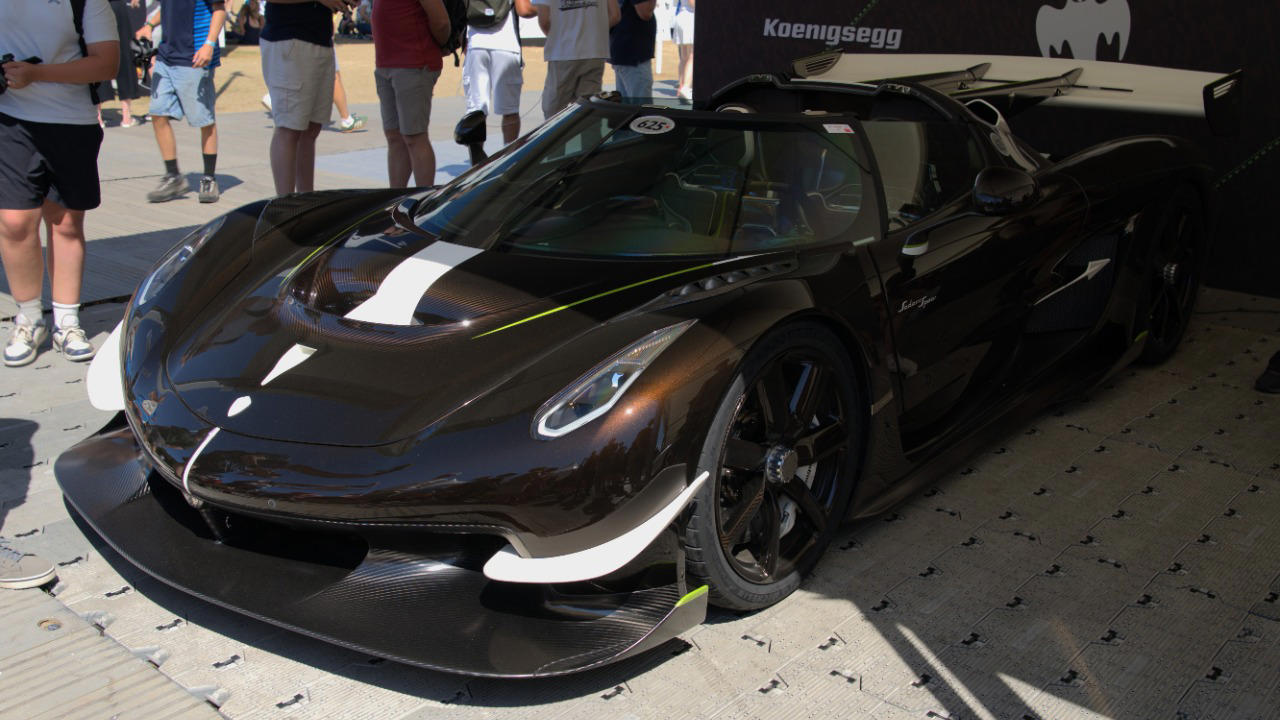
Koenigsegg weighs an IPO as it looks to scale $4M hypercar outputKoenigsegg is edging toward the public markets just as its $4 million hypercars are stretching the limits of performance and price. The Swedish marque is exploring a stock listing not as an exit, but as a way to scale production, fund new technology and broaden a business that has long thrived on scarcity. Such a shift would test whether public investors are ready to back a company built on 30-unit runs and experimental powertrains rather than mass volumes and predictable model cycles. IPO groundwork behind the scenes The clearest sign that Koenigsegg is preparing for life as a listed company is the arrival of outside capital on public-market terms. The Swedish hypercar maker sold just over 6 percent of the business to Chieftain Capital for €50 million, a deal that implied a valuation of about €1 billion and brought in investors comfortable with a future flotation. To deepen that expertise, the Koenigseggs have also hired a pair of veterans of the 2021 Volvo IPO, signaling that the company is building a bench that understands disclosure rules, investor expectations and the discipline of quarterly reporting. Chief Operating Officer Halldora von Koenigsegg has framed these moves as preparation rather than a countdown, stressing that a listing would serve long term growth and financing options rather than a quick cash-out for founders. News that Koenigsegg Automotive AB is looking to raise money via an IPO has already sparked speculation that some shareholders are seeking liquidity, yet the messaging from the operating leadership points to continuity, not a handover. Scaling a business built on scarcity The strategic question is how far a company that trades on ultra-low volumes can scale without diluting its appeal. Koenigsegg has built its reputation on cars such as the 2026 Koenigsegg Sadair’s Spear Is the Pinnacle Hypercar, a model capped at 30 Units Only that functions as much as a technology demonstrator as a product line. Projects like that are expensive to engineer and certify, and they lock in capital for years before any revenue arrives, a structure that makes access to equity markets attractive if the brand wants to run several programs in parallel. The company is already stretching beyond pure top speed bragging rights. Reporting under the banner Koenigsegg Looking Beyond has detailed internal discussions about a more affordable supercar that would sit below the flagship hypercars, a move that would require more consistent production, a broader supplier base and likely a different sales model. Those ambitions align with the logic of an IPO: a larger capital pool in exchange for a more predictable growth path. Technology bets that need capital Beyond new model lines, Koenigsegg is investing in powertrain technology that sits outside the mainstream push to full battery electric vehicles. On social channels, the Koenigsegg CEO has highlighted a Dark Matter electric motor that targets 800 horsepower and 922 pounds of torque from a unit weighing just 88 pounds, a combination that would give hybrid hypercars a dramatic power density advantage over rivals that rely on heavier systems. Follow-up commentary has described Dark Matter for short, violent bursts of hybrid power rather than continuous cruising, with efficiency framed as a secondary benefit to outright performance in what one post called a “mic drop” for Lucid. Christian von Koenigsegg has also signaled that a new car coming in 2026 will not be an EV because he sees pure battery cars as “like robots”, a stance reported in an interview that framed Koenigsegg as committed to characterful hybrids rather than silent range-focused machines. Developing proprietary motors, transmissions and control software at this level is capital intensive, particularly when each generation is produced in tiny volumes, and a public listing would give Koenigsegg the option to fund these programs without relying solely on customer deposits and private investors. What public ownership could change For buyers who already have deposits on multi-million-dollar cars, the prospect of an IPO raises questions about how the company might evolve under public scrutiny. Sports car manufacturer Koenigsegg has signaled that a listing in the coming years would also give employees a chance to participate as shareholders, a cultural shift from a tightly held founder-led structure. Coverage by Brad Anderson has framed the potential float as the next big launch for Koenigsegg, one that would allow fans to own a small slice of the brand even if they never get near a build slot. At the same time, commentary under the banner Hypercar Legacy Could has raised the possibility that a broader shareholder base will push for models that bring Koenigsegg into direct competition with established supercar makers on price and volume. For now, the signals remain carefully calibrated. Mar communications from the company, amplified through Khac Phu Nguyen Follow and others, stress that the IPO discussion is about giving Koenigsegg more tools to pursue its agenda rather than diluting the DNA that made Its hypercars famous. Market acceptance will determine whether Koenigsegg’s future is shaped by both financial performance and engineering achievements. More from Fast Lane Only Unboxing the WWII Jeep in a Crate 15 rare Chevys collectors are quietly buying 10 underrated V8s still worth hunting down Police notice this before you even roll window down



















 +52 others