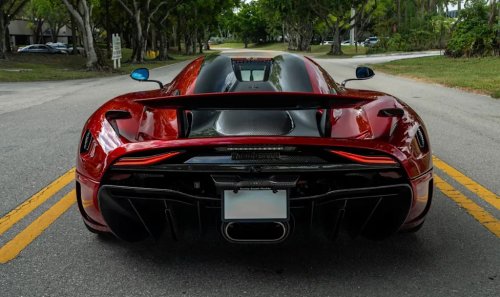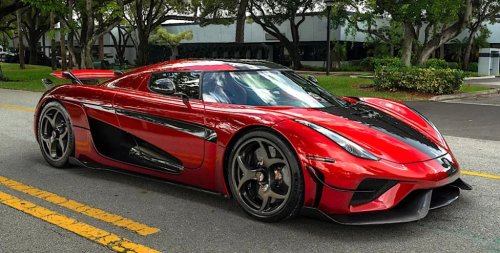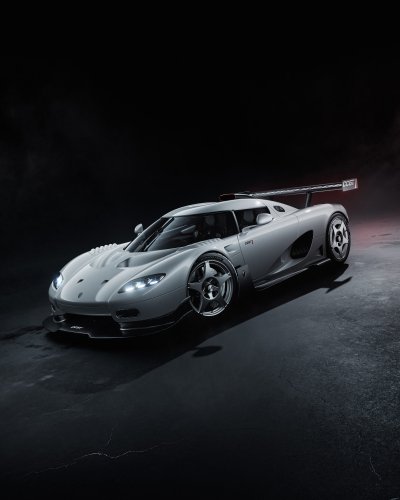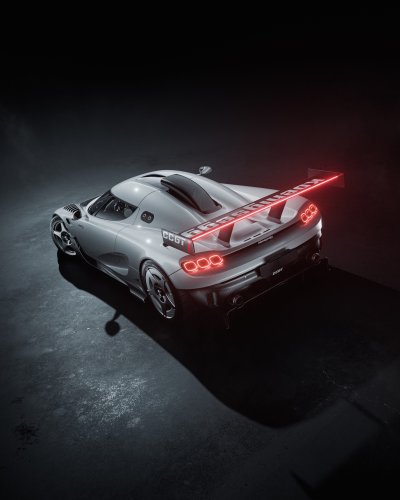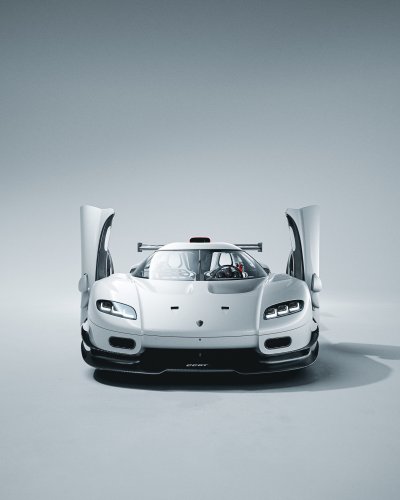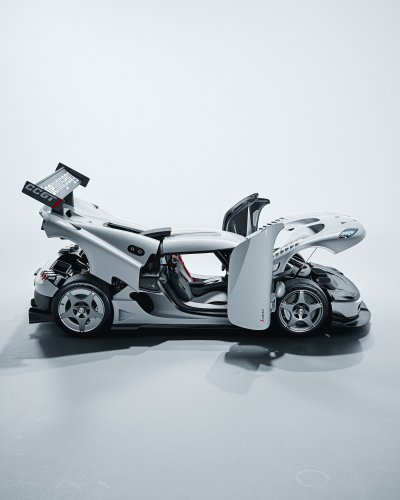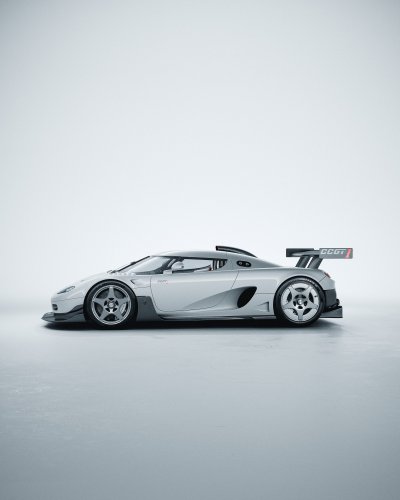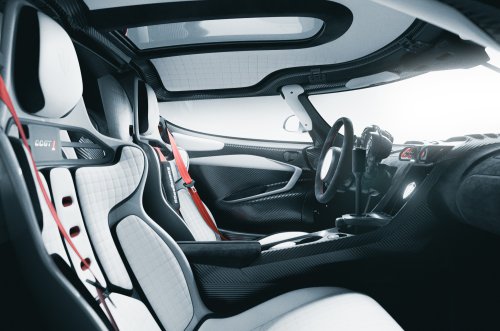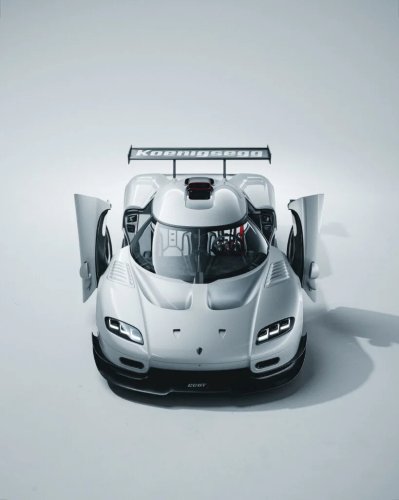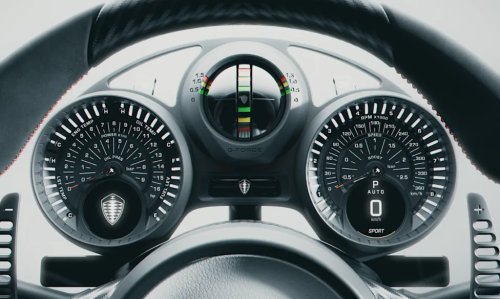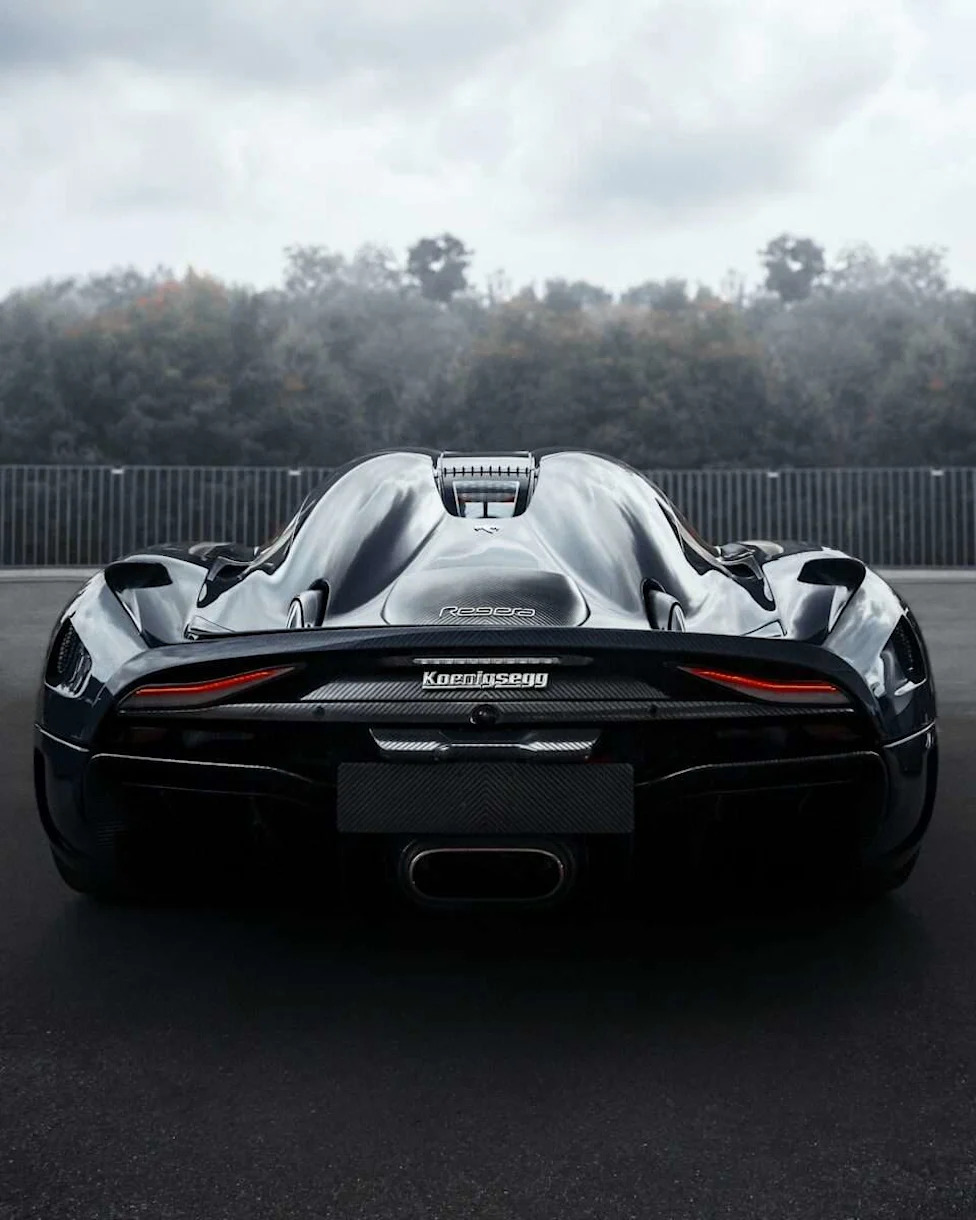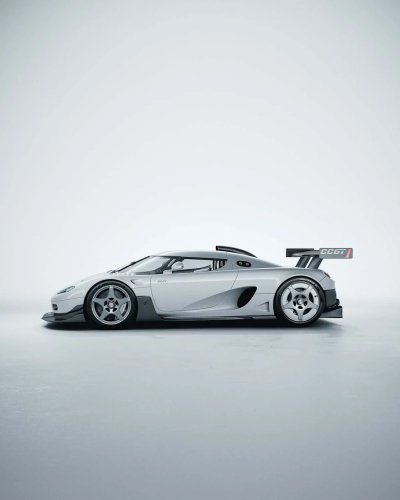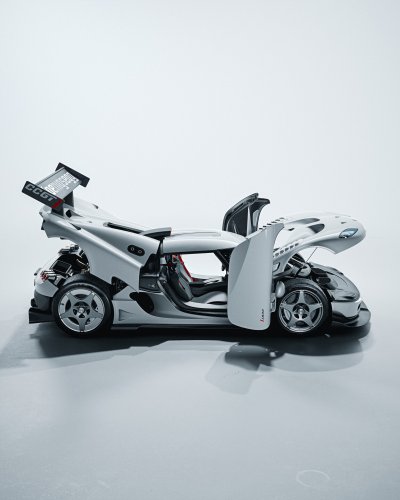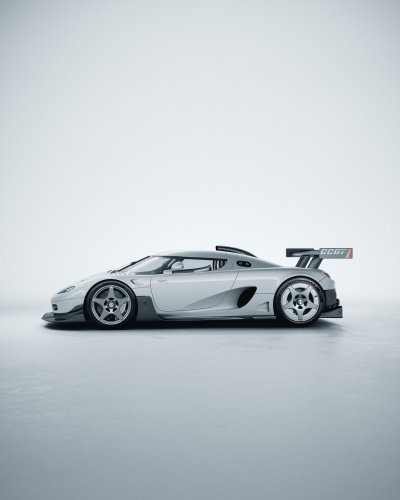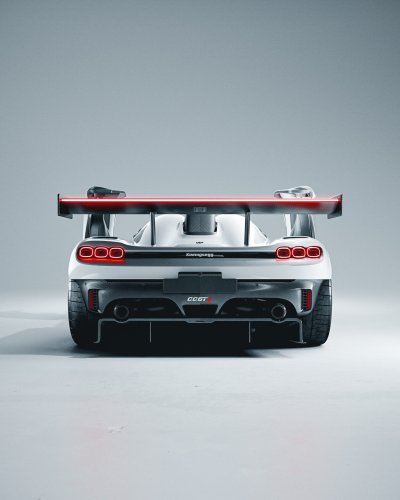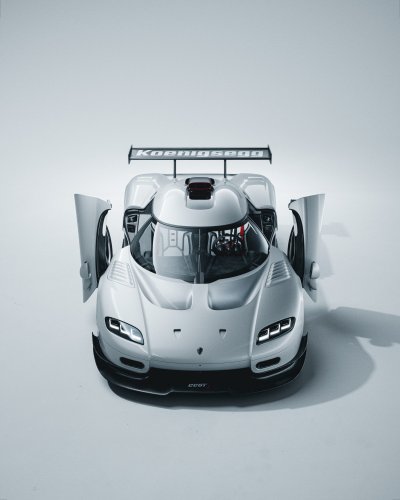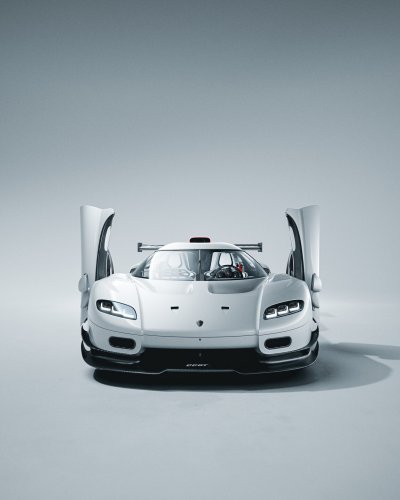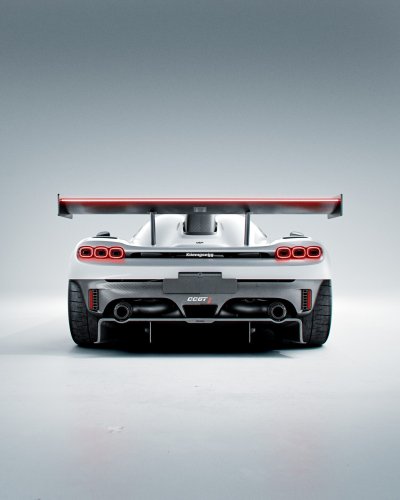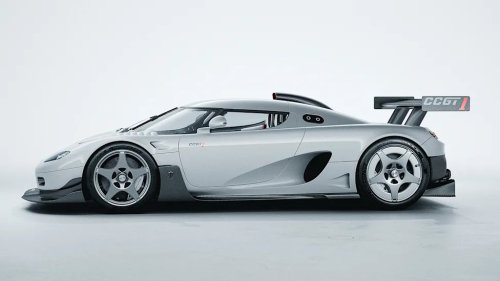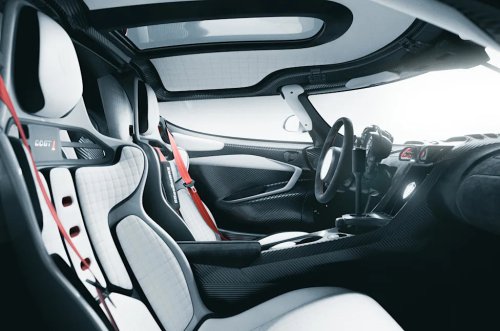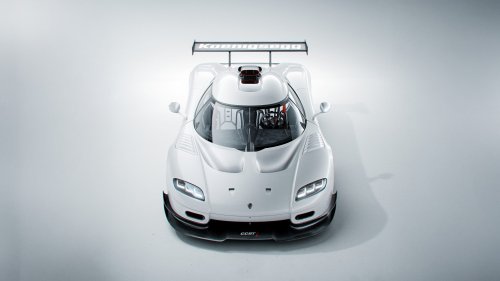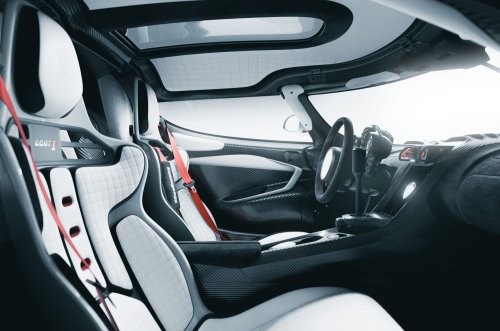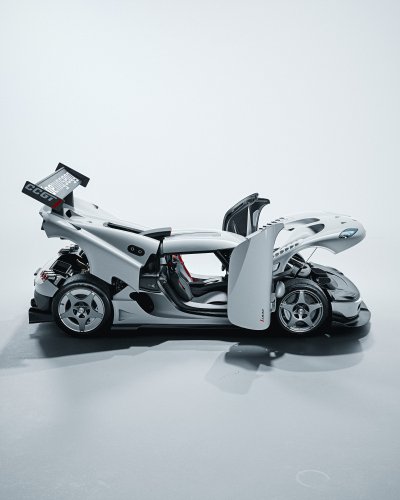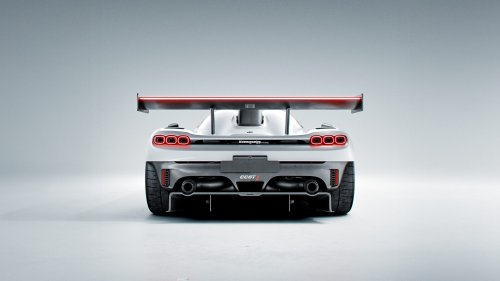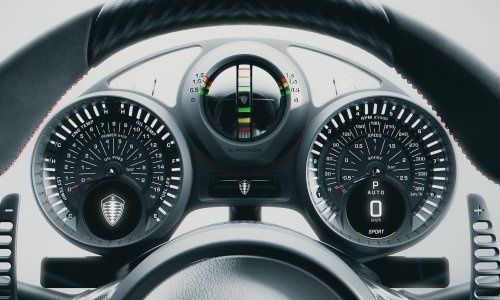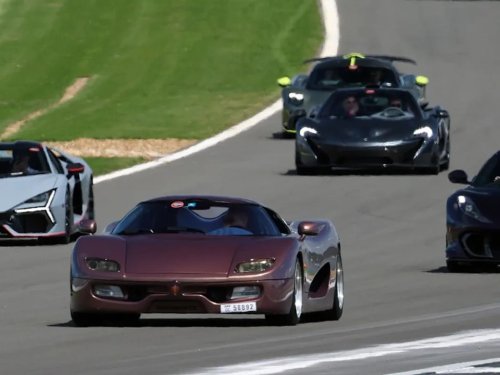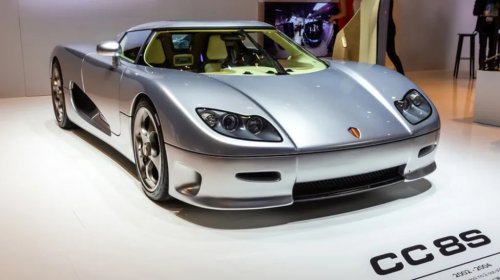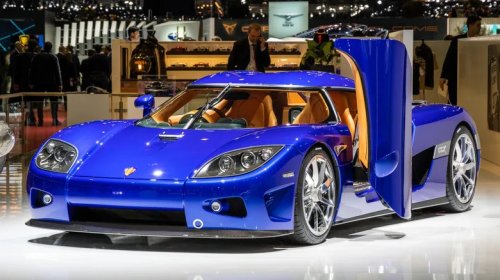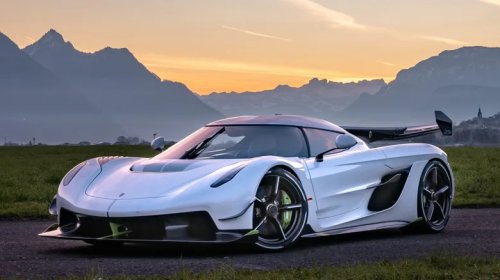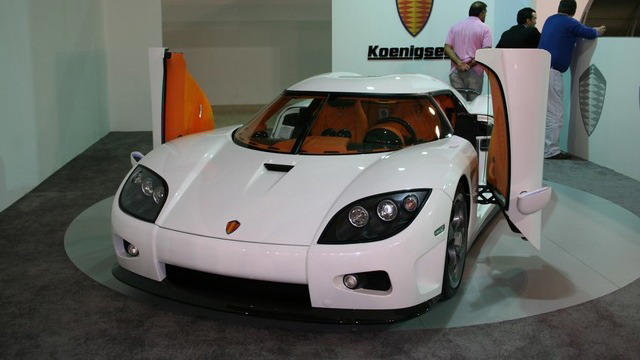



















The 2007 Koenigsegg CCX delivered performance that challenged established supercar brandsThe 2007 Koenigsegg CCX arrived as a little-known challenger from Ängelholm and left a permanent mark on the supercar world when it circled Top Gear’s test track in 1 minute 17 seconds. That lap turned a niche Swedish hypercar into a benchmark, forcing comparisons with Ferrari, Porsche, and Pagani on their own territory. The story of that single time sheet is really a story about how a small, obsessive outfit could pressure-test the giants of the industry on live television. Setting the stage at Dunsfold By the time the CCX appeared on Top Gear in 2007, the show’s test track at Dunsfold had already become a de facto proving ground for exotic machinery. The circuit, wrapped around a former airfield, mixed long straights with awkward, off-camber corners that punished cars with poor balance or fragile brakes. A quick lap there carried weight because the same anonymous racing driver, the Stig, drove every car in consistent conditions, which gave viewers a rough performance hierarchy across dozens of models. Koenigsegg had visited the track before with earlier versions of its cars and discovered that raw power alone was not enough. Those attempts had highlighted issues with rear stability at high speed and the need for more downforce in the faster bends. By the time the CCX arrived, the company had revised the aerodynamics, suspension, and tire setup specifically to cope with high-speed cornering and heavy braking on circuits like Dunsfold. The stage was set for a rematch, this time with a car tuned as much for lateral grip as for straight-line speed. The 1:17 lap that changed perceptions The headline number was simple: a 1:17 lap of the Top Gear track. For context, that time sat in the rarefied zone usually reserved for track-focused specials and stripped-out racers. It placed the CCX among the quickest road cars the Stig had ever driven there, and it did so without the benefit of a racing slick or a full competition setup. The lap showed that the Swedish coupe could translate its spec sheet into real, repeatable pace in a demanding environment. Equally important was how the time was achieved. The CCX carried a twin-supercharged V8 that delivered towering power, but the lap made clear that Koenigsegg had also solved the stability and braking issues that had plagued earlier outings. The car stayed composed through the fast left-right of the Follow Through and remained controllable under heavy braking into Chicago and the Hammerhead. The stopwatch told one story, but the onboard footage told another: this was no longer a blunt instrument; it was a car that could be placed with precision. How the CCX stacked up against the establishment The established hierarchy at the time revolved around names like Ferrari, Porsche, Lamborghini, and Pagani. These brands had decades of racing heritage, deep engineering departments, and global dealer networks. Koenigsegg, by contrast, operated out of a converted airbase with a tiny team and a production volume that barely registered next to the Italian and German giants. Against that backdrop, a 1:17 lap was a direct challenge. It forced comparisons with halo cars from the big players that had run slower times despite larger budgets and longer development cycles. The CCX was not just keeping up, it was beating some of them on their own stage. That performance validated Koenigsegg’s approach of building a light, relatively compact carbon chassis around an in-house engine and extreme attention to detail in aerodynamics and cooling. The lap also highlighted a different philosophy. Where some established brands leaned on electronic driver aids and conservative setups to protect less experienced owners, the CCX felt more raw and mechanical. Steering feedback, throttle response, and limited driver assistance made it a car that rewarded skill. On a track driven by a professional, that purity translated into speed, which the stopwatch captured in unflinching detail. Engineering choices behind the speed The CCX’s performance at Dunsfold was not a fluke. It reflected a set of engineering decisions that prioritized power-to-weight ratio, aerodynamic efficiency, and mechanical grip. The car used a carbon fiber monocoque and bodywork to keep mass down, while the twin-supercharged V8 delivered output that rivaled or exceeded many contemporaries. The result was a car that combined huge straight-line acceleration with the ability to adjust its attitude mid-corner without feeling nervous. Koenigsegg’s work on downforce and stability was particularly visible in the high-speed sections of the lap. The CCX’s revised rear wing and underbody airflow management helped keep the rear axle planted, which allowed the Stig to carry more speed through fast bends without constant corrections. At the same time, large carbon-ceramic brakes and a carefully tuned suspension limited dive and roll, preserving tire contact patches under heavy load. The engine itself played a central role. The supercharged V8 delivered torque across a wide rev range, which meant the driver could choose higher gears in some corners to avoid wheelspin without sacrificing acceleration on exit. That flexibility reduced the need for constant shifting and helped maintain stability through the most technical parts of the circuit. Top Gear’s influence on the CCX’s reputation Top Gear’s global audience turned the Dunsfold lap board into a kind of public scoreboard for supercars. A strong time transformed a car’s reputation almost overnight, while a disappointing run could haunt a model for years. The CCX’s 1:17 did more than impress enthusiasts; it signaled that Koenigsegg belonged in any serious conversation about the fastest road cars on sale. The hosts themselves treated Koenigsegg as a genuine peer to the Italian and German brands, not as a curiosity. That framing mattered. When a car from a small independent builder outran or matched the most famous badges on the board, it suggested that innovation and focus could compensate for a lack of corporate backing. The CCX became a reference point in discussions about how far a boutique manufacturer could push performance. Top Gear’s presenters were known for strong opinions on test cars, with some models earning unanimous praise and others drawing shared criticism. The CCX fell into the category of machines that commanded respect for their ambition and capability, a status that placed it closer to the group of vehicles the hosts tended to admire together rather than the ones they dismissed in unison. That sentiment, broadcast to millions, reinforced the impact of the lap time itself. Why that 1:17 mattered to the industry The CCX’s performance at Dunsfold had implications beyond bragging rights. It showed that a small company could design and build a car that matched or exceeded the dynamic abilities of products from brands with Formula One programs and decades of Le Mans history. That success encouraged other low-volume manufacturers to pursue ambitious performance targets rather than settling for niche novelty. For the established brands, the lap served as a reminder that their dominance was not guaranteed. If a Swedish firm with limited resources could produce a car that ran at the sharp end of the Top Gear board, then the traditional leaders needed to keep pushing their own boundaries. The pressure to innovate in materials, powertrains, and aerodynamics increased, ultimately benefiting buyers who expected each new generation of supercar to move the game forward. The CCX also helped shift the conversation around national identity in performance cars. Sweden was not traditionally associated with extreme speed in the way Italy, Germany, or the United Kingdom were. The 1:17 lap challenged that stereotype, suggesting that engineering culture and determination could matter more than history or geography when it came to building a world-class supercar. How the lap shaped Koenigsegg’s trajectory Inside Koenigsegg, the Top Gear result validated years of development and risk-taking. The company had invested heavily in its own engine architecture, composite manufacturing, and bespoke components rather than relying on off-the-shelf parts from larger suppliers. The Dunsfold time proved that this path could deliver measurable gains on a neutral stage. The exposure helped attract customers who might previously have defaulted to more familiar names. A buyer who saw the CCX match or beat cars from Ferrari or Porsche on television could more easily justify taking a chance on a Swedish upstart. That credibility was essential for a manufacturer that built only a small number of cars each year and relied on each sale to fund future projects. The lap also set a benchmark inside the company. Future Koenigsegg models would be judged against that 1:17, both by fans and by the engineers themselves. It became a target to surpass, pushing subsequent designs toward even lighter structures, more efficient powertrains, and smarter aerodynamics. The role of television in shaping supercar legends The CCX story illustrates how television and media coverage can accelerate or reshape a car’s legacy. Before its Top Gear appearance, the model was known mainly to hardcore enthusiasts who followed supercar forums and specialist magazines. After the 1:17 lap, it entered mainstream car culture as a symbol of what an independent manufacturer could achieve. That amplification effect worked because the show combined entertainment with structured testing. The lap board, the standardized track, and the use of a professional driver created a framework that viewers trusted as broadly fair. Within that framework, the CCX’s performance carried weight beyond a single review or a set of technical specs. It became a data point that fans could debate and reference for years. For Koenigsegg, the result highlighted the value of engaging with such platforms. A single televised lap delivered marketing impact that would have been difficult to buy through traditional advertising, especially for a small company. The CCX’s time became shorthand for its capabilities, a simple number that encapsulated a complex engineering achievement. What enthusiasts and buyers should watch now? The legacy of the CCX’s 1:17 lap continues to shape expectations for modern hypercars. Enthusiasts now look for more than just peak horsepower or top speed figures; they want evidence that a car can translate its numbers into real-world performance on track. Standardized tests, whether on television circuits or independent proving grounds, remain a key part of that evaluation. For potential buyers, the CCX story is a reminder to pay attention to how a car behaves in demanding conditions rather than relying solely on brand reputation. A small manufacturer with a clear engineering philosophy can sometimes deliver a more focused driving experience than a larger rival constrained by broader market demands. The Dunsfold lap showed that when such a car is given a fair test, it can surprise even seasoned observers. Looking ahead, the spirit of that 1:17 lap will likely influence how future performance cars are judged. As hybrid systems, advanced aerodynamics, and new materials filter into supercars and hypercars, independent benchmarks will remain essential for separating marketing claims from measurable results. The CCX proved that a single, well-documented lap can change how the world sees a car, and that lesson will continue to resonate every time a new challenger lines up at the start of a test track. More from Fast Lane Only Unboxing the WWII Jeep in a Crate 15 rare Chevys collectors are quietly buying 10 underrated V8s still worth hunting down Police notice this before you even roll window down *Research for this article included AI assistance, with all final content reviewed by human editors.