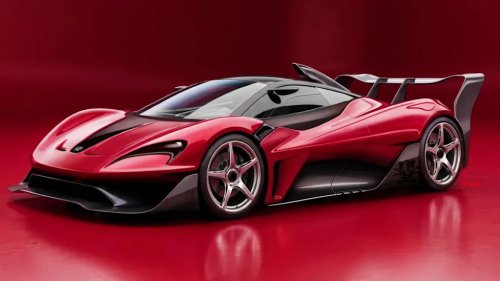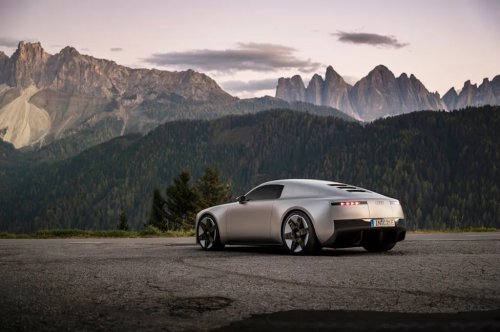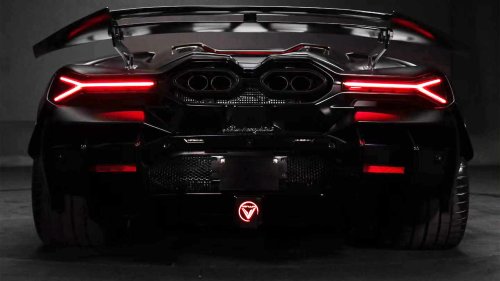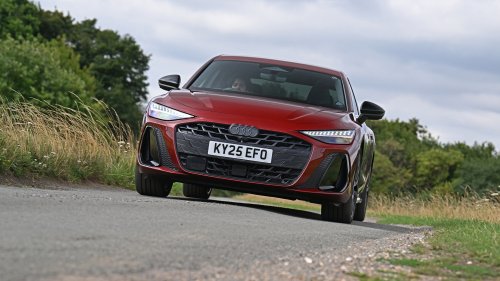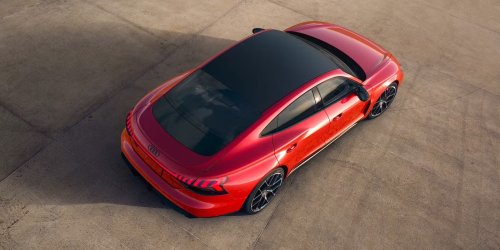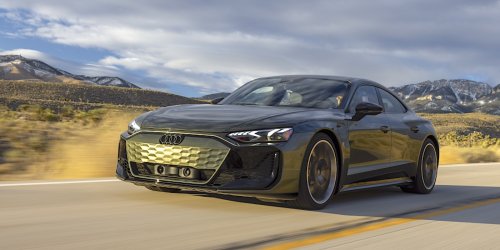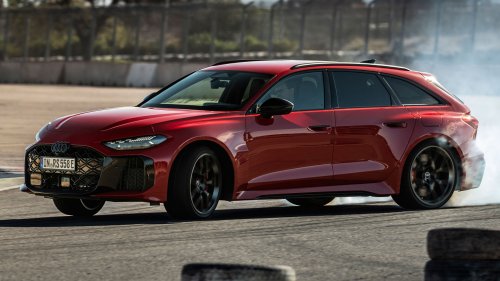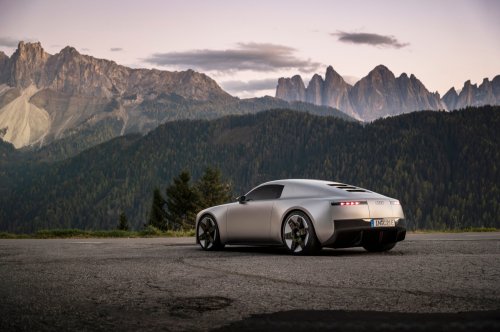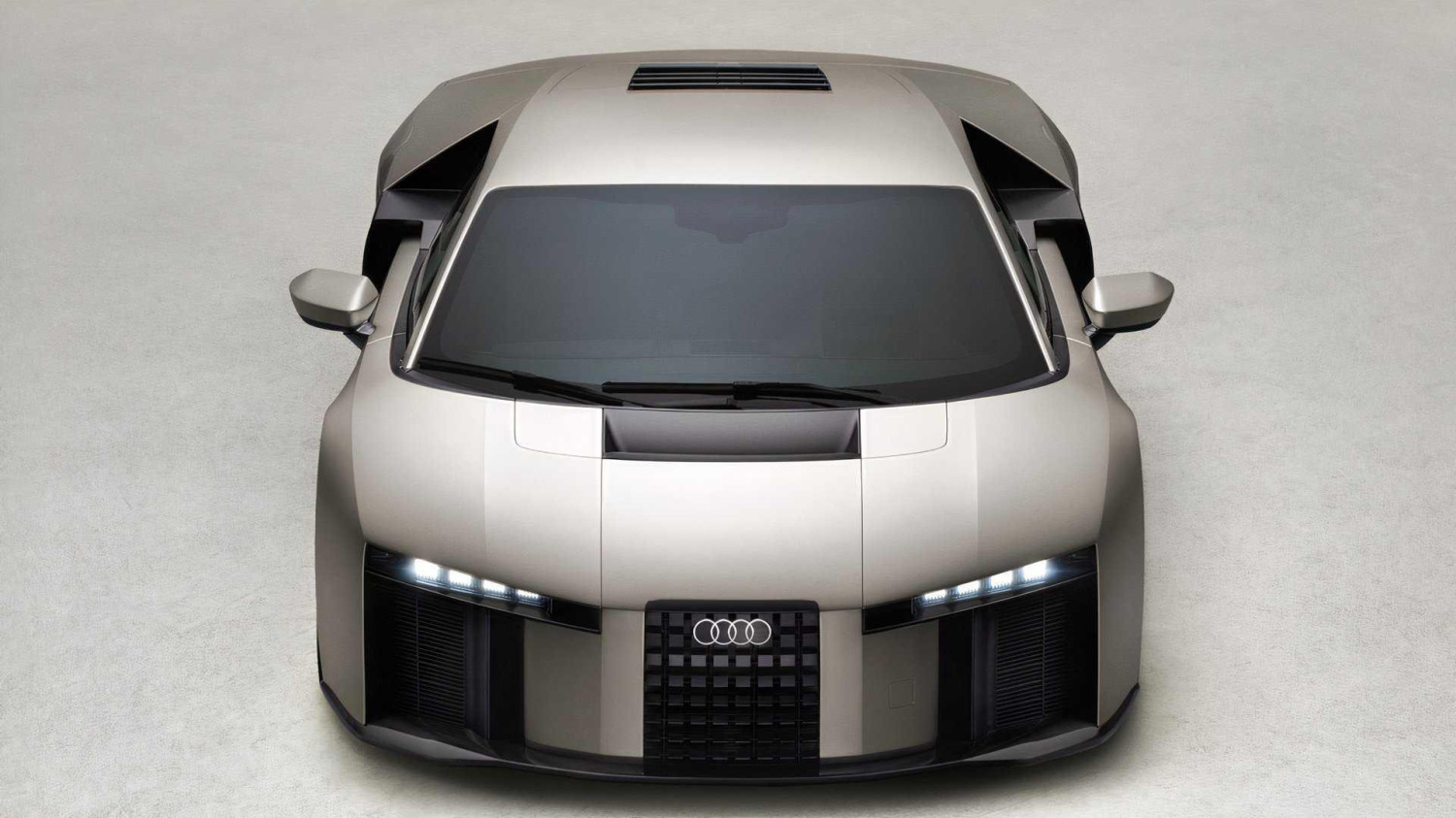
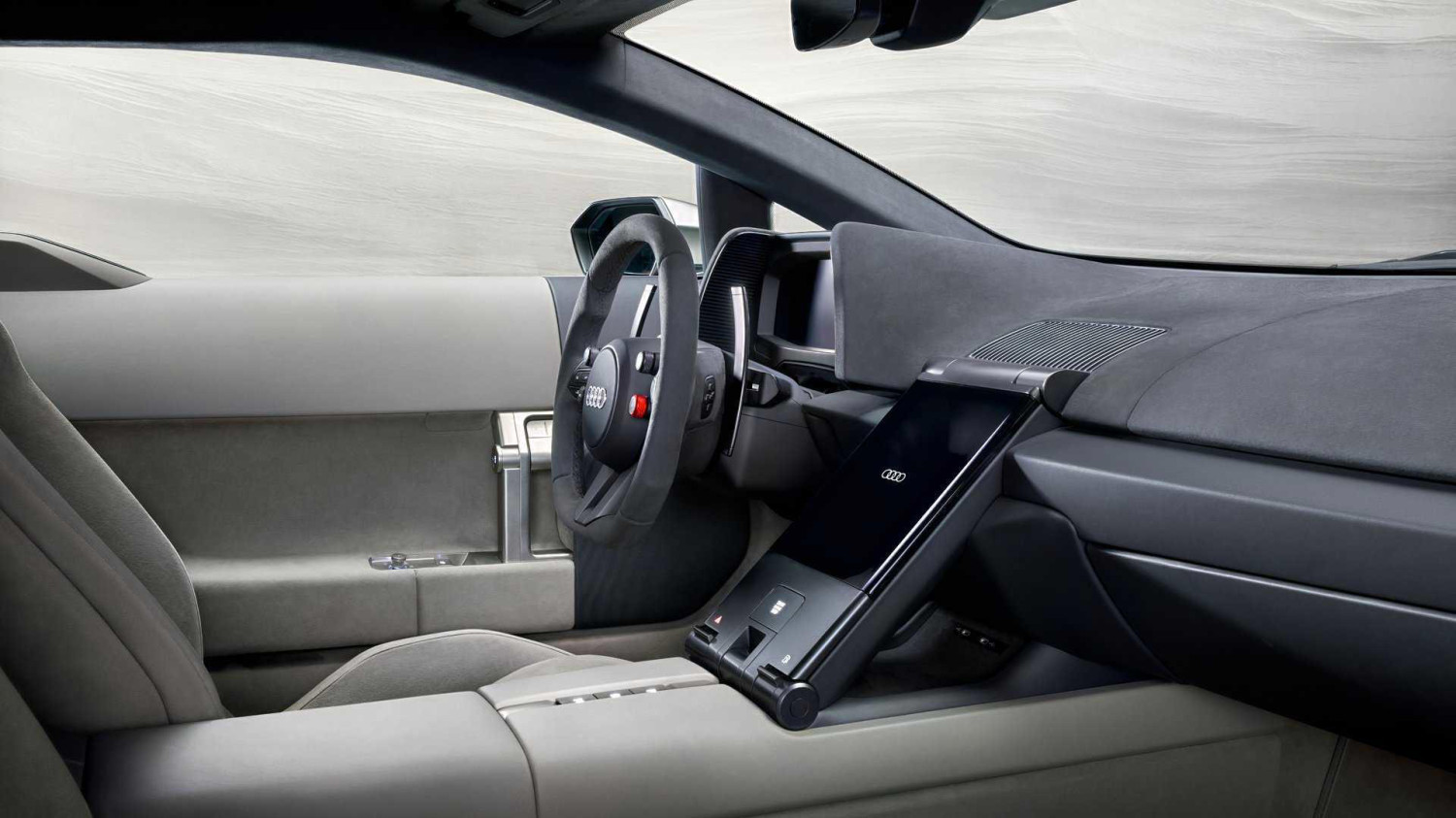
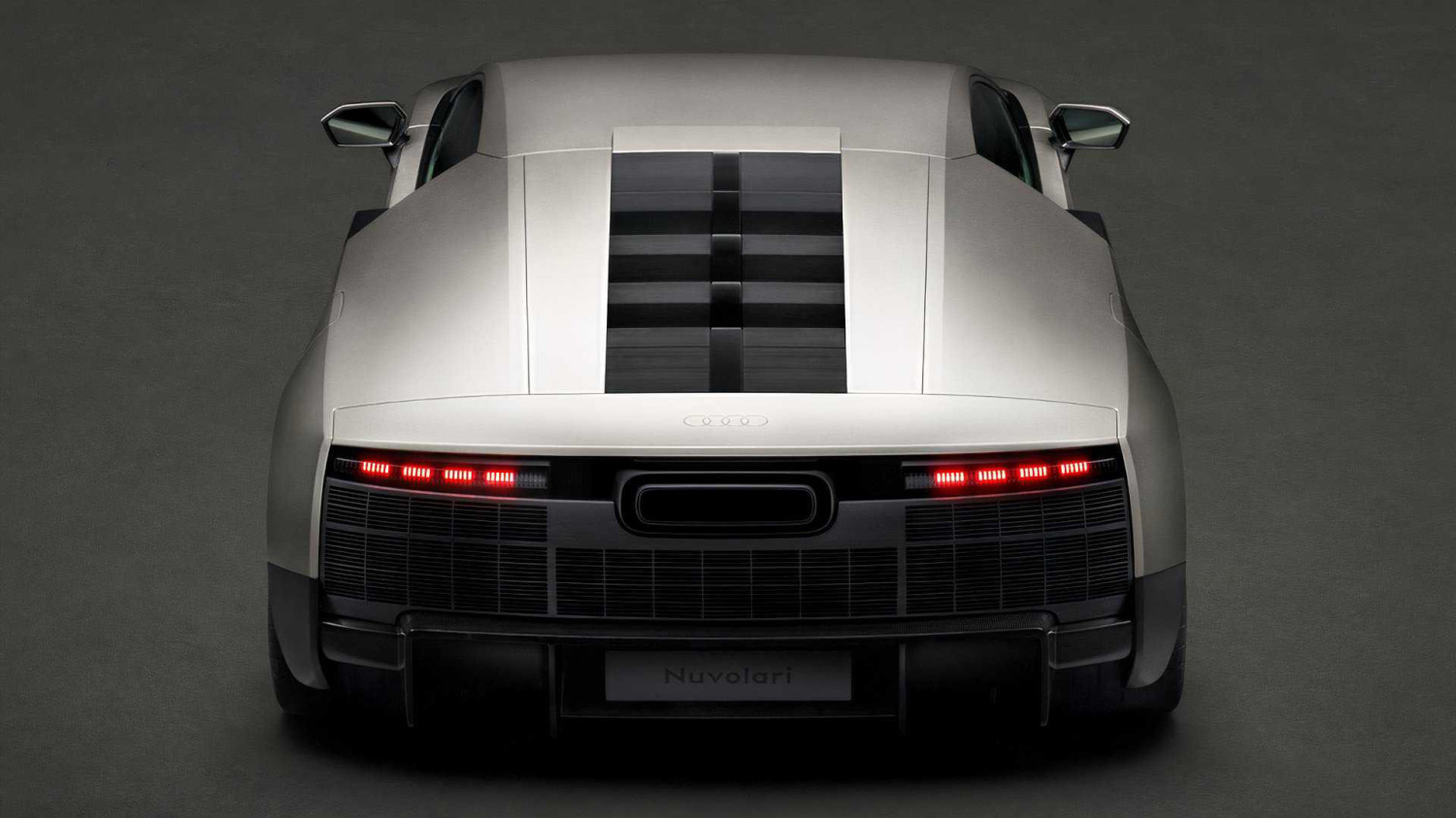



















Audi just unveiled the Nuvolari—its first supercar, a 1,001-horsepower hybrid limited to 499 units with a top speed north of 350 km/h and deliveries beginning in the first half of 2027. But before the spec sheet lands, the name deserves its own moment. Tazio Nuvolari wasn't a marketing-friendly name plucked from a list of romantic-sounding Italians. He was, by the consensus of his era and most serious historians since, the greatest racing driver of the pre-war period—and his connection to Auto Union, Audi's direct ancestor, is precisely why this name carries weight that most hypercar badges don't.For gearheads who know the Auto Union story, the tribute is immediately legible. For those who know it less well, here's why Audi chose this particular name for the most powerful supercar in its history. Tazio Nuvolari: What He Actually Won and Why It Mattered AudiNuvolari was born in Castel d'Ario, near Mantua, in 1892, and by the 1930s he had become the dominant figure in Grand Prix racing—a period when the sport was genuinely dangerous and the machinery was barely tamed. He won the Mille Miglia twice, the Targa Florio twice, and the 1935 German Grand Prix in a feat so improbable it became one of motorsport's enduring stories: driving an outdated Alfa Romeo P3 against the full factory might of Mercedes-Benz and Auto Union on their home circuit at the Nürburgring, he beat them all. The German crowd, expecting a home victory, reportedly stood in stunned silence as the Italian national anthem played.His career spanned multiple manufacturers—Alfa Romeo, Maserati, and eventually Auto Union—and he raced competitively into his fifties despite suffering serious injuries and the physical toll of driving cars with no cockpit protection at speeds that regularly exceeded 300 km/h on public roads. The Italian press called him "Il Mantovano Volante" — the Flying Mantuan. Enzo Ferrari, who managed him at Alfa Romeo before founding his own company, called him the greatest driver he had ever seen. The Auto Union Connection: Why This Is Audi's Story to Tell AudiNuvolari joined Auto Union in 1938, after years of rivalry against their Silver Arrows. The Auto Union Grand Prix cars—the Type A through Type D—were unlike anything else racing at the time. Mid-engined, supercharged, producing somewhere between 295 and 520 horsepower depending on the variant and year, they were notoriously difficult to drive; the rear-mounted engine created handling characteristics that demanded a driver willing to manage constant oversteer at race speeds. Most drivers who tried them struggled. Nuvolari, by that point in his late forties, adapted and won.His 1938 season with Auto Union included victories at the Italian Grand Prix at Monza and the British Grand Prix at Donington Park—the latter one of the last major international races held before the war shut down European motorsport entirely. Auto Union, through its corporate lineage, became Audi. The four interlocking rings on the Nuvolari's flanks represent the four companies—Audi, DKW, Horch, and Wanderer—that merged to form Auto Union in 1932. When Audi puts Nuvolari's name on a car, it isn't borrowing someone else's history. It's reclaiming its own. 1,001 HP and 499 Units: What the Nuvolari Actually Is AudiThe car itself is Audi's statement that the four rings can play in hypercar territory. The high-performance hybrid powertrain produces 987 horsepower—a number that puts it in the same conversation as the Bugatti Chiron and Rimac Nevera, and combines a 789-horsepower twin-turbo V8 with three 147-horsepower electric motors. The top speed exceeds 350 km/h, which Audi says makes it the fastest production car in the brand's history. Production is capped at 499 units, with deliveries beginning in the first half of 2027.Audi's press materials describe it as "further accelerating technological progress"—which is the kind of corporate language Nuvolari himself would have found baffling. What he understood was going faster than the next man, in whatever machine was available. The Nuvolari supercar, whatever its final price and full spec sheet reveal, is Audi's argument that the engineering lineage running from those supercharged mid-engine monsters at Donington in 1938 still has somewhere to go. Whether 499 collectors agree will become clear soon enough.The name isn't decoration. Tazio Nuvolari beat the German factory teams on their own ground with an outdated car, then drove for Auto Union in the final seasons before the war ended Grand Prix racing as Europe knew it. Audi's first hypercar carrying that name has a lot to live up to—and for once, that's not hyperbole.Source: Audi