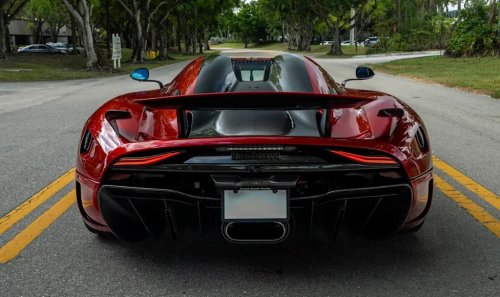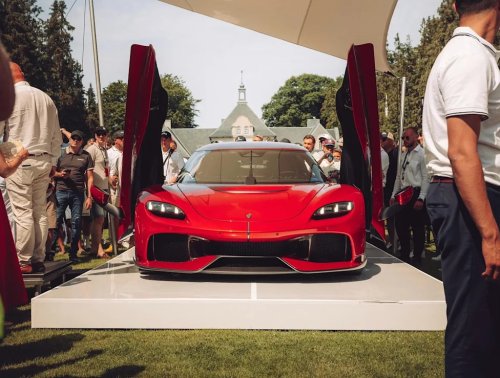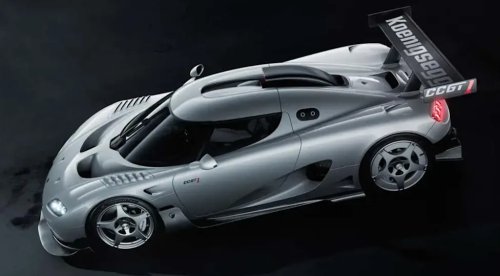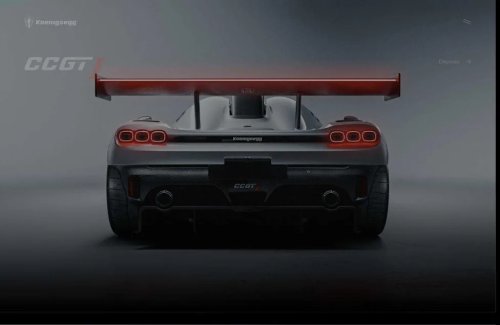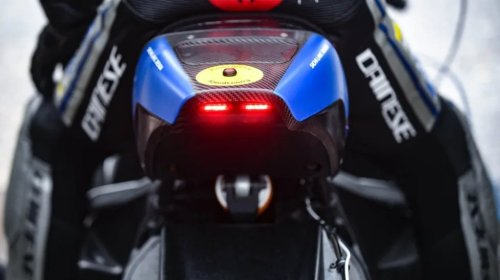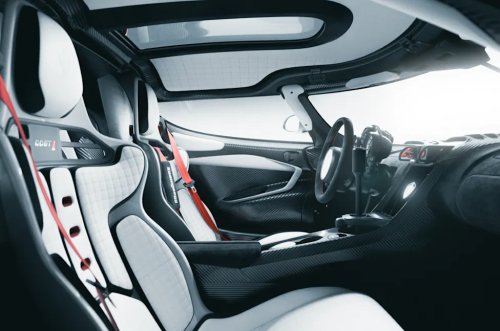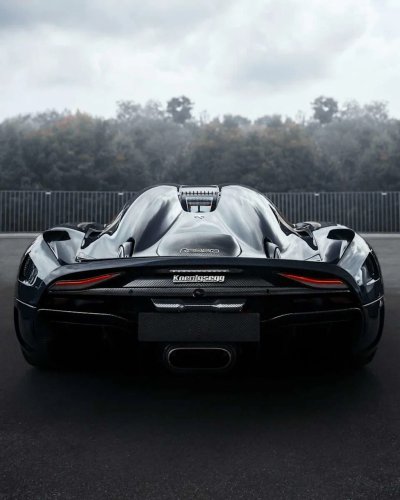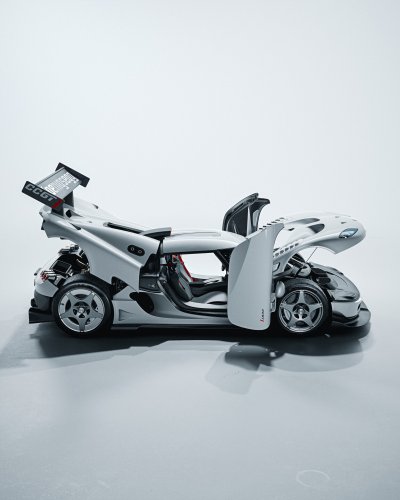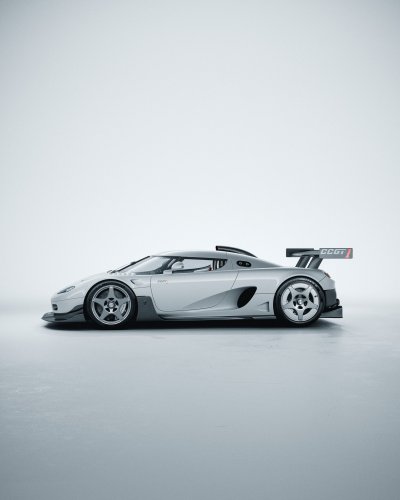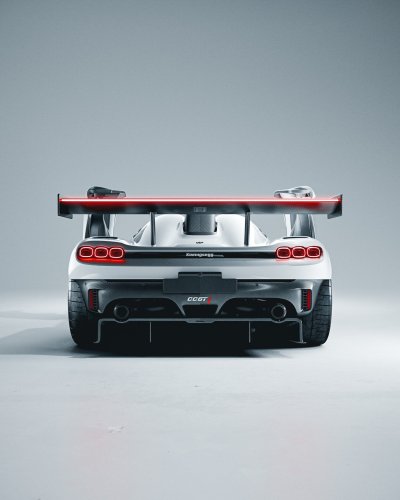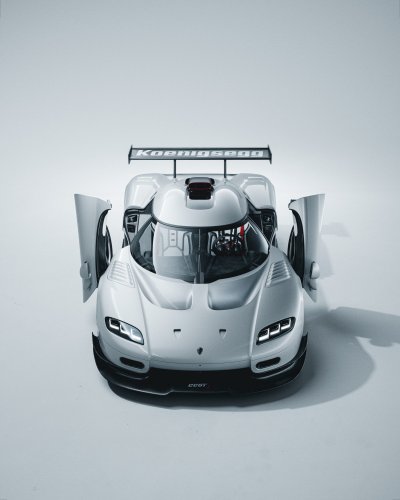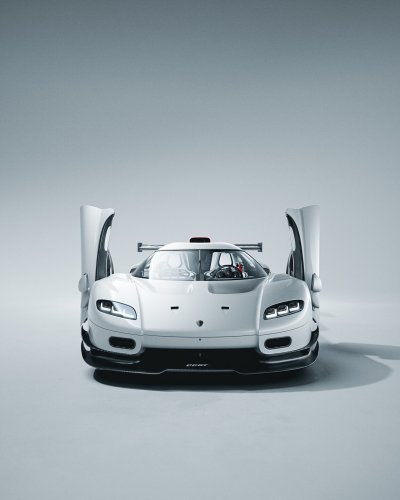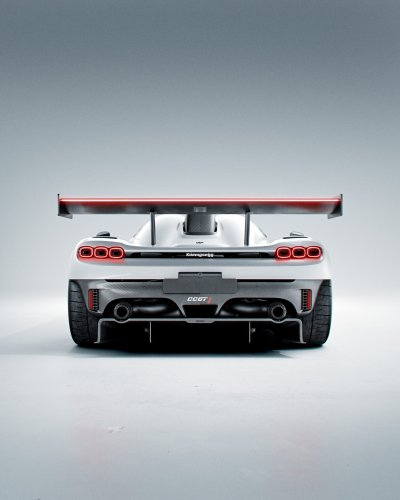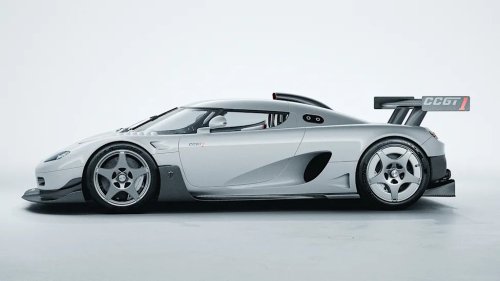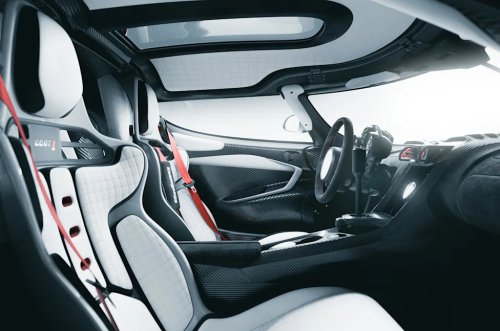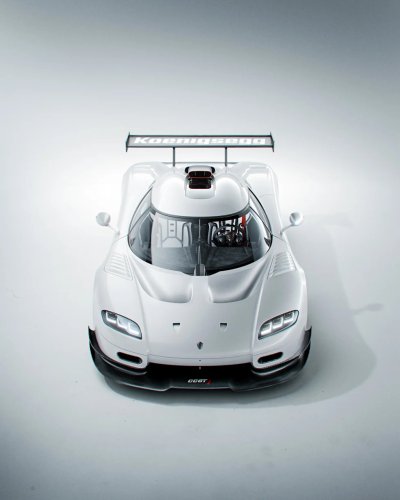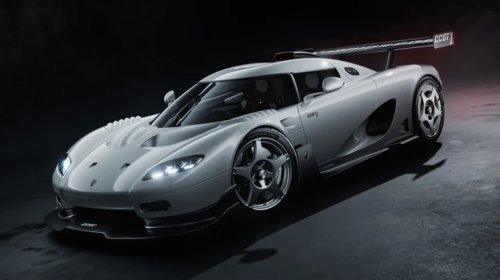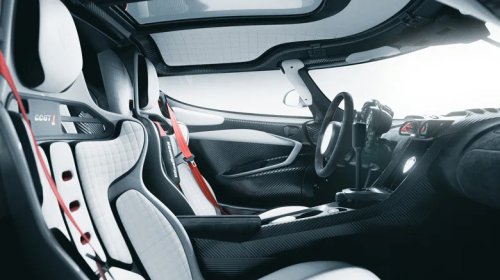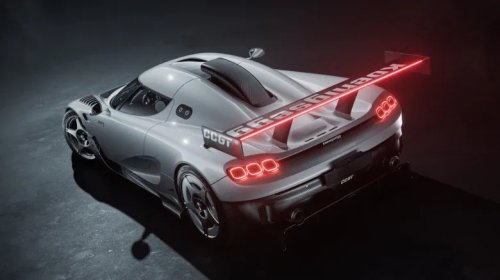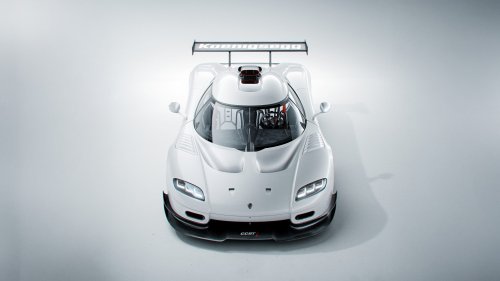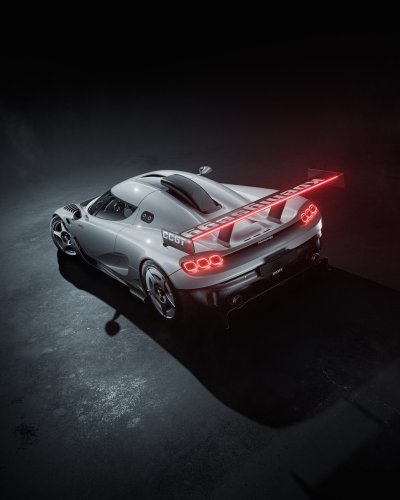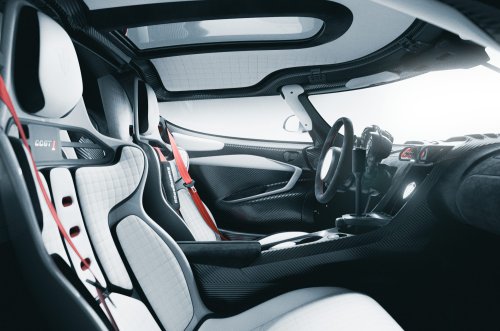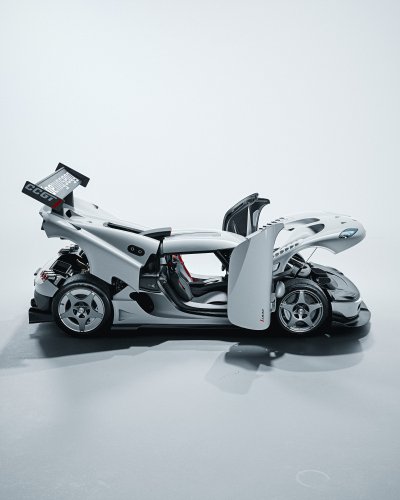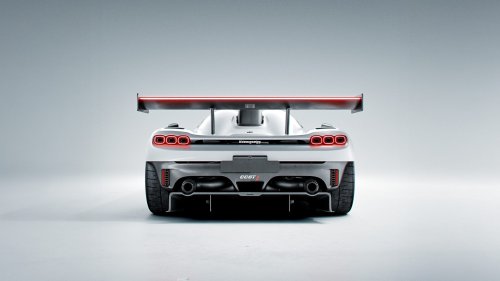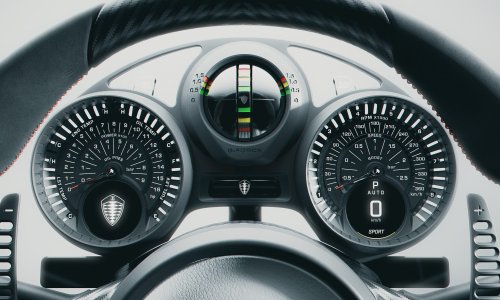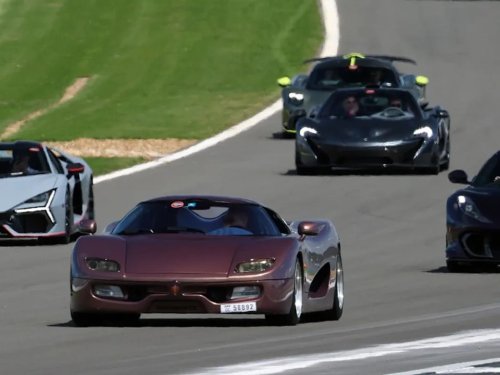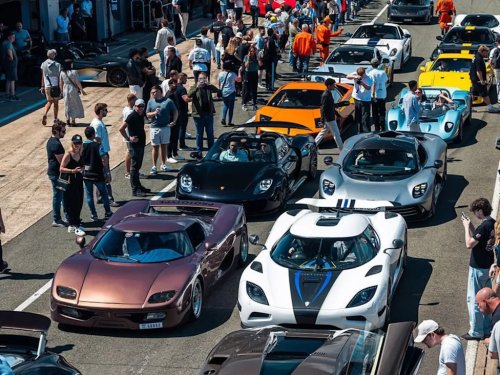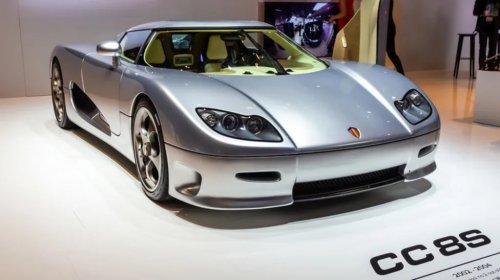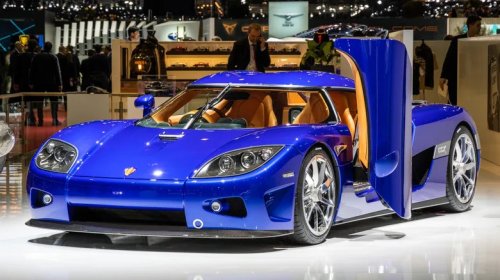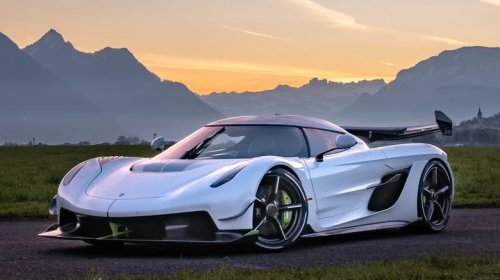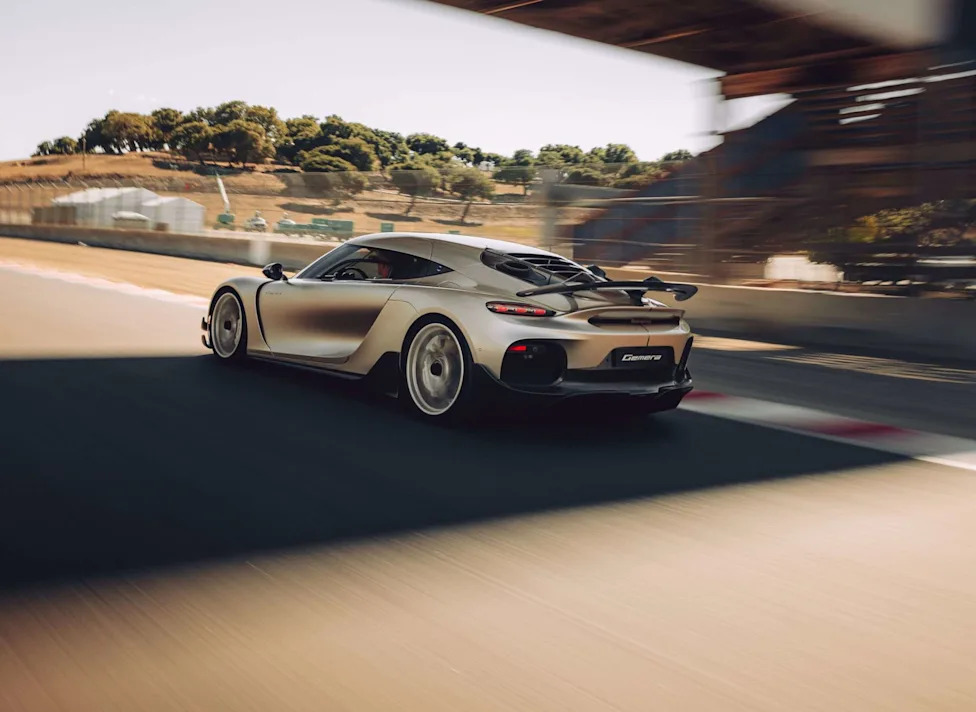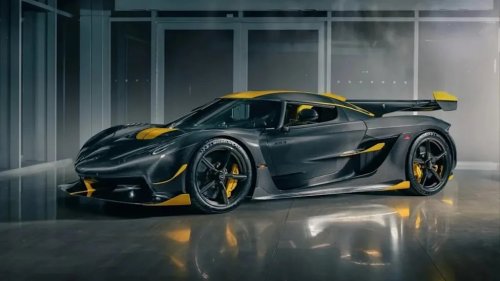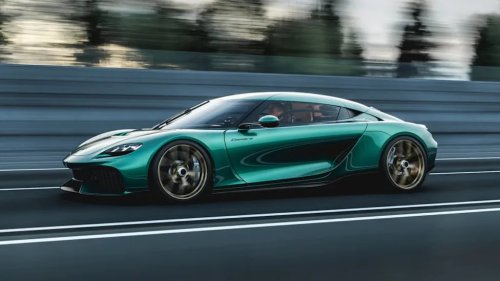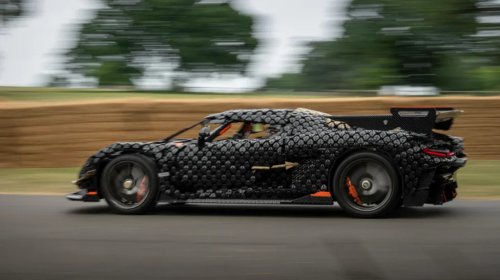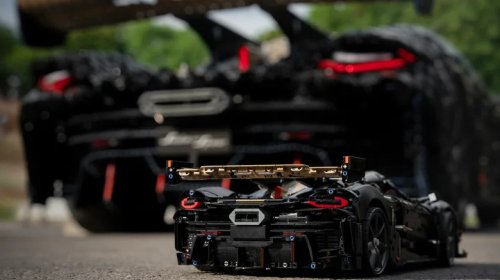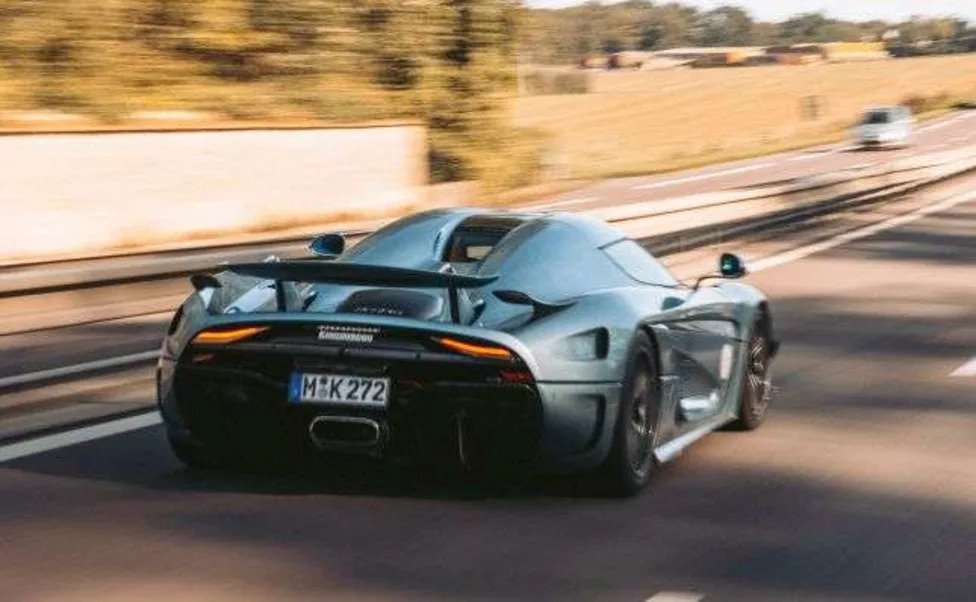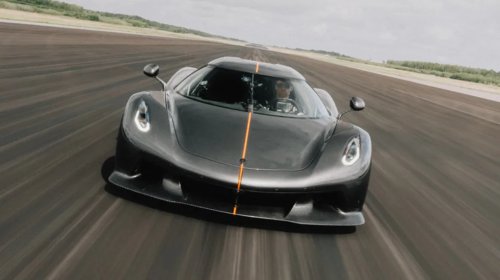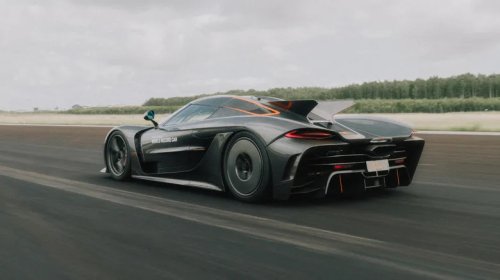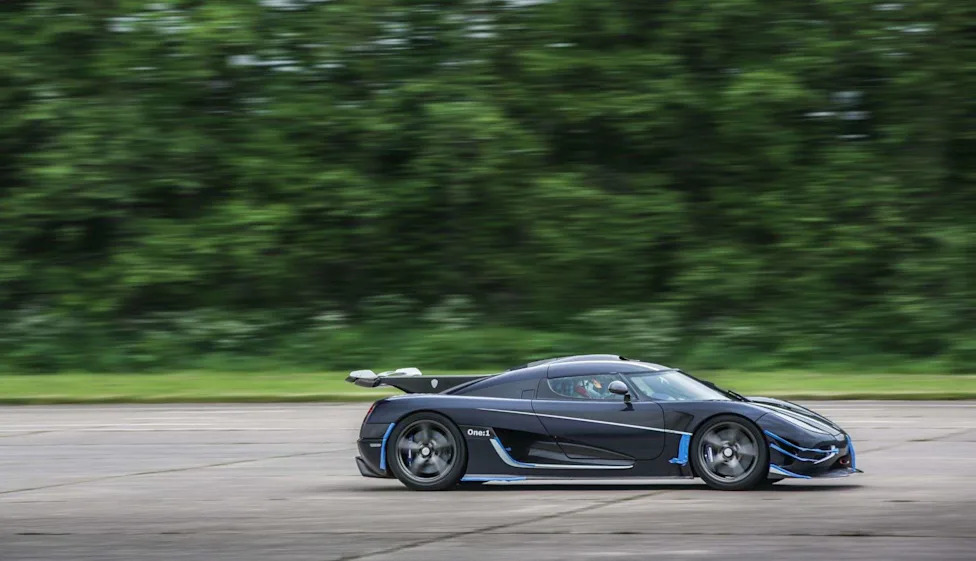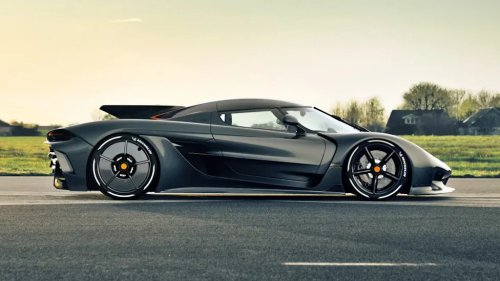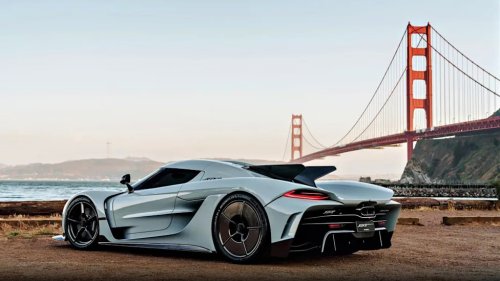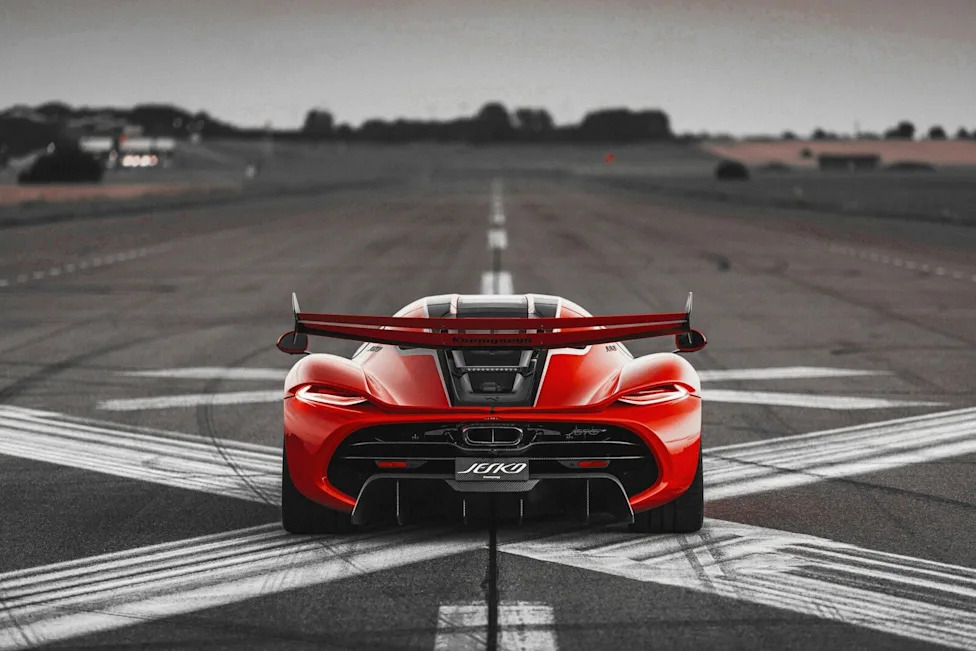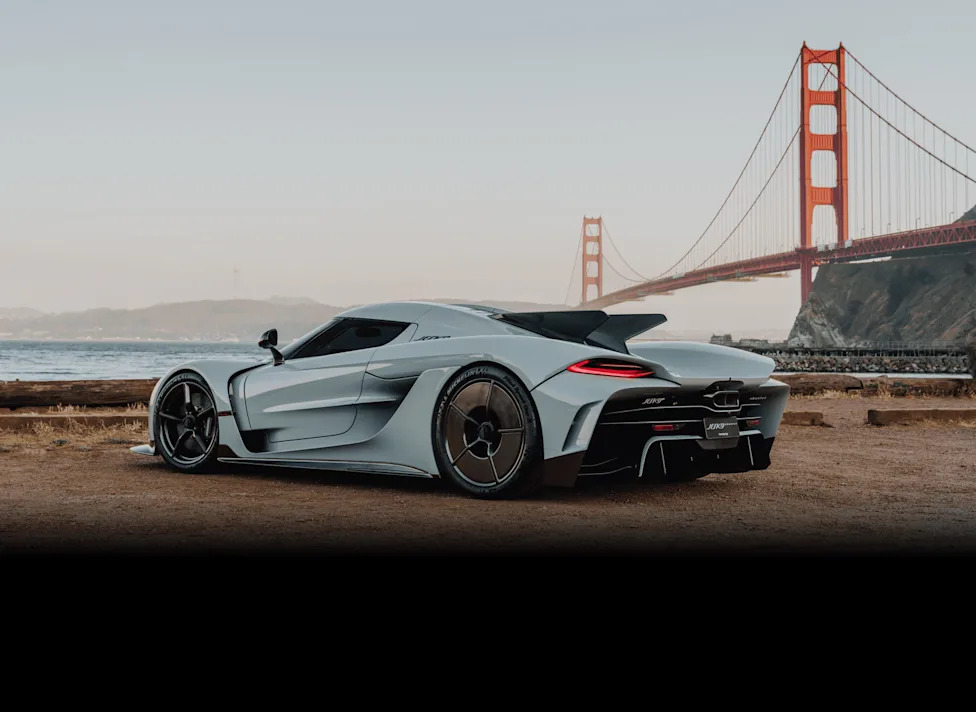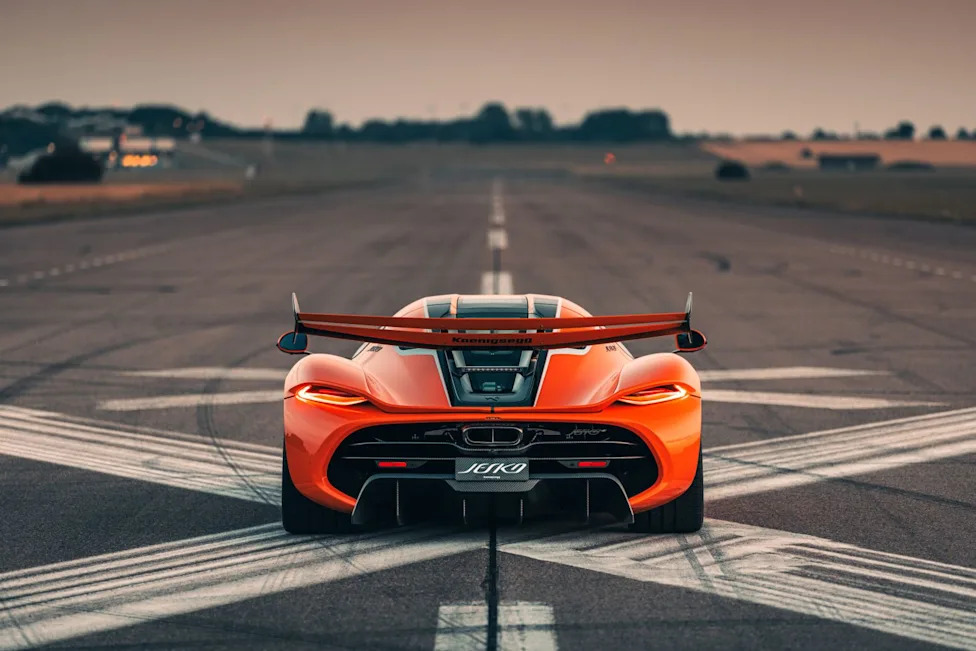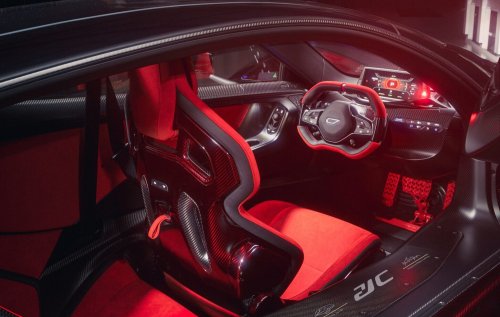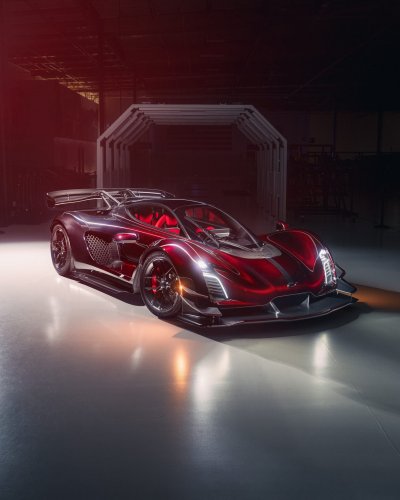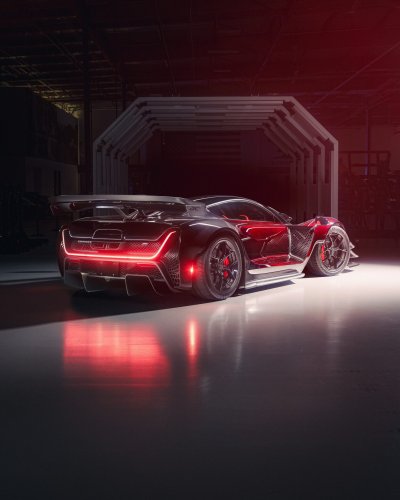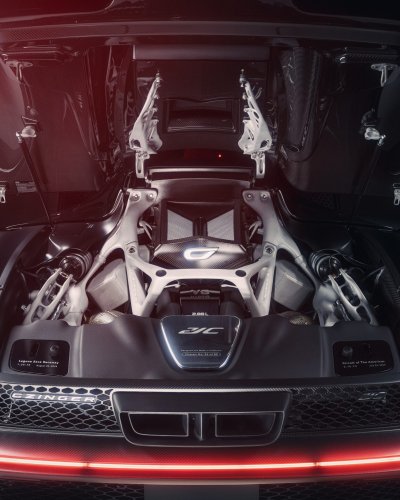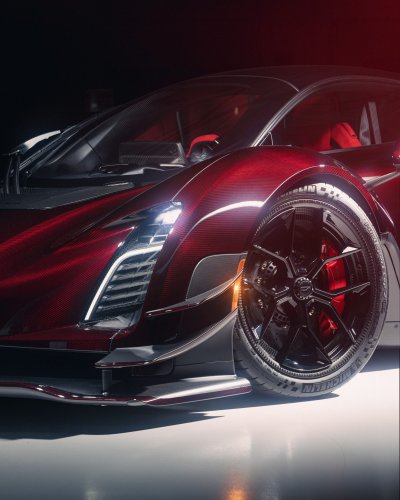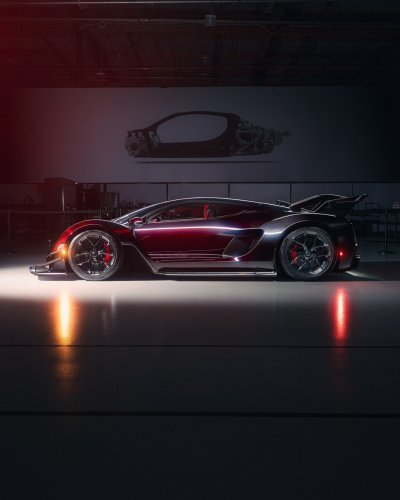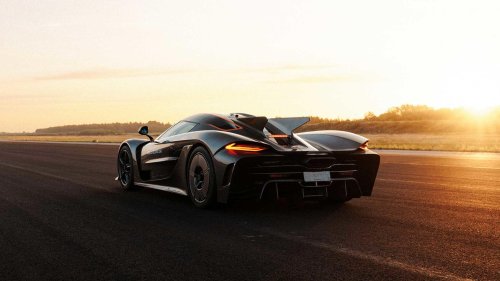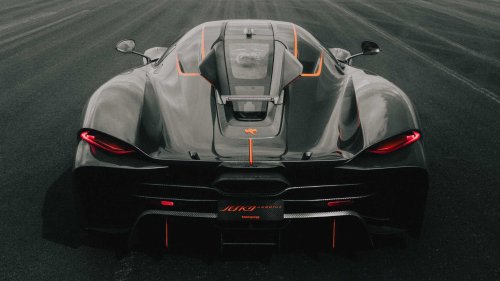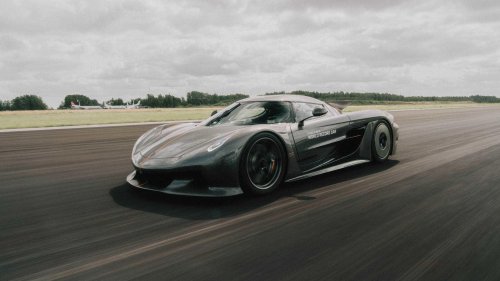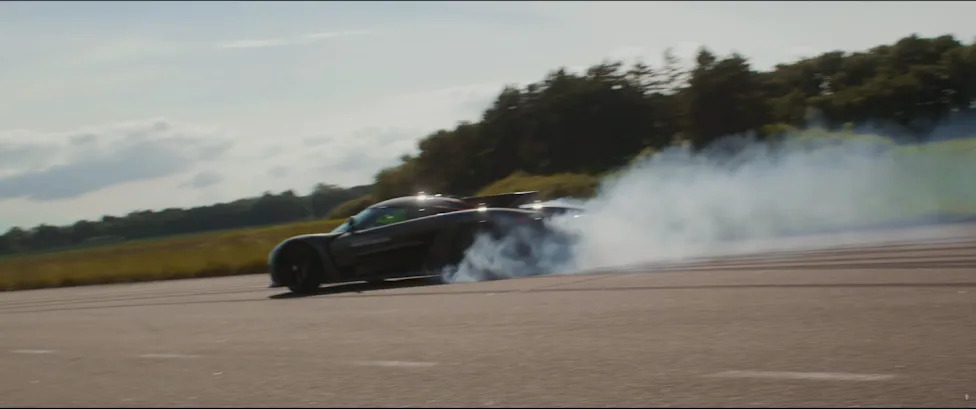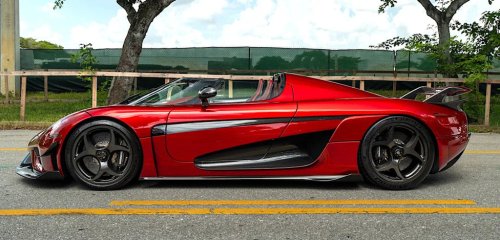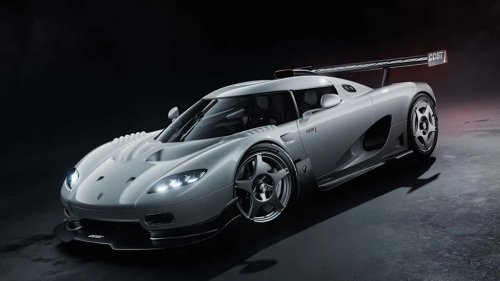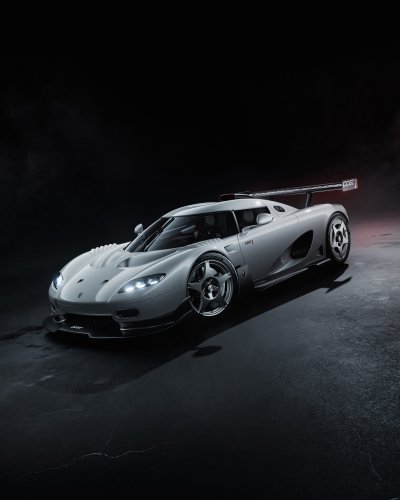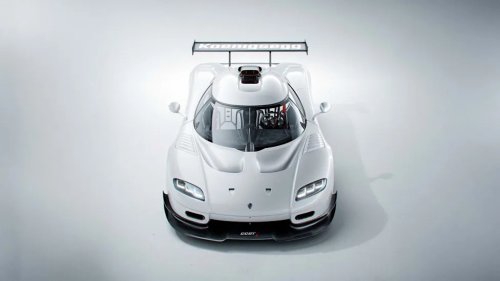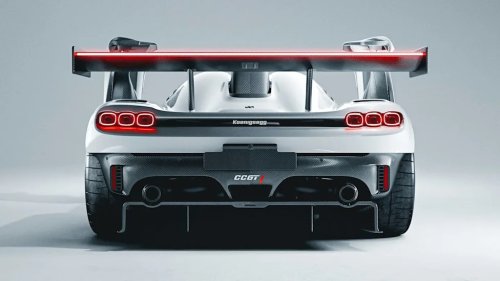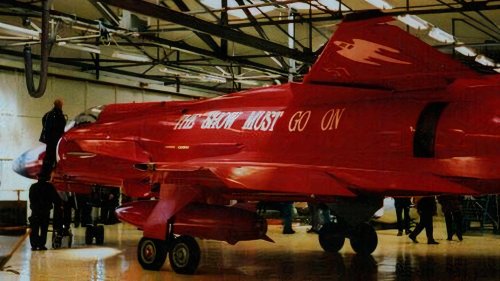
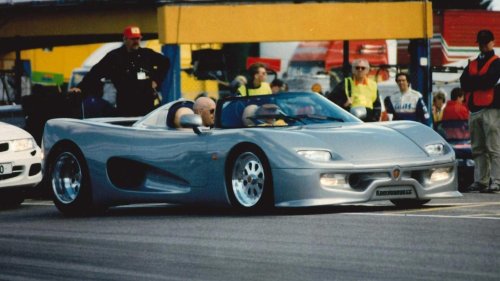
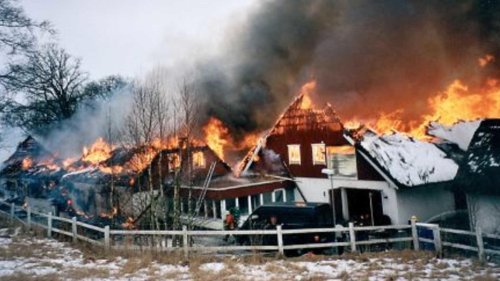
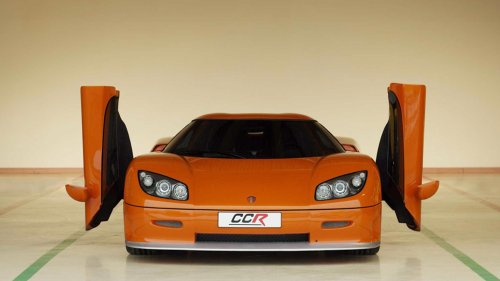
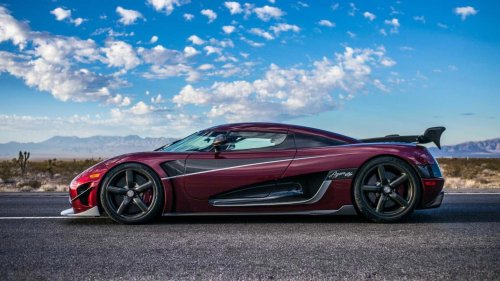
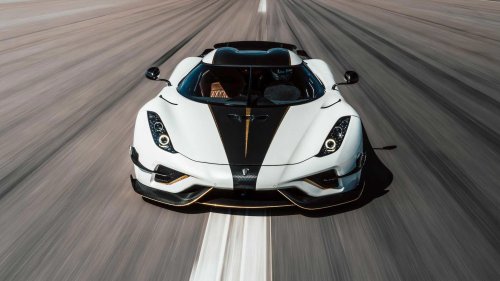
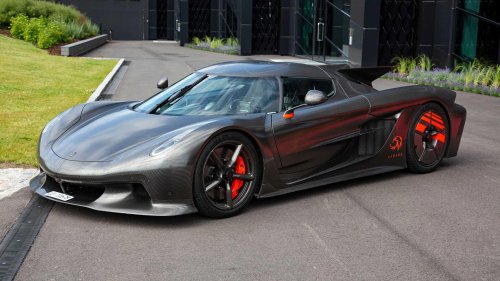
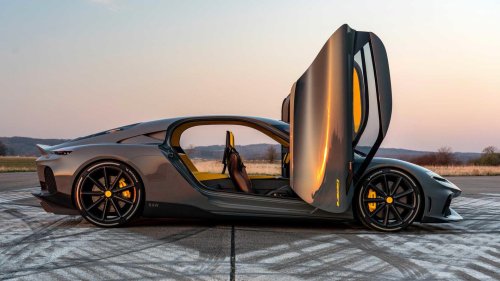
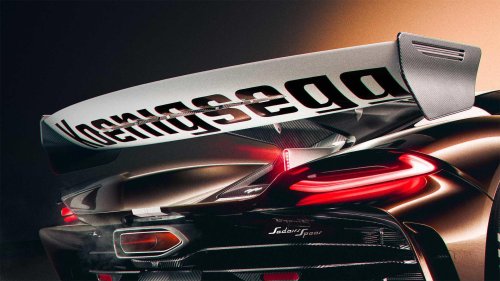



















We all love it when an automaker has an emblem with a backstory - one that's a little more unique than a tri-star on your Mercedes-Benz S-Class. Take, for example, Ferrari's Scuderia shield or Rolls-Royce's Spirit of Ecstasy. But have you noticed the curious looking ghost emblem that adorns Koenigsegg's swivel-eyed hypercars? You might wonder what connection a cartoonish-looking ghost figure has with a low-volume Swedish automaker that produces some of the fastest and wildest cars on the planet. But after reading this article, you will wonder no more.The story of how the ghost badge ended up being affixed to every Koenigsegg automobile has its origins in an unexpected place that, in fact, involves the Swedish Air Force. It does, however, go right back to when the company was just getting started, and plays an important role in what it has become today. We are going to delve into the history of the Koenigsegg Ghost logo and of the brand itself and highlight some of the important record-breaking cars that have worn it, so you will be armed with some good conversation next time you are at the bar.This article is a historical look at the history behind the meaning of the Koenigsegg Ghost logo, and some of the most important Koenigsegg models to wear it. All information is sourced directly from the manufacturer. The Swedish Ghost Squadron Andreas Samuelsson/IPMS Stockholm Before we get into the story of those Koenigsegg cars, we have to pivot to a bit of aviation history. The Swedish Air Force’s “Ghost Squadron,” or to give it its official name, the F10 Johan Röd, was a division of the Scania Wing. Founded in 1940 and based in Ängelholm from 1945 onward, it was responsible for defense, reconnaissance and many other roles. The first squadron of this wing was called Johan Röd because Johan means J in the Swedish phonetic alphabet, and it is, of course, the tenth letter. Röd means red, referencing the color which identifies them.In 1971, the squadron was equipped with the Saab AJS Viggen, one of the most celebrated Cold War fighter jets ever for attack, but much more so for reconnaissance purposes. Their missions would often involve taking off at the crack of dawn, operating above the clouds, and then landing at dusk, meaning you could hear them but never see them. This is what got the Squadron its "Ghost" nickname, and why its aircraft wore the ghost logo. In 2002, the whole squadron was disbanded amid defense restructuring by the Swedish government, and a memorable farewell scheme involved a Viggen being painted red with the white ghost insignia painted on the side, as well as the words “the show must go on,” suggesting the story of the ghost symbol was not over yet... The Founding Of Koenigsegg And The Move To That Hangar Koenigsegg Going back to Koenigsegg, the automaker was founded in 1994 as the Koenigsegg project by Christian Von Koenigsegg, who had always dreamed of one day building a sports car after having spent a long time tuning up mopeds. The first prototype, the CC, was named after Christian and his appointed designer, David Craaford, and it eventually evolved into the CC8S in 2002. This was Koenigsegg’s first production car, as Koenigsegg sought to prove itself from the outset to be an outfit capable of fighting at the front of the supercar arms race.Koenigsegg Disaster struck the following year, however, as the manufacturing plant Koenigsegg had moved to at the end of the 90s, just north of Ängelholm, caught fire. Its thatched roof, which had up to that point been a cute, old-fashioned feature of the building, ended up being the cause of a blaze that saw most of the company’s earliest records destroyed, but cars and tools were crucially saved. In one of those wonderful twists of fate, this coincided with the decommissioning of the air base that had been home to the Swedish Air Force’s Ghost Squadron. Koenigsegg was able to acquire the airfield and use one of the hangars and an office building as car factories, and it still uses these today. In tribute to the Air Force, Christian Von Koenigsegg decided that every car produced in this new factory would feature the iconic ghost symbol. The show started by the Ghost Squadron truly did go on. Some Of The Key Koenigseggs To Wear The Ghost Logo 2005 Koenigsegg CCR KoenigseggThe Koenigsegg CCR is the direct successor to the CC8S, and it was the first Koenigsegg car to break a top speed record, even if it is a record that it would only get to hold for two months. It was unveiled in 2004 and kept the same iconic silhouette and dihedral helix doors from the CC8S. The Ford-Sourced 4.7-liter V8 engine stayed too, but with even more in-house modifications than before. With two superchargers and revised cooling, it now produced 806 horsepower, which was a truly stratospheric number back in the early noughties. With bigger brakes, a more aggressive aero package and a curb weight of only 2,601 lbs, it’s little wonder it managed to clock a speed of 241.01 mph. This is even more amazing when you consider that this was done at the Nardò ring, a never-ending banked corner. 2017 Koenigsegg Agera RS KoenigseggThe Koenigsegg Agera was the first Koenigsegg model not to feature 'CC' in its name, and it came as a result of the desire from Christian to make Koenigsegg cars safer and easier to drive on the road while still pushing the boundaries of performance. By this point, Koenigsegg was making its own engines, and the Agera featured a 5.0-liter twin-turbo V8. Initially, it developed 971 hp, but the Agera would see many special editions and one-off versions whereby the power output and the performance would increase each time. The one we are focusing on is the Agera RS, the last mainline Agera model, because it, albeit unofficially, became the fastest road car in the world in 2017. After Bugatti came out with the successor to the car that knocked the CCR off its perch with the 261 mph Chiron, the Agera RS used its megawatt of power (1,341 hp) to achieve an average speed of 277.9 mph. 2017 Koenigsegg Regera KoenigseggWhere do you go from the Agera? You create a grand tourer that is also your first hybrid, and invent an entirely new form of driving the wheels, of course. Welcome to the unique world of the Koenigsegg Regera, a car that gets its name from the Swedish word for “reign.” It reigns by using a tri-motor hybrid setup with a 5.0-liter twin-turbocharged V8 like in the Agera - two electric motors on the rear axle and another on the crankshaft. The power output was a Bugatti Chiron-rivaling 1,500 hp, but the top speed was slightly lower at 255 mph. The Regera’s party piece, however, was the direct drive - essentially a hydraulic coupling between the engine and the driveshaft acting as a very advanced torque converter. This is what allowed it to take the 0–249mph–0 record not once but twice. Being a GT car, the Regera also sought to offer a more refined, luxurious experience. 2021 Koenigsegg Jesko Koenigsegg Jesko AbsolutThe Koenigsegg Jesko is quite simply the fastest and most extreme Koenigsegg ever made, in every aspect. The Jesko was first shown to the world in 2019, but it would actually manifest as two different cars. The Jesko Attack, built for maximum downforce at the track, and the Jesko Absolut, built for maximum straight-line speed. Whichever version of the Jesko speaks to you, you are getting 1,281 hp from its 5.0-liter twin-turbo V8, which is an evolution of the V8 that powered the Agera and Regera. If you tune it to run on E85 fuel, you could be getting 1,603 hp. The Jesko also incorporates an innovation called the Light Speed Transmission, essentially a nine-speed transmission with seven clutches, which can instantly switch to any gear required because they’re all ready and raring to go. As well as paying homage to the Ghost Squadron with the now familiar insignia, it also pays tribute to Christian’s father, by being named after him. 2025 Koenigsegg Gemera KoenigseggThe reason for the Koenigsegg Gemera was Christian wanting a car that could give the whole family the Koenigsegg experience. The result is a car longer than any other Koenigsegg model before to allow for the extra row of seats, but one that still remains a two-door coupe, thanks to much bigger dihedral synchro-helix doors. Powering it was initially going to be either a three-cylinder hybrid powertrain or a V8, but no one wanted the former, so the sole powertrain is now the 5.0L twin-turbocharged V8. That alone wouldn't allow for it to reach its insnae 2.269-hp output figure, which is where the Dark Matter electric motor comes in. This makes it the most powerful plug-in hybrid in America right now, and that power allows it to warp to 60 mph in under two seconds. It is capable of all this while heating or cooling your drinks with its cupholders, and carrying up to four pieces of bespoke luggage. It is called the Gemera because the meaning of that word in English is “to give more,” and it is hard to argue the Gemera doesn’t achieve this. Where Koenigsegg Finds Itself Today Koenigsegg After having taken a look at the origins of Koenigsegg as a car builder, the Air Force Squadron that the Koenigsegg Ghost car logo comes from and some of their most record-breaking cars to date, it is important to look at where the company finds itself today and where it might be headed. Koenigsegg is far from the only maker of hypercars in the world, but it is rather unique in the sense that it produces cars at a far lower volume than Ferrari, McLaren, or Aston Martin, but it faces a demand for its cars that is far higher than the size of the company suggests. It currently has 400 cars on backlog, which is a lot for an automaker that makes fewer than 100 cars per year. It is because of this and its reputation for groundbreaking technology that Christian and his wife Halldora are mulling over taking the company public. Koenigsegg has swung between profit and loss over the last few years, however, so any such expansion needs to be done with the risks fully understood. Nevertheless, Koenigsegg still finds itself in a time of great opportunity, and there is no doubt that the show started by the Ghost Squadron will continue to go on.